
Why buyers should trust usable supplier positioning more than inflated inventory claims on a China vehicle export market...

Support 24/7
Shipping mode should follow the order structure, destination conditions and commercial objective. Buyers who default to container or RoRo out of habit often miss a better fit for their actual sourcing plan.
Container planning usually makes sense when the buyer wants tighter control over mixed orders, smaller trial volumes or a combination of vehicle types that need more structured handling.
It can also fit routes where inland movement, port handling or documentation timing make a more controlled shipment format commercially safer.
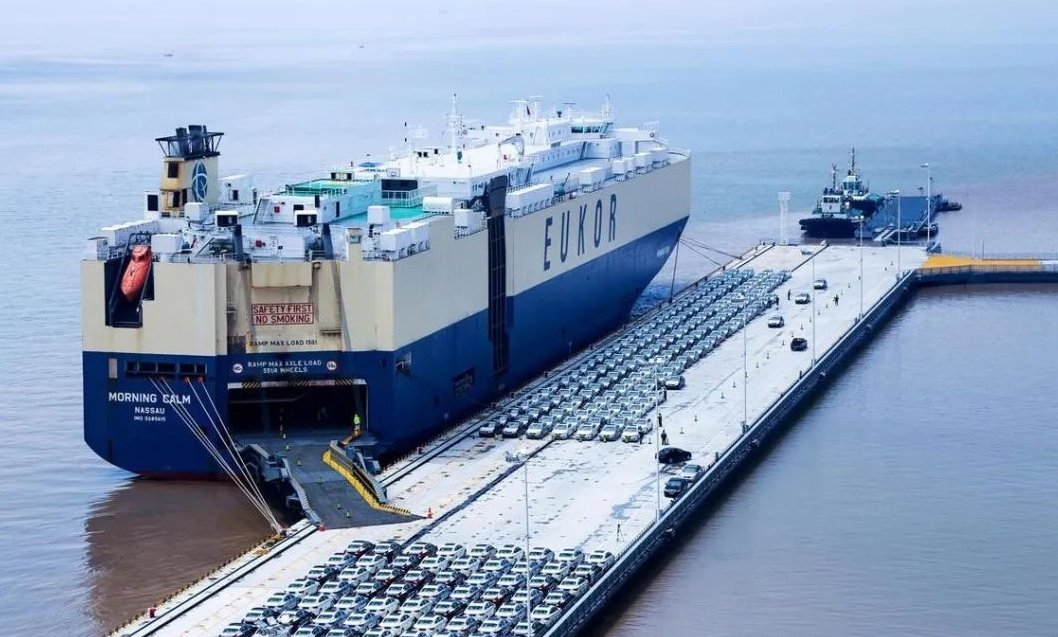
RoRo often works well for cleaner volume movement and for buyers who want a more straightforward unit-loading logic once the order mix is settled.
It becomes strongest when route, port capability and order structure all support a simpler flow without excessive fragmentation.
Many buyers decide too early without linking shipping mode to actual model mix, timing pressure or destination handling reality.
A clean export decision comes from matching the order structure to the route, not from copying what another importer did in a different market context.
This topic matters because overseas buyers rarely lose control at the moment they discover a model or a supplier. They lose control when the RFQ expands before the commercial logic has been cleaned up. A better article should therefore help narrow the brief, remove weak-fit assumptions and make the next supplier conversation easier to structure.
In practical terms, the value of this article is not only information. It is decision quality. Buyers should use it to decide what deserves deeper quotation, what still needs inspection or route clarification and what should remain outside the final shortlist even if it sounds attractive at listing level.
When a supplier conversation starts, the points above should be converted into direct questions about proof, trim clarity, market fit, dispatch timing and document readiness. That helps turn the article from passive reading into a more disciplined sourcing workflow.
The strongest use of these insights is to reduce noise before the buyer asks for final pricing. If the supplier cannot answer the operational questions implied by this article, the model or sourcing path probably belongs in comparison only, not in the committed RFQ set.
Once the route logic is clearer, move into export services and supplier selection so shipment planning stays tied to the actual order structure.
Why buyers should trust usable supplier positioning more than inflated inventory claims on a China vehicle export market...

How buyers can structure a mixed order across EVs, SUVs and commercial units without losing market logic, shipment disci...
The practical questions importers should ask before trusting a new vehicle supplier with stock claims, pricing and shipm...

How overseas buyers should evaluate used SUV stock before export by checking condition proof, market fit and repeat-orde...
Cookie preferences