
Aion S Export Buying Guide for Dealers and Fleet Buyers
Plan an Aion S export purchase with practical guidance on trims, battery choices, used units, pricing, MOQ, shipping, homologation and rival models.
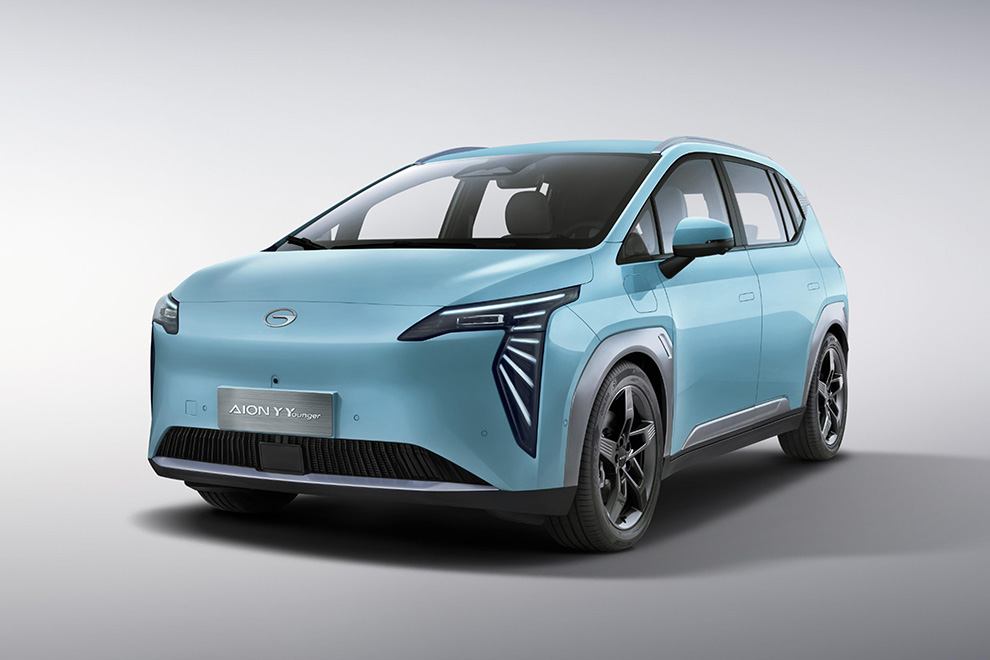
At a glance
- The Aion S for export is a compact battery-electric sedan suited to value-focused dealers and urban fleets.
- Aion S specs vary by trim and battery, so every purchase should be tied to a specific vehicle and destination-market range certificate.
- Numeric designations such as 420, 510, 580 and 650 help identify versions but are not a substitute for certified range.
- Used Aion S purchases can suit closed fleets, but battery condition, service history and high-voltage inspection should drive the decision.
- Aion S export pricing must separate the live vehicle price from freight, duty, tax, insurance, registration and local dealer costs.
- RHD availability, homologation and after-sales support are destination-specific checks that should be settled before an order.
Why the Aion S matters for export markets
The Aion S is a compact, four-door battery-electric sedan from Aion, aimed at buyers who want a practical Chinese EV without moving to a premium brand. Its export case combines a conventional saloon body, a locally developed electric drivetrain and a feature set that can appeal to value-focused dealer groups. For overseas commercial buyers, it is especially relevant to urban ride-hailing, company-car and shared-mobility programmes where acquisition cost, running efficiency and easy passenger access matter more than sports-car performance. It can also serve as an affordable fleet demonstrator where charging and parts support are adequate.
Demand for the Aion S should be understood in the broader shift toward electrified, feature-rich vehicles in export markets. Dealers and fleet operators can be attracted by lower-maintenance electric running, familiar sedan packaging and the availability of several equipment and battery-oriented versions. The strongest fit is in markets where Chinese vehicle distribution is already developing, charging coverage is credible and operators can manage on-board interfaces and language support, parts logistics and residual-value risk rather than treating the car as an unsupported novelty. That makes due diligence more important than headline specification comparisons alone.
For an overseas buyer, the decision is not simply whether the S is attractive in China. It is whether the vehicle can be made road-legal, supported and economically viable in the destination market. ChinaCarDirect lets buyers review the live Aion range, then request unit-level documents and an export quote through the RFQ process. Comparing the Aion S with the market's other Chinese EV brands is sensible, but compatibility with local charging, service capacity and used-vehicle demand should carry more weight than brochure novelty. Local execution remains decisive at every stage.
Model range, trims and powertrain variants: how the lineup is structured and how to choose
Aion S listings are organised around named editions and numeric designations such as 420, 510, 580 and 650. Those numbers help separate versions in the catalogue, but they should not be treated as a substitute for the homologated range of a specific car. A buyer should match the complete trim name, production year, battery chemistry and vehicle identification number, then obtain the range certificate or vehicle data for the destination market before calculating fleet operating costs. This is especially important for long-distance routes, charging plans and residual-value assumptions in practice.
The S is a battery-electric model, so there is no combustion engine, fuel tank or multi-speed gearbox to compare. All versions use an electric motor and reduction gearing rather than a conventional transmission, and the export line-up has included front-wheel-drive configurations. Battery options have included lithium iron phosphate and nickel manganese cobalt formulations, while labels such as LiDAR, Intelligent, Smart or Prestige identify equipment levels. In general, LFP is chosen for thermal robustness and cycle life, while NCM favours energy density; pack design still governs usable range and charging. Exact battery capacity, motor output, charging rates and equipment must be taken from the selected unit, not inferred from a sibling trim or catalogue photo.
Choosing a version starts with duty cycle. A fleet with frequent urban driving and predictable charging may prioritise the lower-cost trim that still meets its route needs, while operators covering longer distances or carrying more equipment may want the battery and range version they can actually use. Driver-assistance hardware, cabin finish, wheels, sunroof, audio and LiDAR availability can also change between trims. Compare a shortlist on total cost, warranty and local support rather than selecting the largest number on the badge; assess it against routes, charging and resale in the target market.
- Match trim to VIN.
- Verify certified range.
- Confirm pack, motor and charging.
New vs used Aion S: how export inventory is structured and how buyers choose
Export supply for the Aion S includes both factory-new cars and previously registered examples. New vehicles generally offer the most predictable condition, a defined production specification and a clearer warranty pathway, although delivery timing can vary with production, homologation and transport capacity. Used Aion S inventory can provide a different route for buyers seeking an older configuration or a lower initial acquisition outlay. The correct comparison is between the exact vehicle's specification and condition, not a generic new-versus-used assumption at the invoice level once all logistics and taxes are included.
For a used example, the decisive issue is high-voltage condition. Ask for a battery state-of-health report where available, inspect the vehicle for warning messages, and require evidence of regular charging and servicing. Odometer consistency, accident repair history, number of owners, remaining manufacturer coverage, key count and software status all affect value. A used EV can still be expensive if its battery needs repair, so an independent pre-purchase inspection is a sensible control before an export deposit is committed where local arrangements permit. This is particularly important for a high-value unit.
Buyers should decide how long they intend to keep the vehicle. A newer car may reduce near-term battery degradation and compatibility concerns, while a well-maintained used example can make sense for a closed fleet with a known resale route. There is no universal winner: fleet life, charging access, maintenance capability and expected residual value decide which risk is acceptable. On ChinaCarDirect, use the live listing's condition, year, mileage and trim fields, then ask the seller for any missing inspection or ownership information before placing an order with the seller.
How export pricing works: the factors behind a live listing price, and how to read one
An Aion S export price is not one fixed figure attached to the model name. The asking price is shaped by production year, exact trim, battery version, mileage and condition for used cars, and the commercial terms attached to that unit. New-versus-used status also changes risk expectations, but the seller's description, inspection evidence and warranty terms matter more than the label alone. For Aion S, a higher equipment grade or a desirable battery and range derivative may command a different asking price from a basic derivative in the same market.
Freight, insurance, port charges, customs duties, taxes, registration and dealer margin are separate from the vehicle asking price unless the quote expressly includes them. The Incoterm also changes responsibility: an ex-works price places more obligations on the buyer, while a delivered or terminal arrangement may bundle transport and handling differently. Exchange-rate movements, routing, seasonality, port congestion and the number of vehicles consolidated in a shipment can all change the final landed cost. Request an itemised quotation rather than inferring these elements from the listing page without written seller confirmation.
To read a live listing correctly, first verify the model name, year, trim, battery chemistry, claimed range, mileage or delivery status, VIN availability and seller location. Then check whether images show the actual vehicle or a representative example, and whether the price includes documentation, charging equipment, export clearance or domestic transport. The current per-unit price and availability must be confirmed on ChinaCarDirect's live Aion S listings at the time of enquiry. Treat the displayed amount as the vehicle asking price until a written quote defines scope, validity and payment conditions.
- Verify listing configuration.
- Separate vehicle and landed costs.
- Check live price and availability.
MOQ, ordering and payment: single units vs consolidating a container
Minimum order quantity is set at listing or transaction level, so do not assume that every marketplace unit follows the same rule. Some Aion S offers may be available to a single overseas buyer, while other inventory may be intended for consolidated lots or dealer quantities. The practical MOQ for a shipment is also affected by container capacity, homologation volume, spare-parts strategy and how quickly the buyer can place each vehicle into service. Check the MOQ field on each live listing and include any seller-imposed condition in the purchase order.
A single-unit Aion S purchase can suit a dealer test, a company pilot or a fleet operator validating demand before scaling. For an Aion S wholesale order, consolidation can reduce repeated freight and fixed handling costs, but it increases exposure to mixed specifications, inspection workload and slower-moving inventory. Buyers should ask whether the seller can reserve specific units, provide photographs and documents for each vehicle, and hold the same quality standard across the batch. Consolidating compatible trim years may be easier than combining many configurations, particularly where each market has different options and documentation requirements.
Payment and release should be tied to verifiable milestones. A typical sequence is commercial inquiry, vehicle selection, written pro forma invoice, deposit, inspection, balance payment, export documentation and release against the shipping terms. Confirm the contracting entity, payment currency, bank charges, inspection standard, cancellation terms and refund conditions in writing. Use a protected payment method and independently verify ownership and export-eligibility documents, especially for used vehicles, before funds are transferred to the designated seller account. That sequence protects both sides and reduces disputes over the exact unit and release documents.
- Check listing MOQ.
- Document reserved units.
- Use milestone-based payments.
Shipping, homologation and market compliance caveats: LHD/RHD and import rules by country
The first export question is whether the vehicle is configured for the destination's driving side. Aion vehicles sourced from the Chinese market are commonly encountered in left-hand-drive form, while some importing markets require right-hand drive. A factory right-hand-drive example, a documented conversion performed to an approved standard, or local individual approval may be available depending on the vehicle and country. Never assume a steering-wheel swap is acceptable; the importer must confirm whether the conversion affects type approval, safety equipment, warranty and registration. Local rules, not convenience, should control that decision.
Each country has its own type-approval or individual-approval route, tariff classification and taxes. Importers may need to address vehicle identification, emissions, electromagnetic compatibility, charging, cybersecurity and software requirements, as well as local rules on battery warranties and after-sales service. The lithium battery also requires appropriate dangerous-goods documentation, commonly including the UN 38.3 test summary, for international carriage. These are destination-specific compliance matters: obtain written advice from a registered importer and the relevant authority before shipping, not merely a generic certificate from the seller or its appointed agent in that country.
Shipping method affects both cost and risk. Ro-ro vessels are used for vehicles because loading is efficient, while container or flat-rack options may suit smaller consolidated lots or dimensional constraints. The route, port pair, sailing schedule, terminal handling, vehicle dimensions, battery weight, securing requirements, insurance and customs inspection all affect the quote and transit risk. Plan for pre-shipment inspection, correct export records, secure loading supervision and destination charges. On arrival, allow time for customs clearance, registration and any remedial work before vehicles are released into service, without rushing the handover.
- Confirm driving-side approval.
- Verify type approval and battery papers.
- Quote freight and clearance separately.
Who should buy the S — and who should pick a different vehicle
The Aion S is a strong candidate for cost-conscious dealers, ride-hailing operators, company-car programmes and urban fleets that value a four-door electric sedan. It is particularly useful where predictable routes, reliable charging access and straightforward passenger loading matter. A business buying one or several units can preserve capital by choosing a battery version suited to daily use rather than paying for range it will never need. The same logic applies to a dealership using the car as an affordable in-stock demonstrator for local EV buyers with proper handover and support.
It is less suitable for buyers who require a premium performance model, a high-riding crossover, heavy-duty commercial capability or off-road use. Operators planning long intercity routes without dependable charging should model the real duty cycle and allow for weather, load and traffic effects on usable range. A fleet without local high-voltage training, diagnostic access or a spare-parts plan may incur hidden downtime. In those situations, a more globally supported model or a vehicle with the required body and charging architecture may be the safer decision than a lower price alone.
Right-hand-drive markets and places with approval rules also require extra care. If no compliant S configuration can be imported and supported at sensible cost, the buyer should widen the shortlist rather than accept a non-compliant conversion. The same applies when battery chemistry or charging equipment does not suit local infrastructure. Compare the Aion S against Chinese alternatives, the Aion brand hub and other export brands on total operating cost, serviceability and resale prospects. The right vehicle is the one that remains compliant, serviceable and viable after the showroom discount ends.
- Best for urban fleets.
- Unsuitable for premium or heavy-duty needs.
- Validate support, charging and resale.
Main rivals and how the S compares
The closest budget-oriented comparison is the MG4, another Chinese-built compact electric car sold through export channels. Both the MG4 and Aion S target buyers seeking an efficient EV with equipment rather than luxury-brand status, although the MG4 is a hatchback and the S provides a conventional saloon layout. The MG4 may appeal where sportier styling and a hatchback cargo opening matter; the Aion S may suit operators focused on sedan access and a broader range of Chinese-market versions. Local price, warranty and parts terms should ultimately decide the comparison.
The BYD Seal occupies the premium end of the compact electric sedan class and is a more direct body-style alternative. It is generally positioned around stronger performance, higher-grade cabin technology and a more upmarket brand image, so the cost of ownership and purchase outlay can be higher. The Aion S is the value-led choice for fleets prioritising equipment per unit and acquisition economics, while the Seal may better fit a distributor seeking premium perception. Verify actual specification because trim, market and launch-year changes can blur the price and equipment gap.
For buyers who prioritise charging convenience, cabin space and an elevated seating position, the Hyundai Ioniq 5 is a cross-shop even though it is a crossover rather than a sedan. It has a different design and ownership proposition, often aimed at private buyers and mixed fleets that value its charging-focused architecture and distinctive usability. The Ioniq 5 may command a larger budget, while Aion S can offer a more economical route into electric operations. Dealer support, battery warranty and parts availability in the destination can outweigh either vehicle's headline advantages.
- MG4: compact EV hatchback.
- BYD Seal: premium sedan.
- Ioniq 5: charging-led crossover.
Live Aion S export inventory
View all listings →Real units currently on ChinaCarDirect with per-unit asking prices and MOQ. Availability updates live from the catalogue.
How to buy a Aion S from China
-
1
Define the destination and operating profile
State the destination, driving-side requirement, route length, charging assumptions and annual mileage before choosing a vehicle. This turns compliance and range into procurement criteria rather than late-stage surprises.
-
2
Build a trim and battery shortlist
Compare exact edition, battery chemistry, certified range, motor output, charging and driver-assistance hardware. Treat numeric trim labels as identifiers and request the VIN or build sheet before finalising a specification.
-
3
Review the live unit and seller
Open the current Aion S listings and verify price, availability, MOQ, year, trim, condition, mileage where relevant, seller location and included documents. For a used vehicle, request battery state-of-health evidence, ownership history and inspection records.
-
4
Request an itemised export quote
Ask for vehicle price, freight, insurance, terminal charges, duties, taxes, registration and dealer margin, plus the applicable Incoterm. Confirm the exchange-rate basis, quote validity and excluded costs.
-
5
Confirm MOQ and payment milestones
Decide between a single-unit purchase and consolidation, then reserve each selected vehicle in writing. Use a pro forma invoice and link deposits and balances to document verification, inspection and agreed release conditions.
-
6
Complete inspection and export paperwork
Have the selected vehicle inspected, verify VIN and ownership, and collect commercial invoice, packing and export documents plus battery dangerous-goods evidence. Confirm the contracting entity and payment account independently before funds are sent.
-
7
Ship, clear and register
Agree loading supervision, freight booking, insurance and destination terminal arrangements. After arrival, allow for customs, local type or individual approval, registration, software or charging checks, and final handover to the fleet.
S vs rivals
| MG4 | The MG4 is a compact Chinese-built EV hatchback that competes in the same broad value-oriented segment and may appeal to buyers wanting a sportier design and cargo opening. The Aion S is the more conventional saloon option, so compare local price, range certification, charging, rear-seat utility, warranty and parts support before choosing. |
|---|---|
| BYD Seal | The BYD Seal is a more premium compact electric sedan, generally positioned around stronger performance, higher-grade technology and a more upmarket image. It may suit a distributor seeking premium perception, while the Aion S targets fleet economics and equipment value; actual trim, market availability and local support should determine the outcome. |
| Hyundai Ioniq 5 | The Ioniq 5 is a compact electric crossover rather than a direct sedan rival, but it is a relevant alternative for buyers prioritising cabin space, charging-oriented design and a raised seating position. It may carry a larger budget, so the Aion S may win on acquisition value; compare charging compatibility, warranty, service footprint and resale in the destination. |
Frequently asked questions
How is the Aion S export price determined, and where can I see the live price?
The live asking price reflects the selected unit's year, trim, battery version, mileage or condition, seller terms and the broader used or new market context. Freight, insurance, duties, taxes, registration and dealer margin are added only if the written quotation says they are included; Incoterms determine who arranges each leg. Check the live Aion S listings on ChinaCarDirect for the current per-unit price, then request a written, itemised quote before treating any amount as final.
What powertrain and range should I expect from the Aion S?
The Aion S is a battery-electric, front-wheel-drive sedan using reduction gearing; it does not have a combustion engine or conventional multi-speed gearbox. Battery capacity, motor output and homologated range vary by version and test cycle, so the selected unit's build sheet and destination-market certificate should control. The 420, 510, 580 and 650 designations can identify editions, but they should not be read as certified range without supporting documentation.
Are used Aion S vehicles better value than new examples?
New examples generally offer more predictable condition, a defined production specification and a clearer warranty route, while used Aion S vehicles can suit a defined fleet budget or older configuration. A used purchase should be conditional on battery state-of-health evidence, high-voltage inspection, service and ownership records, and an acceptable warranty position. Compare total operating and resale risk at vehicle level rather than using a blanket new-versus-used rule.
How does MOQ work when ordering an Aion S?
MOQ is a listing and transaction term, not a fixed rule that must apply to every Aion S unit. Some live offers may be open to single-unit buyers, while other lots or dealer arrangements may require several vehicles; check the MOQ field on the specific listing. Consolidation can spread freight and handling costs, but it also raises inspection, specification and slow-stock risk, so agree unit reservations and payment milestones in writing.
What affects Aion S shipping time and cost?
Shipping time and cost depend on origin and destination ports, sailing schedule, method, vehicle dimensions, battery weight, securing, insurance, terminal handling, customs inspection and congestion. Ro-ro, container and flat-rack arrangements have different economics and risks, and Incoterms determine which charges and responsibilities are included. Ask for a route-specific freight quote and a realistic allowance for pre-shipment inspection, documentation, loading and destination clearance.
Are spare parts available for exported Aion S vehicles?
Spare-parts availability depends on the destination's Aion and Chinese-brand service network, the age and trim of the car, and whether the required high-voltage, charging or electronic modules are held locally. Before ordering, request a parts list, diagnostic capability, warranty route, lead times for core items and a recommended initial stock for each model year. A vehicle without a workable parts and repair plan can be unsuitable even if its purchase economics look attractive.
Is a right-hand-drive Aion S available for export?
Right-hand-drive availability depends on the source vehicle and destination rules; a Chinese left-hand-drive car cannot simply be assumed convertible for every market. A factory RHD example or an approved conversion may be possible, but the importer must confirm type approval, safety equipment, warranty and registration treatment. Availability changes by unit and country, so discuss the driving-side requirement before selecting or paying for a vehicle.
How do I buy an Aion S from China or place an Aion S wholesale order?
Start by defining the destination, use case, trim and quantity, then review the live Aion S inventory and request the unit's documents and an itemised quotation. Confirm the listing MOQ, whether the unit is reserved, the pro forma invoice, payment milestones, inspection standard, Incoterm and export documents before paying. After pre-shipment inspection, use compliant battery and vehicle documentation, arrange freight or consolidation, clear customs and complete local registration before handover.
Ready to source the Aion S?
Send ChinaCarDirect your destination, required Aion S trim, quantity and shipping preference to request a current unit-level export quote.
Request a quote