
Aion Ut Export Buying Guide: Specs, Trims and Advice
Aion Ut export buying guide for overseas dealers and fleet buyers: compare trims, used options, live pricing logic, MOQ, shipping and compliance.
At a glance
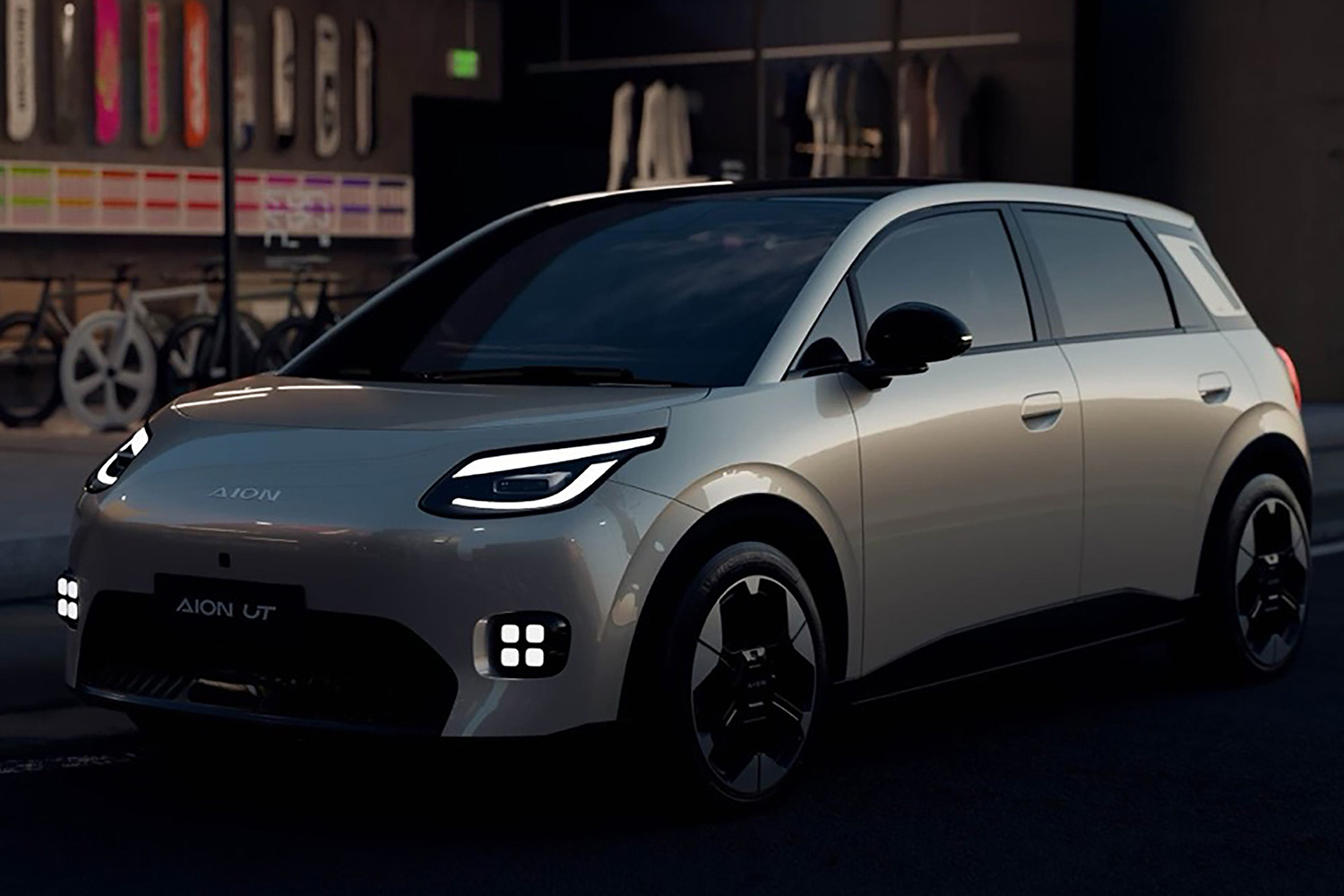
- The Aion Ut is a compact battery-electric SUV suited to urban dealers and fleet operators seeking manageable logistics.
- The 330 and 420 trim families should be compared by certified range, battery, charging and equipment for the destination market.
- New sourcing offers specification consistency, while used sourcing can reduce initial capital but increases battery and history risk.
- Export pricing depends on the individual vehicle, condition, exchange rates, freight, destination charges and the agreed Incoterm.
- Each live listing must be checked for its current per-unit price, MOQ and availability.
- Local homologation, steering configuration, parts support and charging access can be more decisive than trim cosmetics.
Why the Aion Ut matters for export markets
The Aion Ut is relevant to overseas buyers because it combines a compact SUV format with a battery-electric drivetrain and a China-origin price structure that can suit value-focused markets. Its relatively small footprint should simplify logistics compared with larger electrified SUVs, while five-door utility and usable passenger space make it more practical than a city hatchback. For dealers, the appeal is not only the vehicle itself but access to new and used sourcing channels from China. That combination is particularly relevant where fleet electrification is being considered but charging infrastructure remains uneven.
Demand for compact Chinese EVs is driven by practical economics rather than a single global trend. Urban dealers can use the Ut to serve ride-hailing, company-car and regional fleet customers without moving the large battery packs and heavier vehicle masses associated with bigger premium models. The same compact dimensions can help with parking and loading. However, a strong purchase case still depends on local electricity prices, route profiles, charging access and realistic residual values. Buyers should therefore model energy, charging and resale costs before treating the acquisition price as the decisive metric.
Aion's domestic scale is useful because it supports a broader sourcing ecosystem, but overseas success depends on support after delivery. A Ut bought for resale must have a credible route for diagnostics, replacement parts, software updates and warranty handling. Buyers should separate manufacturer-level appeal from import feasibility: the model may be attractive in theory yet weak for a particular market if steering configuration, certification or aftersales backup is unresolved. Due diligence should happen before payment. A local test registration, remote supplier contact and verified service partner can prevent many expensive mistakes.
- Compact electric SUV for urban and fleet use.
- Chinese sourcing supports new and used programmes.
- Local serviceability determines export viability.
Model range, trims and powertrain variants: how the lineup is structured and how to choose
The Aion Ut catalogue is organised around 330- and 420-designated editions, with named trims such as Starlight, Star, Smart, Smart Premium, Prestige and Intelligent Luxury. These labels help identify the source vehicle, but they should not be treated as a universal range guarantee. Chinese, European and other test cycles can produce different certified figures, and an export listing may describe the original domestic configuration rather than the specification registered in the destination country. Always request the homologation certificate and range-test protocol for the market in which the vehicle will be used before contracting.
Within the range, the lower 330 label is normally the simpler entry point, while 420-branded versions add equipment and may represent a different battery or range class. The exact distinction is not cosmetic: it can affect usable range, charging time, performance, curb weight and insurance. Buyers should compare the battery capacity, motor output, charging rating, dimensions and standard equipment on the individual unit, rather than choosing a trim from its name or decorative exterior details. This is especially important for fleets, where a small efficiency gain may be outweighed by higher acquisition or servicing costs.
Choose the Ut by operating requirement first and equipment second. A city fleet with predictable routes and managed charging may prioritise efficiency, straightforward controls and low running cost. A dealer serving varied customers may prefer a higher-output or longer-range derivative, while an operator carrying passengers and equipment should check payload, rear-seat access and cargo volume. The best trim is the one whose certified range, charging interface and equipment remain usable in the destination market. Climate, route elevation and charging downtime can matter more than optional comfort features for commercial utilisation.
- 330 and 420 designations identify separate trim families.
- Compare certified range, battery and charging by market.
- Match equipment to route, payload and climate.
New vs used Aion Ut: how export inventory is structured and how buyers choose
A live Aion Ut search can contain factory-new vehicles and used examples from different model years and trims. This mixed structure is useful because it supports both programme purchases and opportunistic fleet acquisition. New vehicles provide a more predictable specification and delivery path, while used units can broaden equipment choice or reduce initial capital exposure. The correct starting point is the commercial brief: required duty cycle, customer expectations and the maximum acceptable total cost, not simply the lowest vehicle entry price. Availability and terms must always be confirmed per live unit.
Used Aion Ut vehicles require more scrutiny than age alone suggests. Ask for the VIN, service history, accident disclosure, battery state-of-health report, charging-cycle information and evidence of software or controller replacement. Inspect tyres, brake components, suspension, cabin wear and high-voltage warnings, and confirm that the battery is not marketed as if new. A lower purchase price can be offset by near-term battery, tyre or electronics risk, especially when the intended resale market values warranty certainty. Ask whether remaining manufacturer or supplier warranty can be transferred and documented in your jurisdiction.
New sourcing is preferable when launch-condition consistency, a known production specification and straightforward handover matter more than minimising the initial outlay. It also allows the buyer to align the vehicle with one destination homologation package rather than combining vehicles built for different assumptions. For used sourcing, a mixed fleet can still work if the importer can standardise inspections, software, charging equipment and maintenance. Also verify that an Aion-branded result is actually a Ut; adjacent Aion models can appear in broad catalogue searches and must not be treated as equivalent without checking the VIN.
- New vehicles prioritise specification consistency.
- Used vehicles demand battery and history checks.
- Verify the exact model, trim and VIN.
How export pricing works: the factors behind a live listing price, and how to read one
An Aion Ut export price is the result of several layers, not a fixed model-level rate. The source vehicle's model year, 330 or 420 family, trim equipment, battery version, mileage, condition and ownership history establish its base value. Exchange rates and market demand then affect the seller's quote. For used units, repair history and battery condition can be as important as the model year. A buyer should therefore treat a listing price as the seller's ask for that specific vehicle at that moment. Only a live quote is binding for that transaction.
Export-related charges may sit above or alongside the displayed vehicle price, depending on the seller's Incoterm and the buyer's location. Relevant variables include sea or air freight, insurance, terminal and handling fees, inland transport, export documentation and destination taxes, duties or VAT. The same unit can therefore produce different landed outcomes under different terms. Ask for a written price breakdown that identifies what is included, who arranges each movement, when payment falls due and which party bears customs and destination charges. Avoid comparing headline asks without an identical scope.
To read a live listing effectively, first confirm the exact model, trim, model year and new-or-used status. Next, compare mileage, battery report, options, condition, photos, VIN and seller location across comparable units. Then test whether the displayed amount includes export preparation or domestic charges only. Open the current listing and request a written quotation for the intended Incoterm, destination and quantity. ChinaCarDirect's live inventory shows the current per-unit price and terms; those details, rather than an old catalogue figure, should control the buying decision. Ask about price validity and any vehicle-specific deposit.
- Vehicle condition and trim set the base value.
- Freight, Incoterm and taxes shape landed cost.
- Current written quotations control the transaction.
MOQ, ordering and payment: single units vs consolidating a container
MOQ means the minimum quantity a seller requires for a transaction. It should be checked on each live Aion Ut listing or confirmed in the written quotation; it is not safely assumed from the model name or from another Aion product. Some offers may accept one vehicle for a test order, while a factory or consolidated wholesale shipment may impose a batch requirement. Distinguish the per-unit MOQ from a seller's preferred container quantity, because these are different commercial constraints. The purchase order should state both clearly in writing before any deposit.
A single-unit order is attractive for dealers testing demand, importers building a pilot fleet and buyers who need mixed trims. It offers more flexibility but may not obtain the best unit freight rate, and each vehicle still needs individual inspection, documentation and title checks. A consolidated container can lower vehicle-level logistics cost and simplify supplier coordination, but it ties up more capital, requires one broader specification decision and increases exposure to port delays, demurrage and unsold stock. The saving should be weighed against financing, insurance and slower inventory turnover in each market.
A defensible ordering sequence starts with a written specification, followed by a pro forma invoice showing the unit price, MOQ, deposit, balance trigger, Incoterm and expected document set. Before releasing the balance, require agreed inspection evidence, VIN verification, export-eligibility documents and confirmation of ownership. Payment should use the seller's verified business details and a milestone tied to documentary or inspection milestones. If a buyer cannot inspect personally, appoint an independent inspector and define acceptance tolerances in the contract. For a consolidated order, attach a vehicle list and serial number to each line.
- Confirm the per-unit MOQ on every listing.
- Consolidation lowers unit logistics, not every risk.
- Tie payment milestones to inspection and documents.
Shipping, homologation and market compliance caveats: LHD/RHD and import rules by country
Chinese-market vehicles are not automatically road-ready in the destination country. Before contracting, check whether the exact configuration requires local type approval, emissions or safety testing, a Certificate of Conformity, VIN verification, registration taxes and insurance. Import age limits may apply to used vehicles, while new-energy incentives may be conditional on local production, battery sourcing or resident status. Rules can also distinguish private, dealer and commercial imports. A homologation specialist or the destination authority should confirm the route for the intended use. This prevents a technically sound vehicle from becoming non-compliant stock.
Left-hand-drive and right-hand-drive availability must be confirmed for the source unit, not inferred from a listing photograph. A left-hand-drive vehicle can be legal to import in some markets yet commercially unattractive where local buyers strongly prefer right-hand drive; other countries restrict or limit new vehicles in the opposite configuration. Steering configuration can also affect parts, insurance and service training. When right-hand drive is essential, ask the supplier to provide the VIN, configuration evidence and photographs of the steering and instrument arrangement before deposit. Do not assume a Chinese production model is available in both configurations.
EV shipping adds specialist handling because the traction battery is a regulated high-voltage component. Use a forwarder or carrier experienced in vehicles and batteries, and agree the transport method, battery state of charge, loading equipment, dangerous-goods declarations, insurance and route. Sea freight is generally the economical choice for volume shipments, while air or rail may suit urgent or smaller movements, but each has different cost and timing profiles. Obtain insurance and customs advice before loading rather than after the vehicle has left the origin port. Damage photographs and periodic reports are essential.
- Check destination approval before placing a deposit.
- Confirm steering configuration by VIN and photographs.
- Use an EV-experienced carrier and insurer.
Who should buy the Ut — and who should pick a different vehicle
The Ut best fits an overseas buyer who wants a compact electric SUV, operates predictable routes and can provide dependable charging or opportunity charging. It is particularly relevant to urban taxi and ride-hailing operators, company pools, hotel and regional fleet buyers, and dealers serving cost-conscious private customers. The vehicle's format supports passenger use and manageable logistics without moving into a larger, heavier price band. The purchasing case becomes strongest when battery health, software support and residual-value assumptions are validated locally. Charging access should be a contractual operating requirement for every vehicle.
A different vehicle is more suitable when cargo volume, extended family travel, severe cold, remote routes or very high daily mileage dominate the requirement. Buyers needing a larger cabin or higher payload should consider a larger electric SUV or a plug-in hybrid rather than downgrading the Ut's operating margin. In markets with sparse public charging, a hybrid may offer lower infrastructure dependence. A premium compact EV from a brand with stronger local service may also be safer where resale value and warranty support outweigh the Chinese sourcing advantage in the local market.
Used Ut buyers should also be selective when the intended duty cycle is intensive. A low-entry vehicle with weak battery evidence can be a poor fleet choice even when the arithmetic looks attractive. Conversely, a carefully inspected used unit can suit a budget operator with controlled routes. For new sourcing, the deciding issues are destination approval, handover configuration and the availability of a viable service plan. Whichever route is chosen, compare total operating cost over the planned holding period rather than ranking vehicles by acquisition cost alone, including energy, maintenance and expected depreciation.
- Best for urban fleets and compact-SUV dealers.
- Less suitable for remote routes or heavy payloads.
- Compare lifecycle cost, support and residual value.
Main rivals and how the Ut compares
The BYD Atto 3, also sold as the Yuan Plus in some markets, is the closest global comparison because it is a compact electric SUV aimed at similar private and fleet buyers. The Aion Ut may offer an alternative sourcing channel and a right-sized package for cost-focused importers. The Atto 3, however, can benefit from broader international recognition and more visible dealer familiarity. Compare certified range, cargo utility, software, warranty and local parts support for the exact destination specification rather than assuming either brand is automatically cheaper to operate after import.
The Hyundai Kona Electric is a useful rival for buyers who put brand familiarity, driver visibility and established after-sales support ahead of China sourcing cost. Its alternative body and market-specific equipment can appeal to private customers who recognise the model. The Ut may still win for an importer able to manage Chinese spare parts, homologation and service processes more efficiently. A side-by-side total-cost model should include charging losses, insurance, maintenance, tyre replacement and expected resale rather than only catalogue range. For fleets, driver uptime and parts lead times deserve equal weight.
The MG4 provides a different compromise: it is a compact electric hatchback rather than a conventional SUV, with lower-slung packaging and a strong value-oriented position in many markets. Buyers who prioritise purchase efficiency, urban manoeuvrability and a simpler body may accept less upright cargo utility. The Ut should appeal more where SUV access, luggage capacity and a higher seating position influence customer demand. The decision comes down to the duty cycle and local market, not the badge, because both are compact BEVs competing for budget-conscious buyers in the same segment of demand.
- Atto 3: strongest direct global SUV comparison.
- Kona Electric: familiarity and support advantage.
- MG4: hatchback packaging and urban efficiency.
Live Aion Ut export inventory
View all listings →Real units currently on ChinaCarDirect with per-unit asking prices and MOQ. Availability updates live from the catalogue.
How to buy a Aion Ut from China
-
1
Define the market and operating profile
Set the destination country, required steering configuration, typical route, payload, charging access and holding period. These conditions determine which Aion Ut editions and homologation routes are relevant.
-
2
Build a comparable live shortlist
Review current Aion Ut listings and compare the exact model, trim, model year, condition, mileage, equipment and seller location. Exclude adjacent Aion models unless they are intended alternatives.
-
3
Request the build sheet and VIN evidence
Ask for the VIN, battery capacity, motor output, certified range protocol, charging specification, dimensions, equipment list, service history and export documents relevant to a used vehicle.
-
4
Request a written export quotation
Confirm the current unit price, per-unit MOQ, deposit and balance terms, Incoterm, freight scope, insurance, documentation, expected readiness and quote validity. Require a clear breakdown of destination charges that are excluded.
-
5
Complete compliance and payment checks
Check destination homologation, import rules, steering configuration and registration requirements before paying. Verify the seller's business and banking details, and tie payment milestones to inspection and documentary conditions.
-
6
Inspect before final payment
Use an agreed inspection checklist or an independent inspector for exterior condition, mileage, accident disclosure, battery state of health, warning systems, tyres, brakes and charging function. Record acceptance tolerances in the contract.
-
7
Book shipping and destination clearance
Engage an EV-experienced carrier, confirm insurance and dangerous-goods handling, and agree loading and discharge responsibilities. Track the vehicle, reconcile shipping and customs documents, and complete destination registration through suitable local partners.
Ut vs rivals
| BYD Atto 3 / Yuan Plus | The most direct global compact-SUV comparison for urban and fleet buyers. The Ut can provide a China-sourced value alternative, while the Atto 3 may have broader brand recognition and local service familiarity; compare certified range, parts support and total operating cost for the destination version. |
|---|---|
| Hyundai Kona Electric | A safer fit for buyers prioritising established brand support and high-visibility compact crossover packaging over China-sourcing novelty. The Ut may suit importers able to manage homologation, parts and service more cost-effectively. |
| MG4 | A lower-slung compact hatchback alternative for buyers focused on urban efficiency and value. Choose the Ut when SUV cargo access, luggage capacity and seating height matter more than the MG4's hatchback layout. |
Frequently asked questions
How is the Aion Ut export price determined?
The price reflects the specific unit's model year, trim, battery or range class, mileage, condition, equipment and market factors such as exchange rates. Freight, insurance, documentation and Incoterm can be included or excluded. Check the current per-unit listing and request a written delivered or landed quotation for your destination before relying on any headline figure.
What powertrain and range should I expect?
The Ut is a battery-electric vehicle using a single-speed electric transmission. Its catalogue includes 330- and 420-designated editions, but those names should not be treated as one universal certified range. Battery capacity, motor output, charging and CLTC, WLTP or EPA range must be confirmed for the exact export configuration.
Is a used Aion Ut better value than a new one?
A used Ut can reduce initial capital requirements and provide access to a wider trim mix, but it also carries more uncertainty around battery degradation, accident history, maintenance and warranty transfer. A new vehicle generally offers more consistent condition and specification, although its destination homologation and handover configuration must still be confirmed. Compare the total operating and resale cost rather than acquisition cost alone.
What is the MOQ for an Aion Ut?
MOQ is a seller-specific transaction condition and should be checked on the live listing and in the written quotation. A single-unit purchase may be available, while some sellers or consolidated wholesale programmes require batches. Do not assume that the MOQ shown for another Aion model, seller or destination applies.
How long does export shipping take and what drives the cost?
Transit time depends on origin port, destination port, transport mode, sailing or flight schedules, customs clearance, port congestion and inland delivery arrangements. Cost is influenced by the chosen carrier, fuel and handling charges, insurance, battery-compliant packaging, documentation and Incoterm responsibilities. Ask the forwarder for a current route-specific schedule and an all-in freight quotation.
Can I order spare parts with the vehicle?
Parts can usually be discussed separately, but availability depends on the Aion Ut's model year, trim, production batch and destination. Before ordering, identify likely wear items, electronic modules and service parts, then confirm lead times, diagnostic compatibility and any local alternatives. A documented aftersales plan is especially important for a mixed used fleet.
Is a right-hand-drive Aion Ut available?
Right-hand-drive availability cannot be assumed from the model name or a listing image. Confirm the steering configuration, VIN, build information and local homologation for the exact vehicle before paying. Where right-hand drive is essential, exclude any source unit that cannot provide clear configuration evidence.
How do I buy an Aion Ut from China?
Start with the live Aion Ut inventory, shortlist comparable units and send an RFQ specifying your destination, quantity, trim preferences and Incoterm. Review the written specification, per-unit price, MOQ and payment milestones, then complete compliance checks and inspection before final payment. The final stage is booking EV-capable transport, verifying export documents and arranging customs clearance and registration.
Ready to source the Aion Ut?
Request a current Aion Ut quotation with vehicle specification, per-unit MOQ, Incoterm and shipping options through ChinaCarDirect.
Request a quote