
Aion Y Export Buying Guide for Global Car Buyers
Compare Aion Y trims, range families, used options, export pricing, MOQ, shipping and homologation, then source a compliant EV for your market.
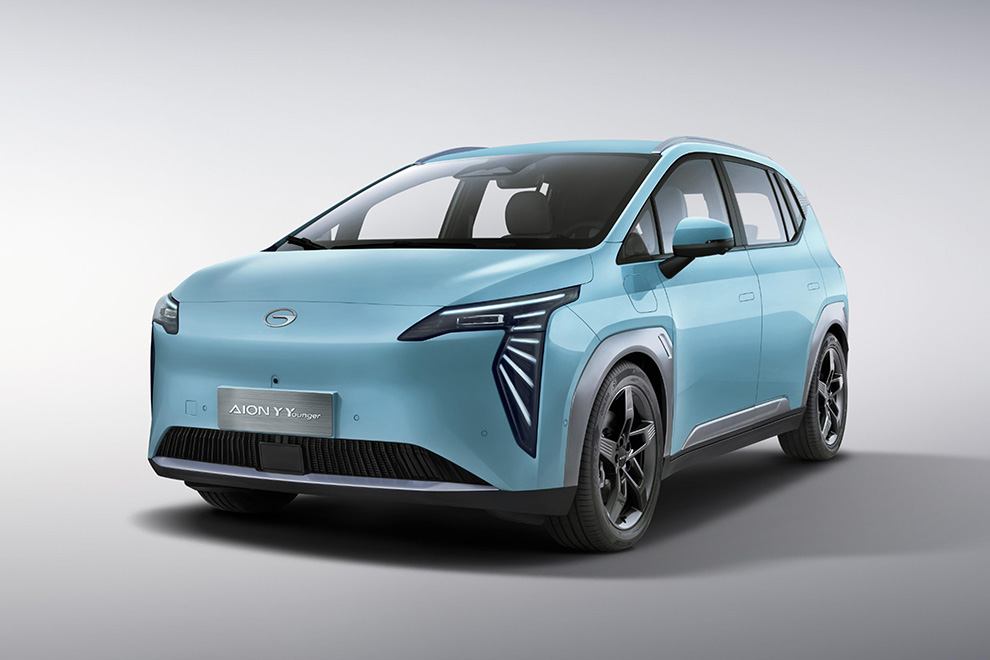
At a glance
- A compact five-door battery-electric SUV aimed at urban private buyers, ride-hailing operators and company fleets.
- Choose among 510-, 610- and 650-named families, with trim, battery and equipment configurations varying by unit.
- A used Aion Y can suit a controlled pilot, but verify mileage, service history, battery condition and VIN before purchase.
- Live vehicle-level quotations determine export cost, while freight, exchange rates, duties and Incoterms shape the landed total.
- Confirm steering side, charging standards, homologation, MOQ and local spare-parts support before committing funds.
Why the Aion Y matters for export markets
The Aion Y sits in the compact electric SUV segment: smaller and easier to manage than many larger Chinese EVs, but with enough cabin and cargo practicality for private buyers, ride-hailing and company fleets. That combination gives it export appeal in cities where parking space is limited and charging access is improving. Overseas importers can position it as an affordable, practical alternative to combustion compact crossovers without competing head-on with premium electric models. Its modern styling also helps it fit mainstream retail programmes, although success still depends on local charging coverage, aftersales planning and realistic homologation.
The model is particularly relevant to buyers seeking a straightforward battery-electric vehicle rather than a plug-in hybrid or range-extender. A pure EV layout can simplify fleet operating logic around charging rotations, energy use and maintenance, while the Y’s five-door format supports passengers and everyday loads. Its export proposition is strongest where importers already understand Chinese vehicle standards and can establish a compliant parts channel before vehicles reach the destination market. This is more relevant than headline range alone, because imported vehicles must remain supportable throughout their commercial lives in the destination market.
Demand should not be confused with a universal export success. The Y is best suited to markets with credible charging networks, clear ownership economics and a dealer or fleet operator able to diagnose vehicles and stock parts. It can be especially useful for company-car, hotel-shuttle and municipal pilots where quiet operation and predictable energy costs matter. Before ordering, test the proposition against local incentives, duty rules, insurance categories and residual-value expectations rather than relying on Chinese list-positioning alone. A disciplined importer will validate demand through pilot orders and customer feedback before scaling.
- Compact footprint; easy urban parking.
- Five-door flexibility for mixed use.
- Charging access drives viability.
Model range, trims and powertrain variants: how the lineup is structured and how to choose
Aion Y naming is not a single specification. The catalogue spans entry, comfort, technology and driver-assistance grades, with designations such as Younger, Plus 510, Plus 610, 70-series and 650 LiDAR variants. The numbers generally distinguish range- or battery-oriented families, while “Smart,” “Enjoy,” “Luxury,” “Tech,” “Star” and related labels indicate equipment levels. Because translated trim names do not always map neatly to each market’s option structure, buyers should compare the actual equipment list rather than assume that a higher number means every newer technology. Battery chemistry and motor output can also change within a named family.
The 510 and Plus 610 labels point to different range-oriented families, while the 70 and 650 names identify further variants with different battery or technology emphasis. Some 70-series listings explicitly use lithium iron phosphate chemistry, whereas certain Plus 610 grades are identified as ternary lithium. Chemistry should not be judged by label alone: charging habits, thermal management, usable capacity, warranty and replacement strategy all affect fleet suitability. Ask for the exact pack, rated capacity and charging specification in the selected unit’s documentation before approving a bulk purchase order.
Most Aion Y configurations use a single front-mounted electric motor, front-wheel drive and a single-speed reduction gearbox, giving a straightforward EV layout. Higher trims may add richer displays, comfort equipment and driver assistance, with the 650 LiDAR name highlighting a sensor-rich version. For fleet buyers, prioritise payload, charging compatibility, software functions and local repairability over cosmetic trim hierarchy. For private buyers, seat comfort, boot usability, visibility and an assistance package that can be legally enabled matter more than an elaborate Chinese option name. A clear use-case brief prevents overspending on equipment the business will never use.
- Confirm range-family labels.
- Check chemistry and usable capacity.
- Match equipment to duty cycle.
New vs used Aion Y: how export inventory is structured and how buyers choose
Aion Y export inventory can contain ex-fleet, demonstration and previously privately owned vehicles as well as newer examples. That creates a wide condition spectrum. A used unit can be attractive when a buyer knows the history, accepts a particular age or mileage, and values immediate model availability over factory-new presentation. It can also support a controlled pilot because the purchase risk is lower than committing at scale. The key is not the “used” label itself, but whether service records, battery condition and remaining warranty can be verified before shipment is authorised.
A new vehicle is generally the cleaner choice when the buyer needs known delivery condition, predictable warranty commencement, the latest advertised equipment and straightforward fleet presentation. Its disadvantages are a higher acquisition commitment, specification uncertainty if the listing is not precise, and potential waiting time. A used Y may offer better value where the lower entry requirement matters, but condition should be documented through photographs, an independent inspection, diagnostic access and a clear battery-health report. Dealer sourcing should also reveal whether a vehicle has been used for ride-hailing or heavy commercial duty.
The best choice depends on the commercial horizon. A short evaluation fleet can justify carefully selected used units; a long-term retail programme may favour newer stock because buyers often compare warranty, software and visible condition. Used vehicles also expose the buyer to model-year variation: a vehicle built in an earlier production cycle may lack later driver-assistance hardware, charging updates or trim features even if its body design looks similar. For either route, compare the VIN, production date, trim, battery chemistry, odometer, title status and service history with the listing before confirming the order.
- Verify VIN, mileage and history.
- Favour newer stock for warranty.
- Check model-year software changes.
How export pricing works: the factors behind a live listing price, and how to read one
A live Aion Y export price is not a universal manufacturer price. It reflects the individual vehicle’s year, trim, range family, battery chemistry, mileage, condition, ownership history, inspection status and the seller’s commercial terms. Exchange-rate movements can also change the overseas total, while repair work, storage, documentation and preparation selected by the supplier may be included. Two vehicles carrying similar model names can therefore differ materially. Treat the displayed amount as a vehicle-specific starting point, then confirm what is physically included in the quotation before reserving or paying a deposit in writing.
Check whether the quote is vehicle-only or covers export preparation, inspection, internal transport, documentation, terminal charges and sea freight. Incoterms determine where responsibility transfers, so the same car can appear more expensive or less expensive depending on the delivery scope and destination. Ask for the price in both the seller’s currency and the currency needed for comparison, together with the exchange-rate date. Also establish whether battery or charging accessories, spare equipment, basic training or warranty servicing are included rather than assuming standard domestic delivery equipment is sufficient for the destination market.
Build a landed-cost comparison rather than comparing headline quotes. The landed total may include the vehicle, inspection, inland movement, export charges, freight, insurance, destination duties, taxes, port handling, registration and dealer margin. Live exchange rates, fuel surcharges, congestion and container availability can move freight independently of the seller’s vehicle price. Use current Aion Y listings as the source for per-unit price, MOQ and availability when shortlisting candidates, but request a written quotation for the exact unit and destination. Only that versioned quote should enter final commercial approval and be reconfirmed if exchange rates, freight terms or the selected vehicle change.
- Separate vehicle cost from freight.
- Confirm currency and Incoterm.
- Compare landed cost.
MOQ, ordering and payment: single units vs consolidating a container
MOQ means the smallest quantity a supplier will sell or accept for a defined transaction, and it may apply differently to vehicle-only purchases, ready-to-export stock and consolidated freight. ChinaCarDirect listings should be treated as the live source for each unit’s stated requirement, because terms vary by seller and shipment plan. A buyer testing one Y for a fleet pilot should ask whether the selected vehicle can be purchased alone and what minimum quantity applies to that quotation. Do not infer a universal quantity from a catalogue page or a single negotiated order.
Single-unit buying is useful for market validation, media fleets, executive use and spare-unit planning. Consolidated wholesale purchasing can improve freight planning and give an importer more control over matching trim and specification across a batch, but it increases exposure to slow sell-through, storage, working capital and quality variation. A mixed container should not be treated as identical stock: request VIN-level information and assign each vehicle to an acceptance checklist. If combining vehicles, align model year, battery family, software level and service expectations to simplify training, diagnostics and spare-parts stocking for the team.
A safe ordering sequence is specification approval, quotation, refundable deposit, production or stock confirmation, inspection, final payment, shipping documents and release against agreed evidence. Payment milestones should mirror the supplier’s obligations and be protected by a written contract that identifies the exact vehicle, price, Incoterm, delivery term and remedy for non-conformity. Never rely on a generic product photograph or model name once a deposit is paid. Changes in trim, battery version, accessories or condition should trigger a revised quotation and fresh approval before balance payment. This protects both importer and buyer.
- Check each unit’s MOQ.
- Single orders suit pilots.
- Align mixed-container specifications.
Shipping, homologation and market compliance caveats: LHD/RHD and import rules by country
Export compliance starts with the destination country, not the vehicle’s attractive listing. Imported vehicles may need type approval, emissions or noise compliance, electrical and EMC checks, safety-equipment requirements, customs documentation, local registration and inspection. A battery-electric vehicle still faces rules covering battery transport, charging sockets, software cybersecurity and possible local-content or tariff treatment. Rules differ sharply between jurisdictions and can change. Buyers should obtain a written importability assessment from a customs broker or local compliance specialist before paying, rather than assuming Chinese approval guarantees acceptance elsewhere for the exact configuration.
Steering configuration is a central sourcing issue. A left-hand-drive Y suits markets such as mainland China and many continental destinations, while right-hand-drive is normally required in the United Kingdom, Australia, New Zealand, Japan and other markets. The Y is sold in both left- and right-hand-drive forms in some markets, but export availability changes over time and not every trim is offered in both configurations. Specify steering side at the quotation stage and require photographs of the dashboard and controls. Never assume a bilingual listing or an overseas-market badge guarantees the correct configuration.
Shipping method should match urgency, quantity and budget. Ro-ro suits complete vehicles efficiently; containerisation can protect vehicles and may suit mixed consignments, while flat-rack or specialist options require additional planning. The vehicle must be prepared correctly, secured to carrier requirements and accompanied by accurate commercial and technical documents. Ask the carrier or freight forwarder about battery declaration, charging adaptor restrictions, lashing, insurance, route risk and destination charges. These logistics should be planned before a vehicle is committed because moving a non-compliant or poorly documented car can be costly and slow.
- Check destination import rules.
- Specify steering side early.
- Plan battery declarations.
Who should buy the Y — and who should pick a different vehicle
The Y is a strong candidate for urban dealers, ride-hailing operators, company fleets and private buyers who want a compact five-door EV with manageable dimensions. It is especially attractive when routes are predictable, charging can be organised at the depot, and a practical interior matters more than premium materials or high-speed performance. A smaller fleet can also use the model to learn demand before committing to larger volumes. Buyers should calculate energy needs, charging downtime and residual assumptions around their own duty cycle, not around a generic promotional range claim, and uptime.
It is less suitable where charging is unreliable, routes regularly extend beyond practical range, or customers expect long-distance comfort comparable with larger premium SUVs. Very high payloads, frequent towing and demanding temperature extremes also deserve separate scrutiny because a compact platform may not offer the same capacity or margins as a larger model. Buyers focused on advanced driver assistance should verify that the relevant hardware is present, locally permitted and supported by software updates. A polished LiDAR-branded trim is not automatically the best fleet purchase if its added complexity cannot be maintained locally.
Choose another vehicle when the use case needs seven seats, a larger cargo bay, a towing package, broader cold-weather charging performance or a more established international aftersales network. A plug-in hybrid or range-extender may suit buyers without dependable charging who still want lower local emissions, while a hybrid may be easier to operate in regions with sparse infrastructure. For larger fleets, a model with a simpler service structure and established parts distribution may reduce downtime more effectively than a lower acquisition price. The Y wins when its compact efficiency matches the operating environment.
Main rivals and how the Y compares
The BYD Yuan Plus, sold in many export markets as the Atto 3, is the most obvious global benchmark for a compact electric SUV. It generally benefits from broader international brand recognition and a larger established dealer network, which can reduce residual-value and parts-support concerns. The Aion Y’s counterargument is its distinct styling, broad trim selection and potentially competitive acquisition economics. Neither vehicle should win on badge or range label alone; compare the exact wheel size, battery, software, warranty and landed cost for the destination and intended use pattern carefully before ordering.
The Geely Geometry C is a closer alternative for buyers comparing Chinese-built compact EVs with a design-led, technology-focused character. It offers a similar urban-use proposition: five-door practicality, electrified drivetrain and equipment-led trims. The deciding factors are after-sales coverage in the buyer’s market, parts access, software support and the actual terms available for each vehicle. Geometry may carry stronger brand recognition in selected regions, while Aion’s wider trim naming can make specification matching more work. Treat both as local-service propositions, not just products. A lower vehicle price cannot compensate for inadequate local support.
The Omoda 5 EV is relevant when an importer wants an export-oriented compact electric SUV and a more conventional European-style visual identity. Depending on the market, it may be positioned above the Y and can appeal to buyers focused on design, road presence and a broader high-spec showroom effect. The Aion Y may offer a more distinctive alternative and a wider spread of practical trims. Omoda’s stronger export positioning can be an advantage for support, but availability and local homologation still determine the practical outcome. Compare approved configurations, not showroom impressions.
Live Aion Y export inventory
View all listings →Real units currently on ChinaCarDirect with per-unit asking prices and MOQ. Availability updates live from the catalogue.
How to buy a Aion Y from China
-
1
Define the operating case
Record route length, daily mileage, payload, charging access and the destination country. Separate private retail, ride-hailing and company-fleet priorities, because they lead to different trim and condition choices.
-
2
Shortlist exact vehicles
Browse current Aion Y listings and compare range family, trim, battery chemistry, steering side, mileage and equipment. Treat each listing as a candidate, then verify the VIN and build details.
-
3
Request a destination-specific quotation
Ask for the vehicle price, inspection, export preparation, internal transport, freight, documentation, Incoterm, payment schedule and stated MOQ. Require the quote to identify the exact vehicle and currency.
-
4
Clear compliance before commitment
Use a local customs broker or compliance specialist to check importability, homologation, duties, charging and battery-transport requirements. Do not treat a Chinese-market listing as proof of destination approval.
-
5
Inspect and approve the unit
Agree photograph, mechanical, battery and diagnostic checks before final payment, with remedies for undisclosed damage or specification mismatch. Retain a signed condition record tied to the VIN.
-
6
Book freight and export documents
Choose the carrier method with a forwarder and confirm secure preparation, battery declaration, insurance, route, port charges and document responsibilities. Track the sequence from stock release to vessel departure.
-
7
Plan registration and aftersales
Confirm charging adapters, local technician training, warranty workflow, parts references and roadside support before vehicles enter service. Review residual-value assumptions after compliance and operating costs are known.
Y vs rivals
| BYD Yuan Plus / Atto 3 | The BYD Yuan Plus/Atto 3 is the closest global benchmark, with broader international recognition and more established support in many markets. Choose it for brand familiarity or parts confidence; choose the Y for distinctive design, varied trims and potentially more competitive vehicle-level economics, subject to a landed-cost comparison. |
|---|---|
| Geely Geometry C | The Geely Geometry C competes as a design-led compact electric SUV with similar urban practicality and technology focus. It may suit buyers familiar with Geely, while the Y offers more varied naming and configurations; aftersales reach, software support and local parts should decide the outcome. |
| Omoda 5 EV | The Omoda 5 EV is a credible export-oriented alternative with a more conventional crossover image and often a higher showroom positioning. The Y is the more distinctive, trim-flexible option for cost-conscious private or fleet buyers, while Omoda may appeal where its local export network is stronger. |
Frequently asked questions
How is Aion Y export pricing determined?
The live export price is set for a specific vehicle and reflects year, trim, battery version, mileage, condition, seller terms and currency movements. It may or may not include inspection, export preparation, inland transport, documentation and freight, so read the Incoterm carefully. Check the current Aion Y listings on ChinaCarDirect for the unit-level amount, then request a written destination-specific quotation.
Which powertrain and range configurations are available?
The Aion Y is a battery-electric compact SUV, normally using a single front-mounted motor, front-wheel drive and a single-speed reduction gearbox. The range includes 510-, 610- and 650-named families, with lithium iron phosphate and ternary-lithium options appearing in different trims. Verify the exact battery capacity, range-test result, connector and charging limits in the live listing.
Should I buy a new or used Aion Y?
A used Aion Y can reduce entry cost and suit a controlled pilot, but buyers should verify VIN, mileage, service history, battery condition, warranty and commercial use. A newer vehicle generally offers cleaner condition, newer equipment and clearer warranty commencement, but carries a larger capital commitment. Match the choice to the fleet horizon and the evidence available for each vehicle.
What is the MOQ for Aion Y orders?
MOQ is supplier- and transaction-specific and may differ between a single vehicle and a consolidated shipment. Check the requirement stated on each live ChinaCarDirect listing and include it in the RFQ. If the supplier needs a batch, agree the quantity, mix, allocation and acceptance method in writing before paying a deposit.
How long does shipping take and what drives the cost?
Shipping time and cost depend on origin and destination ports, carrier schedules, route, container availability, customs clearance, documentation and the agreed Incoterm. A complete-vehicle carrier, container or other specialist method should be selected with the freight forwarder. Obtain a destination-specific landed-cost estimate because port, insurance, handling and seasonal factors can change independently of the vehicle price.
Can I obtain spare parts and support for an exported Aion Y?
Parts availability depends on the destination’s Aion dealer network and whether the importer can obtain model-year-specific parts, diagnostic software and high-voltage service support. Before ordering, request parts references for the selected trim and a support pathway for warranty work. If no local or dependable cross-border channel exists, serviceability may outweigh a favorable vehicle price.
Is right-hand-drive Aion Y available for export?
Right-hand-drive Aion Y examples exist for some markets, but configuration and trim availability change and cannot be inferred from the model name alone. State the required steering side in the RFQ and request dashboard, control and VIN photographs for the exact unit. Use the live listing and supplier confirmation as the binding check.
How do I order an Aion Y from China?
Start by browsing the live Aion Y inventory, select the body, range family, trim and condition that match the use case, and send an RFQ with the destination and intended quantity. Ask for a vehicle-level quotation, stated MOQ, Incoterm, payment milestones, inspection method and estimated shipping plan. Confirm compliance before final payment and use the written contract and vehicle identifiers for every stage.
Ready to source the Aion Y?
Send ChinaCarDirect your preferred Aion Y configuration, destination and purchase quantity for a vehicle-specific export quotation.
Request a quote