
ARCFOX Alpha T5 Export Buying Guide for Overseas Buyers
Review ARCFOX Alpha T5 specs, trims, pricing logic, shipping and compliance considerations before buying a new or used example from China with confidence.
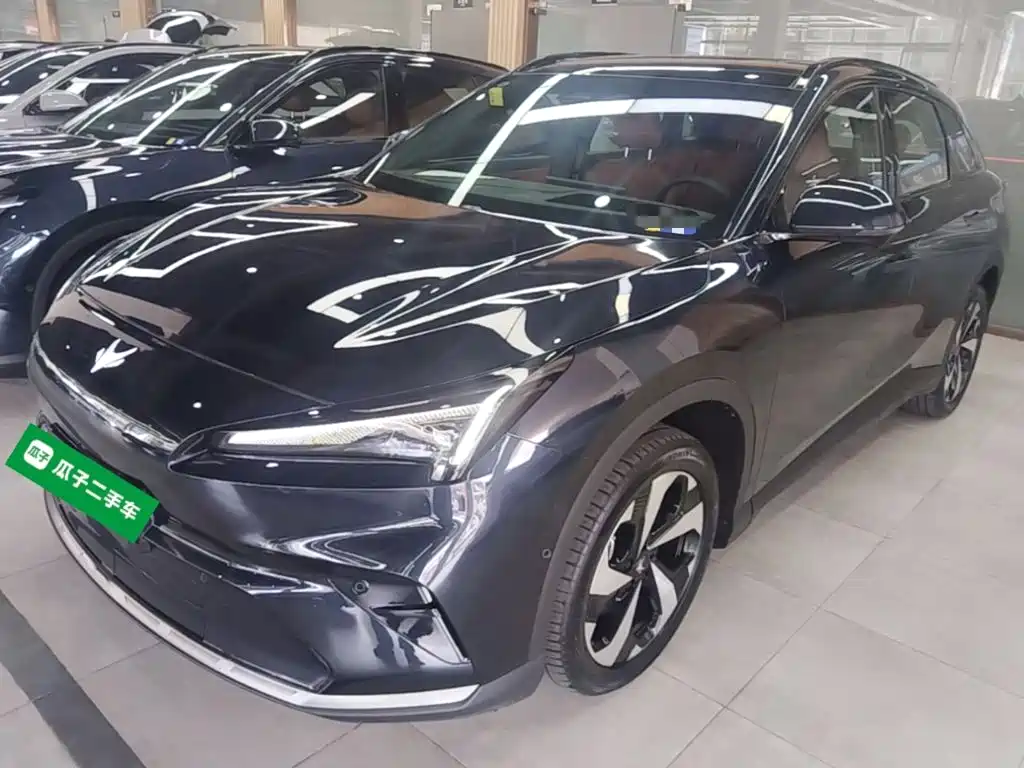
At a glance
- Battery-electric and range-extended configurations serve different charging and route requirements.
- BEV trim identifiers span 520, 560, 630, 660 and 705 classes, with exact ratings dependent on the build.
- The range-extended 1215 version adds an engine-backed option for mixed-route operations.
- New vehicles help fleet standardization; used vehicles require battery, history and condition checks.
- Landed cost combines the live unit price with freight, insurance, duties, taxes, port charges and compliance work.
- Drive-hand, local homologation and after-sales support must be confirmed before contracting.
Why the ARCFOX Alpha T5 matters for export markets
The ARCFOX Alpha T5 sits in a useful part of the export market: a five-door SUV with battery-electric versions and a range-extended 1215 version for buyers who want an engine-backed option. For overseas dealers, its value lies in offering modern Chinese electrified-vehicle technology across several range and driver-assistance trims rather than one fixed configuration. It can fit urban retail, company fleets and regional distributor programmes when the selected version matches charging assumptions, service plans and destination-market rules. Start with duty cycles, not catalogue trim badges, before any deposit or unit is selected.
Demand is likely strongest where buyers want a modern compact SUV, electrified powertrain and useful equipment without moving into a large premium crossover. The range-extended format can suit operators whose routes extend beyond dependable charging coverage, while the battery-electric versions suit fleets with controlled depot charging and predictable urban mileage. Importers should not assume demand is uniform: charging interfaces, software language, data rules, local incentives and service expectations can all change the commercial appeal of the same trim in different countries. That makes early market validation more valuable than copying another country’s successful launch.
For a dealer or fleet buyer, the Alpha T5 creates a sourcing decision rather than a single-product purchase. The lineup includes labels such as 520 PRO, 520 MAX, 660 MAX, 630 Shenxing, 660 Yuanjing variants, a 705 Meta version and the range-extended 1215 Yuanjing version, with equipment changing by model year. A disciplined export plan starts with target-market approval, then shortlists the appropriate energy and range class, and only then compares new and used examples by condition, history, specification completeness and landed cost. This sequence reduces the risk of sourcing an attractive unit that cannot be sold or supported locally.
- Battery-electric and range-extended options serve different duty cycles.
- Confirm charging and homologation early.
- Choose by use, not badge.
Model range, trims and powertrain variants: how the lineup is structured and how to choose
The Alpha T5 line should be read first by powertrain and then by range or equipment designation. Pure-electric examples appear under 520, 560, 630, 660 and 705 identifiers. Names such as PRO, MAX, Shenxing, Yuanjing, Meta and Enjoyment distinguish equipment or positioning across the range groups. These names are useful for initial screening, but they do not replace the model-year build sheet: battery, motor output, charging and included equipment can differ within a named trim. Ask the seller to reconcile the commercial trim name with the production specification before issuing a binding quotation.
For a high-utilisation urban fleet, the lower-range BEV choices can make sense when charging is controlled and the vehicle returns to a depot. The middle and higher range identifiers become more relevant for longer daily routes, highway use or customers who prioritise fewer charging stops. PRO, MAX, Shenxing, Yuanjing and Meta labels should be translated into actual equipment priorities—driver assistance, infotainment, comfort and charging—not treated as a simple ranking. Fleet buyers should test whether those features reduce real operating friction. A feature that cannot be supported or used locally adds little residual value.
The range-extended 1215 Yuanjing version gives the line a different proposition: electric driving for normal use with a combustion engine available when charging or route coverage becomes the constraint. Because “1215” alone does not tell an overseas buyer which operating range applies, request the stated electric-only and combined test figures separately. CLTC is a Chinese test cycle, so real-world consumption will vary with climate, speed, load and driving style. The correct choice is the version whose energy pattern matches the fleet’s charging reality. Budget for fuel use as well as electricity when comparing total operating cost.
- 520–705 labels denote BEV range classes.
- 1215 denotes the range-extended line.
- Verify build sheet and range basis.
New vs used ARCFOX Alpha T5: how export inventory is structured and how buyers choose
Export inventory is structured around two distinct buying propositions. A new Alpha T5 is generally the cleaner route for fleet standardization because specification, finish and delivery timing are easier to align across units. A used example may provide access to a broader choice of model years, trims or former local-market vehicles, but its value depends more heavily on condition and documentation. Neither route is automatically cheaper after freight, duty and remediation work are added, so buyers should compare the total cost of putting each vehicle into service. That includes pre-delivery work.
New vehicles are usually preferable when the buyer needs predictable software, battery warranty terms, colour matching, common parts and a coordinated delivery programme. They are also easier to specify for corporate fleets because several units can be ordered against the same build logic. The trade-off is a narrower selection of age and trim at the moment of purchase, plus exposure to manufacturer allocation and model-year changes. Buyers should secure the exact production month, specification sheet and delivery terms rather than accepting a generic “new” description. Photos alone cannot verify those points.
A used Alpha T5 should be treated as a technical inspection project, not simply a discount negotiation. Review the VIN, production date, ownership history, odometer, accident and flood records, battery state-of-health evidence, charging history, software region, warning-light status, tyre age and the condition of body and interior. For a range-extended unit, also request engine, fuel-system and exhaust inspection records. Independent inspection is most valuable before a deposit is released, particularly when the seller cannot provide maintenance history or the vehicle will be exported immediately. Unverified assumptions can erase the apparent saving quickly.
- New vehicles support fleet consistency.
- Used vehicles need independent inspection.
- Compare landed cost, not asking price.
How export pricing works: the factors behind a live listing price, and how to read one
An Alpha T5 export price is built from several variables rather than one fixed model-level rate. The vehicle’s model year, exact trim, energy version, battery specification, mileage, condition and history shape its commercial value. Currency movements can change the quoted amount, while location and freight terms affect the seller’s cost. Because a marketplace listing is a starting point rather than a complete landed-cost statement, buyers should ask what is included, what is excluded and how long the quote remains valid. A clear written breakdown prevents a low headline figure from becoming an expensive purchase.
To read a live Alpha T5 listing correctly, check the year and exact commercial name before looking at the amount. Then verify whether it is new or used, the trim, powertrain, range identifier, mileage, seller location, condition notes and included documents. Ask whether the price is FOB, CIF or another basis, or simply an ex-warehouse vehicle figure. For a used vehicle, photographs do not replace the inspection report. For any unit, request a pro forma quotation tied to the SKU or vehicle identity so the seller cannot substitute a different specification.
Landed-cost comparison should be built in the same order for every candidate. Start with the vehicle price, then add inland transport, export documentation, inspection, marine insurance and freight under the agreed Incoterm. At destination, include port handling, customs brokerage, duties, taxes, registration and any local conversion or compliance work. Compare two Alpha T5 units on the same basis: a lower vehicle price can be outweighed by a different port, weaker documentation or heavier rectification. Current binding prices, MOQ and availability must therefore be checked in ChinaCarDirect’s live inventory before contracting.
- Confirm year, trim, condition and mileage.
- Clarify Incoterm and excluded charges.
- Use one landed-cost basis.
MOQ, ordering and payment: single units vs consolidating a container
For wholesale buyers, minimum order quantity is a commercial term attached to a seller, route and stock context, not a permanent property of the Alpha T5. Some individual listings may accept one vehicle, while other offers, project shipments or mixed-model allocations may require several units. A fleet buyer should read the MOQ on each live listing and confirm it in the quotation rather than assuming that one unit is always available or always permitted. If the stated minimum is higher than the buyer’s need, consolidation may be possible, but the seller must approve the vehicle mix in writing.
The usual ordering sequence begins with a selected unit or an agreed production specification, followed by a written commercial quote and payment milestones. The buyer should state the destination, Incoterm, inspection requirement, documentation list and deadline before transferring funds. The balance should be tied to satisfactory inspection and the agreed shipment or delivery milestone, not merely to an informal photograph. Payment terms, reserve rights and refund conditions should be recorded for the exact vehicle, because a standard new-car template may not describe a used export unit accurately. A clear contract prevents ambiguity.
Container consolidation can reduce the amount a dealer must buy from one seller, but it adds planning risk. Units from several sellers or model families may share space only if dimensions, weight, battery handling and loading rules allow it. The buyer still needs one accountable coordinator, clear unit labels, inspection records and insurance cover for every vehicle. Battery vehicles require dangerous-goods classification, compliant packaging and carrier acceptance before loading. Confusing cargo staging can cause missed cut-offs, demurrage or damage claims, so the booking and loading plan should be agreed before production or vehicle release.
- Check each listing’s MOQ.
- Tie payment to inspection and documents.
- Plan consolidation before freight.
Shipping, homologation and market compliance caveats: LHD/RHD and import rules by country
Shipping method affects both cost and delivery risk. A complete Alpha T5 is normally moved as a finished vehicle in a vehicle carrier, roll-on/roll-off unit or suitable container, depending on carrier capacity and route economics. The battery must be handled under the carrier’s dangerous-goods rules, and charging state should follow the agreed transport instructions. Transit time changes with port pairs, transshipment points, sailing schedules and customs clearance. A freight quote should identify the origin and destination ports, container type, cargo value, insurance and the party responsible for charges from pickup through delivery.
Drive-hand and homologation are separate decisions that should never be assumed. Left-hand-drive vehicles may suit markets that use that configuration, while some export destinations require right-hand drive; availability must be confirmed for the precise trim rather than inferred from the model name. Import approval can involve type approval, safety and lighting checks, electromagnetic compatibility, battery documentation, emissions rules for the range-extended version, local charging provisions and cybersecurity or software restrictions. A Chinese-market vehicle that looks complete in photographs may still need local compliance work, which can affect both price and delivery timing.
The importer, not merely the seller, remains responsible for the destination-market outcome. Before payment, obtain a written homologation checklist covering VIN, customs classification, emissions, charging equipment, software region, lights, tyres, mirrors, owner manuals, warranty and service arrangements. Check whether conversion changes warranty coverage or safety approvals. Local technical support and parts planning are as important as the vehicle itself, especially for a new trim whose electronics or software may not be common in the destination fleet. Use a specialist importer or compliance adviser when rules are complex. Local knowledge protects the launch.
- Confirm LHD or RHD per unit.
- Obtain a destination compliance checklist.
- Check warranty after conversion.
Who should buy the Alpha T5 — and who should pick a different vehicle
The Alpha T5 is a strong candidate for urban and regional buyers who want a modern electric SUV with more equipment choice than a basic fleet derivative. Depot-based company fleets can use controlled charging to make the lower-range BEV versions practical, while rideshare, delivery and municipal-style operations can benefit from lower routine energy use. The range-extended 1215 version can suit operators that need additional route resilience but still want electric daily driving. The decisive question is not whether one powertrain is better, but whether its energy pattern matches the routes, depots and local infrastructure.
Dealers may also suit the Alpha T5 when they want to establish an electrified SUV franchise rather than depend on one domestic model line. Its pure-electric and range-extended choices allow the same brand to address customers with different charging access. However, a buyer should choose a different vehicle if local brand awareness, spare-parts stock or technician training is materially stronger for a rival. Independent distributors with proven after-sales networks may reduce launch risk even when the Alpha T5’s on-paper range or trim value looks more attractive. Evaluate service capability as a purchase criterion, not an afterthought.
Pick another vehicle when the mission requires capabilities the Alpha T5 has not been verified to provide, or when compliance would be too difficult. Buyers needing a confirmed heavy-towing rating, a specific commercial body, an unusually long warranty or a fully established local service network should obtain model-specific evidence before contracting. Used EV buyers with very low budgets may also prefer a unit with known service history over a cross-border project. A simple decision rule is best: select the Alpha T5 when its documented range, powertrain and local support fit; otherwise choose the rival that reduces operational uncertainty.
- Suits fleets with controlled charging.
- Range-extended option fits mixed routes.
- Choose rivals with stronger local support.
Main rivals and how the Alpha T5 compares
The closest Chinese-market alternatives include the BYD Atto 3, Leapmotor C10 and Deepal S07, although the right rival depends on destination and homologated specification. The Atto 3 is a direct battery-electric compact-SUV comparison and benefits from strong international brand recognition. The C10 competes through both battery-electric and range-extended offerings, making it a logical benchmark for the Alpha T5’s flexible powertrain strategy. The S07 competes more on design, cabin technology and a slightly more premium positioning. None should be dismissed on badge alone; parts, software and local support can outweigh sheet differences.
Against the Atto 3, the Alpha T5’s clearest distinction is the breadth of its Chinese-market lineup and range-extended path, while the Atto 3 may be easier to place in a mainstream EV portfolio. Against the C10, compare trims on the same energy basis because both brands offer multiple propulsion concepts in export markets. Against the S07, the Alpha T5 may fit a more compact-SUV brief, whereas the S07 can appeal where visual presence and premium cabin positioning matter. In every case, verify the destination build before any purchase commitment is made.
The winning choice should be determined with a consistent scorecard covering usable range, charging access, safety and driver-assistance equipment, warranty, parts availability, software support, homologation and total landed cost. A range headline alone is not decisive because the Alpha T5’s test figures use CLTC and real results vary by market equipment and conditions. For fleet orders, ask each shortlisted brand to quote the exact drive-hand, trim, battery and assistance package, then compare dealer service commitments. The Alpha T5 is most compelling when its configuration choices match a clear market need and a capable importer supports the programme.
- Atto 3: direct battery-electric benchmark.
- C10: closest powertrain-format rival.
- S07: design-led premium alternative.
Live ARCFOX Alpha T5 export inventory
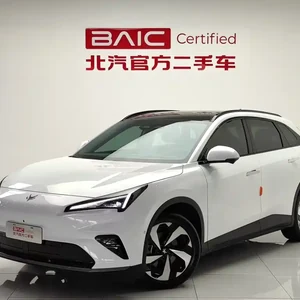
View all listings →Real units currently on ChinaCarDirect with per-unit asking prices and MOQ. Availability updates live from the catalogue.
How to buy a ARCFOX Alpha T5 from China
-
1
Define the market and operating brief
Write down the destination country, required drive-hand, route profile, charging access, expected annual distance and fleet size. These inputs determine whether a lower-range BEV, higher-range BEV or range-extended 1215 version is operationally suitable.
-
2
Select the powertrain and trim
Compare the complete model designation rather than relying on a range number alone. Identify the driver-assistance, comfort, charging and warranty features that are essential for your customers.
-
3
Screen the live inventory
Review Alpha T5 listings by condition, trim, drive-hand, location and seller terms. ChinaCarDirect’s live inventory provides the current per-unit price, MOQ and availability that must underpin any decision.
-
4
Verify the vehicle and compliance
Request the VIN, model-year build sheet, ownership or production documents, battery information and confirmation of destination-market approval. Clarify whether any conversion, inspection or software work is required.
-
5
Request a binding landed quote
Ask for an itemized quotation stating the vehicle price, Incoterm, destination, documentation, inspection, freight, insurance and other charges. Confirm quote validity and which party bears each expense.
-
6
Inspect and complete payment
Use an independent inspection for used vehicles and a documented pre-delivery check for all units. Tie final payment to satisfactory inspection, verified documents and the agreed commercial milestones.
-
7
Book freight and release the vehicle
Confirm battery-handling requirements, cargo insurance, loading arrangements and port cut-off times before release. Keep the final packing list, inspection report and transport documents with the shipping records.
Alpha T5 vs rivals
| BYD Atto 3 (Yuan Plus) | The Atto 3 is the closest direct BEV benchmark in the compact-SUV class and may benefit from stronger international recognition. The Alpha T5 offers a broader Chinese-market trim ladder and a range-extended option, while Atto 3 buyers may prioritise a simpler powertrain choice and wider badge familiarity. |
|---|---|
| Leapmotor C10 | The C10 is a close conceptual rival because it has been offered in battery-electric and range-extended forms, making it a useful benchmark for buyers who want propulsion flexibility. The Alpha T5 should win where its specific trim, equipment and local service package better fit the market. |
| Deepal S07 | The S07 is a credible alternative with a more design-led and premium-leaning proposition, while the Alpha T5 is positioned around a broader ladder of BEV and range-extended choices. Choose the S07 where its destination specification and dealer support align better; do not assume either model’s domestic equipment carries over unchanged. |
Frequently asked questions
How is the ARCFOX Alpha T5 export price determined?
A listing price reflects the exact vehicle, year, trim, powertrain or battery version, mileage, condition and history, and may move with exchange rates or freight terms. The final landed figure can also include inland transport, export documentation, insurance, ocean freight, port and customs charges, duties, taxes and compliance work. Check the current binding price on ChinaCarDirect’s live Alpha T5 listings and request an itemized quote stating the Incoterm, destination and quote validity.
What powertrain and range options does the Alpha T5 offer?
The range includes pure-electric versions identified by 520, 560, 630, 660 and 705 labels, plus a range-extended 1215 Yuanjing Smart Driving version. These are Chinese-market range identifiers and should not be treated as guaranteed real-world results in another country. Ask for the exact battery capacity, electric-only and combined figures where applicable, motor output and charging specification of the selected unit.
Should an overseas buyer choose a new or used Alpha T5?
New vehicles are generally easier to standardise across a fleet and provide clearer factory specification and warranty information. Used vehicles can broaden trim and model-year choice but create greater battery, condition, history and software uncertainty. Compare the fully landed cost and local support requirements of both routes rather than using the vehicle asking price alone.
How does MOQ work for Alpha T5 orders?
MOQ is set by the seller, route and commercial offer rather than being a permanent feature of the model. Some listings may accept a single unit, while project shipments or mixed-model allocations may require more; the applicable minimum must be checked on each live listing. If consolidation is needed, confirm in writing that the seller will accept the proposed vehicle mix.
How long does shipping take and what determines the cost?
There is no fixed international transit time because port pairs, transshipment, sailing schedules, customs clearance and inland delivery all affect the route. Cost depends on the carrier or container type, origin and destination, cargo value, insurance, battery handling and current freight charges. Obtain a door-to-door or port-to-port freight quote with the shipping method and party responsibilities clearly stated.
How are spare parts sourced for an exported Alpha T5?
Parts should be ordered using the VIN, exact model year, trim and Chinese model code to avoid mismatched electronic or body components. Confirm whether the seller or importer can supply common wear items, diagnostic tools and body parts, and establish expected lead times for less common items. This should be agreed before a large fleet order is released.
Is a right-hand-drive ARCFOX Alpha T5 available?
Right-hand-drive availability is not guaranteed and must be confirmed for the exact trim, build and destination market. Do not infer drive-hand from photographs or assume that a left-hand-drive example can be converted without affecting safety approval, warranty or software functionality. Ask the seller for drive-hand confirmation and have the importer verify it against local rules.
How do I order an ARCFOX Alpha T5 from China?
Start by filtering ChinaCarDirect’s live Alpha T5 inventory, then compare the complete model name, condition, drive-hand and location. Request an RFQ with the destination, Incoterm, inspection requirement, documentation list and payment expectations. After verifying the unit specification, compliance and inspection, use written payment and shipping milestones tied to the exact vehicle.
Ready to source the ARCFOX Alpha T5?
Request a current ARCFOX Alpha T5 quote with the exact trim, condition, drive-hand, Incoterm, destination and required inspection services.
Request a quote