
Aston Martin Db11 Export Guide for Overseas Buyers
Buy an Aston Martin Db11 from China with guidance on trims, engine options, export pricing, MOQ, shipping, compliance and live listings for dealers.
At a glance
- The Db11 is a premium front-engined grand tourer with coupe and Volante convertible choices.
- The lineup spans a 4.0T V8 and a higher-output 5.2T V12 Launch Edition, with equipment varying by year.
- The strongest export buyers pair model knowledge with specialist servicing, secure documentation and realistic residual-value planning.
- A live quote must be assessed vehicle by vehicle because year, trim, condition, freight, Incoterms and currency movements materially affect cost.
- Single-unit and grouped orders are possible structures, but MOQ, deposit and allocation terms should always be confirmed for the actual listing.
Why the Aston Martin Db11 matters for export markets
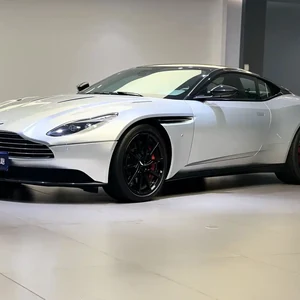
The Aston Martin Db11 sits in the premium grand-touring space: a British-built performance car designed to combine long-distance comfort, everyday usability and high visual impact. Its appeal to overseas dealers is broader than raw acceleration. The model gives a showroom a recognizable luxury marque, distinctive design and a clear collector story, while coupe and Volante versions give buyers different use cases. For an importer, that combination matters because a niche vehicle must justify freight, compliance and aftersales costs through resale value rather than fleet volume, while transparent sourcing matters to specialist buyers.
Global demand for the Db11 is strongest where buyers value badge prestige, driver involvement and emotionally distinctive styling. The car also occupies a useful middle ground: it feels more special and driver-focused than a conventional luxury saloon, yet is more usable as a long-distance road car than a narrowly focused supercar. For an export buyer, that can translate into appeal among affluent private customers, collectors and premium rental operators. The exact market mix will vary by country, so local tax, fuel use and parking rules should be tested against the intended customer base.
As a B2B purchase, the Db11 is usually better suited to specialist dealers, collector-focused showrooms and occasional executive or hospitality fleets than to high-utilization commercial fleets. Its low-volume character can support premium positioning, but after-sales planning is essential. Importers should confirm local technical access, spare-parts channels, warranty handling and technician familiarity before committing inventory. Reviewing the Aston Martin brand catalogue alongside the live DB11 listings helps identify the exact body, engine and model year before requesting a tailored export quotation and to compare whether specialist demand justifies the landed cost.
- British grand-touring positioning.
- Coupe and Volante buyer roles.
- Service access precedes inventory commitment.
Model range, trims and powertrain variants: how the lineup is structured and how to choose
The DB11 range in the export material is organized around two powertrains and two roof formats: 4.0T V8 Coupe, 4.0T V8 Volante and 5.2T Launch Edition examples. The 5.2T is a V12, while the 4.0T is a V8. Availability and equipment change across model years, so trim names are identifiers rather than complete specifications. A buyer comparing “Model 4.0T V8 Coupe” with “4.0T V8 Coupe” should request the VIN, build date and option list. This prevents a similar car from being valued as if every feature and warranty were identical to that exact car.
Choosing the 4.0T V8 generally prioritizes a more accessible V8 entry point, while the 5.2T Launch Edition represents the range's higher-output character and special-event positioning. Exact power, torque, equipment and market availability must be checked against the individual listing rather than inferred from the badge. For dealers, the decision should include not only performance but insurance class, fuel consumption, tyre availability and likely servicing demand. The correct choice is the variant whose ownership profile and buyer proposition remain attractive after freight, taxes, compliance and dealer preparation are included in the destination market.
Body style is the next practical decision. The Coupe gives a fixed roof, a cleaner exterior and a more conventional enclosed-carrier option, which can simplify weather protection during transit. The Volante adds open-top appeal and is likely to attract buyers who value visual drama and leisure use, but its roof, folds and associated mechanisms warrant closer inspection and careful handling. For export, compare luggage space, securement provisions and condition photographs. A specialist buyer should confirm whether the listing includes original equipment for that market and year.
- 4.0T V8 or 5.2T V12 Launch Edition.
- Fixed-roof Coupe for enclosed transport.
- Volante requires roof-system checks.
New vs used Aston Martin Db11: how export inventory is structured and how buyers choose
Export inventory should be read as a structure of model years, configurations and vehicle histories, not simply as a generic “new car” pool. A vehicle described as new may be unregistered, while another may be a parallel import, demonstrator or displaced stock with delivery miles. The distinction matters because factory warranty, first-owner and tax treatment plus buyer perception can differ. Ask the seller for the VIN, registration or import status, invoice trail, production date and an explanation of why the vehicle is being sold before assigning it a new or used category.
A used DB11 can make sense for a buyer seeking a specific earlier configuration, an already-established depreciated value or a vehicle available sooner within a planned delivery schedule. The discount cannot be judged from model age alone. Mileage, service history, accident repair, paint condition, interior wear, tire age, restomod work and climate storage history can materially affect value. A late-production used example may also offer more equipment than an early new example. For cross-border purchases, demand dated inspection photographs, diagnostic evidence, title documents and receipts that can be verified independently by an appropriate specialist.
The best buying rule is to compare like with like. Pair the same body style, engine designation, model year and equipment level before evaluating mileage or asking for a quote. Then compare the total cost of ownership: acquisition, shipping, taxes, commissioning, insurance, storage and eventual resale. Newer or unused status may simplify handover and reduce immediate maintenance risk, while a well-documented used car can deliver better value if its condition supports the premium price. Whatever status the seller claims, make the contract describe the VIN, condition, accessories, warranty and delivery terms explicitly.
- New status needs documentary proof.
- Used value depends on condition and history.
- Compare equivalent specifications.
How export pricing works: the factors behind a live listing price, and how to read one
A DB11 export price is the result of several interacting variables, not a fixed model-level rate. The vehicle itself is the starting point: model year, trim, body style, mileage, condition, ownership history, factory equipment and whether the seller treats it as unused, demonstrator or previously registered all influence value. Market movements also matter, especially exchange rates between the buying currency and the seller's settlement currency. A live quotation should therefore be treated as a dated offer for one described vehicle, not a permanent benchmark for every car carrying the DB11 name.
Condition should be evidenced rather than summarized. Exterior panels, paint depth, wheel condition, cabin wear, tire date codes, service intervals and diagnostic results can reveal whether two listings of the same nominal trim are commercially equivalent. A special edition may command more because of its specification, provenance or original-market equipment, but not merely because its trim badge guarantees a uniform package. Ask whether the quote includes restoration, detailing, inspection, documents or dealer preparation. These scope differences can be more consequential for a low-volume luxury vehicle than routine component costs are for a mass-market model.
To understand the landed cost, separate the vehicle price from freight, cargo insurance, port or terminal charges, inland transport, customs duties, taxes and registration. Some exporters quote on an Incoterm basis, meaning responsibility for cost, risk and transfer points must be read carefully; tax and duty treatment may remain with the buyer. Confirm the quotation's validity period and what happens if the exchange rate or shipping route changes. For current, binding figures, open the live DB11 inventory, select the actual vehicle and request a written quote against its SKU and VIN.
- Vehicle price differs from landed cost.
- Confirm Incoterm and quote validity.
- Request a VIN-specific written quote.
MOQ, ordering and payment: single units vs consolidating a container
Minimum order quantity is a commercial term, not an inherent property of the DB11. A marketplace listing may permit a single-unit transaction, while a seller, auction process or direct import program may impose a different minimum. Buyers should therefore read the MOQ on the specific live listing and include it in the written quotation rather than assuming that one vehicle, a small batch or a container is always available under the same terms. For an overseas specialist dealer, one-unit ordering is often operationally simplest. The key is to confirm quantity, deposit, allocation and cancellation conditions before transferring funds.
Typical ordering begins with an inquiry, followed by verification, agreement on price and Incoterm, deposit, production or shipment, inspection, and settlement of the balance against agreed milestones. Payment methods, currency, bank fees and the timing of refunds should be stated explicitly; a deposit is economically different from an instalment plan. The sales contract should identify the VIN or SKU, optional equipment, accessories, document set, warranty treatment, delivery point and inspection window. If the buyer intends to re-export the vehicle, also confirm whether the original sale and any used-vehicle status affect those plans.
Consolidating several DB11s into one container can improve freight purchasing power and may suit a distributor with committed demand, but it adds allocation, documentation and handling complexity. Each vehicle needs a VIN-level record covering condition, options, accessories, keys and securement instructions; ambiguous unit descriptions cannot be fixed by consolidation. Space utilization depends on body style and protective packing, so obtain the forwarder's loading plan rather than assuming identical space per unit. Shared delivery means one damaged vehicle or missing document can delay the group. Inspection and insurance procedures are more important, not less, at scale.
- MOQ is listing-specific, not model-specific.
- Contract milestones protect both parties.
- Container orders require VIN-level allocation.
Shipping, homologation and market compliance caveats: LHD/RHD and import rules by country
Steering configuration is a critical export check. The Db11 has been produced for left-hand-drive and right-hand-drive markets, and neither the model name nor an engine trim identifies the steering side. Buyers must request a photograph of the steering wheel, instrument cluster and VIN plate, then confirm the configuration in the contract. Converting a vehicle afterward can be expensive and may affect authenticity, warranty and insurance. It can also create problems where local registration or inspection rules depend on the original homologation. Availability should therefore be filtered by steering side before negotiating freight or comparing quotations.
Homologation is market-specific. Depending on the destination, imported vehicles may need approval for emissions, noise, safety, lighting, software, catalytic systems or other regulated equipment, as well as customs documentation and payment of duties and taxes. Requirements differ for newly built, older registered and private-use imports. Do not treat an export certificate or bill of sale as automatic road approval. Before committing, provide the VIN, model year, engine, steering side and intended use to a customs broker or the relevant authority, and ask which documents are essential for entry, registration and subsequent inspections.
Transport planning should begin after the destination's approval route is understood. Suitable options can include enclosed specialist carriers or roll-on/roll-off handling, selected by the forwarder for the vehicle, route and protection requirements. Cargo insurance should match the agreed value and transport mode, while pre-shipment and arrival inspections should document panel condition, fluids, tyres and interior. Confirm the Incoterm, port pair, inland delivery point, export documentation and release process. For a Volante, include roof and soft-top condition in the inspection checklist, because concealed weatherproofing or mechanism issues may not be visible in ordinary photographs.
- Confirm LHD or RHD before payment.
- Verify destination-specific homologation.
- Inspect Volante roof mechanisms closely.
Who should buy the Db11 — and who should pick a different vehicle
The Db11 is a strong fit for dealers serving collectors, luxury-car enthusiasts and customers who value dramatic design over the lowest operating cost. It also makes sense for premium rental or chauffeur operators whose clients place presentation and comfort ahead of maximum cargo capacity or low fuel consumption. The coupe suits buyers wanting an uninterrupted roofline and secure storage; the Volante adds leisure appeal but requires more careful storage and maintenance. A showroom can use the model to strengthen a premium marque portfolio, provided it commits to realistic sourcing, valuation and after-sales support.
It is a poorer fit for budget-sensitive buyers, high-mileage ride-hailing, delivery fleets or organizations whose policies require zero-emission operation. Luxury performance hardware can produce high insurance, fuel, tyre and maintenance costs, while the small luggage area limits commercial utility. Importers should also be realistic about diagnostic capability and parts lead times for a low-volume model. Buyers seeking straightforward ownership, abundant cargo space or minimal running costs should consider alternatives before focusing on image. The decision is strongest when the expected customer values the DB11 specifically, rather than merely wanting any premium coupe.
A buyer prioritizing a practical estate, electric city car or value-oriented performance model should choose a different vehicle class. A collector choosing among significant Aston Martins may also compare model lineage and investment reputation rather than treating the Db11 as interchangeable with sports cars. Fleet managers should calculate utilization, downtime and residual value, not purchase price alone. Specialist retailers should ask whether the brand can sustain customer acquisition and service without relying on visual appeal. A clear answer prevents an expensive prestige purchase from becoming an unserviceable inventory problem for the business.
- Strong for collectors and premium showrooms.
- Poor fit for high-utilization fleets.
- Parts access can decide feasibility.
Main rivals and how the Db11 compares
The Bentley Continental GT is the closest conceptual rival for buyers prioritizing a traditional luxury grand tourer. It also pairs strong road presence with four-seat accommodation and is available in coupe and convertible forms, depending on market and year. The Db11 typically offers a more overtly dramatic, driver-focused Aston Martin identity, while Bentley's emphasis is more heavily weighted toward cabin luxury and brand convention. A buyer should compare exact equipment, service access and local tax treatment; the better choice is the one that feels more complete to drive and easier for the dealer to support.
The Ferrari Roma occupies a similar front-engined V8 grand-touring niche and gives the buyer a different badge proposition. Its more overtly sporting presentation and Ferrari ownership experience can appeal to customers who prioritize marque prestige and sharper handling character. The Db11 offers coupe and Volante choices within one model family, but exact availability and equipment vary by market. Neither should be selected from styling alone. Have each car inspected, compare depreciation-supporting service networks, insure the intended configuration and confirm parts lead times in the destination country before committing.
The Maserati GranTurismo is another alternative for buyers who want an Italian-style two-door grand tourer, often with a more overtly sports-led commercial proposition. It can serve as a useful comparison on comfort, cabin finish, performance balance and ownership cost, although exact results depend on specification and condition. The Db11's strongest counters are its unmistakable design, the choice between coupe and convertible, and a cohesive luxury identity that specialist dealers can merchandise confidently. Against every rival, the decisive checks remain the actual vehicle's condition, local homologation, service capability, insurance and delivered cost.
- Continental GT: more traditional Bentley luxury.
- Ferrari Roma: stronger Ferrari identity.
- GranTurismo: sportier Italian alternative.
Live Aston Martin Db11 export inventory
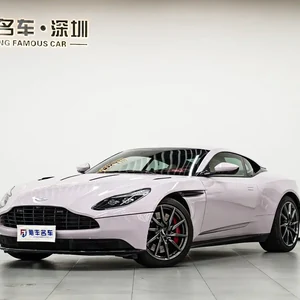
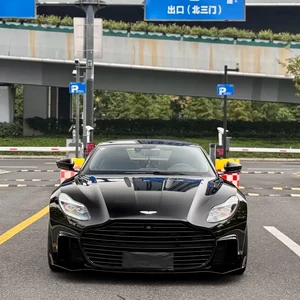
View all listings →Real units currently on ChinaCarDirect with per-unit asking prices and MOQ. Availability updates live from the catalogue.
How to buy a Aston Martin Db11 from China
-
1
Filter the live DB11 inventory
Review the live listings by body style, engine designation and model year. Shortlist vehicles that match the intended customer and destination market before asking for commercial terms.
-
2
Request the vehicle identity pack
Ask for the VIN, build date, steering side, factory options, accessories, registration status and ownership documents. Verify that the listing description and photographs correspond to that exact car.
-
3
Compare equivalent vehicles
Assess like-for-like examples with the same body, powertrain, year and equipment level. Request a written quotation stating the currency, Incoterm, validity period and included preparation or documentation.
-
4
Lock the commercial terms
Confirm the listing-specific MOQ, deposit, balance milestone, refund policy, cancellation conditions, warranty treatment and vehicle allocation. Record all agreed terms in the purchase contract.
-
5
Pre-clear destination compliance
Give the VIN and destination details to a customs broker or relevant authority. Confirm LHD/RHD suitability, homologation, duties, taxes and the documents required for registration and road use.
-
6
Inspect, insure and ship
Approve a pre-shipment inspection, suitable cargo insurance and transport method before release. Settle the balance only after the agreed inspection and document milestones are completed.
Db11 vs rivals
| Bentley Continental GT | The closest traditional luxury-grand-tourer alternative, with coupe and convertible choices and a more cabin-focused character. The Db11 stands out for its more dramatic design and driver-focused Aston Martin identity. |
|---|---|
| Ferrari Roma | A front-engined V8 grand tourer for buyers who place greater emphasis on Ferrari marque appeal and a sharper sports-car character. The Db11 provides coupe and Volante options within one model family. |
| Maserati GranTurismo | An Italian two-door grand tourer with a more overtly sports-led proposition and potentially different ownership economics. The Db11 differentiates through its design, open-top Volante option and cohesive luxury presentation. |
Frequently asked questions
How is Aston Martin Db11 export pricing determined?
The price is vehicle-specific and reflects model year, trim, body style, mileage, condition, equipment, ownership history and current currency conditions. Freight, insurance, duties, taxes and dealer preparation may be separate. Open the live DB11 listings and request a written, VIN-specific quotation for the current binding price.
Which engines and range does the Aston Martin Db11 have?
The lineup includes a 4.0T V8 and a 5.2T V12, with the latter associated with the Launch Edition examples represented in export inventory. As a petrol grand tourer, it has no battery-electric driving range or charging cycle; confirm the exact configuration through the live listing and VIN.
Is a new or used Aston Martin Db11 better for export?
A new or unregistered car may simplify handover, warranty handling and initial presentation, while a documented used example can offer better value for a specific buyer. The better choice depends on comparable specification, condition, history and total ownership cost rather than the listing label alone.
What is the MOQ for Aston Martin Db11 orders?
MOQ is set by the seller and the specific transaction rather than by the model itself. Read the quantity terms on the live listing and include them in the written quotation, together with deposit, allocation and cancellation conditions.
What affects DB11 shipping time and cost?
The transport mode, route, port and inland destinations, vehicle readiness, documentation, protective packing, insurance and current freight market all affect the result. Request a shipment quotation and delivery schedule for the selected VIN rather than relying on a generic estimate.
How are Aston Martin Db11 spare parts arranged?
Parts are normally ordered through authorized Aston Martin channels or specialist service networks, but lead times depend on the destination and part. Provide the VIN and component details early, request provenance for aftermarket parts and verify local workshop access before importing inventory.
Can overseas buyers purchase a right-hand-drive Db11?
The DB11 has been produced for both left-hand-drive and right-hand-drive markets, but availability depends on the individual listing. Filter by steering side and verify the wheel, instrument cluster and VIN plate before paying; avoid assuming that conversion is practical or homologation-neutral.
How do I order an Aston Martin Db11 from China?
Select a vehicle in the live inventory, request its VIN-level details and written quotation, complete the agreed deposit, and verify condition and export documentation before shipment. Balance payment and release should follow the inspection milestones and transport terms written into the contract.
Ready to source the Aston Martin Db11?
Send the selected listing, VIN, destination, steering-side preference and required Incoterm to request a vehicle-specific Aston Martin Db11 export quotation.
Request a quote