
Audi A4l Export Buying Guide for Overseas Buyers
Export buying guide for the Audi A4l, covering TFSI trims, new versus used vehicles, live pricing, MOQ, shipping, compliance and key overseas rivals.
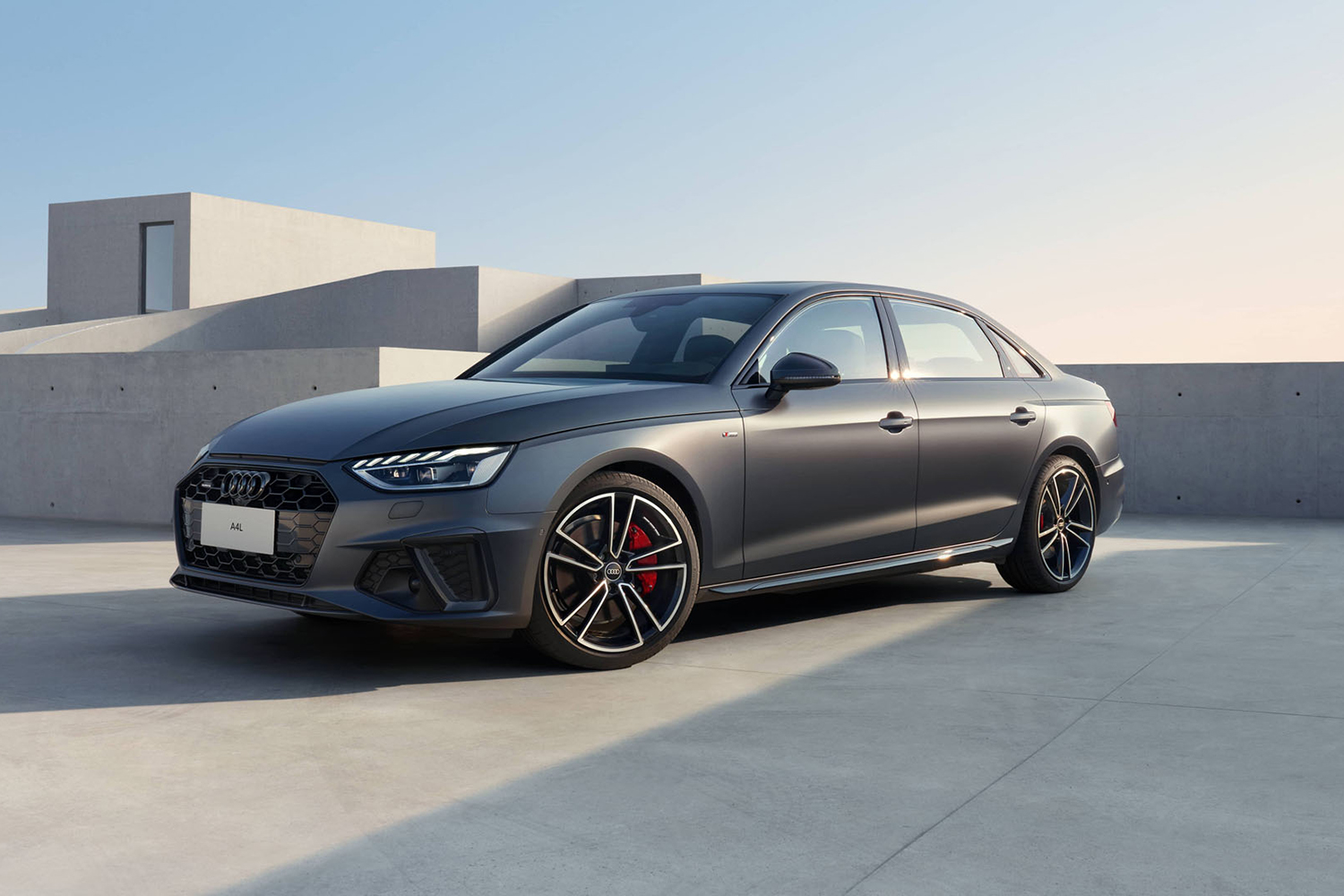
At a glance
- The Audi A4l is the China-specific, long-wheelbase version of Audi’s compact executive sedan.
- TFSI petrol grades include 30, 35, 40 and 45, with front-wheel drive common and quattro available on selected versions.
- Trim names can combine equipment hierarchy with anniversary, S line, Plus or other appearance packages.
- New cars reduce condition risk, while used cars demand VIN verification, history checks and independent inspection.
- A live unit quote is meaningful only when read with Incoterm, freight, insurance, duties and destination compliance.
Why the Audi A4l matters for export markets
The Audi A4l is the long-wheelbase, China-market version of Audi’s compact executive sedan, positioned between family saloons and larger premium models. Its longer rear body is central to the model’s appeal in markets where buyers value passenger room but do not need a full-size luxury saloon. For overseas dealers, the key proposition is a familiar premium marque combined with China-specific packaging, equipment and production economics. The result is a vehicle suited to chauffeur-style transport, executive fleets and premium family use, provided destination rules and local preferences are checked before import.
Demand should be assessed by segment rather than assumed from Audi’s global badge. Compact executive sedans appeal to business buyers who want a restrained design, a useful rear compartment and a manageable footprint for urban use. The A4l’s local-market scale can make it easier to source in China than an imported European-bred variant, but that does not eliminate the cost of compliance, logistics or aftersales planning in the destination country. For importers, local demand depth, spare-parts support and the ability to sustain service standards are more meaningful than headline badge recognition.
The model is especially relevant to distributors serving business fleets, hotel and executive transport, or private buyers seeking a premium saloon with more rear legroom than a standard-wheelbase equivalent. It may be less suitable where compact dimensions, off-road ability, cargo volume or strong local hybrid and electric alternatives dominate. A sound export decision therefore starts with the destination’s customer profile, not simply with the attractive specification and appearance of a particular unit. Dealers should also establish whether locally built alternatives will undercut the A4l after taxes, registration and financing are included.
Model range, trims and powertrain variants: how the lineup is structured and how to choose
The lineup is organized around TFSI petrol powertrains, with 30, 35, 40 and 45 badges distinguishing the main engineering levels. Most units in this market use turbocharged four-cylinder engines, while 45 TFSI versions are associated with quattro all-wheel drive and higher outputs. Because outputs, gearbox details and equipment changed across model years, the badge should start the comparison rather than finish it: a buyer must verify the exact engine, transmission and drivetrain on the unit being considered. Choose 30/35 for cost focus, 40 for balance and 45 quattro for performance or traction.
Trim names mix equipment hierarchy with visual and special-edition packages. Progressive, Fashion and Luxury Dynamic labels form a useful guide to how Audi positioned different cars, but names such as anniversary, Collector’s Edition, S line, Plus or Starry Night can reflect appearance, comfort or bundled equipment rather than one consistent technical feature. For wholesale purchasing, compare the option list, interior and exterior specification, and factory build sheet rather than assuming that a more elaborate badge guarantees a more useful vehicle. This distinction matters when consolidating cars for one client specification.
A sensible choice starts with the buyer profile. A corporate fleet may prioritize the 40 TFSI middle ground, residual consistency and easier parts planning, while 30 or 35 TFSI can make sense where operating cost is the controlling criterion. Performance-focused clients may justify 45 TFSI quattro, but should consider fuel use, tyre cost and availability. Edition packages should then be judged against actual demand in the destination market, where familiar equipment often matters more than a China-specific visual theme. Never order from the listing title alone; verify the build sheet and condition.
- Verify engine, gearbox and drivetrain.
- Separate trims from special-edition styling.
- Match TFSI grade to fleet needs.
New vs used Audi A4l: how export inventory is structured and how buyers choose
Export inventory for the A4l can contain new vehicles from different production years as well as selected used cars. A new unit offers the advantage of an unworn interior, defined factory condition and a clearer ownership history, although “new” does not by itself confirm local homologation or immediate delivery readiness. Buyers should establish whether the vehicle has been registered, displayed or driven in China, and should seek confirmation of production date, warranty status and any pre-delivery preparation. Those checks protect depreciation, warranty claims and the condition promised to the customer.
Used A4ls can make sense when the buyer values a lower entry point or a particular discontinued trim, but the assessment becomes condition-led rather than specification-led. Request the VIN, registration documents, service records, ownership history and photographs of the body, cabin, wheels, tyres and underbody. Independent inspection should examine accident repair, suspension and steering wear, fluid leaks, engine condition, battery or alternator performance, and whether the odometer reading is consistent with the vehicle’s history. A clean-looking cabin cannot substitute for mechanical and structural evidence for the buyer’s market and intended service life.
The best new-versus-used decision is scenario-based. A dealer sourcing demonstrator cars or a fleet with tightly defined specifications may prefer new units for consistency, while an importer with a narrow resale brief might accept age if the same car is well maintained and correctly documented. Do not select on model year alone: compare the condition shown in each live listing, exact trim, serviceability and expected local compliance route for every unit, then request an updated quote because availability and pricing change continuously. Savings can be consumed by repairs, recertification or financing costs.
- New reduces condition risk, not compliance risk.
- Used requires VIN checks and independent inspection.
- Compare exact vehicles, not model-year assumptions.
How export pricing works: the factors behind a live listing price, and how to read one
An Audi A4l export price is a structured commercial calculation, not a permanent model value. The vehicle’s model year, trim, engine, drivetrain, edition, mileage and condition establish its starting point, while factory options, paint, interior and service history can affect the asking amount. Currency movements, the seller’s stock position, shipping method, destination charges, insurance and the chosen Incoterm can also change what the buyer ultimately pays. Consequently, two units carrying similar model names may not be commercially equivalent. Check the live listing for the current figure attached to each vehicle.
Buyers should separate the vehicle’s quoted price from the landed cost. Check the currency, whether freight, export documentation, insurance, terminal fees, duties, taxes, registration and local delivery are included, and which party bears risk at each stage. An EXW-style comparison can make one vehicle look inexpensive because the buyer still has to arrange collection, export clearance and transport. A stated Incoterm gives both sides a defined scope, but it does not remove destination import charges. Request the quote validity period and written breakdown before using the listing in a tender.
Condition deserves particular scrutiny in a used vehicle. A price that appears attractive can lose its advantage once repainting, suspension work, service catch-up, tyres, inspection or compliance modifications are identified. For a new car, check whether promotional charges, dealer preparation or optional accessories are bundled and whether the quoted terms apply to every unit or only to a specific listing. Review current live inventory for the binding price, then place the vehicle, documentation and delivery terms in the same written quotation. This prevents a low headline figure becoming a low total cost.
- Separate vehicle price from landed cost.
- Confirm currency, Incoterm and quote validity.
- Check live inventory for binding unit prices.
MOQ, ordering and payment: single units vs consolidating a container
Some importers buy one A4l to test local demand, build a sales base or source a specific customer order before committing to a container program. In that model, unit-level ordering, inspection and payment are negotiated for the chosen vehicle. A container purchase is different: the buyer must combine enough compatible cars to fill the shipment economically, then allocate them among customers or a single fleet. The right threshold is therefore project-specific, not a fixed catalogue promise. Discuss the available route with the seller before treating either single-unit or consolidated purchasing as confirmed.
For a single unit, specify the trim, condition, paint, interior, documents, inspection standard and Incoterm in the pro forma invoice. Ask how the deposit and balance are staged, what triggers final payment, and what happens if inspection or export documentation does not match the agreement. Confirm the contracting entity, payment beneficiary, refund terms and currency. Payment milestones should follow verifiable milestones—order confirmation, inspection and readiness for shipment—rather than relying on informal promises. Banks and payment methods differ, so assess transfer cost, fraud controls and timing before sending funds.
Container consolidation increases purchasing power but also creates allocation and quality-control risk. Cars may have different model years, trims, colors or mileage, making substitution harder and complicating parts planning. Agree how vehicles are selected, who performs pre-shipment inspection, how damage or discrepancy claims are handled and which unit is assigned to each buyer. Consolidating comparable A4ls can simplify servicing and resale, yet the savings should be weighed against freight, insurance, demurrage, inspection and the working-capital cost of holding several units. For a first shipment, a mixed test lot may offer useful information.
- Use single units to test demand.
- Consolidate only compatible vehicles.
- Link payments to verified milestones.
Shipping, homologation and market compliance caveats: LHD/RHD and import rules by country
Chinese-market A4ls are commonly supplied with left-hand drive, so right-hand-drive availability should never be assumed. A buyer needing RHD should state that requirement before selection and verify the steering position, pedals, lighting, wipers, mirrors and local safety equipment on the actual vehicle. A conversion can add cost and may affect warranty, insurance or homologation. In some markets, sourcing an approved RHD example already in the destination country is safer than converting an imported car. A listing photo offers useful evidence, but it does not replace the build and compliance documents.
Import permission is determined by the destination, not by the Chinese emissions label. China V and China VI descriptions in some trim names refer to the source market’s emissions stage; they do not establish compliance with a European, Middle Eastern, African or North American type-approval regime. The importer may need a VIN check, Certificate of Conformity, customs classification, emissions evidence, age or inspection rules, and proof that the model was originally built for the destination or can be lawfully converted. Destination taxes, quotas and emissions rules can change the economics after arrival.
Shipping method should match quantity and urgency. A single vehicle is often moved by roll-on/roll-off or specialist container service, while several cars may justify a full vehicle carrier. The importer must confirm port pairs, Ro-Ro or container dimensions, securing requirements, insurance, inspection timing and the party responsible for export clearance. Before release, arrange an independent pre-shipment inspection and verify that keys, documents, tools and agreed accessories match the contract. These controls reduce costly discoveries after departure. Delivery is not complete until destination customs, registration and any mandatory local inspection are resolved.
- Confirm steering side before selection.
- Source labels do not ensure local approval.
- Inspect and secure before shipment.
Who should buy the A4l — and who should pick a different vehicle
The A4l fits buyers who want a premium badge, a formal saloon profile and the extra rear space created by China’s long-wheelbase packaging. It is well suited to executive transport, chauffeur services, company-car programs and premium family buyers who prefer a conventional petrol sedan with familiar controls. Dealers can also use it to offer a premium alternative to upper-midsize domestic models. The commercial case is strongest when local demand recognizes the long-wheelbase format and aftersales support for Chinese-built Audis is available. Test its value against total ownership cost, not purchase price.
It may be the wrong choice for a buyer whose priority is a small footprint, low running cost, high cargo capacity or genuine off-road use. A buyer focused on performance should compare the 45 TFSI quattro against sharper alternatives rather than choosing a special appearance edition. Fleet managers with strong hybrid or plug-in-hybrid requirements should examine local options, charging access and tax treatment. Those needing an immediately homologated RHD model, extensive warranty coverage or abundant local parts may also prefer a destination-market vehicle. Choose it when its advantages outweigh those constraints.
A useful buyer test is to define the use case before browsing inventory. Write down the required engine class, transmission, drivetrain, seating, luggage capacity, emissions status and steering side, then rank operating cost and resale support. Shortlist live vehicles and reject any unit that creates an avoidable compliance project. This disciplined approach treats the A4l as one solution in the compact executive segment rather than a default import, and it makes comparison with locally built rivals more objective. For a first purchase, inspection and landed-cost analysis matter more than the lowest listing price.
- Strong for executive and fleet use.
- Weak for cargo, off-road or budget use.
- Check compliance, service and total cost.
Main rivals and how the A4l compares
The closest Chinese-market analogue is the BMW 3 Series Li, which also uses extended-wheelbase packaging and competes for business and premium family buyers. It offers a different balance of handling character, rear-drive or xDrive configurations and local-brand recognition. The Audi may appeal more to fleets seeking a quattro option or a particular China-market specification, but service costs, software expectations and spare-parts planning can vary. Compare the exact derivative rather than a broad BMW badge. The 3 Series Li is a direct benchmark for procurement teams that already manage BMW fleets.
The Mercedes-Benz C-Class is the closest premium alternative, with a similarly formal four-door format and a strong focus on executive comfort. Its brand perception, equipment and residual-value profile can differ from the A4l, while hybrid choices vary by market and production year. A buyer wanting the familiarity of Mercedes ownership may favor it, but should price in parts, service and homologation requirements. The decision should be based on total cost and customer preference, not badge prestige alone. The A4l’s strongest counterargument is often its long-wheelbase layout and China-specific sourcing advantages.
The Volkswagen Magotan is a value-oriented rival because it occupies a similar long-wheelbase saloon format with a more mainstream brand and lower ownership expectations. It may be easier to serve in markets where Audi buyers are less common, but it offers less prestige and a different resale proposition. The A4l is more compelling for customers who value premium branding and the available TFSI/quattro mix. A final comparison should include verified equipment, fuel economy, parts support, insurance and expected import treatment. Apply the same specification and total-cost checklist to all three.
Live Audi A4l export inventory
View all listings →Real units currently on ChinaCarDirect with per-unit asking prices and MOQ. Availability updates live from the catalogue.
How to buy a Audi A4l from China
-
1
Define the destination and compliance brief
Specify the destination country, steering side, importer category, tax assumptions and homologation evidence required before shortlisting vehicles.
-
2
Search and shortlist live inventory
Use the live A4l listings to compare model year, TFSI grade, drivetrain, equipment and condition. Treat every displayed price as unit-specific and request a written quotation with its validity period.
-
3
Verify identity and build details
Request the VIN, factory build sheet, production date, engine, gearbox, drivetrain, option list, registration or title records, and import and service documents.
-
4
Inspect before final payment
Use an independent inspector to check accident repair, paint, mileage, engine, transmission, suspension, tyres and leaks. Agree the remedy if the vehicle differs from the agreed description.
-
5
Agree quantity and landed terms
Confirm whether the order is a single unit or a consolidated shipment, then document the Incoterm, currency, freight, insurance, destination charges, inspection standard and payment milestones.
-
6
Complete payment and shipment preparation
After checking the pro forma invoice and payment beneficiary, release funds in agreed stages. Collect the required documents, complete pre-shipment inspection, secure the vehicle and coordinate export clearance, freight and destination customs.
A4l vs rivals
| BMW 3 Series Li | The BMW 3 Series Li is a direct long-wheelbase executive-sedan benchmark with a different handling balance and established fleet recognition. It may suit organizations already familiar with BMW, while an A4l buyer may value quattro availability or a specific China-market specification; compare the exact derivative and service cost. |
|---|---|
| Mercedes-Benz C-Class | The Mercedes-Benz C-Class is a direct premium rival with a stronger executive-comfort and brand-prestige proposition. Hybrid choices vary by market and year, so compare verified equipment, service cost, parts and homologation rather than assuming either model is automatically superior. |
| Volkswagen Magotan | The Volkswagen Magotan is a value-oriented long-wheelbase saloon that may lower fleet cost and simplify service expectations. The A4l has stronger premium positioning, but the Magotan can be more practical in markets where Audi demand and residual support are limited. |
Frequently asked questions
How is the Audi A4l export price determined?
Export pricing starts with the unit’s year, trim, powertrain, drivetrain, options, mileage or condition and current market demand. Freight, insurance, exchange rates, export handling, destination charges and the selected Incoterm can change the landed cost. The current binding vehicle price appears on each live listing; request a written quotation that separates the vehicle price from other charges.
What powertrain does the Audi A4l use, and does it have an electric range?
The A4l is a petrol, turbocharged internal-combustion model rather than a battery-electric vehicle, so there is no battery capacity or electric range to compare. The 30, 35, 40 and 45 TFSI badges indicate different engine and drivetrain levels across model years. Verify output, transmission, fuel consumption and equipment on the exact unit before calculating operating cost.
Should an overseas buyer choose a new or used Audi A4l?
New cars generally reduce uncertainty around condition, ownership and cosmetic wear, but they do not remove import or homologation work. Used cars can suit buyers seeking a lower entry point or a discontinued specification, provided the VIN, service history, odometer and physical condition support the asking price. Independent inspection is particularly important for used vehicles.
What is the MOQ for ordering an Audi A4l?
MOQ depends on the seller and shipment plan rather than a universal model rule. Some sellers may accept a single-unit order, while a container program needs enough compatible vehicles to make freight and handling economic. Confirm the quantity required for the selected listing and in the written quotation before paying.
What affects shipping time and cost for an Audi A4l?
Shipping time and cost depend on quantity, vehicle-carrier or container method, loading and port congestion, insurance, documentation, inspections and destination charges. A single vehicle and a consolidated shipment have different handling economics, and no fixed transit time applies to every route. Confirm the Incoterm, port pair and charge schedule in the final quotation.
Are spare parts available for China-built Audi A4ls?
Spare parts for China-built A4ls can be sourced by VIN and factory part number, but availability and lead time vary by part and supplier. Buyers should compare genuine and quality aftermarket options while checking compatibility with the exact engine, trim and model year. For a fleet, consider serviceability, local technician access and carrying critical spares before scaling purchases.
Is a right-hand-drive Audi A4l available for export?
Many China-market A4ls are left-hand drive, so right-hand-drive supply should not be assumed. State the steering requirement before selection and check each live listing for the actual configuration. If conversion is necessary, assess cost, safety, warranty, insurance and destination homologation before placing an order.
How do I buy an Audi A4l from China?
Start with the live Audi A4l listings, shortlist units by destination, year, TFSI trim, drivetrain and condition, then request a unit-specific quotation. Verify the VIN, factory build sheet, ownership or registration records and import documents, and use independent inspection for the selected car. Agree the Incoterm, payment milestones, documentation and shipping plan in writing before releasing funds.
Ready to source the Audi A4l?
Request an RFQ to buy an Audi A4l from China for your destination, preferred TFSI trim, steering configuration and required quantity.
Request a quote