
Audi A1 Export Buying Guide for Overseas Dealers
Audi A1 export buying guide for overseas dealers: compare trims, petrol powertrains, live pricing, MOQ, shipping and compliance before ordering.
At a glance
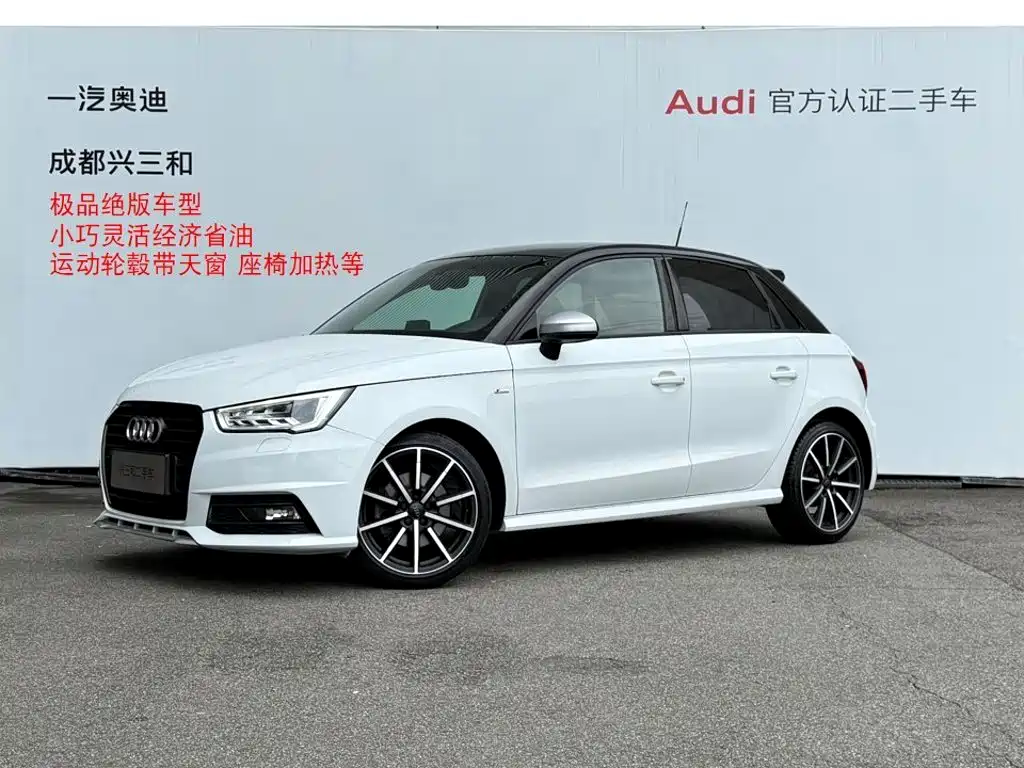
- The Audi A1 is a premium subcompact petrol hatchback, with three-door and five-door Sportback body styles represented in export listings.
- Available powertrain labels include 1.4 TFSI and 30 TFSI petrol variants; confirm the exact engine, output and gearbox for each vehicle.
- Trim names span Comfort, Fashion, Technology, Design Style and S Line-oriented editions, so equipment should be checked rather than inferred from the badge.
- It best fits urban dealers and fleets prioritizing compact dimensions and premium presentation over cargo volume, ground clearance or towing capacity.
- Current per-unit pricing, MOQ and availability must be checked in the live Audi A1 inventory and confirmed in a written export quotation.
Why the Audi A1 matters for export markets
The Audi A1 occupies a distinctive position in the global subcompact market: it combines a premium marque, compact exterior and hatchback practicality. For overseas dealers, that means a vehicle that can appeal to urban customers who want a recognizable premium badge without the footprint of a larger sedan or SUV. The model is especially relevant to city-focused importers, corporate fleet specialists and buyers seeking an efficient second car. Its appeal is less about raw cargo capacity or off-road usefulness than about packaging, styling and premium identity in a manageable footprint.
The A1's export logic is strongest where parking space, fuel use and a premium customer experience matter more than maximum passenger or cargo volume. Its compact footprint can simplify urban delivery, showroom display and vehicle handling, while the five-door Sportback adds everyday usability for small fleets. For dealers, that combination supports test-drive and private-sale narratives without moving into the larger premium SUV segment. It also creates a clear value proposition against mainstream small hatchbacks. That positioning is especially relevant in dense cities where vehicle length can affect parking, garage access and delivery routing.
For overseas buyers, the A1's premium badge raises a different question: can the destination market support the car economically? Check local Audi dealer coverage, technician access, spare-part lead times and residual-value expectations before committing to volume. A destination with a strong Audi network can make the model easier to sell and support; one without it may favor a simpler mainstream hatchback. Confirm support at model-year level, because equipment and homologation differ between markets. That makes the A1 a selective export choice whose commercial case depends as much on after-sales coverage as on product appeal.
- Best for urban premium use.
- Local Audi support matters.
- Verify body, engine, suitability.
Model range, trims and powertrain variants: how the lineup is structured and how to choose
The export-visible A1 lineup is built around two body styles: the original three-door hatchback and the five-door Sportback. Listing names also identify trim families such as Comfort, Fashion, Technology, Design Style, S Line Sport and special editions. These labels indicate appearance, equipment and intended character, but they are not a universal global trim chart. Chinese-market descriptions can differ from brochures elsewhere, so match body style, standard equipment and market specification before combining units in one order. A special-edition badge is not proof of a unique mechanical specification for export.
Because this is a petrol A1 range, powertrain selection is mainly about engine character, equipment and running cost rather than battery capacity or charging. The 30 TFSI label is associated with Audi's compact turbocharged three-cylinder family, while 1.4 TFSI denotes the larger four-cylinder family used in earlier examples. Outputs, transmission type and regional calibration vary, so the label alone is insufficient for tax, insurance or performance calculations. Confirm the VIN-specific specification and take exact output figures from the vehicle record before finalizing an import budget and any modifications on record.
Choosing among trims should begin with the use case. Sport-oriented editions may suit buyers who prioritize exterior detailing, wheel appearance and a more dynamic specification, while Design Style, Comfort and Technology labels can indicate different levels of convenience and equipment. Consider rear-seat space, the destination market and parts availability together rather than relying on the badge alone. For fleet use, prioritize durable, serviceable equipment; for private buyers, choose the Sportback when rear access and luggage flexibility are priorities. Confirm the exact option list rather than assuming from the trim name.
- Sportback: access and luggage.
- 30 TFSI: compact efficiency.
- 1.4 TFSI: larger-engine choice.
- Confirm equipment by VIN.
New vs used Audi A1: how export inventory is structured and how buyers choose
A useful way to read export inventory is as a matrix of condition, model year, body style, trim and registration status, rather than as a single homogeneous A1 range. The live catalogue can surface different generations of the same name, including older dealer or parallel-import vehicles that may look new in a listing while no longer representing the latest production specification. Search filters are only a starting point: confirm whether the vehicle was registered, how it was used, and whether the stated condition is supported by documents, history and inspection.
For a buyer considering a new listing, the advantages are easier to frame: a defined condition, clearer ownership expectations and the possibility of manufacturer or seller warranty support. The catch is that “new” is a channel description, not proof that the model year is recent or that the car was registered for the destination market. Unused older stock can carry dated specifications, discontinued option combinations and a weaker resale story than a current-generation vehicle. Ask for the first-registration date, invoice, warranty terms and a complete option list before payment.
A used A1 can make more sense when the budget is driven by acquisition cost rather than untouched presentation, but buyers must price in uncertainty. Mileage alone does not reveal accident repair, paintwork, transmission condition, suspension wear or service-record completeness. A narrow selection can also make it harder to standardize fleet specifications and colours. The prudent route is an independent pre-purchase inspection, a chassis-number history check, verified service records and a written description of known defects, supported by repair invoices and a clear warranty position before payment is released in full.
- Filter condition, year, trim, body.
- “New” is a seller label.
- Inspect vehicles outside warranty.
How export pricing works: the factors behind a live listing price, and how to read one
An Audi A1 export price is not a fixed valuation of the model name; it is the result of several variables interacting at the time of quotation. Model year, trim, three-door or Sportback body, engine label, mileage, condition, ownership history and the seller's commercial terms all affect the unit position. External variables—including the exchange rate, freight route, insurance and destination charges—can move the final landed amount even when the vehicle itself is unchanged. Price must therefore be treated as a dated, vehicle-specific offer with defined inclusions.
Start with the live listing, then establish what its price actually covers. Check whether the amount is an ex-China vehicle price, FOB, CIF or another basis, and whether it includes export documentation, inspection, inland transport, ocean freight, insurance and destination charges. Confirm the currency, quote validity, unit allocation and whether each vehicle is priced separately. A lower displayed number can still produce a higher landed cost if freight, taxes or compliance work are added later. Treat any unclear exclusion as unresolved until the supplier confirms it in the pro forma invoice.
For a useful comparison, normalize every quote to the same destination, Incoterm, currency and cost scope. Put vehicle price, expected freight, insurance, port charges, taxes, registration fees, homologation work and a contingency reserve on one worksheet. Use the current figure attached to the specific live vehicle rather than a remembered market average, then request a written quotation for the actual configuration. This shows which cost, rather than which badge, is driving the difference and creates a clearer negotiating brief when dealers quote vehicles with different specifications clearly before ordering.
- Compare equivalent vehicles.
- Confirm currency and Incoterm.
- Use live listings, request quotes.
MOQ, ordering and payment: single units vs consolidating a container
Vehicle MOQ should be treated as a seller-specific commercial term, not inferred from the size of the model or copied from a catalogue page. Some offers are available to individual professional buyers, while other sellers may require a lot, a container commitment or proof of fleet intent. Because each A1 can differ in age, trim and condition, a nominal unit requirement does not guarantee that several comparable cars are available together. Confirm the binding MOQ, allocation method and reservation period in the quotation before placing any deposit or freight booking.
A single-unit order is useful for testing a market, evaluating paint, trim and equipment, or supporting a small corporate fleet. Its disadvantages are proportionally high freight, insurance and handling costs, plus greater exposure to damage because fewer units share the transport risk. Consolidating several A1s in one container or grouped shipment can improve logistics, but only if the vehicles suit that method. Container space, securing points, weight distribution and destination unloading must be planned; Ro-Ro handling can change the practical loading approach rather than being treated as routine freight.
Payment mechanics should be written into the vehicle contract before funds move. The pro forma invoice should identify each vehicle by year, trim, body style, VIN or chassis number where available, colour, condition, unit price, deposit, balance trigger, bank charges, documents, delivery term and quote validity. Use staged payment linked to inspection and document checks, and require any claimed warranty or defect remedy in writing. For a consolidated shipment, specify who bears loss or damage at each custody stage and what evidence is required for a claim and claims deadline.
Shipping, homologation and market compliance caveats: LHD/RHD and import rules by country
Steering configuration is the first physical check. Most Chinese-market A1 vehicles are left-hand drive, while the United Kingdom, Australia and Japan normally require right-hand-drive vehicles. Do not assume that a Chinese listing can be converted without cost, documentation or safety consequences. Obtain clear photographs of the steering wheel, instrument cluster, pedals and VIN plate, and have the supplier state the configuration in the contract. For a destination requiring the opposite side, only an authentic right-hand-drive example should proceed to quotation approval. A conversion can also complicate parts, insurance and registration.
Registration and homologation are country-specific, and the Audi badge does not replace local approval. A Chinese-market car may need emissions, safety, noise, lighting or type-approval checks that differ from those applied to a European-market example. Import rules may also depend on engine, age, emissions standard, vehicle category, importer status and whether the car is new or previously registered. Use a local customs broker or homologation specialist to identify permits, taxes, insurance and inspection before paying for transport; used imports may face stricter age or condition rules in that country locally.
Shipping begins with securing the vehicle correctly and defining the custody transfer. Confirm whether the seller provides export customs, loading supervision, lashing, marine insurance and destination terminal charges under the agreed Incoterm. A pre-shipment inspection should verify the VIN, condition, mileage, keys, tools, warning lights and absence of new transport damage, with dated photographs. Container or grouped shipment does not remove documentation duties: the commercial invoice, packing list and transport document must agree with the vehicle ordered and landed charges must be reconciled before delivery is scheduled with the importer.
- Confirm steering side early.
- Check local approval rules.
- Inspect before loading; insure cargo.
Who should buy the A1 — and who should pick a different vehicle
The A1 is a strong fit for urban dealers, premium-brand entrants and small fleets that value a compact, recognizable car without flagship-car operating costs. The three-door format suits display-focused buyers, while the Sportback is more practical for families, hotel or company fleets, and customers carrying frequent luggage. Its relatively manageable dimensions can simplify parking and transport handling. For corporate buyers, the key benefit is a premium image delivered in a small fuel-powered package, provided local support remains economical. Local Audi coverage and realistic maintenance intervals should be part of that decision.
It is a poorer choice for buyers who need a larger cabin, substantial luggage capacity, high ground clearance, heavy towing or confident performance on poor roads. It may also suit a market poorly if emissions rules strongly favor newer powertrains or if buyers prioritize the lowest acquisition and maintenance cost. The A1's rear-seat access and boot volume are modest by family-car standards. Dealers should avoid presenting a stylish urban premium hatch as a substitute for a compact SUV, MPV or work vehicle; never infer ground clearance or towing from the model name.
A sensible purchase decision is a fit test rather than a badge test. Compare the A1 with the exact rivals your customers already consider, include insurance, fuel, servicing, parts and expected resale in the calculation, and check whether local technicians routinely service the generation offered. For a new export program, a carefully selected trial unit can reveal paint, build and trim preferences before larger purchasing. If that vehicle needs uncommon parts, faces difficult registration or misses the market's core space requirement, choose a rival rather than absorbing an avoidable long-term cost.
- Urban premium and fleet use.
- Avoid towing and poor-road assumptions.
- Compare whole-life costs.
Main rivals and how the A1 compares
The Volkswagen Polo is one of the A1's most direct alternatives because both occupy the small five-door hatchback class, but they serve different priorities. The Polo generally benefits from broader market familiarity, a large dealer network and straightforward parts identification, which can reduce ownership friction. The A1 counters with a more premium visual identity and driver-focused cabin character. Choose the Polo when service access and mainstream acceptance dominate; choose the A1 when design and badge differentiation drive the purchase. Compare exact model years because availability and equipment vary by country.
The Ford Fiesta is a closer fit for buyers who prioritize compact dimensions, expressive styling and a more driver-oriented proposition than a conventional family hatchback. Depending on the market, it may benefit from familiarity with small-car buyers and a broad parts ecosystem. The A1 generally offers a more upscale, premium-brand presentation and the option of a practical five-door Sportback, while the Fiesta often centers on character and value. The stronger choice depends on local dealer support, engine choice and customer priorities; neither should be selected without a local test drive.
The Hyundai i20 is a sensible mainstream alternative where buyers emphasize practicality, value and access to relatively straightforward service. It can be difficult to compare at trim level because equipment and safety provisions change by model year and market, but it gives the A1 a practical benchmark rather than a premium-only alternative. The A1 is more likely to appeal where visual sophistication, premium materials and a distinctive city-car image justify the ownership considerations. For fleet tenders, compare whole-life costs and parts support rather than assuming the higher-positioned badge wins automatically.
Live Audi A1 export inventory
View all listings →Real units currently on ChinaCarDirect with per-unit asking prices and MOQ. Availability updates live from the catalogue.

How to buy a Audi A1 from China
-
1
Set the destination brief
Record the destination country, traffic side, fuel and emissions rules, preferred body style, budget basis and required documents. This turns a general Audi A1 search into a market-compliant shortlist before discussing freight or payment.
-
2
Filter the live inventory
Use the live inventory to compare model year, body style, trim, engine label, condition and seller terms. Treat each listing as a starting point and request the VIN-specific specification sheet for anything material.
-
3
Normalize the quotation
Ask for unit price, currency, Incoterm, port, freight, insurance, taxes, payment milestones, MOQ and quote validity. Place competing quotations on the same landed-cost basis before selecting a vehicle.
-
4
Verify identity and condition
Match the VIN or chassis number, engine, gearbox, mileage, equipment and documents against the invoice and listing. Commission an independent inspection for evidence of repair, paintwork, mechanical issues or undeclared modifications.
-
5
Agree logistics and payment
Confirm the shipping method, loading supervision, marine insurance, custody transfer, export documents and staged payment milestones. Any defect remedy or warranty claim should be written into the contract.
-
6
Inspect before shipment release
Complete a pre-shipment inspection with dated photographs and reconcile the commercial invoice, packing list and vehicle identity. Release the vehicle and freight payment only after the agreed inspection and document conditions are satisfied.
-
7
Plan registration and support
Brief a local broker on approvals, emissions evidence, age restrictions, taxes, insurance and inspection. Also confirm Audi service access, technician familiarity and parts lead times before approving a fleet program.
A1 vs rivals
| Volkswagen Polo | The Polo is a mainstream alternative with broad dealer familiarity and comparatively straightforward parts support. Choose it for lower-friction ownership and mainstream acceptance, or choose the A1 when premium styling and a more distinctive cabin are central priorities. |
|---|---|
| Ford Fiesta | The Fiesta competes through compact dimensions, expressive design and a driver-focused image that can appeal strongly in some markets. The A1 generally presents a more upscale premium-brand alternative, particularly in five-door Sportback form, but service support should guide the final choice. |
| Hyundai i20 | The i20 is a practical benchmark for buyers prioritizing value, usability and accessible servicing rather than premium image. The A1 offers stronger visual differentiation and a more premium atmosphere, so compare equipment, parts and whole-life costs by exact model year. |
Frequently asked questions
How is the Audi A1 export price determined?
An Audi A1 export price reflects the vehicle's year, trim, body style, engine, mileage, condition and ownership history, together with the seller's commercial terms. Exchange rates, freight, insurance, taxes, port charges and the selected Incoterm affect landed cost. The current vehicle-specific amount appears on the live ChinaCarDirect listing; request a written quotation for the final payable scope.
Which Audi A1 engine should overseas buyers choose?
The 30 TFSI designation is generally associated with a compact turbocharged three-cylinder, while 1.4 TFSI denotes the larger four-cylinder family; outputs and gearboxes vary by vehicle. The A1 is petrol-powered, so there is no battery-range decision within this range. Confirm the exact engine, transmission, tax class and modifications from the VIN-specific listing.
Is it better to buy a new or used Audi A1?
A new listing offers a defined condition, clearer ownership expectations and possible warranty support, but it may be older unused stock with dated equipment. A used vehicle can reduce acquisition cost while introducing repair, mileage and history uncertainty. Choose based on the vehicle record, inspection, budget and destination resale strategy rather than the condition label alone.
What is the MOQ for an Audi A1 wholesale order?
MOQ is set by the seller and transaction and may differ between single-unit, grouped and container programs. A request for one unit may be accepted, but the binding requirement, unit allocation and deposit must be confirmed in writing. Do not infer MOQ from vehicle size or marketplace search filters.
How long does shipping take and what affects the cost?
Shipping time and cost depend on the origin and destination ports, transport mode, vessel or roll-on roll-off schedule, container availability, handling, insurance, customs and the selected Incoterm. Fuel surcharges and peak-capacity constraints can also affect a quotation. Ask the seller or forwarder for the route, charge inclusions and estimated schedule applicable to the specific vehicle.
Are spare parts available for an exported Audi A1?
Availability depends on the destination market, model year, trim and any left- or right-hand-drive differences. Parts may be ordered through Audi or an importer, but lead times and discontinued-item risk should be checked before purchase. Obtain a parts list, particularly for trim-specific lighting, interior components and electronic modules.
Can I buy a right-hand-drive Audi A1 from China?
Most China-market A1 vehicles are left-hand drive, so right-hand-drive supply is not automatic. Buyers in the United Kingdom, Australia and Japan should look for an authentic RHD car and confirm the steering side, VIN and local eligibility. Do not assume a conversion will satisfy registration, insurance or safety requirements.
How do I buy an Audi A1 from China?
Start with the live Audi A1 inventory, select the closest unit and send an RFQ with the destination, body style, year, trim and required quantity. Request a pro forma invoice, payment schedule, inspection terms, documents and Incoterm before paying a deposit. After identity, ownership and condition checks, agree freight, insurance and staged payment. Release the vehicle and shipment only against the agreed milestones.
Ready to source the Audi A1?
Send your destination, preferred body style, engine and required quantity for a tailored Audi A1 export quote.
Request a quote