
Audi A6 Export Buying Guide for Overseas Buyers
Compare Audi A6 and A6L trims, powertrains, used options, export pricing, shipping and import checks before ordering a China-built executive sedan.
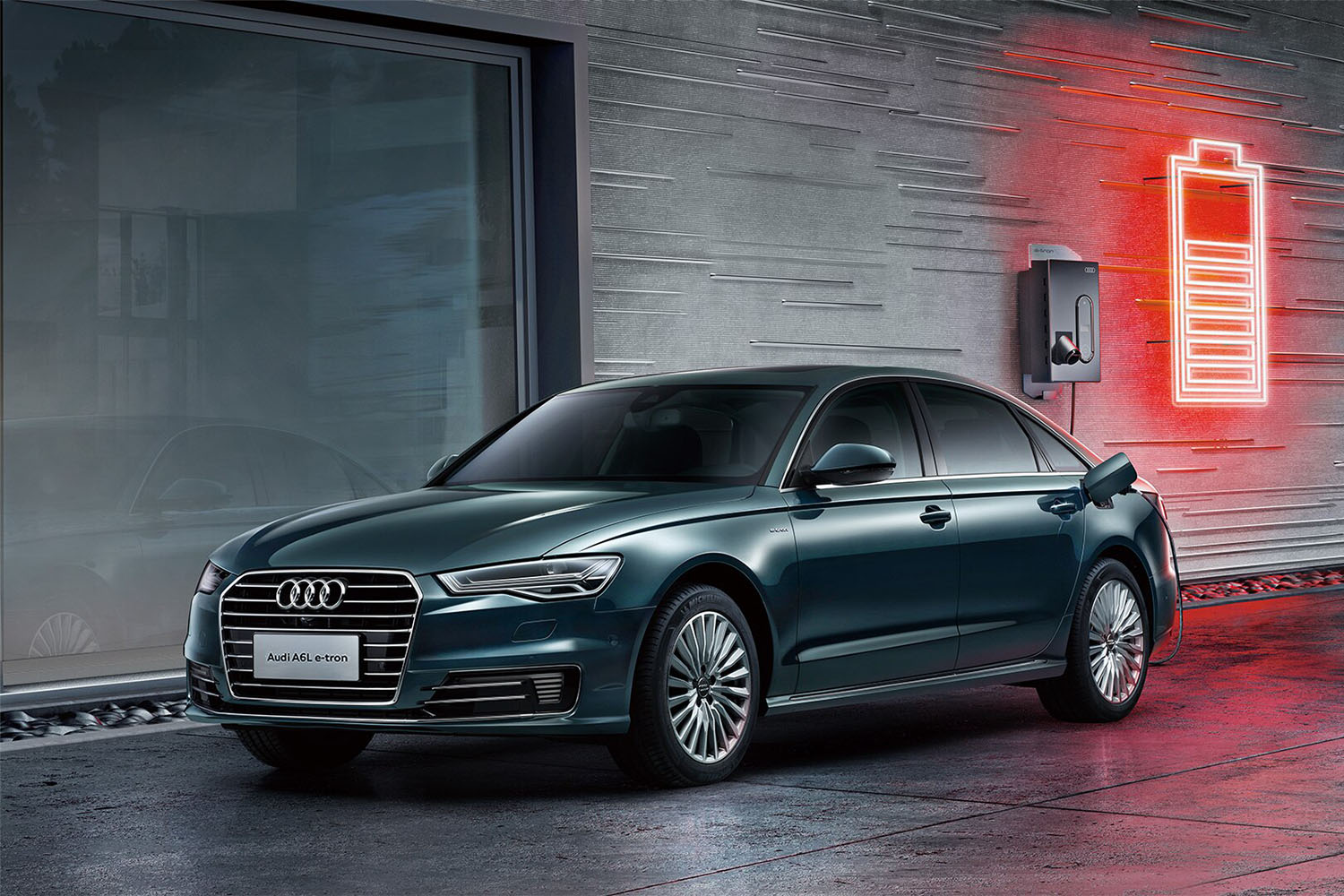
At a glance
- The A6 is a midsize executive sedan, while the China-market A6L adds meaningful rear-seat space.
- The export family spans sedan, Avant estate and allroad bodies, with 35, 40, 45 and 55 TFSI badges plus other engine variants.
- New vehicles emphasize current equipment and lower initial condition risk; used cars require detailed inspection and service evidence.
- Export quotes vary with trim, condition, currency, freight, Incoterm and destination charges, so compare itemized landed cost.
- China-origin cars are commonly left-hand drive, so confirm steering configuration and destination-market approval before ordering.
Why the Audi A6 matters for export markets
The Audi A6 occupies the large executive-sedan segment between premium family sedans and flagship models. Its appeal for overseas buyers comes from styling, a spacious cabin, service familiarity and a broad mix of luxury, performance and long-wheelbase versions. For distributors, the model supports demand channels: corporate fleets, executive transport, chauffeur services and private buyers who want an executive car without moving to a full-size luxury saloon. That versatility is especially relevant in export markets where buyers compare equipment levels carefully but must also consider local homologation, parts support and residual values.
China-built examples need careful market positioning because the A6 is a global nameplate but not a single worldwide specification. The standard A6, the long-wheelbase A6L, Avant estate and allroad versions answer different practical needs, while equipment and naming can differ by production year. Export buyers should not treat the overseas-market A6 brochure as a complete description of a Chinese inventory car; the VIN, build specification and original equipment list are more useful controls. This distinction matters when comparing a locally familiar trim name with the actual engine, drivetrain and equipment package being delivered.
Demand for this positioning depends less on one isolated specification than on whether the chosen variant suits local road, tax and usage patterns. Sedan buyers generally prioritise rear-seat comfort, quietness and residual-value appeal; allroad customers add ride height and luggage flexibility; fleet buyers usually focus on acquisition cost, fuel consumption, maintenance and uptime. A China-sourced A6 therefore makes the most sense when the buyer can verify that its mechanical package, documentation and service economics align with the destination market. That discipline is especially important for mixed fleets operating across several cities or countries.
- A6L: rear-space focus.
- Avant: cargo focus.
- Allroad: raised-road focus.
Model range, trims and powertrain variants: how the lineup is structured and how to choose
The export-relevant A6 family spans several distinct body concepts. The A6 is the regular executive sedan; A6L is its long-wheelbase China-market form, normally preferred where rear legroom and chauffeur travel matter; Avant is the estate body, and allroad versions add an off-road-oriented exterior and raised stance. Trim labels in the market include Premium Dynamic, Luxury Dynamic, Elegance, Sport and Exclusive Sport, so the buyer should compare equipment rather than assume that a higher-sounding badge is automatically the better commercial choice. A concise option checklist prevents naming differences from obscuring the real purchase decision.
Available engine designations also need translation into buyer requirements. Listings can include 2.4-litre and 3.0T variants, plus TFSI versions badged 35, 40, 45 or 55. These labels identify different market packages and are not a substitute for the certified output, torque, transmission and fuel figures on the vehicle documents. For fleet use, prioritize serviceability, consumption and uptime; for executive use, balance performance with ride refinement, noise and equipment. A sound specification sheet should also confirm front-wheel drive or quattro, climate equipment, infotainment compatibility and whether any option groups were changed locally.
The practical selection method is to separate body, powertrain, drivetrain and trim. Start with the duty cycle: urban executive transport points to the A6 or A6L sedan, mixed road conditions may justify allroad, and luggage-heavy use favors Avant. Then identify the engine and transmission from the build record, compare real-world tax and fuel assumptions, and finally assess whether Premium, Luxury, Sport or an allroad grade provides equipment the resale market in the destination country will recognize. Do this before negotiating, because a single option difference can materially change the vehicle's usability and value.
- Verify engine documents.
- Match body to use.
- Compare equipment, not labels.
New vs used Audi A6: how export inventory is structured and how buyers choose
New and used A6 vehicles create different export propositions. New Chinese-market cars generally offer the newest listed model years, low recorded distance and current equipment, making them easier to position for fleet or executive customers who prioritize appearance and predictable initial condition. Their purchase case also depends on the residual value of a vehicle acquired outside its original domestic market. Confirm warranty terms, service history and local support because newness alone does not guarantee lower operating risk. A pre-delivery inspection and a clear handover process can materially narrow those risks.
Used A6 and A6L inventory opens access to older executive sedans, including 2.4-litre, 3.0T and allroad examples. The attraction is a lower acquisition entry point or access to a particular body and trim that may be difficult to source new. The trade-off is uncertainty: mileage, service intervals, suspension wear, fluid leaks, tyres, interior condition and accident history must be established from records and inspection rather than inferred from the model year. For used purchases, obtain the VIN, maintenance invoices, diagnostic scan and photographs of underside, wheels and engine bay before committing funds.
A sound choice depends on the buyer's business model, not on the lowest purchase price. Dealers may prefer a coherent batch of similar vehicles for resale, while a small fleet can accept mixed years if each unit has a clear maintenance case. Drivers buying for personal use often value a well-equipped, inspected car over factory-new cosmetic condition. Whichever route is chosen, budget separately for immediate servicing, consumables, registration and the cost of correcting issues that a listing photograph cannot reveal. That total-cost view prevents an attractive unit from becoming expensive later.
- New: lower condition risk.
- Used: broader model access.
- Inspect before payment.
How export pricing works: the factors behind a live listing price, and how to read one
A live Audi A6 export price is a starting quotation, not the buyer's final landed cost. The vehicle's year, trim, engine, drivetrain, specification, mileage and condition establish its underlying market position. Layered on top are currency movements, supplier margin, freight, insurance, documentation, port charges and the selected Incoterm. Because two similarly named cars can differ materially in equipment and history, a listing-level quote is more informative than a broad model-level price. The same trim name may reflect different market packages, so request a written specification and itemized quote before treating prices as comparable.
To read a listing correctly, first identify the exact vehicle through its VIN, model year, body style and trim. Then confirm whether the displayed figure is the vehicle-only price or includes an export service and sea freight. Review which Incoterm is offered, where responsibility transfers, and whether shipping, insurance, customs, duty, taxes, registration and pre-delivery charges are excluded. Ask for any charge that could arise after the vehicle leaves the origin port. A buyer should also establish the payment currency, validity period and whether the seller can revise the quote after exchange-rate changes.
The best comparison is an all-in landed-cost worksheet for each shortlisted vehicle. Place the confirmed vehicle price, inland transport, export handling, freight, insurance, destination charges and expected compliance work in separate lines, then add depreciation and operating assumptions where relevant. This exposes whether a higher-equipped car, a different engine or an allroad body is economically justified. Current per-unit prices and availability should be taken from the live A6 listings, not from an old catalogue or saved enquiry. This method remains useful when exchange rates, freight schedules or inventory change between enquiries.
- Itemize landed cost.
- Confirm currency and Incoterm.
- Use live unit quotes.
MOQ, ordering and payment: single units vs consolidating a container
Minimum order quantity should be treated as a commercial term to verify, not an assumption based on the model name. ChinaCarDirect presents vehicles individually, and a live listing should be checked for its stated MOQ, unit availability and seller conditions. Some buyers need one vehicle for a trial fleet; others want several similar examples for resale. Clarify whether a single unit qualifies, whether the deposit is tied to one VIN and whether any additional units from the same seller must share one release. That prevents an Audi A6 wholesale shipment plan from proving wrong.
A unit-by-unit order is attractive when testing demand, fitting out a small executive fleet or purchasing one highly specified car. The process normally moves from enquiry and VIN verification to written specification, inspection, payment, export preparation, shipping and final delivery. Documents commonly checked include the vehicle identification, registration or customs papers, commercial invoice, packing list and export declaration, subject to the transaction and destination. The buyer should know which party prepares each document. Before sending any funds, align these responsibilities clearly in the pro forma invoice and the sales contract.
Container consolidation can reduce freight per vehicle, but it changes the risk profile. Coordinating A6 units from multiple sellers requires compatible deadlines, inspection standards, payment terms and a party responsible for receiving, storing and releasing the consolidated cargo. Space calculation must cover vehicles, protective material and lashing, while differing fuel-tank and fuel-volume rules may matter even though this A6 range is gasoline-powered. Buyers should obtain a written loading plan and allocation list rather than assume every vehicle will be ready together. A delay from one seller can hold back the entire shipment.
- Check listing MOQ.
- Bind deposits to VIN.
- Document consolidation roles.
Shipping, homologation and market compliance caveats: LHD/RHD and import rules by country
China-origin A6 and A6L examples are commonly left-hand-drive vehicles, but that should be verified for every listing. For a left-hand-drive destination, steering, lighting and equipment compatibility may be straightforward. For a right-hand-drive market, buyers must establish whether a genuine RHD example is available. Converting an LHD car is possible in some markets, but steering, safety, electrical and type-approval implications can add cost, handling risk and a weaker resale proposition. Conversion should never be treated as a routine option until the destination authority and an experienced conversion specialist approve the planned configuration.
Import requirements are determined by the destination country, not by the vehicle's attractive export presentation. A buyer should check VIN and identity-document rules, customs classification, duty and tax treatment, emissions, safety, radio and software requirements, age restrictions and any used-vehicle inspection scheme. Local registration may also require proof of conformity, roadworthiness documents or an approved modification report. These rules can change, so obtain current guidance from the destination customs authority or a specialist importer before committing. The same car can therefore be straightforward in one country and costly or prohibited in another.
Shipping planning must cover more than the sea voyage. Confirm the loading method, secure lashing, protective shipping film and any relevant vehicle-safety or fuel-related procedure, even though the examples discussed here are combustion-powered. Compare door-to-door and port-to-port service, define who handles customs clearance, and calculate time for origin inspection, booking, loading, transit, destination clearance and local registration. Insurance becomes important when a newly specified car or a large consolidation shipment is involved. Ask for an expected schedule, not a guaranteed arrival date, and build a buffer for inspections or missed sailing connections.
- Verify LHD or RHD.
- Check destination approvals.
- Itemize freight and clearance.
Who should buy the A6 — and who should pick a different vehicle
The A6 is a strong fit for buyers who want a conventional executive sedan with a recognised badge, a comfortable rear compartment and more presence than a compact premium saloon. It is particularly relevant to chauffeur operators, corporate transport teams, airport and hotel services, and distributors serving customers who prefer traditional powertrains over electrification. A6L buyers should focus on passenger space, while standard-wheelbase buyers may prioritise easier parking, lower weight and familiarity with international service networks. It also suits buyers who value quattro availability on selected variants and established model familiarity.
It is less suitable for operators whose core requirement is a low-cost compact fleet, ultra-low emissions, off-road utility or a highly standardized pool of interchangeable cars. Dealers without reliable parts, inspection or homologation support may struggle to place A6 units profitably. A buyer should reject the model if the destination's tax regime, charging strategy, RHD requirements or repair network makes the chosen powertrain impractical. Fleet suitability is determined by total operating and compliance cost, not executive-car image alone. A used-car market can improve the equation, but only with evidence of condition.
Before committing, run a fit test around the target customer. Ask whether buyers want the A6, A6L, Avant or allroad; whether rear-seat space or cargo volume is decisive; whether quattro is worth its acquisition and maintenance implications; and which equipment survives resale in the destination. Then compare the selected car's landed cost with the running costs of alternatives. The right A6 is the specification that remains saleable after registration, not necessarily the most expensive-looking vehicle in a batch. A structured comparison prevents badge appeal from clouding operating economics in the destination market.
- Strong for executive fleets.
- Weak for ultra-low emissions.
- Test destination resale demand.
Main rivals and how the A6 compares
The BMW 5 Series is the closest mainstream alternative for buyers cross-shopping the executive-sedan class. It offers a similar balance of driving dynamics, cabin quality and long-distance usability, with extensive familiarity across global markets. The A6's strongest counter-arguments are quattro availability on selected versions, the additional rear space of A6L variants and the breadth of Chinese-market equipment. A buyer should compare actual drive systems, rear dimensions, aftersales support and landed cost rather than assume either badge is superior. Local dealer density can be as decisive as the factory specification for the market concerned.
The Mercedes-Benz E-Class is another direct rival, often attractive to buyers prioritizing a formal luxury image, a refined cabin and established executive-fleet recognition. It may present a different ownership proposition depending on specification, powertrain and local service availability. The A6 can be preferable where a buyer wants quattro, a particularly spacious A6L cabin or a China-specific trim and equipment package. Conversely, the E-Class may be easier to place locally where Mercedes-Benz dealer support and customer familiarity are stronger, so the destination market must decide. Neither brand guarantees the better residual value.
The Genesis G80 is a credible value-led alternative in the same large executive-sedan category, particularly for buyers comparing rear space, standard equipment and a different ownership-cost profile. It may offer a strong showroom proposition without the familiar Audi badge, while local distribution, parts support and model-year consistency can be less developed than for the A6. The comparison should therefore include warranty handling, spare-part lead times, financing and repair capability, not only purchase price and visible cabin features. A cheaper route to the same customer segment is not always cheaper after ownership.
- BMW 5 Series: driver-led.
- Mercedes E-Class: formal luxury.
- Genesis G80: value-led.
Live Audi A6 export inventory
View all listings →Real units currently on ChinaCarDirect with per-unit asking prices and MOQ. Availability updates live from the catalogue.
How to buy a Audi A6 from China
-
1
Set the vehicle brief
Define the duty cycle, passenger and cargo needs, destination, steering layout and acceptable powertrain. This prevents a visually attractive but commercially unsuitable A6 from entering the shortlist.
-
2
Buy an Audi A6 from China methodically
Filter the live A6 inventory by body style and market, then compare only like-for-like VINs. Capture the year, trim, engine, drivetrain, condition, equipment list and seller terms in a shortlist for quotation.
-
3
Request an itemized quotation
Ask the seller for a written quote covering vehicle price, MOQ, payment milestones, Incoterm, freight, insurance and validity period. Confirm whether import duty, taxes, customs clearance and registration are excluded.
-
4
Check destination-market compliance
Verify VIN, registration and customs documents, then check destination rules for age, emissions, safety, radio, software and type approval. Obtain specialist advice for RHD conversion before committing.
-
5
Complete the purchase contract
Approve a written specification and inspection report, then align the deposit, balance payment, cancellation terms and release timing in the sales contract. Keep the deposit tied to the selected VIN and seller.
-
6
Prepare for export
Use an independent pre-export inspection, confirm export documents, protective shipping preparation and insurance, and approve a loading plan. For consolidated units, name the coordinator and allocation process.
-
7
Ship, clear and receive
Track the shipment through loading, transit and customs clearance, then arrange local registration and a delivery inspection. Reconcile any damage or documentation discrepancy with the seller and insurer before acceptance.
A6 vs rivals
| BMW 5 Series | The BMW 5 Series is a close executive-sedan rival for buyers who prioritize driving dynamics, cabin quality and long-distance familiarity. The A6 counters with quattro on selected versions, greater rear space in A6L form and China-specific equipment, so compare actual drive systems, dimensions, support and landed cost for the destination. |
|---|---|
| Mercedes-Benz E-Class | The Mercedes-Benz E-Class is a direct rival for buyers seeking a formal luxury image, refined cabin and strong executive-fleet recognition. The A6 may suit those wanting quattro, a spacious A6L cabin or China-specific equipment, while the E-Class can be easier to resell where Mercedes-Benz support is stronger. |
| Genesis G80 | The Genesis G80 is a credible value-led executive-sedan alternative for buyers focused on rear space, standard equipment and ownership costs. It can deliver a strong showroom proposition without the familiar Audi badge, but buyers should compare local distribution, parts support, warranty handling and residual value before choosing it over the A6. |
Frequently asked questions
How is Audi A6 export pricing determined?
Each live listing combines vehicle-specific factors—model year, trim, engine, drivetrain, equipment, mileage and condition—with exchange-rate and logistics effects such as freight, insurance, documentation and Incoterm choice. Import duty, taxes and registration are destination-specific and may sit outside the quoted vehicle price. Check the live A6 listings for the current per-unit figure and request an itemized quote before calculating landed cost.
What engine and range options are available?
The A6 and A6L choices shown are gasoline models, including 2.4L, 3.0T and TFSI labels 35, 40, 45 and 55. Because output, transmission and equipment vary by year and market, confirm those details on VIN-specific build documents. The export examples discussed here are internal-combustion vehicles, so electric range and battery capacity do not apply; request the fuel-consumption figures used by the destination authority.
What are the main new versus used Audi A6 trade-offs?
New A6 and A6L inventory generally offers current equipment, low recorded distance and lower initial condition risk, while used stock provides access to older engines, trims and bodies at a different acquisition point. Used buyers should examine service records, mileage, tyres, suspension, leaks, accident history and diagnostic results before paying. Warranty coverage must be verified rather than assumed for either category.
How does MOQ work for an Audi A6 order?
MOQ is a per-listing commercial condition, so confirm it on the exact A6 listing or in an RFQ rather than assuming a model-wide quantity. Ask whether a single vehicle can be ordered, whether a deposit is assigned to one VIN, and whether consolidation with units from other sellers is permitted. The seller should also state release, payment and documentation deadlines.
What determines shipping time and cost?
Shipping time depends on origin inspection, booking, sailing availability, consolidation, transit, customs clearance and local registration. Cost is driven by the selected Incoterm, vehicle route, freight method, insurance, port handling, duties, taxes and any conversion or compliance work. Ask for separate charge lines and a current schedule rather than treating transit as guaranteed.
Are spare parts available for China-export Audi A6 models?
Parts support is model-specific: request the VIN, engine designation and equipment list, then check that a destination dealer can service the car and source tyres, fluids, brakes and electronic modules. For China-market A6L or specific trims, verify equivalent parts and diagnostic compatibility before purchase. Aftersales capability should be weighted alongside purchase cost in fleet decisions.
Is a right-hand-drive Audi A6 available for export?
China-origin A6 examples are commonly left-hand drive. For an RHD destination, ask whether a genuine RHD vehicle is available and confirm local approval for any conversion before ordering. Availability of a suitable body, engine and steering configuration must be checked in the current live inventory rather than inferred from the model name.
How do I order an Audi A6 from China?
Start with the live A6 inventory, select an exact VIN, and send a written RFQ covering specification, condition, destination, steering layout and Incoterm. Before paying, obtain the sales contract, inspection position, payment milestones, document list and shipping plan. Keep the unit identity and agreed responsibilities unchanged through inspection, export, shipment, clearance and delivery.
Ready to source the Audi A6?
Send your destination, required body and powertrain, and preferred Incoterm to request a current Audi A6 quotation.
Request a quote