
Audi A6l Export Guide for Dealers and Fleet Buyers
Buy an Audi A6l from China with a clear view of trims, engines, export pricing, MOQ, shipping, homologation and checks that reduce import risk.
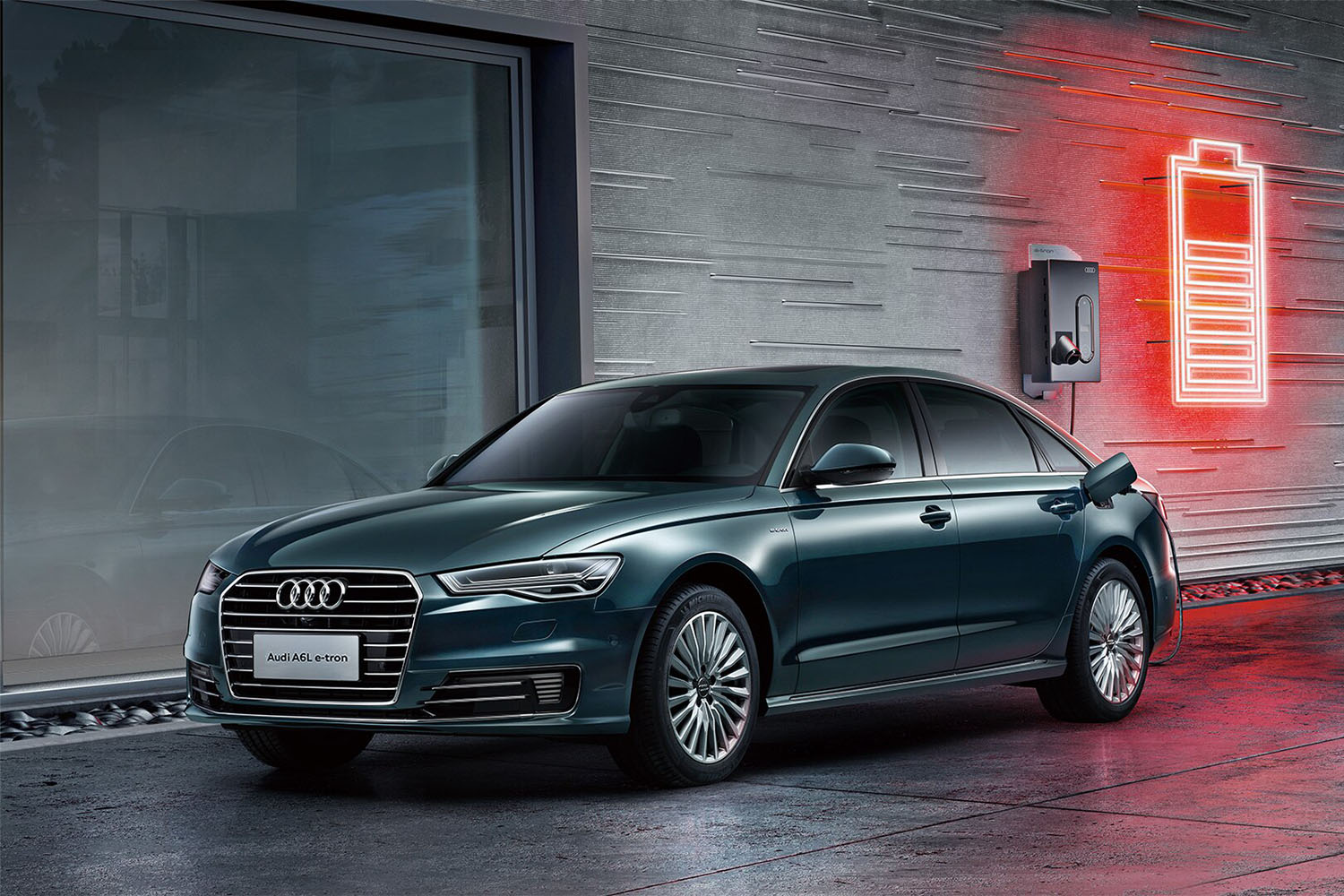
At a glance
- The A6l is a China-built, long-wheelbase executive sedan suited to chauffeur, corporate and premium fleet use.
- TFSI and FSI grades, equipment tiers and quattro availability make build-sheet verification essential.
- New cars reduce specification uncertainty; used cars demand VIN, history and independent inspection checks.
- Export price depends on vehicle specification, condition, market factors, freight and Incoterm.
- LHD/RHD availability, homologation and after-sales support must be resolved before ordering.
Why the Audi A6l matters for export markets
The A6l is China’s long-wheelbase version of Audi’s A6 family, positioned as an executive sedan for buyers who value rear-seat space, a formal cabin and Audi styling without moving to a full-size luxury saloon. For overseas dealers, that combination makes it more relevant than a standard A6 where road conditions, chauffeur use or corporate reception needs favour a spacious four-door car. It sits between premium mid-size models and larger luxury sedans in practical terms. China origin creates a distinct proposition: familiar Audi design, but specifications and after-sales realities that differ from European-built cars.
Export interest is most credible in markets that already understand premium sedans and where long-wheelbase packaging has practical value. Candidate segments include chauffeur and executive fleets, airport and hotel transport operators, corporate reception fleets, and dealers serving business customers in the Middle East, Central Asia, Southeast Asia, or Africa. The buying case is not simply more car: it is the combination of rear-seat room, a formal cabin, luggage capacity, and a recognizable premium marque. Local road, fuel, and resale assumptions still need testing carefully before committing to any inventory order.
For an importer, the A6l is attractive but conditional. Its China-built specification may differ from an A6 sold in Europe, and equipment that is standard or optional locally does not automatically translate into homologated features elsewhere. The strongest business cases are therefore built around a specific market: confirmed emissions and safety compliance, realistic parts support, an appropriate steering configuration, and a service plan. A buyer who values space and has done the compliance work may gain a distinctive executive product; one who assumes global parts interchangeability may encounter expensive surprises.
- Long-wheelbase executive positioning.
- Strong chauffeur and fleet relevance.
- China-origin support obligations.
Model range, trims and powertrain variants: how the lineup is structured and how to choose
The model range uses familiar Audi engine and equipment labels rather than one uniform specification. Across the line, designations such as 35 TFSI, 40 TFSI, 45 TFSI, 55 TFSI, and 30 FSI distinguish major mechanical and commercial versions, while Premium, Luxury, Elegance, Dynamic, Sport, Technology, and special-edition labels describe equipment or positioning. Do not treat the badge as a complete specification: the VIN-linked build sheet should establish displacement, output, transmission, fuel system, emissions equipment, standard options, and production date for the exact car being considered or purchased in your market.
The practical first choice is engine and drivetrain, not cosmetic trim. TFSI versions are the turbocharged side of the range, while FSI identifies a different powertrain family, and quattro appears on selected A6l grades to indicate all-wheel drive. Overseas fleet use may favor the drivetrain and fuel economics that suit local roads, while executive buyers may prioritize output, refinement, and equipment. Because exact outputs and axle arrangements vary, request the build sheet rather than ordering from a badge or comparing two trims solely by photograph or marketplace headline without verification.
Within an engine grade, equipment hierarchy becomes the second decision. Premium and Luxury trims target comfort and executive use; Elegance emphasizes a refined presentation; Dynamic and Sport labels often shift visual and handling character; Technology or special editions can change standard equipment. For a buyer, the right trim is the one that solves the operating brief without adding avoidable complexity. Overequipping a fleet car increases acquisition and repair burden; under-equipping an executive buyer can make the vehicle feel wrong. Compare standard equipment, fitted options, wheels, tires, infotainment language, and climate controls individually.
- Engine and drivetrain first.
- Equipment hierarchy by trim.
- Verify VIN-linked build sheets.
New vs used Audi A6l: how export inventory is structured and how buyers choose
The export inventory for this model should be read as two distinct buying channels: factory-new A6l vehicles and previously owned cars. New units are generally easier to compare because condition, warranty route, and equipment can be tied to a build sheet, although production date and delivery preparation still matter. Used cars broaden age and mileage choice and may suit value-led buyers, but every unit requires a separate condition and history assessment. The correct channel depends less on a generic new-versus-used rule than on the buyer’s tolerance for uncertainty and after-sales support.
For a new vehicle, the decisive checks are identity, configuration, and readiness. Match the VIN and build sheet to the trim, verify production or invoice date, and confirm that advertised equipment is fitted rather than merely assumed from the model name. Ask about factory warranty coverage in the destination market, pre-delivery inspection, tire and paint condition, software region, infotainment functions, and whether any accessories are dealer-installed. For fleet use, also confirm service intervals, consumable part references, and that the car will be supplied with documents needed for registration in the importing country.
For a used A6l, price alone is a poor proxy for risk. Ask for the VIN, registration documents, service records, accident and flood history, inspection reports, and evidence of ownership. An independent pre-purchase inspection should examine body structure, paint, tires, brakes, suspension, fluid leaks, cabin wear, and the operation of powered and climate systems. For an older imported car, also request an emissions or roadworthiness assessment where relevant and confirm spare-part sourcing. A clean title and coherent records can outweigh a newer but poorly documented car with incomplete ownership history.
- New cars clarify specifications.
- Used cars need independent inspection.
- Match risk to support capacity.
How export pricing works: the factors behind a live listing price, and how to read one
A live A6l export quote is the outcome of several variables, not a fixed model price. Model year, trim, engine family, drivetrain, factory options, production date, mileage, condition, and whether the vehicle is new or used all influence the seller’s asking price. Market conditions, exchange rates, and the volume of a negotiated order can also matter. Compare equivalent cars with the same equipment and history. A lower headline on a different powertrain, steering configuration, or condition may create a higher total cost once compliance, shipping, tax, and local preparation are included.
When reading a live listing, start with identity. Check that year, trim, VIN, engine, gearbox, drivetrain, mileage, and condition agree across the headline, photographs, build sheet, and seller notes. Establish what the quoted amount includes: the vehicle alone, export documents, domestic transport, inspection, insurance, or freight. “Export-ready” is not a universal standard and should be supported by named deliverables. Check the live ChinaCarDirect Audi A6l listings for the current per-unit price, stated MOQ, and availability, then ask which shipping or payment conditions apply; do not rely on an old catalogue reference or a quote for another vehicle.
For a landed-cost comparison, put every candidate on the same commercial basis. Add international freight, insurance, port or terminal charges, customs duties, taxes, registration fees, inland delivery, conversion work, and a reserve for repairs or missing equipment. Confirm the exchange-rate date and whether the quote is fixed or subject to supplier review. Spare parts and technician training should also be treated as operating costs, especially for a less common China-built specification. The most informative quote identifies the car, included services, exclusions, Incoterm, and assumptions in writing, rather than merely showing the smallest number.
- Compare equivalent vehicles.
- Confirm quote inclusions.
- Calculate full landed cost.
MOQ, ordering and payment: single units vs consolidating a container
MOQ should be confirmed at the listing and quotation level, because an individual-car sale and a multi-vehicle consolidation create different economics. A buyer testing demand may start with one A6l and arrange a smaller consignment; a dealer placing a larger order may reserve several units and use a full container. Consolidation improves freight efficiency only when vehicles, documents, payment terms, and delivery schedules align. Read the unit-specific MOQ and have the seller state it in the pro forma invoice. The same rule applies whether the shipment is one vehicle or several.
The ordering sequence should create a record at every stage. Select the exact listing, request a written specification and price, check the seller’s legal identity and export capability, and receive a pro forma invoice showing vehicle identifiers, quantity, payment milestones, delivery scope, and Incoterm. Before final payment, link the balance to satisfactory inspection or documented dispatch, as agreed. After shipment, verify that the commercial invoice, packing list, export declaration, VIN records, and any required certificate of conformity match the physical car and the importing country’s rules before customs clearance begins.
Payment risk is usually managed through milestones and verified counterparties, not by assuming a low deposit protects the buyer. Typical terms may include a deposit to reserve the identified vehicle, payment of the balance before release or loading, and separate freight or duty settlement. Use a traceable banking method, independently verify the beneficiary, and avoid transferring funds based solely on messages or copied account details. Confirm refund conditions for non-delivery, inspection failure, missing documents, or a vehicle discrepancy. These protections matter more for an export transaction than for a routine domestic purchase.
Shipping, homologation and market compliance caveats: LHD/RHD and import rules by country
Shipping choice should follow quantity, urgency, value, and access to a vehicle terminal. A single A6l may travel by shared container or a specialist vehicle-carrier service, while a consolidated shipment can reduce handling and offer more control over loading and securing. The freight quotation should state origin and destination ports, container or carrier type, route, transit estimate, insurance limits, terminal charges, and the party responsible for customs clearance. Transit time changes with sailing schedules, port congestion, transshipment, inspections, weather, and inland connections, so build a realistic buffer before promising fleet delivery.
Steering configuration is a sourcing issue, not a cosmetic preference. Most Chinese-market A6l vehicles are left-hand drive, while some importing markets require or strongly favor right-hand drive. Ask whether a genuine factory RHD car is available and, if not, evaluate the cost of a professional conversion. Conversion can involve changing steering position, related components, instrumentation or software, and may affect warranty, parts identity, safety documentation, and residual value. Require the conversion scope, workmanship record, and evidence of roadworthiness; a converted car is not automatically equivalent to a factory RHD example.
Import compliance must be checked in the destination country before money is committed. Relevant issues can include VIN recognition, emissions, roadworthiness, safety equipment, type approval, customs value, duty, VAT, registration, insurance, and restrictions on used cars or specific powertrains. A certificate issued for China does not establish approval elsewhere. Ask the local authority or a qualified customs broker to confirm requirements, then instruct the seller which documents or modifications are needed. A model that cannot meet local rules should not be imported merely because it is attractive in the destination market.
- Confirm steering configuration early.
- Check homologation before ordering.
- Price freight, insurance, and delays.
Who should buy the A6l — and who should pick a different vehicle
The A6l is a strong candidate for a business buyer who needs a formal, comfortable sedan with generous rear accommodation and an Audi badge, particularly where chauffeur service or executive reception justifies the size. It also suits importers with a clear channel for homologation, spare parts, and servicing, and with enough demand to absorb the administrative effort of a China-built specification. Fleets should value passenger room, luggage capacity, and restrained styling rather than expect the compactness of a smaller executive car. A test drive and local tax calculation should precede any volume commitment.
It is a poor match for buyers prioritizing low cost, minimal administration, or guaranteed parts interchangeability with a global A6 program. The vehicle may be difficult to justify where compact dimensions, hybrid efficiency, electric range, or a proven local service network matters more. A buyer needing a specific performance output should avoid selecting by trim badge alone, and a buyer without RHD access should not order an unsuitable configuration. Used examples carry condition risk; new cars require confirmation of export warranty and delivery preparation. These are reasons to walk away, not universal obstacles.
The decision should be made on a documented operating case rather than badge appeal alone. Build a shortlist that pairs the A6l with the likely importer, technician coverage, parts route, fuelling assumptions, and customer profile. Then obtain a landed-cost quotation, inspect the proposed vehicle, and secure local compliance advice. If the model’s long-wheelbase comfort and executive image create an advantage exceeding freight, tax, compliance, and residual-value risk, it is a credible purchase. If the case depends on optimistic resale assumptions or an unproven service plan, choose a better-supported rival before ordering.
Main rivals and how the A6l compares
Among direct rivals, the BMW 5 Series is the closest benchmark for a business-focused executive sedan: it competes on rear-seat space, driving balance, technology, and prestige, while usually benefiting from broader recognition in many export markets. A buyer should compare an equivalent A6l with the locally relevant 5 Series variant rather than any 5 Series badge. The BMW may be easier to resell and service where its local network is stronger; the A6l can distinguish itself through long-wheelbase packaging and a China-specific price-and-specification proposition, provided compliance and aftersales are solved.
The Mercedes-Benz E-Class is another credible alternative, often attractive to buyers who place greater weight on brand prestige, a formal cabin, and a well-established European identity. Its local familiarity and service footprint can reduce perceived import risk relative to a China-built A6l. The A6l’s counter-case is its China-market development and long-wheelbase executive focus, which may deliver more rear-seat utility or equipment value for the right market. Neither brand automatically wins: compare crash, emissions, tax, parts, and warranty treatment, and include certification work in the A6l’s total cost before assuming it is more economical.
The Volvo S90 is an alternative for buyers who prioritize Scandinavian styling, a spacious cabin, and a safety-led family-car brief. It can appeal to chauffeur and executive customers who do not need a sporty badge or the A6l’s full positioning, and its local presence may make ownership easier in some markets. The A6l offers a more premium, model-specific proposition and a broad choice of gasoline trims, but the Volvo may carry lower perceived brand risk where buyers know it. Final choice should follow verified equipment, rear-room needs, tax class, and service access.
- BMW 5 Series: global familiarity.
- Mercedes-Benz E-Class: prestige and support.
- Volvo S90: restrained, spacious alternative.
Live Audi A6l export inventory
View all listings →Real units currently on ChinaCarDirect with per-unit asking prices and MOQ. Availability updates live from the catalogue.
How to buy a Audi A6l from China
-
1
Define the market and operating requirement
Specify the destination country, steering configuration, passenger profile, duty sensitivity and service coverage before selecting a trim.
-
2
Shortlist exact vehicles
Review the live Audi A6l listings and compare vehicles with equivalent engines, drivetrains, equipment, mileage and condition.
-
3
Verify the build and condition
Request the VIN-linked build sheet, production details, option list and service history. Use an independent inspection for any used vehicle.
-
4
Confirm compliance and RHD requirements
Ask a local customs broker or authority to establish homologation, registration, taxation and used-vehicle restrictions before committing funds.
-
5
Request a written landed-cost quotation
Ask the seller to identify the vehicle, included documentation, freight scope, Incoterm, payment milestones, exclusions and any required conversion work.
-
6
Confirm MOQ and payment protection
Check the unit-specific MOQ on the live listing and repeat it in the pro forma invoice. Tie the balance to inspection or agreed dispatch milestones.
-
7
Book freight and verify export documents
Confirm the carrier, route, insurance, customs responsibilities and realistic delivery buffer. Match the invoice, packing list, VIN and export papers to the vehicle before arrival.
A6l vs rivals
| BMW 5 Series | The 5 Series is a direct executive-sedan benchmark with strong brand recognition and service visibility in many markets. The A6l differentiates through long-wheelbase packaging and China-specific sourcing, but the BMW may be easier to support and resell locally. |
|---|---|
| Mercedes-Benz E-Class | The E-Class competes through established prestige, a formal cabin and broad service familiarity, which can reduce perceived import risk. The A6l offers greater long-wheelbase executive focus for suitable markets, subject to compliance, parts planning and total-cost assessment. |
| Volvo S90 | The S90 is a restrained, spacious alternative for chauffeur, executive and family-business buyers who prioritize cabin design and a safety-led brief. The A6l has a more model-specific premium executive identity, while the Volvo may benefit from stronger buyer recognition in some markets. |
Frequently asked questions
How is Audi A6l export pricing determined?
The live price reflects the vehicle’s year, trim, engine and drivetrain, options, production date, mileage or condition, and the seller’s commercial terms. Exchange rates, freight, insurance, taxes, port charges and Incoterm can change the landed total. Check the live Audi A6l listings for the binding per-unit price, stated MOQ and availability, then request a written quote for the selected vehicle.
What engine and powertrain options does the A6l have?
The A6l export range covered here is gasoline-powered, with TFSI and FSI labels rather than a battery-electric powertrain. Automatic transmission is used in this range, while quattro all-wheel drive appears on selected grades; exact displacement, output, emissions equipment and gearbox code depend on trim and build. Do not order from the badge alone—request the VIN-linked specification.
Should an importer choose a new or used Audi A6l?
New cars usually provide clearer build-sheet continuity and easier equipment comparison, while used cars offer wider age and mileage choice but expose buyers to wear, accident and service-history risk. For a used car, obtain the VIN, ownership documents, maintenance records and an independent inspection; for a new car, verify production date, warranty route, fitted options and export preparation.
How does MOQ work for an Audi A6l order?
MOQ is unit- and quotation-specific rather than a permanent property of the A6l name. A single-vehicle request may suit a trial importer, while a larger order can consolidate several compatible units into one container shipment. Confirm the stated MOQ on the live listing and repeat it in the pro forma invoice before paying a deposit.
What determines Audi A6l shipping time and cost?
Shipping cost and time vary with container or carrier method, origin and destination ports, route, transshipment, congestion, insurance and inland delivery. A quoted transit time is an estimate rather than a guaranteed product specification, so buyers should allow a buffer and confirm who handles customs clearance. Request freight, terminal, insurance and destination charges separately when calculating landed cost.
Are spare parts available for the China-built A6l?
Confirm that the seller can supply service documentation and that critical part numbers are identifiable before purchase, especially for a China-built configuration. Local parts support may depend on regional distributors, and an RHD conversion can create additional parts or software needs. Price the likely maintenance and spare-parts channels as operating costs rather than assuming worldwide interchangeability.
Is right-hand-drive Audi A6l availability a concern?
Most China-market A6l examples are left-hand drive, and factory right-hand-drive availability can vary by source and period. Buyers serving RHD markets should check the live inventory and ask for the VIN, factory configuration and conversion status; a professional conversion is not automatically equivalent to a factory RHD car. Confirm local registration rules before ordering.
How do I order an Audi A6l from China?
Start with the live listings, select the exact vehicle, and request a written specification, pro forma invoice, MOQ, payment schedule, delivery scope and Incoterm. Verify the seller, vehicle documents, beneficiary details and inspection terms before transferring funds, then release the balance only against agreed milestones. Finally, confirm export papers, shipping booking, customs requirements and destination registration before arrival.
Ready to source the Audi A6l?
Send ChinaCarDirect your target market, trim, steering configuration, quantity and destination port for a vehicle-specific export quotation and compliance checklist.
Request a quote