
Audi A7 Export Buying Guide for Overseas Dealers
Buy an Audi A7 from China with confidence: compare trims, powertrains, export pricing, shipping, compliance and live listings for overseas dealers.
At a glance
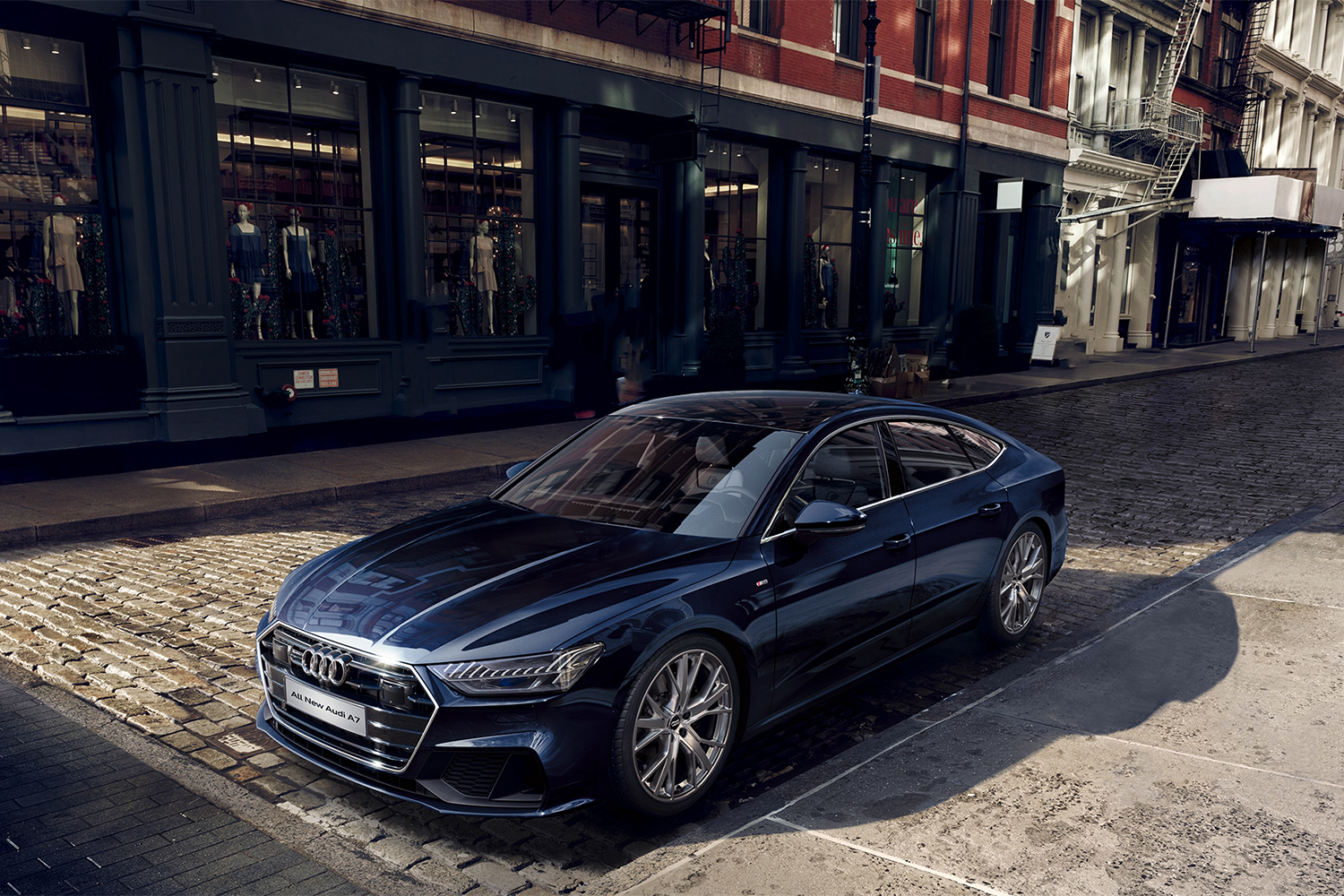
- The A7 combines a five-door Sportback body with executive-car comfort and a sloping, coupe-like profile.
- Forty- and 45 TFSI grades generally use the four-cylinder route, while 50 and 55 TFSI point to the V6.
- New cars emphasize current specification and warranty; used cars demand stronger condition and history checks.
- Export price depends on the exact vehicle, destination, freight, taxes, currency and Incoterm.
- Single-unit buying and container consolidation are possible, subject to the seller's written terms.
- Local Audi support, spare-parts access and destination-market homologation determine long-term viability.
Why the Audi A7 matters for export markets
The Audi A7 occupies a distinctive place between a luxury sedan and a sporty SUV: it is a five-door Sportback liftback with a sloping roof, a rear opening and the long-distance comfort of an executive car. For overseas buyers, that combination is useful. A dealer can offer coupe-like visual appeal without giving up the easier loading and rear-seat access of a five-door model, while company-car and executive-fleet customers gain a practical alternative to a large sedan. Its hatch-backed utility also helps when luggage must travel with clients, staff or passengers.
Demand is not uniform, so the A7 matters most where premium buyers understand Audi, used-car residuals are supported, and a credible service network exists. It can suit importers in Europe, the Gulf, East Asia and other markets with established luxury-car demand, although the opportunity depends on taxes, insurance, fuel policies and local preferences. Economic growth does not automatically guarantee volume: buyers still need confidence in parts, maintenance and the ability to resell after delivery. A vehicle that is competitive on paper can still be difficult to move without that support.
For export, the A7 should be assessed as a premium niche model rather than a volume commodity. Its appeal comes from design, comfort, performance and hatchback usability, but profitability depends on acquisition cost, freight, homologation, aftersales and holding costs. Buyers serving chauffeur, corporate, hospitality or high-end rental use should compare it with long-wheelbase executive sedans and Sportback alternatives. Broad rental-fleet buyers should test whether servicing one complex premium car is better served by a simpler model with lower running costs and predictable parts supply over the ownership cycle.
- Sportback packaging, not conventional sedan.
- Local service drives residual value.
- Strong executive-fleet fit.
Model range, trims and powertrain variants: how the lineup is structured and how to choose
The A7 range is organized around four TFSI tiers in the export market: 40, 45, 50 and 55. In general A7 applications, 40 and 45 denote a turbocharged 2.0-litre four-cylinder, while 50 and 55 denote a supercharged 3.0-litre V6, but model-year and market details must be verified on each unit. Trimming can include Progressive, Luxury, Premium, Premium Selection, S line, Exclusive and named appearance packages. These labels are not interchangeable because equipment, drivetrain and cosmetics can change together. Compare the powertrain, axle configuration and option list, not the badge alone.
Drivetrain choice is equally important. Some 40 and 45 TFSI cars are front-wheel drive, while numerous 45, 50 and 55 versions use quattro permanent all-wheel drive. Front-wheel-drive versions may be easier to acquire and could suit buyers focused on routine executive use; quattro adds an axle and associated servicing requirements but gives greater traction assurance, particularly where roads are wet, hilly or lightly covered. Because the badge does not reveal the complete mechanical specification, request the drivetrain, transmission, tyre specification and any market-specific suspension details in writing before paying a deposit.
Equipment packages should be judged by usability rather than badge prestige. Driver-assistance functions, matrix lighting, comfort seats, acoustic glass, sport exhausts, panoramic roofs and wheel designs can alter appeal, but may add replacement cost or reduce parts availability in the destination country. An S line car is not automatically best for a chauffeur fleet, while a Comfort, Luxury or Premium specification may be more useful. Obtain a full equipment list, confirm functions are supported locally, and compare servicing requirements rather than assuming a higher trim is cheaper to maintain locally.
- 40/45 TFSI: four-cylinder tier.
- 50/55 TFSI: V6 tier.
- quattro changes operating requirements.
New vs used Audi A7: how export inventory is structured and how buyers choose
A new A7 generally appeals to buyers who prioritize current model-year technology, a known delivery condition and the seller's warranty rather than minimizing the initial purchase outlay. For a dealer, that can simplify preparation because the vehicle should arrive without normal fleet wear, although Chinese-market specification, optional equipment and delivery preparation still require inspection. A used A7 can reduce acquisition cost and offer a more established depreciation profile, but the lower invoice does not automatically improve profitability once repairs, reconditioning, holding costs and local compliance work are properly included in the landed cost.
Used-car selection should be condition-led. Obtain the VIN and production identity before commitment, then review service records, ownership history, accident evidence, cold starts, smoke, fluid leaks, underbody condition and a full diagnostic scan. Electronic driver aids, cameras, parking sensors, suspension components and exhaust systems deserve particular attention because availability varies by trim. Also inspect tyres by date and size, brake condition, road-wheel specification and whether the car has been repainted. A low mileage reading is useful only if the records and physical condition support it before shipping or releasing final payment.
New and used cars should be compared on operating assumptions. A new vehicle may carry a factory warranty, but coverage abroad may differ from the seller's domestic promise; parts and labour methods can change over its life. A used car may already expose early depreciation, yet the buyer inherits accumulated wear and may face a shorter remaining warranty. The prudent choice depends on purpose, not age alone: a company director may prefer a newer specification, while a rental operator may accept an older example if downtime and repair risk are controlled.
- New: current specification, cleaner condition.
- Used: stronger inspection required.
- Overseas warranty may differ.
How export pricing works: the factors behind a live listing price, and how to read one
An Audi A7 export price is a live calculation, not a fixed model-level rate. The vehicle's model year, exact trim, engine, quattro specification, options, colour, mileage and condition all influence its value. Market demand and depreciation expectations also matter. Exchange-rate movements, inland transport, export handling, insurance, freight, destination charges, taxes and the selected Incoterm can alter landed cost. Comparing two headlines without confirming what each includes can produce a false saving. Ask every seller to state inclusions, exclusions, quote validity and final payment terms clearly in writing and in the same currency. Review the [live Audi A7 listings](https://chinacardirect.com/products?q=A7&brands%5B%5D=14) for current unit figures.
When reading a listing, first establish whether the quoted figure is the vehicle price alone, includes export documentation, or represents a delivered and duty-paid amount. Then check the named trim and whether quattro, major options and production year match the description. Look for a defined Incoterm, the port or city used for costing, validity period, and a statement about who pays customs, terminal handling and local taxes. A dealer buying several units should request unit pricing and a separate logistics estimate, because consolidation can change the economics without changing the cars themselves.
Cost control comes from comparable quotes rather than chasing the lowest displayed number. Build a like-for-like sheet covering year, trim, engine, drivetrain, options, condition, payment milestones, transport method and destination charges. Then model the total acquisition cost under the Incoterm you can actually perform. Exact vehicle prices, deposit requirements and availability change, so the binding figures must be taken from the live unit listing and confirmed in a written quotation. This approach exposes whether an apparently attractive car is expensive because of freight, tax, missing equipment or condition risk before shipment.
- Compare like-for-like vehicles only.
- Verify Incoterm and exclusions.
- Live listings hold current figures.
MOQ, ordering and payment: single units vs consolidating a container
MOQ should be treated as a commercial term to confirm, not assumed from the model. Many export sellers can quote one A7 to a test buyer, while larger wholesale programmes may require deposits, allocation commitments or a consolidated order. The live unit page should state the applicable requirement, but the buyer and seller must still agree it in writing. A single-unit purchase suits a customer testing the model or a dealer seeking a demonstrator. It offers lower exposure, although one damaged or non-compliant vehicle can still disrupt the delivery schedule or budget.
Container consolidation changes the buying logic. An importer or dealer can combine units with compatible documentation into one shipment, lowering some per-vehicle logistics costs and improving inventory control. However, consolidation creates hidden risks: one late unit may hold the group, damage may affect shared handling, and mismatched VIN, trim or buyer allocations can complicate customs release. Cars for different customers should be marked, insured and documented before loading. Consolidation does not eliminate the need to agree how title, payment and delivery responsibility pass at each stage of the transaction in writing.
The ordering workflow should separate commercial approval, vehicle inspection and logistics authorization. Specify the desired A7, acceptable alternatives, destination, Incoterm and documents; ask the seller to issue a written quotation with a deposit structure, balance trigger and quote validity. Verify the unit identity and condition before the balance payment. For a multi-vehicle order, use an allocation sheet listing each VIN against its trim, options, buyer and agreed price. Finally, confirm who books the carrier, presents export documents, handles customs and bears storage or demurrage if the vessel or release is delayed.
- Confirm MOQ in writing.
- Single units suit testing.
- Consolidate with clear allocation.
Shipping, homologation and market compliance caveats: LHD/RHD and import rules by country
Start with the steering-hand side. A7s sourced from China may be left-hand drive, while right-hand-drive availability depends on production year, specification and the seller's source; it should never be inferred from the model badge. A left-hand-drive car imported into a right-hand-drive market can be usable but may reduce appeal to local drivers and affect resale value. Conversely, a right-hand-drive unit may need careful freight handling and insurance. State the required configuration in the RFQ, then verify it from identification documents, photographs and the physical vehicle before loading or final payment.
Import compliance is jurisdiction-specific. Before contracting, confirm the destination country's rules for VIN and identity documents, customs valuation, duties, taxes, emissions, safety, roadworthiness and registration. A vehicle built for the Chinese market may differ from a locally homologated model in lighting, equipment, emissions equipment, software, radio or driver-assistance functions. Do not assume that Chinese approval automatically satisfies another market. Ask the seller for the documents the buyer needs, but use a qualified customs broker or local compliance specialist to confirm admissibility, temporary-import options and the cost of permanent registration in advance.
Transport method should match the vehicle, route and budget. RoRo shipping is commonly used for completed vehicles and may suit a small or time-sensitive order, while containerization can provide greater control for a consolidated consignment but requires compliant loading, lashing and handling. Obtain an all-risk transport quotation with the agreed Incoterm, declared value, destination charges and claims process, then photograph the odometer, tyres, glass and bodywork before departure. Fix the delivery instruction, discharge port, customs contact and storage responsibility while remembering that schedules and freight quotes change with carrier space, season and port conditions.
- Verify LHD or RHD first.
- Check destination compliance early.
- Photograph condition before loading.
- Separate freight and destination fees.
Who should buy the A7 — and who should pick a different vehicle
The A7 is a strong candidate for buyers who want a premium executive car with a five-door liftback, a distinctive roofline and the space and loading flexibility of a hatchback. It works well for chauffeur services, corporate reception fleets, hospitality operators and executive buyers who travel regularly but do not need SUV ground clearance. For these users, rear-seat comfort, luggage capacity, quietness and understated design may matter more than the lowest operating cost. A dealer can also position it as a premium alternative to an executive sedan, with a more relaxed loading routine.
It is less suitable for buyers who require seven seats, a high ride height, serious load capacity or the ability to operate where paved-road access is uncertain. Large rental fleets may prefer a simpler vehicle with lower maintenance exposure, narrower parts requirements and easier replacement sourcing. Electric-vehicle shoppers should not treat the A7 as a battery-electric alternative; the TFSI variants discussed here are gasoline-powered. Buyers focused on the lowest outlay should consider a used example only after accounting for repairs, downtime, insurance, servicing complexity and the potentially weaker availability of A7-specific parts in their market.
Specification discipline is essential. An A7 is a sportback liftback, while the A7L is a separate, longer-wheelbase sedan; an inventory tag can blur that distinction, so confirm body style, wheelbase and model designation before quotation. A buyer should compare local alternatives on residual values, not merely delivery-day comfort. If a destination has a strong A6 sedan or A5 Sportback dealer network, those may be easier to support and resell. The best A7 purchase is therefore one whose body style, powertrain, running costs and aftersales case remain attractive after the vehicle enters service.
- Best for executive specialist fleets.
- Weak fit for seven-seat needs.
- Confirm A7 versus A7L.
Main rivals and how the A7 compares
The closest alternatives depend on whether the buyer values design, practicality or performance. The BMW 5 Series Gran Turismo is a five-door liftback rival with a similar mix of executive comfort and cargo utility. It may appeal to fleets that value a broad European service presence, but the A7's sloping rear and four-door fastback character give it a more visual niche. Buyers should compare local model-year availability, aftersales reach, boot volume, fuel use and total cost rather than assuming the newer-looking body style is automatically superior in the destination market.
The Mercedes-Benz CLS is the closest style-led comparison, using a four-door coupe profile and a similar premium positioning. Its visual appeal and V6-oriented versions can make it a persuasive alternative for buyers seeking presence and strong performance. The A7, however, presents a more practical hatch opening and a broader hierarchy of four-cylinder and V6 trims in the Chinese export market. After-sales pricing, insurance, tyre availability and the ability to obtain the exact version in the destination country often decide the result more than the badge or the initial landed cost.
The Porsche Panamera is the performance- and space-oriented rival, with a wider range that spans executive luxury and sportier configurations. It can be an excellent choice for buyers who prioritize driving dynamics and a large rear-oriented cabin, but ownership complexity and local Porsche support can alter the economics. The A7 generally offers a more understated premium-car alternative with quattro availability across several TFSI tiers. For a dealer, the deciding comparison is not brochure prestige: compare landed cost, expected depreciation, service intervals, parts lead times, insurance classes and the depth of local support for each brand.
- BMW 5 GT: five-door practicality.
- Mercedes CLS: style-led alternative.
- Porsche Panamera: performance focus.
Live Audi A7 export inventory
View all listings →Real units currently on ChinaCarDirect with per-unit asking prices and MOQ. Availability updates live from the catalogue.
How to buy a Audi A7 from China
-
1
Define the target configuration
Separate the A7 Sportback from the A7L sedan, then specify the model-year preference, TFSI tier, drivetrain, steering side, preferred options and destination market.
-
2
Shortlist live A7 inventory
Review the live Audi A7 listings and save the relevant unit IDs, descriptions, photographs and displayed figures. Compare equivalent vehicles rather than vehicles with superficially similar trim names.
-
3
Verify identity and specification
Request the VIN or build identity, engine, transmission, drivetrain, equipment list, tyre sizes, production details and condition record. Ask the seller to flag any unavailable or substituted equipment.
-
4
Request a written landed quotation
Ask for the unit price, payment milestones, quote validity, Incoterm, export documents, freight, insurance, destination charges and any duty or tax treatment. Ensure every inclusion and exclusion is stated.
-
5
Inspect before final payment
For a new car, verify delivery condition and the applicable warranty scope. For a used car, review records, diagnostics, leaks, underbody condition, tyres, paint and electronic functions before releasing the balance.
-
6
Confirm compliance and freight
Use a destination-country broker to check registration, customs, VIN, emissions and safety requirements. Obtain an all-risk transport quote and confirm RoRo or container loading arrangements, insurance and claims procedures.
-
7
Track shipment and release
Monitor carrier milestones, maintain insurance through transit, provide complete customs documents and inspect the vehicle on arrival. Report any discrepancy against the pre-loading condition record before release.
A7 vs rivals
| BMW 5 Series Gran Turismo | This is the closest five-door liftback alternative, with a more conventional estate-like profile and strong executive-car packaging. Choose it where cargo practicality and local BMW support lead; choose the A7 for its lower-roof fastback design and quattro-equipped TFSI range. |
|---|---|
| Mercedes-Benz CLS | The closest style-led rival combines a four-door coupé profile with comparable premium positioning and V6 options. The A7 offers a more practical hatch opening and a broader four-cylinder and V6 hierarchy, so parts, insurance and resale support should carry more weight in the final decision. |
| Porsche Panamera | The Panamera is the performance- and executive-luxury alternative, with a broader performance-oriented range but potentially different ownership and support requirements. The A7 is the more understated choice for buyers prioritizing a different design, TFSI hierarchy and quattro availability. |
Frequently asked questions
How is Audi A7 export pricing determined?
Export pricing reflects the exact vehicle's year, trim, engine, drivetrain, options, condition, mileage and colour, then reflects exchange rates, freight, insurance, inland handling, destination charges, duties, taxes and the chosen Incoterm. The displayed figure may exclude some items, so ask for written inclusions and exclusions. Current binding price and availability are shown on each live Audi A7 listing and should be confirmed by quotation.
Which Audi A7 engines and drivetrains should I expect?
The 40 and 45 TFSI grades generally use a turbocharged 2.0-litre inline-four, while 50 and 55 TFSI generally use a supercharged 3.0-litre V6. Drivetrain may be front-wheel drive or quattro, with most A7 applications using S tronic. Because specifications vary by model year, verify the engine, transmission, drivetrain, fuel and emissions details on the exact listing.
Is buying a used Audi A7 from China worthwhile?
A used A7 can lower the entry cost and expose less early depreciation, but the buyer inherits wear, repair risk and uncertain history. A new car normally provides current equipment, cleaner condition and a factory warranty, although overseas warranty coverage may differ. For either route, inspect documentation, physical condition, service history and electronic diagnostics before final payment.
What is the MOQ for an Audi A7 export order?
MOQ is set by the individual seller and listing, not by the model name; some sellers accept a single vehicle, while wholesale programmes may require deposits or allocation commitments. Confirm the requirement, price and payment milestones in writing. Consolidation can improve logistics but makes VIN allocation, condition records and customs documentation more important.
How long does Audi A7 shipping take, and what affects the cost?
No fixed transit time or freight cost applies. Route, carrier schedule, vessel or vehicle capacity, season, port congestion, handling, insurance and customs all affect the delivered cost and timing. Request a current all-risk quotation showing freight, destination charges and storage responsibility, and plan for possible customs or port delays.
Are spare parts and technical support available for an imported A7?
Parts support depends on the destination, model year and exact equipment. Common service items may be available through Audi dealer networks, while body parts, electronics, lighting or driver-assistance components can take longer or require coding. Ask a local Audi dealer to confirm parts identification, electronic compatibility and expected sourcing time before purchasing.
Is a right-hand-drive Audi A7 available for export?
Right-hand-drive availability varies by model year, source and configuration, so it should not be assumed from an A7 listing. Request steering-side photographs, VIN or build-plate information and matching documents before payment. A converted left-hand-drive vehicle is not equivalent to a factory right-hand-drive car and can affect insurance, usability and resale value.
How do I order an Audi A7 from China?
Start with the live A7 listings, shortlist exact units, request a written quote and submit an RFQ stating the desired trim, engine, drivetrain, steering side, destination and Incoterm. Verify identity, specification and condition before releasing final payment, then have a broker confirm compliance and the carrier confirm loading documents. ChinaCarDirect can receive the request through its [RFQ page](https://chinacardirect.com/contact).
Ready to source the Audi A7?
Request a live, unit-specific export quotation from [ChinaCarDirect](https://chinacardirect.com/contact).
Request a quote