
Audi Q2l Export Guide for Overseas Dealers and Fleets
Buy an Audi Q2l from China with practical guidance on 35 TFSI and e-tron variants, live export pricing, MOQ, shipping, compliance and ownership.
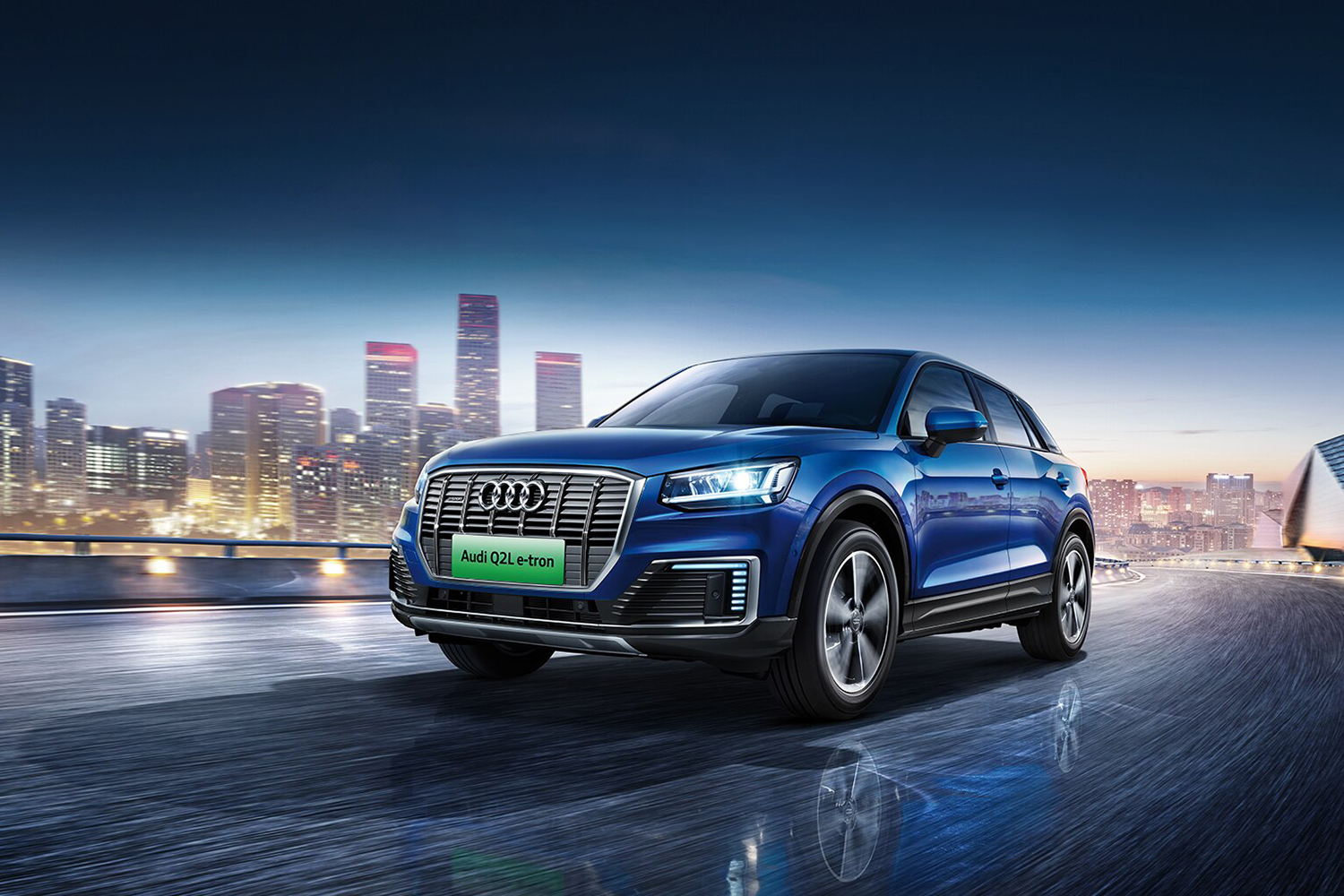
At a glance
- The Q2l is a China-market compact crossover and should not be confused with the European Audi Q2.
- Buyers can choose 35 TFSI petrol or Q2L e-tron versions according to local fueling and charging access.
- Vehicle condition, battery health and documentation can matter more than the wording of a trim name.
- Live Q2l listings provide the current unit-specific price, MOQ and availability for each vehicle or batch.
- Import budgets should include freight, insurance, homologation, taxes and local aftersales support.
Why the Audi Q2l matters for export markets
The Audi Q2l is a China-market subcompact crossover, and that origin matters before any comparison is made. It is not simply a renamed European Audi Q2, so badges, dimensions, powertrains and equipment should be checked against the exact vehicle in a listing. For export buyers, its appeal is a compact Audi positioned below larger Audi SUVs, combining a premium marque with urban-friendly proportions. That balance can suit importers seeking brand recognition without the operating burden of a larger premium crossover in cost-sensitive markets. It is especially relevant to city fleets and distributor programs serving emerging markets.
In global segment demand, the Q2l competes where buyers want a compact, brand-distinct crossover rather than a basic small car or a large family SUV. Its footprint can simplify urban use, while 35 TFSI petrol and Q2L e-tron pure-electric versions let distributors address buyers with different energy infrastructure. The model’s China-specific origins create opportunities for buyers familiar with Chinese manufacturing, yet they demand careful homologation planning. Its value proposition therefore rests less on global badge familiarity than on equipment, condition and total cost after import. For overseas dealers, that makes variant-level due diligence essential.
Demand should be assessed at trim level rather than inferred from the Audi badge alone. A buyer serving urban dealers may prioritize compact dimensions, familiar service procedures and a manageable parts basket; a fleet buyer may instead need charging access, duty-cycle range and residual-value evidence. Before importing, identify the destination’s regulatory, tax and insurance treatment, then compare those requirements with a specific listing. The model makes sense only when the chosen version fits the market and can be supported after sale. Treat it as a platform for careful variant selection, not as a single interchangeable product.
Model range, trims and powertrain variants: how the lineup is structured and how to choose
The lineup divides into 35 TFSI combustion versions and Q2L e-tron battery-electric versions. Petrol listings use market names such as Progressive Dynamic, Fashion Dynamic, Fashion Elegance and Launch Exclusive, with some editions carrying China V or China VI designations. Electric listings use Pure Electric labels including Smart Enjoyment, Smart Cool, Smart Style and Intelligent. These names are useful for finding a starting point, but they are not a global equipment dictionary; request the full option and compliance sheet for the VIN. Compare the seller’s photos and documents with the destination market before treating a trim label as a promise.
For a 35 TFSI buyer, prioritize the actual powertrain, transmission, emissions documentation and equipment over the style word in the trim title. Progressive Dynamic, Fashion and Elegance labels should not be interpreted as evidence of identical suspension, wheel sizes, infotainment or driver-assistance content. A dealer serving performance-oriented customers should verify outputs and braking specification, while a fleet buyer should focus on service intervals, fuel type, cabin durability and parts consolidation. The most defensible choice is the variant whose documented specification matches the use case. Confirm the production date because model year alone does not describe condition.
For an e-tron buyer, separate the trim from the battery version. Smart Enjoyment, Smart Cool, Smart Style and Intelligent may describe equipment packages, but usable range and charging capability can also change with model year and fitted battery. Request battery capacity, rated and estimated range, connector, AC and DC charging data, battery warranty and state-of-health evidence for a used unit. If the destination lacks reliable charging or has strict approval duties, resolve those points before comparing the electric Q2L with a petrol alternative. Also ask whether software, connected services and battery warranty transfer correctly to the importing market.
- Confirm petrol or electric route.
- Treat trim names as China-market labels.
- Request VIN-level specification sheets.
New vs used Audi Q2l: how export inventory is structured and how buyers choose
Export inventory should be read as a set of individual vehicles, each with its own condition, age, mileage, equipment and documentation—not as a uniform product. A dealer may mix factory-new cars, dealer-prepared vehicles and used trade-ins, while some units may already have local registration history. Check the production date, first-registration record, odometer, title and VIN against every offer. This unit-level structure is useful because it allows a fleet buyer to specify a configuration, but it also means the listing photograph and title alone are insufficient. Ask for documents matching the physical VIN before paying.
A new or dealer-prepared Q2l can reduce uncertainty about wear and early-life reliability, yet “new” does not guarantee destination readiness. Confirm whether it has been registered, used as a demonstrator, or prepared for export, and whether the warranty starts from manufacture, first registration or shipment. Also verify battery, hybrid or combustion systems where applicable, production age, software and tax status. For a fleet, matching several vehicles to one specification is often more valuable than securing a slightly newer but differently equipped unit. Before dispatch, record every VIN against its option list and condition report.
A used Q2l can make more financial sense where initial depreciation is the priority, but the correct discount depends on evidence. For petrol cars, inspect service history, timing belt or chain information, cooling system, brakes, tyres, accident repair and engine warning evidence. For an e-tron, battery state of health, DC fast-charging history, accident damage and warranty transfer are central. Treat a low price as irrelevant if records are missing: the vehicle’s condition, title and export documents must support the commercial decision. Compare the depreciation case against service and battery risk rather than treating every used vehicle alike.
- Verify production and registration dates.
- Inspect battery health on used e-trons.
- Match specifications before fleet consolidation.
How export pricing works: the factors behind a live listing price, and how to read one
An Audi Q2l export listing price is the starting commercial value of one vehicle, not the final cost in your warehouse. The amount can move with model year, trim, petrol versus electric powertrain, battery version, mileage, condition, visible options and the seller’s terms. Currency exchange, export preparation, insurance, freight, destination charges and applicable taxes sit outside or alongside that figure. Ask for a written quotation that identifies whether it covers the vehicle only, port charges, documentation, inland transport or delivery to the final consignee. Add the selected Incoterm so two offers can be compared on the same basis.
The largest comparison error is treating unlike vehicles as equivalent. A newer petrol model with low mileage should not be benchmarked against an older e-tron without adjusting for battery condition and charging compatibility; similarly, trim names do not guarantee the same equipment. For an electric unit, ask whether battery capacity, range rating and warranty status affect the quote. For a used vehicle, require a condition report and details of cosmetic or structural repair. These variables belong in a like-for-like worksheet before negotiating. Add the destination market because local tax treatment can change the final ranking.
Use the live ChinaCarDirect Q2l inventory to establish the binding asking price, MOQ and availability for the exact vehicle or production batch you intend to buy. Then build a wholesale comparison that adds the same destination charges to every candidate. Incoterms determine where risk and cost transfer, so compare FOB, CIF or another agreed term on the same commercial basis. The platform’s unit pages should be treated as the source for current numbers, while a formal pro forma invoice becomes the controlling document once an order is accepted. A live listing is evidence of asking terms, not a substitute for a signed sales contract.
MOQ, ordering and payment: single units vs consolidating a container
Minimum order quantity depends on the seller, model and transaction structure; it should never be assumed from a marketplace category page. For a trial order, request a single-unit purchase and confirm whether the supplier accepts one. For a container program, ask about mixed-model consolidation, the minimum per trim or battery version, production allocation and loading supervision. Consolidating can improve freight utilization, but it can also create specification, paperwork and after-sales complexity if several Q2l variants are mixed without clear records. Set each line-item minimum in writing and reconcile it with the final cargo list.
A disciplined RFQ should state destination, quantity, preferred 35 TFSI or e-tron route, trim, model-year boundary, condition, budget basis and required Incoterm. Request separate availability for each configuration rather than accepting a substituted vehicle. Include VIN, production date, odometer, title, warranty and emissions or battery documents in the offer. If a container is being consolidated, add a packing plan and vehicle-level handover record so that the importer knows exactly which VIN occupies each position. This prevents the lowest headline quotation from masking an unsuitable allocation or omitted export document before dispatch.
Payment terms should follow the supply contract rather than an informal chat. A common structure is a deposit to reserve the unit, inspection or documentary verification, and a balance before release or shipment, but actual stages vary by seller. The purchase agreement should identify the vehicle, price, refund conditions, title transfer, warranty start, export documents and delivery term. Use protected payment channels, preserve invoices and inspection evidence, and ensure the seller’s legal name and export history match the entity handling the transaction. Also confirm who is liable if the vehicle or documents fail inspection.
- Request each seller’s written MOQ.
- Record the VIN-level cargo allocation.
- Define inspection and title conditions.
Shipping, homologation and market compliance caveats: LHD/RHD and import rules by country
Shipping cost and transit time depend on origin and destination ports, vessel or roll-on/roll-off schedule, vehicle protection, documentation, congestion and the Incoterm. A Q2l can move by sea as a finished vehicle, but an electric version requires battery transport declarations and compliance with the carrier’s lithium-battery rules. Obtain an all-in freight quote that states whether it includes loading, lashing, insurance, destination terminal charges and inland delivery. The same vehicle can have different landed cost depending on how responsibility is divided. Ask the forwarder to identify any battery state-of-charge restrictions and loading plan in writing.
Steering configuration is a critical check. Do not assume that a China-market Q2l is right-hand-drive; the live unit, VIN and manufacturer documentation must confirm whether it is left- or right-hand-drive. Many destination countries require a specific configuration or permit conversion only under controlled rules. Conversion can affect cost, warranty and safety approvals, so it should never be treated as a free routine modification that a workshop can complete casually. Confirm steering configuration, axle load rating and equipment variants before contracting or booking freight. Add a written conversion and inspection plan if a change is legally permitted.
Local homologation is separate from export clearance. Import rules may cover VIN and title checks, emissions standards, taxes, age restrictions, vehicle type approval, software, data governance, charging connectors and parts support. A China VI label is not automatically accepted everywhere, and an electric vehicle may face requirements beyond those applied to a petrol car. Engage a destination-country customs broker or homologation specialist before dispatch, obtain a written compliance route, and retain certificates for the exact configuration being imported. Local inspection, registration and insurance processes may create separate obligations before the vehicle can be sold or deployed commercially.
- Confirm drive-hand before payment.
- Verify local approval for China VI.
- Check battery shipping rules.
Who should buy the Q2l — and who should pick a different vehicle
The Q2l fits importers, urban dealers and fleet operators seeking a compact Audi with either a petrol or electric route. It is particularly relevant where customers want premium-brand appearance and daily usability without a large SUV footprint and where the selected version has an economical parts and service plan. An electric buyer should have dependable charging and should value maneuverability over long-distance towing. A petrol buyer should have suitable fuel quality, maintenance access and a clear understanding of the destination’s emissions requirements. Validate all three before making an export commitment or fleet launch.
It is a weaker fit for buyers who need a large cargo bay, seven seats, heavy towing, broad all-terrain capability or an established global homologation package. Those priorities usually point toward larger crossovers, vans or pickup trucks. Buyers requiring a long electric range without charging certainty may also prefer a different electric vehicle. If the destination has limited Audi workshop coverage, a model with more localized trim and parts support can reduce ownership friction even if its badge is less prestigious. The same logic applies to software languages, connected services and warranty workflows that may not transfer cleanly across borders.
Make the final choice through a use-case scorecard: passenger load, daily route, charging access, local taxes, expected resale, parts lead time and workshop support. Compare the Q2l with the selected rivals on total cost of ownership rather than purchase price or brochure equipment. For a distributor, test whether the chosen trim can support several buyers; for a fleet, verify uptime, charging or fueling, residual assumptions and service documentation. The right vehicle is the one whose constraints are already solved. Recheck every assumption when moving from one market to another because local taxes and rules can alter the result.
- Best for compact urban and fleet use.
- Not for heavy load or poor charging.
- Compare workshop support and residuals.
Main rivals and how the Q2l compares
The Volkswagen T-Cross is a close B-segment rival for buyers who value a more standardized global model name, widespread trim familiarity and easier cross-border comparison. The Audi Q2l can compete through its China-specific design, compact premium positioning and choice of petrol or e-tron forms. A T-Cross buyer should compare the exact destination-market versions rather than assume global trims are equivalent. The deciding issue is often dealer familiarity and parts availability versus the Q2l’s equipment and procurement proposition. Availability, safety equipment and financing can also shift the result, so avoid judging either model from brochure summaries alone.
The Ford Puma is another credible rival for style-conscious private buyers and urban fleets, particularly where it is officially sold with attractive finance and driver-assistance packages. It tends to present a more youthful image, while the Q2l emphasizes a restrained Audi cabin and badge. Availability is uneven by country, so the Puma is not always a practical local alternative. For fleet tenders, compare boot volume, safety equipment, running costs and residual assumptions using local data. Neither should be favored from a generic global brochure. Confirm the destination version before placing either model on a shortlist.
The Hyundai Kona is useful as a benchmark because it has offered petrol and electrified versions in many markets, supported by a broader regional model strategy. The Q2l may appeal more to buyers who value Audi positioning, while Kona can be easier to support where Hyundai has deeper dealer coverage. Electric buyers should compare usable range, charging and battery warranties rather than headline ratings. For any rival, the fairest verdict comes from the destination specification, total ownership cost and local aftersales network. Buyers should also compare boot practicality, safety support and the availability of parts in their destination market.
- T-Cross: standardized global alternative.
- Puma: style-led urban rival.
- Kona: regional powertrain benchmark.
Live Audi Q2l export inventory
View all listings →Real units currently on ChinaCarDirect with per-unit asking prices and MOQ. Availability updates live from the catalogue.
Audi Audi Q2L e-tron 2019 Q2L e-tron Pure Electric Smart Enjoyment
How to buy a Audi Q2l from China
-
1
Define the destination-market requirement
State the country, use case, passenger load, charging or fueling access, budget basis and preferred 35 TFSI or e-tron route before selecting a vehicle.
-
2
Shortlist the live Q2l inventory
Compare current vehicles by production year, trim, powertrain, condition and documented equipment. Use the live listing to confirm the unit-specific price, MOQ and availability.
-
3
Request VIN-level documents
Ask for the VIN, production date, odometer, title, emissions or battery documents, warranty terms and a complete option list. Reject any offer that cannot match these records to the physical vehicle.
-
4
Verify new or used condition
For new vehicles, confirm registration and warranty status. For used vehicles, obtain an inspection, service history, accident check and, for an e-tron, credible battery state-of-health evidence.
-
5
Build a landed-cost quotation
Request vehicle price, export preparation, freight, insurance, destination charges, taxes and inland delivery under one stated Incoterm. Compare candidates using the same cost structure.
-
6
Complete the homologation review
Confirm drive-hand configuration, VIN and title acceptance, emissions or electric-vehicle approval, charging compatibility, registration and insurance requirements with a destination-country specialist.
-
7
Contract, inspect and release payment
Record the selected VIN, price, MOQ, refund conditions, inspection standard, warranty start, documents and delivery terms in the pro forma invoice and sales contract. Release funds only against agreed milestones and retained evidence.
Q2l vs rivals
| Volkswagen T-Cross | The T-Cross offers more standardized global naming and trim familiarity, which can simplify comparison and support. The Q2l is the stronger choice for buyers seeking China-specific design, a compact Audi identity and access to petrol or e-tron sourcing. |
|---|---|
| Ford Puma | The Puma competes with a more youthful, style-focused presentation and may offer attractive fleet packages where officially sold. The Q2l emphasizes a restrained premium-brand image and should be shortlisted where compact dimensions, equipment and China-specific procurement create an advantage. |
| Hyundai Kona | The Kona is a useful regional benchmark because petrol and electrified versions have been offered across multiple markets, sometimes with broader dealer support. The Q2l may be preferable for Audi positioning, but local aftersales coverage, usable range and battery warranty should decide the fit. |
Frequently asked questions
How is Audi Q2l export pricing determined?
The live price reflects the vehicle’s year, trim, powertrain, battery version, mileage, condition, options and the seller’s commercial terms. Freight, insurance, exchange-rate effects, duties, taxes and inland transport can change the landed cost, so request a written quote with a stated Incoterm. Current binding price and availability are shown on each live ChinaCarDirect listing.
What engine, battery and range should I expect?
The Q2l range includes 35 TFSI petrol versions and Q2L e-tron pure-electric versions. Exact displacement, motor output, battery capacity, CLTC range, charging specification and equipment differ by version, so the live listing and VIN documents must be checked rather than relying on a single specification.
Should I buy a new or used Audi Q2l?
A new or dealer-prepared vehicle reduces wear-related uncertainty but still requires checks on registration, warranty start, production age and export readiness. A used vehicle may offer lower initial depreciation, yet petrol maintenance records, accident history, battery health and title status become essential. Compare like-for-like evidence rather than relying on price or model year alone.
How does MOQ work for Q2l orders?
MOQ is set by the seller and transaction structure, so ask for it in writing instead of assuming a marketplace-wide rule. A trial purchase may be possible as a single unit, while container buyers may request mixed-model consolidation. Confirm the minimum for each trim or battery version, production allocation and final cargo allocation.
What determines shipping time and cost?
Origin and destination ports, carrier schedule, congestion, vehicle protection, documentation, insurance, battery transport rules and the Incoterm all affect the result. For an e-tron, confirm carrier requirements for lithium batteries and any state-of-charge restrictions. Obtain an all-in freight quotation showing exactly which loading, terminal and inland charges are included.
Are spare parts readily available for the Q2l?
Parts planning should be based on the exact China-market trim and production year rather than the global Audi Q2. Ask the seller for recommended maintenance parts, wear items, software requirements and expected lead times, and confirm local Audi workshop support before committing a fleet.
Is right-hand-drive Q2l availability possible?
Do not assume a China-market Q2l is right-hand-drive; confirm the configuration from the live unit, VIN and manufacturer records. Some markets permit controlled conversion, while others impose specific approval requirements. A conversion can affect cost, warranty, insurance and inspection, so it should be resolved before contracting.
How do I order an Audi Q2l from China?
Shortlist the live inventory, request VIN-level documents and a condition report, then ask for a written quotation with the MOQ, Incoterm, payment stages, title transfer and warranty terms. Inspect the vehicle or appoint an independent inspector before final payment. The order should move to a signed pro forma invoice, compliance review, inspection, balance payment and documented shipment.
Ready to source the Audi Q2l?
Send an RFQ with your destination, powertrain, trim, quantity and Incoterm to request a unit-specific ChinaCarDirect quotation.
Request a quote