
Audi Q5 Export Buying Guide for Overseas Dealers
Buy an Audi Q5 from China with clear guidance on trims, engine choices, export pricing, MOQ, shipping, homologation, rivals and sourcing for dealers.
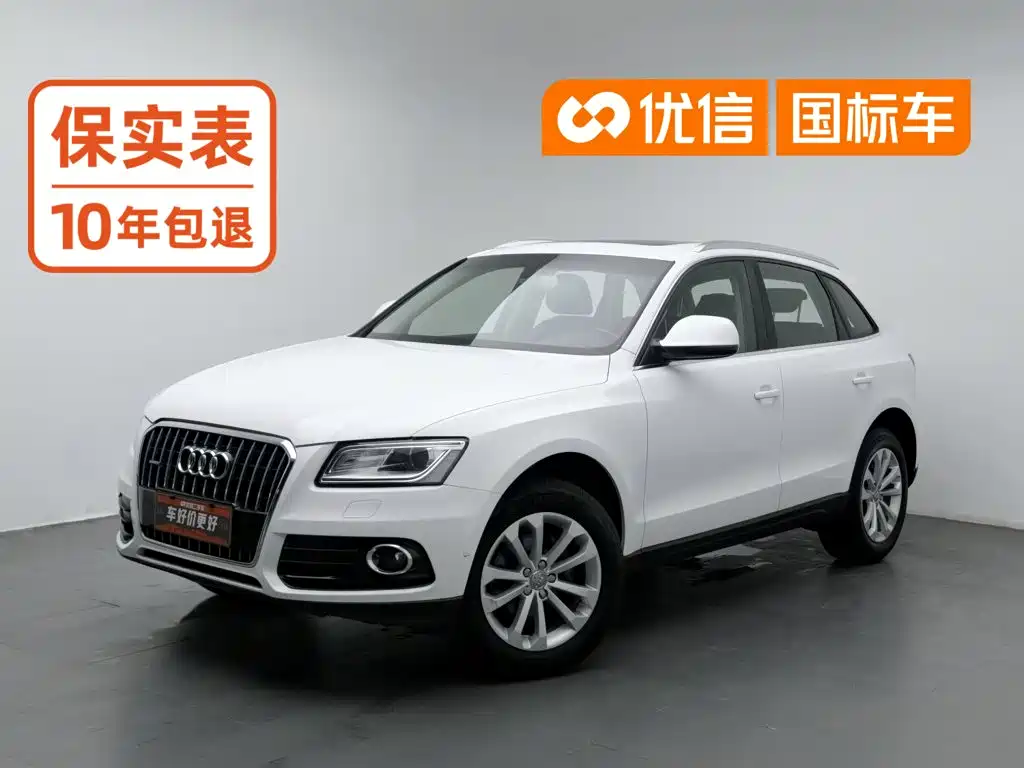
At a glance
- The Q5 is a five-door, five-seat premium midsize SUV, with a long-wheelbase Q5L option for buyers prioritising rear space.
- China-origin choices centre on 40 TFSI and 45 TFSI four-cylinder applications plus the 3.0 TFSI quattro V6.
- Buyers should verify the exact engine, drivetrain, emissions version, dimensions and equipment attached to each listing.
- New vehicles suit fleet consistency and warranty confidence, while used Q5 units require documented history and condition-based inspection.
- Current unit prices, MOQs and availability should be confirmed through live listings before landed costs and compliance requirements are calculated.
Why the Audi Q5 matters for export markets
The Audi Q5 occupies a useful middle ground in the premium SUV market: it offers the higher seating position, usable luggage space and road presence expected by business and family buyers without moving into a large, difficult-to-place luxury SUV. For overseas dealers, that combination makes it a practical segment staple. It can serve company fleets, executive transport and premium family use, while giving importers a model name and design language that are already familiar in many markets. That recognizability reduces the explanation burden when presenting the vehicle to customers clearly.
Demand for the Q5 tends to come from buyers who want a premium badge with SUV versatility, rather than either a compact crossover or a full-size luxury model. China-origin examples are especially relevant to dealers serving markets where left-hand-drive vehicles are normal and where demand exists for newer designs or differentiated China-specification trims. The model’s established engineering and service familiarity can reduce perceived risk, although those advantages do not replace destination-market homologation, parts planning or warranty due diligence. Balance commercial recognition against the real cost of bringing each configuration into service.
The Chinese catalogue includes both the standard Q5 and the Q5L, a long-wheelbase interpretation developed for the Chinese market and particularly relevant where extra rear-seat space is commercially useful. That distinction matters because body length affects parking, towing, loading and freight, not just passenger comfort. Buyers should decide whether the additional length creates enough customer value for the destination market or whether the standard-wheelbase Q5 is easier to stock, finance and serve. Compare curb weights and loading dimensions against local garage access, fleet rules, parking limits and route constraints before committing.
- Q5L adds rear space.
- Q5 suits urban use.
- Premium buyers value road presence.
Model range, trims and powertrain variants: how the lineup is structured and how to choose
For Audi Q5 specs, trim nomenclature is the first practical specification layer within the China-origin range. The 40 TFSI badge covers the mainstream 2.0-litre turbocharged four-cylinder family, while 45 TFSI denotes a higher-output version of that engine family and 3.0 TFSI quattro identifies the six-cylinder all-wheel-drive alternative. Equipment, output tuning and market version can vary, so a badge should be treated as a starting point rather than proof of a specific specification. Always reconcile the seller description with the VIN, build information, emissions version and option list for the exact vehicle being purchased before payment.
The standard Q5 and Q5L share the core premium-SUV proposition but should not be treated as interchangeable. The Q5L’s longer rear body prioritizes legroom and can feel more appropriate for chauffeur use, family travel or executive fleets, while the standard Q5 may be more convenient for dense cities and tighter parking. Equipment positioning also differs across Luxury Dynamic, Progressive, Technology, Honor Fashion and Prestige-style trims seen in Chinese listings. Compare equipment, optional packages, wheels, infotainment and driver-assistance features on each vehicle rather than assuming a badge guarantees identical content abroad.
For a buyer creating an Audi Q5 export price guide or a procurement matrix, separate non-negotiable requirements from preferences. Powertrain, drive layout, emissions treatment, body length, seating and essential equipment should drive the shortlist; paint, trim aesthetics and convenience features can follow. Then check the live specification for the exact unit, because model-year updates and facelifts can change equipment, software and nomenclature even within a familiar badge. Specify the destination, regulatory environment and buyer profile before selecting a trim, then request matching examples and landed-cost comparisons for side-by-side review.
- 40 TFSI: turbo four-cylinder.
- 45 TFSI: higher-output four-cylinder.
- 3.0 TFSI quattro: V6 all-wheel drive.
New vs used Audi Q5: how export inventory is structured and how buyers choose
A live ChinaCarDirect search can include factory-new vehicles, dealer-prepared cars and used examples, so export inventory should be read as a mixed sourcing channel rather than a single product category. New vehicles generally offer the clearest ownership chain, current model-year specification and the strongest potential manufacturer or dealer support. Used Q5 units can broaden year and trim choice and may suit buyers with a lower acquisition budget, but their value depends heavily on condition, service history and remaining technical life. Inspection therefore replaces simple badge matching for a used purchase.
Used Audi Q5 sourcing is most suitable for dealers comfortable with condition-based buying. A vehicle may have lower purchase consideration than a new equivalent, but that saving can be consumed by repairs, refurbishment, tyres, software work or compliance changes. The most useful evidence is a coherent service record, verified VIN, documented mileage, clear title or ownership status, and an inspection that covers the engine, transmission, suspension, brakes, body condition and electronic systems. For a Q5L, inspect rear-seat and cargo-area condition because wear may not appear in a basic mechanical report.
New units are generally the cleaner choice for company fleets, newly established importers and customers who prioritize warranty consistency, known equipment and predictable presentation. A used Q5 can make more sense for a dealer with a replacement need, a specialist in a mature model generation, or a buyer able to verify and budget repairs. Do not select by year alone: compare the same body style, engine, drive system, options and condition, because these variables determine commercial value more reliably than age by itself. This approach creates a fairer like-for-like shortlist.
How export pricing works: the factors behind a live listing price, and how to read one
An Audi Q5 export price is not a fixed product attribute; it is the result of a specific vehicle, its commercial terms and the route to the buyer. Year, generation, body length, trim, engine tune, drivetrain, mileage, condition, ownership history and equipment all influence the seller’s asking position. Currency movements and market demand can also move the displayed figure, while local taxes, registration and compliance work belong in the landed-cost calculation rather than the vehicle’s quoted price. A low asking price can still be expensive after shipping, duty and rectification.
Read each live listing as a quotation sheet, not merely a catalogue entry. Check whether the price is for the Q5 or Q5L, whether used, demo or parallel-import status applies, what is included in the option list, and whether the mileage and condition are confirmed. A serious buyer should also request the VIN or chassis number, production or model year, engine and gearbox details, emissions version, photos, inspection evidence and the seller’s terms. Only then can two listings be compared responsibly. Resolve discrepancies before paying a deposit in writing.
The most reliable comparison is a like-for-like landed-cost sheet. Start with the current live asking price for the exact vehicle, then identify the Incoterm, payment terms and validity period. Add or separately disclose freight, insurance, export handling, destination charges, taxes, registration, inspection and modifications. Compare this total against expected local retail economics, expected warranty support and likely parts availability, not against the headline asking figure alone. That method converts export pricing into a manageable decision rather than a guess. It exposes whether a higher-spec vehicle remains attractive after transaction costs.
- Compare exact vehicles, not labels.
- Separate price from landed cost.
- Confirm Incoterm and payment terms.
MOQ, ordering and payment: single units vs consolidating a container
Minimum order quantity is a commercial term, not a fixed property of the Audi Q5 model. A marketplace listing may permit a single-unit purchase, while a seller arranging consolidated export, special finish, private-label logistics or multi-market allocation may set a higher MOQ or require batch conditions. Buyers should therefore check the live unit’s MOQ field and ask the supplier to confirm it in the quotation. Do not infer one-unit eligibility from the existence of a retail-style listing. For an order, written terms should define quantity, specification and any mismatch consequences.
Single-unit sourcing is useful for testing demand, launching a service operation or replacing a damaged fleet vehicle, but it usually offers less freight efficiency than a consolidated purchase. Consolidating compatible Q5 units can reduce per-vehicle transport and handling costs, provided the buyer can sell the stock and absorb longer cash or warehousing commitments. A mixed container may also create commercial complexity because each vehicle’s trim, condition, documentation and destination value differ. Reserve a trial unit against specification, then plan replenishment separately rather than tying every vehicle to the same shipment.
The order process normally begins with specification and destination, followed by a written quotation, availability confirmation and payment instructions. Buyers should verify the legal seller identity, invoice details, ownership documents and export-eligibility information for the specific vehicle. Payment terms may involve a deposit and balance, but the sequence, accepted methods and refund conditions should be stated before funds are sent. For larger consolidated orders, use a written packing list and serial-level reconciliation so every vehicle can be traced to its contract, condition record and payment. That discipline limits costly ambiguity.
- Confirm MOQ on each listing.
- Reconcile units by VIN.
- Use written order terms.
Shipping, homologation and market compliance caveats: LHD/RHD and import rules by country
Chinese-export Q5 vehicles move by sea in containers for volume orders or by roll-on/roll-off, flat rack or other specialist methods for individual units. The practical route depends on quantity, vehicle dimensions, destination port, inland access and the carrier’s handling rules. Freight cost is influenced by the shipping mode, route distance, fuel and congestion surcharges, port charges, insurance and whether the vehicle is containerized or driven. Transit planning should also allow for documentation, inspections, terminal handling and final delivery. Request a door-to-door or port-to-port scope to avoid hidden handoff costs entirely.
Importability cannot be decided from the China-spec badge alone. Each destination may impose its own emissions, noise, safety, type-approval, VIN, customs, tax and registration requirements, and age or modification restrictions can affect older vehicles. China V and China VI descriptions found on some listings identify the origin-market emissions version; they are not automatic approval for another country. Buyers should obtain a written assessment from a local customs broker or compliance specialist before committing to a non-standard configuration. The same vehicle may be easy in one market and prohibited in another.
Most vehicles sourced from China are left-hand-drive, which suits many markets but not all. Right-hand-drive demand requires either a genuine right-hand-drive configuration or a professionally executed conversion, followed by inspection for steering, brakes, lighting, restraint and registration compliance. Steering-side conversion is not merely a cosmetic change, and local authorities may prescribe particular work or restrict modifications. Dealers should confirm hand of drive, wheel position and conversion status from the VIN and photographs before contracting. If conversion is planned, price work separately and confirm that insurance, warranty and approval remain valid.
- Check destination approval first.
- Verify LHD or RHD status.
- Budget conversion and inspection.
Who should buy the Q5 — and who should pick a different vehicle
The Q5 is a strong fit for buyers who need a premium midsize SUV with a credible mix of comfort, performance, practicality and brand appeal. It suits dealers serving business customers who do not want the size and operating cost of a full-size luxury SUV, and fleet operators that prioritize driver comfort, road presence and a familiar premium badge. The Q5L is particularly logical where chauffeur or executive passenger space is commercially valuable. For these users, efficient specification and realistic residual values matter more than chasing the newest badge alone.
The Q5 may be a poor choice for buyers whose priority is maximum cargo volume, lowest operating cost, electric-only operation or very tight urban dimensions. A plug-in hybrid or battery-electric SUV may fit those briefs better, while a smaller premium crossover can be easier to manage. Buyers should also consider whether the Q5’s performance, quattro availability and equipment justify the purchase against a rival’s efficiency or practicality. Fuel consumption, insurance, servicing and residual-value assumptions should be tested with local data. A cost-based shortlist is more reliable than badge preference alone.
Audi Q5 wholesale buyers should choose the model when it can be sold into a defined segment with predictable operating requirements, not simply because a unit is available. A good order has a clear customer profile, confirmed homologation, realistic margin after landed costs, access to parts and a service plan. For mixed-market traders, the standard Q5 may be more flexible than the Q5L, and a four-cylinder model may be easier to place than the V6 derivative. Conversely, premium fleets may specifically value the stronger engine and all-wheel-drive system without assuming universal demand.
Main rivals and how the Q5 compares
The closest alternatives are the BMW X3, Mercedes-Benz GLC and Volvo XC60, because they compete for the same premium compact-to-midsize SUV customer and similar fleet budgets. The Audi’s strongest case is its familiar design, available quattro traction and the choice between a standard Q5 and the more spacious Q5L. No rival wins every criterion: buyers should compare actual vehicles, destination-market versions and total costs rather than assume a brand hierarchy determines the better purchase. Compare the exact drivetrain, equipment, service network and compliance package headed for the same local market.
Against the BMW X3, the Q5 offers a more conventionally styled SUV alternative and a meaningful choice through the extended Q5L body, while the X3 is often favored by drivers seeking a more driving-oriented character. Against the Mercedes-Benz GLC, the Audi generally presents a less formal luxury image and a broad equipment-oriented trim structure, whereas Mercedes buyers may prioritize cabin presence and brand prestige. Neither conclusion is automatic: local specification, aftersales support and the exact price of a compliant vehicle can outweigh style. Verify each claim against actual quotes first.
The Volvo XC60 is a credible alternative for buyers who prioritize a distinctive design, strong safety reputation and a straightforward premium-SUV proposition, while Audi may hold wider recognition in some markets. The Q5L also creates a clearer rear-space case than the standard Q5, although long-wheelbase rivals may be available locally. Ultimately, the decision should compare purchase and landed cost, drivetrain needs, passenger space, fuel and service assumptions, parts access, expected residual performance and the ability to meet local rules. Side-by-side specifications prevent showroom impressions from becoming a poor procurement decision.
- BMW X3: driver-led alternative.
- Mercedes-Benz GLC: prestige focus.
- Volvo XC60: design and safety focus.
Live Audi Q5 export inventory
View all listings →Real units currently on ChinaCarDirect with per-unit asking prices and MOQ. Availability updates live from the catalogue.
How to buy a Audi Q5 from China
-
1
Define the destination and use case
State the destination country, required hand of drive, passenger capacity, body preference and expected annual demand before selecting a vehicle.
-
2
Build the technical specification
Choose between Q5 and Q5L, then define the engine, drivetrain, emissions version, equipment and condition acceptable to your customers.
-
3
Shortlist exact live listings
Review current Audi Q5 listings by body style, trim and condition. Save the exact units and request VIN, photographs, option lists and supporting documents.
-
4
Request a written quotation
Ask for the current unit price, applicable MOQ, Incoterm, payment stages, freight scope and quote validity. Ensure every commercial term is recorded against the selected SKU.
-
5
Verify import compliance
Give the VIN and destination details to a local broker or compliance specialist. Check emissions, type approval, taxes, registration requirements and any necessary RHD conversion.
-
6
Inspect and reconcile the vehicles
Use a pre-delivery inspection for new stock or an independent condition inspection for used vehicles. Match every VIN to the contract, condition record and packing list before release.
-
7
Pay, ship and plan support
Verify the seller, payment instructions and ownership documents before sending funds. After shipment, track customs clearance and establish a parts, warranty and workshop plan.
Q5 vs rivals
| BMW X3 | The X3 competes directly for premium SUV buyers and often appeals to those prioritising BMW’s driving character. The Q5 counters with conventional SUV styling and the Q5L option for buyers who prioritise rear-seat space. |
|---|---|
| Mercedes-Benz GLC | The GLC is a direct alternative for buyers focused on cabin presentation, comfort and Mercedes-Benz prestige. The Q5 may offer a different equipment and style proposition, but the better choice depends on the exact destination-spec vehicle, support network and landed cost. |
| Volvo XC60 | The XC60 is a credible premium SUV alternative with a strong design and safety-led identity. The Q5 combines a familiar badge, available quattro traction and the option of a longer body, making it attractive where Audi recognition and rear-passenger space are priorities. |
Frequently asked questions
How is the Audi Q5 export price determined?
The current asking price reflects the exact vehicle’s year, body style, trim, engine, drivetrain, condition, mileage and available options, as well as currency and market conditions. Freight, insurance, taxes, registration, inspection and modifications must be added separately to calculate landed cost. ChinaCarDirect’s live Q5 listings display the current per-unit price and terms that should be used for a binding comparison.
Which Audi Q5 engine and powertrain options are available?
The China-origin range is centred on 40 TFSI and 45 TFSI four-cylinder applications, with a 3.0 TFSI quattro V6 alternative. Some applicable 40 TFSI versions use mild-hybrid assistance, while drive layout, output and transmission details vary. Confirm the engine, gearbox, emissions version and drive system from the VIN and individual listing.
Are used Audi Q5 vehicles better value than new ones?
A used Q5 can offer broader year and trim availability and a lower initial acquisition consideration, but condition, service history and remaining technical life determine its real value. New vehicles provide a clearer ownership chain, current equipment and more consistent fleet presentation. Compare like-for-like vehicles and budget required repairs, refurbishment and compliance work.
What is the MOQ for buying an Audi Q5 from China?
MOQ is set by the seller and transaction rather than by the model itself. It may vary with trim, finish, logistics arrangement and stock commitments, so the applicable figure should be checked on the exact live listing and confirmed in an RFQ. Single-unit trial purchases and consolidated shipments should be quoted separately.
What affects shipping time and cost for an Audi Q5?
Shipping method, route, distance, port charges, fuel and congestion surcharges, insurance, documentation and inland delivery all affect the final cost. Individual vehicles may use specialist carriers, while multiple Q5 units can be consolidated to improve freight efficiency. Ask for a clearly defined port-to-port or door-to-door scope and confirm the charge inclusions.
How are spare parts arranged for China-spec Audi Q5 vehicles?
Parts should be ordered using the VIN where possible, with the dealer confirming catalogue compatibility before shipment or installation. Lead time, local stock, electronic software compatibility and warranty boundaries should be reviewed before committing to an order. A parts plan is especially important when the vehicle’s original market specification differs from the destination market.
Can I buy a right-hand-drive Audi Q5 from China?
Most China-origin Q5 vehicles are left-hand-drive, so a right-hand-drive buyer must search for a genuine factory RHD example or commission a qualified conversion. Local rules may govern steering, brakes, lighting, restraints, inspection and registration following conversion. A conversion can also affect insurance and warranty coverage, so approval should be obtained before contracting.
How do I buy an Audi Q5 from China?
Start with the live Q5 listings, shortlist exact SKUs and send an RFQ stating the destination, body style, trim, quantity, condition and preferred Incoterm. Confirm the seller identity, ownership documents, payment stages, MOQ and shipping scope in writing. After inspection and VIN-level reconciliation, release payment and freight according to the agreed terms.
Ready to source the Audi Q5?
Review the live Audi Q5 listings and submit an RFQ with your destination, trim, quantity and Incoterm for a binding quote.
Request a quote