
Audi Q5l Export Buying Guide for Overseas Dealers
Compare Audi Q5l trims, new and used options, export pricing, MOQ, shipping and homologation, then build a compliant overseas purchase plan.
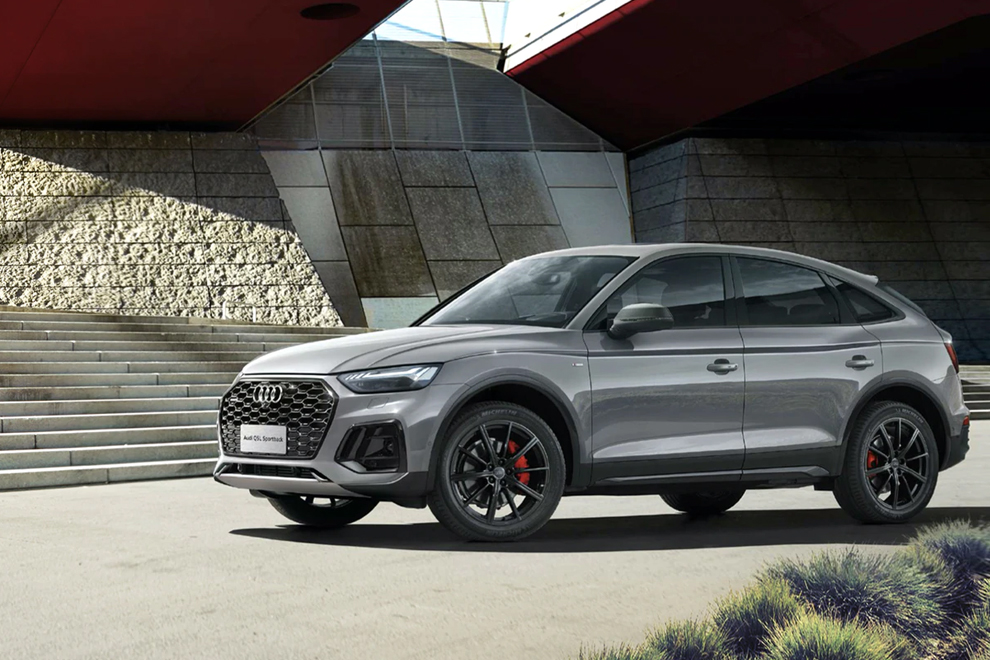
At a glance
- The Q5l is an extended-wheelbase, five-seat premium compact SUV developed for the Chinese market.
- The 40 and 45 TFSI grades are separated by powertrain and equipment, while trim names are China-specific.
- New units reduce specification uncertainty; used units require VIN, history and physical inspection.
- Live pricing changes with year, trim, condition, options, freight, Incoterm and exchange-rate factors.
- China-origin supply is predominantly left-hand drive, so steering side and destination homologation must be confirmed.
Why the Audi Q5l matters for export markets
The Audi Q5l is a China-market, extended-wheelbase compact luxury SUV built for buyers who want a premium badge, practical five-seat packaging and more rear-seat space than a conventional wheelbase model. Its appeal to overseas dealers is therefore broader than prestige alone: company-car programs, executive fleets and family-oriented retail customers can all value the combination. It competes in a familiar global segment, but Chinese-market equipment and specifications may differ from European or North American Q5 versions. That makes it a useful sourcing candidate, provided the importer treats it as a distinct specification rather than assuming global version equivalence.
In export markets, demand tends to come from three channels. Dealers may use the Q5l to fill a premium compact-SUV slot without sourcing a domestic equivalent; fleets may prioritize rear accommodation, equipment and expected resale; and private buyers may seek a high-specification imported vehicle. The long-wheelbase format can be particularly persuasive where executive passengers or family users regularly occupy the second row. However, strong visual appeal does not remove the need to match steering configuration, homologation and service expectations to the destination. A live inspection should therefore precede any volume commitment or final contracting.
The Q5l also gives exporters a vehicle that feels familiar without being a direct copy of every global Q5 specification. Visible and tactile features can satisfy premium-shopping expectations, while Chinese trim names and option packages require careful translation for resale. The correct question is not whether the badge is recognized, but whether each unit can be registered, insured, maintained and resold profitably in the intended market. That assessment begins with the live listing and ends with destination-specific approval, not with the model name alone or an assumed complete homologation package for the destination country.
- Extended-wheelbase five-seat SUV.
- Premium fleet and retail fit.
- Destination approval is essential.
Model range, trims and powertrain variants: how the lineup is structured and how to choose
The Q5l range is organized around 40 TFSI and 45 TFSI powertrain grades, then divided by market-facing trims such as Luxury Dynamic, Fashion, Prestige, Exclusive and related editions. A 150kW Luxury Sport designation also appears. These labels describe a China-market hierarchy, not a direct translation of every overseas trim, and visual differences may be smaller than the naming suggests. Buyers should therefore compare the powertrain code, standard equipment, options and model year together rather than assuming that the most expensive-looking grade is automatically the best fit for a particular export market and customer profile.
Most referenced Q5l versions use turbocharged 2.0-litre gasoline engines, with the 40 and 45 designations distinguishing different outputs and calibration. A common Q5l drivetrain pairs the engine with a seven-speed dual-clutch automatic, while front-wheel drive and quattro all-wheel-drive availability depend on the selected grade. Exact power output, transmission code, emissions version and driven axles must be taken from the unit’s listing or build record, because trim names can change across facelifts and model years. This matters for insurance, fuel-cost assumptions, performance limits and the availability of compatible service parts in the selected market.
For an overseas buyer, the right grade is rarely chosen by output alone. A fleet manager may favor lower specification, predictable fuel use and easier replacement of wear parts; a retail customer may prioritize leather, infotainment, driver assistance and cosmetic equipment. The 45 grade can suit buyers wanting stronger performance, but the operational case should be compared with purchase cost, tax bands, insurance and expected resale. A 40 TFSI with the equipment buyers actually value may deliver a more rational import proposition for the destination market and its buyers, with local support in mind.
- 40 and 45 TFSI grades.
- China labels are not global equivalents.
- Verify powertrain and emissions.
New vs used Audi Q5l: how export inventory is structured and how buyers choose
New Q5l inventory represents current or facelifted China-market vehicles, often with the newest factory equipment and defined warranty pathways. Used export stock typically consists of earlier model years that have completed their first ownership cycle in China. This structure gives buyers a practical split: new units reduce age and specification uncertainty, while used vehicles can make sense where a buyer values familiar depreciation and has the capability to inspect wear comprehensively. The condition label alone does not reveal either history or suitability for a new market without documents and independent inspection.
For a used Q5l, request the VIN, registration documents, production or model-year information, service records and photographs of the engine bay, interior, wheels and bodywork. Check for accident repair, paint mismatch, corrosion, cabin wear, overdue maintenance and modification, then confirm whether the recorded emissions designation matches the physical vehicle. A pre-purchase inspection should also test cooling, charging, brakes, steering and the dual-clutch gearshift under load. Independent evidence is more valuable than a polished listing description. A seller willing to document identity, maintenance and defects reduces, but does not eliminate, importer risk before shipment.
New and used Q5l vehicles should be evaluated through separate checklists rather than forced into one procurement policy. A dealer building launch stock may prefer factory-fresh units with consistent specification and transferable warranty terms, subject to local recognition of that warranty. A fleet replacing vehicles in volume may accept age and condition in exchange for lower acquisition cost, but should budget for immediate service, tyres, software or compliance work. The prudent choice depends on holding period, downtime tolerance and the buyer’s inspection resources and the destination market’s registration requirements, with documented procedures. Availability in the live inventory changes as units are reserved, sold or newly listed, so current stock should be checked rather than inferred from an old guide.
- New: lower specification uncertainty.
- Used: inspect identity and wear.
- Match risk to fleet downtime.
How export pricing works: the factors behind a live listing price, and how to read one
A live Q5l export price is the result of several interacting variables rather than one fixed wholesale tariff. Model year, 40 or 45 TFSI grade, facelift status, mileage, condition, color, factory options and the number of units in the shipment can all move the vehicle-level figure. Export-specific costs—ocean freight, insurance, inland transport, documentation, financing and exchange-rate movements—may sit outside the displayed vehicle price. Buyers should therefore ask whether a quote covers only the vehicle, is ready to load, or is delivered and cleared at the named destination port, and what warranty treatment is included.
Read each live listing as a configuration record, not simply a headline. Confirm that the year, exact trim, engine designation, gearbox, drive system, mileage, condition grade, color and visible options match the quotation. For a used unit, ask how the seller treats prior registration, repairs, missing equipment or disclosed damage. For a new unit, verify production timing, factory status and whether the manufacturer warranty can be transferred or serviced in the destination country. Those facts explain differences that two otherwise similar listings may not reveal, so verify them before contractual commitment and reconcile them with the final invoice. Current price and availability are shown per unit in ChinaCarDirect’s live Q5l listings and should be reconfirmed before any deposit.
The most useful comparison is an all-in landed-cost worksheet, not the lowest displayed number. Put the vehicle price, inland haulage, origin charges, freight, insurance, destination handling, customs duties, taxes and broker fees into separate lines, using the same Incoterm for every offer. Then add expected registration, servicing, tyres and depreciation over the intended holding period. Because duties and taxes can be assessed on multiple components rather than the advertised vehicle figure, request a landed estimate from a broker experienced with the destination’s classification of the Q5l before placing a deposit and confirming all documentation requirements.
- Compare like-for-like vehicles.
- Confirm freight and tax scope.
- Model holding-period cost.
MOQ, ordering and payment: single units vs consolidating a container
For a dealer ready to buy an Audi Q5l from China, minimum order quantity is a commercial term, not a fixed property of the model. For test purchases or dealer development, a supplier may sell one vehicle at the unit level; for a container program, the supplier may set a batch quantity, allocation or mixed-model plan. The buyer should distinguish a platform-wide catalogue policy from the terms attached to a specific listing or quotation. Ask the supplier in writing what quantity secures the quoted price, what happens below that level and whether additional units can be added before production or shipment.
Payment structure should follow the risk, not just the headline price. A typical sequence may involve a deposit to reserve a specific VIN or production slot, inspection or documentary approval, and payment of the balance before release for export. The pro forma invoice should identify each vehicle, the agreed options and condition, total price, currency, payment milestones, refund triggers, Incoterm, named port and estimated schedule. Use a traceable corporate payment method and independently verify bank details, especially when instructions change close to shipment. Those terms protect both sides from misunderstandings under the signed agreement.
Container consolidation can improve freight efficiency, but it also pools vehicle, paperwork and delivery risk. A dealer may combine several Q5l units with other compatible Audi models, provided the exporter accepts the mix and confirms loading, insurance and customs values. Allocate serial numbers and deposits to individual vehicles before dispatch, and agree who bears damage, missing-equipment or delayed-document costs. For a first order, a smaller mixed shipment can offer better learning; for a proven programme, consolidation may reduce cost per unit without changing the need for inspection and clear accountability at every milestone.
- MOQ is quotation-specific.
- Use VIN-level payment milestones.
- Confirm mixed-load acceptance.
Shipping, homologation and market compliance caveats: LHD/RHD and import rules by country
The Q5l sold from China is primarily associated with left-hand-drive production, so right-hand-drive supply cannot be assumed. Some importers may source another regional model, arrange a specialist conversion or locate a genuinely RHD vehicle, but each route affects cost, warranty and homologation. Before reserving, state the destination’s required steering side and ask for the VIN, steering position, registration documents and conformity evidence. A dealer advertising an RHD Q5l should be able to explain both the conversion and the legal basis for using it locally before the vehicle is committed to freight.
Chinese-market approval does not automatically satisfy another country’s rules. Depending on the destination, importers may need type approval for the exact variant, safety and lighting checks, emissions compliance, customs classification, local-language materials, cybersecurity or connected-service rules and a valid local warranty arrangement. Labels such as China V or China VI describe the Chinese emissions context and should not be presented as evidence of approval elsewhere. The importer should obtain a written regulatory checklist from a qualified local broker or conformity specialist before treating the vehicle as road legal without assumptions for the exact vehicle.
Transport planning should begin after the destination configuration is understood. The usual method for finished vehicles is a roll-on/roll-off carrier, while specialist vehicle-carrier services can consolidate several units under one booking. Freight cost varies with origin and destination ports, distance, season, routing, deck-space demand, insurance and terminal charges; delivery time also depends on sailing schedules, port congestion, customs release and inland haulage. Use a forwarder to confirm secure loading, lashing, export documents, insurance coverage and the delivery process before funds are released and whether delays are covered by the agreed terms.
- Confirm LHD or RHD first.
- China labels are not local approval.
- Use destination-specific compliance advice.
Who should buy the Q5l — and who should pick a different vehicle
The Q5l fits an overseas buyer who wants a premium compact SUV with a high specification, a practical five-seat cabin and especially generous second-row accommodation. It is well suited to executive fleets, chauffeur services, premium dealer programmes and family transport where the long wheelbase creates tangible value. It can also suit private buyers seeking a distinctive imported alternative. The strongest case is where local registration, servicing and residual-value evidence support the vehicle on total cost over the planned holding period rather than where novelty alone appears sufficient to justify the import and duties for the importing business.
Different priorities point to different vehicles. Buyers subject to local zero-emission mandates, low fuel-cost sensitivity or company policies favouring electrified drivetrains should not choose an internal-combustion Q5l merely for its badge. Operators needing the lowest operating cost, extensive off-road capability, a commercial payload or a very small parking footprint may also find the Q5l unsuitable. Likewise, buyers prioritizing a globally standardized specification, broad local service coverage or immediate right-hand-drive availability should compare alternatives before committing to a China-specific import with homologation and resale already resolved locally in the target market and after-sales support.
Before signing, an importer should translate the Q5l’s qualities into measurable business outcomes: rear-seat space for passengers, fuel and insurance for operating budgets, parts availability for uptime, and homologation for market access. Compare the expected cost of obtaining an approved example with the cost of buying a locally supported rival. The Q5l earns its place when those checks validate a genuine customer need, not because its China origin is assumed to guarantee rarity or profit. Transparent comparisons also make it easier to set realistic expectations for customers and sales teams clearly.
- Strong for premium passenger fleets.
- Weak where EV policy dominates.
- Approve configuration before import.
Main rivals and how the Q5l compares
The closest alternatives to the Q5l sit in the premium compact-SUV segment, where buyers can usually choose between German, Swedish and other established nameplates. The BMW X3 is a natural benchmark for handling and brand appeal, although it does not offer the Q5l’s China-specific long-wheelbase presentation. The Mercedes-Benz GLC L is a closer space-focused alternative for markets where that model is sold. The Volvo XC60 provides a different emphasis on restraint, safety and electrified powertrain options, making it useful for buyers who prioritize those attributes and value over imported character.
Against the BMW X3, the Q5l’s strongest argument is cabin and rear-seat volume rather than a universally superior dynamic package; X3 buyers may prefer a more familiar global model and established local service network. Against the Mercedes-Benz GLC L, the distinction is subtler because both target premium buyers seeking usable rear space, with availability, steering configuration and local approval often deciding the practical winner. Neither comparison can be settled from badges alone: equipment content, powertrain, warranty, tax treatment and resale expectations must be matched to the destination and buyer profile with local support.
The Volvo XC60 may appeal to buyers who want a more restrained design language, a strong safety reputation and access to hybrid or fully electric variants, depending on the market. It may also be easier for some buyers to compare with locally serviced alternatives than a China-specific Q5l. The Q5l remains differentiated by its extended-wheelbase packaging and China-market equipment, but those advantages create homologation and support questions. The right rival is therefore the one that best satisfies your compliance route, aftersales plan and customer use case, with the live Q5l offer compared on equal landed-cost terms.
- BMW X3: handling benchmark.
- GLC L: space-focused rival.
- XC60: safety and EV choices.
Live Audi Q5l export inventory
View all listings →Real units currently on ChinaCarDirect with per-unit asking prices and MOQ. Availability updates live from the catalogue.
How to buy a Audi Q5l from China
-
1
Define the destination and use case
Specify the destination country, required steering side, passenger or fleet use, model year, trim and new or used preference. This prevents a visually attractive but non-compliant or unsuitable Q5l from entering the shortlist.
-
2
Shortlist the live Q5l inventory
Compare current Audi Q5l listings by exact trim, powertrain, condition, mileage and options. Treat the displayed per-unit price and availability as live information, then request confirmation for the selected vehicle rather than relying on a saved enquiry.
-
3
Verify identity and specification
Request the VIN, build sheet, equipment list and supporting documents. For used cars, add service history, registration evidence, damage disclosures and an independent inspection; for new cars, confirm production status and factory warranty terms.
-
4
Request an apples-to-apples quote
Ask for the vehicle price, inland haulage, origin charges, freight, insurance, customs, taxes, brokerage and delivery under the same Incoterm. Identify exclusions and the quotation validity period so offers can be compared on landed cost.
-
5
Clear destination compliance
Have a local broker or conformity specialist check type approval, emissions, lighting, safety, local-language materials, connected-service rules, customs classification and warranty. Verify the required steering side before committing the vehicle to freight.
-
6
Agree payment and inspection milestones
Tie the deposit and balance to a specific VIN or production slot, documentary approval, pre-delivery inspection and export release. Record refund triggers, bank charges, insurance, loading responsibility and remedies for missing equipment or transit damage.
-
7
Book transport and release documents
Select a vehicle carrier or forwarder, then confirm secure loading, lashing, export documents, insurance, destination terminal and inland delivery. Release final funds only after the agreed inspection, document and shipping checks are complete.
Q5l vs rivals
| BMW X3 | The X3 is the more familiar global alternative and may appeal to buyers who prioritize handling, standardized specifications and established local service. The Q5l counters with extended-wheelbase space and China-market equipment, but its destination compliance and aftersales support must justify the import case. |
|---|---|
| Mercedes-Benz GLC L | The GLC L is a particularly close rival for premium buyers focused on rear-seat usability. The Q5l stands out through its China-specific trim and equipment mix, while local GLC L availability, steering options and service coverage can simplify entry into a market. |
| Volvo XC60 | The XC60 offers a more restrained design and, depending on market, hybrid or fully electric alternatives for buyers guided by safety or emissions priorities. The Q5l emphasizes long-wheelbase luxury and imported character, but requires a clearer case for local support and compliance. |
Frequently asked questions
How is Audi Q5l export pricing determined?
A live price reflects vehicle-level factors such as model year, trim, powertrain, mileage, condition, color and options, plus exchange-rate and transaction costs. Freight, insurance, duties, taxes, port charges and the chosen Incoterm can either be included or shown separately. ChinaCarDirect’s live Q5l listings show the current per-unit price and availability; request a written quotation for the final landed scope.
What engine and powertrain options does the Q5l have?
The China-market range centers on 40 TFSI and 45 TFSI versions of turbocharged 2.0-litre gasoline engines, with a 150kW Luxury Sport grade also appearing. Most use a seven-speed dual-clutch automatic, while driven-axle arrangements vary by trim. Confirm the exact engine output, transmission, emissions version and drive system from the specific listing or build record.
Is a new or used Q5l better for export use?
New vehicles generally reduce model-age and specification uncertainty and may carry a factory warranty that can be transferable, subject to local recognition. Used vehicles can offer more familiar depreciation but require VIN verification, service history, condition inspection and confirmation that repairs or modifications have been disclosed. Choose based on holding period, fleet downtime and inspection capability.
What is the minimum order quantity for an Audi Q5l?
MOQ is a supplier and quotation term, not a universal model rule. A single-unit test purchase may be possible where the seller offers it, while a container programme can carry a larger batch or mixed-model requirement. Ask for the quantity attached to each live listing and for written terms on additional units, deposits and cancellation.
How long does shipping take and what determines the cost?
There is no universal shipping time or freight rate for a Q5l. Transit time and cost depend on origin and destination ports, carrier schedule and space, season, routing, customs clearance, inland haulage, insurance and terminal charges. Request a door-to-door or port-to-port quotation with the Incoterm, booking route and charge inclusions stated.
Can spare parts be sourced for a China-spec Q5l?
Many service items are mechanical and can be ordered against the VIN, but trim-specific body parts, electronics, infotainment modules and software may take longer or require alternatives. Confirm part numbers, interchangeability and local repair capability before importing, and ask the supplier to include a maintenance and parts-reference pack. For fleet uptime, source critical wear items with the first shipment where practical.
Is a right-hand-drive Audi Q5l available for export?
China-origin Q5l supply is predominantly left-hand drive, so right-hand-drive availability must be confirmed for each destination rather than assumed. An importer may need another regional model, a specialist conversion or a documented RHD source, each with different cost and homologation implications. Require the steering position, VIN and conformity evidence before paying a deposit or booking freight.
How do I order an Audi Q5l from China?
Start with the live Q5l listings, select the year, trim and condition that meet the brief, and send the supplier a written RFQ with destination, quantity and Incoterm. Before deposit, verify the VIN or production details, equipment list, condition, payment milestones, inspection rights, shipping documents, warranty and destination-homologation responsibilities. Then use a specialist forwarder or broker to confirm customs classification, secure loading, insurance and delivery.
Ready to source the Audi Q5l?
Send your destination, quantity, preferred year and trim, and Incoterm requirement for a written Audi Q5l export quotation.
Request a quote