
Audi Q7 Export Buying Guide for Dealers and Importers
Export guide for buyers comparing Audi Q7 trims, new and used vehicles, pricing, MOQ terms, shipping, compliance and rival models before ordering from China.
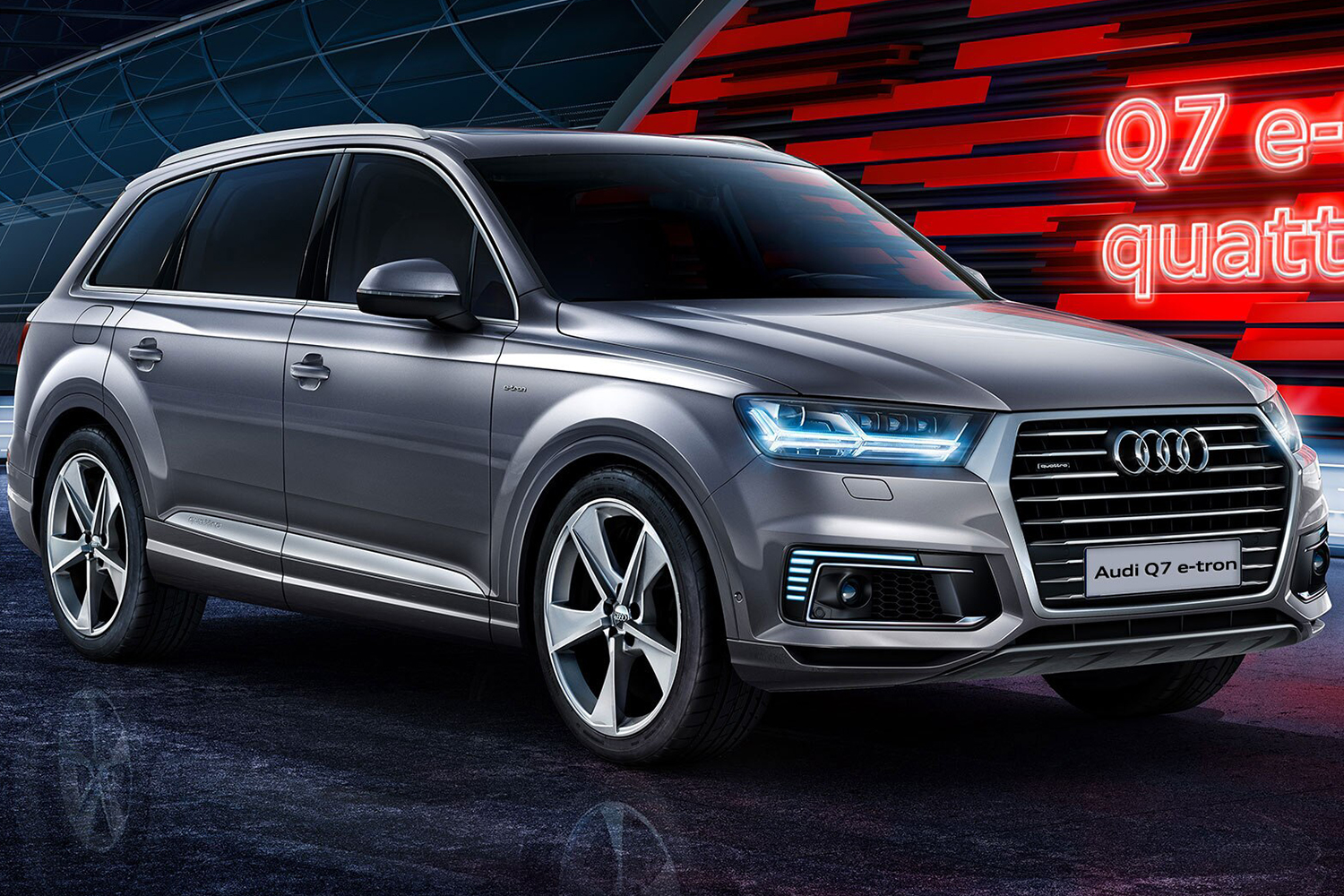
At a glance
- The Q7 combines premium SUV positioning with a flexible multi-row passenger layout for family, executive and passenger-transport use.
- TFSI grades, quattro variants and the 55 e-tron provide distinct powertrain and drivetrain choices.
- New vehicles favor fleet consistency, while used and parallel-import examples require condition, history and document checks.
- Export price must be evaluated from the specific vehicle through to freight, duties, insurance and the chosen Incoterm.
- Current per-unit pricing, terms and availability should be confirmed in the live Audi Q7 listings before an RFQ.
Why the Audi Q7 matters for export markets
The Audi Q7 occupies the large luxury SUV segment with a combination of premium branding, generous passenger space and a seven-seat layout. It appeals to overseas buyers who need a road-focused premium vehicle for family use, executive transport or premium fleet duties rather than a commercial van or a dedicated off-road model. Its tall driving position and substantial cabin also suit markets where road presence and passenger dignity matter. For dealers, the Q7’s attraction is breadth: the same model family can cover gasoline and electric use cases, subject to local charging and homologation.
Global demand is strongest where buyers want a premium SUV that can carry passengers and luggage without moving to a full-size luxury van. The Q7 suits long-distance road travel, airport and hotel transfers, executive fleets, and affluent households that need occasional third-row access. Its seven-seat architecture gives a dealer more ways to serve both family and business customers, while the upright body and premium cabin support a higher perceived value. Market appeal still depends on fuel choice, road quality, tax treatment and the availability of attractive financing and maintenance support.
For an export buyer, the Q7 is therefore a positioning exercise rather than a simple volume purchase. A gasoline model may suit destinations with established petrol infrastructure and limited charging coverage, whereas the 55 e-tron requires verified charging access and a clear route to local approval. Fleet buyers should assess whole-life running costs, residual-value assumptions and parts support rather than relying on appearance alone. The model is most defensible where its mix of space, prestige and road comfort solves a local transport requirement better than a smaller SUV or a larger, less efficient luxury model.
- Seven-seat family and executive utility
- Gasoline and 55 e-tron routes
- Premium image for visible transport roles
Model range, trims and powertrain variants: how the lineup is structured and how to choose
The Q7 range is organized around TFSI trim badges, quattro four-wheel drive, comfort, Sport, S line, Technology and special-edition packages. Across the listings, 35, 40, 45 and 55 TFSI names describe the core hierarchy, while 4.0 TFSI badging identifies a higher-output branch. A separate 55 e-tron name identifies the battery-electric route. Trim names alone do not prove equipment, output or market compliance, and package meanings can change across Q7 generations. Compare the complete build sheet, VIN and option list rather than select a badge from memory before committing to an export order.
Within the gasoline line, the practical choice starts with operating priorities rather than the largest badge. Lower TFSI versions may suit buyers focused on purchase efficiency and routine fleet use; middle trims can add technology and comfort; upper trims and quattro-equipped variants better serve buyers who place greater value on performance, towing capability or all-weather confidence. Exact engine output, suspension, braking and towing limits must be confirmed for the model year and market. A used car can wear several option combinations, including Classic, Sport, Comfort, Technology, S line, Black Warrior and Dark Knight branding.
The 55 e-tron requires a different selection process because battery capacity, rated range, charging hardware and software can differ by production market and model year. Do not infer those figures from the Q7 name or carry them over from another premium SUV. For this electric branch, request the live specification, charging-cable equipment and certified range standard relevant to the destination. Regular Q7 and SQ7 examples with 4.0 TFSI badging should also be kept analytically separate: they deliver a different performance proposition and may carry different insurance, tax and homologation implications.
- 35, 40, 45 and 55 TFSI hierarchy
- quattro and equipment vary by trim
- Verify VIN, output and market origin
New vs used Audi Q7: how export inventory is structured and how buyers choose
A new Q7 generally offers the cleanest way to align factory specification, warranty position and fleet consistency, but “new” does not automatically mean the right market version. A vehicle sourced for China may differ from an imported Middle East or European model in equipment, emissions equipment, software and factory warranty. New inventory can lose value as specifications change, so a buyer should assess delivery timing and model-year consistency. Ask the supplier for production date, original market, VIN, complete options and the actual warranty document before placing a deposit or finalizing payment terms.
Used Q7 supply is more heterogeneous. Parallel-import and dealer-owned vehicles may have one or several previous owners, local-market equipment, replaced parts or mileage accumulated under different conditions. Lower acquisition cost can be offset by near-term maintenance, tyre, software or cosmetic work, and an imported used car may face tighter age or condition rules than a new vehicle. For a business buyer, the value of a used example lies in immediate availability and a known purchase budget; for a fleet, uniformity and predictable downtime often matter more when units must launch together.
A sound used-purchase process starts with a pre-purchase inspection and a documentary check, not simply the lowest asking price. Inspect paint, tyres, brakes, suspension, cabin wear, service history, accident evidence and diagnostic faults, then reconcile the VIN with the seller, maintenance invoices and import documents. For an e-tron, add battery state-of-health and charging checks; for any advanced driver-assistance or infotainment system, confirm that features remain enabled and legally usable after import. These checks should be completed before the balance payment or irrevocable shipping instruction or any release of the vehicle.
- New vehicles aid fleet consistency
- Used vehicles require inspection and history checks
- Parallel imports need extra document checks
How export pricing works: the factors behind a live listing price, and how to read one
An Audi Q7 export price is not one fixed national-market figure. It moves with model year, trim, engine, quattro equipment, mileage, condition, original specification and whether the vehicle is new, dealer-owned or parallel-imported. Exchange rates also affect the supplier’s conversion, while freight, insurance, port charges, taxes, customs duties and destination charges must be added to reach a landed figure. Because Incoterms determine where responsibility passes, two displayed amounts can represent different obligations. Compare quotes only after confirming the vehicle and cost scope and any dealer margin stated separately in the quotation.
To read a live listing correctly, first match year, trim, fuel type, drivetrain, seats and condition. Then confirm whether the amount is the vehicle price alone or includes export documentation, inland transport, freight, insurance, customs clearance and destination charges. Check who arranges payment, which party handles export declaration and port release, and whether the quote is valid for a specific VIN or a representative model. A lower vehicle figure is not necessarily a lower landed cost if it excludes heavy equipment, repair work, battery assurance, a right-hand-drive build or services the buyer must arrange locally.
Current exact pricing and availability must be read from the live Audi Q7 inventory, where each unit carries its own asking information and terms. Treat the listing as the starting point for a formal quotation, not as a guaranteed landed total. Ask for an all-in written breakdown and the quotation validity period, especially if exchange rates, vessel space or seasonal freight conditions could change. For fleet buyers, include the cost of homologation, spare-parts stocking, financing and downtime in the comparison; these operating inputs can outweigh a modest difference in the advertised vehicle price.
- Year, trim, condition and origin move price
- Freight, duties and Incoterms set landed cost
- Check each live listing for current pricing
MOQ, ordering and payment: single units vs consolidating a container
Minimum order quantity must be checked on the chosen listing rather than assumed for every Q7 or every marketplace channel. A single-unit purchase may suit a dealer testing demand or a wholesale importer consolidating several vehicles from different suppliers. A container order can reduce freight and handling cost per vehicle, but it commits more capital and creates model-year, trim and market-compliance mismatches if the buyer has not planned them carefully. Before consolidating, build a loading plan that identifies each VIN, destination, specification and expected sales position before committing to final freight payment.
The ordering sequence should be explicit. Select candidate units, request a written quotation, reserve the agreed vehicles, complete any independent inspection, pay the deposit, and confirm final production or vehicle details before the balance stage. The contract should identify the vehicle, price basis, Incoterm, payment milestones, documentation, inspection rights, delivery terms and what happens if the unit changes or fails agreed inspection. Avoid relying on informal promises about finish, options or dispatch date. Where funds are substantial, use a traceable payment route and verify the beneficiary against the signed seller and invoice documents.
Payment structure is not the same as MOQ, although both should be settled before shipping. A deposit can secure a unit while the balance is tied to documentary or inspection milestones; the exact percentages and acceptable methods must be agreed in the quotation. For a consolidated shipment, consider whether the supplier accepts staged payments linked to vehicle selection, export readiness and bill-of-lading milestones. Do not release the balance merely because a photograph or production update has been received. Final reconciliation should cover VINs, option lists, serial numbers for selected equipment and the handover of original export and customs documents.
- Confirm MOQ per selected listing
- Single-unit procurement supports market testing
- Containers require a model-level loading plan
Shipping, homologation and market compliance caveats: LHD/RHD and import rules by country
Shipping a Q7 requires more than choosing a port. Complete vehicles commonly move by roll-on/roll-off vessel, while containerized transport can be useful for mixed purchases; the practical choice depends on vehicle dimensions, loading equipment, consolidation and available space. Transit time and cost vary with origin and destination ports, sailing frequency, carrier allocation, terminal handling, insurance, fuel surcharges and local charges. Ask the freight forwarder whether costs are per vehicle, per container or per consolidated lot, and confirm which documents are required at each handoff before the vehicle is committed to loading.
Steering configuration is one of the earliest checks. China and many export sources offer left-hand-drive vehicles, while some destinations require right-hand drive; availability by trim and source must be confirmed rather than inferred from the model name. Do not treat a later steering conversion as an equivalent substitute for a factory right-hand-drive build. The importer should also check VIN consistency, emissions and exhaust equipment, safety requirements, local type approval, customs classification, age restrictions on used vehicles, and applicable emissions or insurance rules. Requirements and enforcement differ by country, so the destination’s competent authority or licensed customs broker should confirm them.
Compliance should be closed out before the vehicle becomes non-returnable. Agree a pre-shipment inspection covering exterior condition, interior, tyres, warning lamps, mileage, VIN, option equipment and basic roadworthiness. Confirm whether software, connected services, assisted-driving functions and charging equipment will operate after import, and document any restrictions. For an e-tron, the destination’s charging voltage, connector and communication requirements must be verified, while fleet buyers should plan suitable spare parts and technical support. Clear the destination charge, insurance and registration plan in advance, because these items can affect the total launch date and cost.
- Factory RHD differs from conversion
- Verify VIN, emissions, safety and customs
- Inspect and budget destination charges first
Who should buy the Q7 — and who should pick a different vehicle
The Q7 is a strong candidate for an overseas dealer serving affluent families, premium ride-hailing, hotel or airport transport, executive mobility, and mixed client fleets that regularly need more than five seats. It gives buyers a recognized premium name, a high seating position, strong road presence and the option of seven-seat use without moving to a van. It is particularly attractive where customers want a private-car image but need occasional cargo capacity. The business case improves when one platform can support both chauffeur and family customers with sensible option and wheel choices.
It is a weaker fit for buyers whose priorities are strict off-road capability, minimal operating cost, compact parking or plug-in-free operation. The Q7 is primarily a road-oriented luxury SUV, so specialist off-road equipment and true work-duty durability should be compared directly with purpose-built alternatives. An e-tron buyer without dependable charging access should calculate charging availability and route resilience before ordering. Likewise, a buyer focused on the lowest acquisition cost may find a smaller premium SUV or a newer mainstream seven-seat model easier to stock, insure and maintain across multiple markets.
Buyers should also decide whether the Q7’s size and prestige produce a sensible residual-value position after import taxes, shipping and homologation. A premium badge does not guarantee strong used-market liquidity; local preferences, fuel costs, charging access and the age profile of competing models matter. Test the proposition with a total-cost model that combines acquisition, commissioning, financing, fuel or charging, maintenance, insurance and expected remarketing time. If the intended customers value a distinctive, spacious luxury SUV more than minimum running cost, the Q7 can justify the position. If not, the alternatives may offer a clearer commercial case.
- Best for premium family and executive fleets
- Weak for strict off-road or minimum-cost use
- Resale depends on local market depth
Main rivals and how the Q7 compares
The BMW X5 is the closest dynamic alternative: it targets the same premium large-SUV customer but is often selected by drivers who prioritize road handling and a sportier character. The Audi Q7 tends to emphasize upright seating, cabin space and a more comfort-oriented presentation, although exact equipment and tuning vary by year and market. A dealer should test both brands with local customers rather than assume one badge wins. The decisive issues are powertrain availability, service support, imported specification and the landed cost of each exact unit under direct comparison.
The Mercedes-Benz GLE competes through a broad model family, a strong premium badge and extensive international recognition. It may appeal to buyers who prioritize brand familiarity, diesel availability where relevant, or a particular luxury-car character, while the Q7’s quattro versions provide a distinct all-weather and handling proposition. Mercedes has many direct rivals too, so the comparison should be made at equivalent trim, age, condition and powertrain level. Neither name should be judged from a generic catalogue image; the actual imported vehicle’s equipment and service support are decisive for the buying market.
The Volvo XC90 is a credible seven-seat rival for buyers who prioritize family packaging, safety-oriented branding and a more restrained ownership proposition. It can be attractive where the Q7’s size and premium running costs feel excessive, although model-year pricing and equipment must be compared carefully. Conversely, the Q7 may offer a more imposing road presence and a broader selection of powerful TFSI and electric choices. The practical comparison is total cost over ownership: seating flexibility, safety equipment, fuel or charging, service access, insurance and expected resale demand in the destination market.
- BMW X5: driver-focused premium rival
- Mercedes-Benz GLE: broad luxury appeal
- Volvo XC90: restrained seven-seat alternative
Live Audi Q7 export inventory
View all listings →Real units currently on ChinaCarDirect with per-unit asking prices and MOQ. Availability updates live from the catalogue.
Used Audi Q7 (Parallel import) Audi Q7, 2012, 3.0L, automatic, 7 seats, gasoline-powered
How to buy a Audi Q7 from China
-
1
Set the destination brief
Define the destination, required steering side, fuel type, seating, operating scenario and import constraints. This determines which Q7 configurations can be considered commercially and legally.
-
2
Shortlist exact vehicles
Review the live Audi Q7 inventory and match model year, trim, VIN, equipment, origin, condition and listing-specific MOQ. Do not rely on a trim badge alone.
-
3
Request a landed RFQ
Ask for the vehicle, inland transport, freight, insurance, duties, taxes, terminal fees, commission, Incoterm and quotation validity shown separately. This avoids comparing incomplete prices.
-
4
Inspect before final payment
Use an independent inspection for condition, mileage, VIN, service history and installed options. For an e-tron, add battery-health and charging checks.
-
5
Lock the order terms
Put the VIN or agreed specification, deposit, balance milestones, inspection rights, document schedule, substitutions and cancellation terms into the written contract. Verify payment instructions against the seller and invoice.
-
6
Close compliance and logistics
Have a destination customs broker confirm registration, emissions, safety, age and used-vehicle restrictions. Agree a pre-shipment inspection and factory right-hand-drive requirement where applicable before loading.
-
7
Release, ship and receive
Release the balance only after the agreed inspection and document checks. Confirm insurance, shipping documents, port release, customs clearance, registration and handover of the original vehicle file.
Q7 vs rivals
| BMW X5 | A direct premium large-SUV rival with a more driver-focused reputation. The Q7 is generally the more comfort- and upright-oriented choice, making it worth comparing the exact imported equipment and chassis year. |
|---|---|
| Mercedes-Benz GLE | A direct rival with broad global recognition and a wide powertrain offering. The Q7 differentiates through its own quattro-equipped range, upright seven-seat architecture and Audi-specific interior and ownership experience. |
| Volvo XC90 | A credible seven-seat alternative for buyers prioritizing family practicality and a more restrained ownership proposition. The Q7 generally offers greater premium presence and powertrain breadth, but its size and operating costs should be weighed against the XC90. |
Frequently asked questions
How is Audi Q7 export pricing determined?
Export pricing starts with the specific vehicle’s year, trim, powertrain, mileage, condition and source market, then reflects exchange rates, freight, insurance, duties, taxes, port charges and the selected Incoterm. A live listing can show the vehicle amount rather than every landed expense, so request a written cost breakdown. Current per-unit prices and availability are shown in the live Audi Q7 inventory and should be confirmed before an RFQ.
Which Q7 powertrains are available, and what range figures should I check?
Core Q7 examples use TFSI gasoline powertrains, with 2.0T, 3.0-litre and 4.0 TFSI badging represented in the market; exact outputs depend on year and specification. The 55 e-tron is the battery-electric branch. Its battery, motor, rated range and charging details must be checked in the live listing and against the destination’s range and charging standard, rather than inferred from another Q7.
Is buying a used Audi Q7 better for export?
A new Q7 generally gives cleaner fleet consistency and a clearer warranty position, while a used Q7 can offer lower entry cost and immediate availability. Used units demand inspection of condition, mileage, service history, VIN and import documents, with extra checks for an e-tron. Choose based on total operating and compliance cost, not condition category alone.
What is the MOQ for an Audi Q7 order?
MOQ is specific to each listing and must be confirmed; no universal Q7 rule should be assumed. A single-unit order can suit market testing, while a container order requires a model-by-model plan and a separate wholesale agreement. Put the MOQ, unit count, substitution rules and cancellation terms in the quotation.
What affects Q7 shipping time and cost?
Shipping time and cost depend on origin and destination ports, vessel frequency, vehicle-space allocation, terminal handling, insurance, fuel surcharges, customs clearance and local delivery. Vehicle dimensions and the number of units in a consolidation also affect the method and cost. Ask for a freight quote broken down by vehicle and by all charges, with the Incoterm and expected routing stated.
How are spare parts and technical support handled?
Request spare-parts support using the exact VIN and model year, especially for Chinese-market equipment, model-specific parts, software and e-tron high-voltage components. Confirm whether parts are held by the seller, a local dealer or an importer, and whether diagnostic software, connected services and warranty work can be supported after import. For fleet buyers, critical spares and a technical-support plan can be more valuable than a large initial parts order.
Is right-hand-drive Audi Q7 availability guaranteed?
Right-hand-drive availability depends on trim, production source and model year, and it must be confirmed for the individual listing. Factory right-hand drive should not be treated as interchangeable with a later conversion, especially for homologation and safety. If no suitable factory unit is available, compare the cost and compliance risk of a conversion against sourcing a destination-market vehicle.
How do I order an Audi Q7 from China?
Start by defining the destination, steering side, fuel type, seating, budget and required documents, then shortlist exact units in the live Audi Q7 listings. Request a written quotation, reserve the vehicle, complete inspection, agree deposit and balance milestones, and close compliance and freight before final payment. ChinaCarDirect can receive the destination, configuration and quantity for an RFQ.
Ready to source the Audi Q7?
Send ChinaCarDirect your destination, required configuration and quantity for an Audi Q7 export quotation.
Request a quote