
Audi R8 Export Buying Guide for Overseas Buyers
Plan an Audi R8 export purchase with clear guidance on V8 and V10 trims, live pricing, ordering, shipping, compliance, parts and rival models.
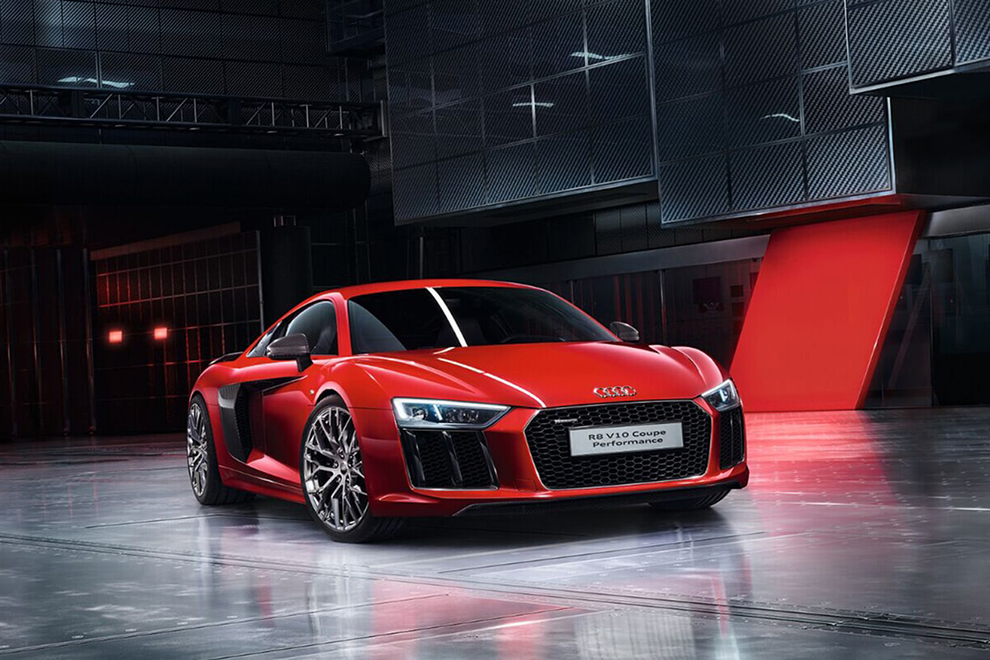
At a glance
- The R8 combines a two-seat, mid-engine layout with quattro all-wheel drive.
- Choose between the early 4.2-litre FSI V8 and later 5.2-litre FSI V10.
- Coupe, Performance, Spyder and special editions serve different buyer priorities.
- New and used sourcing paths involve different inspection, documentation and risk checks.
- Use each live unit listing for current price, MOQ and availability before contracting.
Why the Audi R8 matters for export markets
Across global export markets, the Audi R8 occupies a distinctive position in the exotic-car segment: it combines a low-volume two-seat, mid-engine format with quattro all-wheel drive and a design that remains immediately recognizable. Early R8s use the 4.2-litre FSI V8, while later generations use the 5.2-litre FSI V10, giving buyers meaningfully different driving character, maintenance profiles and collectible appeal. For overseas dealers, that combination creates demand from performance-car specialists, affluent private buyers and premium rental or promotional fleets rather than mass-market fleet operators. Its appeal also supports niche remarketing, but each sale requires careful market-specific preparation.
Demand is not driven by utility, so the R8’s strongest export audiences understand that it is a specialist purchase rather than a volume product. Dealers can market the early V8 as an accessible entry into modern Audi supercar ownership, the later V10 as the model’s defining technical statement, and the Spyder as an open-roof alternative to closed-deck competitors. Collector interest may also respond to documented provenance, original books, factory options and limited editions. These qualities should be evidenced in the listing rather than implied by the badge alone, because they directly support pricing and negotiating position.
For an export programme, the R8’s strengths come with a clear warning: specialist buyers expect more than an attractive photograph and an engine designation. Serviceability, inspection access, software-region questions, spare-parts routing and destination-market approval can affect the commercial value as much as performance. A dealer that solves those issues professionally can differentiate the offer; one that treats the car like ordinary used inventory risks hidden costs, delayed registration and an unsold vehicle. Accordingly, the model belongs in a tightly managed niche: secure the unit, confirm its specification, document condition, budget destination charges and identify a knowledgeable service partner before committing to an importer or fleet sale.
- Early cars: 4.2 FSI V8.
- Later cars: 5.2 FSI V10.
- Coupe or Spyder body style.
Model range, trims and powertrain variants: how the lineup is structured and how to choose
The R8 range spans two major technical ideas rather than a simple ladder of equipment. First-generation cars are identified by the 4.2-litre FSI V8 and designations such as 4.2 FSI quattro; second-generation cars move to the 5.2-litre FSI V10, with V10 Coupe, V10 Coupe Performance, Spyder and special-edition labels appearing across the model family. Coupe is the standard high-performance form, while Spyder trades a fixed roof for open-air use and its own packaging, weight and pricing consequences. Buyers should therefore compare model generation and body architecture before comparing equipment, appearance or suitability.
Within the V10 family, the Performance designation is the more focused enthusiast choice, while standard V10 Coupe and special editions may emphasize comfort, exclusivity or collectibility rather than a simple performance hierarchy. The 5.2 FSI quattro Spyder broadens the brief to buyers who want the V10 soundtrack with a retractable roof. For fleet and dealer ordering, the sensible sequence is to decide roof style first, then engine generation, then whether the extra Performance specification has a clear operational or emotional value for the customer. This avoids paying for a prestige label that the end buyer will not value.
Powertrain choice should be matched to the buyer and the destination, not reduced to output figures. The earlier 4.2 V8 has a different character and development history from the later 5.2 V10, and parts, specialist knowledge and collector demand can vary by generation. Transmission options also differ by market and version, so confirm the actual gearbox rather than assuming the gearbox is the same. A live listing should be treated as the source for the exact engine, transmission, roof, drive layout and factory equipment attached to that vehicle before contracting or making a final offer.
- Confirm engine generation and roof.
- Compare Performance with standard trims.
- Verify gearbox and factory equipment.
New vs used Audi R8: how export inventory is structured and how buyers choose
The export market for the R8 naturally divides into two sourcing routes. New listings may represent factory-configured stock or prepared dealer inventory, while used cars may be private-owner consignments, trade-ins or collector disposals. New or effectively unused cars offer a shorter model history, consistent presentation and easier warranty or service coordination when the supplier’s documentation is complete. Used cars open access to early V8 examples, older performance variants and collector-owned cars, but introduce uncertainty around service history, wear, accident repair and originality. Buyers should classify each unit by documented condition rather than relying on age or a used label alone. A current-condition inspection should cover body geometry, paint, cabin wear, service records, matching components and roadworthiness.
New inventory is particularly relevant to buyers who want a specified factory combination, established warranty chain, or a vehicle prepared for immediate presentation. Because trim and equipment are selected before production, confirm any requested paint, interior, wheel, transmission and regional features directly with the supplier. Dealer-grade pre-delivery inspection is still necessary: a new designation does not establish that a vehicle has been inspected, protected from transport damage or correctly prepared for its destination. It also does not replace checking whether local type approval, warranty transfer, software and service arrangements will be valid after export.
Used-unit value depends heavily on evidence. Buyers should request a VIN-specific condition report, dated photographs, service invoices, title or ownership documents, accident disclosures and details of replaced infotainment, exhaust, suspension or body components. Matching engine and interior combinations matter to collectors, while ordinary performance buyers may prioritize serviceability, remaining tire life and a recent major inspection. Treat an incomplete file as a negotiation point and a reason to reserve funds until the seller answers. The most useful dealer service is a documented reconciliation of the listing description, photographs, inspection findings and supporting paperwork.
- New cars suit specification-focused buyers.
- Used cars demand VIN-level evidence.
- Originality and condition require separate checks.
How export pricing works: the factors behind a live listing price, and how to read one
A live Audi R8 export price should be read as a vehicle-specific commercial offer, not as the market value of the badge. The model year sets the starting reference; trim, engine generation, body style, transmission, factory options and collector status then shape the value. Used pricing also reflects mileage, condition, service records, accident history and the quality of documentation. New units can move with manufacturer or market pricing, but the final offer still depends on the exact configuration being sold. A buyer comparing two units must therefore normalize both offers before drawing a conclusion.
Export-specific charges can separate the displayed listing price from the amount required to place the car in the buyer’s hands. Currency movements affect conversion; freight, insurance, packing, documentation, terminal fees, inland transport and import duty alter landed cost. The Incoterm defines where responsibility transfers, so a comparison is incomplete unless both offers use equivalent terms and destinations. Ask for a written quotation that identifies which costs are included, which are estimated and which remain the importer’s responsibility. This is particularly important when comparing a ready-to-load unit with a vehicle still requiring inspection or preparation.
To read a listing efficiently, begin with the vehicle identity and ask whether the quoted amount covers export only. Confirm model year, VIN, engine, gearbox, roof, mileage, condition, equipment and original-market status. Then check the Incoterm, validity period, payment milestones, document list and condition on delivery. ChinaCarDirect’s live R8 inventory should be used for the current per-unit price and availability, because only the individual listing can provide the binding figures for the car being considered. A seller can quote a different result once destination, compliance work or a particular unit is specified.
- Normalize trim, year, engine and condition.
- Confirm freight, duty and Incoterm.
- Use live listings for binding figures.
MOQ, ordering and payment: single units vs consolidating a container
The ordering model should follow the commercial purpose rather than a generic vehicle catalogue. A specialist dealer buying for resale may secure one precisely specified car, while a promotional, rental or corporate client may need several units with coordinated colours and specifications. Because the R8 is a low-volume, high-value model, mixed configurations can make consolidation harder than for mainstream vehicles. Agree the target quantity, specification mix and sales timetable before discussing payment so the supplier can quote a realistic unit and shipment plan. This avoids unnecessary complexity before shipment or customs.
MOQ is shown per live listing and should be treated as the seller’s minimum order commitment for that offer. A single-unit purchase may suit a dealer testing the market, while multiple R8s sharing a container require a written call-off, VIN-level release terms, secure loading and compatible buyer allocation. Do not assume that one visible car guarantees adjacent identical stock, and do not infer future availability from a current catalogue. Confirm whether mixed trims are allowed, how deposits are allocated and what happens if a selected unit fails inspection before the balance becomes non-refundable and cannot be replaced.
Payment structure should mirror risk and control the sequence of events. A common approach is a deposit to reserve the VIN-specific unit, inspection before final balance, and payment against verified export or transport documents; larger transactions may use an agreed documentary payment method. The sales contract should identify the exact vehicle, price, currency, Incoterm, deposit, balance trigger, inspection standard, document set, delivery point and refund or replacement remedy. Keep all amendments in writing and never rely on a generic catalogue description to settle a dispute or to authorize final shipment.
- Check MOQ on each live listing.
- Reserve and document the exact VIN.
- Control deposits and releases for container groups.
Shipping, homologation and market compliance caveats: LHD/RHD and import rules by country
Transport planning starts with the vehicle’s actual dimensions, weight and loading requirements, which must be taken from the exact listing or manufacturer data rather than assumed from a model-year chart. A specialist or enclosed carrier may be appropriate for an individual R8, while containerization can become practical for multiple units. Because these cars combine high value, low ground clearance, wide tyres and sensitive bodywork, loading plans, lashing, suspension support and insurance need specialist review. The freight quotation should use the verified vehicle configuration and exact port or terminal in writing before booking.
LHD and RHD availability is a market question, not a free conversion option. China-origin examples may arrive in a left-hand-drive configuration, and some production markets used right-hand drive, but the exact car cannot be assumed. Import rules, expected road configuration, local dealer support and buyer familiarity all influence suitability. Changing the steering side can involve parts, labour, electrical checks and certification, so it should be treated as a separate engineering and compliance project rather than a simple conversion undertaken after purchase. Confirm the steering side before committing funds or freight arrangements.
Homologation and import compliance vary by country and may interact with age, emissions, noise, safety, lighting, VIN, taxes, emissions zones and insurance rules. A vehicle can be physically deliverable yet not immediately registrable, and local age or emissions restrictions can affect an older R8 disproportionately. Buyers should obtain a destination-specific written assessment from a customs broker, homologation specialist or qualified importer, and confirm emissions testing, certificate of conformity, ownership documents and roadworthiness. Warranty coverage and onboard systems should also be checked for transferability. Do this before finalizing the vehicle and freight budget.
- Verify dimensions, weight and steering side.
- Obtain country-specific import advice.
- Check approval, insurance and warranty transfer.
Who should buy the R8 — and who should pick a different vehicle
The Audi R8 is best suited to a buyer who values a coherent supercar package more than maximum practicality or absolute exclusivity. Its four-seat-derived cabin is still a strict two-seater, the mid-engine layout gives strong performance balance, and quattro can provide confidence in poor weather or on demanding roads. It suits dealers with specialist knowledge, private buyers who can absorb specialized servicing, and promotional fleets seeking a memorable car without moving into the cost and maintenance tier of the most extreme exotics. It is less convincing as an everyday commuter or a high-capacity fleet car.
Choose the earlier V8 if the priority is a distinctive Audi character, a potentially different acquisition profile and access to the first-generation shape. Choose the later V10 if the buyer wants the headline engineering and the strongest connection to the model’s identity, whether in Coupe, Performance or Spyder form. For commercial users, the decision should also consider uptime, technician access, parts lead times and whether the prestige benefit justifies a long-tail ownership burden. A dealer should ask what its customers actually value before recommending one generation over another or committing the budget.
A different vehicle makes more sense when the brief emphasizes rear-seat access, a large cargo area, low acquisition complexity, predictable fuel use or broad service coverage. A sports sedan or grand tourer may serve a customer who wants speed with everyday usability; an SUV will suit those needing space and height. Buyers seeking a purer track experience may also prefer a lighter, rear-wheel-drive rival, while those prioritizing prestige may accept a different badge and a different ownership cost structure. The R8 should be chosen because its strengths are relevant, not simply because it is exotic.
- Best for mid-engine balance and quattro.
- Suited to dealers, collectors and fleets.
- Choose practicality elsewhere for daily use.
Main rivals and how the R8 compares
The closest alternatives divide into three different kinds of challenge. The Lamborghini Huracán shares the naturally aspirated V10, exotic-car theatre and all-wheel-drive format, making it the most technically and emotionally direct rival. The McLaren 570S uses a twin-turbo V8 and a lighter, more focused chassis philosophy, offering an alternative for buyers who prioritize response and driving interaction. The Ferrari 488 GTB brings race-derived aerodynamics, a high-revving V8 and rear-wheel-drive handling in a more exclusive package. New and used availability differs by market, so comparisons should be made on the actual vehicle and its local support.
Against the Huracán, the R8’s practical distinction is quattro and its broader road-oriented character, while the Lamborghini is often the more emotionally radical choice. Against the McLaren, Audi’s all-wheel-drive system and refined cabin presentation may appeal to buyers who do not want a minimalist supercar experience. Against the Ferrari, the R8 can feel more usable for long-distance ownership and all-weather confidence, whereas the Ferrari more strongly signals exclusivity and a dedicated sports-car occasion. Engine character, ride, visibility, service access and compliance should carry more weight than badge appeal when the buyer commits funds.
No rival is universally better. The Huracán is compelling for buyers who prioritize a naturally aspirated V10 experience; the 570S for a lighter, driver-focused alternative; and the 488 for a more exotic, rear-wheel-drive V8 proposition. The R8 should win when all-wheel drive, a relatively usable cabin, recognizable Audi design and the ability to serve both road and collector roles matter. Confirm dimensions, luggage capacity, local parts support and approval before assuming any imported example is operationally equivalent. That final check often matters more than a headline performance or prestige comparison for the purchase.
- Huracán: closest V10 and AWD alternative.
- 570S: lighter, driver-focused V8 choice.
- 488 GTB: exclusive rear-wheel-drive V8.
Live Audi R8 export inventory
View all listings →Real units currently on ChinaCarDirect with per-unit asking prices and MOQ. Availability updates live from the catalogue.
Used Audi R8 Audi R8 soft-top, 5.2T, two doors, two seats, automatic transmission
How to buy a Audi R8 from China
-
1
Define the vehicle brief
Choose the V8 or V10, Coupe or Spyder, standard or Performance specification, intended buyer and destination market before searching.
-
2
Review live R8 listings
Compare the VIN, year, engine, gearbox, body style, mileage or condition, factory equipment and current per-unit price shown for each vehicle.
-
3
Request vehicle-specific evidence
Ask for dated photographs, a condition report, service history, ownership documents, accident disclosures and details of any replaced components.
-
4
Agree export and landed terms
Request an itemized quotation identifying the Incoterm, freight, insurance, documentation, inland delivery, customs duties and preparation costs.
-
5
Confirm MOQ and payment terms
Check the MOQ on the selected listing, reserve the exact VIN and document deposit, balance, cancellation, substitution and inspection conditions.
-
6
Complete destination compliance review
Confirm steering side, import eligibility, emissions testing, homologation, VIN documents, insurance and warranty transfer with a qualified destination specialist.
-
7
Inspect before shipment
Arrange a pre-export inspection, verify the export document set, approve secure loading and release the balance only against the agreed conditions.
R8 vs rivals
| Lamborghini Huracán | The Huracán is the R8’s closest V10 analogue, combining a naturally aspirated engine, exotic-car theatre and all-wheel drive. It is a more theatrical choice for buyers who want Lamborghini identity, while the R8 generally emphasizes road usability and a more restrained cabin. |
|---|---|
| McLaren 570S | The 570S pairs a twin-turbo V8 with a lighter, more focused driving brief and a rear-wheel-drive format. Choose it for driver engagement and minimalist supercar character; the R8 offers quattro traction and a more practical all-weather-oriented proposition. |
| Ferrari 488 GTB | The 488’s high-revving V8, rear-wheel-drive handling and race-derived aerodynamics make it a more focused and exclusive alternative. R8 buyers may prioritize quattro, refined usability and a less specialized long-term ownership proposition. |
Frequently asked questions
How is the Audi R8 export price determined?
An R8 export price is built from the exact vehicle’s year, trim, engine generation, body style, gearbox, options, mileage and condition, then adjusted for currency and the agreed trade terms. Freight, insurance, documentation, inland delivery, taxes and import duty can change the landed total, depending on whether they are included in the quote. Check the live Audi R8 inventory on ChinaCarDirect for the current per-unit price, MOQ and availability; a general model price is not a binding offer.
What are the key Audi R8 specs for export?
The R8 is petrol-powered, not an EV: earlier cars use a 4.2-litre FSI V8, while later cars use a 5.2-litre FSI V10. Depending on year and market, the gearbox may be manual or an Audi dual-clutch automatic, with quattro all-wheel drive. Battery capacity, electric range and charging figures therefore do not apply; verify the exact engine and transmission in the selected listing.
Should I buy a new or used Audi R8 for export?
New cars suit buyers who prioritize a documented specification history, coordinated factory delivery and, where transferable, manufacturer warranty coverage. Used cars can provide access to early V8 cars, lower-mileage examples or collectible editions, but mileage, service history, accident repair, originality and condition must be assessed vehicle by vehicle. For either route, an independent pre-delivery or pre-export inspection and complete document review are essential.
What is the MOQ for an Audi R8 wholesale order?
MOQ is set on each live listing and is the binding minimum for that specific seller offer. Some buyers can test demand with a single unit, while fleet or dealer orders may call for a larger, coordinated group; check the displayed MOQ rather than assuming a catalogue-wide rule. Confirm whether mixed configurations are allowed and how deposits, substitutions and failed inspections are handled in writing.
How long does R8 shipping take and what does it cost?
Shipping time and cost depend on the confirmed dimensions and weight, transport mode, origin and destination ports, carrier space, customs readiness, documentation and insurance. A specialist or enclosed carrier may suit an individual car, while a container may suit consolidated units; the route should be selected after the exact vehicle and market are known. Request a written freight quotation using the VIN-specific configuration and Incoterm rather than relying on a generic online estimate.
Can I get spare parts for an exported Audi R8?
Parts support depends on generation, trim, VIN, original market and the destination country’s dealer network. Audi parts, electronic modules, exhaust components, service software and body parts may need to be ordered by VIN, and specialists may be needed for older or less common configurations. Before purchase, ask for the maintenance history, identify a local Audi specialist and confirm realistic parts and service lead times for the specific car.
Is right-hand-drive Audi R8 availability an issue?
Right-hand-drive availability depends on the vehicle’s original specification and cannot be assumed from the model name. China-origin cars may be left-hand drive, while RHD examples come from or are prepared for relevant markets; confirm the steering side per listing. Conversion is not a simple swap because parts, electrical checks, inspection and local certification can be involved, so treat it as a separate project.
How do I buy an Audi R8 from China?
Start with the live Audi R8 listings, shortlist by generation, roof, trim, gearbox and condition, then send the exact vehicle reference and destination through an RFQ. Request a VIN-specific condition file, itemized quotation, Incoterm, MOQ, payment milestones, document schedule and inspection remedy. Confirm destination compliance and freight arrangements before paying the balance or authorizing shipment.
Ready to source the Audi R8?
Send ChinaCarDirect your preferred R8 specification, destination and required quantity for a vehicle-specific export quote.
Request a quote