
Audi RS 7 Export Buying Guide for Overseas Dealers
Buy an Audi RS 7 from China with a clear view of trims, performance specifications, export pricing, shipping, homologation and sourcing risks.
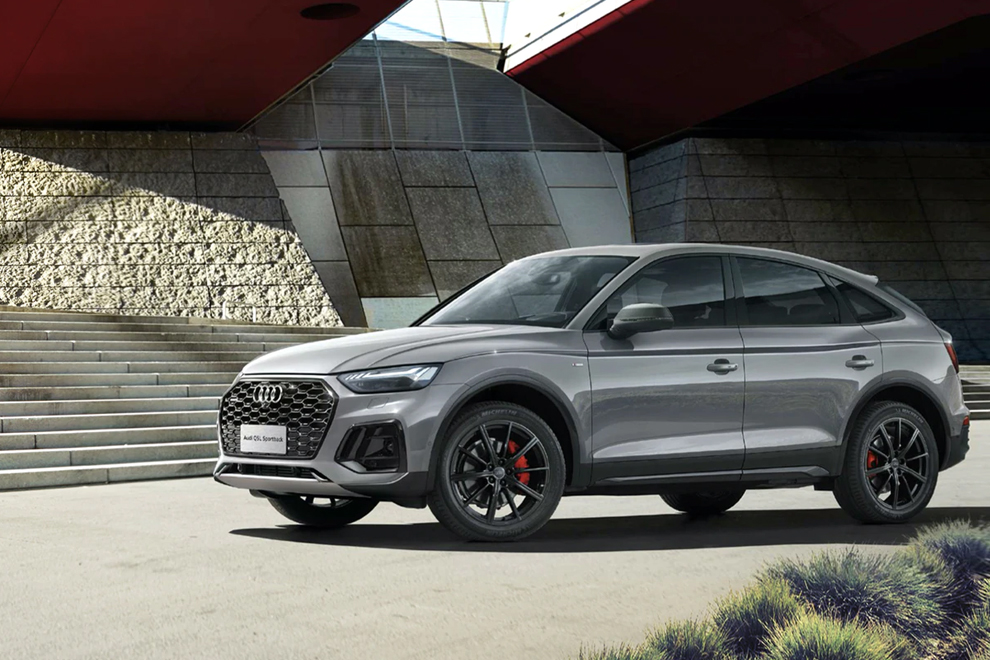
At a glance
- The RS 7 combines a five-door Sportback liftback with a 4.0 TFSI turbocharged V8.
- The line pairs its V8 engine with an eight-speed automatic and quattro all-wheel drive.
- Sportback, Premium and Performance grades require model-year and build-sheet verification.
- Export pricing must be read as a vehicle quote plus freight, duties, compliance and local costs.
- LHD/RHD eligibility, local servicing and parts support can determine whether an import is viable.
Why the Audi Rs 7 matters for export markets
The Audi RS 7 occupies a narrow but commercially useful position: a high-performance luxury Sportback with the space and access of a five-door car, rather than the limited luggage usability of a conventional sports coupé. Its 4.0-litre turbocharged V8, quattro all-wheel drive and road presence suit buyers who want supercar-level intent without giving up everyday usability. For overseas dealers, it works better as a halo model than volume stock, bringing prestige customers into a broader Audi sales conversation. The liftback format also gives it stronger appeal for executive transport than a low-slung two-door alternative.
Global demand for the model follows familiar premium-performance patterns. Buyers in markets with developed expressway networks, strong used-car values and an appetite for identifiable German performance cars often value the RS 7’s mix of restrained exterior design, rapid road performance and long-distance refinement. The five-door layout widens the customer pool to include executives, enthusiasts and clients who need occasional rear-seat or luggage flexibility. Export viability therefore depends more on local fuel, insurance, servicing and residual-value conditions than on raw demand alone. A country may show strong interest while supporting only specialist imports.
For an importer, the RS 7 can add value in two ways: as a statement vehicle supporting premium-brand positioning, or as a carefully specified car for executive, hospitality or demonstration use. It is less suitable as a general fleet purchase because performance cars create comparatively high fuel, tyre, insurance and maintenance burdens. The export case is strongest where the seller can verify condition, source serviceable parts and reach customers who understand the ownership proposition rather than comparing the car only on purchase cost. Used-car evidence and condition reports add credibility.
- Five-door liftback practicality
- 4.0T V8 with quattro
- Halo niche, not fleet volume
Model range, trims and powertrain variants: how the lineup is structured and how to choose
Export listings can present the RS 7 in three grade structures: RS 7 4.0T Sportback, RS 7 4.0T Sportback Premium and RS 7 4.0T Sportback Performance. Those names identify the advertised package, but they are not a complete equipment guide. Availability, factory options and visual details can change by model year and source market. A buyer comparing Audi RS 7 specs should request the VIN, build sheet or detailed option list for each unit rather than assuming one grade has a fixed global specification. That prevents an avoidable equipment mismatch before ordering.
The powertrain is a 4.0 TFSI turbocharged V8 petrol engine, paired with an eight-speed automatic transmission and quattro permanent all-wheel drive. This combination is central to the RS 7’s identity: strong acceleration, traction across wet or poor surfaces and a chassis intended to remain composed over distance. Exact output, torque, acceleration, emissions and equipment vary by generation and market, so confirm them for the specific car. The relevant check is not whether it carries the RS badge, but whether its specifications match the importing market’s records. Ask for photographs and documents.
Choose the base Sportback when simplicity and specification complexity matter, Premium when comfort and convenience equipment are priorities, and Performance when the buyer values the advertised dynamic package. Equipment labels alone do not reveal every difference, so compare options, wheels, brakes, exhaust, infotainment, driver assistance and climate equipment per vehicle. Also consider local support: a well-equipped car without servicing capability may cost more to own than a simpler specification that technicians and parts counters can maintain efficiently. Confirm that the destination can legally use the fitted safety and emissions systems.
- Verify the build sheet
- Compare grade-specific equipment
- Match servicing to options
New vs used Audi Rs 7: how export inventory is structured and how buyers choose
Export inventory for the RS 7 is structurally different from a mass-market vehicle catalogue. New factory cars are the normal export proposition for this model, while used examples may reach an importer through trade-ins, private sales, corporate fleets or parallel-import channels. Availability changes continuously, and neither the presence nor absence of used stock should be inferred from an article. Buyers should search the live RS 7 inventory, ask whether each unit is new or previously registered, and request its registration history before comparing vehicles. The seller should state the intended status clearly.
A new RS 7 is generally easier to standardise for dealer preparation: it should have a defined factory specification, identifiable delivery history and, where transferable, manufacturer coverage tied to the vehicle’s age and market. Those benefits do not remove compliance work. Import taxes, emissions rules, warranty administration and local accessory requirements still apply. For a used car, the key advantage is a potentially lower acquisition basis, but the buyer takes on unknown wear, prior repair quality, corrosion protection and the risk that imported used vehicles face age-related restrictions where those rules apply.
The strongest used-car case is a documented, unmodified example with complete service records, inspection evidence and clear ownership. The weakest is an imported car sold without history, with undeclared accident repairs, modified emissions equipment or an unreadable VIN. A used Audi RS 7 can suit a buyer seeking the same core car at a different acquisition point, but it should be valued on condition rather than model-year labels alone. Compare the vehicle quote, expected reconditioning, warranty options and financing; the cheapest acquisition figure is not necessarily the lowest cost of ownership.
- Confirm registration status
- Trace service and ownership
- Check used-import age rules
How export pricing works: the factors behind a live listing price, and how to read one
An Audi RS 7 export price is not a fixed market value; it is the result of the specific vehicle, market context and deal structure. Model year and grade matter, but so do factory options, mileage and condition for used cars, registration history, ownership status and the seller’s commercial terms. Macroeconomic factors also move the amount: exchange rates, Chinese export controls, freight capacity, insurance costs and local tariffs can all alter the landed figure. An export price guide therefore explains the calculation rather than publishing a figure that ages quickly.
When opening a live listing, separate the advertised vehicle price from the total import cost. Check whether the quote assumes an Incoterm, who arranges inland transport, export clearance, loading, marine insurance and terminal handling. Also confirm what documentation and optional services are included, and whether the displayed amount changes after a physical inspection or final transport booking. Compare like with like: two cars carrying similar trim names can have materially different costs if one has a different option set, history or sales jurisdiction. The listing, quotation and invoice should use the same SKU.
Build the landed-cost worksheet in order: vehicle acquisition cost; inspection and preparation; inland haulage and export formalities; freight and cargo insurance; destination charges, duties and taxes; compliance work; and distributor margin. This structure exposes whether a car is attractive because of its specification or because one cost item has been omitted. For an Audi RS 7 wholesale decision, request a written quote against a named unit and destination, then reconfirm the binding amount with the seller. Current per-unit prices and availability should come from the live ChinaCarDirect listings, not a static guide.
- Separate vehicle and landed cost
- Verify Incoterm scope
- Match quote, SKU and invoice
MOQ, ordering and payment: single units vs consolidating a container
Minimum order quantity is a commercial term attached to a listing, not a permanent characteristic of the RS 7. ChinaCarDirect can accommodate buyers sourcing individual vehicles and distributors consolidating units, but the minimum, allocation and conditions must be checked on the live product page and confirmed in the quotation. A one-unit purchase should be reconciled with shipping, insurance and registration before payment. A container consolidation may lower freight cost per vehicle, yet it ties up capital and creates mixed-specification, demurrage and unsold-stock risk if demand develops more slowly than planned.
The normal ordering sequence starts with selecting a named unit or agreeing a sourcing brief, followed by seller verification and a written pro forma invoice. Confirm the vehicle description, price basis, Incoterm, payment milestones, refund terms and document set before transferring a deposit. Balance payment is commonly linked to export clearance and transport evidence, although the exact sequence depends on the transaction. Use the account in the seller’s verified business details, retain invoices and correspondence, and never rely on any informal message that differs from the current formal quote.
For a multi-car shipment, standardise as much as possible around model year, grade, option list and destination requirements before releasing deposits. This simplifies spare-parts planning, inspection, marketing and eventual resale, while reducing the chance that one non-compliant vehicle holds up the group. Allocate each unit to a buyer or sales channel before arrival, and appoint a freight forwarder, customs broker and independent inspector with clear scopes. Consolidating cars merely to fill space can be inefficient; a carefully planned allocation is what turns vehicle volume into workable wholesale stock.
- Check each listing’s MOQ
- Use a formal pro forma invoice
- Pre-allocate multi-car stock
Shipping, homologation and market compliance caveats: LHD/RHD and import rules by country
Do not infer steering configuration from a Chinese export listing. The RS 7 may be encountered with left-hand-drive or right-hand-drive origins or conversions, and each arrangement can affect registration, safety equipment and buyer familiarity. For left-hand-drive markets, the task is usually to confirm that the imported configuration is acceptable; for right-hand-drive markets, buyers need to establish whether local rules permit the individual vehicle in its current form. Never commission a conversion until customs, inspection and type-approval implications have been checked with the destination authority. A written pre-shipment ruling is preferable.
Import eligibility is separate from mechanical condition. A buyer should check VIN and title consistency, emissions and noise compliance, safety requirements, tax treatment, age limits and any requirement for conformity inspection. New and used vehicles may be treated differently, and rules can restrict modified, previously registered or aged imports. After arrival, registration may still depend on customs valuation, port release and testing. These are legal issues, not seller assurances: obtain confirmation from the destination customs authority or an independent broker, and retain written approvals used for the transaction before shipment.
Shipping method, route and cargo preparation affect cost and risk. Container transport usually provides stronger protection and handling control for a high-value performance car, but space, securing points, axle loads and unit dimensions must be checked with the forwarder. Ro-Ro or specialist alternatives may suit certain loads, subject to carrier acceptance. Marine cargo insurance, export declaration, bill of lading, fuel and equipment restrictions, destination port charges and customs brokerage should be allocated in the landed-cost worksheet. Delivery timing is credible only when carrier, vessel and receiving windows are confirmed in writing.
- Confirm steering configuration
- Check VIN and conformity rules
- Budget freight, insurance and charges
Who should buy the Rs 7 — and who should pick a different vehicle
The RS 7 is a strong fit for an overseas buyer who wants a discreet high-performance car with genuine five-door usability. It suits performance-oriented dealers, premium executive fleets, hospitality operators and individual enthusiasts who value quattro traction, a high-capacity cabin and the ability to carry luggage without choosing a conventional estate. The strongest case is in a market with a viable service network, suitable insurance and enough affluent customers to sustain specialist sales. Merely copying a successful showroom model without building aftersales support is a weak strategy. Local capability matters.
It is a poor fit where the priority is low running cost, maximum cargo volume, fuel efficiency or straightforward servicing at every interval. A fleet that carries equipment, visits rough roads or operates under tight cost controls should consider a more efficient vehicle than a high-output RS 7. Buyers focused on a practical family estate should examine premium estate alternatives; those seeking a two-seat sports car may prefer lower running costs and simpler homologation. The best alternative is the one that matches the duty cycle, not simply another performance badge.
Before committing, score the RS 7 against five commercial questions: Is there demonstrated local demand? Can authorised or capable technicians service the powertrain and electronics? Will insurance and registration be proportionate to the vehicle? Are parts and technical information obtainable through the chosen supply channel? Does the planned purchase horizon match the car’s age, condition and residual-value profile? A strong answer across all five can justify the model; a weak answer in parts support or registration should stop the transaction. This framework also makes the new-versus-used decision less emotional and more evidence-based.
- Suited to premium and executive use
- Poor for cost-led fleets
- Service support is decisive
Main rivals and how the Rs 7 compares
The Porsche Panamera Turbo is the closest conceptual rival: both combine a five-door liftback body with high performance and all-wheel-drive capability. The Panamera often appeals to buyers who place greater emphasis on sports-car handling and a distinct Porsche ownership experience, while the Audi RS 7 offers a more understated design and a full four-door passenger-car layout. For an importer, the decision should consider which marque has better local parts and service support, expected homologation work and realistic resale demand—not simply which brochure sounds more dramatic. Test drives can clarify priorities.
The Mercedes-AMG GT 4-Door is a more coupe-like alternative, with four doors but a lower, less expansive luggage opening than the RS 7. It can satisfy buyers who want an AMG character and dramatic road presence, although rear access, visibility and load versatility may be less central to the purchase. Availability and configuration can also differ from the RS 7 across export markets. Compare the exact derivatives carefully: an AMG GT 4-Door should not be treated as mechanically or commercially equivalent merely because both carry four doors and a performance badge.
The BMW M8 Gran Coupe competes through four-door performance, a long bonnet and a saloon-like rear cabin, but it does not provide the RS 7’s liftback cargo solution. BMW buyers may prefer the M8’s more overtly traditional grand-tourer image; Audi buyers may prioritise the RS 7’s smoother visual integration, rear-seat access and luggage flexibility. As with every rival, compare engine character, equipment, service capability, insurance and local registration. The RS 7 has no universal advantage: the right choice is the model whose engineering, brand support and ownership costs suit the buyer’s market.
- Panamera Turbo: closest liftback rival
- AMG GT 4-Door: lower, coupe-like
- M8 Gran Coupe: saloon-like alternative
Live Audi Rs 7 export inventory
View all listings →Real units currently on ChinaCarDirect with per-unit asking prices and MOQ. Availability updates live from the catalogue.
How to buy a Audi Rs 7 from China
-
1
Define the market brief
Specify the destination country, preferred model year and grade, LHD or RHD requirement, new-versus-used preference and intended customer. Include local registration and servicing constraints from the outset.
-
2
Shortlist live units
Review the live Audi RS 7 inventory and compare named vehicles rather than relying on generic trim descriptions. Request the VIN, build sheet, option list, photographs and registration status for each candidate.
-
3
Verify identity and history
Confirm that the VIN and ownership documents match the advertised vehicle and obtain service, inspection and import-eligibility records. Check that the steering configuration is acceptable in the destination market.
-
4
Price the landed transaction
Ask for a written quote identifying the vehicle cost, Incoterm, freight, insurance, duties, taxes, port charges and compliance work. Reconcile every item with the listing SKU and the intended ownership structure.
-
5
Inspect before commitment
Use an independent inspector to examine paint, bodywork, chassis, engine, electronics, documents and matching identification numbers. For a used car, test drive and service evidence are especially important.
-
6
Confirm payment terms
Review the pro forma invoice, deposit, balance-payment trigger, refund terms and verified seller bank details. Keep all contracts and payment evidence in one transaction record.
-
7
Ship and complete compliance
Appoint a freight forwarder, cargo insurer, customs broker and destination specialist where required. Track export documents, vessel movements, customs release, conformity checks and final registration.
Rs 7 vs rivals
| Porsche Panamera Turbo | The Panamera Turbo is the closest packaging rival, combining a five-door liftback with high performance and all-wheel drive. It may attract buyers focused more heavily on sports-car handling, while the RS 7 offers a more understated presentation and four-door passenger-car versatility. |
|---|---|
| Mercedes-AMG GT 4-Door | The Mercedes-AMG GT 4-Door competes on four-door performance and dramatic styling but offers a lower, more coupe-like profile and generally less expansive luggage access. It is better suited to buyers prioritising AMG character over the RS 7’s liftback practicality. |
| BMW M8 Gran Coupe | The BMW M8 Gran Coupe is a performance saloon alternative with four doors and a strong grand-touring character. It does not match the RS 7’s liftback cargo solution, making the RS 7 more relevant when luggage flexibility and rear access are priorities. |
Frequently asked questions
How is the Audi RS 7 export price determined?
The price starts with the named vehicle’s model year, grade, options, condition and commercial terms. Exchange rates, freight, insurance, duties, taxes and compliance work determine the final landed amount. Check the live ChinaCarDirect listings for the current per-unit price and request a written quotation for the intended destination.
What engine and powertrain does the Audi RS 7 use?
The RS 7 is a petrol performance liftback built around a 4.0-litre turbocharged V8, an eight-speed automatic transmission and quattro all-wheel drive. Output, acceleration and equipment can differ by model year and market, so confirm the specification shown in the live listing.
Should an overseas buyer choose a new or used Audi RS 7?
A new car generally offers clearer factory specification, delivery history and more straightforward dealer preparation. A used car may suit a buyer seeking a different acquisition point, but condition, service records, prior repairs and destination age rules require careful review. Compare total ownership cost rather than acquisition cost alone.
How does MOQ work for Audi RS 7 wholesale orders?
MOQ is attached to the individual listing and must be checked on its live product page. A buyer may source an individual vehicle or consolidate several units, subject to the seller’s stated terms. Confirm the minimum, allocation, payment conditions and shipping method in the formal quotation.
What determines shipping time and cost for an Audi RS 7 from China?
Origin-port handling, container availability, carrier routing, sailing schedules, cargo insurance, destination charges, customs work and fuel or equipment restrictions all affect the result. A forwarder should provide a written plan based on the exact vehicle, origin city, destination port and agreed Incoterm.
Are spare parts available for the Audi RS 7?
Parts are generally available through Audi channels, but compatibility and supply speed depend on model year, market specification and the supplier’s inventory. Use the VIN or chassis reference when ordering, and confirm lead time, interchangeability and shipping terms before placing a parts order.
Can overseas buyers source a right-hand-drive Audi RS 7?
Availability depends on the live inventory and each vehicle’s actual origin or conversion status. Do not assume that a Chinese export listing is right-hand drive or automatically eligible for a right-hand-drive market. Confirm the configuration and obtain local customs and type-approval guidance before contracting.
How do I order an Audi RS 7 from China?
Search the live RS 7 listings, select a named vehicle or submit a sourcing brief, and request a written quote tied to the destination. Verify the seller, specifications, documents, MOQ and payment milestones before paying a deposit. After that, appoint the forwarder, broker and insurer, then complete export clearance, shipping and destination registration.
Ready to source the Audi Rs 7?
Send ChinaCarDirect your destination, preferred model year and grade, steering configuration and quantity for a current RS 7 RFQ.
Request a quote