
Audi S6 Export Buying Guide for Overseas Buyers
Buy an Audi S6 from China with clear guidance on trims, export pricing, MOQ, shipping, compliance, rivals, and selecting live inventory confidently.
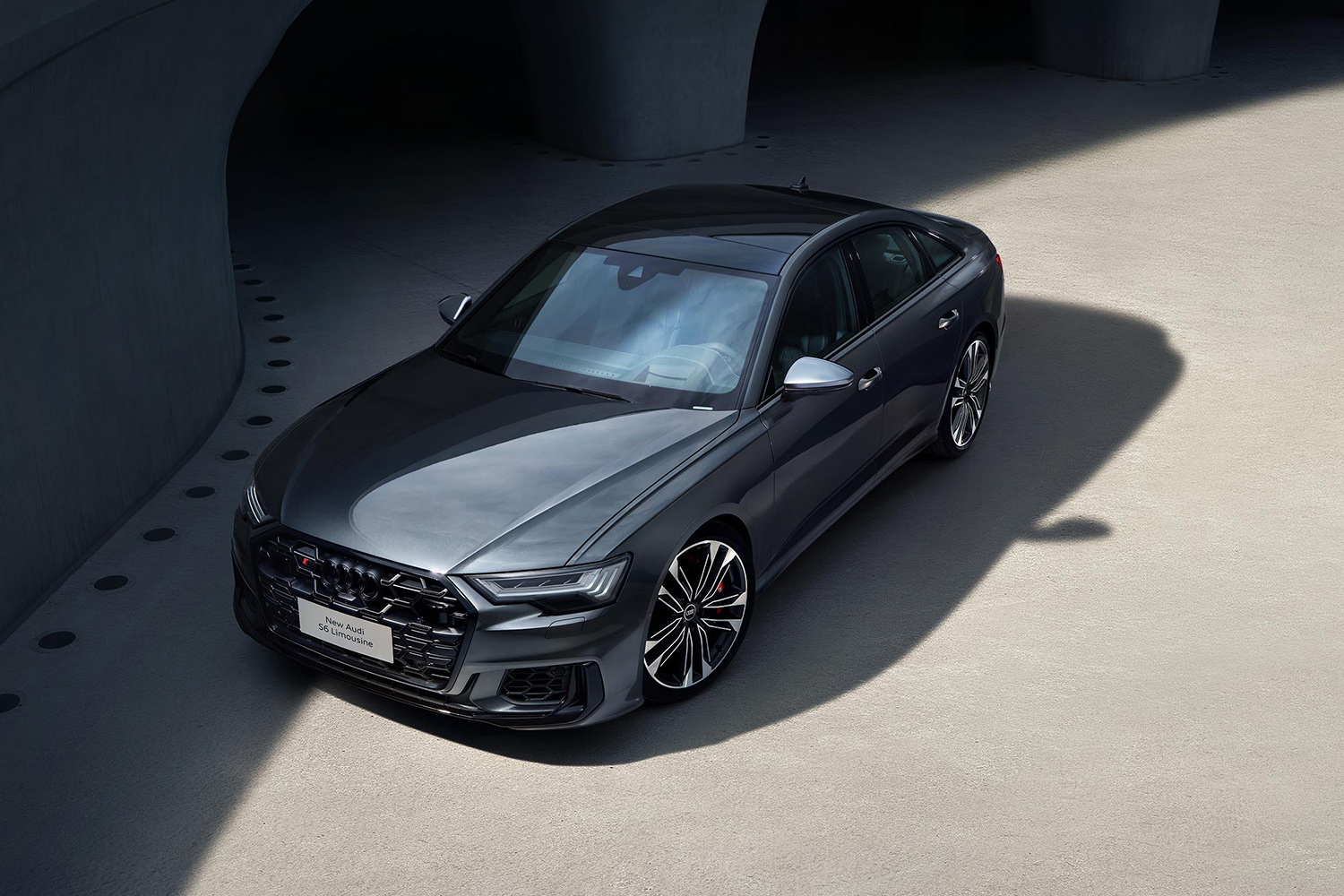
At a glance
- The S6 combines executive-sedan comfort with turbocharged performance and quattro all-wheel drive.
- The model line spans 2.9T inline-six and 4.0TFSI V8 cars from different generations.
- Used examples can suit buyers seeking a lower acquisition basis, but condition and provenance become critical.
- Live export quotes vary with generation, trim, condition, mileage, freight, Incoterm, and exchange-rate movements.
- Buyers should confirm local homologation, steering side, parts support, and landed-cost treatment before ordering.
Why the Audi S6 matters for export markets
The Audi S6 occupies a distinctive middle ground between an executive sedan and a high-performance car. Its restrained exterior, premium cabin, quattro all-wheel drive, and turbocharged powertrain appeal to buyers who want speed without supercar visual drama. That combination is useful in export markets where premium sedans serve an executive role but must also cope with poor surfaces, variable weather, and long road distances. The S6 therefore competes on comfort and versatility as much as acceleration. It is also a credible alternative for specialist importers serving executives, hotel groups, and executive fleet customers.
For overseas buyers, the model’s strongest appeal is the combination of performance that remains usable in daily traffic and a cabin designed for longer journeys. The S badge signals a more focused chassis and powertrain than a standard Audi sedan, while the four-door body preserves secure luggage space and easier passenger access than a two-door performance car. That makes it attractive to dealers developing a premium-performance segment rather than a niche sports-car category, especially where road conditions reward traction and buyers value a restrained badge over conspicuousness in professional markets. That balance can widen retail appeal.
Demand is not uniform across markets. Fuel policy, taxation, used-vehicle age restrictions, emissions requirements, and local prestige associations can narrow the addressable customer base, while some buyers may prefer electrified performance. Even so, the S6 gives importers a recognizable premium model with an established Audi identity and a clearer performance proposition than a comfort sedan. The key is to treat it as a segment-specific product: validate local demand, service capability, and residual-value prospects before committing to wholesale volume. A disciplined importer can pair one unit with a test of the market rather than relying on speculative stock.
Model range, trims and powertrain variants: how the lineup is structured and how to choose
The export-visible Audi S6 range is split by generation and engine. Earlier C7-era cars are associated with the 4.0TFSI, a 4.0-litre V8, while the later C8 generation uses the 2.9T, a turbocharged 2.9-litre inline-six. This distinction is more useful than treating every used S6 as interchangeable. A buyer selecting a 4.0TFSI is choosing the earlier character and architecture; choosing a 2.9T means buying into the newer generation with different electronics, exterior details, luggage capacity, and parts compatibility. Confirm the exact engine and generation on the VIN and listing before ordering and paying any deposit.
Most S6 cars use a seven-speed S tronic dual-clutch automatic and quattro all-wheel drive. That combination suits the model’s performance brief: rapid gear changes, strong launch control, and traction deployment across the two driven axles. The drivetrain also makes the S6 easier to consider in markets with rain, snow, gravel, or poorly maintained roads. However, all-wheel drive does not remove the need for correct tyres, disciplined servicing, and an inspection of the front and rear differential, transfer case, and surrounding structure on a used car. These checks matter more than the badge.
Choose by use case, not output alone. The V8 4.0TFSI may appeal to buyers who prefer the earlier S6’s distinctive sound and character, while the 2.9T offers the newer platform and a smaller six-cylinder engine. For fleet or executive use, rear-seat comfort, boot volume, fuel planning, and local repair support may matter more than a short acceleration advantage. For performance-oriented retail sales, verify the exact output listed for the source market, because figures and equipment can vary by year and specification. The live listing and vehicle documents should resolve all three points.
- 4.0 TFSI: earlier V8 generation.
- 2.9 T: newer six-cylinder generation.
- Typical drivetrain: S tronic and quattro.
New vs used Audi S6: how export inventory is structured and how buyers choose
New and used Audi S6 exports serve different commercial strategies. A new car offers a clearer factory warranty path, known configuration history, and easier customer-facing presentation, although the buyer may pay for depreciation already incurred before delivery. A used S6 can make more financial sense for an importer seeking a lower acquisition basis, but condition, mileage, service history, prior market, and mechanical corrections become part of the product itself. The right comparison is total expected cost, not simply the invoice total. Landed cost, warranty risk, and resale speed complete that calculation.
New inventory is best described by configuration rather than a guaranteed stock position: it may include recent C8 2.9T cars, selected equipment, paint choices, and factory options. Used inventory is broader, potentially including older C7 4.0TFSI cars and later C8 examples with different mileage and condition bands. This structural difference affects sourcing. New buyers should focus on factory specification and delivery documentation; used buyers should budget for inspection, possible corrective work, transferable warranty limits, and parts that may be harder to source for an older generation. Always check the live inventory.
For a first-time importer, a used vehicle can be a controlled way to test demand, but the purchase agreement should be conditional on a proper pre-shipment inspection and clear title and history documents. For new cars, the relevant risk is specification mismatch: steering side, seat layout, infotainment, installed accessories, and optional equipment must match the destination brief. Buyers should compare expected holding time, financing cost, insurance, and likely resale value before choosing and should use current per-unit availability shown in live listings rather than a generic market assumption before approval or payment.
- New: factory specification and warranty clarity.
- Used: condition and service history dominate.
- Compare landed cost and resale speed.
How export pricing works: the factors behind a live listing price, and how to read one
An Audi S6 export price guide should explain variables rather than publish a fixed figure that will soon be obsolete. The vehicle’s generation, engine badge, model year, trim, factory options, mileage, condition, ownership history, and whether it is new or used establish the export base. Exchange-rate movements, freight, insurance, inland handling, port charges, taxes, and the chosen Incoterm then affect the delivered calculation. A quoted figure may be FOB, CIF, or another basis, so comparing prices without the terms can be misleading. Ask for each charge to be shown separately in writing.
On ChinaCarDirect, each live Audi S6 listing should be treated as a unit-specific offer rather than the market’s final delivered price. Read the displayed asking price first, then identify the model year, 2.9T or 4.0TFSI badge, condition, mileage, and seller terms. Next, determine whether the quote includes export documentation, transport, insurance, and destination charges. For an Audi S6 wholesale purchase, request a written quotation tied to the chosen SKU so that the comparison remains auditable when exchange rates or freight assumptions change. Avoid relying on a generic page headline for budgeting.
A sound pricing exercise uses the same assumptions across candidate cars. Separate vehicle acquisition, export preparation, international freight, insurance, duties, taxes, port handling, and inland delivery; then add expected financing and holding costs for the destination market. Compare like with like: an older used V8 against a newer used six-cylinder or a factory-new car is not a like-for-like offer. The current binding price and MOQ for each unit are available in the live inventory, so use those figures for approval and retain a dated copy of the quote for audit purposes.
- Use equal Incoterms for comparisons.
- Itemize taxes, freight, insurance, and handling.
- Bind approval to a specific SKU.
MOQ, ordering and payment: single units vs consolidating a container
MOQ means the minimum quantity a seller will accept in one transaction, and it should never be assumed from a model name. ChinaCarDirect live listings show the applicable per-unit buying requirement at the time of enquiry; some offers may permit a single vehicle, while bulk arrangements may require consolidation. A dealer who plans to buy an Audi S6 from China for a local customer should ask for the unit quantity, deposit, production or stock status, and cancellation terms in writing before paying. For several cars, consolidation can improve freight efficiency, but only after model-year and specification consistency is confirmed.
A single-unit purchase is appropriate for a dealer testing demand, an executive buyer sourcing a particular car, or an importer consolidating several unrelated orders. The payment sequence normally begins with a refundable or partially refundable deposit, followed by confirmation of the vehicle identity, inspection or production status, balance payment, release of documents, and dispatch. The exact sequence depends on the seller and destination. Buyers should specify which milestone each payment covers and avoid treating a general listing photograph as sufficient identification of the contracted vehicle. Use the SKU and VIN checks.
Container consolidation requires a different level of control. Confirm that every S6 has the same destination, steering side, trim, fuel requirement, and documentation status; otherwise, reserve space or shipping cost may rise and unsold cars can become stranded. Clarify who arranges inland transport, export declaration, customs clearance, marine insurance, and terminal charges. Then model the cash requirement: deposits for every unit, balance deadlines, freight commitments, demurrage exposure, and the delay between payment and sale. Consolidation can lower unit logistics cost, but it also concentrates working capital and resale risk in one shipment.
- Check MOQ on each live listing.
- Link deposits to vehicle milestones.
- Consolidate only compatible configurations.
Shipping, homologation and market compliance caveats: LHD/RHD and import rules by country
Before selecting an Audi S6 for export, establish the destination market’s rules for a combustion-powered luxury performance sedan. A left-hand-drive car cannot simply be registered as right-hand drive; the steering side, lighting, emissions system, noise, safety equipment, software, and radio arrangement may all be subject to local approval. Import rules can include age limits for used vehicles, emissions or type-approval requirements, customs valuation, duties, VAT or GST, and proof of roadworthiness. These rules vary by country and may change, so obtain current requirements from the destination authority or a specialist broker.
RHD availability is usually more restricted than LHD availability because the Chinese domestic market is strongly associated with left-hand-drive production, while some export programs and individual cars may differ. Do not assume that a badge, photograph, or steering-wheel image proves homologation for the destination. Ask the seller for the VIN, factory build plate, steering-side confirmation, and any market-specific type approval. A planned conversion can add cost, compromise components, and complicate inspection, so it is normally safer to source a natively compliant vehicle than to create compliance after shipment or resale eligibility.
Shipping time and cost depend on origin and destination ports, sailing or air service, container availability, customs workload, cargo classification, insurance, and inland delivery. A performance sedan occupies more cube than a compact car but less than a large SUV, so freight planning should use actual dimensions and securement requirements rather than category alone. The complete process also includes export customs, a bill of lading or air waybill, marine insurance, arrival clearance, duty and tax payment, port handling, and local registration. Ask the freight provider for the charge basis and the party responsible at each milestone.
- Confirm LHD or RHD before contracting.
- Check destination age and emissions rules.
- Itemize freight, insurance, duties, and handling.
Who should buy the S6 — and who should pick a different vehicle
The Audi S6 is a strong fit for an overseas buyer who wants a premium executive sedan with genuine performance, all-weather-oriented traction, and a relatively understated appearance. It suits dealer groups building a high-end service category, chauffeur or executive fleet operators that value rear-seat space and prestige, and private buyers comparing an S6 with a standard luxury sedan plus a sports car. It can also suit importers in markets where quattro has genuine utility and where Audi’s badge carries sufficient recognition to support resale. It rewards buyers who value design and driving consistency.
It is a poorer choice for budget-focused importers, commercial operators focused on lowest operating cost, or customers who need a large cargo volume. The performance hardware and premium cabin can increase fuel, tyre, insurance, and service expenses relative to an ordinary Audi sedan, while buyers in markets with no specialist support may face longer parts journeys. Those needing zero tailpipe emissions should choose an EV or electrified alternative rather than compromise on an S6. Similarly, buyers seeking a manual transmission, rear-wheel-drive feel, or minimalist body style will find other models better aligned.
The decision should also be tested against local operating conditions. Confirm that the destination can support the S6’s fuel and service requirements, that parts and diagnostic software will be available, and that a used car’s age will not prevent registration. For fleet use, model residual value, downtime, and insurance rather than focusing only on the acquisition invoice. For retail use, check whether the customer values the four-door S6 format enough to justify it over a sports coupé or a more electric-focused executive model. A test-drive and a transparent condition report can prevent an expensive mismatch.
- Best for premium executive and performance use.
- Less suitable for lowest-cost cargo fleets.
- Check fuel, parts, and residual values.
Main rivals and how the S6 compares
The closest external benchmark is the BMW M5, because it combines a high-performance sedan body, strong brand prestige, all-wheel drive availability, and executive-car practicality. The M5 generally appeals more to buyers focused on outright performance and a sharper sporting character. The Audi S6 is a compelling alternative for those who prioritize a composed ride, restrained styling, and Audi’s established premium identity. Because exact equipment varies by market, comparison should focus on the buyer’s priorities rather than headline acceleration figures alone. The car that feels better after an extended test drive should carry more weight.
The Mercedes-AMG E 53 is another close alternative for buyers who want executive comfort with a more overtly performance-focused image. Its AMG presentation and high-output electrified powertrain give it a different character, while four-wheel drive supports the same broad-weather use case. The S6 may appeal more to drivers who prefer the V8-era S6 or the newer turbocharged six-cylinder, particularly when a quieter, more restrained cabin and dealership familiarity are priorities. Parts support, fuel use, and local resale conditions can be as decisive as performance for that buyer in the importing market.
The Porsche Panamera 4S is a useful third comparison because it shares the premium-performance, all-wheel-drive brief while using a lower, fastback-like body and a hatchback cargo opening. It tends to feel more focused around handling and provides more luggage flexibility, whereas the S6 preserves a conventional three-box sedan profile and strong rear-seat executive character. Buyers should also consider an Audi RS 6 Avant as an internal alternative: it is more extreme and less discreet, but its estate format can be more practical. Test seating, boot space, visibility, service costs, and warranties.
Live Audi S6 export inventory
View all listings →Real units currently on ChinaCarDirect with per-unit asking prices and MOQ. Availability updates live from the catalogue.
How to buy a Audi S6 from China
-
1
Define the target car
Choose the preferred generation, 2.9T or 4.0TFSI badge, steering side, intended use, and destination market. Separate must-have equipment from desirable options before comparing quotes.
-
2
Shortlist live units
Review the current Audi S6 inventory on ChinaCarDirect and compare cars using the same criteria. Record the listing reference, model year, condition, mileage, and visible equipment.
-
3
Verify identity and specification
Request VIN or build-plate confirmation, clear photographs, factory options, service records, and ownership documents. Ensure the contracted vehicle matches the listing and destination brief.
-
4
Request a comparable export quotation
Ask for the Incoterm, validity period, payment milestones, and an itemization of export charges, freight, insurance, duties, taxes, port handling, and inland delivery.
-
5
Confirm MOQ and payment terms
Check the MOQ attached to the selected live listing and obtain the seller’s quantity requirement in writing. Tie deposits to a defined vehicle or production milestone rather than a general stock request.
-
6
Inspect before release
Use an independent pre-shipment inspection for a used car and verify factory condition for a new car. Include bodywork, fluids, tyres, drivetrain, warning lights, electrical equipment, and document checks.
-
7
Arrange logistics and market approval
Book the freight method, insurance, export declaration, customs broker, and destination homologation process. Track the handover of shipping documents, arrival clearance, duties, port charges, and final delivery.
S6 vs rivals
| BMW M5 | The M5 is the most direct performance-led rival, with a sharper sporting character. The S6 may be more attractive to buyers prioritizing understated styling, a composed ride, and Audi familiarity. |
|---|---|
| Mercedes-AMG E 53 | The E 53 combines executive comfort with a more conspicuous AMG identity and electrified performance. The S6 offers a quieter, more restrained alternative for buyers who still want a four-door performance sedan. |
| Porsche Panamera 4S | The Panamera 4S provides a lower fastback profile, more luggage flexibility, and a handling-focused character. The S6 is the better fit when conventional sedan proportions and rear-seat executive comfort matter more. |
Frequently asked questions
How is Audi S6 export pricing determined, and where can I see the live price?
A vehicle-specific quote reflects generation, model year, engine, trim, condition, mileage, options, exchange rate, freight, insurance, and the agreed Incoterm. Duties, taxes, port charges, and inland delivery may be separate. Check the current per-unit price in the live Audi S6 listings and request a written quote tied to the selected SKU.
What are the key Audi S6 specs and powertrain options?
The range includes the 2.9T turbocharged inline-six used by the C8 generation and the 4.0TFSI V8 used by the C7 generation. These are petrol combustion models, so battery capacity and electric driving range do not apply; seven-speed S tronic and quattro are typical. Exact output, dimensions, and equipment should be checked on the live listing.
Should an overseas buyer choose a new or used Audi S6?
A new car offers clearer factory configuration and delivery history, while a used car may provide a lower acquisition basis but greater condition and documentation risk. Compare landed cost, warranty position, expected downtime, and resale prospects rather than acquisition price alone.
What is the MOQ for an Audi S6 wholesale order?
MOQ is seller- and listing-specific, so it should not be assumed from the model name. The applicable requirement is shown on each live listing and should be confirmed in the quotation, particularly when consolidating several cars into one shipment.
What factors determine shipping time and cost?
Origin and destination ports, carrier schedules, container availability, cargo handling, insurance, customs workload, and inland delivery all affect the result. Ask the freight provider which charges are included and which party is responsible for each stage before approving the order.
How are spare parts handled for an exported Audi S6?
Parts availability depends on generation, engine, market specification, and the supplier’s access to genuine, remanufactured, or aftermarket items. Request part numbers for service items before ordering and confirm local Audi support or an alternative parts channel in the destination country.
Is a right-hand-drive Audi S6 available for export?
RHD supply is generally more limited than LHD supply, and neither a photograph nor an S6 badge proves that a car is homologated for a particular destination. Check the VIN, steering-side confirmation, build plate, and market-specific approval on the live listing before contracting.
How can I order an Audi S6 from China?
Select a suitable live unit, verify its specification and documents, and request a written quote showing MOQ, Incoterm, payment milestones, and delivery charges. After inspection and payment, arrange export documentation, freight, insurance, customs clearance, and destination registration with the relevant logistics partners.
Ready to source the Audi S6?
Send the RFQ team your preferred generation, 2.9T or 4.0TFSI choice, destination, and required quantity for a unit-specific export quotation.
Request a quote