
Avatr 11 Export Buying Guide for Overseas Buyers
Export buying guide for the Avatr 11 covering BEV and range-extender trims, live price factors, MOQ, shipping, homologation, rivals and importer checks.
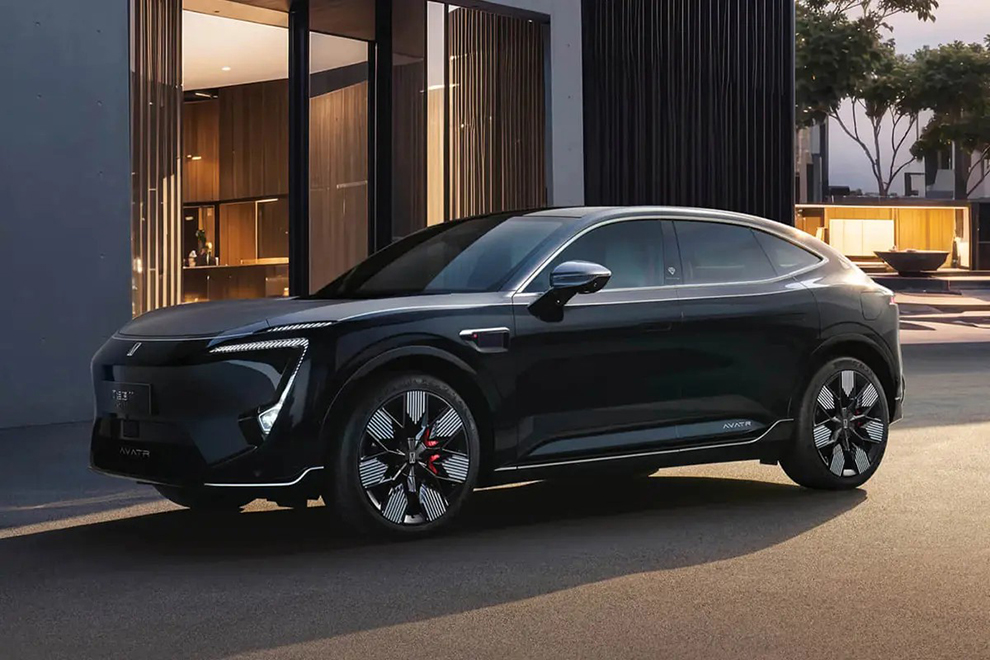
At a glance
- The Avatr 11 is a premium SUV offered in pure-electric and extended-range forms.
- Rear-drive and dual-motor all-wheel-drive choices support different fleet priorities.
- Extended-range versions suit mixed charging access, subject to local fuel and service rules.
- Use the Avatr 11 specs as a shortlist framework, then verify each VIN-linked build.
- Current per-unit pricing, MOQ and availability appear in the live Avatr 11 listings.
Why the Avatr 11 matters for export markets
The Avatr 11 sits in the premium electric SUV segment, where overseas buyers are looking for more than basic transport: distinctive design, a technology-rich cabin and credible choices for electric-only or extended-range use. Its five-seat, mid-size format gives importers a recognizable product for dealer, premium-fleet and executive-demo programs. The model matters because it brings Chinese smart-EV positioning into a format that can compete on comfort and technology rather than only affordability. It also offers buyers a useful bridge between battery-electric efficiency and range-extender flexibility, although actual suitability depends on local charging and homologation.
Demand for vehicles in this class is shaped by regional infrastructure and buyer priorities rather than one global trend. Markets with dependable charging and strong interest in connected vehicles can evaluate the pure-electric 11 on range efficiency, software and performance; markets with sparse charging may favor an extended-range version that still requires an electric main drive and liquid-fuel support. Dealer appeal also depends on brand recognition, residual-value expectations and the availability of training, parts and approved repair procedures after export. That makes the model a segment-relevant export candidate, not a universally ready product for every country.
Before treating the 11 as a global volume line, buyers should separate market interest from operational readiness. The relevant questions are whether the intended country recognizes the powertrain and electronics, whether charging or fuel infrastructure supports the chosen version, and whether the importer can maintain a comparatively new premium architecture. A vehicle that attracts showroom enquiries but cannot obtain approval, software support or parts locally may be commercially weaker than a simpler rival with a stronger service footprint. The Avatr 11 therefore rewards importers who match the exact variant to infrastructure, regulation and after-sales capacity before committing volume.
- Premium electric SUV positioning
- Infrastructure and service readiness
- Distinctive export use cases
Model range, trims and powertrain variants: how the lineup is structured and how to choose
The Avatr 11 range is structured around two energy concepts: pure battery electric and extended-range electric. BEV versions are offered with rear-wheel drive and dual-motor all-wheel-drive layouts, including Max, Long Range and related naming. EREV versions carry Max, Ultra and updated-year labels. Because translated trim names are not always standardized across inventories, an importer should read the VIN-linked build sheet rather than infer equipment from a marketing title alone. For fleet planning, the decisive distinction is charging dependence versus the additional requirements of a range-extender installation and local service coverage.
Within the electric range, rear-drive single-motor cars are the more straightforward starting point for buyers focused on efficiency, simpler drivetrain servicing and the lowest complexity in a local fleet. Dual-motor AWD versions add traction and performance-oriented positioning, but they should be matched to the actual axle, motor and controller configuration in the listing. Trim names containing 630 or 700 act as useful version identifiers; buyers should still verify the official CLTC range and battery specification for that exact vehicle before using any range figure in fleet planning or customer advertising.
Extended-range versions are a different proposition rather than simply a longer-range BEV. They combine an electric drive system with an onboard fuel-burning range extender, so buyers must understand charging habits, fuel availability and engine-service requirements as well as battery condition. For overseas use, ask whether the export documentation covers the complete configuration and whether local emissions, exhaust and noise rules apply. A version that is attractive for mixed-charge routes may be less suitable where regulations, servicing or consumer expectations favor full BEV only. That distinction should drive the initial shortlist.
- BEV rear-drive and AWD choices
- EREV service requirements
- Verify 630 and 700 identifiers
New vs used Avatr 11: how export inventory is structured and how buyers choose
Export inventory for the Avatr 11 can include both new vehicles and used cars, but the labels alone do not describe their commercial status. A new listing may be recent dealer stock or an unregistered vehicle prepared for export; a used listing may have low mileage, a detailed service history or an unknown repair background. For an Avatr 11 wholesale program, importers should establish first-registration status, title documents, invoice trail and whether the odometer and condition can be independently verified before including a unit in a landed-cost calculation for the destination market.
New examples generally offer the clearest route to current specifications, warranty alignment and a simpler comparison between units. However, buyers should ask whether the car has been registered, used as a demonstrator, stored for long periods or modified, because those conditions can affect warranty, consumables and resale presentation. Used examples may be more practical where depreciation has already occurred, yet an electric vehicle requires battery-state assessment, and an EREV also needs careful review of its fuel system, engine bay and hybrid-related controls. Inspection evidence should be part of the purchase file.
The right choice depends on the commercial role. A dealer building a launch range may prefer newer cars with consistent specification and simpler customer warranties, while a cost-conscious fleet buyer may accept an inspected used unit if battery condition and repair history support the residual plan. Neither label removes the need for a physical or third-party inspection. Ask for cold-soak battery readings, diagnostic reports, photographs of the underside and accident areas, service invoices, VIN checks, and confirmation of remaining manufacturer coverage for every unit before payment is released in full.
- New-specification clarity
- Used-battery inspection
- Documented ownership history
How export pricing works: the factors behind a live listing price, and how to read one
There is no single Avatr 11 export price: the figure combines vehicle value and transaction conditions, not a fixed model-level rate. The starting point normally reflects model year, trim, BEV or EREV configuration, motor layout, range or battery version, mileage, condition, ownership history and market demand. Equipment such as the HarmonyOS cabin or a multi-laser driver-assistance package can also affect value. The year label should be read as a production descriptor, not proof of exact specification, so build documents remain essential. That discipline prevents a headline trim from concealing a material cost difference.
Live listings on ChinaCarDirect should be treated as the source for current, unit-specific figures. When a buyer opens the [live Avatr 11 inventory](https://chinacardirect.com/products?q=11&brands%5B%5D=15), the displayed amount must be checked against the stated trim, year, condition and seller terms. Ask whether freight, marine insurance, export documentation, destination taxes, customs charges, port fees and commissioning are included. Also confirm the exchange-rate date, payment method and validity period, because a quote can change when the seller, currency or shipment scope changes. This avoids comparing an ex-vehicle number with a delivered, duty-paid estimate before the vehicle is treated as a comparable commercial offer for tender.
For tenders and internal approvals, build a comparable landed-cost sheet rather than ranking vehicles by the listing figure alone. Start with the vehicle price, then add the chosen Incoterm, freight, insurance, handling, documentation, taxes, duties, port charges and local commissioning under the importer’s responsibility. Use the same currency and costing date for every candidate, then separately note any assumptions. The best quote is the one whose exclusions, delivery point, payment milestones and documentary responsibilities are clear. This also makes freight volatility visible instead of hiding it inside a rounded vehicle estimate.
- Vehicle condition sets the base
- Landed cost needs itemization
- Confirm quote validity
MOQ, ordering and payment: single units vs consolidating a container
Minimum order quantity is set at the listing or seller level, not by a universal Avatr 11 export policy. A live unit may be offered for individual purchase, while some sellers or shipment plans require a lot, a mixed container or a larger commitment. Buyers should read the MOQ shown beside each listing and include it in the RFQ, especially when the intention is to establish a local stock program. Do not assume that the possibility of a single-unit test order guarantees immediate allocation for the exact desired powertrain and specification.
Consolidating several vehicles can improve shipment economics when each unit shares the same destination, documentation route and handling requirements. It may also help an importer meet a seller’s lot requirement, but mixed Avatr 11 variants create complexity: powertrain, trim, accessories and even condition must be reconciled with importer records and customer commitments. Secure written allocation for every unit, prohibit last-minute substitutions and confirm whether the consolidator or freight forwarder will act as exporter of record. A single discrepancy can therefore delay loading, customs clearance, registration or the importer's ability to resell.
The normal process to buy an Avatr 11 from China begins with a shortlist, followed by a written RFQ that fixes the exact vehicle, service scope, Incoterm, destination, payment currency and delivery expectations. After the seller confirms allocation and documents, the buyer should inspect or commission a pre-shipment inspection, agree milestones, arrange secure payment and verify export documents before release. For larger programs, a letter of credit or other protected trade-finance method may be appropriate. The [ChinaCarDirect RFQ page](https://chinacardirect.com/contact) can be used to request a unit-specific quote and supporting files before a deposit commitment is made to the seller.
- MOQ is seller-specific
- Written allocation protects delivery
- Controlled container consolidation
Shipping, homologation and market compliance caveats: LHD/RHD and import rules by country
Left- and right-hand-drive availability must be confirmed for every intended market; do not assume a Chinese-built Avatr 11 can simply be registered in either configuration. For a right-hand-drive destination, steering-wheel position, pedals, lighting, indicators, mirrors, wipers, displays, charging equipment and safety systems must match local requirements. A conversion also needs an approved engineering assessment, relevant documentation and careful checks to electronic and high-voltage systems. Conversion cost and warranty effects should be agreed before shipment. Local registration authorities and qualified conversion specialists should determine the lawful route for the exact vehicle and market.
Import and market compliance are country-specific and can be more demanding than the physical shipment itself. The importer may need to address vehicle type approval, emissions or exhaust rules, electric-vehicle charging standards, battery transport documentation, cybersecurity and data requirements, radio equipment, software features and the homologation of driver-assistance systems. An EREV can face a different regulatory treatment from a BEV because its fuel-burning system and exhaust remain part of the approval file. Obtain a professional local assessment rather than assuming Chinese domestic approval transfers automatically. That is especially important for fleet purchases.
Shipping time and cost are driven by origin and destination ports, carrier space, route, vehicle configuration, loading method, insurance and the documentation process. EVs and EREVs should be booked with a carrier that accepts high-voltage vehicles and can provide the required battery and dangerous-goods paperwork; secure transport of the vehicle is not interchangeable with general cargo handling. Confirm whether charges are per vehicle, per container or bundled, and identify any port, storage, demurrage or customs costs that sit outside the vehicle quotation before signing the freight booking or cargo release.
- Confirm LHD or RHD
- Country-specific homologation
- Compliant battery logistics
Who should buy the 11 — and who should pick a different vehicle
The Avatr 11 is a strong candidate for importers seeking a premium, technology-led electric SUV with both BEV and extended-range options. It also suits distributors building a differentiated premium range rather than competing only on fleet cost, and for executive or company-car programs where design, cabin technology and ride presentation matter. A BEV can fit fleets with controlled depot charging and predictable routes, while an EREV may make sense for mixed charging access and longer-distance operations, subject to local approval and servicing. These uses align with its premium positioning and range choice.
Used-market buyers may suit the 11 when they can verify battery health, repair history and software support and accept model-specific depreciation. They should also confirm that replacement modules, sensors and electronic components can be obtained locally, since a sophisticated vehicle can be expensive to maintain without support. Dealers should model warranty responsibility carefully: a manufacturer warranty valid in China may not provide the same coverage after export, while modifications or battery repairs can complicate future claims. A documented inspection and parts plan can prevent surprises during ownership for the buyer.
Certain buyers should choose a different vehicle. Buyers whose main priority is the lowest total cost, broad service coverage, predictable parts pricing or straightforward commercial-duty suitability may prefer a more conventional premium SUV. High-utilization fleets without reliable charging may also favor a proven hybrid or range-extended alternative with clearer local support. If required safety, communications or emissions systems cannot be homologated, or if the Avatr software experience is not localized, the 11 should not be forced into service merely because its original specification looks impressive on paper alone. That is a commercial risk.
- Premium differentiation
- Managed charging
- Strong local support needed
Main rivals and how the 11 compares
The Tesla Model Y is the most globally visible benchmark in this discussion, with an established brand, charging and service proposition. The Avatr 11 differentiates itself through a larger-feeling premium SUV presentation, a broader powertrain choice that includes an EREV, and a more overtly technology-led cockpit. A Model Y buyer prioritizing a mature global ownership ecosystem may find that advantage decisive; an importer seeking Chinese smart-EV differentiation and broader body or range choice may prefer the 11, subject to local support and homologation. A direct total-cost comparison remains essential for each market.
The XPeng G9 is a closer Chinese-market comparison because it combines a premium electric SUV format with connected-cabin and driver-assistance positioning. The Avatr 11 gives buyers an additional EREV pathway and multiple Max, Long Range, Harmony and AWD naming choices, but trim variety should not be confused with better market fit. Compare the exact battery, range certification, software, service plan and approval package. An importer already familiar with Xpeng’s channel may also gain from a more established support structure in certain markets. That local knowledge can materially reduce execution risk.
The Polestar 4 occupies a similar premium electric performance space with a design-led European identity and a different ownership proposition. It lacks the Avatr’s EREV choice, so buyers who need a fuel-assisted option must adjust their comparison; the 11 may better fit mixed-infrastructure routes where approved. Polestar may appeal where minimalist styling, efficiency priorities and an established international brand image lead the brief. For the Avatr, the deciding evidence should be local service capability, parts planning and verified homologation—not badge familiarity alone. These comparisons should be repeated with current quotations.
- Model Y: ecosystem benchmark
- G9: closest Chinese peer
- Polestar 4: design alternative
Live Avatr 11 export inventory
View all listings →Real units currently on ChinaCarDirect with per-unit asking prices and MOQ. Availability updates live from the catalogue.
Avatr Avatr 11 2022 Long Range Dual Motor Luxury Edition 5-seater
How to buy a Avatr 11 from China
-
1
Define the destination and use case
Identify the country, steering configuration, expected routes, charging access and local after-sales expectations before selecting a vehicle.
-
2
Choose the powertrain and trim
Compare BEV rear-drive, dual-motor AWD and EREV versions according to infrastructure, payload, driver priorities and local tax or emissions treatment.
-
3
Review the live inventory
Use the [Avatr 11 listings](https://chinacardirect.com/products?q=11&brands%5B%5D=15) to check the current unit, trim, condition, seller and stated MOQ, then request the VIN-linked details.
-
4
Request documents and a landed quote
Ask for the build sheet, battery specification, official range, options, Incoterm, payment terms and a written list of freight, insurance, tax and documentation exclusions.
-
5
Inspect and verify compliance
Complete a physical or third-party inspection, including battery health for BEVs and fuel-system checks for EREVs. Confirm ownership, condition and destination-market approval.
-
6
Agree allocation and payment
Confirm the applicable MOQ and secure written allocation for every unit. Agree milestones, currency, beneficiary details and suitable payment protection before committing funds.
-
7
Book compliant shipping
Use a carrier experienced with high-value, high-voltage vehicles. Verify LHD/RHD status, export documents, battery paperwork, loading arrangements and delivery responsibilities.
11 vs rivals
| Tesla Model Y | The Model Y offers a more established global brand and ownership ecosystem for markets where that support is decisive. The Avatr 11 offers a larger-feeling premium SUV format and the additional choice of an EREV, making it attractive to importers seeking broader powertrain coverage. |
|---|---|
| XPeng G9 | The G9 is the closest Chinese premium smart-EV SUV comparison, with a similar emphasis on cabin technology and driver assistance. The Avatr 11 stands apart through its EREV option and wider trim naming, although the exact homologated build and local service plan should determine the decision. |
| Polestar 4 | The Polestar 4 is a design-led premium electric alternative suited to buyers prioritizing a distinctive European identity and performance-focused positioning. The Avatr 11 provides more energy-format choice, including EREV, but requires a clearer local parts and service plan. |
Frequently asked questions
How is Avatr 11 export pricing determined?
The price moves with model year, trim, battery or range version, BEV or EREV configuration, drivetrain, mileage, condition, ownership history, exchange rates, freight, insurance and the chosen Incoterm. ChinaCarDirect displays current per-unit figures and MOQ in the [live Avatr 11 listings](https://chinacardirect.com/products?q=11&brands%5B%5D=15). Buyers should request a written landed-cost quote because freight, tax, documentation and commissioning inclusions can differ.
Which powertrain and range options does the Avatr 11 offer?
The range includes pure-electric rear-drive and all-wheel-drive versions, plus extended-range versions that combine electric drive with an onboard fuel-burning range extender. Some trim names carry 630 and 700 identifiers, but buyers should verify the exact battery, official CLTC range and charging specifications for the VIN rather than treating the number as a local-certified range.
Is a used Avatr 11 better value than a new one?
It depends on the buyer's commercial role and risk tolerance. New vehicles generally simplify specification, warranty and fleet consistency, while used vehicles may offer more attractive acquisition economics if battery condition, repairs and service history are well documented. Neither option should be selected without an inspection and a documented residual-cost plan.
What is the MOQ for an Avatr 11?
MOQ is set by the individual listing or seller rather than by a universal model policy. Some live units may be available individually, while other offers may require a lot or container commitment; the current requirement appears beside each listing. Consolidation can improve freight economics but requires fixed allocation and identical documentation handling.
How long does Avatr 11 shipping take and what determines the cost?
There is no universal shipping time because the route, carrier space, port congestion, loading method, vehicle configuration, insurance and compliance documentation all affect the schedule. Freight cost also varies with origin and destination, container or vehicle charges, port handling and customs work. Buyers should obtain a written freight quotation with every exclusion identified.
Are spare parts available for the Avatr 11 overseas?
Parts availability depends on the destination, vehicle specification and strength of the local or regional service network. Smart-EV models may require advance ordering for sensors, electronic modules, high-voltage components and body-specific items. Importers should establish a parts list, support channel and estimated lead-time method before committing fleet volume.
Is a right-hand-drive Avatr 11 available for export?
RHD availability must be confirmed for each unit and market rather than inferred from a Chinese listing. If no compliant RHD example is available, conversion may be possible, but local authorities and qualified specialists must assess the steering, lighting, controls, safety systems and high-voltage installation. Approval, warranty effects and conversion cost should be settled before shipment.
How do I order an Avatr 11 from China?
Shortlist the relevant vehicle in the live inventory, then submit an RFQ identifying the destination, trim, condition, quantity and required Incoterm. Review the VIN-linked build sheet, ownership documents, landed-cost quote, MOQ and inspection evidence before payment. Use the [ChinaCarDirect contact page](https://chinacardirect.com/contact) to request a unit-specific quotation and supporting files.
Ready to source the Avatr 11?
Request a unit-specific Avatr 11 quote for your destination, trim, condition and quantity.
Request a quote