
Avatr 12 Export Buying Guide for Dealers and Fleet Buyers
Plan an Avatr 12 export purchase with a practical comparison of BEV and range-extender trims, pricing factors, MOQ, shipping, compliance and key rivals.

At a glance
- Avatr 12 for export combines a premium five-door liftback-style body with BEV and range-extended options.
- Base, Max, Ultra, Performance and Luxury trims cover different equipment and drivetrain levels.
- Used Avatr 12 value depends on battery health, mileage, history, condition and service support.
- Export price changes with specification, condition, Incoterm, freight, insurance and exchange-rate movements.
- Pilot one market before scaling because homologation, parts and residual-value support vary by country.
Why the Avatr 12 matters for export markets
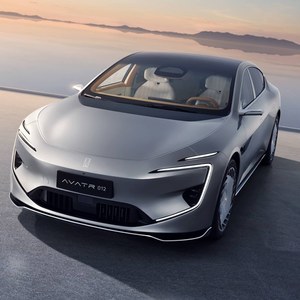
The Avatr 12 occupies the premium electric executive-vehicle segment, combining a low, five-door liftback-style body with a design- and technology-led proposition. It offers overseas buyers a more expressive alternative to conventional family SUVs, with electric and range-extended powertrain choices intended to suit different operating patterns. For distributors, that mix can help build a premium portfolio without forcing every customer into the same charging profile. The result is relevant to buyers seeking passenger-car refinement with crossover-like usability. It also supports premium show-room positioning for brand-led distributors and market pilots before scaling.
Export demand is strongest where buyers want premium design, connected-car features and lower-emission mobility, but charging coverage and travel patterns vary widely. The Avatr 12 is relevant to distributors serving urban customers or corporate buyers seeking an executive vehicle. Its range-extended versions can ease range anxiety, although they do not remove the need for charging or local emissions approval. Conversely, markets with mature charging networks may find the pure-electric versions easier to position. Dealers should test demand through a pilot and validate price resistance, service expectations and powertrain preference with customers.
For an overseas buyer, the model's significance is portfolio differentiation rather than guaranteed volume. Before scaling, assess local brand recognition, workshop support, parts supply, software continuity and residual-value expectations. The attractive specification sheet cannot compensate for weak after-sales support, particularly for fleet customers operating vehicles intensively. A disciplined importer can use the 12 to test a higher-tier segment, but should treat homologation, service readiness and unit availability as commercial conditions. Export planning should begin with the destination customer and operating environment, because the same powertrain can create different economics in different markets.
- Design-led dual-powertrain positioning.
- Pilot before volume commitment.
- Service support before scaling.
Model range, trims and powertrain variants: how the lineup is structured and how to choose
A responsible Avatr 12 specs comparison starts with two energy paths: pure electric (BEV) and extended range (EREV), with grade names Base, Max, Ultra, Performance and Luxury indicating different equipment levels. Rear-wheel-drive, two-motor all-wheel-drive and three-motor configurations appear across the trim names, as do editions. Because nomenclature changes between model years and markets, a trim label is a search term, not a complete specification. Edition branding may distinguish cosmetic, lighting or software packages. Request the VIN-linked equipment list before comparing units against the destination and model-year context for each candidate vehicle.
For fleet procurement, start with the duty cycle rather than the badge. A BEV is the cleaner choice where routes return to dependable charging, dwell time is predictable and the operator can manage energy use. An EREV can be more flexible for mixed urban and regional use because its engine extends travel range while electric drive remains central. That does not make EREV cheaper to operate: fuel use, maintenance, weight and local tax treatment can alter the business case. Compare total cost over planned routes, including charging losses and resale assumptions.
The 650 and 700 designations used in several trim names should not be treated as destination-specific range promises until the seller identifies the rating and test cycle. Likewise, “Triple Laser” and “Three-Laser” branding signals an equipment tier, but does not prove identical driver-assistance hardware on export units. Buyers should compare rated range, usable battery, charging interface and output against planned routes. Where those data are absent, request the build sheet rather than infer them from the model name. This discipline matters when Avatr 12 wholesale buyers compare production years under similar labels.
- BEV for dependable charging.
- EREV for mixed routes.
- Verify VIN-specific equipment.
New vs used Avatr 12: how export inventory is structured and how buyers choose
ChinaCarDirect's export catalogue contains both new and used Avatr 12 units, but each listing represents a combination of model year, trim, powertrain, mileage and condition. Used inventory can include production cycles and cars that previously served another market. New inventory is generally easier to compare by specification and delivery history. Neither label replaces a unit-specific inspection: value comes from reconciling the listing with the VIN, service history and physical condition. Treat “new” and “used” as starting categories, then evaluate the individual vehicle behind each offer and the seller's documents.
For a used vehicle, treat the battery and electronics as inspection workstreams. Ask for a state-of-health report where available, charging-history evidence, diagnostic fault records, accident repair details and confirmation that software, cameras, keys and charging accessories are complete. Compare odometer records with wear and tear, and verify that the advertised powertrain, drivetrain and equipment match the VIN. A lower acquisition figure can be offset by battery uncertainty, deferred maintenance or distant parts sourcing. Complete these checks before negotiating landed cost, because a finding can change the unit and transport decisions.
A new Avatr 12 is easier to specify and may carry clearer warranty and customization options, subject to the sales terms and destination coverage. It avoids inheriting a charging history, although delivery damage, production timing and software-market configuration still require confirmation. For a first-country launch, one new unit can serve as a demonstrator and specification reference. For a repeat program, a mixed fleet of used and new vehicles may spread acquisition cost, but only if service and resale assumptions are documented. Choose according to the launch's risk profile and operating plan.
- Used units need full inspection.
- New units simplify specification.
- Match condition to launch risk.
How export pricing works: the factors behind a live listing price, and how to read one
An Avatr 12 export price is not fixed. The asking price for a specific unit typically reflects model year, trim grade, BEV or EREV configuration, range or battery version, motor and drivetrain, mileage, condition, ownership history and specification scarcity. For used cars, battery condition and the cost of correcting cosmetic or technical issues can move the quote. Sellers may adjust a figure for colour, production timing or document readiness. These are unit-level variables, so a listing should not be used to forecast the price of a different vehicle without direct comparison.
The commercial terms can change the payable amount just as much as the vehicle specification. A listing may use an Incoterm, but the treatment of inland transport, port charges, insurance, export handling, inspection and onward delivery must be checked. Payment milestones, deposit requirements, quotation validity and cancellation terms can affect cash flow. Exchange-rate movements matter when a buyer budgets in another currency, while customs duty, tax and registration are usually destination costs that must be modeled separately rather than silently assumed to be included. Ask for a written landed-cost worksheet.
To read a live listing, separate the asking figure from the total acquisition budget. Confirm whether it is a FOB, CIF, DAP or other basis, what the port is, and which documents are supplied. Compare the trim and condition line by line with competing Avatr 12 units, then add freight, insurance, compliance work, destination taxes and dealer margin. Per-unit prices, MOQ terms and availability are shown on the live Avatr 12 listings on ChinaCarDirect; use that inventory as the source for unit figures and quote requests after confirming unit identity and seller terms.
- Compare trim, year and condition.
- Confirm Incoterm and exclusions.
- Use live listings for quotes.
MOQ, ordering and payment: single units vs consolidating a container
MOQ is an ordering term, not a property of the Avatr 12, and it should be checked on each live listing rather than assumed for the model. A single-unit purchase can be appropriate for a distributor's pilot, press vehicle or fleet test program. Consolidating several units into one container may improve freight efficiency and give a buyer consistency in specification, colour and delivery timing. The trade-off is greater inventory exposure: if the destination market moves slowly, the importer carries more capital, storage and obsolescence risk than with a staged purchase.
The practical sequence begins with unit selection, followed by written confirmation of the VIN or production identity, specification, condition, price, MOQ, Incoterm and delivery scope. A buyer should then sign a pro forma invoice or purchase contract that states the deposit, balance milestone, inspection standard, document list, warranty treatment and cancellation conditions. Payment should be tied to those documented stages. Before shipment, confirm that the vehicle title or ownership status is transferable and that the exporter is authorized to release the unit; the wording can vary by sale structure and jurisdiction.
For container planning, calculate whether consolidation savings exceed financing, port, storage, insurance and unsold-stock costs. Confirm whether vehicles move as individual units, consolidated cargo or under a booking arrangement, and whether the carrier or freight forwarder has instructions for traction batteries or range-extender fuel systems. A staggered schedule can reduce risk but may miss a sailing. The best approach is to obtain one-unit and multi-unit quotes, then compare them on the same landed-cost and payment assumptions. Do not compare freight quotes that use different chargeable bases for the same route.
- Check each listing's MOQ.
- Single units suit pilots.
- Balance freight against stock risk.
Shipping, homologation and market compliance caveats: LHD/RHD and import rules by country
Avatr 12 shipments are discussed by mode, route and chargeable cargo characteristics. Enclosed-container transport protects vehicles but depends on suitable space and handling; roll-on/roll-off can suit vehicles but requires an appropriate vessel and port service. Electric vehicles and vehicles containing traction batteries may attract additional documentation, safety requirements or carrier restrictions, so the forwarder should plan the exact unit rather than assume the body style is enough. Freight cost varies with route, port, container or RoRo allocation, handling, insurance and the destination's inland charges and any temporary storage or handling.
Handedness must be confirmed for the vehicle. A left-hand-drive or right-hand-drive conversion is not simply a steering-wheel swap: local rules may affect lighting, indicators, mirrors, safety equipment, charging equipment and type approval. Do not infer handedness from a trim name or generic photograph. If the destination requires right-hand drive, obtain a unit built or approved for that market, and have the importer confirm compliance before contracting. Converting a vehicle can add cost, residual-value risk and certification uncertainty. Verify that regional software, charging configuration and destination-market equipment documentation are complete before shipment.
Import compliance is the importer's responsibility, with the exporter supplying consistent documents. The vehicle description, VIN, engine or motor details, battery information, value, origin and ownership records should agree across the commercial invoice, packing list and transport documents. Destination authorities may impose type-approval, emissions, electrical-safety, cybersecurity, data, software-update, charging-connector or local-language requirements that differ for BEV and EREV variants. Confirm HS classification, duty and tax treatment, importer eligibility, insurance and any incentives in the destination country before shipment. This avoids costly delays after the vehicle has already been loaded or moved.
- Confirm unit handedness.
- Validate local approval rules.
- Reconcile identity and ownership documents.
Who should buy the 12 — and who should pick a different vehicle
The Avatr 12 is a candidate for a distributor or fleet buyer that wants a premium, design-led vehicle and can support a premium ownership experience. It is especially relevant when customers need the choice between electric operation and an extended-range configuration, or when a demonstration vehicle must make a strong brand impression. It is less suitable as a low-cost fleet purchase. Buyers should prioritize access to technicians, diagnostic tools, software support and parts before committing to volume, in a market with limited Avatr recognition. A pilot can validate those assumptions.
For commercial use, the Avatr 12's suitability depends on utilization, charging access and residual values. Premium passenger vehicles can be costlier to insure, repair and finance than mainstream fleet models, and depreciation assumptions may be less reliable for an export brand. If vehicles spend periods on the road or must meet uptime targets, choose only after confirming parts lead times and workshop capability. An EREV may suit routes with inconsistent charging, but managers should compare fuel and maintenance costs rather than relying on the extended-range label. Route simulation is essential.
A different vehicle is better when the buyer prioritizes low acquisition cost, proven residual values, simple servicing, a large established spare-parts network or a body style with higher commercial carrying efficiency. A mainstream BEV or range-extended crossover may fit fleet cost targets better; a conventional executive sedan may fit chauffeur demand; and an established premium brand may reduce brand and resale risk. The 12 makes the most sense when its styling, powertrain flexibility and technology justify the additional ownership complexity in that market. Do not force it into every channel.
- Strong for premium passenger use.
- Plan service and residual values.
- Weak fit for low-cost fleets.
Main rivals and how the 12 compares
The Avatr 12's closest comparisons depend on whether the buyer values its liftback-crossover body, range-extender option or technology-led cabin. Zeekr 001 is a particularly relevant BEV-oriented rival in the premium executive-liftback class. XPeng P7 competes more directly when a lower, sedan-like profile and the choice between battery-electric and range-extended operation matter. NIO ET5 is another premium EV alternative, but its pure-electric-only proposition makes it most relevant to buyers who accept charging dependence. For any rival, compare the same body use case, range standard and destination equipment before making a commercial decision.
Avatr's strongest argument is the combination of a dramatic exterior, a passenger-car format and both BEV and EREV routes within one model family. A rival may offer a conventional body, a clearer single-powertrain proposition or a better-known service network in the destination market. The Avatr may carry more uncertainty for residual-value modelling because the brand's export footprint is less uniform than that of the largest manufacturers. Buyers should not use brochure feature counts as a substitute for local parts support, homologation and resale evidence. Price alone is not a useful tie-breaker.
A shortlist therefore places the Avatr 12 beside the Zeekr 001, XPeng P7 and NIO ET5, then scores each on landed cost, verified range, drivetrain, charging compatibility, equipment, service coverage, parts lead time, warranty and residual value. If the 12 wins on design and powertrain choice but loses on service readiness, a pilot may still be justified; for a large fleet, the weaker operational score may outweigh those benefits. Request like-for-like, VIN-specific quotations and destination-homologation evidence before choosing. That sequence keeps a strong product from becoming a poor procurement decision.
- Zeekr 001: closest liftback EV.
- XPeng P7: dual-powertrain sedan.
- NIO ET5: premium BEV alternative.
Live Avatr 12 export inventory
View all listings →Real units currently on ChinaCarDirect with per-unit asking prices and MOQ. Availability updates live from the catalogue.

How to buy a Avatr 12 from China
-
1
Define the destination and duty cycle
Map charging access, route length, load, handedness requirement and local homologation needs before choosing a powertrain.
-
2
Build a specification shortlist
Compare BEV and EREV versions, drivetrain, rated range, battery, motors, charging and equipment using the live Avatr 12 listings.
-
3
Request the unit file
Ask for the VIN, production date, odometer, condition report, battery information, service history, ownership status and complete equipment list.
-
4
Request a landed-cost quotation
Have the seller state the unit price, MOQ, deposit, payment milestones, Incoterm, named port, freight, insurance, destination charges and document scope.
-
5
Approve inspection and contract terms
Agree the condition standard, inspection process, warranty, ownership representation, cancellation terms and delivery responsibilities in writing.
-
6
Pay against documented milestones
Release funds only against the agreed contract stages, with the balance conditional on satisfactory inspection and required export documentation.
-
7
Ship and complete import clearance
Coordinate export handover, freight booking, customs, insurance, destination registration and any required local modifications or approvals.
12 vs rivals
| Zeekr 001 | A close premium liftback-style BEV rival for buyers focused on executive-EV packaging. The Avatr 12 differentiates through its EREV option and crossover-like presentation, but parts support and residual values should still be checked locally. |
|---|---|
| XPeng P7 | A lower, more sedan-like premium model that also spans BEV and range-extended versions. It may suit buyers prioritizing a conventional liftback shape and technology, while the Avatr 12 offers a different body presentation and equipment hierarchy. |
| NIO ET5 | A premium executive BEV sedan for charging-centric buyers who prefer a single-powertrain proposition. The Avatr 12 offers broader body and range-extender choice, while the ET5 may be more relevant where buyers prioritize a familiar premium-EV service model. |
Frequently asked questions
How is the Avatr 12 export price determined?
Each live unit has its own asking figure, influenced by model year, trim, powertrain, range or battery version, condition, mileage and ownership history. Freight, insurance, payment terms, exchange rates, destination taxes and the Incoterm can change the landed cost. Review the live Avatr 12 listings on ChinaCarDirect for the current unit price, then request a written quotation tied to the VIN and delivery terms.
What powertrain and range options are available?
The Avatr 12 family includes pure-electric and extended-range versions, with RWD, two-motor AWD and three-motor labels represented across trims. Some names carry 650 or 700 designations, but buyers should confirm the rated range, test cycle, battery, motor output and extended-range engine details from the VIN-specific listing. Charging interface and rates also require confirmation.
Should an overseas buyer choose a new or used Avatr 12?
New vehicles generally provide clearer factory configuration and may carry easier-to-establish warranty terms, subject to destination coverage. Used units can lower acquisition cost but require closer scrutiny of battery health, mileage, accident repair, software, ownership and service history. A new pilot vehicle can be useful before a mixed used and new fleet program.
What is the MOQ for Avatr 12 exports?
MOQ is set per listing and may change with seller terms; it is not a permanent model-wide rule. A single unit can be ordered where the listing permits it, while wholesale buyers may consolidate several vehicles. Review each live listing and request separate single-unit and multi-unit landed-cost scenarios.
How long does Avatr 12 shipping take and what does it cost?
Shipping time depends on unit readiness, booking, port and vessel schedules, customs clearance, inland transport and any compliance work. Cost depends on mode, route, chargeable weight or cargo basis, handling, insurance, destination charges, taxes and exchange-rate movements. The freight forwarder should quote the exact vehicle and destination rather than provide a generic model estimate.
Are spare parts available for an exported Avatr 12?
Parts availability cannot be assumed from the model's presence in a destination market. Before ordering, request the exporter's parts-support process, recommended initial stock, diagnostic capability, software support and delivery lead times for the VIN's model year. For a used vehicle, confirm that its exact control modules and trim equipment are supported.
Is the Avatr 12 available in right-hand drive?
RHD availability depends on the specific source unit and destination, so it must be confirmed on each live listing rather than assumed for the Avatr 12. Ask the seller for the VIN, build specification and market-approval information; the importer should also verify local type approval and equipment compatibility. Retrofitting handedness after shipment may add cost and compliance risk.
How do I buy an Avatr 12 from China?
Select a unit in the live inventory and request a unit-specific quote. Confirm specification, condition, MOQ, Incoterm, payment milestones, documents, inspection and warranty in a pro forma invoice or contract. Complete payment and pre-shipment inspection, then coordinate freight, customs and destination registration with the importer.
Ready to source the Avatr 12?
Request a unit-specific Avatr 12 export quote and landed-cost breakdown through ChinaCarDirect's RFQ team.
Request a quote