
BAIC ORV Bj60 Export Buying Guide for Dealers
Buy a BAIC ORV Bj60 from China with clear guidance on powertrains, trims, export pricing, MOQ, shipping, homologation and rival SUVs for importers.
At a glance
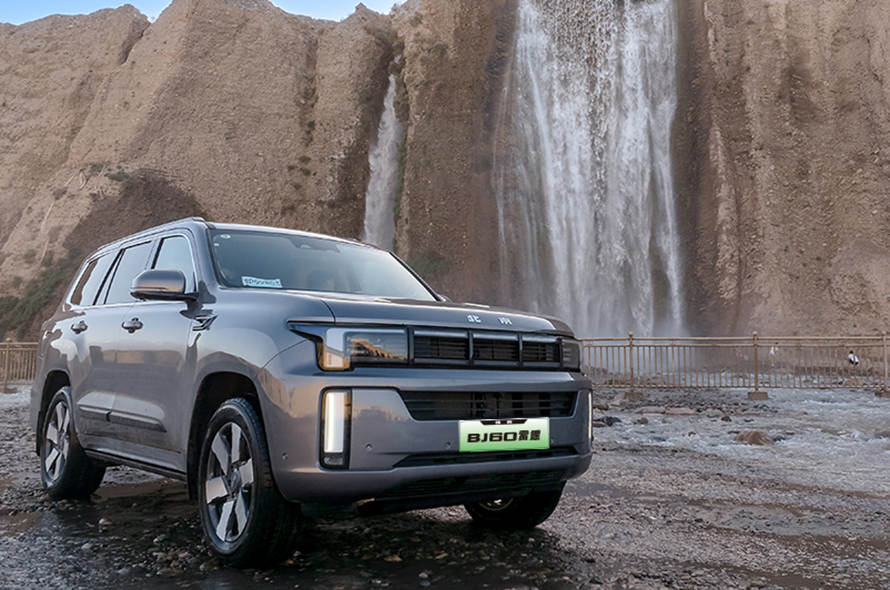
- The Bj60 is an off-road-oriented SUV available in five- and seven-seat configurations.
- The export lineup includes 2.0T editions and Magic Core E-Drive Advanced derivatives.
- Battery, electric range, charging, equipment and dimensions must be verified for the selected configuration.
- Current per-unit prices, availability and seller-specific MOQ terms are shown in the live Bj60 listings.
- Landed cost should include freight, insurance, customs, taxes, registration and homologation rather than vehicle price alone.
- The Bj60 best suits dealers and fleets that need rugged positioning, passenger flexibility and distinctive SUV design.
Why the BAIC ORV Bj60 matters for export markets
The BAIC ORV Bj60 occupies a useful middle ground in the Chinese export SUV market: it is an off-road-oriented, five- or seven-seat vehicle rather than a compact crossover or a full-size luxury SUV. That positioning gives importers a rugged product story for dealers serving outdoor, utility and regional markets, while avoiding the operating costs and parking demands of a much larger body-on-frame model. Its appeal is therefore commercial as well as visual: the vehicle can broaden a showroom around adventure, utility and family transport. The design also supports fleet buyers comparing capability with practical passenger capacity.
Global demand for vehicles in this segment is driven less by fashion than by the operating environment. Dealers in markets with rough roads, seasonal weather or growing outdoor-tourism sectors can use the Bj60 to address customers who want SUV presence and off-road capability without moving to a premium badge. The five-seat format can appeal to adventure fleets and modified-vehicle businesses, while the seven-seat format supports family and passenger work. Export success still depends on local fuel, charging and road infrastructure, so the model’s fit must be assessed market by market.
For an overseas buyer, the Bj60 is most compelling when it can be sold as a distinctive, capable SUV and supported with credible parts, homologation and after-sales arrangements. Before committing, examine the exact listing rather than the model badge: drivetrain, seating, edition equipment, steering position and documentation can differ across export units. The BAIC ORV brand hub and live Bj60 listings are the appropriate starting points, but a quote should also state what is excluded from the advertised export price. This avoids comparing vehicles that are equivalent only at brochure level.
- Five- and seven-seat body choices.
- 2.0T and Magic Core E-Drive branches.
- Off-road positioning suits capable-SUV niches.
Model range, trims and powertrain variants: how the lineup is structured and how to choose
The export-facing lineup is built around two visible families in the marketplace: 2.0T versions, including 11th Edition, National Day Edition and May Day Edition, and Magic Core E-Drive Advanced versions. Both five-seat and seven-seat bodies appear within these families. Edition names should not be treated as a simple equipment ladder; they can identify a model-year package, powertrain and seating combination. For BAIC ORV Bj60 specs, use the complete listing name and request a configuration sheet before making assumptions about equipment or capability. Ask for a signed specification sheet.
Start with the body choice, because five- and seven-seat versions solve different fleet and household problems. A five-seat Bj60 normally prioritises a larger, more accessible cargo area and can suit equipment transport, tour operators, or buyers who need occasional third-row flexibility without carrying the packaging penalty. The seven-seat version adds passenger capacity for family, hotel or government-style use, but buyers should verify seat access, luggage volume with all rows raised, and whether the third row is intended for children, adults or occasional use. Seating count alone does not describe comfort or load capacity.
The 2.0T branch gives buyers a familiar petrol-oriented starting point, while Magic Core E-Drive versions require a different operating calculation. Do not infer battery capacity, usable electric range, charging curve or motor output from the trim badge alone; these figures can vary with the precise derivative and should be checked on the live listing or manufacturer configuration sheet. If the destination has low-emissions incentives, reliable charging or high annual mileage, compare the real energy plan. If long-distance refuelling is the norm, assess the E-Drive variant only after confirming its range, charging compatibility and support.
- Match seating to cargo and passengers.
- Confirm battery, range and charging per derivative.
- Treat edition names as configuration labels.
New vs used BAIC ORV Bj60: how export inventory is structured and how buyers choose
For a relatively new Chinese export name, factory-new vehicles are generally the main practical sourcing route. They allow an importer to define condition, mileage, paint, specification and delivery expectations from the outset, which is especially helpful when the model has a limited local sales history. New inventory can also make warranty handling and initial inspection more straightforward if the buyer preserves factory documents. The advantage is not automatically lower risk: buyers should still inspect transport damage, verify the production date and confirm that the delivered vehicle matches the quoted edition.
Used Bj60 opportunities are less standardized and should be assessed as individual vehicles rather than as a uniform programme. A used example may already carry local-market adaptations, unfamiliar cosmetic wear or a history that cannot be reconstructed from a catalogue alone. Overseas buyers therefore need the VIN, service record, accident and repaint evidence, photos, tyre and underbody condition, battery or hybrid-system health where applicable, and an independent inspection. Never let the model name substitute for a unit-specific condition report, especially when buying for resale rather than self-use before shipment or registration.
Choose new when launch cost is less important than configuration certainty, warranty transferability and predictable presentation. Choose used when the vehicle’s history is fully evidenced, local testing is possible and the acquisition economics justify the condition risk. For either route, compare total landed cost rather than asking only for the vehicle price: freight, insurance, duty, taxes, registration, compliance work and expected early-life maintenance belong in the same worksheet. Review live Bj60 listings for the configurations currently offered, and ask the supplier to confirm whether a specific unit is factory-new, demonstrator or previously registered.
How export pricing works: the factors behind a live listing price, and how to read one
A live BJ60 export price is not a universal wholesale tariff; it is a negotiable quote attached to a particular vehicle, specification and delivery scope. The vehicle-side variables include model year, 2.0T or Magic Core E-Drive derivative, five- or seven-seat layout, edition, mileage or condition, paint, optional equipment, production date and whether the seller is located in China. The transaction-side variables include exchange-rate movement, payment terms, documentation, transport space, insurance and the selected Incoterm. Always ask whether the displayed amount is FOB, CIF or another basis, because the comparison is incomplete until that scope matches.
Buyers often focus on the headline quote, but the more useful comparison is landed cost. Under an FOB basis, the buyer typically arranges main carriage, insurance and destination charges; under CIF, carriage and insurance may be included to the named port; under DAP-style terms, more cost and risk may sit with the seller until arrival. Local taxes, customs clearance, port handling, storage, registration and compliance charges can then change the commercial result. Freight rates vary by route, season, equipment availability and the size of the consignments, so a quote based on one sailing or loading pattern should not be treated as fixed.
To read a live listing correctly, capture the SKU or reference, exact model name, year, seat count, powertrain, steering position, condition, stated MOQ, Incoterm, destination basis, validity period and what documents are included. Compare only like-for-like vehicles and request a written quotation if the page leaves any material item ambiguous. The live inventory is where the current binding per-unit price and availability are shown; it should supersede any remembered figure or indicative range. A disciplined importer also records whether shipping, customs, tax and commissioning are excluded, preventing a low vehicle quote from becoming an expensive project.
- Compare identical configurations only.
- State FOB, CIF or DAP scope.
- Add duties, freight and registration.
MOQ, ordering and payment: single units vs consolidating a container
MOQ is listing-specific rather than a permanent property of the Bj60 model. Some export sellers may accept a single vehicle, while others set a lot requirement, allocate production slots, or offer better economics for a consolidated shipment. Read the MOQ field on each live listing and include it in the written quotation; do not infer the seller’s rule from a previous inquiry. If one unit is permitted, clarify whether the unit must be a particular colour, edition or seat configuration and whether the MOQ is counted in vehicles, mixed lots or a container equivalent. This matters before payment.
Single-unit purchasing suits a dealer testing demand, an importer developing a local sales channel, or a fleet buyer needing one configured vehicle without tying up a full container. It offers lower exposure, but unit freight, handling and fixed compliance costs can be less efficient, and the buyer should ask whether the seller consolidates vehicles from different owners. A container-consolidated order can reduce per-vehicle logistics cost and improve allocation control, but it adds capital, storage and sell-through risk. Model the cash cycle and expected holding period before committing to a larger mixed lot.
A sound transaction follows a clear sequence: specification lock, unit or lot approval, written commercial terms, payment through the agreed channel, pre-shipment inspection, document check, balance payment, loading evidence and freight release. The purchase contract should identify the exact vehicle or agreed selection criteria, deposit structure, balance trigger, inspection rights, cancellation terms, title transfer and Incoterm. Do not pay an unexplained balance before the inspection and shipping evidence are accepted, and do not rely on informal messages when a clause materially changes the deal. ChinaCarDirect can be used to request an RFQ against current listings and clarify these points before commitment.
- Read each listing's MOQ field.
- Consolidate only against demand.
- Contract inspection and payment triggers.
Shipping, homologation and market compliance caveats: LHD/RHD and import rules by country
Transport planning starts with the chosen vehicle configuration and destination, not just a port-to-port rate. A five-seat unit and a seven-seat unit may create different packing constraints, while the shipment mode—RoRo or container—depends on carrier schedules, available equipment and the number of vehicles being consolidated. Freight cost is affected by route distance, fuel and handling surcharges, port congestion, seasonality, cargo dimensions, insurance and delivery scope. Request a forwarder quotation using the actual VIN or packing list, and confirm whether the quote includes loading, destination terminal charges, customs clearance or only the leg between named points.
Steering configuration is a first-order purchase check, not a last-minute adaptation. Left-hand-drive and right-hand-drive availability depends on the source variant and the seller’s export preparation, and a listing should state the steering position explicitly. A vehicle imported for a right-hand-drive market must match local registration requirements; modifying the steering side later can add cost, delay and homologation risk. Ask for photographs of the VIN plate and steering position, and obtain written confirmation before paying. The relevant BAIC ORV page and individual unit listing are the proper evidence, while the importing country’s rules remain the controlling authority.
Import approval may involve customs classification, duties, VAT or equivalent taxes, emissions standards, safety requirements, VIN and document checks, local type approval, insurance and registration. A Chinese-market plate, Chinese-language certification or an existing export certificate does not automatically satisfy another jurisdiction. Some markets impose restrictions on powertrain type, emissions stage or equipment versions, so buyers should obtain a written view from a customs broker or vehicle-homologation specialist before the final payment. Keep the Certificate of Conformity, invoice, export declaration and other supplied records with the vehicle file. Approval cost and lead time should be included in the landed-cost model.
- Verify steering side before payment.
- Obtain destination-specific homologation advice.
- Separate freight quote from landed cost.
Who should buy the Bj60 — and who should pick a different vehicle
The strongest case for the Bj60 belongs to a dealer or fleet buyer that needs a visibly rugged SUV with genuine passenger or cargo utility and operates where paved-road comfort alone is not enough. It can suit adventure-tour operators, equipment businesses, regional mobility fleets and family-use dealers seeking a distinctive seven-seat option or a more spacious five-seat alternative to conventional crossovers. The vehicle also gives Chinese-brand importers a product with visual differentiation. That case strengthens when local service capability, spare-parts planning and type approval are resolved before launch rather than treated as post-sale concerns.
Within that audience, five-seat buyers should prioritise usable load space, towing or equipment requirements where relevant, and the operating cost of their chosen powertrain; seven-seat buyers should focus on third-row usability, access, ventilation and luggage capacity with every row occupied. Buyers for city-only use should examine size, parking, fuel consumption and tyre costs more carefully, because off-road capability may not repay its cost in their duty cycle. A fleet that values warranty certainty and established residual values may also prefer a more familiar mainstream brand. The Bj60 makes more sense when its operating environment gives the rugged positioning practical value.
Pick a different vehicle when your priority is the lowest purchase and running cost, a very compact footprint, guaranteed right-hand-drive supply in a market where it is not offered, or immediate access to mature local parts and dealer support. Mainstream crossovers may be easier to finance and resell; electrified rivals may provide clearer efficiency data; and established off-road nameplates can reduce perceived purchase risk. None is automatically better: the deciding evidence is the destination, fleet duty cycle, compliance route, service network and holding period. Treat the Bj60 as a fit-for-purpose import, not a substitute for every SUV.
- Best for rugged, space-conscious fleets.
- Compare urban alternatives on running costs.
- Validate parts and residual-value support.
Main rivals and how the Bj60 compares
The closest comparison depends on the market, but three models frame the Bj60’s decision most usefully. The GWM Tank 3 is a direct Chinese-market rival for rugged five- or seven-seat SUV buyers, so the decision often turns on powertrain mix, equipment, local service coverage and delivered commercial terms. The Jetour Traveller is another credible Chinese export alternative, often attractive where buyers want an off-road-styled SUV with a more comfort-led, electrified range. These comparisons should be made from current configuration sheets, because trim names and equipment bundles can change from one export programme to another.
Ford Everest provides a useful global seven-seat utility benchmark, with a different emphasis: family utility, established-market familiarity and a pickup-derived platform. Its dealer recognition can reduce perceived purchase risk in markets where it is already sold, although acquisition, fuel and ownership commitments may differ from those of a Chinese import. The Bj60’s counter-argument is generally product value and a distinctive combination of seating and powertrain choices, not equal global aftersales maturity. For fleet buyers, compare warranty response, parts lead time, insurance and residual assumptions as carefully as equipment; a strong badge cannot compensate for unavailable parts in a remote operating region.
Rather than declaring a universal winner, build a weighted comparison around the destination: off-road use, road-surface quality, charging or refuelling access, seven-seat demand, import rules, dealer network, parts supply and the target retail customer. The Bj60 is especially competitive when it meets a clear need for rugged styling and space at a disciplined landed cost. It is less compelling when the mission is purely urban commuting, when charging infrastructure is uncertain for an electrified derivative, or when resale depends heavily on an established manufacturer network. Direct quotes from each shortlisted model make the final comparison far more reliable than brochure features.
Live BAIC ORV Bj60 export inventory
View all listings →Real units currently on ChinaCarDirect with per-unit asking prices and MOQ. Availability updates live from the catalogue.
BAIC ORV Beijing Off-Road BJ60 Leiting 2024 Magic Core E-Drive Advanced 5-seater
BAIC ORV Beijing Off-Road BJ60 Leiting 2024 Magic Core E-Drive Advanced 5-seater
BAIC ORV Beijing Off-Road BJ60 Leiting 2024 Model Magic Core E-Drive Advanced 7-Seater
BAIC ORV Beijing Off-Road BJ60 2022 2.0T May Day Edition 5-Seater
How to buy a BAIC ORV Bj60 from China
-
1
Define the destination and duty cycle
Record the import country, road conditions, annual mileage, passenger requirement, charging or refuelling access and local homologation route before selecting a derivative.
-
2
Choose the body and powertrain
Compare five- and seven-seat layouts with the 2.0T and Magic Core E-Drive branches. Obtain a configuration sheet covering equipment, seating, battery, range and charging where applicable.
-
3
Review exact live units
Use the current Bj60 listings to identify a matching vehicle or the available selection criteria. Verify year, trim, steering side, condition, documents and seller-specific MOQ.
-
4
Request a like-for-like landed quotation
Ask for a written quote stating the Incoterm, destination basis, freight inclusions, documentation, payment terms, quote validity and any excluded taxes or charges.
-
5
Contract the inspection and payment process
Define deposit and balance triggers, pre-shipment inspection rights, document checks, cancellation terms and what evidence must be supplied before final payment.
-
6
Inspect, ship and complete customs clearance
Approve the vehicle or lot after inspection, retain the signed documents, confirm loading evidence and work with the freight forwarder and customs broker through destination delivery.
Bj60 vs rivals
| GWM Tank 3 | The Tank 3 is a close Chinese-manufactured rival for buyers seeking a rugged SUV with off-road character. Compare configuration, powertrain, local parts support and delivered terms, especially if seven-seat flexibility is important. |
|---|---|
| Jetour Traveller | The Traveller is a credible alternative for buyers balancing rugged styling with comfort and electrified options. It may suit customers seeking a different Chinese-brand presentation, so direct quotations and destination-specific comparisons are essential. |
| Ford Everest | The Everest is a mainstream seven-seat utility benchmark with greater familiarity in some established markets. The Bj60 may offer a more distinctive off-road proposition and different cost structure, while the Everest may carry stronger local resale recognition. |
Frequently asked questions
How is the BAIC ORV Bj60 export price determined?
The price is based on the individual vehicle’s year, trim, powertrain, seating, condition, equipment and the seller’s commercial terms. Freight, insurance, payment conditions, exchange-rate movement and the selected Incoterm also affect the quote. Current binding per-unit prices are shown in the live BAIC ORV Bj60 listings and should be confirmed in writing.
What engine, battery and range should I expect?
The export lineup includes 2.0T editions and Magic Core E-Drive Advanced derivatives, with five- and seven-seat configurations. Exact engine outputs, battery capacity, electric range, motor specifications and charging compatibility depend on the derivative and must be checked in the live listing or manufacturer configuration sheet.
Is buying a used BAIC ORV Bj60 practical for export?
Used examples require more vehicle-specific due diligence because condition, service history, prior adaptations and accident evidence may not be standardized. Factory-new sourcing generally offers clearer configuration and condition expectations. For either option, inspect the individual unit and retain verifiable service, identity and transport-damage records.
What is the MOQ for a Bj60 order?
MOQ is set by the seller and listing rather than being a permanent model-wide rule. Some sellers may accept one vehicle, while others require a lot or consolidated shipment, so read the MOQ field and obtain it in the written quotation before paying.
What determines shipping time and cost?
Shipping time and cost depend on the destination, route, shipment method, vehicle configuration, container consolidation, carrier schedule, port conditions, fuel and handling surcharges, insurance and delivery scope. Ask the freight forwarder for a route-specific quote based on the actual vehicle and confirm exactly which terminal and customs services are included.
How are spare parts supplied for an imported Bj60?
Parts should be ordered against the vehicle identification number or confirmed part number, with compatibility checked before shipment or installation. Buyers should establish supplier lead times, freight method, warranty coverage and the local repair network before launch. The expected parts-support arrangement should also be reflected in the landed-cost and warranty assumptions.
Is right-hand-drive availability guaranteed?
No. Steering-side availability depends on the source derivative, export preparation and the individual listing. Check the live unit’s steering position and obtain written confirmation that it meets the destination’s registration rules rather than assuming a local conversion will be acceptable.
How do I order a BAIC ORV Bj60 from China?
Start with the live Bj60 inventory, select the relevant configuration and request a written quote against a specific listing or agreed selection criteria. Lock the specification, MOQ, Incoterm, payment milestones, inspection rights and documents in the contract, then arrange inspection, freight and customs clearance before final release.
Ready to source the BAIC ORV Bj60?
Request a live BAIC ORV Bj60 quotation with the exact trim, MOQ, Incoterm, documentation and landed-cost terms you require.
Request a quote