
BAIC ORV Bj80 Export Guide for Dealers and Fleets
Plan a BAIC ORV Bj80 export purchase with practical guidance on trims, powertrains, pricing, MOQ, shipping, compliance and rival options for overseas importers.
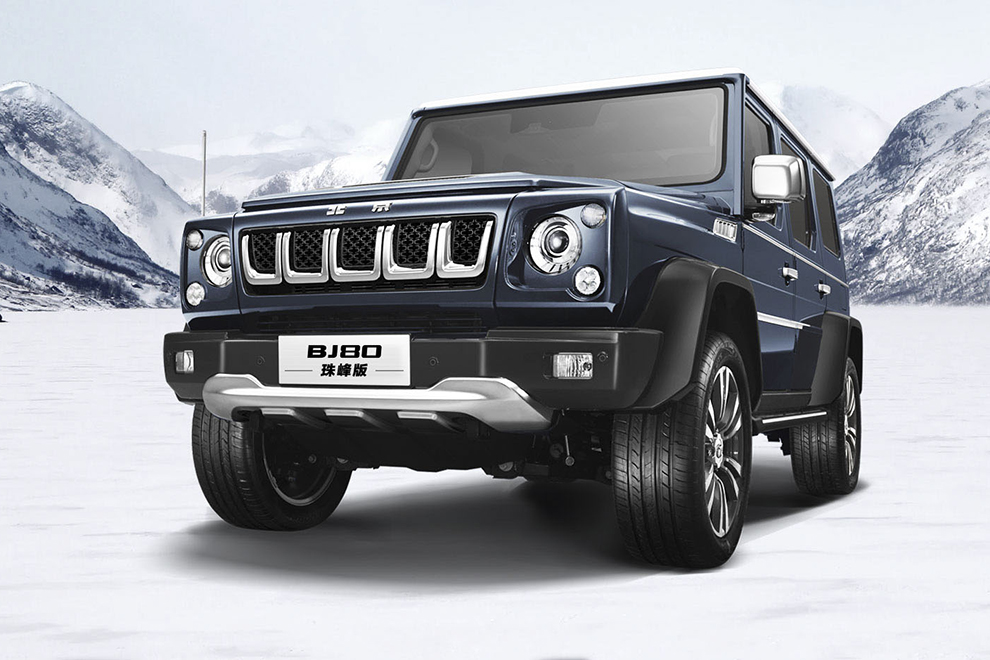
At a glance
- The Bj80 is a five-door, body-on-frame off-road SUV built around internal-combustion powertrains.
- Visible engine choices include 2.3T and 3.0T turbo gasoline plus a 2.8TDi diesel.
- Automatic and manual versions address different importer and fleet use cases.
- Edition names vary by year, so VIN-level mechanical and equipment checks are essential.
- Live per-unit pricing, MOQ and availability determine the actual export commitment.
- Import viability depends on steering side, homologation, parts support and shipping terms.
Why the BAIC ORV Bj80 matters for export markets
The BAIC ORV Bj80 occupies the body-on-frame off-road SUV segment, combining a five-door, rugged format with the sourcing flexibility sought by overseas importers. It exceeds a compact crossover in size and focuses on utility rather than comfort. That gives it a clear role where buyers need ground clearance, four-wheel-drive capability and a durable platform for rural, construction, mining or emergency work. It is not an established global name in the way Toyota, Jeep or Ford is in dealer showrooms or fleet catalogues, so international demand is likely to be use-case-led rather than badge-led.
For overseas buyers, the Bj80’s appeal is less about prestige than the balance between capability, acquisition cost and operating considerations. Dealer groups can position it as a China-sourced alternative to established body-on-frame rivals, while private importers may value the availability of differentiated 2.3T, 3.0T and 2.8TDi configurations. The model can suit buyers who understand Chinese domestic specifications and can support parts, diagnostics and compliance locally. For markets with strong Chinese-brand recognition, that familiarity may matter more than international badge equity when local servicing and resale networks are still developing across the country.
Demand should therefore be matched carefully. The vehicle is most logical where off-road design has commercial value, not simply where a large SUV is fashionable. Fleet buyers should test payload, fuel availability and service access before committing; leisure buyers should verify ride comfort, equipment and local registration rules. The safest purchase decision begins with a precise trim, drivetrain and destination check, then uses current live inventory as the source for unit-specific availability. That sequence prevents an unsuitable Bj80 from becoming an expensive compliance problem, parts problem or costly withdrawal abroad.
- Body-on-frame, five-door off-road utility.
- Gasoline and diesel powertrain options.
- Strongest fit where local support exists.
Model range, trims and powertrain variants: how the lineup is structured and how to choose
The model range is organized around engine displacement, transmission and equipment tier rather than a single global trim chart. Visible configurations include 2.3T and 3.0T turbo gasoline versions, a 2.8TDi diesel, automatic transmissions and a manual 2.3T option. Named grades such as Premium, Glory, Supreme, Excellence and Tribute communicate hierarchy or special editions, but they are not always directly comparable across model years. The 90th Anniversary and China VI labels are especially useful identifiers when requesting a quotation, not proof of overseas homologation without destination-specific documentary checks or prior approval in that market.
Choosing between them begins with duty cycle. The 2.3T turbo gasoline is the broadest-looking family across several trims and may be the easier proposition where petrol is common and a modern automatic is preferred. The 3.0T automatic grades target buyers wanting the larger gasoline option and a higher equipment position. The 2.8TDi manual combines diesel torque characteristics with a driver-intensive transmission choice, so it may suit specialist fleet buyers comfortable with that operating pattern. Exact output, fuel consumption and payload must be taken from the specific vehicle, not inferred from the badge.
When comparing BAIC ORV Bj80 specs, equipment selection should be handled as a three-part comparison: powertrain, mechanical content and cabin specification. A listing with a prestigious-sounding edition name may still differ in axles, locking differentials, infotainment or safety equipment from another vehicle of the same title. Because the model has been offered across years and special editions, compare the VIN-level specification and option list. Also check whether the desired body, automatic or manual gearbox, fuel type and emissions version are actually the same in every quote being considered on a like-for-like basis before payment.
- 2.3T turbo gasoline family.
- 3.0T automatic gasoline option.
- 2.8TDi manual diesel option.
New vs used BAIC ORV Bj80: how export inventory is structured and how buyers choose
Export listings for the Bj80 can mix different model years, editions and sourcing definitions, so the word “new” should be interpreted carefully. In parallel-export channels, a vehicle may be described as new because it is unregistered or has not been driven locally, even though it is not a current factory production. This can create a useful middle category: newer appearance and warranty assumptions at the source, combined with age-related depreciation. Buyers should ask whether the vehicle is current stock, an older unregistered parallel export or a demonstrator, and request the production and registration dates.
For a dealer, an unregistered earlier-year vehicle may offer a lower acquisition route into a rugged SUV category, but it should be valued as aged inventory rather than a factory-fresh model. Check odometer evidence, tire age, fluid condition, paint, underbody exposure, accident repair and service history. A genuinely used Bj80 can be financially attractive, yet warranty support, wear items and technology compatibility may be less favorable. For fleet use, repair history and parts availability often outweigh cosmetic freshness, especially where vehicles work daily rather than make occasional leisure trips or weekend excursions.
A live marketplace inventory is still the right place to begin, provided the buyer reads each condition field rather than assuming all examples are identical. Compare each unit’s model year, trim, mileage disclosure, gearbox, fuel, VIN documentation and seller location. Repeated SKU references may represent duplicated records of one vehicle rather than separate physical stock, so ask the seller to identify the chassis and reconcile any repeated entries before budgeting transport or comparing that unit against another supplier. This verification is especially important when negotiating several similar-looking units at once before contracting or payment.
- Clarify the seller’s definition of new.
- Verify dates, mileage and VIN.
- Inspect used vehicles before importing.
How export pricing works: the factors behind a live listing price, and how to read one
A BAIC ORV Bj80 export price is not simply the Chinese retail price. It is a negotiated total built from vehicle cost, sourcing, condition, administration and delivery. The model year, trim, engine, transmission, mileage, paint status and originality materially affect the base vehicle value. At vehicle level, exchange-rate movements, freight, marine insurance, port handling, documentation, destination taxes and customs charges can alter the landed result. Incoterms then determine which party pays for each stage, so two listings can appear different even when they describe similar vehicles with different commercial assumptions and responsibilities.
To read a listing correctly, separate the vehicle line from the logistics estimate. First confirm the exact trim, model year, engine, gearbox, VIN, condition and seller location. Then inspect whether the displayed amount is FOB, CIF or another term, and identify what is excluded. Request a written pro forma invoice separating vehicle price, inland transport, export handling, ocean freight, insurance and destination charges. This makes quotations comparable and reveals whether a seemingly favorable listing has simply moved more cost outside the displayed number without changing its economic substance for the buyer.
Timing and negotiation can also influence the final figure. A buyer who needs a specific edition may have less choice than one able to accept equivalent year, trim or mechanical specification. Conversely, comparing several live units can improve commercial leverage and reveal stock duplication. Never rely on a historic marketplace range or a third-party valuation as the binding number. The current per-unit price on ChinaCarDirect, together with a seller-issued quotation, is the correct reference for the vehicle; a landed-cost worksheet is needed to compare offers in different markets and currencies for side-by-side evaluation.
- Compare year, trim and condition.
- Separate vehicle cost from freight.
- Use the live unit price.
MOQ, ordering and payment: single units vs consolidating a container
MOQ means the minimum order quantity a seller will accept for a particular listing or transaction, not a universal Bj80 rule. Some suppliers will release one unit to a test buyer, while a BAIC ORV Bj80 wholesale offer may require several vehicles or a full shipment allocation. The live listing should be checked for its current MOQ terms and then confirmed in writing. A low displayed minimum does not guarantee availability, and willingness to split stock should be established before payment rather than assumed from a general marketplace policy in writing.
A one-unit purchase is operationally simple for an importer testing demand, arranging inspection or serving a local customer, but unit freight can be expensive and the vehicle may be older or less competitively specified. Consolidating several units spreads fixed booking, documentation and inland-handling costs more efficiently and gives a dealer a more commercial stock position. It also concentrates risk in one vessel sailing and creates more exposure to a single specification error. Compare the landed cost per vehicle, not only the supplier’s per-unit price or the total deposit or freight quote.
Before funds are transferred, the purchase contract should identify the vehicle or allocation, Incoterm, payment milestones, inspection rights, document list, shipping schedule and cancellation terms. A deposit commonly reserves stock while the balance is tied to agreed conditions, but the actual sequence must be confirmed. Buyers should specify who bears risk once the vehicle leaves the origin terminal, what happens if inspection fails, and how title, export declaration and bill of lading will be handled. Use protected payment channels and match the seller’s legal entity and bank details to the signed documents.
- Confirm listing-specific MOQ in writing.
- Compare landed cost per vehicle.
- Define inspection, payment and risk.
Shipping, homologation and market compliance caveats: LHD/RHD and import rules by country
Steering configuration is the first destination check. Most Chinese-market examples are supplied in left-hand-drive form, while right-hand-drive availability must be established for each trim and market. Do not assume a model exists in LHD and RHD variants with identical equipment. A conversion can involve sourcing a local RHD dashboard, wiring, steering components and related approvals, and it may affect delivery timing, residual value and warranty claims. Ask for the steering side, VIN, build plate and photographs of the driver position before agreeing any shipping plan or deposit terms in advance and in writing.
Local registration is not guaranteed by the existence of a Chinese sale listing. Import authorities may require evidence on emissions, vehicle identification, safety, noise, lighting, roadworthiness, customs classification and, depending on the market, local type approval. The China VI designation attached to some domestic configurations should not be treated as automatic acceptance elsewhere. A competent importer, broker or homologation specialist should map the exact vehicle to destination rules before contracting, especially for a diesel model, a modified RHD conversion or a vehicle not originally built for the destination market involved. The importer should document that mapping.
Shipping method should reflect urgency, quantity and residual risk. Ro-ro, container and specialist heavy-equipment services have different handling assumptions, and one vehicle may move differently from a consolidated container. Marine cargo insurance, inspection, port charges, customs clearance and inland delivery should be quoted separately where possible. Secure the vehicle mechanically without damaging paint or weather seals, photograph the condition at loading, retain inspection reports and confirm whether batteries, fuel, tools or loose equipment are permitted for the voyage and destination because a missing document can delay clearance and increase storage charges.
- Confirm steering side before contracting.
- Map the vehicle to local rules.
- Document condition before loading.
Who should buy the Bj80 — and who should pick a different vehicle
The Bj80 is a strong candidate for an importer or dealer that wants a rugged, body-on-frame five-door SUV with a differentiated China supply chain. It can make sense for off-road equipment businesses, regional distributors, rural service fleets and buyers seeking higher seating and utility than a compact crossover. It is also useful as a test vehicle for a dealer evaluating Chinese brands, provided the importer can secure parts, technician knowledge and a realistic route to registration. The value proposition is capability and sourcing flexibility, not instant brand recognition in the market.
It is less suitable for buyers whose priorities are low running cost in a fuel-taxed market, a plug-in powertrain, a compact footprint for urban garages or a vehicle with a deeply established global residual-value network. It may also be a weak fit where stringent local emissions rules are difficult to reconcile with an imported configuration. Fleet operators should not select it solely on rugged appearance: payload, fuel availability, uptime, parts lead times and operator training can outweigh the initial vehicle economics. A test-and-verify approach is safer than a volume commitment based only on photographs.
The best buyer has a clear use case, a destination compliance plan and a support plan. For leisure use, compare the actual road behavior, luggage capacity and fuel stop strategy with a vehicle designed mainly for pavement. For commercial use, request fleet-grade documentation and establish how warranty claims will be handled across borders. If the intended market rewards established resale branding, a rival may deliver a faster sale even at a different acquisition level. If rugged capability, diesel choice or distinctive Chinese design matter more, the Bj80 deserves a place on the shortlist.
- Suited to off-road and specialist fleets.
- Requires local diesel and parts support.
- Test before fleet-volume commitment.
Main rivals and how the Bj80 compares
The closest alternatives divide into China-origin value rivals and established global body-on-frame models. The Haval H9 is the closest Chinese comparison because it also uses a large off-road-oriented format and competes for dealer buyers seeking rugged utility. GWM Tank 300 offers a more specialized off-road image with a different size and equipment position. The Toyota Land Cruiser Prado leads in international recognition, homologation familiarity and expected resale, although its acquisition and ownership profile differs. Compare seating, luggage space, turning circle, fuel access and after-sales coverage, since practical fit can outweigh badge familiarity.
Against the Haval H9, the Bj80’s differentiator is its own 2.3T, 3.0T and 2.8TDi mix, which can give some buyers a broader powertrain choice than a like-for-like trim comparison. Its special editions may carry more visual differentiation, but buyers should compare mechanical hardware and service access rather than badge image. Against the Tank 300, the BJ80 may offer a larger, more traditional five-door package for buyers prioritizing cabin and utility; the Tank may feel more overtly lifestyle-focused. Verify dimensions, equipment and drivetrain on each quotation before choosing a shipping destination strategy.
Against the Land Cruiser Prado, the Bj80 can be attractive to a value-conscious importer who accepts lower global brand recognition and builds a local support structure. The Prado generally carries stronger expectations for global parts familiarity, broad homologation experience and resale, making it relevant where long-term ownership risk dominates. It does not automatically make the Bj80 mechanically superior; engine output, off-road hardware, safety, emissions and serviceability must be checked model by model. The practical comparison is therefore total ownership fit, not simply the newest dashboard, boldest edition badge or strongest resale promise.
- Haval H9: closest Chinese utility rival.
- Tank 300: lifestyle-focused off-road alternative.
- Land Cruiser Prado: global brand benchmark.
Live BAIC ORV Bj80 export inventory
View all listings →Real units currently on ChinaCarDirect with per-unit asking prices and MOQ. Availability updates live from the catalogue.
BAIC ORV Beijing Off-Road BJ80 2020 3.0T Automatic Supreme Edition
How to buy a BAIC ORV Bj80 from China
-
1
Set the destination and use case
Choose the destination market, steering side, fuel preference, passenger capacity and load requirements. This prevents a trim that appears attractive in a listing from becoming unsuitable after freight and compliance costs.
-
2
Shortlist live Bj80 inventory
Review the live Bj80 inventory and compare model year, trim, engine, transmission, condition and seller location. Treat repeated SKU references as possible duplicate records until the seller confirms the physical vehicle.
-
3
Verify each chassis
Request the VIN, build plate, photographs, factory option list, odometer disclosure, registration status and service records. For older unregistered or used stock, inspect paint, tires, underbody condition and accident history.
-
4
Request written commercial terms
Ask for the unit price, MOQ, Incoterm, deposit, balance, documentation list, inspection rights, lead time and cancellation terms. Require the seller to identify the exact chassis covered by the quotation.
-
5
Complete a pre-shipment inspection
Use an independent inspector to check the cold start, fluids, underbody, tires, odometer, mechanical equipment and documents. Record any discrepancy before authorizing dispatch or the final payment stage.
-
6
Clear compliance before dispatch
Confirm local type approval, emissions, safety, VIN, customs classification, duties and taxes, as well as any RHD conversion requirements. Use a destination specialist or broker to document the vehicle’s compliance path.
-
7
Arrange shipping and delivery
Compare the cost and risk of Ro-ro, container and specialist transport under the intended Incoterm, including insurance, port handling and inland delivery. Photograph loading and retain customs, shipping and condition documents through delivery.
Bj80 vs rivals
| Haval H9 | The Haval H9 is the closest China-sourced body-on-frame comparison for buyers prioritizing rugged utility and dealer-group value. The Bj80 stands out through its visible 2.3T, 3.0T and 2.8TDi powertrain mix, but Haval’s stronger recognition in some export markets may simplify resale. |
|---|---|
| GWM Tank 300 | The Tank 300 is a more overtly lifestyle-focused off-roader and offers a useful alternative for modified or adventure-oriented buyers. The BJ80 may suit those who want a larger, more traditional five-door utility package, so dimensions and rear-cab practicality should be compared directly. |
| Toyota Land Cruiser Prado | The Land Cruiser Prado carries much stronger global brand familiarity, homologation experience and resale expectations, but usually sits at a different acquisition level. Choose the Prado where long-term parts confidence and brand liquidity outweigh the Bj80’s China-sourcing opportunity. |
Frequently asked questions
How is BAIC ORV Bj80 export pricing determined?
Export pricing starts with the specific vehicle’s year, trim, engine, transmission and condition, then reflects exchange-rate, freight, insurance, port, documentation and destination effects. Incoterms determine which charges are included, so compare written landed-cost breakdowns rather than headline numbers. The current unit price, MOQ and availability should be checked in ChinaCarDirect’s live Bj80 inventory and confirmed in the seller’s quotation.
What powertrain and range does the Bj80 use?
Visible BJ80 configurations are internal-combustion models: 2.3T and 3.0T turbo gasoline engines, plus a 2.8TDi diesel. Automatic and manual transmissions appear depending on trim, and electric range or battery capacity does not apply to these versions. Exact output, consumption and emissions figures must be verified for the selected vehicle.
Is a used Bj80 better value than new or unregistered stock?
New or unregistered older-year stock can provide a lower acquisition route, but it should be assessed for age, tires, underbody condition, mileage and service history. A used vehicle may cost less but can have more wear and less favorable warranty or parts support. Compare a physical inspection and the same landed-cost worksheet for every candidate.
What is the MOQ for a BAIC ORV Bj80 wholesale order?
MOQ is set by the seller and transaction, not by a permanent Bj80 policy. A listing may accept a single test unit, while a wholesale or container offer may require an allocation; check the live listing and obtain written confirmation. Unit price does not guarantee immediate availability, so identify the chassis and reserve it contractually.
How long does Bj80 shipping take and what determines its cost?
Shipping cost depends on origin, destination, vehicle preparation, route, booking space, marine insurance, port handling, customs and inland delivery. Transit time varies with sailing schedules, consolidation, documentation and clearance, so no fixed estimate should be assumed. Ask for an itemized quote using the intended Incoterm and confirm the vessel, roll-on-roll-off or container method.
Can spare parts be ordered for the Bj80?
Spare-part support varies by market and trim because some components are model-specific. Before ordering, identify commonly needed service parts, confirm a local or regional supply route, and obtain part numbers for the exact vehicle. Dealers can also agree on spare-parts kits, initial service items or remote technical support, but delivery lead times should be confirmed.
Is a right-hand-drive BAIC ORV Bj80 available?
Most Chinese-market BJ80 examples are left-hand-drive, and right-hand-drive availability must be checked for each listing and destination. A conversion may be possible, but it can affect cost, lead time, approvals, warranty and resale. Never assume an RHD model is available or equivalent without written supplier confirmation.
How do I buy a BAIC ORV Bj80 from China?
Start from the live Bj80 listings, shortlist matching units and request an RFQ with the destination, preferred engine, transmission, trim and quantity. Ask the seller to confirm the VIN, condition, MOQ, Incoterm, payment milestones, inspection rights, documents and dispatch plan. After due diligence and payment under a signed agreement, arrange compliant shipping and final delivery.
Ready to source the BAIC ORV Bj80?
Request a quote to buy a BAIC ORV Bj80 from China, with your destination, preferred trim, quantity and Incoterm specified.
Request a quote