
BAIC ORV Bj90 Export Guide for International Buyers
Compare BAIC ORV Bj90 trims, engines, pricing factors, MOQ, shipping and compliance before buying a full-size off-road SUV from China with confidence.
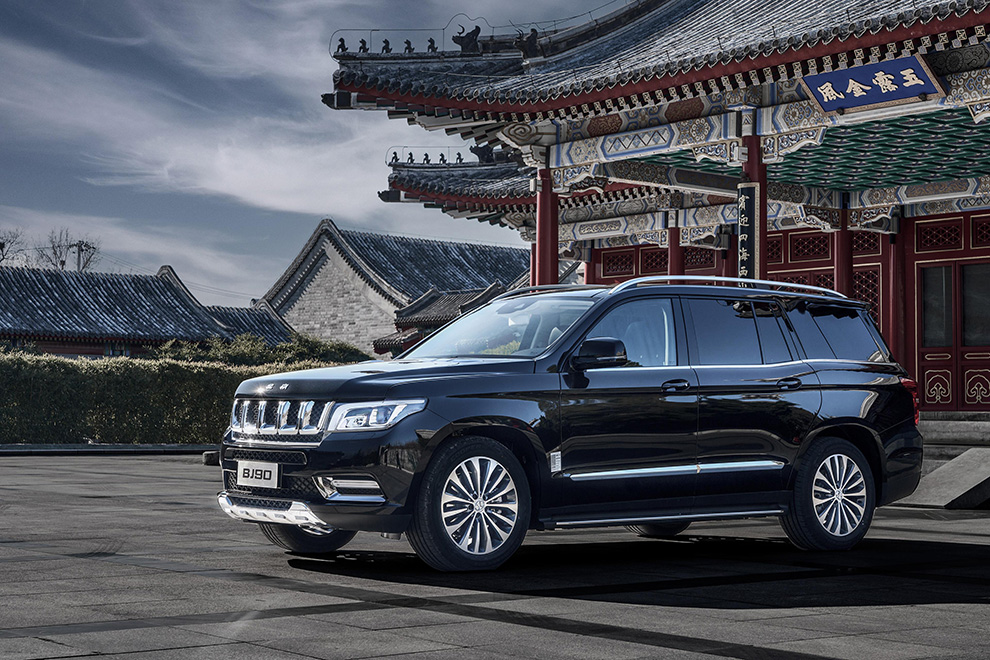
At a glance
- The BJ90 is a full-size, body-on-frame luxury off-road SUV with a multi-row passenger focus.
- Petrol powertrains include 3.0T and 4.0T engines; there is no battery-electric range rating.
- Trim choice should follow engine output, drivetrain equipment, cabin needs and destination homologation.
- Single-unit and consolidated buying should be confirmed against each live listing and seller.
- Used examples demand unit-specific inspection of age, mileage, condition, service history and provenance.
- Build a landed budget from vehicle price, Incoterm, freight, duty, tax, insurance and local compliance.
Why the BAIC ORV Bj90 matters for export markets
The BAIC ORV Bj90 is a full-size, body-on-frame luxury off-road SUV built for buyers who need serious road presence and all-terrain capability without moving to a commercial work vehicle. It combines the packaging of a three-row flagship 4x4 with equipment oriented toward long-distance travel, demanding access routes and professional use. That combination gives it export relevance in markets where paved-car-only products feel limiting and mainstream premium SUVs may not meet load, towing or off-road expectations. It also serves as a bridge between rugged fleet purchasing and premium corporate or hospitality transport.
For an overseas buyer, the Bj90’s appeal is not based on one narrow use case. Government, mining, construction and energy fleets may value its combination of passenger capacity, ground clearance and four-wheel-drive capability. Private buyers, regional distributors and executive transport operators may instead respond to its imposing design, premium cabin and flagship SUV status. Export demand should therefore be assessed by duty cycle: a vehicle that excels on difficult roads may still be unsuitable where low fuel economy, complex servicing or weak parts support outweighs its capability for the target market.
Positioning also affects expectations. The Bj90 is a Chinese-manufactured alternative in a segment long associated with established Japanese and German brands, so buyers should compare it on total operating value rather than assume either a bargain or a direct like-for-like specification match. Local homologation, parts availability, fuel standards and residual values can materially change the commercial case. A dealer that can support warranty claims and maintain the vehicle over its life cycle is often a better partner than the lowest headline quote for a multi-vehicle export program over the long term.
- Body-on-frame flagship SUV
- Off-road passenger capability
- Service support matters
Model range, trims and powertrain variants: how the lineup is structured and how to choose
The lineup is organized around petrol engines rather than battery-electric versions: 3.0T and 4.0T units appear across the named BJ90 trims. The 4.0T Premium Edition is paired with the larger-displacement engine, while the 3.0T range includes Zhengrong, Pilot, Executive and Chief editions. Because translated trim names do not reliably describe every item of equipment, overseas buyers should treat the trim badge as a starting point and request the original Chinese specification sheet for the exact vehicle being considered. That prevents unsupported assumptions about drivetrain hardware, cabin options or market equipment.
The 3.0T versions should appeal to buyers who prioritize the lower-displacement option while still wanting a large, powerful 4x4. The 4.0T Premium offers a higher-output route for demanding loads, towing or sustained high-speed travel, although actual performance depends on the vehicle’s gross weight, tyres, cooling and local operating conditions. Neither engine is a battery-electric powertrain, so there is no battery capacity or electric driving range to compare; fuel consumption, range per tank and refuelling convenience are the relevant range questions and should be confirmed from the vehicle file before purchase.
Equipment can be as important as the engine when choosing a trim. Compare seat configuration, infotainment and navigation compatibility, climate controls, safety equipment, wheels, off-road drive modes, axle locks, and whether a factory tow hitch is present. Some differences may reflect export-market adaptation rather than a simple equipment hierarchy. Ask for a VIN-specific build sheet, photographs of the underbody and wheels, and confirmation of any replaced parts before finalizing an order. This is particularly important when a listing combines a premium badge with photos or descriptions copied from another market.
- Compare VIN-specific equipment
- Match engine to load
- Verify axle locks and tow hitch
New vs used BAIC ORV Bj90: how export inventory is structured and how buyers choose
A new Bj90 is the cleaner route for importers establishing a model line because its specification, condition and warranty position should be easier to define than on a pre-owned vehicle. It also allows the buyer to select a trim and factory options from the outset. The trade-off is a higher acquisition commitment and exposure to model-year or equipment changes. Used examples can fill a demand gap or limit initial acquisition exposure, but each unit must be assessed on its own merits rather than assuming all used examples share one condition grade.
New vehicles require close attention to production date, model year, factory specification and whether the car has been registered or used as a demonstrator. A genuine, documented example is preferable to a low-mileage claim without supporting records. For a used BJ90, inspect bodywork and paint, underbody condition, tyre age, brake wear, cabin wear, service history and engine condition. Compare the VIN, registration documents and maintenance records with the seller’s description, and have an independent inspection where practical. This review matters because a premium badge cannot validate mechanical condition by itself.
Export availability changes as sellers list, sell and re-stock vehicles, so do not rely on a saved page or an old enquiry as proof that a specific new or used car remains available. Search the live inventory by model, then filter or verify the condition, year, trim and engine for each candidate. For a dealer, a mixed approach may work well: use a new unit as a demonstrator and a carefully inspected used vehicle for a price-led rental or fleet need. That choice should be driven by total cost and support requirements, not by whether one label is automatically better.
- New vehicles: clearer origin
- Used vehicles: inspect each unit
- Check live status
How export pricing works: the factors behind a live listing price, and how to read one
An export price is not a single fixed market value. It normally starts with the vehicle’s asking price, then adjusts for model year, trim, engine, options and condition. For a new car, the factory specification and production timing matter; for a used car, mileage, service history, paint condition and remaining manufacturer coverage can move the value. Currency exchange affects the price when the seller quotes in one currency and the importer settles in another. The live figure should therefore be treated as a vehicle-level starting point, not a guaranteed landed cost.
Freight is another major variable. A quote may be based on Ex Works, FOB or another Incoterm, and each point transfers a different set of responsibilities for loading, export clearance, carriage, insurance and destination handling. Ocean freight, RoRo or container capacity, port charges, fuel surcharges, inland delivery and specialist vehicle handling can materially affect the total. Ask the seller to state the Incoterm, currency, validity period and what is excluded. A lower vehicle figure can therefore be more expensive once every required charge is added to the final delivery point.
To read a live listing, separate the quoted vehicle amount from the likely landed cost. Confirm whether taxes, duty, registration, customs brokerage, port or terminal fees, inland haulage, insurance and pre-delivery inspection are included. Check whether the price is negotiable, whether it is tied to one unit, and whether a deposit changes the terms. Use the live ChinaCarDirect inventory for the current binding amount, MOQ and availability, then document the quote and reconcile it against a realistic budget before placing an order. This avoids confusing an asking price with an import-ready quotation.
- Vehicle price is not landed cost
- Incoterm sets responsibilities
- Verify exclusions and validity
MOQ, ordering and payment: single units vs consolidating a container
The minimum order quantity is a commercial term attached to a listing or seller, not a fixed characteristic of the Bj90. Some vehicle offers may be available to professional buyers on a single-unit basis, while a seller may impose a larger batch for a specific program. Read the live listing’s MOQ field, ask the supplier to confirm it in writing and establish whether a mixed-model container is possible. Never infer the requirement from the model name or from a marketplace interface alone before budgeting units or freight in your shipment.
A single-unit purchase can be sensible for market testing, a VIP transport assignment or a dealer’s initial reference vehicle. It gives the importer more flexibility, but the buyer should plan for the possibility that savings come from consolidated loading rather than a lower vehicle price. A wholesale full-container program may improve freight efficiency and give the seller firmer volume visibility. It also increases capital exposure, so stagger production, document serial numbers and stage payments against clear milestones. Confirm who controls inspection, release and title documents at each stage of the process.
The ordering workflow should define the specification, total price, deposit, balance trigger, refund conditions, inspection standard and delivery terms. Payment may use a bank transfer or another method available to the buyer and seller, but the sequence should be protected by a signed pro forma invoice and sales terms. Before releasing funds, match the VIN and factory options to the approved vehicle, verify export documents, and make sure insurance begins at the agreed point. A request for quotation is the appropriate starting point when these terms are still open to both sides.
- Confirm listing-specific MOQ
- Link deposits to milestones
- Use a signed invoice
Shipping, homologation and market compliance caveats: LHD/RHD and import rules by country
Shipping and compliance are separate from the vehicle purchase. The Bj90 is a large, high-value vehicle, so the carrier, packing method and securing points affect both space and damage risk. RoRo shipping, an enclosed container or a suitable flat-rack option may be feasible depending on dimensions, carrier capacity and port handling. Obtain the final shipping plan before committing funds, and confirm whether the quoted cost includes loading, lashing, discharge, terminal charges and inland movement. Ask for origin and destination handling details, cargo insurance responsibilities and any vehicle-specific handling requirements before shipment.
Steering configuration needs particular attention. Vehicles configured for left-hand-drive markets cannot simply be assumed to satisfy right-hand-drive registration rules, and a physical conversion can affect labour, parts availability and warranty. Ask whether the exact unit is left- or right-hand drive, and whether the seller can document its origin and intended market. If a right-hand-drive market is essential, begin with that requirement during specification and quotation rather than resolving it after the vehicle has been paid for. Local approval may also require changes to lighting, mirrors, safety equipment or emissions systems.
Import rules are country-specific and can include emissions and noise standards, VIN and type approval, customs classification, duty or tax, age restrictions and local registration requirements. Market access may also depend on whether the model was originally designed, tested and certified for that jurisdiction. Before contracting, give the VIN and vehicle documents to an experienced customs broker or homologation specialist in the destination country. Their written confirmation is more useful than assuming that a Chinese-market model is automatically compliant. It also helps establish which conversion, inspection and registration costs belong in the landed budget.
- Confirm steering configuration
- Check destination approval
- Budget conversion separately
Who should buy the Bj90 — and who should pick a different vehicle
The Bj90 best fits a buyer who wants a flagship-style three-row SUV with genuine off-road intent and needs it to operate on poor surfaces, long unserviced routes or difficult access. It may suit specialist fleet operators, government or corporate transport programs, hospitality groups and distributors building a premium utility range. The vehicle’s size, fuel consumption and service requirements make it less suitable for dense cities, high-mileage budgets where fuel economy is critical, or operators needing a compact commercial tool. A buyer should also have realistic access to parts, technicians and suitable fuel.
It is also a logical candidate for a dealer testing a higher-end Chinese marque, provided the importer can explain the brand, secure spare-parts planning and support homologation. Premium visual design and a broad cabin do not remove the need for a service network. Buyers should ask how long parts are likely to take, where the nearest stock is held, which items are stocked and how warranty claims cross borders. The Bj90 makes more sense when the importer is prepared to treat it as a supported product rather than a one-off transaction.
Choose a different vehicle when the mission prioritizes fuel efficiency, urban maneuverability, lower acquisition exposure or established global aftersales over off-road capability and flagship presence. A smaller SUV can be easier to ship and service, while a conventional premium 4x4 may be simpler to resell in markets with mature brand recognition. For fleet duty requiring a standard enclosed body and low operating cost, a commercial van or purpose-built utility vehicle may be more rational. The best choice is the model whose compliance, support and running economics match the destination—not simply the most dramatic specification.
- Best for difficult-access operations
- Service support is essential
- Poor fit for urban fleets
Main rivals and how the Bj90 compares
The closest comparisons depend on whether the buyer values off-road utility, prestige or powertrain character. Toyota Land Cruiser 300 is a natural benchmark for rugged durability, fleet familiarity and broad international support. Mercedes-Benz G-Class offers a more overtly premium, brand-led proposition and strong residual recognition. Lexus LX provides another large luxury off-roader alternative, combining flagship comfort with Toyota’s global service ecosystem. These are not identical machines: dimensions, equipment, pricing logic and service arrangements differ, so a like-for-like quotation is essential. Compare certification, parts supply and total operating requirements before deciding.
Against the Land Cruiser 300, the Bj90 stands out as a China-built alternative with a more premium-oriented presentation and a choice between 3.0T and 4.0T petrol engines. The Land Cruiser’s established dealer network and reputation for utility may reduce operational risk for international fleets. Against the G-Class, the Bj90 can offer a different balance of size, equipment and procurement economics, but Mercedes badge value and destination familiarity are real advantages. No comparison should assume that one homologation path or service model transfers automatically. Request the same specification standard for every candidate.
Compared with the Lexus LX, the Bj90 may be attractive to buyers seeking a large, luxury-led 4x4 with distinctive styling and high-output petrol options. The LX, however, can appeal where Toyota ownership familiarity and established premium resale channels matter. For all three rivals, compare the actual vehicle rather than the model name: check engine and drivetrain specification, cabin row count, towing equipment, tyres, ground clearance, warranty coverage, approval in the destination and the landed cost of parts. That process is more informative than a generic specification-sheet ranking for procurement.
- Land Cruiser 300: fleet benchmark
- G-Class: premium brand benchmark
- Lexus LX: service familiarity
Live BAIC ORV Bj90 export inventory
View all listings →Real units currently on ChinaCarDirect with per-unit asking prices and MOQ. Availability updates live from the catalogue.
How to buy a BAIC ORV Bj90 from China
-
1
Define the destination and duty cycle
Record the destination country, steering requirement, expected roads, passenger capacity, towing needs and support locations. Separate hard requirements from preferred features before comparing vehicles.
-
2
Shortlist the live inventory
Review the current Bj90 listings and compare each candidate by model year, trim, engine, condition and equipment. Confirm that a selected vehicle remains available before including it in the budget.
-
3
Verify the VIN-specific specification
Request the build sheet, VIN, photographs, production details, ownership documents and service history where applicable. Confirm axle locks, wheels, towing equipment, cabin options and any market-specific modifications.
-
4
Build a written landed quotation
Ask the seller to separate the vehicle amount from freight, insurance, duty, tax, customs, port and inland charges. State the currency, Incoterm, quote validity and exclusions in writing.
-
5
Approve and secure the order
Use a signed pro forma invoice covering the specification, deposit, balance trigger, inspection standard, refund conditions and release documents. Tie the final payment to satisfactory inspection and verified documentation.
-
6
Book compliant transport
Confirm the carrier, packing method, cargo insurance, loading and discharge scope, port handling and inland delivery. Complete destination-homologation and LHD/RHD planning before the vehicle ships.
-
7
Complete pre-delivery controls
Use the agreed inspection process to verify the VIN, condition, mileage, options and absence of transport damage. Complete customs clearance, registration and local handover only after all original documents reconcile.
Bj90 vs rivals
| Toyota Land Cruiser 300 | The Land Cruiser 300 is the stronger operational benchmark for fleets prioritizing global service familiarity, rugged utility and broad parts recognition. The Bj90 differentiates through Chinese-brand design and 3.0T or 4.0T petrol choices, but buyers must verify destination support and homologation. |
|---|---|
| Mercedes-Benz G-Class | The G-Class carries stronger brand recognition and a more standardized global premium proposition. The Bj90 may offer a different balance of size, equipment and procurement economics, making a VIN-level comparison useful for buyers seeking a China-sourced alternative. |
| Lexus LX | The LX combines luxury off-road packaging with Toyota’s established support footprint. The BJ90 is more relevant to buyers seeking distinct styling and a China-built product, provided parts planning and local compliance are handled before import. |
Frequently asked questions
How is the BAIC ORV Bj90 export price determined, and where is the live price?
The live figure starts with vehicle condition, model year, trim, engine and options, then may be affected by exchange rates and seller terms. Freight, insurance, duty, tax, customs and local handling belong in the landed calculation. Exact vehicle price, MOQ and availability should be confirmed for the current unit in ChinaCarDirect’s live listings.
What engine and range options does the BJ90 have?
The BJ90 range uses 3.0T and 4.0T petrol engines, depending on the trim. It is not a battery-electric model, so compare fuel consumption and usable range rather than battery capacity or electric range; confirm the exact engine and equipment in the live listing.
Is a new or used BAIC ORV Bj90 better for export?
A new vehicle is generally easier to standardize for a dealer range and provides clearer factory configuration and warranty terms. A used vehicle can suit a narrower fleet need or reduce initial acquisition exposure, but condition, mileage, provenance and service history must be inspected for each unit. Availability changes, so confirm the selected vehicle’s status in the live inventory.
How does MOQ work when buying a Bj90 from China?
MOQ is set by the individual listing or seller and may differ between single-unit, fleet and wholesale arrangements. Do not assume a catalogue-wide requirement; read the live listing and ask the supplier to confirm the quantity, mixed-model policy and any batch conditions in writing.
What determines shipping time and cost for a BAIC ORV Bj90?
Shipping method, carrier space, loading configuration, origin and destination ports, inland delivery, insurance and cargo-handling charges all affect the total. Longer routes or specialist capacity constraints can increase transit time. The quotation should identify the Incoterm and clearly state which loading, freight, terminal and destination costs are included.
How should buyers plan spare parts and service for the Bj90?
Request the seller’s recommended parts list, expected sourcing channels, workshop requirements and warranty procedure before ordering. Ask which common service items can be stocked locally, where factory support is located and how warranty claims are handled across borders.
Is a right-hand-drive BAIC ORV Bj90 available for export?
RHD availability must be confirmed for the exact vehicle and destination market. A left-hand-drive vehicle may require a professionally executed conversion, but local type approval and safety requirements still have to be checked. Current RHD and LHD availability should be verified in the live listings before payment.
How do I order a BAIC ORV Bj90 from China?
Start with the live inventory, select candidates by trim and engine, and request a VIN-specific specification and written landed quotation. After agreeing on price, MOQ, payment, inspection, documentation and shipping terms, use a formal pro forma invoice before releasing funds. The vehicle should be inspected and its identity and condition reconciled before shipment.
Ready to source the BAIC ORV Bj90?
Send your destination, trim, engine, quantity and compliance requirements to ChinaCarDirect for a current BAIC ORV Bj90 quotation.
Request a quote