
Baojun 310 Export Buying Guide for Dealers and Fleet Buyers
Buy a Baojun 310 from China with practical guidance on trims, engine options, export pricing, MOQ, shipping, homologation and vehicle selection.
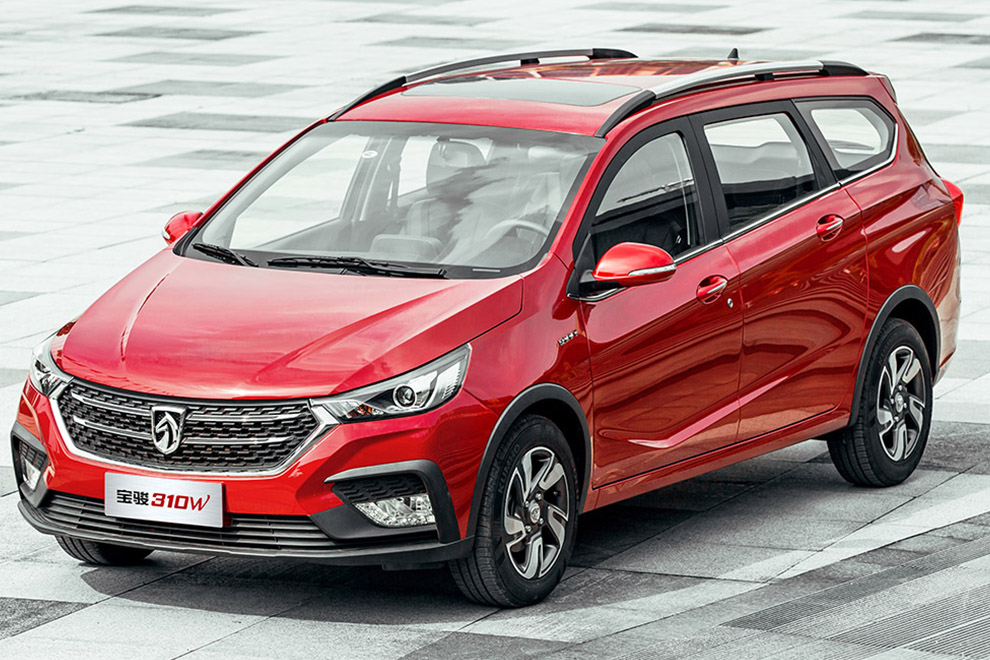
At a glance
- The Baojun 310 is a compact petrol hatchback, with a 310W wagon/estate derivative for more cargo-oriented use.
- Engine choices include 1.2-litre and 1.5-litre units, with manual gearboxes and automatic options on selected derivatives.
- Value, Fashion, Comfort, Luxury and Sport labels reflect a broad trim hierarchy across model years.
- China V and China VI emissions designations appear in listings but do not guarantee destination-country approval.
- Export pricing, unit-specific MOQ and current availability should be checked on each live listing.
Why the Baojun 310 matters for export markets
The Baojun 310 matters because it addresses a practical gap in overseas markets: an affordable, compact car with Chinese manufacturing and ways to tailor the vehicle to local demand. It sits below premium and performance models, focusing on urban transport, small-business use and entry-level fleet acquisition. For importers, the 310 can serve as a lower-complexity product, while the related 310W body adds a cargo-oriented option for buyers needing versatility without moving to a larger vehicle. Its appeal is tied more to operating cost and configuration than image or high-performance capability.
The export case also rests on choice. The listed lineup includes 1.2-litre and 1.5-litre engines, manual and automatic transmissions, and equipment grades ranging from value-oriented cars to more highly equipped luxury or sport-labelled variants. That breadth helps an importer match a narrow city market, a driver-training fleet or a taxi-oriented operation. Buyers should treat the trim names as market-year descriptions rather than assume every feature or combination is available in every destination. The same discipline applies to emissions labels: China V and China VI appear in model descriptions, yet neither guarantees acceptance in the buyer’s country.
Demand for this kind of vehicle is strongest where buyers value purchase affordability, simple dimensions and low-complexity operation over refinement. Dealers can stock the 310 as an entry-point vehicle, while fleet buyers can select around transmission and body style rather than accepting one universal specification. Its value proposition should nevertheless be tested against local fuel prices, insurance, servicing capability and residual demand. A low acquisition price alone does not create a viable import if parts, compliance or ownership costs erase the advantage. This makes the 310 a market-fit purchase, not a universal bargain.
- Compact petrol platform.
- 310 and 310W bodies.
- Manual or automatic choices.
Model range, trims and powertrain variants: how the lineup is structured and how to choose
The 310 range is organized around two petrol engine displacements, 1.2 litres and 1.5 litres, combined with manual or automatic transmission options depending on the derivative. The 1.2-litre manual appears across value, fashion, comfort and luxury labels, making engine size and gearbox choice a useful first filter. The 1.5-litre range broadens the choice, with manual and automatic examples and comfort, fashion, luxury and sport-labelled specifications appearing across the market. Trim naming does not by itself prove that every equipment item carries across model years, so the live unit description and photographs remain the controlling references.
Body choice matters as much as the powertrain. The 310 is the hatchback form, suited to private buyers, ride-hailing and compact fleets where easy maneuvering and parking are priorities. The 310W is the wagon/estate derivative, giving buyers a longer-looking, more practical load area for deliveries or mixed business use. Because cargo capacity is affected by exact dimensions and seating configuration, importers should request the specification sheet before assuming the two versions share the same luggage volume or load-bay dimensions. It is also unwise to infer towing limits or payload from the body label alone.
A disciplined selection process starts with the operating environment. Choose the smaller engine and manual gearbox when simplicity, fuel economy and lower acquisition cost dominate; consider the larger engine or automatic where easier daily driving, stronger performance or a different duty cycle matters. Then compare equipment rather than relying on the prestige of the trim name. Confirm transmission type, steering position, emissions designation, wheel and tyre details, body condition, maintenance records and available documentation against the exact listing. A written specification prevents a showroom-style trim description from becoming an import dispute.
- Body before trim.
- Engine by duty.
- Verify emissions locally.
New vs used Baojun 310: how export inventory is structured and how buyers choose
Export inventory for the Baojun 310 may include new, unused vehicles representing older production years, alongside any used examples offered through a separate channel. This distinction is essential: a new label describes condition and sales status, not necessarily the latest annual model or the newest equipment. Importers should compare the model year, engine, transmission, trim and specification of each vehicle. A vehicle may be classified as new while carrying a design or emissions standard no longer typical of cars newly sold in China. Confirm the status with the seller before contract.
Used Baojun 310 vehicles can suit buyers focused on a lower acquisition outlay or a specific used-car need. The trade-off is uncertainty: mileage history, service records, previous ownership, accident repair and mechanical condition must be verified rather than inferred from appearance. A used unit may also require more near-term maintenance or replacement of consumable parts. Conversely, a new unused unit can reduce this condition uncertainty, although its age as a stock vehicle and its exact specification still require careful review. Request a documented inspection and clarify any warranty coverage in writing.
The best buying rule is to compare like with like. Do not place an older used hatchback directly against a newer unused wagon without adjusting for condition, specification and expected upkeep. Instead, define whether the priority is lowest entry cost, predictable presentation, cargo capability or parts commonality, then shortlist vehicles accordingly. Live inventory changes continually, so the availability of a particular body, gearbox or emissions version must be checked for each unit rather than inferred from the overall model range. Ask the supplier to confirm reserve status, production timing and condition.
- New may mean older.
- Verify used condition.
- Compare like-for-like.
How export pricing works: the factors behind a live listing price, and how to read one
A Baojun 310 export price is the result of several variables rather than a fixed model-level rate. The vehicle’s model year, trim, engine displacement, transmission, body style, condition and mileage move its underlying value. The description of standard or optional equipment also matters because imported examples may not carry the same features as vehicles sold under a similar name in another market. Exchange-rate movements and the seller’s commercial position can further change the asking level. For a used vehicle, service history and evidence of repair can materially affect confidence and therefore the negotiation.
Logistics then turn the vehicle price into an import cost. Ocean freight or roll-on/roll-off charges depend on origin and destination ports, route, vessel space, cargo dimensions and the terms agreed with the carrier. Insurance, export documentation, destination handling, customs charges, taxes and dealer preparation may sit outside the displayed vehicle price. The Incoterm defines where responsibility transfers; it does not make every later cost disappear. Buyers should request an all-in or landed-cost worksheet that separates product, freight, duties and local charges. That clarity supports a valid like-for-like comparison between competing quotations and reduces the risk of hidden costs.
To read a live ChinaCarDirect listing correctly, separate the displayed asking price from the total cost of ownership. Check whether the listing is the 310 or 310W, whether it is new or used, and whether the gearbox and engine match your requirement. Confirm what the seller includes in the price, which Incoterm is used, the unit-specific MOQ, and whether images show the actual vehicle. Then compare the same specification across quotes. Current exact prices and availability must be taken from the live listing, not from a general market guide or cached quotation.
- Price is not landed.
- Compare identical units.
- Check live figures.
MOQ, ordering and payment: single units vs consolidating a container
Minimum order quantity is a listing-level commercial term. Some sellers will release one vehicle, while others may set a higher MOQ for a particular configuration or export campaign. A buyer seeking a single car should therefore inspect the MOQ field before budgeting transport or modifying the vehicle. If a higher quantity is required, ask whether the seller can reserve one unit in a mixed container, accept a staged delivery or adjust the order with other Baojun products. Never infer that one-unit purchasing is guaranteed across every seller. Check each listing directly.
Ordering mechanics should mirror the risk carried by each party. A typical process begins with a written specification and quotation, followed by confirmation of the unit, production status or stock reference, and an agreed payment schedule. The contract should state the vehicle identifiers, condition, equipment, Incoterm, delivery scope, inspection rights and documentation needed for import. Ask how deposits, balances, cancellations and refunds are handled, and whether payment is made directly to the seller or through an agreed intermediary. These terms must be confirmed in writing before any international funds are transferred or vehicles are released.
Container consolidation changes the commercial equation but not the compliance responsibility. Combining several Baojun 310 units can improve freight efficiency per vehicle and give a dealer more mix across body styles or trims, provided each selection is still individually specified and inspected. The buyer should decide whether to buy one seller’s homogeneous batch or allocate vehicles among sellers, then confirm how vehicles are grouped, marked and insured. Consolidation also affects spare-parts planning and future resale, so inventory should be matched to realistic demand rather than purchased only to fill available container space on the route.
- Check unit MOQ.
- Use written terms.
- Plan consolidated loading.
Shipping, homologation and market compliance caveats: LHD/RHD and import rules by country
Overseas buyers must treat the Chinese emissions designation as an origin-market fact, not destination-market approval. Listing names can include China V or China VI, but local rules may depend on the vehicle age, engine, emissions category, tax band and type approval. Requirements differ by country and can change independently of the Chinese model year. Before contracting, provide the exact vehicle description and VIN to a customs broker or local compliance specialist, and confirm whether road registration, emissions testing or a Certificate of Conformity is required for the intended destination market. Use local professional advice.
Steering configuration is another early check. China-origin examples are commonly left-hand drive, so buyers in right-hand-drive markets should not assume a suitable 310 will be present. Some markets may accept a left-hand-drive import for limited use, while others require a right-hand-drive conversion or a locally approved variant; the result depends on national and sometimes state-level rules. A conversion can affect safety, warranty, insurance and residual value. Request the steering position for the VIN and obtain written confirmation that the proposed configuration is registrable with the relevant authority before paying or commencing shipment.
Shipping choice depends on the vehicle count, route and urgency. A complete container or roll-on/roll-off shipment suits a consolidated batch, while a small individual purchase may use shared container space or a specialist vehicle carrier if available. The 310 and 310W differ in dimensions and handling requirements, so the forwarder must approve the actual model before booking. Buyers should also allocate time for export clearance, pre-shipment inspection, loading, transit, customs and terminal handling. None of these stages can be compressed merely by choosing a lower-cost transport option where regulations permit and handling capacity allows.
- Origin labels are not approval.
- Verify steering side.
- Quote destination freight.
Who should buy the 310 — and who should pick a different vehicle
The Baojun 310 fits budget-conscious importers, urban fleet operators and small dealerships seeking a simple, compact petrol vehicle. It is particularly relevant where narrow streets, easy parking and low acquisition cost matter more than premium cabin materials or brand prestige. The hatchback supports private, taxi and ride-hailing use, while the 310W can suit delivery businesses that need a more versatile body. Manual versions may also appeal where drivers are already familiar with that gearbox and a straightforward operating model is preferred. Confirm that local economics preserve this advantage after import.
The 310 is less suitable for buyers who require a battery-electric powertrain, class-leading crash-safety equipment, advanced driver assistance, high towing capacity or a strong international residual-value network. A buyer with those requirements should compare newer local and global models rather than value the 310 only on purchase cost. It may also be a weak fit where emissions rules are strict, spare-parts lead times are long or the fleet needs a proven warranty and service structure. A pre-purchase total-cost assessment is essential before committing to a large import rollout programme.
A smaller buyer may need to assess whether one unit supports the business objective or whether a mixed order offers better economics. For a test-market importer, a single carefully selected vehicle can reveal parts demand, registration steps and customer acceptance before scaling. For fleet procurement, standardize where possible to reduce training and spare-parts complexity, but retain a controlled trim mix for different duty cycles. The right decision is not simply the least expensive configuration; it is the vehicle whose whole operating case remains attractive after freight, compliance, fuel, maintenance and resale are included.
- Urban fleets fit.
- EV buyers choose otherwise.
- Assess operating cost.
Main rivals and how the 310 compares
The Chevrolet Spark is a close global benchmark for small urban hatchbacks. Compared with the Baojun 310, the Spark benefits from a more visible international brand presence and is often easier for buyers to benchmark against mainstream alternatives. The Baojun may offer a different equipment hierarchy and a potentially stronger low-cost import proposition, but local aftersales support and parts access can favour the Chevrolet. The correct choice depends on the destination market, not on a generic global reputation. Buyers should compare actual warranty, homologation and service options where they live.
The Kia Picanto represents another direct small-hatch alternative, especially where an established Kia dealer network makes ownership simpler. It generally competes with the 310 on urban dimensions and entry-level fleet use, and its trim and equipment choices give buyers a familiar benchmark. Against the Picanto, the Baojun’s strongest potential advantage is acquisition cost and access to 310-specific body options; the Picanto may be stronger where warranty transparency, residual demand and readily available parts justify the higher acquisition commitment. The comparison should use landed cost, not sticker price alone, in practice.
The Suzuki Swift sits toward the more refined end of the small-hatch comparison. Buyers who prioritize driving character, model recognition, safety and a broader international parts and resale proposition may prefer the Swift, although the purchase commitment can be higher. The Baojun 310 makes more sense when low acquisition cost, basic urban utility and the option of a 310W cargo format dominate. For the 310W specifically, compare load dimensions and payload with estate alternatives such as compact wagons, because the larger-looking body does not by itself guarantee superior carrying capacity.
- Spark: brand familiarity.
- Picanto: network benchmark.
- Swift: refined option.
Live Baojun 310 export inventory
View all listings →Real units currently on ChinaCarDirect with per-unit asking prices and MOQ. Availability updates live from the catalogue.
How to buy a Baojun 310 from China
-
1
Define the market requirement
Specify the destination, intended use, body style, engine, gearbox, steering position, passenger capacity and cargo needs. Set a total budget that includes freight, duties, insurance, registration and local preparation.
-
2
Filter the live inventory
Use the current Baojun 310 listings to shortlist matching vehicles. Review each unit’s photos, model year, trim, condition, displayed price and unit-specific MOQ rather than relying on the overall range.
-
3
Verify the exact vehicle
Request the VIN, full specification, recent photographs, maintenance records, emissions label and export documents. Confirm that the description matches the body, engine, transmission and equipment shown in the listing.
-
4
Build a landed-cost quote
Ask for a written quotation identifying the Incoterm, vehicle price, freight method, insurance, origin charges, destination handling and any known taxes or customs requirements. Keep product and logistics costs separately visible.
-
5
Confirm MOQ and payment terms
Check the MOQ shown for the selected unit and discuss mixed-container allocation or staged delivery if necessary. Record deposits, final-payment triggers, inspection rights, cancellation terms, refund conditions and required documents in the contract.
-
6
Complete a pre-shipment inspection
Agree the inspection timing before the final balance is due. Check the vehicle identification, body condition, tyres, glass, lights, engine bay, cabin condition, mileage and export paperwork against the contract.
-
7
Ship, clear and register
Have the forwarder approve the exact 310 or 310W for transport and provide shipment tracking. Use a customs broker and local compliance specialist to complete export clearance, arrival duties, road registration and any required steering or emissions inspection.
310 vs rivals
| Chevrolet Spark | The Spark is a close urban-hatch benchmark with stronger international brand familiarity, which may simplify parts and service planning. The Baojun 310 may offer a lower-cost import proposition, but the Spark can be stronger where established local aftersales support is decisive. |
|---|---|
| Kia Picanto | The Picanto directly competes with the 310 in entry-level urban and fleet use and may benefit from a clearer local dealer network. Compare landed cost, warranty support, parts availability and residual demand rather than selecting on acquisition price alone. |
| Suzuki Swift | The Swift offers a more refined ownership proposition, greater model recognition and an established international parts and resale presence. The Baojun 310 is generally more relevant to buyers prioritizing lower acquisition cost, basic utility or the 310W cargo format. |
Frequently asked questions
How is Baojun 310 export pricing determined?
Export pricing is unit-specific: model year, trim, engine, gearbox, body style, condition and mileage influence vehicle value, while exchange rates, freight, insurance and Incoterm affect the transaction. The displayed vehicle price is not automatically the landed cost, so request a written breakdown. Current exact prices are shown per unit in ChinaCarDirect’s live inventory.
What engine and transmission options are available?
The Baojun 310 range includes 1.2-litre and 1.5-litre petrol engines, with manual transmissions and selected 1.5-litre automatic derivatives. There is no battery range to quote because this is a combustion model; confirm the exact engine, gearbox, fuel and emissions label on the live unit.
What are the main new versus used Baojun 310 trade-offs?
A new Baojun 310 may be unused but from an older production year; new does not necessarily mean latest. A used car can cost less to acquire, but buyers should verify mileage, service history, ownership, accident repair and mechanical condition. Compare like-for-like units and account for likely maintenance.
How does MOQ work for a Baojun 310 order?
MOQ is set by the seller for each listing. Some sellers allow one vehicle, while a particular vehicle or campaign may carry a higher requirement; the current unit-specific figure should be read on the live listing. For larger orders, ask about mixed-container allocation and staged delivery.
What determines shipping time and cost?
Shipping cost and time depend on route, carrier mode, space, vehicle dimensions, origin handling, loading, customs and destination charges. A RoRo, full-container or shared-container plan has different requirements, so have the forwarder approve the exact model and provide a written freight estimate.
Are spare parts available for the Baojun 310?
Parts support should be checked by exact model, engine, trim and production year before ordering. Ask the seller for a parts list, recommended maintenance schedule, warranty channel and realistic lead times for wear items and collision parts. Low acquisition cost can be undermined if common components are difficult to source locally.
Is a right-hand-drive Baojun 310 available for export?
Many China-origin Baojun 310 vehicles are left-hand drive, while right-hand-drive availability varies by market and listing. Ask for the steering configuration and VIN, and obtain local confirmation before paying. A conversion may affect safety, insurance, warranty and resale, and may not be acceptable everywhere.
How do I order a Baojun 310 from China?
Start with the live Baojun 310 inventory, shortlist by body, engine and gearbox, then request a full specification, photographs, VIN and written landed quote. Confirm the unit-specific MOQ, payment milestones, inspection rights, documentation and Incoterm before transferring funds. After pre-shipment inspection, the forwarder and customs broker can coordinate export, freight, arrival clearance and registration.
Ready to source the Baojun 310?
Send your destination, body style, engine, transmission and quantity requirements for a current Baojun 310 quotation.
Request a quote