
Baojun 310w Export Buying Guide for Overseas Buyers
Buy a Baojun 310w from China with practical guidance on trims, export pricing, MOQ, shipping, homologation, operating costs and key alternatives.
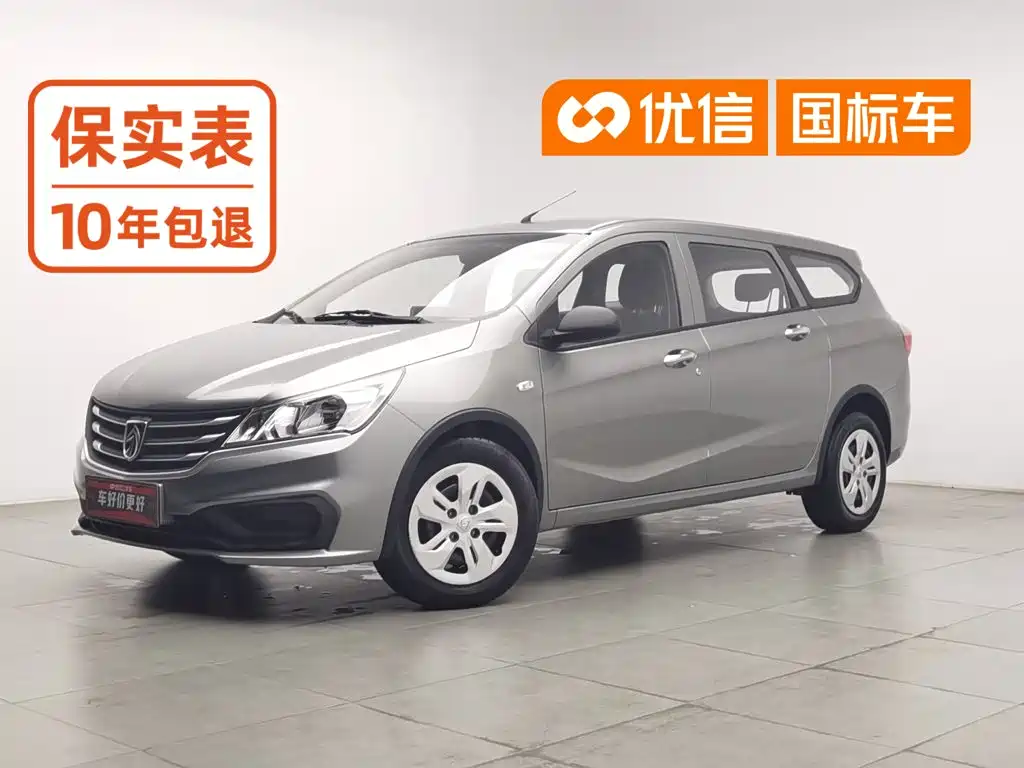
At a glance
- The Baojun 310w is a compact five-door petrol hatchback positioned for city dealers and light fleets.
- Baojun 310w specs span 1.2L and 1.5L petrol engines, with manual and automatic choices on selected trims.
- China V and China VI labels identify Chinese emissions versions but do not confirm destination-market approval.
- Baojun 310w export pricing depends on the exact unit, trim, year, condition, exchange rate, freight and Incoterm.
- Baojun 310w wholesale orders can involve single-unit trials or consolidated shipments, subject to written MOQ and allocation terms.
Why the Baojun 310w matters for export markets
The Baojun 310w is a compact, five-door petrol hatchback built for economical mobility rather than premium comfort or off-road use. Its export appeal is a straightforward proposition: a small footprint, a practical body, and 1.2L or 1.5L petrol powertrains with manual or automatic transmissions on selected variants. This makes it relevant to city dealers, ride-hailing operators and fleet buyers seeking an inexpensive second vehicle. For importers, however, low acquisition cost matters only if parts, serviceability, homologation and residual demand are considered before shipment. That is the basis of a sound export decision.
Global demand for the 310w is strongest where compact cars are easier to park and operate than larger sedans, while buyers still need a genuine five-door hatchback. The model’s China V and China VI versions give buyers a visible emissions-generation marker, but neither label substitutes for local type approval. Overseas success therefore depends less on headline equipment than on matching the engine, steering configuration, service network and registration rules to the destination country. Its relatively simple petrol drivetrain also supports easier maintenance, provided technicians understand the chosen powertrain before sale.
The 310w occupies the useful gap between a basic city car and a mainstream supermini. It offers more practical hatchback access than a small three-door model, while remaining easier to ship and stock than many larger vehicles. For an overseas buyer, the strongest case is disciplined: urban running costs, simple petrol hardware, manageable dimensions and an accessible replacement-car market. It is less convincing where buyers expect advanced safety, refinement or all-weather capability. Assess local roads, passenger-carrying needs and approved parts support before treating the low starting outlay as decisive for the market.
- Urban and light-fleet focus
- Simple petrol architecture
- Local approval is essential
Model range, trims and powertrain variants: how the lineup is structured and how to choose
The export-facing 310w lineup is organized around 1.2L and 1.5L petrol engines. The smaller engine appears with a manual transmission in the Value trim, while 1.5L versions cover manual Fashion, Comfort and Luxury grades plus automatic Comfort, Sport and Fashion variants. China V and China VI versions occur across these configurations. Buyers should read the complete trim name because engine size, gearbox, emissions version and equipment can change suitability. These labels describe market-facing specifications, not a guarantee that every grade is available in every production year or export destination.
For drivers who value purchase simplicity and direct control, a manual can reduce complexity and may suit markets where manual transmissions are familiar. An automatic is more convenient in dense traffic and for mixed-ability fleets, but it should be matched to local fuel quality, servicing capability and expected resale demand. The 1.2L manual is the leanest specification, whereas 1.5L versions provide more output for steeper roads, fuller loads or air-conditioned use. A test drive should include low-speed crawling, hill starts and hot, loaded operation where possible before committing to a fleet purchase.
Trim names provide a shorthand, but they are not a substitute for a condition or equipment report. Fashion, Comfort, Luxury, Value and Sport can indicate equipment levels, yet the export checks are air conditioning, electric aids, audio, wheel and tyre specification, corrosion protection, service history and availability of replacement parts. For a mixed fleet, standardize on one or two configurations rather than creating a parts matrix. Treat the live listing as the unit-level source of truth, using photographs, documents and a specification to prevent assumptions about what a badge includes.
- 1.2L and 1.5L engines
- Manual and automatic options
- Verify each unit's equipment
New vs used Baojun 310w: how export inventory is structured and how buyers choose
For the Baojun 310w export market, inventory can be understood by condition, production year, trim, transmission and China emissions version. New vehicles are generally easier to compare because wear and prior ownership do not complicate the assessment. They are particularly attractive to fleet buyers needing a consistent specification. Used examples may broaden sourcing options, but the condition report becomes as important as the model name and should influence both acceptance and valuation. Neither category should be assumed available without checking current supplier offers and confirming the relevant unit details in writing.
Choosing a new 310w reduces uncertainty around clutch wear, brake condition, interior deterioration and unplanned repairs, although age alone does not prove correct maintenance. Ask for a pre-delivery inspection, production date, odometer reading, tyre condition and service-history evidence. A new designation does not mean showroom condition in every case, so inspection should still verify panel condition, fluid leaks and electrical operation. For fleet homologation, matching units to one trim and specification can also simplify training, maintenance planning and parts stocking. That consistency reduces surprises during deployment across a mixed fleet.
A used Baojun 310w may suit a buyer whose priority is a lower acquisition outlay or access to a particular trim that is difficult to source new. The decision should rest on verified mileage, service records, accident repair, paint thickness, tyre remaining life, underbody condition and a cold-start road test, rather than model year alone. Compare condition-adjusted total cost with the live price of comparable new units, including likely repair and refurbishment costs. Remote purchases warrant a third-party inspection or stronger contractual protection before final payment is released in full.
- New units aid standardization
- Used units demand inspection
- Compare total ownership cost
How export pricing works: the factors behind a live listing price, and how to read one
A Baojun 310w export price is not determined by the model badge alone. The unit’s production year, exact trim, engine, transmission, emissions version, mileage and condition all affect commercial value. Dealer margin and the supplier’s release terms also matter. Market factors—including the exchange rate between the purchasing currency and Chinese yuan, domestic pricing, and the balance between available supply and buyer demand—can move a quote without any physical change to the vehicle. This is why a price quoted for one 310w should not be treated as a universal market tariff.
Freight, insurance, port charges, inland haulage, documentation and the selected Incoterm determine what the buyer ultimately pays. A vehicle-only price quoted under an ex-works or FOB structure may exclude expenses that appear on a CIF or delivered basis; conversely, a higher headline figure may already include transport elements. Compare quotes with identical scope, destination, currency, tax treatment and Incoterm, then note which party bears customs clearance, duties and the risk of loss after loading. The written quote should separate vehicle cost, charges and taxes clearly, enabling a valid side-by-side comparison.
To read a live listing correctly, start with the vehicle name and unit photographs, then verify year, trim, gearbox, China V or VI designation, condition and available documents. Next, check whether the displayed amount is a vehicle-only export quote or includes freight, and whether it excludes local taxes, registration and destination charges. Use the live ChinaCarDirect inventory for current per-unit price, MOQ and availability, while an RFQ confirms the binding quoted price, payment schedule, production date and delivery term. Do not infer availability from a search result alone before placing an order.
- Match year and specification
- Separate vehicle and freight costs
- Confirm currency and Incoterm
MOQ, ordering and payment: single units vs consolidating a container
Baojun 310w ordering can be approached in two ways: purchase one specific unit, or ask the supplier to combine compatible vehicles into a consolidated shipment. A single-unit route suits a dealer testing demand or a fleet operator filling a small gap, provided the seller confirms acceptance and calculates freight efficiently. Consolidation can improve freight planning and give a buyer more trim choice, but it requires common documentation, agreed specifications and a clear allocation process at destination. Neither route should be treated as final until confirmed in writing by the supplier.
Before placing an order, define the quantity, model year, trim, transmission, steering side, destination, Incoterm and inspection requirement in the purchase request. Payment terms should state the currency, deposit, balance trigger, refund conditions and the seller’s documentary obligations. Never rely on an informal message saying only “available” or “best price.” The binding quotation and sales contract should connect the vehicle or production specification to payment, inspection and shipment milestones. For multiple units, the contract should explain substitutions and title, insurance and risk transfer. Clarity prevents misunderstandings at the deposit stage.
The minimum order quantity is a supplier and transaction condition, not a permanent attribute of the Baojun 310w. A listing may permit a one-vehicle order, while a containerized program may require a larger batch or impose a total-value threshold. Ask the supplier to state the MOQ separately for a single unit, a mixed-trim allocation and a full-container booking. If the MOQ is unsuitable, consider consolidating with another buyer only after ownership, marking, inspection and customs responsibilities are documented. The RFQ should state intended quantity to avoid a non-binding indicative response.
- Single-unit trial ordering
- Container orders need consistency
- Confirm MOQ in writing
Shipping, homologation and market compliance caveats: LHD/RHD and import rules by country
Export planning begins with the vehicle’s homologation status, not the shipping date. Chinese production standards do not automatically satisfy the destination’s emissions, safety, type-approval or registration requirements. The China V and China VI designations identify the Chinese emissions generation of the listed vehicle, but an importer must confirm whether that version can be registered in the intended country. Some markets permit limited personal imports while commercial dealer or fleet sales face different rules, taxes and documents. Local legal advice is appropriate before committing to a noncompliant unit or shipment documents.
Most vehicles sourced from China are configured for left-hand drive, while many export markets use right-hand drive. A 310w ordered for a right-hand-drive market should not be assumed to arrive in that configuration merely because the trim is available. Ask whether a genuine right-hand-drive version exists, whether conversion is permitted, who performs the conversion, and whether converted vehicles need modified inspection. For safety, documentation and residual value, an approved factory configuration is usually preferable to a last-minute conversion. If conversion is chosen, budget for quality control, recertification and possible warranty loss.
Vehicle shipping can involve Ro-Ro, container or carrier options, and the practical choice depends on origin and destination ports, available sailings, loading equipment, insurance and delivery deadlines. Transit time is only one part of landed cost; handling, terminal charges, insurance, customs, inland transport and demurrage can all matter. Require the forwarder to state the route, cost inclusions, document cut-off dates and risk-transfer point. Keep chassis identification and inspection evidence aligned with export and import files. Confirm whether destination charges are estimates and who remains liable if they exceed the estimate.
- China standards are not approval
- Specify steering configuration early
- Clarify freight risk transfer
Who should buy the 310w — and who should pick a different vehicle
The Baojun 310w is a strong candidate for overseas dealers and fleet operators needing a low-complexity petrol hatchback for city travel, short commercial runs or supplementary fleet duties. It is especially relevant where compact dimensions, manual familiarity, straightforward servicing and an accessible purchase price outweigh cabin refinement. Buyers should be comfortable with China-origin documentation and local registration work, and should build a service-parts plan before accepting customer deliveries. The strongest business case is a narrow, well-defined use case rather than an attempt to cover every market segment or niche abroad.
It is less suitable for buyers who require a premium cabin, strong crash-safety credentials, advanced driver assistance, hybrid or electric efficiency, seven-seat capacity, high towing ability or assured all-weather performance. A 1.2L manual may feel inadequate for steep grades, heavy loads or aggressive air-conditioning use, while an automatic adds another serviceable system to evaluate. If a fleet spends most of its time on motorways, carries substantial cargo or serves customers who expect strong residual value, a newer rival may be more defensible. Do not choose because acquisition cost is lower.
Evaluate the 310w against total operating cost: fuel use, insurance, maintenance, tyre and parts costs, downtime, financing and resale. A manual can be economical where drivers are trained and congestion is moderate; an automatic may reduce fatigue and losses in dense traffic. For fleets, standardize powertrains, keep service intervals disciplined, and confirm parts lead times before launch. The right decision is the variant that fits local driving, labor and customer expectations at a total cost. Test selected units first through a pilot period when possible, especially before a larger fleet rollout.
- Best for cost-focused city fleets
- Poor fit for premium demands
- Pilot before rollout
Main rivals and how the 310w compares
The closest alternatives depend on whether the buyer values Chinese price-positioning, a newer global city car or a more polished B-segment hatchback. The Chery QQ is the most direct small-hatchback comparison; the Chevrolet Spark and Kia Picanto are global alternatives with different market identities. None matches the 310w in every respect, and local price, tax, parts support and homologation can outweigh factory-specification fit. Compare the exact derivative and destination specification, not only headline model names, because a higher invoice may still reduce downtime or improve resale locally for the operator.
Compared with the Chery QQ, the 310w offers a broader visible trim and powertrain choice, including 1.5L manual and automatic applications in the export range. The QQ remains a close substitute for buyers focused on low-cost urban mobility, so the decision rests on dimensions, engine condition, local service familiarity and landed ownership cost. Do not assume either China-origin badge guarantees the same regulatory treatment. A side-by-side quote should include tax, registration, parts and expected resale assumptions; the model easier to support locally may ultimately be the stronger overall wholesale choice.
Against the Chevrolet Spark, the 310w may offer a China-sourced acquisition path and a manual-versus-automatic choice across selected trims. The Spark typically presents a newer global-city-car proposition, with market-specific equipment and powertrains that may carry stronger brand recognition or resale in some markets. It does not make it universally cheaper once tax, insurance, parts and homologation are included. Fleet buyers should compare total operating cost and local support, not the lowest entry invoice. The Kia Picanto is an alternative, often chosen for a refined product image and mature brand support. Compare landed cost, parts access and resale rather than assuming its badge settles the decision.
- QQ: closest Chinese alternative
- Spark: newer global option
- Picanto: local-support alternative
Live Baojun 310w export inventory
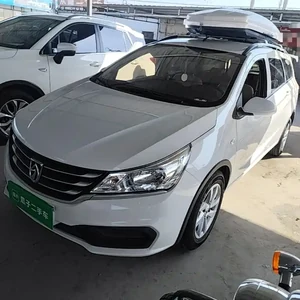
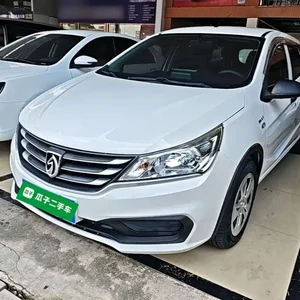
View all listings →Real units currently on ChinaCarDirect with per-unit asking prices and MOQ. Availability updates live from the catalogue.
How to buy a Baojun 310w from China
-
1
Define the operating requirement
Specify urban or highway use, passenger capacity, payload, preferred transmission, destination, budget and expected resale position. This prevents a low-price unit from being selected for duties it cannot handle efficiently.
-
2
Review live unit listings
Open the live Baojun 310w listings and compare year, trim, engine, gearbox, emissions version, condition, photographs and document status. Use each listing's current price, MOQ and availability rather than an old email or cached screenshot.
-
3
Request a scoped RFQ
Ask for a written quotation stating vehicle cost, currency, charge inclusions, payment milestones, production date and delivery term. Request the same scope for every shortlisted unit so the comparison remains valid.
-
4
Verify destination compliance
Confirm destination emissions, safety and type-approval requirements, taxes, registration and import rules. Specify LHD or RHD, and treat any conversion as a separate engineering, inspection and warranty issue.
-
5
Inspect and authenticate
Request the chassis identification, odometer, production date, service records and a pre-delivery or third-party inspection. For a used vehicle, verify accident repair, paint thickness, underbody condition, tyres and a cold start.
-
6
Agree payment and allocation
Put the final vehicle or allocation, inspection remedies, deposit, balance trigger, refunds, title and risk transfer into the sales contract. For mixed shipments, explain substitution and allocation rules.
-
7
Plan shipment and documents
Choose the carrier or forwarder after the Incoterm is settled. Confirm the route, loading method, insurance, customs responsibility, document cut-offs, tracking and destination charges before releasing the vehicle.
310w vs rivals
| Chery QQ | The Chery QQ is the closest China-sourced small-hatchback substitute, competing on low-cost urban use. The 310w provides a broader visible selection of 1.5L manual and automatic trims, so buyers should compare local service access, landed price and parts support rather than assume either is cheaper. |
|---|---|
| Chevrolet Spark | The Spark is a more modern global city-car alternative with different market-specific equipment and powertrains. It may offer stronger brand recognition or local support in some countries, but the 310w can be more economical when its China-sourced landed cost and configuration fit. |
| Kia Picanto | The Picanto is a close B-segment alternative for buyers prioritizing a refined global image, equipment and local brand support. The 310w may win on acquisition simplicity or China-sourcing economics; the better choice depends on taxes, parts, safety approval and resale in the destination market. |
Frequently asked questions
How is Baojun 310w export pricing determined?
A live export price should be read for the specific unit and quote scope. Vehicle year, trim, engine, gearbox, China emissions version, condition, supplier terms, exchange rate, freight, insurance, taxes and Incoterm can all affect the final amount. Check the current ChinaCarDirect listings and request an RFQ for the binding per-unit price and included charges.
What engine and transmission options does the Baojun 310w have?
The lineup includes 1.2L and 1.5L petrol engines. The 1.2L Value version is manual, while selected 1.5L trims are manual or automatic, with China V or China VI designations. It is not an EV, so battery capacity and electric driving range do not apply; confirm the exact powertrain on each live unit.
Should an overseas buyer choose a new or used Baojun 310w?
New units simplify condition assessment and fleet standardization, but should still pass a pre-delivery inspection. Used units can offer a different acquisition-cost profile, but buyers should verify mileage, service history, accident repair, paint, underbody, tyres and a road test. Compare the condition-adjusted total cost with current new-unit listings.
What is the MOQ for Baojun 310w orders?
There is no permanent model-wide MOQ; it depends on the supplier, listing and shipment plan. Some transactions may accept one vehicle, while a container program may require a batch or minimum value. State the required quantity in the RFQ and obtain written confirmation of MOQ, unit allocation, payment and delivery terms.
How long does shipping take, and what controls the cost?
Transit time and cost depend on origin and destination, sailing or carrier availability, vehicle count, loading method, port charges, insurance, customs, inland haulage and delivery deadlines. Ask the forwarder for a written route, cost inclusions, document cut-offs and risk-transfer point rather than relying on a generic estimate.
Are spare parts available for the Baojun 310w?
Parts are matched by model year, engine, transmission and trim, but availability and lead time vary by market and supplier. Before buying, request a parts list, confirm wear-item supply and aftersales support, and build a service schedule around delivery lead times. Original, remanufactured and alternative parts should be evaluated by quality and local approval.
Can the Baojun 310w be supplied in right-hand drive?
Do not assume right-hand-drive availability from a China V or VI listing, because those labels identify the Chinese emissions version rather than the steering configuration. Ask the supplier whether a factory right-hand-drive version exists for the required year and trim. If not, confirm whether conversion is legal and can be inspected and documented in the destination country.
How do I order a Baojun 310w from China?
Start by defining trim, transmission, quantity, destination, Incoterm and inspection requirements, then review the live listings and request an RFQ. Confirm the vehicle specification, documents, payment milestones, refund conditions and shipping plan in writing. The supplier’s confirmation and sales contract should form the binding commercial record.
Ready to source the Baojun 310w?
Request a current Baojun 310w quotation for your destination, preferred trim, transmission and required Incoterm.
Request a quote