
Baojun 360 Export Guide for Overseas Buyers
Buy a Baojun 360 from China with clear guidance on trims, used options, export pricing, MOQ, shipping and destination-market compliance for dealers and importers.
At a glance
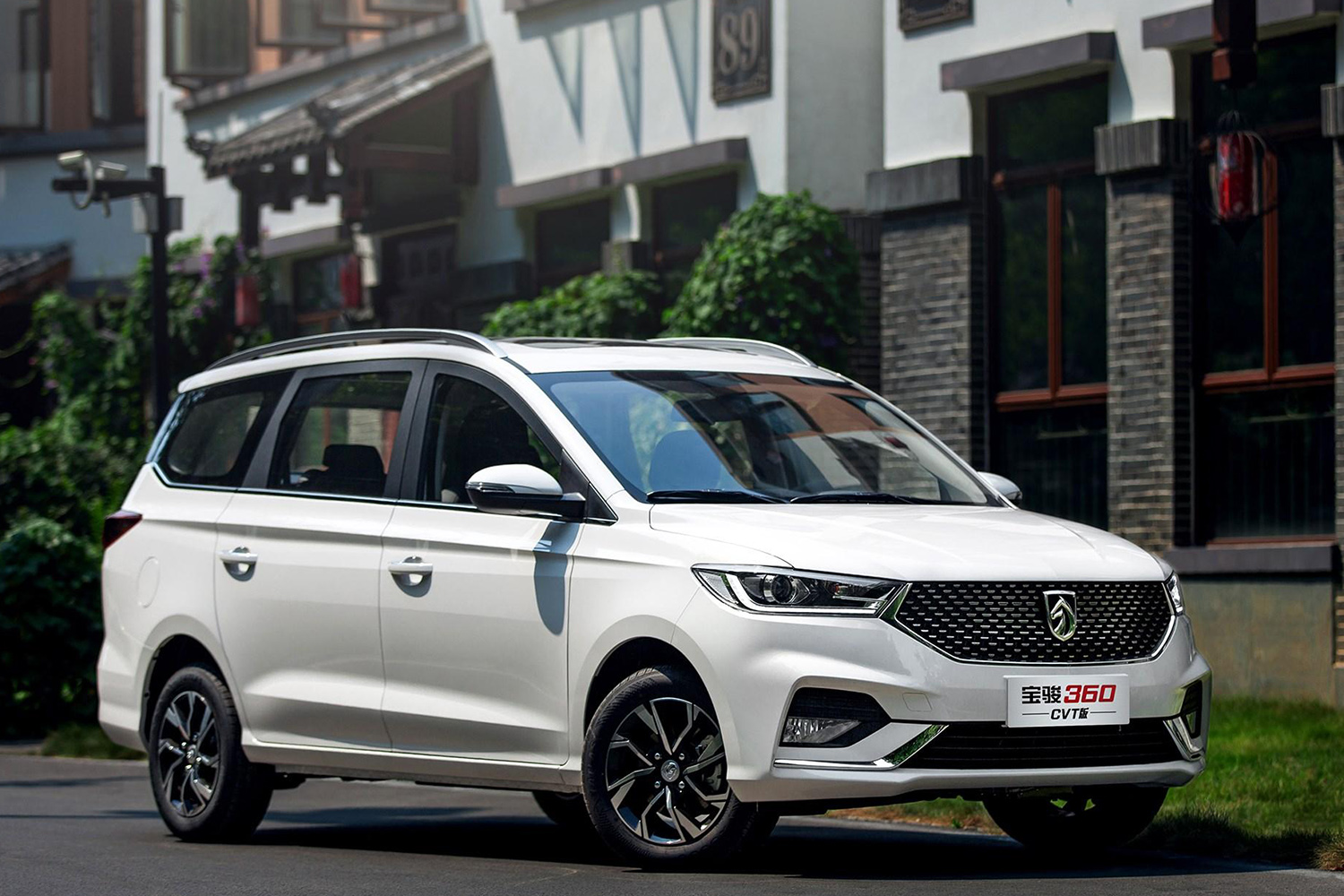
- The Baojun 360 is a compact five-door petrol hatchback built around a 1.5-litre engine.
- Manual, automatic and CVT transmissions are represented, with Elite and Luxury equipment grades.
- China V and China VI labels identify Chinese emissions versions and must be checked against destination rules.
- Used cars can reduce acquisition cost, but mileage, service history, condition and documents require close verification.
- Current vehicle pricing, availability and listing-specific MOQ terms should be confirmed on live ChinaCarDirect inventory.
Why the Baojun 360 matters for export markets
For buyers looking to buy a Baojun 360 from China, the model is a compact five-door petrol hatchback positioned as an affordable, practical vehicle rather than a premium model. Its 1.5-litre engine family and choice of manual, automatic, or CVT transmissions make it relevant to importers serving budget-conscious private buyers, small fleets, and urban work-car applications. For overseas buyers, the attraction is the combination of relatively straightforward mechanical content and lower purchase expectations, not the prestige of an established international badge. That distinction matters because vehicle value must be assessed after duties, freight, parts, and service—not from the domestic asking price alone.
Global demand for this type of car is strongest where buyers prioritize running costs, maneuverability, and access to economical parts over image or advanced cabin technology. The 360's small footprint suits dense streets and mixed urban use, while different transmission choices can address driver preference and traffic conditions. Export relevance is not automatic: a particular car still has to match the destination's emissions, safety, registration, and import requirements before it can be sold normally. Local homologation, left- or right-hand drive, and realistic aftersales support should therefore be resolved before a bulk order.
Against established global hatchbacks, the 360's strongest selling point is value for buyers entering the Chinese vehicle segment. A dealer can source different equipment grades without paying for body styles or powertrains irrelevant to its market. However, trim labels such as Elite and Luxury come from the Chinese naming system and cannot be assumed to match equipment elsewhere. Buyers should treat the VIN, build specification, emissions label, and destination approval as the decisive documents, using the live listings to confirm each physical vehicle and its photographed condition before placing any order.
Model range, trims and powertrain variants: how the lineup is structured and how to choose
The Baojun 360 line-up is organized around a 1.5-litre petrol engine, with Elite and Luxury grades carrying different equipment levels. Manual, conventional automatic, and CVT variants appear under names that also identify China V or China VI emissions versions. These labels help define the car, but they are not a direct translation of trim grades in Europe, Africa, the Middle East, or Latin America. A buyer should therefore compare the full model designation rather than choose solely from the words Elite or Luxury. That comparison is essential when matching a Chinese listing with a familiar export-market trim.
Transmission choice should follow the destination market and operating pattern. A manual can suit buyers comfortable with stick-shift driving and may simplify familiarity with broadly available service skills; an automatic or CVT can reduce driver workload in congestion. The model range includes all three transmission families, but it does not make one universally cheaper to operate after purchase. Compare insurance, fuel consumption expectations, maintenance schedules, and local driver familiarity for the exact vehicle. For fleet procurement, driver consistency and repair support may matter more than the transmission badge alone. Test the choice against local driving patterns.
Emissions and revision status deserve equal attention. China V and China VI describe Chinese regulatory categories; neither automatically equals a destination-market approval such as a local emissions class, and the revised versions can differ from earlier cars in appearance and equipment. Check the VIN, production details, emissions documentation, and any approval already held for the importing country. If the listing does not resolve those points, treat them as open items rather than assuming the vehicle is export-ready. A pre-shipment inspection can verify that the physical car matches its paperwork closely.
New vs used Baojun 360: how export inventory is structured and how buyers choose
Export inventory for the Baojun 360 can include previously registered cars as well as newer or revised examples, presented as individual vehicles with different years, grades, transmissions, and conditions. That structure is useful for a dealer able to select case by case, but it is not a standardized factory programme. Each listing represents one physical car rather than a freely interchangeable configuration, so the VIN, photographs, odometer reading, documents, and stated equipment must be checked before treating two advertisements as equivalent. Current availability must always be confirmed on live inventory.
For a used 360, value depends on more than the odometer. Ask for service records, registration and title documents, the emission and production labels, accident or flood history, and photographs of the engine bay, cabin, tyres, bodywork, and underside. Inspect oil, coolant, belts, battery, air-conditioning operation, and evidence of regular servicing. A lower vehicle price is justified only if condition risk is understood and reflected in the final purchase decision, including likely rectification work after arrival. This verification is far easier before the container departs.
A newer or revised car may reduce uncertainty around wear and offer a more coherent specification, but its imported status can still be complicated by age duties, emissions approval, or a supplier's delivery schedule. Newness does not by itself guarantee cheaper ownership or easier homologation. For fleet buyers, consistency of model year, gearbox, equipment, and condition can outweigh a small specification difference. For smaller importers, one carefully inspected used car may be easier to finance and restock than a mixed new allocation. Ownership planning remains essential for the buyer in either case.
- Verify VIN, title and emissions documents
- Inspect before shipment approval
- Compare documented repair needs
How export pricing works: the factors behind a live listing price, and how to read one
There is no defensible fixed Baojun 360 export price because the live inventory changes and individual cars are not identical. The main vehicle-side drivers are production year and revision, Elite or Luxury grade, transmission, mileage and condition, and whether any negotiated discount is already reflected. Export-side costs then vary with exchange rates, freight, insurance, origin charges, documentation, destination duties, taxes, and the Incoterm that defines which party carries each cost. A listing price should therefore be treated as a starting point, not the buyer's landed cost before any shipment commitment is made.
To read a live listing correctly, match the full model code and production details with the VIN request, then check the gearbox, China V or VI label, mileage, condition wording, and included documents. Review the Incoterm, unit or container basis, payment terms, and quote validity. A lower asking figure may be offset by a longer ocean route, a change in the exchange rate, or a requirement for repairs. By contrast, a higher figure may already include a useful service package or better-matched equipment. Compare like with like. Ask for a written all-in quotation before transferring funds.
For budgeting, create a landed-cost worksheet rather than relying on marketplace averages. Start with the binding per-unit quote for the selected vehicle, then add the agreed freight, insurance, port, customs, tax, inland transport, and compliance charges. Model several exchange-rate and freight scenarios if payment or delivery is not immediate. The current price and any quantity requirement for the exact car are shown in its live ChinaCarDirect listing, and an RFQ should be used when the destination, Incoterm, or condition needs clarification before treating any budget as final in local currency.
- Match the exact model code
- Separate vehicle and freight costs
- Confirm quote validity
MOQ, ordering and payment: single units vs consolidating a container
For a Baojun 360 wholesale order, minimum order quantity is a supplier and transaction term, so check it on the specific live listing and in the seller's written quotation. A marketplace page may describe one available vehicle, but that does not prove every seller will release it as a single unit or that the same terms apply to a container. Buyers with fleet demand should ask whether the MOQ is per model, per color, per specification, or per shipment. Confirm whether combining units changes the price, and do not infer terms from another Baojun 360 advertisement.
The normal ordering sequence is straightforward: define the destination and required configuration, inspect the live listing, ask the supplier to confirm identity and commercial terms, agree the vehicle price and freight basis, complete the agreed payment milestones, and release the unit after inspection and document checks. Payment methods, deposits, documentary credits, and balance timing can vary by seller and buyer. The purchase contract should identify the specific VIN where possible and state what happens if inspection, shipping, registration, or payment conditions are not met. Keep every approval in writing before shipment.
Consolidating several compatible 360s into one container can reduce freight and handling per vehicle, especially for a dealer with recurring demand. Capacity must be calculated from the actual vehicle dimensions, packing method, and safe loading plan, not an assumed number of cars. A mixed shipment can also be possible, but each vehicle still needs separate identification, documentation, and condition approval. Compare full-container, shared-container, and individual-unit options after tallying handling, insurance, delay, and unsold-stock risk rather than freight alone. For first-time importers, a smaller trial can limit exposure to unfamiliar aftersales.
- Read the listing-specific MOQ
- Confirm each payment milestone
- Consolidate only matched cargo
Shipping, homologation and market compliance caveats: LHD/RHD and import rules by country
Left-hand-drive and right-hand-drive availability is one of the earliest checks. Baojun 360 export examples are commonly encountered in left-hand-drive form, while right-hand-drive supply depends on the particular source and destination, so availability must be confirmed per listing. Steering-wheel position, pedals, instruments, lighting, mirrors, and registration details must be inspected on the actual vehicle. A steering conversion does not create local type approval and can complicate insurance, registration, safety, and parts support. Do not assume that a newer model year solves this issue or that a domestic-market car can simply be registered.
Import rules vary by country and can depend on engine displacement, emissions category, vehicle age, customs classification, roadworthiness, and whether a homologation exemption applies. China VI is a Chinese standard, not automatic evidence of Euro, Middle Eastern, African, or Latin American approval. Before a binding purchase, ask the importer, an accredited customs broker, and the relevant authority to confirm duties, taxes, certificates, modifications, and registration treatment. Compliance should be documented in the purchase and shipping instructions. Written broker confirmation reduces the risk of a costly arrival dispute or rejected entry.
Shipping should be planned around the vehicle's actual dimensions and weight, the chosen container or roll-on/roll-off method, origin and destination terminals, and the paperwork required for release. Freight quotations can change with fuel surcharges, port congestion, transshipment, security requirements, customs inspection, and seasonal equipment demand. Include insurance, loading, export handling, destination charges, demurrage risk, and inland delivery. Confirm the final transport plan and a realistic timetable before dispatch rather than treating the departure date as the delivery date. Delay at either port can affect the whole batch and every vehicle.
- Verify LHD or RHD configuration
- Obtain written compliance confirmation
- Confirm export document requirements
Who should buy the 360 — and who should pick a different vehicle
The Baojun 360 is a good fit for cost-conscious importers, small dealers, urban fleet operators, and buyers seeking an economical petrol hatchback with several transmission choices. It can be especially practical where the destination has a large Chinese-brand owner base, access to competent general servicing, and a replacement-car model that does not depend heavily on residual values. The case is strongest when local homologation is clear, spare parts can be planned, and the fleet can standardize on one grade and gearbox. It also suits buyers who value simplicity over prestige.
It is a weaker choice for buyers who require a battery-electric powertrain, premium performance, extensive driver-assistance equipment, a large cargo area, or a fully established global aftersales network. Those needs may call for a different Baojun model or another brand altogether. A 360 may also be unsuitable where right-hand drive is mandatory but no compliant source is confirmed, or where import age and emissions rules make ownership costly. Judge the purchase against the business case, not against the lowest vehicle-side quote. An unsupported model can become substantially more expensive after delivery.
Before committing, map the likely service pathway: identify common wear parts, confirm local repair capability, estimate parts lead times, and decide who will support warranty issues. For a fleet, pilot a small batch, monitor fuel use and downtime, and keep a standardized replacement plan. For a dealer, compare expected resale demand with the availability of familiar brands and national support. The 360 offers practical value, but only when the operating and compliance ecosystem around it is as well considered as the purchase. That systems view usually predicts success better than trim alone.
- Map local parts and repair support
- Compare operating requirements, not trim
- Test a small fleet first
Main rivals and how the 360 compares
The Chevrolet Sail is a close budget-oriented comparison because it also occupies the affordable compact-car segment in China and has a familiar Chevrolet identity in some export markets. Depending on the version, body style and equipment differ, and local parts recognition may be stronger for buyers already served by Chevrolet networks. The Baojun 360's hatchback format, manual and CVT choices, and Chinese trim hierarchy should be compared directly with the exact Sail derivative being considered, including warranty and homologation status. This is a market-specific comparison, not a universal ranking.
The Hyundai i20 represents a more globally developed compact-hatchback alternative, often with a newer feature set, established brand awareness, and stronger service expectations in markets where Hyundai is well represented. Its purchase and ownership requirements may be higher, but buyers prioritizing design, safety technology, or a familiar residual-value proposition may prefer it. The Baojun 360 competes through affordability, simpler specification, and transmission flexibility rather than through an equivalent international-brand support structure. Availability should be judged locally, rather than by global sales success or assumed resale value in that market alone.
The Kia Rio is another relevant small-car benchmark, offering an established global name, efficient petrol options, and a broad hatchback or sedan presence depending on market. Where Kia's aftersales network and used-car recognition are stronger, it can reduce resale and maintenance uncertainty, usually at a higher acquisition level. The Baojun 360 remains relevant for buyers who prioritize upfront value and Chinese supply relationships. The deciding variables are destination approval, parts access, finance, service support, and the actual landed cost, not badge preference alone. A live comparison should use matched vehicles.
- Compare market-specific after-sales support
- Weigh parts access and resale
- Use matched landed-cost scenarios
Live Baojun 360 export inventory
View all listings →Real units currently on ChinaCarDirect with per-unit asking prices and MOQ. Availability updates live from the catalogue.
How to buy a Baojun 360 from China
-
1
Define the destination and configuration
Specify the destination country, steering configuration, transmission preference, equipment level, expected quantity and delivery terms before comparing vehicles.
-
2
Review the live vehicle record
Open the relevant Baojun 360 listing and check the full model designation, production version, emissions label, gearbox, condition, mileage, photographs and included documents.
-
3
Verify export eligibility first
Ask an importer or customs broker about age-related charges, emissions approval, customs classification, certificates, registration treatment and any required modifications.
-
4
Request comparable written quotations
Send the destination and chosen configuration to the seller or ChinaCarDirect RFQ team. Require each quote to identify the vehicle, Incoterm, freight basis, payment terms, documentation and quote validity.
-
5
Confirm MOQ and payment milestones
Clarify whether the MOQ applies per vehicle, specification, color or shipment, and whether a single unit can be purchased. Record deposit, balance, inspection and cancellation conditions.
-
6
Approve inspection and documents
Arrange a pre-shipment inspection and reconcile the VIN, model code, condition report, photographs and export documents with the purchase contract before releasing payment.
-
7
Book freight and prepare clearance
Confirm loading method, route, insurance, port responsibilities and the realistic delivery timetable. Coordinate customs clearance, destination charges and inland delivery before the vehicle departs.
360 vs rivals
| Chevrolet Sail | The Sail is a close affordable compact-car comparison with stronger Chevrolet recognition in some markets, although body styles and local support vary. The Baojun 360 offers a hatchback format and a broader mix of manual, automatic and CVT choices, so compare matched versions, parts access and homologation. |
|---|---|
| Hyundai i20 | The i20 is a more globally developed hatchback alternative with established brand awareness and service expectations where Hyundai is well represented. It may suit buyers prioritizing design, safety technology and residual value, while the 360 emphasizes upfront value and transmission flexibility. |
| Kia Rio | The Rio provides a relevant global small-car benchmark with efficient petrol choices and potentially stronger after-sales recognition in certain markets. The Baojun 360 may offer a lower acquisition hurdle, but the better choice depends on matched pricing, destination approval, parts support and total ownership risk. |
Frequently asked questions
How is Baojun 360 export pricing determined?
The price reflects the selected vehicle's year and revision, trim, transmission, mileage, condition, seller terms and current commercial factors. Freight, insurance, exchange rates, port charges, customs duties, taxes and the selected Incoterm affect the final landed cost. The binding per-vehicle price is shown in the current ChinaCarDirect live listing.
What engine and transmission options does the Baojun 360 have?
The Baojun 360 uses a 1.5-litre petrol engine, with manual, automatic and CVT transmissions represented across the range. China V and China VI versions are also identified in the model designations. Confirm the exact engine, gearbox and emissions label for the individual vehicle and its VIN.
Should an overseas buyer choose a new or used Baojun 360?
A used car can reduce the acquisition cost, but buyers should investigate mileage, service history, condition, accident records and ownership documents. A newer or revised example may reduce wear uncertainty, yet age duties, emissions approval and consistency of specification can still favor used inventory for some buyers. Compare total landed cost rather than condition alone.
How does MOQ work for a Baojun 360 order?
MOQ is set through the individual supplier and transaction, so read the term on the selected live listing and confirm it in the written quotation. A listed vehicle may be available individually, but buyers should not assume that every seller accepts a single-unit order. Consolidation can improve freight efficiency, although it increases stock and cash exposure.
What affects shipping time and cost for a Baojun 360?
Shipping cost and timing depend on actual dimensions and weight, transport method, origin and destination ports, route, fuel surcharges, congestion, security requirements and customs inspections. Insurance, documentation, handling, demurrage risk and inland delivery also belong in the landed-cost calculation. Obtain a route-specific quotation rather than relying on a generic freight estimate.
Can spare parts be supplied for the Baojun 360?
Parts can generally be ordered through specialist or authorized channels, but availability and lead time depend on the exact model, trim, production version and destination. Have the VIN and original part numbers available before ordering, and confirm whether a part can be shipped separately. Buyers should also assess local repair capability and the cost of common wear items.
Is right-hand-drive Baojun 360 availability guaranteed?
No. Right-hand-drive supply depends on the particular source, version and destination, and it should be confirmed for each live listing. Do not assume that a domestic-market car can be registered after a simple steering conversion. Confirm the actual configuration, certification and local import treatment before paying.
How do I order a Baojun 360 from China?
Start with the live inventory, identify the exact vehicle and review its photographs, specification and documents. Submit an RFQ with the destination, configuration, quantity, Incoterm and delivery expectations. After confirming the VIN, price, MOQ, payment milestones and inspection terms, release the vehicle for insured freight and customs clearance.
Ready to source the Baojun 360?
Send your destination, required configuration, quantity and preferred Incoterm to ChinaCarDirect for a current Baojun 360 quotation.
Request a quote