
Buy Baojun 510 from China: Export Guide for Dealers
Compare Baojun 510 trims, powertrains, export pricing factors, MOQ, shipping, and compliance; review live inventory for value-focused dealers and fleets.
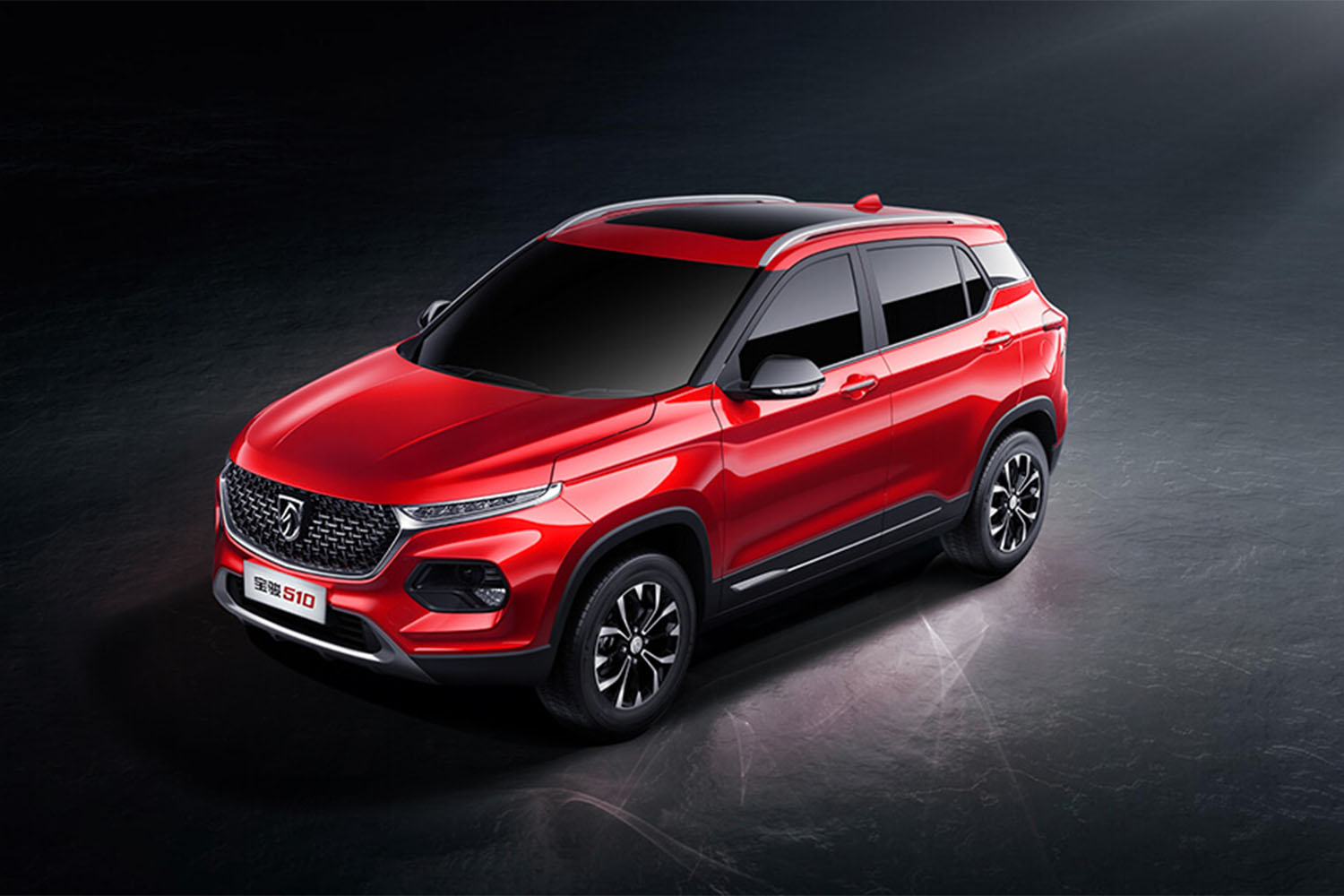
At a glance
- The Baojun 510 is a five-seat compact gasoline SUV aimed at cost-conscious importers, dealers, and fleet buyers.
- The 1.5-liter lineup spans manual, automatic, and CVT versions, with equipment varying by year and trim.
- China V and China VI designations describe Chinese emissions versions, not automatic approval in an export market.
- Export pricing should be assessed through a current unit quote and a complete landed-cost calculation.
- RHD availability, destination homologation, parts support, and freight terms must be confirmed before ordering.
Why the Baojun 510 matters for export markets
The Baojun 510 is positioned as a compact, five-seat gasoline SUV for buyers who want crossover packaging without moving into larger, more expensive segments. Its 1.5-liter engine and choice of manual, automatic, or CVT transmissions make it relevant to urban dealers, importers, and fleet operators in price-sensitive markets. The appeal is practical rather than prestige-led: a manageable vehicle footprint, familiar fuel, and multiple equipment levels let distributors tailor a purchase to local budgets. Overseas buyers should judge total delivered cost, local registration rules, parts support, and resale positioning rather than domestic list-price labels alone.
Demand for this class is strongest where buyers want SUV visual appeal, usable passenger space, and a conventional powertrain at a manageable acquisition cost. The Baojun 510 fits that brief particularly well for city-focused markets and employers adding staff vehicles, but its value depends on sensible variant selection. An entry-oriented trim may suit a fleet where the priority is acquisition and uptime; a higher-spec automatic or CVT derivative may make more sense for a retail range with greater equipment expectations. Dealers should compare actual fitment and condition, not infer it from the model name.
For export planning, its strongest argument is adaptability. The lineup spans China V and China VI versions, manual and powered transmissions, and named grades such as Comfort, Fashion, Luxury, Dynamic, Sport, Joy, and Premium. Those labels do not map automatically to European, Middle Eastern, African, or Latin American trim conventions, so overseas buyers should request a line-by-line equipment sheet. That prevents a low vehicle price from being undermined by missing local expectations, unsuitable emissions documentation, or parts complexity. Apply that same specification discipline consistently to fleet and retail units before any deposit is paid.
- Best suited to budget-conscious compact-SUV importers.
- Compare trim equipment before selecting a market range.
- Total ownership cost matters more than badge value.
Model range, trims and powertrain variants: how the lineup is structured and how to choose
The Baojun 510 export range is organized around a 1.5-liter gasoline engine, with the transmission and equipment level changing across model years and trims. Buyers will encounter manual versions, conventional automatic versions, and CVT-equipped derivatives. Listings may also distinguish older China V examples from China VI versions, while named grades cover Comfort, Fashion, Luxury, Dynamic, Sport, Joy, and Premium positions. The right comparison is therefore not simply “510 versus 510,” but a matching of year, transmission, emission version, and equipment. That discipline prevents false equivalence between vehicles with different operating costs.
Transmission choice should follow the operating environment and buyer profile. A manual can suit a market with strong self-driving familiarity and a lower acquisition priority, while an automatic or CVT reduces driver workload in dense traffic and for fleet users who rotate less experienced operators. CVT versions may appeal where smooth, simple operation is desired, but buyers should test the vehicle where possible and confirm service procedures. The live listing and an RFQ should identify the actual gearbox rather than relying on a generic trim badge before the purchase order is finalized.
Engine output is not uniform across the model range. Some China VI trim names explicitly carry 73 kW or 77 kW designations, while other versions are identified mainly by displacement, transmission, and grade. Those labels are useful for narrowing the shortlist but are not a substitute for the vehicle’s build plate, registration document, or homologation file. For fleet procurement, ask for a complete specification and a representative drive or inspection before committing several units to what appears to be the same grade. Variation within a named grade is a real procurement risk.
- Manual: lower-cost, driver-dependent choice.
- Automatic or CVT: easier for dense traffic.
- Verify China V or VI status per unit.
New vs used Baojun 510: how export inventory is structured and how buyers choose
Export inventory should be read as a structured set of vehicle attributes, not as a generic pool of “new” cars. Each offer can be separated by model year, trim, transmission, China emission designation, mileage or condition, and the minimum order accepted for that offer. New vehicles generally provide greater consistency in paint, interior wear, and configuration; used vehicles, when offered, may offer a different acquisition proposition but introduce more variation. Buyers should compare like with like before treating any quote as a benchmark for the intended market or delivery plan.
New Baojun 510 units are the more straightforward choice when a dealer wants standardized fleet specifications and predictable presentation. The buyer should still confirm whether the export warranty is valid in the destination country, whether production has already occurred, and whether tires, tools, manuals, and option equipment match the quoted trim. New does not automatically mean compliant or road-ready abroad: destination registration and safety requirements remain separate from the vehicle’s Chinese classification. Ask for dated photographs and the exact VIN for every unit in the shipment, and inspect each vehicle where possible.
A used Baojun 510 can suit a buyer seeking a lower initial outlay, a particular used trim, or a vehicle already adapted for a local market, but each unit needs a different inspection process. Check body structure, engine and transmission operation, cooling, brakes, suspension, tires, battery age if equipped, corrosion, and the accuracy of recorded mileage. Also verify title or ownership documents and whether replacement parts remain available. Current condition and availability should be checked in the live inventory, because catalogue composition can change before a unit is selected or funded.
- New units favor configuration consistency.
- Used units require unit-specific inspection.
- Compare VIN, condition, documents, and warranty.
How export pricing works: the factors behind a live listing price, and how to read one
A Baojun 510 export price is the result of several negotiated inputs, not one fixed model-level number. The vehicle’s model year, trim, transmission, China V or China VI designation, production status, mileage, and cosmetic condition influence its base value. Foreign-exchange movements and the cost of inspection, inland transport, export handling, marine insurance, freight, and destination charges are then added or allocated according to the agreed Incoterm. A lower vehicle price can therefore produce a higher landed cost if terms or paperwork differ and responsibility for each charge is unclear.
Buyers should read the live listing as the starting point for a unit-level quotation, not as a guaranteed delivered price. Check whether the displayed amount includes domestic charges, documentation, or export fees; establish whether it is FOB, CIF, or another Incoterm; and confirm who arranges shipping, insurance, customs clearance, and local taxes or duties. Exchange rates and freight quotations can move independently of the vehicle. Obtain a written pro forma or quote that separates vehicle price, logistics, and destination costs. Request the same breakdown from every supplier being compared.
The most meaningful comparison uses the same trim, transmission, model year, condition, and destination port. Then add the same logistics assumptions, including insurance, handling, and the expected payment milestone. Request photos of the exact unit, its identification number, and a current condition report rather than relying on shared dealer images. ChinaCarDirect displays the binding price for the individual vehicle in its live inventory. Buyers should review the relevant [live Baojun 510 listing](https://chinacardirect.com/products?q=510&brands%5B%5D=1327), verify the unit details, and request a refreshed quote for the intended shipment and agreed destination port before contracting.
- Vehicle age, trim, and condition drive base value.
- Incoterms determine included logistics and risk.
- Refresh the quote before contracting.
MOQ, ordering and payment: single units vs consolidating a container
The minimum order quantity is a property of the specific offer and the shipment plan, so it should be confirmed rather than assumed from the model name. A marketplace listing may accept a single-unit inquiry, while a supplier arranging a consolidated container can set a larger batch requirement. For a dealer testing demand, one-unit purchasing can reduce exposure; for an importer buying several similar vehicles, consolidation can lower unit logistics cost and simplify spare-parts planning. Ask the seller what happens if only part of the proposed quantity remains available.
A practical order process starts with a written specification, followed by a unit or batch quotation and a pro forma invoice. The invoice should identify each vehicle, agreed options, price basis, Incoterm, production status, and payment milestones. Common structures include a deposit with the balance due before release against shipping documents, but the exact sequence is supplier-specific. Larger transactions may use a documentary credit or other protected payment method, subject to bank requirements, supplier approval, and the documents being prepared correctly. No payment milestone should be accepted without checking those references.
Container consolidation requires stronger administrative control because small variations can create compliance, key, or spare-parts problems. Align model year, trim, transmission, and emission version across units; assign each VIN to its allocation; record who owns each vehicle; and define how accessories are packed. Keep a packing list, vehicle list, purchase invoices, and export documents consistent with the physical cargo. If the order is not full-container, the forwarder must confirm the carrier’s acceptance of the planned quantity and loading method. Use a written pre-shipment inspection and photograph the cargo before sealing.
- Confirm MOQ on each selected listing.
- Align units before container consolidation.
- Match payment milestones to documents.
Shipping, homologation and market compliance caveats: LHD/RHD and import rules by country
Shipping begins with a compliant vehicle and a destination-specific customs plan. The 510 is a gasoline compact SUV, so fuel and emissions requirements differ from battery-electric rules, but Chinese-market approval does not automatically satisfy another country’s road-car legislation. Before contracting freight, check the VIN, customs classification, emissions evidence, safety equipment, axle or weight limits, and any local age or used-vehicle restrictions. Import duties, taxes, quotas, and administrative charges must be calculated for the destination rather than copied from another market. Confirm all of this with a licensed local broker.
Steering configuration is another early filter. Buyers should state whether they require left-hand drive or right-hand drive and confirm that a suitable factory-produced configuration is available; a conversion can alter parts, labor, and inspection requirements and may not satisfy local rules. Where LHD and RHD choices are limited, consider whether the destination accepts the available configuration or whether another model is a safer import. Never treat a listing photo as proof of compliance, and request the relevant production and approval documents. Confirm steering configuration before the vehicle is produced or shipped.
Freight method and cost depend on actual dimensions and weight, number of units, origin and destination terminals, sailing schedule, and the Incoterm. A forwarder may propose containerized or roll-on/roll-off handling after reviewing the packing plan. Door-to-door cost can also include inland haulage, export terminal charges, documentation, marine insurance, destination handling, customs brokerage, duties, and delivery. Allow time for compliance queries and document correction, and build a contingency into launch schedules rather than relying on a nominal transit estimate alone. The freight quotation should state each charge and its exclusions.
- Specify LHD or RHD before ordering.
- Obtain destination-country compliance confirmation.
- Price freight with all handling charges included.
Who should buy the 510 — and who should pick a different vehicle
The Baojun 510 is a strong candidate for a cost-conscious importer, a dealer building an accessible compact-SUV range, or a fleet buyer prioritizing a conventional five-seat vehicle and straightforward fuel infrastructure. It also suits buyers who can manage parts and homologation through a capable local partner. A manual derivative may fit a market with experienced drivers and a lower equipment budget; an automatic or CVT version may be more appropriate for urban traffic, shared mobility, or employers prioritizing driver comfort. Test the shortlisted configuration in local conditions before placing a bulk order.
It is less suitable for buyers whose brief requires an all-electric range, zero local tailpipe emissions, premium crash-safety equipment as standard, advanced driver assistance, a heavy-towing capability, high payload, or assured right-hand-drive availability. The compact 510 is not a substitute for a larger utility vehicle in severe-duty work, and it may not satisfy fleets with strict corrosion, durability, or residual-value targets. In those cases, shortlist alternatives with the required energy type, homologation, or commercial capability rather than trying to solve the gap after ordering. The brief should control the shortlist.
The decision also depends on the buyer’s after-sales capability and expected holding period. Before committing, obtain a parts list for the exact trim, understand service intervals and warranty boundaries, and estimate residual value against local new-vehicle alternatives. A unit that meets the market’s price band and parts availability may be more valuable than a better-equipped rival with a weak service network. For small test orders, select the configuration most likely to generate repeatable demand, then scale only after registration, servicing, and resale performance are understood in the target market first.
- Strong fit for cost-conscious dealers and fleets.
- Weak fit for EV, heavy-duty, or premium briefs.
- Test parts access before scaling orders.
Main rivals and how the 510 compares
The closest global alternatives include the Dacia Duster, Hyundai Creta, and Chery Tiggo 4, although the best match changes by country, powertrain, and equipment. All are compact or subcompact SUVs capable of competing for budget-conscious private buyers and small fleets. The Baojun 510’s distinguishing question is not whether it has the longest equipment list, but whether its Chinese-market specification, parts proposition, and export support create a better delivered value after local homologation and distribution costs are included. A short test and document check should settle any close comparison before volume commitment.
Against the Dacia Duster, the 510 may present a different value equation for buyers with established Dacia support versus buyers seeking a newer China-supplied alternative. The Duster has a long-established market presence and a rugged, practical image, while the Baojun’s local appeal depends on available trim, spare-parts access, and dealer capability. Neither should be selected on badge familiarity alone. Compare the exact vehicle, landed cost, warranty coverage, and expected parts lead times in the destination market. The same standard should apply to every shortlisted rival, using equivalent evidence and assumptions.
Against the Hyundai Creta, the 510 may suit a buyer seeking a lower acquisition threshold and a wider choice of China-market transmissions, while the Creta may offer a more established global dealer and residual-value framework in some markets. The Chery Tiggo 4 is a more direct China-export comparison: assess powertrain, dimensions, equipment, certification, and parts support side by side rather than assuming one is mechanically or commercially superior. Test the shortlisted 510, verify its documents, and total the cost of ownership over the intended holding period before making a final selection.
- Dacia Duster: established rugged-value benchmark.
- Hyundai Creta: stronger global support in some markets.
- Chery Tiggo 4: direct China-export alternative.
Live Baojun 510 export inventory
View all listings →Real units currently on ChinaCarDirect with per-unit asking prices and MOQ. Availability updates live from the catalogue.
Baojun Baojun 510 2019 Model 1.5L Automatic Premium Comfort Version China V
How to buy a Baojun 510 from China
-
1
Define the market and vehicle brief
Specify the destination country, fuel and transmission preference, LHD or RHD requirement, expected volume, and aftersales capability. Include local registration and fleet-use priorities in the brief.
-
2
Shortlist comparable live units
Review the live Baojun 510 inventory and compare model year, trim, gearbox, China V or VI designation, condition, photographs, VIN, and stated MOQ. Avoid comparing different configurations as if they were equivalent.
-
3
Verify homologation and import eligibility
Ask the supplier and a local customs broker to check road-car approval, emissions evidence, safety equipment, duties, taxes, quotas, and any model-age or used-vehicle restrictions.
-
4
Request a complete landed-cost quote
Request a written, unit-level quote stating vehicle price, Incoterm, freight, insurance, handling, documentation, payment milestones, delivery scope, and quotation validity.
-
5
Inspect and reserve the exact vehicle
Review dated photographs and the VIN, inspect a representative vehicle or use an independent inspector, and reconcile the build plate with the agreed specification. Then issue a written purchase order and pro forma invoice.
-
6
Confirm payment and export documents
Check ownership documents, production status, invoice details, shipment terms, and insurance before paying against agreed milestones. For larger transactions, consider a documentary credit if both banks and the supplier support it.
-
7
Ship, clear, and support the vehicle
Use a qualified freight forwarder, conduct a pre-shipment inspection, track the cargo, complete customs clearance, and arrange local registration. Confirm the aftersales parts plan before vehicles enter service.
510 vs rivals
| Dacia Duster | A rugged, established compact-SUV benchmark with strong brand recognition in some markets; the Baojun 510 may appeal where a China-supplied alternative and manual or CVT choices create a better local value proposition. |
|---|---|
| Hyundai Creta | A global-market alternative that may offer more established dealer and residual-value support in certain countries; the 510 can suit buyers prioritizing a lower acquisition threshold and more varied China-market configurations. |
| Chery Tiggo 4 | A direct China-export compact-SUV competitor. The 510 may be favored for particular manual, automatic, or CVT listings, while the Tiggo 4 should be compared on homologation, dimensions, equipment, parts support, and landed cost. |
Frequently asked questions
How is Baojun 510 export pricing determined?
The price starts with the exact unit’s year, trim, transmission, emissions version, condition, and production status, then reflects exchange rates, freight, insurance, handling, and Incoterm allocation. Current binding per-vehicle pricing is shown in the live listings; request a refreshed quote because destination logistics and payment terms can change the landed total.
What engine and transmission options are available?
The Baojun 510 is a gasoline compact SUV with a 1.5-liter engine. Depending on year and trim, buyers will find manual, automatic, or CVT versions, with some China VI trims identified as 73 kW or 77 kW. It is not an electric vehicle, so electric range and battery-capacity figures do not apply.
Should I buy a new or used Baojun 510 for export?
New units provide greater configuration consistency and are simpler to standardize for fleets, but they do not solve destination approval by themselves. Used units require individual condition, title, mileage, and parts checks; confirm current condition and availability in the live inventory because the catalogue can change.
What is the MOQ for a Baojun 510 wholesale order?
MOQ is set per listing and may differ between single-unit procurement and consolidated-container arrangements, so the selected listing must be checked for its stated requirement. Ask the supplier what quantity is required for the intended packing method and how mixed configurations are handled.
How long does shipping take, and what affects the cost?
Transit time and cost vary with the origin and destination, vessel schedule, terminal handling, season, insurance, Incoterm, and number or size of units. A forwarder should quote after reviewing the actual vehicle dimensions and shipment details because the landed cost can include considerably more than freight.
Are spare parts available for the Baojun 510?
Parts can generally be sourced for common service items, but availability depends on the exact trim, model year, and local distributor stock. Before ordering, obtain part numbers for wear items, maintenance items, body panels, and electronic components, and confirm lead times and import channels.
Is a right-hand-drive Baojun 510 available for export?
RHD availability must be confirmed for the particular market and model year; it should not be assumed from a general listing. Ask whether the unit is factory-produced for RHD or converted, because local approval, parts, and warranty implications can differ.
How do I buy a Baojun 510 from China?
Start with the live inventory, compare like-for-like units, request a written quote and pro forma invoice, verify documents and condition, and then pay according to agreed milestones and shipment terms. Submit an RFQ with the destination, trim, transmission, steering configuration, quantity, and target port.
Ready to source the Baojun 510?
Send ChinaCarDirect your destination, required trim, transmission, steering configuration, quantity, and target port for a current Baojun 510 export quote.
Request a quote