
Baojun 560 Export Buying Guide for Dealers and Fleets
Buy a Baojun 560 from China with expert guidance on trims, export pricing, MOQ, shipping, compliance and rivals for overseas dealers and fleets.
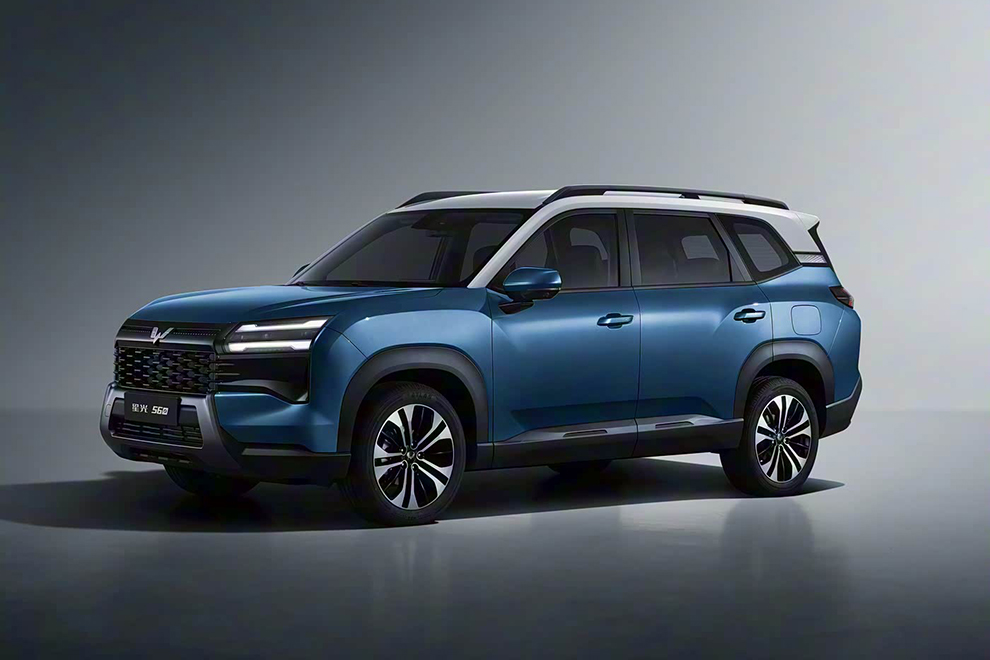
At a glance
- The Baojun 560 is a compact gasoline SUV aimed at value-conscious dealers, importers and fleet buyers.
- The range pairs 1.5L turbo and 1.8L naturally aspirated engines with manual or iAMT automated-manual transmissions.
- The line includes five-seat utility and a specific seven-seat Comfort derivative for higher-capacity needs.
- Used units can suit short-term fleet use, but history, condition, inspection and parts support must drive the decision.
- Current unit pricing, MOQ, availability and configuration should always be confirmed on live ChinaCarDirect listings.
Why the Baojun 560 matters for export markets
The Baojun 560 is a compact, gasoline-powered SUV positioned around practical transport rather than premium styling or advanced technology. Its simple drivetrain, choice of manual and automated-manual versions, and family-oriented packaging can suit budget-conscious importers, dealer groups and fleet operators seeking a vehicle at the lower end of the compact-SUV market. Buyers should assess the platform as an established design, not a substitute for a current-generation model. That distinction matters when planning a long-term fleet: confirm parts support, service access and resale expectations before treating a low acquisition quote as the total cost of ownership.
In export markets, the 560's logic is channel fit. A compact footprint is easier to manage than a full-size SUV, while a naturally aspirated engine can be practical where technicians know conventional mechanical vehicles. The model can appeal to buyers trading up from a small sedan or hatchback, but it should be sold on verified condition and total running cost—not on the expectation of European or Japanese equipment and homologation. Dealers should compare tax bands, insurance classes and resale demand before committing, because imported compact SUVs can be repriced when policy or currency conditions change.
Demand for this type of vehicle is strongest where buyers need more space and a higher seating position but remain sensitive to purchase cost and fuel use. The Baojun badge may be less familiar than established marques, so local marketing should explain its specifications, equipment and support honestly. For an overseas buyer, the decisive evidence is the unit-level inspection, service history and parts plan. Live Baojun 560 listings are the right starting point for seeing which trims and configurations are available at the time of inquiry and for confirming current supplier terms.
- Compact SUV footprint.
- Gasoline engine options.
- Local support shapes resale.
Model range, trims and powertrain variants: how the lineup is structured and how to choose
The 560 range is organized around two gasoline engine choices, manual and iAMT automated-manual transmissions, and a ladder of equipment trims. Visible trims include Value, Comfort, Elite and Luxury, plus a seven-seat Comfort derivative and a distinct Rhythm Edition iAMT Premium derivative. Not every combination appears in every export listing. The sensible approach is to select the mechanical package first, then compare equipment and seating against the intended resale market, rather than choosing on the most decorative trim name. Availability can differ by production year, source market and individual unit, so early trim planning should remain flexible.
The 1.8L unit is the naturally aspirated option, while the 1.5T is turbocharged. For operators prioritizing simplicity, predictable servicing and lower perceived complexity, the 1.8L with a manual gearbox may be easiest to support. The turbocharged engine can suit buyers wanting stronger mid-range response but should be matched to a service plan that understands turbocharged systems. An iAMT reduces clutch work for drivers moving between manual and automatic experience. That convenience can reduce fatigue in dense traffic, although it does not remove the need to understand the gearbox's operating characteristics and maintenance requirements.
For fleet use, choose the drivetrain and gearbox around driver familiarity, road conditions and service coverage rather than peak specification alone. A manual can be attractive where self-driving instruction and technician knowledge are strong; an iAMT can make the vehicle more approachable to mixed-experience drivers. The seven-seat option is relevant only if carrying capacity is genuinely needed, because additional seats usually add weight, cost and complexity. A higher-equipment trim may improve resale appeal, but it does not compensate for poor parts availability in the destination market or among local mechanics.
- 1.5L turbo or 1.8L.
- Manual or iAMT.
- Seven-seat Comfort derivative.
New vs used Baojun 560: how export inventory is structured and how buyers choose
The export category should be read at unit level because “new,” “used,” and “unregistered” describe different risks. Export inventory can combine new or previously unused vehicles sourced through dealer channels with used examples moving through fleet or auction channels. A new vehicle can offer more consistent paint, interior condition and documentation, with less uncertainty from prior duty. A used example may cost less and suit a short holding period. The decisive distinction is not the label alone: ask for the production year, mileage reading, registration history and evidence of how the vehicle was used.
Used Baojun 560 units deserve a condition-led comparison because age and duty affect maintenance exposure. Inspect cold starts, fluid leaks, clutch or iAMT behavior, steering and suspension condition, accident repairs, paintwork and cabin wear. A service book alone is not conclusive, and an odometer reading does not reveal hard commercial use. Buyers should consider a pre-purchase inspection, VIN verification and a seller document pack as part of the acquisition cost, not optional extras added after a deposit. Ask whether the vehicle has been used for ride-hailing, delivery or off-road work, since each application leaves different evidence.
For many importers, a new unit makes more sense when resale presentation, predictable first impressions and warranty administration are central to the business. A used unit can make more sense for a budget fleet, an employee vehicle or a buyer prepared to fund maintenance immediately. Compare the expected holding period, likely repair reserve and local resale discount, then use the live listings to assess what the supplier is actually offering. Availability changes, so no general label can replace a fresh unit-by-unit review. Request updated photos, documents and condition findings before making a final commercial decision.
- Inspect every used unit.
- Compare condition and history.
- Mileage is not condition.
How export pricing works: the factors behind a live listing price, and how to read one
An export listing price is a starting vehicle-side figure, not necessarily the landed cost. The model year, trim, engine, gearbox, mileage, condition, ownership history and included accessories all influence the seller's ask. Currency movements can alter the displayed value, while shipping method, destination, insurance and any service or warranty package add separate costs. Buyers should ask for both the unit price and a written landed estimate based on a named port and Incoterm. This separates the vehicle's commercial value from logistics, customs, duties, taxes and local compliance costs that may apply.
To read a live quote correctly, confirm that the year and trim in the title match the photographs, VIN and equipment list. Look for disclosed mileage, condition grade, seller location, unit identifier, and whether the price is FOB, CIF or another basis. Then check what the seller says is included: documents, keys, tools, spare wheel, battery condition and service support. A lower displayed amount can still produce a higher landed cost if freight, insurance or compliance work is added later. For a used vehicle, request dated inspection photographs and a clear statement of known faults.
Pricing discipline means separating optional extras from unavoidable costs. Ask whether exchange-rate adjustments apply, how long the quotation remains valid, and which charges are paid by buyer or seller. For larger orders, freight efficiency may improve the per-vehicle cost, but insurance, financing and inventory carrying costs still matter. Review the Baojun 560 live listings for the current unit price and MOQ, then build a spreadsheet that converts each quote into cost per vehicle at the destination. Include registration, local taxes and dealer margin only when known; estimates prevent false precision.
- Check the Incoterm.
- Calculate landed cost.
- Match price to the unit.
MOQ, ordering and payment: single units vs consolidating a container
Minimum order quantity is a seller and listing term, so buyers should read it on every current vehicle rather than assume a catalogue-wide rule. Some export suppliers will release one unit, while other vehicles, configurations or special pricing may require a batch. A one-unit purchase suits a trial importer or small retailer, but it offers little freight leverage. A consolidated order suits larger wholesale programs if savings exceed storage, financing and slower-stock-turn risk. ChinaCarDirect's live listings show the applicable MOQ for each unit; confirm any volume discount directly against that unit.
When comparing a single unit with a container, model the full cost rather than freight alone. Consolidation can reduce transport cost per vehicle and simplify one customs entry, but it ties up more capital and may mix model years, trims, colors or condition grades. A mixed load is manageable only if every unit has a clear identity, photograph, document set and agreed sale price. For a first-time importer, one or a few carefully selected vehicles can provide better market evidence than a large, undifferentiated shipment. It also makes quality issues easier to isolate.
A sound order process begins with a written specification, followed by a pro forma invoice that defines the vehicle, price basis, payment schedule and delivery term. The buyer should verify the seller's identity, request the title and identification documents, and use the platform or a protected payment method rather than sending unsecured funds. A pre-shipment inspection should be completed before final payment, with a written process for recording discrepancies, corrective action and release. Keep every approval and inspection image in the file so that any agreed remedy can be enforced and traced.
- Read each listing's MOQ.
- Track mixed-load identities.
- Inspect before final payment.
Shipping, homologation and market compliance caveats: LHD/RHD and import rules by country
Steering configuration is the first market-specific check. Availability of left- and right-hand-drive forms varies by market, and an individual Chinese export listing may be left-hand drive unless the seller confirms otherwise. Do not assume that a model sold in one country is available in the required configuration. Verify the steering side, pedal and control arrangement, wiper and lighting equipment, and whether local conversion is legally and technically acceptable before naming the vehicle in a sales contract. A correction performed after loading can cause delays and expensive rework for the importer.
Import rules are destination-specific rather than universal. Depending on the country, a vehicle may need local type approval, emissions compliance, safety or equipment checks, customs valuation, duty and tax payment, insurance, and registration documents. Used imports can face stricter age, emissions or inspection rules than newer vehicles. The importer should obtain a written requirements check from a local customs broker or homologation specialist before paying, because a technically suitable 560 may still be uneconomic or unlawful in a particular market. Local rules can also change, so confirmation close to shipment is essential.
Shipping cost and duration depend on the origin and destination ports, carrier allocation, vessel schedule, transshipment points, congestion, cargo dimensions and the Incoterm. Where the carrier permits, vehicles may move by roll-on/roll-off service or container; the forwarder should confirm which method is actually booked. Delivery milestones should cover export clearance, loading, voyage, arrival clearance, terminal release and inland transport. Ask who bears demurrage, storage and port charges, and allow contingency time for inspections or missing documents. Insurance should also state the risk-transfer point and cover loss or damage during the agreed journey.
- Confirm steering configuration.
- Check destination approval rules.
- Define port-charge responsibility.
Who should buy the 560 — and who should pick a different vehicle
The 560 is a sensible candidate for budget-focused dealer programs, small fleets and importers that understand Chinese vehicle support. It offers a practical SUV format, gasoline engines, manual or automated-manual choices and, in a specific derivative, seven-seat capacity. Those features can fit markets where buyers prioritize utility, simple controls and manageable acquisition cost. The strongest case is a destination with a credible parts channel and realistic demand for an economical compact crossover, rather than a market seeking premium badges or the latest digital suite. Assess local service capacity at purchase and during ownership.
Dealers should not buy the 560 when customers expect the equipment, refinement, warranty responsiveness or residual values of a newer mainstream rival. It may also be a poor fit where fuel economy, emissions performance, advanced safety, towing capacity or broad international parts coverage are decisive. Manual buyers with strong self-driving skills may accept its learning curve; shared fleets with mixed drivers may prefer an automatic alternative. A seven-seat vehicle also carries penalties in price, weight and efficiency, so occupancy data should justify it. A vehicle that is cheap to acquire is not automatically cheap to own.
The buying decision should be framed around total landed cost and a realistic exit route. Include purchase, freight, insurance, duties, taxes, registration, inspection, parts, fuel, maintenance and expected dealer margin. Then estimate how quickly the model-year mix and condition grade will need to turn over in the destination market. A conservative first order can test both demand and parts support; a larger order should follow only after service feedback, sale-through evidence and a clear plan for every unit before additional capital is committed to the same specification. This sequence limits exposure when aftersales demand is still uncertain in that market.
- Suited to value-focused buyers.
- Weak fit for premium expectations.
- Match seats to real demand.
Main rivals and how the 560 compares
The Baojun 560 should be compared with compact SUVs that offer a similar family-oriented footprint, moderate equipment and a practical entry into the market. Chevrolet Trax, Hyundai Creta and Renault Captur are more realistic reference points than large premium crossovers. Specification years, engines and equipment vary by country, so comparison should use the exact derivative intended for import. The useful questions are cargo practicality, safety content, service reach, fuel use and landed cost, not badge prestige. A sheet using the same tax and freight assumptions makes the comparison fair and meaningful.
The Chevrolet Trax is a close conceptual benchmark for a small, value-oriented crossover, while the Hyundai Creta generally carries stronger brand recognition and a broader established service presence in many markets. Those advantages can support easier resale but may come with higher acquisition or ownership expectations. The Baojun 560 differentiates through a simpler compact package and a choice unusual for this segment: a manual transmission alongside an automated-manual option. Local aftersales evidence should decide the comparison. Neither brand familiarity nor purchase price should substitute for verified parts availability in the destination country.
The Renault Captur is another relevant benchmark for buyers who prioritize compact dimensions, visual appeal and a more familiar global nameplate. Depending on market and year, Captur alternatives may offer different transmission choices and equipment, so an exact-spec comparison is essential. Against these rivals, the 560 is strongest when its simpler specification, compact footprint and manual or iAMT choice meet local demand at a competitive landed cost. It is weaker when buyers require modern safety technology, broad homologation history or effortless resale in an unfamiliar market segment without local support.
- Compare like-for-like derivatives.
- Weigh brand confidence.
- Compare local service support.
Live Baojun 560 export inventory
View all listings →Real units currently on ChinaCarDirect with per-unit asking prices and MOQ. Availability updates live from the catalogue.
How to buy a Baojun 560 from China
-
1
Define the destination specification
Confirm the destination, required steering side, seating capacity, engine, transmission and local homologation route. Shortlist configurations that local technicians can support.
-
2
Review and shortlist live units
Use the live Baojun 560 listings to review the current year, trim, condition, photographs, seller details and applicable MOQ. Compare units rather than relying on a model-level description.
-
3
Request a landed quotation
Ask the supplier to state the unit price, named port, Incoterm, freight method, insurance, documentation and estimated destination charges. Request a written quotation with a clear validity period.
-
4
Verify identity, documents and eligibility
Match the VIN and production year to the listing, then review registration, title, import-eligibility and ownership documents. Obtain local advice on customs and type approval before paying.
-
5
Agree the pro forma invoice and payment
Record the selected vehicle, price basis, deposit, balance trigger, delivery term and dispute process in a pro forma invoice. Use a protected payment route and retain every approval.
-
6
Inspect before releasing final payment
Use a pre-shipment inspection covering mileage, exterior and interior condition, underbody, fluids, engine, gearbox and known faults. Document discrepancies and agree corrective action before release.
-
7
Book shipping and complete market entry
Confirm the transport method, route, milestones, insurance and responsibility for demurrage or storage. Coordinate customs clearance, homologation, registration and the local parts plan through appointed providers.
560 vs rivals
| Chevrolet Trax | A close size-and-use benchmark for value-oriented compact SUVs. The 560 can appeal where its manual or iAMT choice and simpler equipment fit the market, while the Trax may benefit from stronger brand recognition; compare exact market-specific safety and service provisions. |
|---|---|
| Hyundai Creta | A mainstream rival with generally stronger global recognition and broader dealer familiarity. The Baojun 560 may provide a more budget-oriented entry, but buyers should compare the exact engine, safety, parts and resale proposition rather than assume equivalent content. |
| Renault Captur | A compact crossover alternative with established international recognition. Choose the 560 when its compact utility, engine choices and automated-manual option suit local demand; the Captur may be preferable where brand confidence, residual values or local parts coverage dominate. |
Frequently asked questions
What engine and transmission options are available in the Baojun 560?
The export-focused 560 range is gasoline-powered, with 1.5L turbocharged and 1.8L naturally aspirated engine options. Buyers can find manual and iAMT automated-manual versions, and one Comfort derivative is configured as a seven-seater. There is no electric range or traction-battery specification for this ICE model; confirm the exact engine, gearbox and seating on the live unit listing.
How is the Baojun 560 export price determined?
A live price reflects the specific vehicle's year, trim, engine, transmission, condition, mileage where relevant, and the seller's commercial terms. Freight, insurance, duties, taxes, exchange rates and the chosen Incoterm can change the landed total. Use the live Baojun 560 listings for the current unit price, then request a written landed quotation for your destination.
Should I buy a new or used Baojun 560?
A new or previously unused unit is generally easier to assess for paint, interior and documentation consistency. A used unit may suit a short-term or budget fleet, but it requires checks for mileage, accident repair, mechanical condition, service history and hard commercial use. The better choice depends on holding period, repair reserve and local resale expectations.
What is the MOQ for a Baojun 560?
MOQ is set by the seller, vehicle and live listing, so it must be checked on each unit rather than treated as a universal model rule. A supplier may accept a single vehicle or require a batch for a particular configuration. The current applicable figure is shown with the live listing and should be confirmed in the RFQ.
How long does shipping take and what does it cost?
Transit time and cost depend on origin and destination ports, carrier service, transshipment, congestion, cargo handling, insurance and the Incoterm. The freight forwarder should provide a route and transport estimate and show where risk transfers. Customs clearance, missing documents and terminal delays can extend the schedule, so the delivery plan needs contingency.
Can spare parts be ordered for the Baojun 560?
Parts should be ordered by VIN, exact trim and engine where possible, because shared body styles can still have different equipment and revisions. Ask the supplier which parts it can support directly and identify an independent local parts or service channel before committing. For routine wear items, confirm availability and lead time rather than assuming immediate delivery.
Is a right-hand-drive Baojun 560 available for export?
Availability of left- and right-hand-drive configurations varies by source market and individual vehicle. Do not infer steering side from the model name or assume a conversion is permitted; ask the seller for clear photographs, the VIN and written confirmation. Local approval, safety and registration rules must also be checked for the destination country.
How do I order a Baojun 560 from China?
Start by defining the destination, steering side, seating, engine and transmission, then select a vehicle in the live listings. Request a pro forma invoice and landed quote, verify identity and documents, and use a protected payment process. Complete a pre-shipment inspection before final balance, then coordinate freight, customs, homologation and registration through the appointed forwarder or broker.
Ready to source the Baojun 560?
Send ChinaCarDirect your destination, preferred trim, quantity and Incoterm for a current Baojun 560 export quote.
Request a quote