
Baojun 730 Export Buying Guide: Specs and Shipping
Buy a Baojun 730 from China with guidance on trims, used vehicles, export pricing, MOQ, shipping, homologation and fit for overseas dealers and importers.
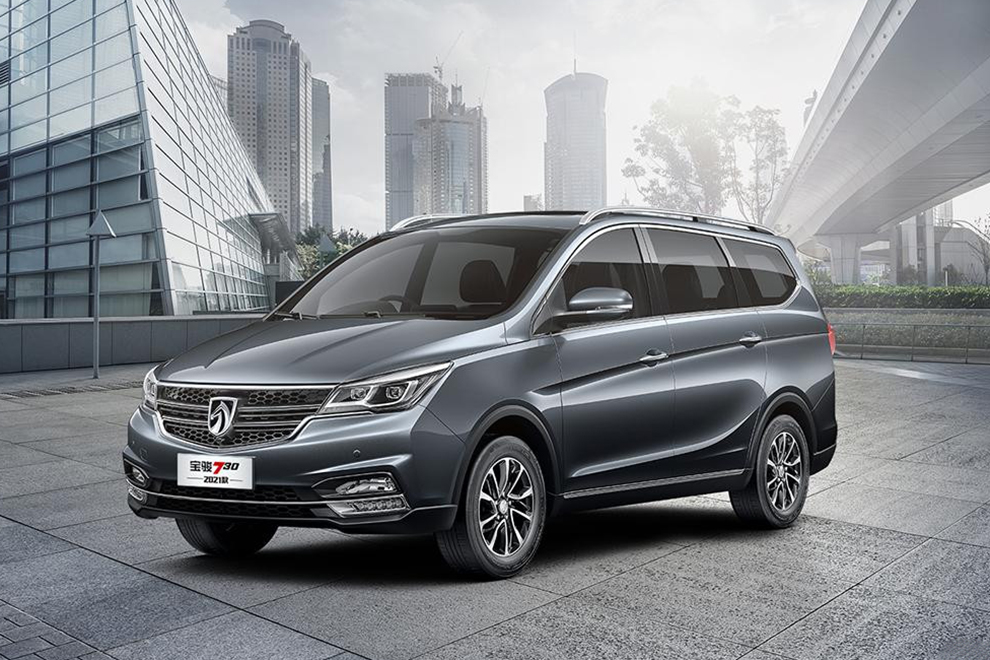
At a glance
- The Baojun 730 is a compact seven-seat petrol MPV suited to families, airport transfers, shuttle operators and light fleets.
- Baojun 730 specifications include 1.5L, 1.8L and 1.5T engines with manual, iAMT and CVT choices, depending on the unit.
- New and used inventory is vehicle-specific, so condition, mileage, history and equipment require individual verification.
- Export pricing moves with specification, age, condition, currency, freight and Incoterm; buyers should use live listings and written quotes.
- Registration, hand-of-drive availability, homologation, parts support and total operating cost should be checked before ordering.
Why the Baojun 730 matters for export markets
The Baojun 730 is a compact seven-seat multipurpose vehicle (MPV), also described as a people carrier, built for buyers who need passenger capacity without moving to a full-size van. For overseas dealers, its export proposition is straightforward: familiar 7-seat packaging, several petrol powertrain choices and equipment tiers that can suit family transport, hotel transfers, airport shuttles or light commercial fleets. It occupies the useful middle ground between a five-seat passenger car and a larger van, giving importers a way to address seven-seat demand with a single model format.
Demand for this format is strongest where operators need a flexible cabin: a driver plus six passengers, occasional luggage, and the ability to switch between commuting and larger family trips. The 730 can suit private buyers seeking three rows, rental companies needing a people carrier, and commercial users running reception or shuttle duties. Its appeal is not luxury transport or sports performance. Buyers are buying usable space, a seven-seat configuration and a straightforward operating proposition, so load flexibility, seat access, air conditioning and serviceability usually matter more than aggressive styling or high-output performance.
Before treating the model as a global bestseller, overseas buyers should test local demand rather than assume it. A country with strong family MPV sales, growing ride-hailing activity, frequent airport and hotel movements, or a need for staff transport may offer a natural fit. Conversely, markets dominated by SUVs, strict emissions rules, expensive fuel, or established premium minivans may narrow the opportunity. The export question is whether the 730 can be registered, serviced and resold economically in that country. Validate expected residual values, parts access and realistic utilisation before committing to a Baojun 730 wholesale programme.
Model range, trims and powertrain variants: how the lineup is structured and how to choose
Baojun 730 specs differ across the lineup, so export buyers should read the complete vehicle name rather than rely on one trim hierarchy. Common descriptors include Standard, Comfort, Value, Fashion and Luxury labels, with some units adding ESP, navigation or facelift wording. Listings may also identify China V or China VI emissions versions. These labels originated in the Chinese market and do not map neatly to one international equipment list. They remain useful for comparison, but only the exact listing, production year, VIN and option sheet can establish what is fitted.
Petrol engine choices include 1.5-litre, 1.8-litre and 1.5-litre turbo variants. Transmission options across the range include a manual, an iAMT automated-manual unit and a CVT, so buyers are not limited to one mechanical specification. A manual can suit markets where drivers know conventional gearboxes and fleet operators prioritise simplicity. An iAMT offers automated shifting with a mechanically linked drivetrain, while a CVT may be attractive for smoother urban use. Output, fuel consumption and payload should still be checked for the individual unit because trim names alone provide insufficient information for direct comparison and purchase planning.
Choose by operating environment and buyer priorities. Manual Comfort and Standard cars may be easier to specify for basic fleet duty, while Luxury or navigation-equipped versions suit customers who expect better cabin presentation. ESP availability varies by trim and must be confirmed rather than assumed. Similarly, a 1.5T model with CVT is mechanically different from a 1.8L with iAMT, even when both are seven-seaters. Ask the seller for the engine designation, gearbox type, tyre specification, installed options, emissions version and any service history, then compare those facts with parts support in the destination market.
- Match gearbox to driver familiarity.
- Confirm ESP and navigation per unit.
- Verify source-market emissions labels.
New vs used Baojun 730: how export inventory is structured and how buyers choose
Export stock for the Baojun 730 can include new vehicles, later-production carryover models and used examples from different model years. A new listing may represent an unregistered vehicle or dealer stock, whereas a used listing should disclose registration history, mileage and condition. These are individual vehicles, not anonymous production batches. Buyers should therefore avoid comparing one listing’s year, trim and condition with another headline without opening the detailed record. Current new and used availability, with each vehicle’s exact attributes, appears in the live inventory rather than relying on an aggregate category label.
A new Baojun 730 reduces uncertainty about wear, prior damage and restoration work, although it can still have manufacturing defects or dealer preparation issues. It may also be easier to standardise a fleet around one trim. A used Baojun 730 can make more economic sense for budget-conscious buyers, rental projects or a secondary fleet, but the buyer takes on depreciation, wear, accident history and potential maintenance liabilities. Inspect body structure, panel fit, paint, glass, interior, engine bay, underbody, tyres and service records. Resolve every material discrepancy in writing before the balance payment.
Neither condition label substitutes for vehicle-level due diligence. For a commercial fleet, uptime expectations may justify newer vehicles or a comprehensive pre-shipment inspection. For private resale or rental, a carefully chosen used example can preserve capital for marketing, registration and local launch costs. Compare warranty support, likely parts consumption and residual-value expectations across candidates. A mixed strategy can work: one new vehicle for a pilot, followed by used examples once market reaction is known. Use current listings as the transactional record, and request an RFQ for the precise configuration and quantity you intend to buy.
- Used units need condition-specific inspection.
- New units still need pre-delivery checks.
- Confirm parts support before mixing fleets.
How export pricing works: the factors behind a live listing price, and how to read one
A Baojun 730 export price guide should explain variables rather than publish a permanent figure, because price is a moving commercial calculation. The vehicle’s year and condition matter, as do trim, engine, transmission, mileage, equipment and whether it is new or used. Seller margin, currency movements, inland transport, export documentation and the chosen Incoterm also affect what a buyer ultimately pays. A vehicle price may exclude freight, insurance, duties, taxes and destination charges, so it is not landed cost without confirmation. The authoritative price is attached to the specific live listing and written quotation for that unit and its payment terms.
To read the live listing properly, open the vehicle record rather than comparing thumbnails. Match production year, trim wording, engine, gearbox, seating, emissions designation, condition and visible equipment. For a used vehicle, compare mileage and inspect disclosed damage. Ask what the seller includes in the asking price and whether the quote is FOB, CFR, CIF, EXW or another delivery basis. Request an itemised pro forma invoice separating the vehicle, inland transport, export handling, freight, marine insurance and other charges. It should state currency, quote validity and payment milestones, allowing equivalent units to be compared on landed cost.
Negotiation should follow comparable evidence. A buyer with near-identical units can discuss volume treatment, while a single-vehicle buyer should focus on condition, specification and the total cost of the selected Incoterm. Exchange-rate clauses can protect both sides when the payment currency differs from the seller’s quotation currency. Do not assume a vehicle-stage discount reduces freight or import duty. Review who owns the vehicle, whether finance is settled, and which party handles export clearance. For current pricing, open the live Baojun 730 listings and request a written quote for the exact unit, destination and delivery term.
- Compare equivalent units and delivery terms.
- Separate vehicle price from landed cost.
- Trust written quotes, not saved pages.
MOQ, ordering and payment: single units vs consolidating a container
Minimum order quantity is a commercial term that may vary by seller, route and order arrangement, so buyers should read the current MOQ on each live vehicle rather than assume a catalogue-wide rule. Some export programmes permit a single-unit order, while larger shipments may receive different handling or freight terms. Ask whether the MOQ applies to one SKU, one model, one production batch or the full container. Distinguish a vehicle MOQ from the supplier’s factory requirement: a marketplace listing may be sellable in smaller quantities even when the manufacturer’s normal channel order is larger.
For a small importer, consolidating several vehicles through a shared container or group shipment can reduce freight and handling cost per unit. The trade-off is control: every vehicle must match the agreed specification, arrive in good condition and clear customs without a problem. Coordinating sellers also adds documentary, payment and timing complexity. One damaged vehicle can delay the group if release depends on shared inspection or documents. Before consolidation, agree on target specification, inspection standard, allocation method, evidence required, and responsibility for missing, damaged or non-compliant units. Compare savings with administrative and inventory risk.
A practical order begins with a written specification, not a bank transfer based on a photograph. Review the pro forma invoice, MOQ, payment schedule, Incoterm and cancellation terms. Complete identity and ownership checks, pay through the agreed protected method, and obtain inspection evidence before releasing the balance. Keep correspondence, vehicle documents, payment receipts and shipping instructions in one file. For a container order, define how stock is allocated and how inspection failures are handled. An RFQ should state destination, hand of drive, trim, powertrain and quantity before a binding quotation is requested and the delivery basis is agreed.
- Confirm whether MOQ covers SKU or container.
- Weigh consolidation savings against control risk.
- Release balance only after agreed inspection.
Shipping, homologation and market compliance caveats: LHD/RHD and import rules by country
Hand-of-drive is the first export check because it affects registration, usability and sometimes the exact vehicle available. China-origin examples are commonly supplied in left-hand-drive form, but a right-hand-drive Baojun 730 should not be assumed for every trim, year or supplier. Converting a left-hand-drive vehicle can add cost, affect parts planning and require a locally approved arrangement. Specify the required configuration before selecting a unit. If right-hand-drive availability is uncertain, ask whether a genuine market-compatible example exists or whether local conversion is legally and practically acceptable, and obtain confirmation from the relevant authority before paying.
Homologation is separate from the vehicle’s China V or China VI label. A Chinese emissions designation does not automatically satisfy local type approval, safety, emissions, noise or registration rules. Depending on the destination, an importer may need a conformity certificate, VIN and customs documents, customs valuation, roadworthiness checks, local taxes and proof that the variant can be registered. Imported used vehicles can face additional age restrictions or different inspection requirements. Ask the destination’s customs and vehicle-registration authority for the current rules, and use a licensed local agent where required. Settle compliance before committing to a vehicle.
Shipping method should match the vehicle, route and cargo plan. Where permitted, vehicles may travel roll-on/roll-off, in a suitable container or on a flat rack; the method depends on dimensions, carrier policy and available equipment. Obtain the unit’s measurements and weight before booking. Transit time and cost are shaped by sailing frequency, port congestion, customs clearance, documentation, weather and destination handling. Marine cargo insurance, pre-export inspection, port charges and inland delivery can be as important as ocean freight. Choose the Incoterm after mapping these responsibilities, then document loading condition, lash points and evidence of damage.
- Specify RHD or LHD before selection.
- Confirm destination approval before shipment.
- Price insurance, inspection and inland delivery.
Who should buy the 730 — and who should pick a different vehicle
The Baojun 730 is a strong candidate for importers, dealer groups and fleet operators that prioritise a genuine seven-seat vehicle at a practical operating cost. It can fit private customers who need more than five seats but not a premium MPV, as well as hotels, tour operators, airport transfer businesses and family-oriented rental fleets. Attractive use cases provide predictable routes and moderate annual mileage, allowing the petrol proposition to make sense. A commercial buyer’s business case should include utilisation, driver comfort, fuel use, service intervals and the resale value of a maintained seven-seat vehicle.
It is less suitable for buyers seeking electric range and charging capability, premium cabin materials, sporty dynamics, off-road ability or the high ground clearance of a crossover. Those requirements point toward an EV MPV, premium minivan, performance model or SUV rather than this people carrier. The 730 may also be a poor fleet choice where local emissions rules, fuel taxation or imported-vehicle age limits undermine its operating economics. Do not substitute the presence of seven seats for every vehicle requirement. Define luggage needs, daily routes, driver profile and residual-value assumptions, then confirm the selected 730 satisfies them.
Total cost, not purchase price alone, should decide the order. Build a model covering acquisition, finance, registration, insurance, fuel, servicing, repairs, downtime and resale. Local parts availability can materially affect the result, particularly for a less familiar model, so ask for parts references and service intervals before importing. A distributor may need a pilot to verify parts lead times, workshop familiarity and customer acceptance. If checks fail, a more globally established rival may deliver lower lifecycle cost despite a different body style. The best purchase remains economical after registration, operation and resale, not the lowest asking figure.
- Best for value-focused seven-seat fleets.
- Not for EV, premium or off-road needs.
- Model parts, downtime and residual values.
Main rivals and how the 730 compares
The closest format alternatives include the Toyota Avanza and Suzuki Ertiga, both commonly positioned around affordable family MPV use and may offer seven-seat configurations depending on market. They can appeal to buyers who place more weight on established global model familiarity, local spare-parts networks and international experience. The Baojun 730 differentiates through its Chinese-market trim structure, alternative engine and transmission choices, and the opportunity to source directly from China. Assess that opportunity on the same basis as rivals: vehicle specification, landed cost, certification, warranty, parts support and expected resale rather than badge perception alone.
The Mitsubishi Xpander is a different but relevant benchmark because it combines a tall MPV body with crossover-inspired positioning and a seven-seat family focus. It may be preferable where a higher seating position, stronger crossover image or a newer global-market proposition matters. The Baojun 730 offers a more conventional people-carrier layout and, in some source-market configurations, manual or automated-manual choices that fleet buyers may understand well. A side-by-side test should cover third-row comfort, luggage with all seven seats occupied, safety equipment, fuel requirements and aftersales reach. Visual style should be the final tie-breaker, not the first.
No rival wins automatically. A Japanese rival may offer stronger local support, but its landed cost can differ from Chinese sourcing. The Baojun 730 can be better value when the selected trim meets local needs and the importer can support it properly. It is harder to justify if parts availability is uncertain or certification is costly. Build a shortlist using the same worksheet: seats, engine, gearbox, safety equipment, cargo use, servicing, warranty, homologation, parts lead time, freight method and resale. Send that specification when requesting an export price guide or competitor quotation.
Live Baojun 730 export inventory
View all listings →Real units currently on ChinaCarDirect with per-unit asking prices and MOQ. Availability updates live from the catalogue.
Used Baojun 730 2021 1.5T Manual Fashion Version 7 Seats - Fashion
Used Baojun 730 2021 1.5T Manual Fashion Version 7 Seats - Fashion
How to buy a Baojun 730 from China
-
1
Define the destination and use case
Specify the destination, required RHD or LHD configuration, passenger and luggage needs, operating routes and local emissions requirements. Include fuel taxation, registration rules and expected annual mileage in the business case.
-
2
Shortlist the live inventory
Open the Baojun 730 live inventory and compare complete vehicle names. Review year, trim, engine, gearbox, seating, emissions label, condition, mileage and visible options before shortlisting.
-
3
Verify the exact vehicle
Request the VIN, clear photographs, option list, service records, ownership details and confirmation that any finance or registration lien has been settled. Reconcile every listed detail with the vehicle identification record.
-
4
Request an itemised quotation
Ask for the vehicle price, inland transport, export handling, freight, insurance, duties, taxes and other charges under a stated Incoterm. Require the currency, quote validity, payment milestones and any conditions affecting the price.
-
5
Confirm MOQ and payment mechanics
Clarify whether the MOQ applies to an SKU, model, production batch or container, and whether single-vehicle or group orders are accepted. Review the deposit, balance, cancellation, inspection and protected-payment conditions before transferring funds.
-
6
Check compliance and parts support
Confirm destination rules for type approval, emissions, customs valuation, roadworthiness, vehicle age and registration. Obtain engine- and trim-specific parts references, catalogue access and realistic service support in the target market.
-
7
Inspect, release and ship
Use an agreed pre-shipment inspection and retain photographic evidence of the vehicle and loading condition. Release the balance only after the inspection is satisfied, then track shipping documents, insurance, customs clearance and inland delivery.
730 vs rivals
| Toyota Avanza | The Avanza is the closest conventional budget-MPV benchmark, especially where a genuine seven-seat version is offered. Its established local familiarity can simplify parts and resale planning, while the Baojun 730 offers direct Chinese sourcing and broader source-market engine and transmission choices. |
|---|---|
| Suzuki Ertiga | The Ertiga is a close family-MPV alternative, with seating configurations varying by market. Buyers may favour its established badge and local support, while a Baojun 730 can suit importers seeking a direct-China seven-seat unit with a specified engine and gearbox. |
| Mitsubishi Xpander | The Xpander offers a taller, crossover-styled seven-seat alternative for buyers who prioritise SUV-like presentation. The Baojun 730 is a more conventional people carrier with manual, iAMT and CVT source-market choices, so compare third-row usability, cargo flexibility, safety equipment and servicing. |
Frequently asked questions
How is Baojun 730 export pricing determined?
The live ChinaCarDirect listing shows the current asking price for an individual vehicle. Pricing is shaped by year, condition, mileage, trim, engine, transmission, equipment, new or used status, currency, freight and Incoterm; duties and destination charges may sit outside it. Use the live listings for current per-unit pricing, MOQ and availability, then request an itemised written quotation for binding landed-cost terms.
What engine, transmission and range does the Baojun 730 have?
The Baojun 730 is a petrol internal-combustion MPV. Source-market variants include 1.5L, 1.8L and 1.5T engines, with manual, iAMT and CVT transmissions depending on the trim. No battery capacity or EV driving range applies, so buyers should confirm the exact powertrain and equipment in the selected listing.
Is a new or used Baojun 730 better for export?
A new vehicle reduces uncertainty about wear, prior damage and restoration, and can make fleet standardisation easier. A used vehicle may suit budget-conscious or secondary-fleet buyers, but condition, mileage, service history, accident records and maintenance risk must be assessed individually.
How does the Baojun 730 MOQ work?
MOQ is set by the seller and order arrangement and may apply to an SKU, model, batch or container. Check the current MOQ on each live listing and ask whether single-vehicle, group or full-container orders are accepted. Consolidation can reduce per-unit freight but creates shared delay, damage and documentation risks.
How long does shipping take and what determines the cost?
Shipping time is not fixed; it depends on sailing frequency, port congestion, customs clearance, paperwork, weather, route and destination handling. Cost also changes with vehicle count, transport method, fuel surcharges, insurance, inspection, port charges and inland delivery, so request a route-based estimate under a clearly stated Incoterm.
Are spare parts available for the Baojun 730?
Availability varies by country and trim because parts catalogues and local dealer stocks differ. Before ordering, request engine-, transmission- and trim-specific parts references, catalogue access and realistic lead times. Also confirm workshop procedures, warranty parts and where the vehicle will be serviced.
Is a right-hand-drive Baojun 730 available?
Do not assume right-hand-drive availability for every trim, year or supplier. China-origin vehicles are commonly left-hand drive; ask for a genuine right-hand-drive unit and confirm with the destination authority whether conversion is permitted. Freight, compliance and parts planning can change if the hand of drive is wrong.
How do I order a Baojun 730 from China?
Begin with the live listings, select a vehicle or submit an RFQ with the destination, hand of drive, trim, powertrain, condition and quantity. Review the written specification, MOQ, pro forma invoice, Incoterm, inspection terms and payment milestones. After compliance and ownership checks, use the agreed payment and shipping procedure and retain all vehicle documents.
Ready to source the Baojun 730?
Send your destination, hand-of-drive, trim, powertrain and quantity to request a current Baojun 730 export quotation.
Request a quote