
Baojun Rm-5 Export Buying Guide for Dealers and Fleets
Buy Baojun Rm-5 from China with clear guidance on trims, powertrains, used inventory, export pricing, MOQ, shipping, homologation and key rivals.
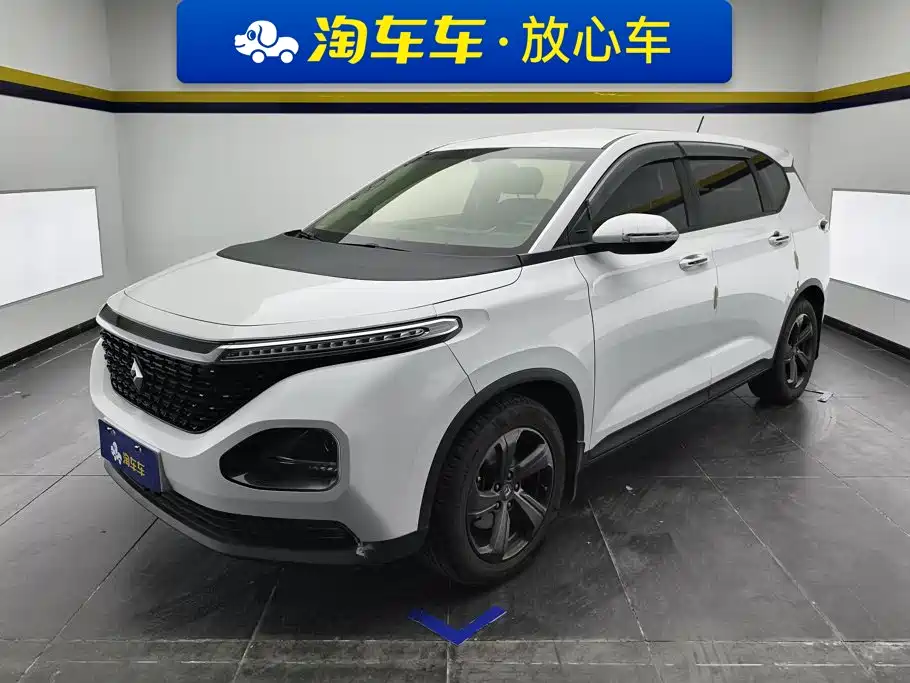
At a glance
- The Rm-5 is a compact people carrier with five-, six- and seven-seat layouts for passenger, family and light-fleet use.
- The export-relevant powertrain mix includes 1.5L and 1.5T petrol engines with manual or CVT transmissions.
- Elite, Luxury, Prestige and Premium trims should be compared by equipment, seat configuration and VIN-specific condition.
- Used vehicles can reduce entry cost, but each unit needs document, service-history and mechanical inspection.
- The true export decision is the landed cost: vehicle, freight, insurance, duties, taxes, homologation and aftersales support.
- Right-hand-drive supply is unit-specific, so confirm steering position and local homologation before purchase.
Why the Baojun Rm-5 matters for export markets
The Baojun Rm-5 is a compact multi-purpose vehicle designed around a useful idea: one model family can serve as a five-seat car, a six-seat family MPV, or a seven-seat people carrier. That flexibility gives it broader relevance than a conventional small SUV in markets where buyers need passenger capacity but want a relatively economical, straightforward package. For export buyers, the appeal is practical rather than prestige-based, especially where hotels, transport operators and family groups value usable third-row access and flexible luggage space. It can expand demand without moving buyers to a larger vehicle category.
Demand for the model is strongest where operators compare acquisition cost with the ability to carry more people over a vehicle's working life. The Rm-5 can suit airport and hotel transfers, employee shuttles, community transport, light fleet duties and family use where a large sedan is impractical. Its petrol engines and choice of manual or CVT also let distributors address different buyer preferences: manual for drivers familiar with it and simple duty cycles, or CVT for easier operation in stop-and-go traffic and for drivers moving up from smaller cars today.
Export interest still depends on local reality. A Chinese-market Rm-5 may carry domestic trim labels and connected-service wording that does not automatically translate into overseas warranty, software support or parts support. Buyers should therefore treat the vehicle's mechanical suitability as one decision and its homologation, residual value and serviceability as separate decisions. The model makes sense when those checks align; otherwise a more familiar local marque with stronger aftersales coverage may be the lower-risk purchase. That is particularly important for fleet buyers, whose downtime and workshop assumptions matter as much as the initial vehicle cost.
- Five-, six- and seven-seat layouts for passengers and cargo.
- 1.5L and 1.5T petrol engines; manual or CVT.
- Local homologation and aftersales determine export viability.
Model range, trims and powertrain variants: how the lineup is structured and how to choose
The lineup is structured around a petrol engine family, seating capacity and several equipment themes. Listings identify 1.5L and 1.5T engines, with CVT transmissions appearing on both engine labels and a manual gearbox also offered. Seat counts of five, six and seven are available, while names such as Elite, Luxury, Prestige and Premium indicate different equipment positioning. The repeated 24-hour online service wording is a useful listing clue, not proof of an overseas service package. Confirm the powertrain, seats and equipment directly on the exact vehicle being offered for export.
When comparing an engine choice, the practical question is how the vehicle will be used rather than which badge sounds more advanced. The 1.5T CVT combination gives a streamlined operating experience in urban traffic, frequent stops and mixed driving. The range also includes 1.5L CVT examples, while a 1.5L manual appears in some configurations. That manual may suit buyers familiar with the gearbox, but no engine should be selected from its suffix alone: confirm output, curb weight, payload, service intervals and fuel consumption on the live unit before ordering it.
Seat configuration should be selected against the actual load plan. Five seats give the simplest two-row layout and usually the most straightforward luggage accommodation; six seats can balance passenger capacity with a usable third row for occasional use; seven seats prioritize maximum occupancy. The six- and seven-seat cars can be tax, insurance and registration liabilities when a market classifies them differently. Check curb weight, gross vehicle weight and stated seating positions, and confirm whether the live vehicle has been modified from its original seating layout before final local registration begins.
- 1.5L and 1.5T petrol engine choices.
- Manual and CVT options; verify each pairing.
- Seat choice follows the load plan.
New vs used Baojun Rm-5: how export inventory is structured and how buyers choose
Export inventory can contain both new and used Rm-5 vehicles, but the two categories should be evaluated as different products. A new example normally offers a more standardized condition, clearer model-year consistency and the possibility of a manufacturer warranty, subject to the exact sales terms and destination coverage. A used Baojun Rm-5 may reduce the initial acquisition cost, yet each vehicle can differ in mileage, service history, accident repair, wear and remaining life. The lower sticker price, if any, does not replace inspection or total-cost analysis. Use a like-for-like specification and condition comparison.
The structure of a used export listing often reflects a Chinese domestic vehicle rather than a factory-prepared export specification. The 24-hour online service label may describe a domestic connectivity or assistance package, while items translated into English can obscure what is fitted or supported abroad. Trim names also do not prove that safety, infotainment or comfort equipment is in the same condition as new. Ask for the VIN, production or registration date, title and import documents, maintenance records, equipment list and photographs before treating the listing as an import-ready product.
For used units, inspection should focus on evidence rather than appearance. Review cold-start behavior, brake condition, tire age, fluid leaks, suspension noise, air-conditioning output, restraint-system condition and the condition of the CVT or manual gearbox where applicable. Verify that the odometer, engine number and VIN agree across the listing, service records and import papers, and look for evidence of repainting, structural repair or flood exposure. A pre-purchase inspection at the seller's location is more valuable than generic photographs because it can reveal issues that a cleaned exterior hides in normal traffic.
- New vehicles offer standardized condition.
- Used vehicles require unit-specific inspection.
- Reconcile the VIN, mileage and documents.
How export pricing works: the factors behind a live listing price, and how to read one
A Baojun Rm-5 export price guide should separate the vehicle's asking price from the total cost of importing it. The live vehicle price is shaped by production year, trim level, engine and transmission, seating configuration, mileage and condition for used units, optional equipment, seller margin and currency movements. Payment terms and inventory age can also affect the number displayed. Because these inputs change, an importer should treat any online figure as a dated, vehicle-specific reference rather than a universal market price or a guaranteed landed cost for a specific shipment.
Freight and trade costs form the next layer. The destination, transport mode, distance, route, fuel surcharges, container type, loading plan, marine insurance, export handling, destination terminal charges, customs duties, taxes and compliance work all affect the landed amount. Incoterms determine where responsibility transfers, but they do not remove the buyer's need to budget for port, customs or inland costs. A low vehicle price paired with an expensive destination or difficult homologation can be less economical than a higher-priced vehicle with simpler logistics for the same delivery deadline and overall service target.
To read a live listing correctly, open the unit record rather than relying on a category headline. Confirm whether the displayed amount covers the vehicle only, which trim and engine are fitted, whether mileage and condition are stated, whether the seller accepts a single unit, and whether the quote expires. Then compare only equivalent examples. Current binding prices and availability appear in the [live Baojun Rm-5 inventory](https://chinacardirect.com/products?q=Rm-5&brands%5B%5D=1327), while a written quotation should itemize every freight, tax and service charge for the intended route and delivery terms in full.
- Vehicle factors: year, trim, engine, seats and condition.
- Trade factors: route, freight, duties, taxes and handling.
- Compare like-for-like units in writing.
MOQ, ordering and payment: single units vs consolidating a container
Minimum order quantity is a commercial term, not a permanent property of the Rm-5. A marketplace listing may permit a single vehicle, while a supplier's bulk or container program can impose its own MOQ, model mix or payment conditions. The applicable MOQ must be confirmed for the selected listing and destination because it can vary by seller, vehicle specification and shipment plan. Buyers seeking Baojun Rm-5 wholesale supply should request the quantity, mix, production timing and per-unit terms in a pro forma invoice rather than inferring them from general availability.
A single-unit purchase is useful for testing market demand, photographing an unmodified vehicle or serving a modest fleet, and it gives the importer more control over trim and seat configuration. Consolidating a container can improve freight efficiency, but it requires accurate forecasting and may mix five-, six- and seven-seat vehicles or manual and CVT powertrains. Loading plans should reflect actual dimensions, weight, securement and destination sales mix. A deep container filled with one slow-moving specification may offer little benefit, so wholesale planning should begin with realistic sell-through forecasts, not simply maximum unit count.
Payment structure should follow the risk-transfer point. Before remitting funds, verify the seller's legal identity, the vehicle's ownership documents and the beneficiary account, then request a written pro forma invoice and sales contract. Agree which deposit and balance milestones apply, what documentary evidence triggers final settlement, and whether inspection, export declaration or release is a condition precedent. Payment methods can carry fees or exchange-rate exposure. Any refund, cancellation or dispute mechanism should be stated in the contract, especially where a used vehicle is being financed before export or onward shipment.
- Confirm the listing-specific MOQ.
- Consolidate only after validating demand.
- Link final payment to agreed documents.
Shipping, homologation and market compliance caveats: LHD/RHD and import rules by country
Left- or right-hand drive is the first market-fit question. The Rm-5's available configuration and any steering conversion must match the destination's registration rules and customer expectations; the presence of a Chinese-market listing does not mean a right-hand-drive example is available. Ask for a clear photograph of the steering position and the VIN-specific specification. Some importers commission conversion, but labor, parts, inspection and homologation can erase the commercial advantage. It is generally safer to source an already suitable vehicle than to assume an ordinary conversion will be accepted everywhere without approval.
Import rules vary by country and can depend on the vehicle's age, engine emissions, category, value and whether it is new or used. Buyers should check local age restrictions, customs valuation, duty and tax treatment, emissions and safety standards, VIN and chassis identification, roadworthiness documents, and any used-vehicle quarantine or inspection regime. Do not assume Chinese approval, a connected-service feature or an English listing equals destination-market certification. A local homologation specialist or clearing broker should confirm the exact route before the vehicle is paid for or shipped abroad.
Shipping is a chain of handoffs, not one door-to-door movement. The usual sequence includes seller preparation, pre-export inspection, customs and export documentation, vehicle securing and loading, ocean or roll-on/roll-off transit, discharge, destination clearance, local transport, optional conversion and registration. Container shipment can offer predictable handling, while other approved methods may suit a single vehicle, but neither automatically solves paperwork or compliance. Match the transport method to the vehicle's dimensions and weight, and record condition with dated photographs before release. Freight time and cost depend on origin, destination, routing, carrier space, season and the selected Incoterm.
- Confirm LHD or RHD suitability first.
- Check local age, emissions and customs rules.
- Document vehicle condition at every handoff.
Who should buy the Rm-5 — and who should pick a different vehicle
The Rm-5 is a strong candidate for an importer seeking a cost-conscious people carrier with two- or three-row flexibility. It can suit a distributor building a five-, six- or seven-seat range, a hotel or airport operator needing adaptable passenger capacity, or a family-focused dealer in a market that accepts Chinese marques and can support their parts. The manual and turbo-CVT choices also allow the range to reflect local driving habits. Used Baojun Rm-5 examples may suit buyers with a clear refurbishment plan and the technical capacity to inspect vehicles before export.
It is a weaker fit where certification, safety technology, software support or brand resale value is the buying priority. Markets with strict used-vehicle age limits, demanding emissions rules or limited recognition of the Baojun badge can sharply reduce the viable importer pool. An operator requiring a proven commercial payload, high ground clearance, long-distance warranty coverage or a confirmed towing rating should not infer those capabilities from the MPV layout. Such buyers should select a locally homologated alternative with documented payload, warranty and local aftersales backup.
A sound purchase decision starts with a total-cost worksheet rather than badge appeal. Compare the live vehicle price with inland transport, freight, insurance, duties, taxes, conversion, inspection, registration, warranty and expected parts availability. Then model downtime, fuel use, resale timing and the number of seat configurations the dealer can actually sell. The best choice is not necessarily the newest or lowest-entry Rm-5; it is the unit whose specification, paperwork and support plan remain commercially workable after every import cost is included. For a fleet, one verified pilot vehicle can be more informative than a large speculative order.
- Strong fit: flexible passenger capacity on a budget.
- Weak fit: buyers prioritizing certification and support.
- Validate landed cost and parts access.
Main rivals and how the Rm-5 compares
The Suzuki Ertiga is the most direct global rival because it pairs a compact footprint with multi-row family transport and has a more established international identity. Dealers in markets with strong Suzuki distribution may value easier brand recognition and broader familiarity among service technicians and used-car buyers. The Rm-5 competes through its broad five-, six- and seven-seat range and potentially favorable China-sourced acquisition terms. The choice is not automatic: Ertiga availability, homologation, residual values and local support can outweigh the Rm-5's configuration flexibility in some markets, depending on overall service economics.
The Dacia Logan MCV is a relevant price-conscious alternative where Dacia has local representation, particularly for buyers who can use a five-seat estate rather than a three-row vehicle. Its station-wagon format may satisfy luggage and road-use priorities without the complexity of removable or folding rear rows, and some markets offer a broader powertrain choice. It is not a direct substitute for a seven-seat Rm-5, however. Importers should compare boot usability, registration categories, parts support and the practical resale audience rather than treating the lowest vehicle acquisition figure as the decisive metric.
The Mitsubishi Xpander is a closer conceptual rival for buyers who want the flexibility of a people carrier but prefer crossover styling and a model already established in several Asian and other export markets. It can be a stronger fit where local Mitsubishi support, RHD expertise and established residual-value channels matter. The Baojun Rm-5's case rests on seat-count breadth, available 1.5L manual and 1.5T CVT variants, and the commercial effect of importing directly from China. A buyer should compare verified dimensions, payload, safety equipment, warranty and aftersales rather than infer superiority from one brand's local familiarity.
- Suzuki Ertiga: stronger global brand familiarity.
- Dacia Logan MCV: five-seat estate alternative.
- Mitsubishi Xpander: crossover alternative with local familiarity.
Live Baojun Rm-5 export inventory
View all listings →Real units currently on ChinaCarDirect with per-unit asking prices and MOQ. Availability updates live from the catalogue.
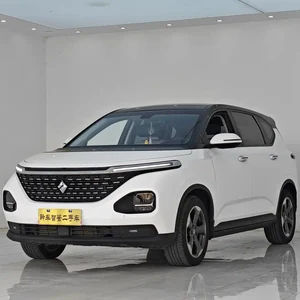
Used Baojun RM-5 2019 1.5L Manual Elite Edition with 24-hour Online Service 5 Seats
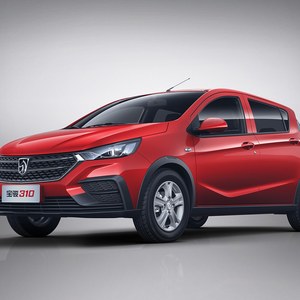
Used Baojun RM-5 2019 1.5T CVT Elite Version with 24-Hour Online Service 6 Seats
How to buy a Baojun Rm-5 from China
-
1
Define the market and configuration
Choose the destination, steering position, seat count, engine and transmission before comparing units. Write down payload, luggage and towing needs so that the selected Rm-5 can be checked against them.
-
2
Shortlist equivalent live vehicles
Use the live Baojun Rm-5 inventory to compare matching year, trim, powertrain and seating. Treat displayed prices and MOQ as unit-specific terms, and request missing documents rather than assuming the headline is complete.
-
3
Inspect used vehicles and reconcile records
For used units, commission a pre-purchase inspection and verify the VIN, odometer, ownership, service and import papers. Check condition evidence for the engine, transmission, brakes, tires, air conditioning and bodywork.
-
4
Request a destination-specific landed quotation
Ask for a written quote showing the vehicle price, inland haulage, freight, insurance, export handling, destination charges, duties, taxes, homologation and Incoterm. Confirm what is excluded and when the quote expires.
-
5
Clear homologation before payment
Ask a local specialist or clearing broker to confirm age, emissions, safety, customs, steering and registration requirements. Do not rely on a Chinese-market listing or an online-service label as destination approval.
-
6
Execute the sales and payment documents
Obtain a pro forma invoice and contract specifying the vehicle, quantity, MOQ, inspection, payment milestones, title documents and cancellation terms. Verify the seller and beneficiary before transferring funds.
-
7
Prepare, load and follow the shipment
Complete pre-export inspection, secure the vehicle and document its condition before loading. Track customs clearance, discharge, inland delivery, local conversion if authorized, registration and handover to the fleet.
Rm-5 vs rivals
| Suzuki Ertiga | The Ertiga is a direct compact multi-row rival with stronger international brand recognition and potentially deeper local support. Choose it where established aftersales and resale confidence outweigh the Rm-5's broader seat-count and China-sourced procurement options. |
|---|---|
| Dacia Logan MCV | The Logan MCV suits budget-conscious buyers who need a five-seat estate rather than a seven-seat MPV. It is less suitable when a usable third row is essential, so compare cargo access, registration class and local parts support. |
| Mitsubishi Xpander | The Xpander competes through crossover styling, flexible seating and an established presence in several export markets. It may be the safer local choice where RHD expertise and Mitsubishi support are stronger; the Rm-5 may win on configuration breadth and purchase flexibility. |
Frequently asked questions
How is the Baojun Rm-5 export price determined?
A live vehicle price reflects year, trim, engine, transmission, seating, mileage and condition; freight, insurance, duties, taxes, handling and compliance are added separately for the landed cost. Currency and route also move the total. Check the current unit-level amount in the [ChinaCarDirect live Rm-5 inventory](https://chinacardirect.com/products?q=Rm-5&brands%5B%5D=1327) and request a written quote for the intended destination and Incoterm.
What engine and transmission options does the Rm-5 have, and does it have electric range?
The range includes 1.5L and 1.5T petrol engines, with manual and CVT transmissions appearing depending on trim. This is an internal-combustion vehicle, so electric range and battery charging are not applicable. Confirm the exact engine, transmission and output on the selected listing before ordering.
Are used Baojun Rm-5 vehicles better value than new ones?
Used vehicles can offer a lower entry cost, but condition and remaining life vary by unit. New vehicles generally provide more standardized condition and clearer warranty terms, subject to the contract. Compare landed cost, inspection findings, parts support and resale rather than purchase price alone.
Can I order one Baojun Rm-5, and is MOQ always the same?
A single-unit purchase may be possible where the live listing permits it, while container and wholesale programs can set different MOQs. The applicable quantity and payment terms depend on the seller and shipment plan, not the model name. Confirm the listing-specific MOQ in the offer or RFQ before paying.
How long does shipping take and what determines cost?
Transit time depends on origin and destination ports, routing, carrier schedules, mode, transshipment and customs clearance. Cost is affected by freight, fuel and terminal surcharges, insurance, handling, inland transport, duties and taxes. Ask for a door-to-door or port-to-port quote with a stated Incoterm and cut-off schedule.
Can spare parts be ordered for an imported Baojun Rm-5?
Parts can be sourced through the seller, an independent Chinese supplier or a local specialist, but availability and lead time depend on the exact part and vehicle. Before purchase, identify common service items such as filters, brakes, lamps and CVT service materials, then verify part numbers and a realistic replenishment route. For a large fleet, agree on initial service kits and warranty responsibility in writing.
Is a right-hand-drive Baojun Rm-5 available for export?
Right-hand-drive availability depends on the live inventory and destination, and it should not be assumed from a standard Chinese listing. Ask the supplier for the VIN-specific steering configuration and photos, then confirm local homologation rules. If conversion is considered, obtain written approval and a compliant specialist quotation first.
How do I buy a Baojun Rm-5 from China?
Start with the live inventory, shortlist the desired engine, transmission and seat count, then request a pro forma invoice and vehicle documents. Agree the Incoterm, MOQ, payment milestones, inspection, export and delivery responsibilities before remitting funds. For a specific vehicle or mixed container requirement, send the details through the ChinaCarDirect RFQ page.
Ready to source the Baojun Rm-5?
Request a current Baojun Rm-5 quotation with unit details, destination, Incoterm and configuration through the [ChinaCarDirect RFQ page](https://chinacardirect.com/contact).
Request a quote