
Baojun Yueye Plus Export Buying Guide
Plan a Baojun Yueye Plus export purchase with trim guidance, pricing methodology, MOQ, shipping, compliance checks and rival comparisons for overseas buyers.
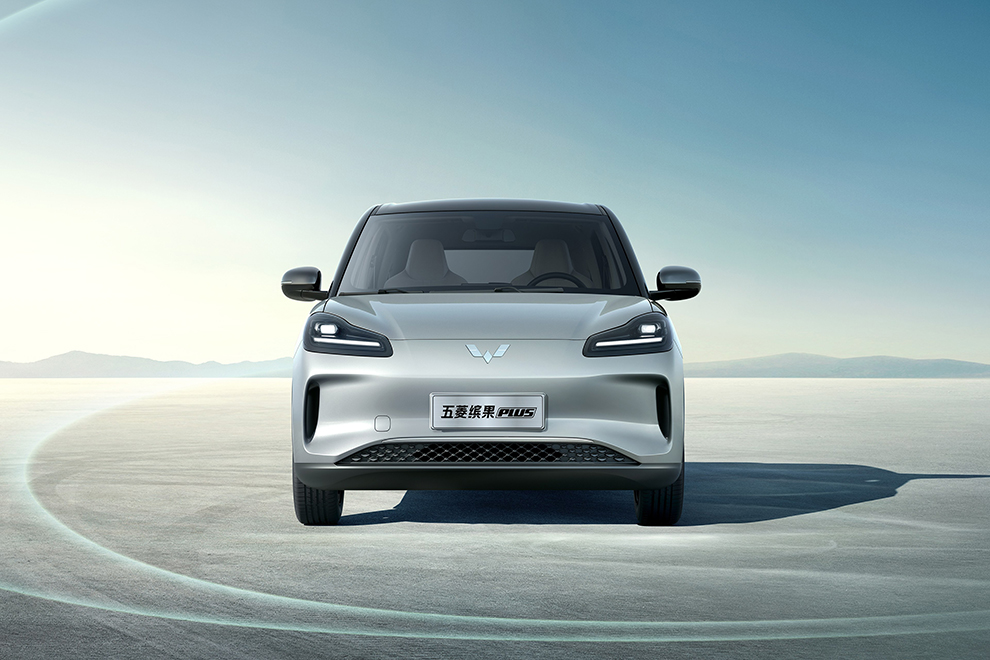
At a glance
- The Yueye Plus is a compact battery-electric SUV aimed at value-focused importers, dealers, and urban fleets.
- Trim naming spans a 301 km Flagship and four- or five-seat derivatives.
- The 301 km label is a model designation; confirm the test cycle, homologated range, and real-world usability.
- Export pricing depends on specification, condition, currency, freight, Incoterm, taxes, and compliance requirements.
- Current unit price, MOQ, and availability must be confirmed in the live listings before purchase.
Why the Baojun Yueye Plus matters for export markets
The Baojun Yueye Plus is a compact battery-electric SUV positioned for value-conscious overseas dealers, importers, and urban fleet operators. Its attraction is not prestige or a globally established badge, but the combination of SUV packaging, four- or five-seat configurations, and the sourcing economics of a China-built electric model. That makes it relevant to buyers building an accessible EV range without assuming every driver needs a large, long-distance vehicle. For export planning, its strongest segment is urban and regional use, where predictable charging access matters more than maximum expedition capability available locally.
Export demand for vehicles in this class is driven by practical fleet economics: lower acquisition cost, manageable dimensions, and an operating model centered on daily route charging. The Yueye Plus can suit company-car pools, last-mile operations, campus fleets, and dealer demonstration programs where vehicles return to a known depot. It may be less convincing where routes are long, charging is inconsistent, or buyers equate SUV body style with the capability of a full-size off-roader. The export case therefore depends on route planning and charging access, not on the badge alone.
For an overseas buyer, the model matters because it creates an alternative to established compact-EV nameplates while preserving familiar SUV utility. However, Chinese-market trim labels, range claims, and equipment should be treated as starting points rather than automatic local specifications. Confirm the VIN-level configuration, charging interface, software region, warranty route, and parts support before treating an attractive listing as a compliant, supportable product. The most important comparison is not only sticker value, but the landed cost and local operating burden each equivalent vehicle creates for the importing business over time.
- Compact battery-electric SUV with value-led positioning.
- Four- and five-seat fleet configurations.
- Homologation and support shape export usefulness.
Model range, trims and powertrain variants: how the lineup is structured and how to choose
The export-facing lineup should be read through the configuration names: 301km Flagship, Model Flagship Edition 5-Seater, Model Premium 5-Seat, and Smart Premium 4-Seater. These names help identify the intended range or seating character, but they are not a substitute for the build sheet. Ask the seller to confirm seat count, range version, standard equipment, production date, and whether the title exactly matches the vehicle being quoted. A clear match prevents a buyer from paying for a high-grade description that the actual VIN does not support in writing.
Seat count is a practical first filter. The Smart Premium 4-Seater can suit buyers who prioritize rear-passenger room, easier central access, or a distinctive taxi and executive-shuttle brief over maximum occupancy flexibility. The 5-seat derivatives are generally the safer starting point for dealer fleets, mixed passenger loads, and markets where a five-seat vehicle is easier to place. Actual cargo flexibility still depends on the live specification and measured dimensions. Do not infer accessibility, loading height, or luggage capacity from the seating label without checking the model data and inspection photos.
The 301km Flagship provides a recognizable range-version anchor for comparison, but the figure in the trim name should not be presented as a universal overseas real-world range. Range standards, weather, speed, load, wheels, and test procedures can change the usable result substantially. Battery capacity, motor output, drivetrain, charging interface, charging rate, and dimensions are not safely assumed from the model name; verify them against the specific VIN and the market homologation record. This discipline is especially important when comparing quotes for different market versions of a similar Chinese EV offerings.
- 301km Flagship is a range-version label.
- Five-seat models suit broader fleet use.
- Confirm battery, motor, charging, and dimensions.
New vs used Baojun Yueye Plus: how export inventory is structured and how buyers choose
Any Baojun Yueye Plus purchase should begin by separating factory-new, unregistered vehicles from used, previously registered, or demonstration examples. The distinction affects customs treatment, warranty, expected wear, and the documents a buyer can obtain. For new vehicles, verify the manufacturing date, factory status, pre-delivery inspection, VIN, and warranty commencement. For used vehicles, provenance and condition evidence become as important as the trim label. A clean title and attractive appearance do not, by themselves, establish battery health, accident history, software completeness, or lawful export status in the importing country of sale.
New inventory is usually preferable when the objective is a consistent fleet specification, the latest factory configuration, or a straightforward warranty claim. It can also simplify planning because several units can be ordered to the same build standard. Used examples may make sense for a pilot, a low-utilization demonstration unit, or a buyer seeking a known physical configuration, but the lower acquisition hurdle can be offset by repair uncertainty, shorter remaining warranty life, and resale limitations. A used vehicle should therefore be inspected and documented more intensively than a factory-new unit.
Choose new versus used according to fleet standardization, downtime tolerance, and after-sales visibility rather than a general assumption that one category is always cheaper. Dealers often start with a small new batch to validate demand and local support, while a used unit can reveal condition or fitment issues without committing to a larger order. Whichever route is chosen, check the live inventory and request unit-level photographs, documents, inspection findings, battery evidence, and warranty terms before confirming. The marketplace's live Yueye Plus listings should be treated as the source for current unit availability.
- Verify production date, VIN, and warranty start.
- Used vehicles need stronger condition evidence.
- Match condition to fleet downtime tolerance.
How export pricing works: the factors behind a live listing price, and how to read one
Export pricing is the result of several interacting variables, not a single fixed rate for the model. The vehicle's trim, seat count, range or battery version, model year, condition, mileage, options, and production status affect the base commercial value. Seller margin and order size also matter. Currency movements between quotation and payment, together with shipping method and destination, can change the final figure for the same nominal configuration. This is why an apparent saving between two listings may disappear once their terms and specifications are placed on the same basis.
The Incoterm is especially important because it defines where responsibility and cost transfer. EXW gives the buyer more involvement, while FOB, CIF, and DAP allocate different combinations of export handling, freight, insurance, import clearance, and destination delivery. Ask whether the displayed price is an ex-works vehicle price, a port-to-port charge, or a broader delivered quotation. Then add locally controlled items such as duty, VAT, customs brokerage, port charges, inland transport, registration, and compliance work. Do not compare those landed obligations with a quote that already includes them or excludes them.
To read a live listing correctly, first match the trim and VIN-level specification, then identify what the price includes, the currency, the quote validity, and the payment milestone. Request a written pro forma invoice showing the vehicle, options, inland China charges, export documentation, freight, insurance, and the named Incoterm. Use the live listing as the starting figure, then build a landed-cost worksheet so that the importer can compare competing units on one commercial basis. Confirm taxes are quoted, estimated, or excluded before approval; current price, MOQ, and availability appear per unit in live ChinaCarDirect inventory.
- Compare specifications under the same Incoterm.
- Build a landed-cost worksheet.
- Request written inclusions and payment milestones.
MOQ, ordering and payment: single units vs consolidating a container
Minimum order quantity is a seller and listing term, so it should be checked for each vehicle rather than assumed for the model. Some export suppliers will release a single unit for a pilot sale, while wholesale programs may apply different minimums to containerized or mixed-model orders. A one-unit purchase can be sensible for market validation, a dealership sample, or a limited fleet. It does not guarantee the best unit-level commercial terms, so ask what changes with quantity and consolidated shipping before treating either route as the final buying method.
A disciplined purchase follows a clear sequence: shortlist the desired trim, request a written quotation, receive a pro forma invoice, agree the specification and payment schedule, inspect the vehicle, pay the balance, collect export documents, and release the unit to the booked transport. Deposit and balance arrangements should be written into the contract, with inspection rights and remedies for mismatch or damage. Payment methods and seller identity should be verified independently before funds are committed. For a new vehicle, also record the build date and final production check before accepting it.
Container consolidation is a different commercial decision from buying more vehicles. A buyer can mix Yueye Plus trims and other suitable models to fill available capacity, which may reduce freight per unit and broaden the retail range. The trade-off is more complex configuration control, larger inventory exposure, and possible differences in arrival condition or software. Confirm actual dimensions, securing requirements, and loading plans before consolidation; do not estimate container fit from the vehicle name alone. For single-unit movements, compare specialist vehicle carriers, container capacity, and less-than-container options where available locally.
- Check MOQ per listing and quotation.
- Pilot one unit before scaling.
- Mixed consolidation adds inventory complexity.
Shipping, homologation and market compliance caveats: LHD/RHD and import rules by country
Shipping an electric vehicle requires a route that suits the vehicle, battery, port, and delivery deadline. Depending on the lane, specialist roll-on/roll-off carriers, container equipment, or suitable less-than-container arrangements may be used. Battery handling and vehicle securing should be included in the carrier plan. A realistic schedule must separate production, pre-delivery inspection, origin handling, port transit, customs clearance, destination charges, and inland delivery; a port-to-port sailing estimate is not an arrival date. For time-sensitive fleet launches, build a buffer around customs and terminal congestion rather than relying on the sailing schedule alone.
Steering configuration is a frequent source of export surprises. Vehicles built for the Chinese market are commonly left-hand drive, while right-hand-drive supply can vary by producer, trim, and destination. Factory right-hand drive is preferable to a late conversion because equipment, controls, safety systems, documentation, and warranty arrangements may not translate cleanly. Confirm the VIN, steering side, instrument and control layouts, lighting, parking equipment, manuals, and charging hardware for the actual delivery configuration. A vehicle can look correct in photographs yet remain unsuitable for local registration if these details do not match.
Local homologation is market-specific and should be completed before the final payment commitment. Requirements can cover vehicle type approval, occupant protection, electrical safety, EMC, battery and charging rules, cybersecurity or software controls, emissions and noise, data handling, and the availability of local warranty support. Customs classification, certificate of origin, import taxes, and treatment of new versus used vehicles also vary. The importer of record should confirm every requirement and obtain written regulatory advice where the route is unclear. A Chinese-market listing is not, by itself, evidence of road legality abroad.
- Confirm factory steering side.
- Schedule customs and inland delivery.
- Complete local approval before payment.
Who should buy the Yueye Plus — and who should pick a different vehicle
The Yueye Plus is a strong candidate for dealers and fleet buyers that need a compact electric crossover, operate around dependable charging, and compete on acquisition cost rather than premium branding. It is particularly relevant to urban company cars, ride services returning to hubs, campus fleets, and short-to-medium regional routes. The five-seat versions offer broader commercial flexibility, while the 4-seater may make sense where passenger access and a distinctive cabin layout matter more than occasional extra-occupant flexibility. It can also serve as a controlled pilot before committing to wider fleet rollout.
It is a weaker choice for buyers who need assured long-distance range without dense charging coverage, heavy towing, severe-weather performance that has not been validated locally, or a proven premium resale position. It may also be inappropriate for markets without suitable approval, charger compatibility, or a realistic parts and repair channel. High daily utilization can magnify downtime and residual-value risks, so fleet users should model charging time, service intervals, insurance, and battery replacement exposure rather than looking only at vehicle acquisition cost before the model enters a competitive tender process.
The best decision method is to compare the Yueye Plus against the buyer's actual operating scenario, not against another Chinese model in isolation. Build a total-cost model that includes delivery, charging infrastructure, taxation, insurance, maintenance, software support, expected downtime, and resale. For a dealer, local customer acceptance and the availability of common parts may matter as much as the original vehicle price. A small pilot, clear acceptance criteria, and a scaled reorder plan reduce sourcing risk. This approach also exposes whether the vehicle's value survives freight, compliance, and after-sales costs.
- Strong fit for hub-based EV fleets.
- Weak fit for long routes or towing.
- Pilot demand before container commitment.
Main rivals and how the Yueye Plus compares
The BYD Yuan Plus, sold as the Atto 3 in many markets, is one of the most direct segment rivals. Both are compact electric SUVs intended to make EV ownership accessible, but the Yuan Plus may benefit from stronger brand recognition, broader homologation history, and a larger established support network in some export markets. Compare local-certified range, charging, warranty servicing, and parts availability rather than assuming the Yueye Plus is automatically more economical after every landed cost is included. The decision may favor local recognition even when the sourcing quote differs.
The MG ZS EV is another credible compact-EV alternative, particularly in markets where MG's existing dealer structure reduces brand unfamiliarity. Depending on the local version, buyers may find more familiar right-hand-drive supply and a broader support proposition, although range and equipment should be compared on the exact homologated derivative. The Yueye Plus may compete through vehicle content and commercial flexibility; MG may compete through recognition and service familiarity. Neither advantage is universal across countries. The right comparison is the locally approved model a buyer can actually service after delivery.
The Geely Geometry C is a close China-origin rival in the same value-oriented compact electric SUV segment. It can appeal to buyers seeking a distinctive design and an alternative to the more conventional Baojun presentation, while the Yueye Plus offers clearly labeled four- and five-seat choices for fleet planning. Compare seating flexibility, boot usability, software support, local approvals, and parts logistics side by side. The most persuasive choice is the model whose total operating case your market can sustain, not the one with the most attractive initial quotation on paper.
- Yuan Plus: stronger local recognition in many markets.
- MG ZS EV: familiar RHD and dealer networks.
- Geometry C: compare design and local logistics.
Live Baojun Yueye Plus export inventory
View all listings →Real units currently on ChinaCarDirect with per-unit asking prices and MOQ. Availability updates live from the catalogue.
How to buy a Baojun Yueye Plus from China
-
1
Define the operating requirement
Set the destination, route length, charging plan, passenger capacity, luggage needs, and preferred steering configuration. This prevents a visually similar trim from being selected for an unsuitable fleet duty cycle.
-
2
Shortlist the live inventory
Review current Baojun Yueye Plus listings and compare the exact trim, seat count, VIN, condition, production date, and specification. Use each live listing for the current per-unit price, MOQ, and availability.
-
3
Request a written quotation
Ask the seller for an itemized quote identifying the vehicle, options, document charges, freight basis, insurance, payment milestones, quote validity, and Incoterm. Request an estimated landed-cost breakdown for comparison.
-
4
Verify RHD and market compliance
Confirm the factory steering configuration and obtain the applicable homologation, customs, charging, and import requirements for the destination. Do not rely solely on the listing description or a general statement that the vehicle is exportable.
-
5
Lock the order and inspect
Use a pro forma invoice and written sales contract that match the selected listing and build specification. Complete the agreed inspection, verify documents and VIN consistency, and release the balance only after the conditions are satisfied.
-
6
Arrange shipping and clearance
Book the appropriate carrier, confirm export documents and origin certification, and track customs, terminal, and inland milestones separately. Record vehicle condition before loading and complete destination registration under the importer's local obligations.
Yueye Plus vs rivals
| BYD Yuan Plus / Atto 3 | The closest major rival is a compact electric SUV with potentially stronger brand recognition and established after-sales support in some export markets. The Yueye Plus may compete on commercial value and configuration, while the Yuan Plus may offer a lower support risk where BYD's local network is stronger. |
|---|---|
| MG ZS EV | The MG ZS EV competes directly for value-focused compact-EV buyers and may be more familiar in markets with an established MG dealer network. Compare local right-hand-drive availability, homologated range, charging, software, and servicing support for the exact derivatives. |
| Geely Geometry C | The Geometry C is a close China-origin alternative with a more design-led presentation, while the Yueye Plus provides clearly differentiated four- and five-seat trim choices. The stronger choice depends on local approval, parts access, equipment, and fleet economics. |
Frequently asked questions
How is Baojun Yueye Plus export pricing determined?
Pricing reflects trim, seat count, range or battery version, model year, condition, mileage, options, currency movements, freight, and the selected Incoterm. Duties, taxes, insurance, compliance, and inland delivery may be separate. The live ChinaCarDirect listings provide the current per-unit price, which should be used as the starting point for a written landed-cost calculation.
Is the Yueye Plus electric, and what range should buyers expect?
The Yueye Plus is a battery-electric compact SUV. The 301km Flagship carries a 301 km range designation, but the applicable test cycle and homologated figure must be confirmed for the destination market. Battery capacity, motor output, charging rate, and real-world range should be checked against the specific live listing rather than inferred from the trim name.
Should an overseas buyer choose a new or used Yueye Plus?
New vehicles are generally preferable for fleet standardization, current factory configuration, and clearer warranty handling. Used vehicles can suit pilots or projects requiring a known physical configuration, but they require stronger checks of provenance, battery condition, accident history, software, and remaining support. Request unit-level documents and inspection evidence for either category.
What is the MOQ for Baojun Yueye Plus wholesale orders?
MOQ is set per listing or commercial arrangement and can differ between single-unit, containerized, and mixed-model sales. Single-unit purchases may be available, while wholesale terms may apply to larger orders. Check the live listing and obtain the applicable MOQ in the written quotation and pro forma invoice.
How long does shipping take, and what drives the cost?
Lead time depends on production readiness, origin handling, sailing or carrier availability, customs clearance, destination terminals, and inland delivery. Cost also depends on the transport method, route, vehicle preparation, insurance, and local charges. Request a door-to-door schedule rather than relying on a port-to-port transit estimate.
Are spare parts available for the Yueye Plus?
Parts availability depends on the seller, model year, trim, and whether a local Baojun or Chinese-brand service network can support the destination. Before ordering, request a list of commonly needed parts, indicative lead times, electronic-component support, and shipping channels. This is particularly important for high-utilization fleets and vehicles intended for long-term resale.
Is a right-hand-drive Baojun Yueye Plus available for export?
Right-hand-drive availability varies by producer, trim, and destination, and it should not be assumed from the general model name. Chinese-market vehicles are commonly left-hand drive, so check each live listing for factory-confirmed steering configuration. A factory-built RHD vehicle is generally preferable to a late conversion because systems, controls, documentation, and warranty coverage may differ.
How do I order a Baojun Yueye Plus from China?
Start with the live Yueye Plus listings, shortlist the correct trim, and submit an RFQ with your destination, Incoterm, quantity, and compliance requirements. Review the written quotation, pro forma invoice, payment schedule, inspection terms, and export-document list before paying. After the balance and inspection conditions are met, the seller should coordinate release with the booked carrier.
Ready to source the Baojun Yueye Plus?
Send an RFQ for a specific Baojun Yueye Plus configuration and request a current unit quote, MOQ, Incoterm, and export-document checklist.
Request a quote