
BMW 3 Series Export Buying Guide for Overseas Buyers
Buy a BMW 3 Series from China with expert guidance on trims, new and used options, export pricing, MOQ, shipping, compliance and key rivals for dealers.
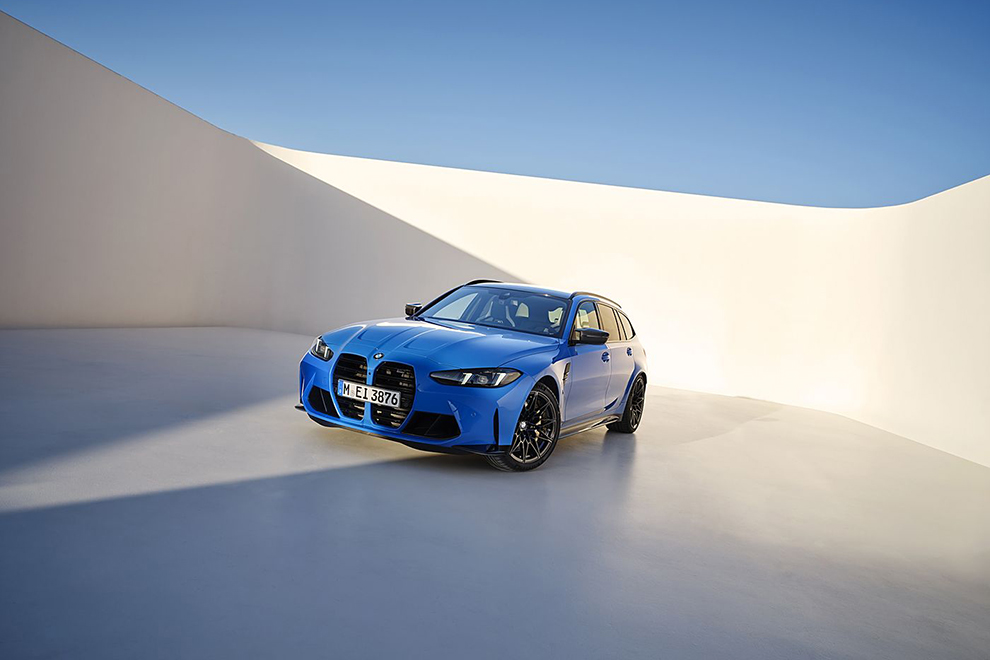
At a glance
- Chinese-market 320i, 325i and 330i variants cover several output tiers and Li long-wheelbase applications.
- M Sport and Fashion labels represent equipment packages rather than guaranteed mechanical configurations.
- New cars favor current equipment and warranty clarity; used cars require stricter history and condition checks.
- Export quotes move with model year, trim, condition, freight scope, exchange rates and the selected Incoterm.
- Single-unit and consolidated purchasing can suit different dealer, distributor and fleet economics.
- Check each live unit listing for its current price, availability and seller-specific terms.
Why the BMW 3 Series matters for export markets
The BMW 3 Series is BMW’s compact executive sedan: a globally recognized model that combines premium branding, rear-seat usability and manageable dimensions with the driving dynamics associated with BMW. For overseas dealers, it occupies a useful middle ground between an ordinary fleet saloon and a full-size luxury car. Chinese-market versions are especially relevant because they include short-wheelbase 320i and 325i applications plus long-wheelbase 325Li forms, giving importers more configuration choices than a single-market catalogue would suggest. That range supports both comfort-focused buyers and dealers seeking a badge with established international recognition.
The model appeals to importers that already serve the premium compact segment and to company-car or fleet buyers seeking a step above mass-market sedans. Its appeal is not simply equipment: predictable platform families, recognizable trim names and an established global service image can simplify comparison against German and Japanese alternatives. A buyer should still calculate total cost rather than assume prestige automatically creates the lowest operating expense. Insurance, parts, servicing and residual values depend heavily on the destination market and the exact generation being imported. Local workshop support can alter the calculation.
Export demand also depends on positioning rather than model popularity alone. The 3 Series can suit a premium dealer showroom, a managed fleet or a regional distributor that wants a recognizable European badge without moving into larger luxury sedans. Its compact footprint helps with urban use and transport, while the Li versions prioritize cabin length for business passengers. Conversely, a buyer seeking a rugged utility vehicle, a low-cost fleet platform or a guaranteed zero-emission configuration must look beyond this family. Those use cases make specification discipline more important than badge appeal alone.
- 320i, 325i and 330i are output tiers.
- Li denotes a long-wheelbase sedan.
- Verify VIN, powertrain and drivetrain.
Model range, trims and powertrain variants: how the lineup is structured and how to choose
Chinese BMW 3 Series naming starts with the 320i, 325i or 330i family, followed by a body or derivative marker and, in some cases, an equipment package. The i identifies a petrol model, while Li denotes the extended-wheelbase sedan common in China. M Sport, Fashion, Shadowline and related names primarily signal styling and equipment combinations. They are not directly interchangeable: a package can change wheels, trim details, cabin equipment and driver-assistance content, so compare the complete build rather than selecting by appearance alone. Request the VIN-linked equipment list before finalizing a purchase.
Powertrain choice is equally generation-specific. Modern petrol versions generally pair a turbocharged four-cylinder engine with an automatic transmission, although older imported cars may use different outputs or layouts. Some generations and markets also offer mild-hybrid or plug-in-hybrid derivatives; battery capacity, electric range and charging equipment cannot be inferred from the 3 Series name. Because this export family can include multiple technologies, the live specification and VIN must be treated as the controlling evidence for a particular car. Do not plan charging, fuel economy or emissions treatment from the model badge alone.
For fleet and dealer decisions, prioritize usable differences rather than the highest trim name. Compare drivetrain, transmission, fuel type, cabin space, luggage capacity, warranty and the availability of service support in the destination country. Front-wheel drive is common in several 320i and 325i variants, while xDrive may be offered on selected configurations, so traction assumptions must be checked rather than generalized. A long-wheelbase Li car may better serve executive passengers, whereas a shorter 3 Series can be easier to reposition across markets and fit tighter parking environments. That balance often matters more than cosmetic exclusivity, especially for cross-border use.
- Package names do not guarantee identical equipment.
- Li prioritizes rear-seat length.
- Confirm xDrive or front-wheel drive.
New vs used BMW 3 Series: how export inventory is structured and how buyers choose
A new BMW 3 Series is generally the simpler choice when the buyer wants current factory specification, known delivery status and the latest factory warranty rather than inherited wear. It can also reduce uncertainty around cabin condition and service history. That does not make every new export listing road-ready in the destination: production date, warranty transfer, software region and compliance may still require confirmation. Dealers should ask whether the vehicle is unregistered, demonstrator, parallel-imported or already prepared for export. The label should be supported by documents, not sales description alone, and records.
Used 3 Series cars can deliver lower acquisition cost and access to well-known, serviceable generations, but the apparent saving must be tested against expected reconditioning, tyre, brake, suspension and electronic work. A car imported from another market may also carry different equipment, software, steering orientation or wear characteristics from a China-market example. Mileage alone is insufficient: inspect service records, cold starts, fluid condition, body repairs, accident evidence and matching VIN details, and verify that remaining safety systems operate as described. Independent inspection should precede any non-refundable balance payment wherever practicable, before shipment.
Export inventory should therefore be read as a mixed procurement pool rather than one uniform product. New cars suit planned fleet launches and brand-new retail stock; used cars suit lower-entry sourcing and mature fleet replacement. The most practical structure is often a mixed wholesale program: newer units for visible launch demand and selected used units for price-sensitive channels. Before blending them, align key attributes such as specification, steering side, color, condition and target retail segment so a container does not become difficult to merchandise. A coherent retail offer protects margin for each buyer.
How export pricing works: the factors behind a live listing price, and how to read one
A BMW 3 Series export price is not a fixed model-level figure. The live asking price starts with the vehicle’s year and generation, then reflects the 320i, 325i or 330i grade, Li body, equipment package, mileage, condition and any optional equipment. Seller status and market demand can also affect the ask. Because every individual car differs, current binding amounts must be read from the live listing for the exact unit rather than copied from an old price guide or remembered median. The listing is the relevant price source, not a general market estimate.
Freight and transaction terms determine what the buyer ultimately pays. Ask whether the displayed amount is an ex-China vehicle price, a port-to-port charge, or a landed estimate that includes ocean freight, insurance, export handling, documentation and destination charges. Exchange rates, fuel surcharges, port congestion, route length and the Incoterm all affect the comparison. Duties, taxes and registration or compliance work may sit outside the vehicle quote and must be calculated separately for the destination country. A cheaper asking price can therefore produce a higher delivered cost after every mandatory and optional charge is included.
To compare two live listings efficiently, normalize them into the same format. Record model year, trim, Li or non-Li body, powertrain, drivetrain, mileage or new status, condition, and the VIN. Then confirm photos, options, seller location, whether the price includes export documentation, and which Incoterm is offered. Request a written pro forma invoice and validity period. That approach reveals whether two apparently similar cars differ because of specification, age, freight scope, or a seller’s pricing position. It also creates a cleaner basis for negotiation than comparing headline asks with different inclusions and obligations.
- Compare VIN-linked configurations.
- Price freight and duties separately.
- Use written quotes for binding figures.
MOQ, ordering and payment: single units vs consolidating a container
There is no universal MOQ that should be assumed for every BMW 3 Series channel. A retail importer may buy one unit from a live listing, while a vehicle exporter, dealer group or freight consolidator may require a larger batch or offer mixed cargo. The MOQ shown for an individual offer is only part of the deal; minimums may also apply to a particular color, specification, production batch or payment arrangement. Buyers should confirm the quantity condition directly before reserving funds or booking cargo space. Written terms prevent quantity disputes, especially in writing.
Single-unit buying is useful for a launch car, a dealer test vehicle or a low-risk resale project, but it often leaves the buyer exposed to per-car freight and fixed documentation costs. Consolidating several compatible sedans into a container can improve freight efficiency and support a broader retail range. A mixed container may include different 3 Series grades, yet commercial logic still applies: similar condition and specification is easier to inspect, market and re-export. Confirm who arranges consolidation, how units are allocated, and who bears loss or damage during handling and claims, in writing.
A sound order process starts with the live vehicle record and ends with released documents, not merely a payment receipt. Review the pro forma invoice, model and VIN, quantity, Incoterm, deposit, balance trigger, inspection window, cancellation terms and refund conditions. Use a traceable payment channel and make the balance conditional on the agreed inspection and export documents. Where an independent inspection is impractical, seek clearer photographs, a signed condition report, serial-number checks and transport insurance rather than waiving every control. These controls protect both dealer margin and the vehicle during transit, as confirmed by both parties.
- Confirm listing-specific MOQ.
- Consolidation can reduce freight cost.
- Condition final payment on inspection.
Shipping, homologation and market compliance caveats: LHD/RHD and import rules by country
Shipping begins with the delivery form. Dealers should compare Ro-Ro vessel space, containerized vehicle carriers and, for smaller quantities, specialist consolidation or groupage options. The vehicle’s dimensions and weight determine handling requirements; charging or immobilizing procedures, protective materials, lashing and insurance affect risk. Transit duration, port congestion, weather and transshipment points influence cost and delivery uncertainty. A broker should confirm the booked service, route, expected sailing window and what happens if the vessel changes. A realistic handover plan includes buffer time for documentation, customs clearance and final delivery, rather than only the voyage itself.
Steering side is a critical sourcing variable. Vehicles built for China are generally left-hand drive, so a right-hand-drive requirement cannot be met by assuming a label or by changing the steering wheel alone. A factory right-hand-drive car is preferable where available because conversion can affect safety, electronics, trim, warranty and parts. Before committing, ask for the steering position shown on the VIN and build plate, and confirm that the destination will accept the configuration. It also affects the target market’s resale proposition, parking habits and driver familiarity, which should be weighed before purchase.
Import rules are country-specific and can outweigh the vehicle choice. Authorities may impose age limits for used cars, emissions and type-approval requirements, VIN checks, customs valuation, duty, VAT or other taxes, plus local safety, lighting or emissions inspection. An EU, UK, Middle Eastern, African or Latin American destination must not be treated as interchangeable. Obtain a written import-eligibility assessment from a local customs broker, confirm the documents required for the exact model year, and check whether the proposed homologation route permits Chinese-market equipment and emissions standards. Do that before the deposit.
- Verify factory steering side.
- Check local age and emissions rules.
- Allow time for customs clearance.
Who should buy the 3 Series — and who should pick a different vehicle
The 3 Series is a strong fit for an overseas buyer who wants a premium compact sedan with recognizable branding, balanced road manners and a broadly established model name. It works particularly well for company-car programs, chauffeur or executive fleets, and dealers serving customers who value a sporty saloon image. The Li derivatives add rear-passenger space where that is commercially useful. For a dealership already supporting German vehicles, parts identification and workshop familiarity can make the model easier to place than an unfamiliar niche marque. It is not automatically the cheapest sedan to run. Ownership costs still require local calculation.
It is a weaker choice when acquisition cost must be minimized, cargo space and ground clearance dominate, or the buyer needs a certified zero-emission product. High insurance, service complexity and fuel costs can outweigh the premium badge in some markets, while the 3 Series is a passenger car rather than a load-carrying van. An EV-mandated market should evaluate a properly certified battery-electric alternative and its charging plan, not treat a hybrid or petrol 3 Series as an equivalent compliance solution. Safety, software and residual-value expectations should also be matched to the vehicle age.
A used 3 Series can be rational for a mature fleet operator that values familiar controls, straightforward parts and predictable servicing more than the latest digital interface. A new or very recent car is usually more suitable when launch presentation, warranty transfer and modern driver assistance matter. Before deciding, build a total-cost comparison covering acquisition, freight, import charges, insurance, fuel or charging, maintenance, tyres, software support and expected resale. The right answer is the configuration that performs after entry into the destination market, not the lowest headline ask in isolation after tax.
Main rivals and how the 3 Series compares
The Mercedes-Benz C-Class is the closest conceptual rival: a premium compact sedan sold through a global dealer network, with a comparable focus on comfort, quality and retained brand value. The BMW generally emphasizes a more driver-oriented character, but equipment, drivetrain and local support vary by generation. Compare exact dimensions, rear-seat space, fuel use and service access rather than relying on model-level reputation. An importer committed to the BMW badge should still price the C-Class as the benchmark that must be beaten on total cost. Parts prices can still alter the result.
The Audi A4 is another direct competitor in the premium compact-sedan class. Its understated design and driver-interface philosophy provide a useful alternative for corporate buyers, while model-year equipment and market availability should be checked carefully. The BMW’s rear-drive or xDrive options may appeal where traction is valued, whereas some A4 configurations emphasize front-wheel-drive efficiency. Because powertrain choices change across generations, compare certified fuel use, charging support where relevant, maintenance items and the cost of sourcing each brand in the destination country. Neither badge guarantees identical parts availability in every market there.
The Honda Accord provides a more value-oriented benchmark for fleet and retail buyers. It is generally positioned below the German sedans on brand prestige but can be attractive where purchase cost, efficiency and practical space drive the decision. The BMW wins when driving character, premium perception and driver appeal are central; the Accord may make commercial sense when running costs and straightforward fleet support matter more. The final comparison should use locally homologated versions, because equipment, safety ratings, tax treatment and dealer coverage can outweigh an abstract class ranking entirely, particularly for locally sourced fleet programs.
- C-Class: closest premium-brand benchmark.
- A4: direct corporate-sedan rival.
- Accord: practical fleet-cost alternative.
Live BMW 3 Series export inventory
View all listings →Real units currently on ChinaCarDirect with per-unit asking prices and MOQ. Availability updates live from the catalogue.
How to buy a BMW 3 Series from China
-
1
Define the destination and target specification
Choose the destination country, required steering side, body length, powertrain, seating needs and service coverage before selecting a trim. This prevents a visually attractive but commercially unsuitable car from entering the sourcing process.
-
2
Compare the live BMW 3 Series inventory
Open the live BMW 3 Series listings and compare model year, exact derivative, package, powertrain, drivetrain, condition and seller location. Treat each unit page as the source for its current price and availability.
-
3
Validate the individual vehicle
Request the VIN, build or production date, odometer reading, complete equipment list, ownership documents, exterior and interior photographs, and details of any repair or accident. Check that the listed specification matches the VIN.
-
4
Normalize the export quotation
Ask whether the quote covers the vehicle only or also export handling, freight, insurance, documentation and destination charges. Confirm the Incoterm, port, quotation validity, payment milestones and any costs excluded from the displayed amount.
-
5
Verify import and homologation requirements
Provide the model year, VIN and destination to a local customs broker or compliance specialist. Confirm age restrictions, emissions rules, type approval, taxes, inspection, steering-side acceptance and any modifications required.
-
6
Contract and pay with inspection conditions
Review the pro forma invoice, quantity, MOQ, cancellation terms and refund policy. Use a traceable payment method and make the balance conditional on the agreed inspection and export-document requirements.
-
7
Inspect, dispatch and complete clearance
Complete or commission a pre-shipment inspection, verify export documents and loading details, and track the shipment through arrival. Allow time for customs clearance, local registration and final delivery.
3 Series vs rivals
| Mercedes-Benz C-Class | The C-Class is the closest premium compact-sedan benchmark, often emphasizing comfort and cabin refinement. The BMW tends to appeal more through driver-oriented character, but exact equipment, drivetrain, service costs and local support should determine the fit. |
|---|---|
| Audi A4 | The A4 competes directly for corporate and retail buyers with a more understated design and its own cabin and drivetrain choices. Compare xDrive availability, rear space, technology, certified fuel use and the cost of maintaining each brand locally. |
| Honda Accord | The Accord is a more value-oriented fleet and retail alternative with less premium-brand positioning. It may make stronger commercial sense where operating cost matters, while the BMW offers greater premium perception and driver appeal. |
Frequently asked questions
How is BMW 3 Series export pricing determined?
Each live price reflects the individual car’s year, trim, equipment, condition, mileage or new status, plus the seller’s commercial position. Freight, insurance, exchange rates, Incoterms, duties and local compliance costs may be separate. Check the current per-unit amount in the live listing and request a written quotation before payment.
Which engine or powertrain will a 3 Series have?
The engine depends on the exact generation and derivative rather than the model name alone. Modern 320i, 325i and 330i versions generally use turbocharged petrol four-cylinder engines, while older imports and electrified derivatives can differ. Use the VIN-linked engine and transmission specification in the live listing as the controlling information.
Is a new or used BMW 3 Series better for export?
New cars generally provide clearer factory condition, current equipment and more straightforward warranty positioning. Used cars can offer lower entry cost and familiar, serviceable mechanical configurations, but require stronger inspection of mileage, repairs, software and history. The better choice depends on the fleet program, destination and total operating cost.
What is the minimum order quantity for a BMW 3 Series?
There is no universal MOQ that can be assumed across every seller and container program. A live unit may be offered for single-vehicle purchase, while batch, color or freight-consolidation conditions may apply to larger orders. Confirm the MOQ and any mixed-cargo restrictions in writing for the specific offer.
What affects shipping time and cost for exported BMW vehicles?
Shipping cost and timing depend on the vehicle-loading method, origin and destination ports, route, transshipment points, fuel surcharges, port congestion, documentation and insurance requirements. Groupage may suit smaller shipments, while full-carrier or container options can suit consolidated purchases. Obtain a booking quotation with the route and expected sailing window.
Are BMW 3 Series spare parts readily available?
Parts availability depends on the model year, generation, market specification and the destination country’s BMW dealer network. Chinese-market cars may not be identical to other international variants, so verify part numbers using the VIN before promising a repair timeline. Maintain a buffer stock for high-use fleet vehicles and confirm parts availability with the seller.
Is right-hand-drive BMW 3 Series availability from China?
Chinese-built vehicles are generally left-hand drive, so right-hand-drive availability should never be assumed from the model name. A factory right-hand-drive unit is preferable to a conversion where the destination accepts it. Confirm the steering side from the VIN and build plate before committing to a vehicle.
How do I order a BMW 3 Series from China?
Start with a live listing, then request a written quote covering the exact VIN or unit, Incoterm, freight scope, payment schedule and export documents. Verify import compliance and inspect the vehicle before the final balance is released. ChinaCarDirect can then prepare a quotation or RFQ for the required configuration and destination.
Ready to source the BMW 3 Series?
Request a ChinaCarDirect RFQ for your target BMW 3 Series configuration, destination port and preferred Incoterm.
Request a quote