
BMW 1 Series Export Buying Guide for Overseas Buyers
Compare BMW 1 Series trims for export, assess used versus new options, understand pricing, MOQ, shipping and compliance before ordering from China.
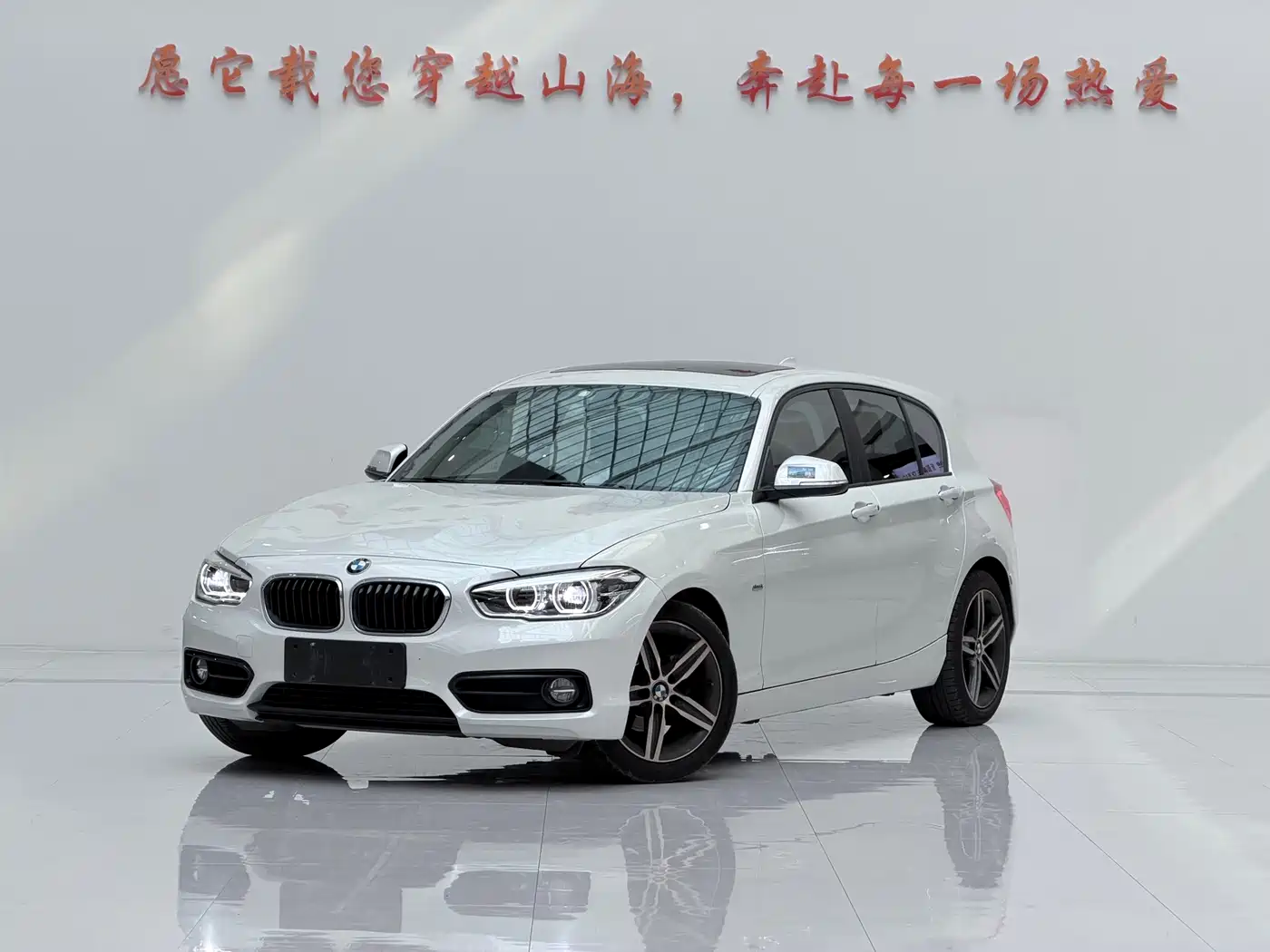
At a glance
- The BMW 1 Series is a compact five-door hatchback that combines premium-brand recognition with an urban-friendly footprint.
- The 116i, 118i, 120i and 125i designations represent different engine and equipment priorities, but trim labels alone do not confirm specifications.
- New, parallel-import and used vehicles require different document, warranty and inspection due diligence.
- Export pricing varies with the individual vehicle, market conditions, freight, insurance, Incoterms and destination-country charges.
- A successful purchase depends on confirming steering configuration, homologation, parts support and landed operating costs before shipment.
Why the BMW 1 Series matters for export markets
The BMW 1 Series occupies a useful middle ground in the compact hatchback segment: premium branding and BMW driving character without the footprint or operating burden of a large executive car. For overseas dealers it is often easier to place than a niche performance model because the format suits urban use, company cars and customers seeking a familiar premium badge. Its appeal is strongest where compact dimensions, parking ease and efficient road use matter. It is less suited to buyers whose priority is maximum cargo capacity rather than a compact footprint and premium identity.
Global demand for the name is strongest in markets familiar with BMW, rear-wheel-drive heritage and premium compact cars. The 1 Series gives importers a recognizable product that can sit above mainstream hatchbacks without the cost and parking burden of a midsize sedan. It is relevant to urban dealers, ride-hailing or company-car specialists, and fleet buyers seeking a badge that communicates prestige. Exporters should test local assumptions, because preferences, taxation and residual values differ by country. A buyer seeking to buy a BMW 1 Series from China should validate demand with local channel feedback before committing.
The model’s appeal also comes from a useful balance of everyday usability and driver-focused road manners. Its compact body eases urban maneuvering, while the premium badge can support higher-position retail positioning where consumers accept it. Fleet operators should distinguish brand appeal from whole-life economics, since insurance, servicing, parts and residual-value assumptions may outweigh badge value. The best export case is therefore not simply BMW demand; it is a market where the model’s size, equipment and serviceability match the customer and the importer can support ownership properly throughout the vehicle’s service life.
- Compact five-door hatchback.
- Trim grades cover different use cases.
- Validate demand and service support.
Model range, trims and powertrain variants: how the lineup is structured and how to choose
BMW structures this range around numeric designations rather than a single global trim tree. The export catalogue represented here includes 116i, 118i, 120i and 125i names, with 118i and 120i recurring across Sport, Fashion, M Sport and Design or Leading equipment themes. Shadow Edition, package labels and facelift wording identify appearance or equipment groupings, not necessarily a different fundamental platform. Buyers should separate three layers: the model year and generation, the numeric engine grade, and the visual or equipment package. Only a VIN-linked specification sheet should settle the exact car.
Do not treat the three-digit badge as a complete specification. BMW has used different petrol engines, output ratings and transmissions for the 118i, 120i and 125i, while the 116i occupies a different entry point. An M Sport label may also bring suspension, braking, wheel or interior changes rather than one standardized equipment list. For fleet procurement, prioritize confirmed engine output, gearbox type, fuel-consumption data and standard equipment over cosmetic package names. If those fields are absent, request them from the seller or check the live listing rather than assuming a trim equivalent.
Choice becomes clearer when the buyer starts with the use case rather than the badge. The 118i is generally the compact, efficiency-oriented option to investigate; the 120i adds a higher performance position; and the 125i sits as the more performance-focused designation within this nameplate. These are relative purchase priorities, not universal performance claims, because outputs and equipment vary by year. For a city fleet, prioritize running costs, cabin utility and serviceability; for a dealer showroom, a coherent M Sport or Shadow Edition specification can be easier to position than a mixed, modified-looking fleet.
- 116i: verify engine and year.
- Trim labels do not guarantee output.
- Match equipment to customer needs.
New vs used BMW 1 Series: how export inventory is structured and how buyers choose
Export inventory should be read as a mixed market, not a simple new-versus-used binary. New or parallel-import examples may come from different model years and carry unused or very low-distance character, while used vehicles offer more history but greater variation in ownership, wear and service records. The model’s export catalogue commonly includes a broad newer-car layer and selected older units, so use filters rather than infer age from the listing title. The key distinction is each unit’s condition and provenance: genuinely new, demonstrator, parallel-imported or previously registered status for that market.
A used BMW 1 Series should be evaluated as a technical asset, not merely a discount opportunity. Check the VIN against the listing, inspect panel paint and underbody condition, confirm that the engine starts cleanly, and review service invoices. Also verify odometer consistency, accident history, tyre age, battery condition, and the condition of electronics and suspension. Photos cannot reveal every defect, so an independent pre-shipment inspection is prudent when the unit lacks a documented inspection regime. A clean history may justify a higher comparison basis than mechanically similar mileage alone.
For an importer, the new-versus-used choice is a balance between warranty support, consistency and acquisition risk. A new or demonstrator vehicle generally offers more predictable cosmetic condition and simpler initial ownership, but it may be older than its badge suggests and its warranty may not travel with the exporter. A used car can offer a better fit for a tested fleet profile if records and inspection are strong. Decide by total lifecycle assumptions, resale expectations and after-sales capability, not by a preferred label. Ask for the source status and all original documents before placing funds.
- New: confirm source and warranty.
- Used: inspect VIN and condition.
- Compare landed ownership costs.
How export pricing works: the factors behind a live listing price, and how to read one
The BMW 1 Series for export market does not have a fixed price. The starting point is the vehicle itself: model year, generation, trim, engine and transmission, mileage, condition, ownership history, factory options and whether the car is new, demonstrator or used. Parallel-import status and the completeness of its documents can also affect commercial terms. A live listing should therefore be read as a vehicle-specific offer, not a representative price for every 1 Series. Use the search filters to isolate comparable cars, then check the unit page for the exact specification and any price-related conditions.
Market and logistics then convert that vehicle basis into an export quote. Currency movements can change the local-currency equivalent, while freight, marine insurance, terminal handling, documentation, inspection and payment charges sit outside or alongside the advertised amount depending on the agreed terms. Import duty, VAT or GST and other destination charges are separate from the seller’s price and normally depend on the importing country and classification. Incoterms determine where responsibility transfers, so ask for the vehicle-only figure, the export charge and the landed estimate separately. This avoids mistaking one scope of supply for another.
To build a meaningful comparison, normalize every quote before ranking it. Match model year, trim, engine, mileage, condition and included options; note whether tax is reclaimable and whether transport, insurance and export clearance are included. A cheaper listing can become more expensive after freight, compliance work or corrective maintenance, while a higher-priced unit may reduce inspection and warranty risk. Review the live BMW 1 Series inventory on ChinaCarDirect for the current per-unit price, MOQ and availability, then request a written quote tied to a specific listing or SKU. Treat that quote, not an old enquiry or remembered figure, as the binding commercial reference.
- Match year, trim, engine and condition.
- Separate vehicle price, freight and taxes.
- Use live listings and written quotes.
MOQ, ordering and payment: single units vs consolidating a container
A minimum order quantity is a commercial term, not a fixed characteristic of the BMW 1 Series. Through direct unit purchasing, an overseas buyer may be able to secure one vehicle if the selected listing supports that quantity, and the live listing or quotation controls. This suits test imports, dealer stocking or a single fleet pilot. Do not assume one-unit access applies to every seller, allocation or destination market. Before payment, confirm the minimum quantity, whether the unit is reserved, the payment schedule and what happens if the named vehicle becomes unavailable.
A wholesale programme can consolidate several 1 Series units into one shipment, reducing some per-vehicle freight and handling costs but increasing coordination and capital exposure. A mixed-SKU container should reconcile every VIN with the packing list, commercial invoice, export declaration and destination records; cargo securing must suit the vehicle dimensions and trim. Confirm whether the route uses an enclosed container or roll-on/roll-off handling, because the 1 Series is a passenger car and logistics plans are not interchangeable. Compare the freight saving with demurrage, storage, insurance and the risk of one delayed vehicle holding up the group.
Payment structure should mirror the transaction rather than a generic formula. A common sequence is an agreed deposit followed by balance against inspection or shipping evidence, but the sequence must be confirmed in writing. Identify the contracting seller, beneficiary name, invoice currency, bank charges, refund conditions and title-transfer timing. Original registration, import or cancellation documents should be listed before funds are released. For a consolidated shipment, reconcile the payment record with the final packing list. Never rely on informal assurances about a VIN, ownership status or release timing when the documents can be verified.
- Single unit: confirm reservation and MOQ.
- Container: reconcile VINs and invoices.
- Align payment with document release.
Shipping, homologation and market compliance caveats: LHD/RHD and import rules by country
Steering configuration is the first physical compatibility issue. China-market BMW 1 Series vehicles are generally left-hand-drive, while some destinations require right-hand drive. A parallel-imported car may have another origin, so steering side must not be inferred from the Chinese sale route. A conversion does not automatically make a car compliant, and locally converted examples may carry different documentation and residual-value perceptions. Buyers needing RHD should seek a market-native RHD car or written confirmation that the unit is RHD. Verify the steering side from photographs, VIN and documents rather than a badge or facelift label.
Import rules vary by country and cannot be reduced to one global checklist. The vehicle may need local type approval, emissions compliance, safety and equipment checks, customs classification, duty and VAT or GST payment, and registration in the importer’s name. Some jurisdictions restrict particular ages, engine capacities or emissions classes, while others apply inspections after entry. Fleets may also face tax or benefit rules distinct from private retail buyers. The broker should validate the exact vehicle before shipment. Buyers must confirm requirements at purchase rather than rely on an old guide.
Finished 1 Series cars normally travel by roll-on/roll-off vessel, although container loading can be possible depending on carrier practice and cargo dimensions. Sea transit is only one variable: origin and destination charges, route frequency, vessel space, booking timing, port congestion, insurance, inspections and cargo handling affect both time and cost. Secure the vehicle against movement, protect keys and loose equipment, and photograph the body and interior at handover. Retain the bill of lading, export declaration, VIN list and inspection evidence. Plan port release only after destination documents and payment are accepted, reducing storage and demurrage exposure.
- Confirm steering side before contracting.
- Check approval, tax and emissions.
- Include freight, handling and demurrage.
Who should buy the 1 Series — and who should pick a different vehicle
The 1 Series suits overseas dealers serving urban customers who want a premium compact hatchback with recognizable brand appeal. It can work for company-car pools, short-distance fleets and mixed retail programmes where a smaller car is easier to park and operate than a larger sedan or crossover. It also appeals to buyers who value a driver-oriented shape and equipment choice without moving into a full luxury portfolio. It is strongest when the importer can source parts, maintain the vehicle and support resale locally. Brand awareness alone is not enough; after-sales capability must match the promise.
For buyers prioritizing maximum rear-seat room, luggage volume, ground clearance, seven-seat capacity or an electric powertrain, the 1 Series is the wrong tool even if its badge is attractive. Low-mileage fleet operators with strict whole-life cost targets may also prefer a mainstream model with simpler servicing and more abundant parts. High-performance buyers should consider a model dedicated to that role rather than interpreting an M Sport package as a sports car. Electric-market mandates can make an internal-combustion 1 Series commercially irrelevant, whereas a plug-in hybrid may offer a different compliance case if the destination recognizes it.
The practical decision is to test the business case against alternatives before ordering. Model a small batch by destination, compare each vehicle’s specification and landed cost, and ask local dealers which body styles and powertrains they can turn quickly. Include insurance, fuel, servicing, tyre and residual-value assumptions in the evaluation, not just the acquisition quote. For a dealer, coherent stock matters as much as an attractive headline specification; for a fleet, uptime and support may matter more than sporty trim names. A pilot vehicle can validate customer acceptance before committing the full purchasing budget.
- Best for premium hatchback and urban fleets.
- Weak fit for space, EV or low-cost needs.
- Support parts, servicing and resale.
Main rivals and how the 1 Series compares
The closest global segment benchmarks are the Volkswagen Golf, Audi A3 and Mercedes-Benz A-Class. Each competes for compact-car buyers seeking a premium or upper-mainstream badge, and each offers a different route: the Golf emphasizes packaging efficiency and fleet familiarity; the A3 emphasizes Audi design and technology; the A-Class emphasizes premium presentation and cabin refinement. Local availability, engine mix and service networks can outweigh those brand perceptions. Buyers should compare like-for-like packages, not a basic Golf with an extensively equipped A-Class, and should include dealer support in the final local choice.
Against these rivals, the 1 Series combines a compact five-door format with BMW-specific styling, driving character and a choice of 118i, 120i and 125i grades, subject to model year. The Golf may be easier to place where fleet procurement dominates because buyers already know its packaging and economics. The A3 provides a more understated premium alternative for buyers focused on technology and design. The A-Class can be persuasive where comfort and prestige matter, although rear space and equipment must be assessed carefully. None is universally cheaper after taxes, freight, specification and local support are included.
Procurement should compare the 1 Series on landed economics and operability, not badge alone. Build specifications for each rival, then apply the same destination tax, insurance, fuel, service and resale assumptions. Check parts availability for the exact engine and trim, because low badge turnover does not guarantee easy support for every variant. On ChinaCarDirect, use the live BMW 1 Series listings to shortlist the year, grade and package, and use the BMW brand hub to understand the broader marque context. The strongest case is a car that remains attractive after duties, registration, servicing and the ownership cycle.
- Golf: efficient packaging and fleet familiarity.
- A3: design and technology focus.
- A-Class: comfort and premium presentation.
Live BMW 1 Series export inventory
View all listings →Real units currently on ChinaCarDirect with per-unit asking prices and MOQ. Availability updates live from the catalogue.
How to buy a BMW 1 Series from China
-
1
Define the destination and operating requirement
Confirm the destination country, required steering side, fleet or retail purpose, preferred model year and engine grade. Check local type-approval and tax implications before selecting vehicles.
-
2
Filter the live BMW 1 Series inventory
Use the live listings to isolate comparable year, trim, equipment and condition options. Review each unit page for the current per-unit price, stated MOQ and availability.
-
3
Verify the exact vehicle
Request the VIN, engine and gearbox details, equipment list, service history, ownership status and original export documents. Reject any specification that the seller cannot substantiate.
-
4
Request a unit-specific landed quote
Ask for the vehicle price, freight, insurance, export charges and destination taxes separately, with the proposed Incoterm stated. Use the written quote attached to the selected listing as the commercial basis.
-
5
Confirm MOQ, payment and release terms
Agree the applicable quantity, reservation, deposit, balance trigger, refund conditions and document-release sequence in writing. Reconcile payment records with the final VIN and packing list.
-
6
Arrange inspection, shipping and customs clearance
Complete any agreed pre-shipment inspection, secure cargo movement and retain transport evidence. Coordinate with the destination broker on customs, taxes, registration and inspection before the vehicle is released.
1 Series vs rivals
| Volkswagen Golf | The Golf is a strong fleet-oriented alternative with established packaging familiarity and broad service awareness. It may be easier for mainstream buyers to evaluate, while the 1 Series offers more distinctive BMW styling and brand positioning. |
|---|---|
| Audi A3 | The A3 competes directly in the premium compact segment and emphasizes restrained design and technology. Choose according to equipment, dealer support and exact powertrain rather than assuming either model is more suitable by badge alone. |
| Mercedes-Benz A-Class | The A-Class offers a more comfort- and prestige-led alternative for buyers seeking a premium compact hatchback. Compare rear-space requirements, equipment, fuel use and parts support with the selected 1 Series specification. |
Frequently asked questions
How is BMW 1 Series export pricing determined?
The vehicle amount begins with model year, trim, engine, transmission, mileage, condition, equipment and source status. Currency movements, freight, insurance, handling, Incoterms and destination-country taxes then affect the landed cost. Review the live ChinaCarDirect listings for the current per-unit price and request a written quote for the specific vehicle.
What engine and powertrain options should I expect?
The represented 116i, 118i, 120i and 125i grades are associated with conventional petrol compact hatchbacks in the China export context. Exact displacement, output, transmission and drivetrain can vary by model year and market, so the badge alone is insufficient. Check the live listing and vehicle documents, and do not assume battery capacity or electric range for an electrified variant unless it is explicitly identified.
Should an overseas buyer choose a new or used BMW 1 Series?
A new or demonstrator car generally provides more predictable initial condition, while a used vehicle can suit a tested fleet profile when its inspection and service records are strong. The better choice depends on warranty support, sourcing risk, equipment consistency and total ownership cost rather than the condition label alone.
How does MOQ work for BMW 1 Series orders?
MOQ is transaction-specific and is controlled by the selected listing or written seller quotation. A direct single-unit purchase may be possible for an eligible listing, while wholesale or consolidated shipments can involve different terms. Confirm the quantity, reservation and any production-allocation conditions before payment.
What determines shipping time and cost?
Shipping depends on the route, vessel space, booking timing, port handling, cargo method, insurance, documentation, customs clearance and congestion. Finished cars may travel by roll-on/roll-off vessel or, depending on carrier practice and cargo dimensions, by container. Request a route-specific estimate and an all-in quote naming the vehicle.
Are spare parts readily available for the 1 Series?
Parts support should be assessed by the exact engine, model year and origin rather than by the BMW badge alone. Ask for service records, compatible parts references and maintenance intervals, and check the importer’s access to regional BMW parts channels. Lower-volume variants may have different lead times and servicing economics.
Can I buy a right-hand-drive BMW 1 Series from China?
China-market examples are generally left-hand-drive, although parallel-imported vehicles may have a different origin. RHD availability must therefore be confirmed for the specific unit rather than inferred from its trim. Source a native RHD example or obtain written confirmation and local compliance advice before contracting; a steering conversion does not automatically create homologation or registration eligibility.
How do I order a BMW 1 Series from China?
Start with the live inventory, select a vehicle that matches the destination and operating requirement, and submit an RFQ referencing its listing or SKU. The enquiry should state quantity, preferred specification, steering side, destination and Incoterm. Before releasing funds, confirm the unit, documents, inspection, payment schedule, freight arrangement and customs responsibilities in writing.
Ready to source the BMW 1 Series?
Request a unit-specific BMW 1 Series quotation and landed-cost breakdown through the ChinaCarDirect RFQ page.
Request a quote