
BMW 1 Series (Import) Export Buying Guide
Explore BMW 1 Series (import) exports from China with trim guidance, pricing methodology, compliance checks, shipping advice and dealer due diligence.
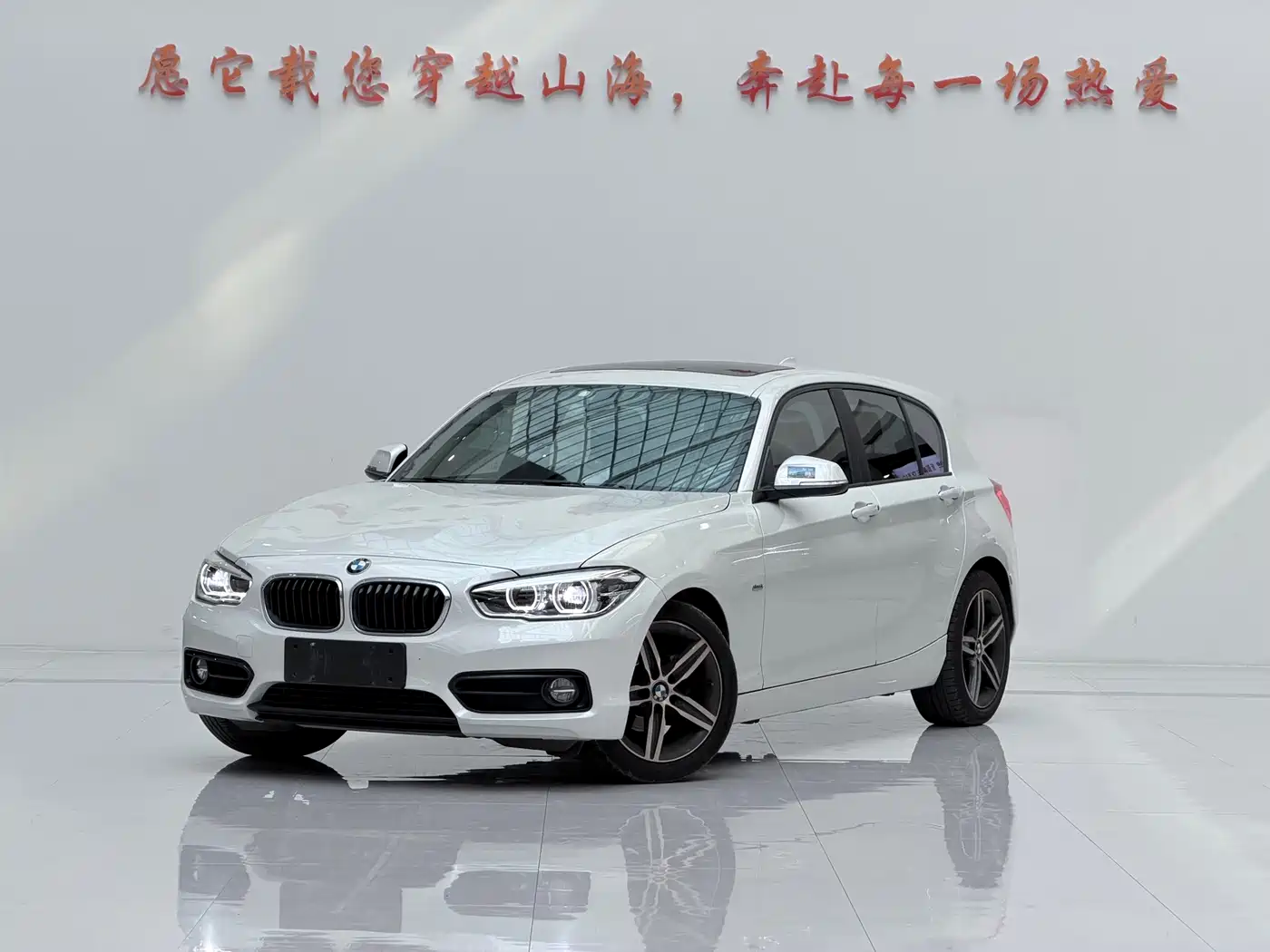
At a glance
- The import range centres on compact petrol hatchbacks, with Coupé and M-badged choices.
- 116i, 118i and 120i serve different fleet and private-buyer priorities.
- Five-door access often matters more than sport-package branding.
- Engine, gearbox, VIN and model code must be verified for every unit.
- LHD/RHD selection, homologation and landed cost are central export decisions.
Why the BMW 1 Series (import) matters for export markets
The BMW 1 Series (import) occupies a practical corner of the premium compact market: a BMW-badged vehicle with the urban agility buyers expect from the segment. For overseas dealers, the attraction is the combination of manageable dimensions, efficient petrol powertrains and a broad selection of hatchback, five-door and performance-oriented listings. “Import” describes sourcing through China’s parallel-import and export channels, not one factory specification or Chinese-market local production. That distinction matters when comparing equipment, warranty documents and road legality. A dealer should therefore treat the physical car, its build specification and the export documents as three separate verification points before purchase.
In markets where traffic, parking space and fuel costs shape demand, the 1 Series format is easy to justify. Its compact footprint suits urban dealers and company-car programmes, while BMW-specific styling, driver focus and premium cabin cues help it compete against mainstream hatchbacks. For fleet buyers, however, the model should be judged as a premium compact, not as the lowest-cost option for moving the largest number of people. A buyer focused on uptime, warranty portability and total running cost should compare service support locally before making any formal fleet procurement commitment.
For dealers serving developed markets, the model can fill a gap between ordinary compact cars and larger premium badges, particularly through carefully selected trims and packages. It is less suitable where buyers expect SUV ground clearance, seven-seat access or abundant standard equipment. The strongest export proposition is therefore transparent condition, verified specification and a realistic landed-cost calculation, rather than the BMW name alone. This approach also helps buyers compare against locally sourced rivals without assuming imported ownership will automatically reduce operating costs or compliance burden. No badge guarantees easy compliance.
- Compact premium format for urban and fleet use.
- Petrol range spans regular trims to M variants.
- Verify build specification and destination legality.
Model range, trims and powertrain variants: how the lineup is structured and how to choose
The line-up is organized around three-door and five-door hatchbacks, with two-door Coupé entries also appearing in export listings. Trim names range from 116i, 118i and 120i variants through M135i and catalogue entries labelled M140i. Body style and trim are not interchangeable: a sport package changes appearance and equipment, while an M badge signals a materially different performance specification. Before comparing similar cars, request the VIN, BMW model code, production date and engine designation, especially where performance labels may have been entered inconsistently. A photoshoot alone cannot resolve those identity questions.
The regular 116i and 118i hierarchy centres on 1.6-litre four-cylinder engines, while 120i cars generally use a 2.0-litre turbocharged four. M135i versions use a 3.0-litre turbocharged inline-six, and any entry labelled M140i must be checked against its VIN and model code rather than assumed to follow the usual 1 Series hierarchy. Six-speed manuals and eight-speed automatic transmissions are common alternatives, but the exact gearbox, output and drivetrain belong in the verified vehicle record. Owners also need the market-specific emissions data and equipment list, because similar model codes can differ by production year and destination.
For a conventional fleet, the 118i or 120i usually offers the easier balance of performance, consumption and service simplicity, but that is a usage decision rather than a factory rule. M versions suit buyers who value braking, cooling and chassis capability over fuel economy and running cost. Sport Design, Urban, Leading and M Sport packages mainly alter equipment and presentation, so compare standard-fit lists instead of assuming a higher-priced badge brings every feature. Five-door cars are generally the priority where access, luggage and rear-seat use matter more than coupe-style appeal.
- Match body style to fleet access needs.
- Confirm engine, gearbox and drive layout.
- Use VIN and model code to validate M trims.
New vs used BMW 1 Series (import): how export inventory is structured and how buyers choose
Export inventory for this model can be structured around registration status, model year, trim and the degree to which a vehicle has been prepared for export. A unit presented as new may still be an older registered car, parallel-import vehicle or former demonstration vehicle with limited mileage. Conversely, a previously registered car may be mechanically sound and commercially attractive. Buyers should therefore read the registration and condition fields, not rely on a title, stock badge or the age of the model shown, or a seller’s preferred wording alone. The VIN remains the decisive identifier.
A new-condition car generally offers the cleanest ownership narrative, less depreciation from the outset and the strongest prospect of a coherent factory warranty. Those benefits depend on the seller actually holding the supporting documents and the warranty being transferable to the destination. A dealer should request the original sales or customs documents, service history, production and registration dates, plus confirmation that no finance, lease or salvage issue remains. “New” is therefore a claim to verify, not a substitute for inspection and a properly documented handover process at the origin.
Used or ex-registration cars can widen trim choice, reduce initial depreciation and make older performance variants commercially reachable. The trade-off is uncertainty: wear may be concentrated in the clutch, suspension, cooling system, electronics or accident repair, and replacement parts can become less straightforward for older cars. Ask for an independent inspection, recent service invoices, diagnostic results, measured tyre and brake condition, and photographs of the underbody and luggage area. For fleet resale, an unresolved fault is usually more expensive than a modest saving on the acquisition before it reaches customers.
- Treat “new” as a documented condition, not a label.
- Inspect ageing systems and verify service history.
- Use the VIN to verify identity and registration.
How export pricing works: the factors behind a live listing price, and how to read one
A live export price is built from several variables rather than a fixed model-level tariff. Model year, trim, engine, transmission, drivetrain, factory options and appearance condition usually shape the vehicle’s baseline value. Mileage and registration history can move an older car, while a clean history, desirable body style or scarce configuration can increase buyer interest. Because exchange rates, supplier terms and market demand also change, the only reliable figure is the one attached to the specific unit and the specific quote for the buyer’s stated destination and delivery terms in writing.
Price basis matters as much as the headline figure. A supplier’s number may exclude ocean freight, insurance, terminal handling, customs brokerage, inspection, inland transport, import duty, VAT or other destination taxes, depending on the agreed Incoterm and seller’s scope. Compare offers on the same basis: one quote delivered to a named port under stated terms is not directly comparable with an ex-warehouse figure. A landed-cost worksheet should separate the vehicle, inland origin charges, international freight, insurance, destination charges and taxes, while preserving evidence of each quote for audit and later review.
To read a listing intelligently, confirm the vehicle identifier, year, trim, gearbox, mileage, condition, registration status and seller location. Then check whether the displayed price is a vehicle price, a promotional price or a conditional deposit, and whether it includes domestic transport or export preparation. Review the minimum order, payment schedule, cancellation terms, inspection window and stated shipping scope. If those details are missing, ask for a written pro forma quote tied to the unit’s SKU rather than inferring terms from the search page or another marketplace summary instead.
MOQ, ordering and payment: single units vs consolidating a container
For a wholesale purchase, minimum order quantity is a commercial term, not an inherent property of the BMW 1 Series. Some vehicle listings can be reserved individually, while a seller or freight partner may require a batch, a matching specification or a larger commitment for export preparation. Treat the MOQ shown on the live record as applying to that offer, then confirm whether it applies to the model, trim, colour, production batch or shipping method. If a buyer needs several similar cars, matching specifications may narrow the eligible units and should be agreed before inventory is reserved.
Buying one vehicle can simplify inspection, payment and resale planning, but it may leave the buyer paying for freight or logistics without the economies of a consolidated shipment. A container or vehicle-carrier consolidation groups compatible orders, potentially improving freight efficiency and reducing per-unit handling, but it adds coordination: units must be ready within the same cutoff, documentation must align, and each buyer must still receive separate commercial records. Compare the all-in cost of one unit with the per-unit landed cost of consolidation, including any storage, demurrage or unmatched-cargo charges that can arise from timing differences.
Payment terms should be written before stock is committed. A typical sequence may involve a deposit to reserve the unit, payment of the balance against inspection and export documents, and release against shipping evidence; the exact sequence varies by seller and should never be assumed. Confirm whether funds are paid to the supplier or through the marketplace, what bank or transfer fees apply, and which party holds the vehicle during preparation. Also define the inspection period, evidence required for a refund, title-transfer timing and the consequences if the car fails inspection or cannot be exported to the named destination.
- Check MOQ scope on the specific listing.
- Compare one-unit and consolidated landed costs.
- Put inspection, refund and title terms in writing.
Shipping, homologation and market compliance caveats: LHD/RHD and import rules by country
Most vehicles sourced from China are configured for left-hand drive, while some markets require or strongly prefer right-hand drive. Do not assume that a steering-wheel change alone creates a compliant RHD car; conversion can involve headlamps, switches, instruments, safety equipment and wiring, and it may affect parts support, warranty or insurance. First decide whether the destination will accept an LHD import, then compare the cost and disruption of a genuine RHD example with professional conversion. For fleet sales, steering position and local road acceptance must be settled before the vehicle is marketed.
Import rules are destination-specific, and a vehicle being roadworthy in China does not make it roadworthy everywhere. The importer may need to address VIN and identity records, emissions standards, noise and safety requirements, customs valuation, duty, VAT or sales tax, and a certificate of conformity or equivalent local approval. The age and registration status of the car can change the treatment, while modified or converted vehicles may attract additional checks. Use a broker or compliance specialist in the destination country before paying for freight, and verify whether the seller’s documents are sufficient for that market.
Small passenger cars may move by RoRo vessel, roll-on/roll-off carrier or consolidated container, depending on origin and destination, while some specialist routes use containers or break-bulk handling. The method changes handling frequency, exposure to damage, loading flexibility and cost, but none removes the need for a pre-shipment inspection and secure handover. Photograph the car, note existing damage, check fluid levels and battery condition, and preserve the condition report with the shipping file. Marine cargo insurance should reflect the vehicle’s agreed value and the inspection and valuation process for any claim.
- Resolve LHD or RHD acceptance before ordering.
- Obtain destination-specific customs and road approval.
- Inspect, photograph and insure before loading.
Who should buy the 1 Series (import) — and who should pick a different vehicle
The 1 Series import makes sense for urban dealers seeking a premium badge in a manageable footprint, for company-car programmes that value a recognizable driver-focused image, and for buyers who want BMW styling and dynamics without moving to a larger model. It is also practical where parking and road space are constrained but the local safety, tax and emissions framework supports ownership. These strengths are strongest when the buyer can source several examples, standardize specifications and spread workshop, parts and marketing costs over ongoing sales rather than one-off resale activity.
It is a weaker choice for buyers who need a larger cargo hold, high ground clearance, seven seats, towing capacity or simple fleet standardization. Performance enthusiasts should also compare the true 1 Series range with more focused hot-hatch and sports models, because an M-labelled entry may carry a higher purchase and operating burden without matching every corner of a dedicated sports car. Buyers in markets with low-emission restrictions should assess local access before purchase, and fleet managers should include residual-value assumptions rather than focusing only on upfront acquisition cost alone.
A disciplined buyer should score candidates on total delivered cost, likely resale demand, service access, parts lead time, warranty portability and compliance effort. Regular 118i or 120i hatchbacks may be easier for broad commercial use; five-door practicality can outweigh style-led variants; and an M car should be justified by a specific enthusiast or performance market. If a used car needs immediate work, if a local market strongly prefers RHD, or if servicing the model is poorly supported, a different vehicle may be more rational. The best choice is the one whose strengths survive the destination’s operating environment.
- Best for compact, premium urban and fleet use.
- Less suitable for heavy loads or seven-seat needs.
- Match RHD, servicing and residual value before buying.
Main rivals and how the 1 Series (import) compares
The Volkswagen Golf is the closest mainstream benchmark: it offers a familiar hatchback format, strong model recognition and a broad dealer logic, often with lower ownership complexity than a premium import. The BMW 1 Series counters with more driver-focused styling, a higher-grade cabin impression and a stronger performance image. That distinction matters in markets where buyers reward premium branding, but it does not automatically make the BMW cheaper to run or easier to service. Compare actual insurance, fuel, tyre and workshop costs locally rather than relying on badge assumptions alone.
The Audi A3 Sportback is the closest premium-BMW alternative in several markets, with a comparable compact hatchback footprint and an established premium badge. Its main appeal is familiar Audi positioning and often a streamlined parts proposition, while the BMW can feel more driver-oriented and distinctive to its target buyer. The Mercedes-Benz A-Class is another serious rival, especially where its wider availability and model variety make fleet sourcing easier. Neither comparison is universal: engine options, steering position, servicing and local homologation can reverse the conclusion after a like-for-like landed comparison properly.
The BMW’s relative strength is a combination of compact dimensions, premium identity and driver-focused character; its relative weakness is that imported-unit complexity can offset those benefits. A Golf may simplify fleet ownership, an A3 may reduce badge and sourcing friction, and an A-Class may offer a broader model mix in some destinations. Before choosing the 1 Series, compare the same body style, engine class, transmission, drive configuration, service assumptions and compliance route for every candidate. That like-for-like method is more informative than a generic luxury-brand ranking at the destination market.
- Golf: simpler fleet benchmark, less premium image.
- A3: closest premium hatchback alternative.
- A-Class: broad rival for fleet and private buyers.
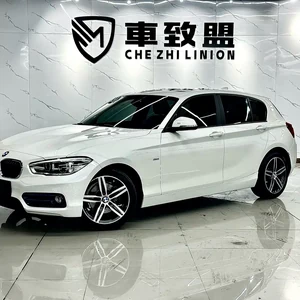
Live BMW 1 Series (import) export inventory
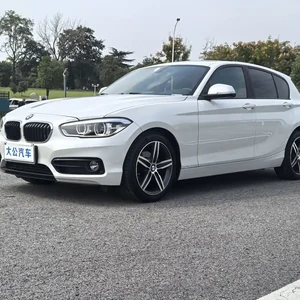
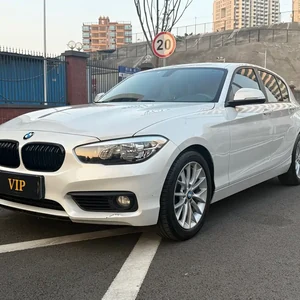
View all listings →Real units currently on ChinaCarDirect with per-unit asking prices and MOQ. Availability updates live from the catalogue.
How to buy a BMW 1 Series (import) from China
-
1
Define the destination and use case
Set the steering-position requirement, import rules, preferred body style and expected annual volume before selecting a vehicle. Include local service access, residual value and taxation in the commercial brief.
-
2
Filter and shortlist live inventory
Review the current BMW 1 Series (import) listings by model, trim, body style, gearbox and condition. Compare the unit description with the photos, seller location and stated preparation.
-
3
Verify identity and condition
Request the VIN, BMW model code, production and registration details, engine specification, service history and supporting documents. For used cars, require an independent inspection and clear evidence of accident repair or outstanding faults.
-
4
Request a unit-specific landed quote
Ask for a written pro forma quote showing the vehicle price, MOQ, payment schedule, Incoterm, freight scope, insurance, destination charges and estimated customs treatment. Use the same cost structure for every competing offer.
-
5
Reserve only after document review
Confirm the inspection period, refund conditions, title-transfer process, warranty status and party responsible for custody before payment. Ensure the pro forma invoice identifies the exact vehicle and agreed commercial terms.
-
6
Inspect, pay and arrange export
Complete the agreed inspection, settle the balance against required evidence, and photograph the vehicle before loading. Use a destination broker to confirm customs and homologation requirements, then secure transport and marine cargo insurance.
1 Series (import) vs rivals
| Volkswagen Golf | The Golf is the mainstream fleet benchmark, with broad recognition and a familiar ownership proposition. Choose it for straightforward fleet operations; choose the BMW 1 Series when premium branding and a more driver-focused image justify the additional sourcing and ownership considerations. |
|---|---|
| Audi A3 Sportback | The A3 Sportback is the closest premium compact-hatchback rival in many markets and may simplify comparison for buyers already familiar with Audi. The BMW 1 Series offers a more driver-focused character and distinctive badge, but the final choice should follow a like-for-like landed-cost and service review. |
| Mercedes-Benz A-Class | The A-Class competes directly for private buyers and company fleets seeking a smaller premium vehicle, with model variety that can improve sourcing in some destinations. The BMW 1 Series may appeal more strongly to buyers prioritising driving character, but RHD availability, servicing and local approval can alter the result. |
Frequently asked questions
How is the BMW 1 Series (import) export price determined?
Export pricing is determined per unit according to model year, trim, engine, transmission, drivetrain, options, condition, mileage, registration status, exchange rates, freight and the agreed Incoterm. The current binding amount appears on the live inventory in ChinaCarDirect, with any shipping, insurance or destination charges identified separately in the written quote.
What are the BMW 1 Series (import) specs and powertrain options?
This import grouping is petrol-powered rather than an EV range. Regular cars use four-cylinder engines, generally 1.6-litre in 116i and 118i form and 2.0-litre turbocharged in 120i form, while M135i cars use a 3.0-litre turbocharged inline-six. Exact transmission, output, drivetrain and any M140i-labelled identity must be confirmed from the unit’s VIN and BMW model code.
Is a new or used BMW 1 Series (import) better for export?
A new-condition unit can offer a clearer ownership history, less initial depreciation and more coherent warranty documentation, but every supporting record should still be verified. A used car may provide broader trim choice and lower initial acquisition cost, while carrying greater uncertainty over wear, repairs, parts support and resale condition.
What is the MOQ when buying from China?
MOQ is set by the individual supplier offer and may apply to the vehicle, trim, matching production batch or shipping arrangement. Some listings permit a single-unit purchase, while consolidation can improve freight efficiency; confirm the scope on the live listing before reserving inventory.
What determines shipping time and cost?
Origin and destination ports, vessel or carrier availability, cargo volume, RoRo or container handling, customs clearance, insurance and terminal charges all affect the result. Transit time cannot be inferred from the model alone, so obtain a route-specific quote tied to the vehicle’s SKU and delivery terms.
Are spare parts available for the BMW 1 Series (import)?
Parts for regular 116i, 118i and 120i cars are generally easier to identify than specialist performance components, but exact compatibility still depends on BMW model code, engine and build date. Ask the supplier or a destination dealer to confirm parts support, electronic-component availability and expected lead times for the exact vehicle.
Can I buy a right-hand-drive BMW 1 Series (import)?
RHD availability depends on the specific vehicle and changing export inventory, so it must be confirmed on the live listing rather than assumed. Most China-sourced examples are LHD, and a professional conversion should be assessed for cost, safety, homologation, warranty and insurance implications.
How do I buy a BMW 1 Series (import) from China?
Start with the live inventory, select a vehicle by VIN and specification, and request a unit-specific RFQ showing price, MOQ, payment, Incoterm and shipping scope. Verify the documents and condition before payment, complete the agreed inspection, and coordinate freight and destination customs clearance through qualified logistics and compliance partners.
Ready to source the BMW 1 Series (import)?
Request a unit-specific export quote with trim, condition, LHD/RHD status, MOQ, Incoterm and shipping scope for your destination.
Request a quote