
BMW 2 Series Gran Tourer Export Buying Guide
Buy a BMW 2 Series Gran Tourer from China with clear guidance on trims, used-car condition, export pricing, MOQ, shipping and market compliance.
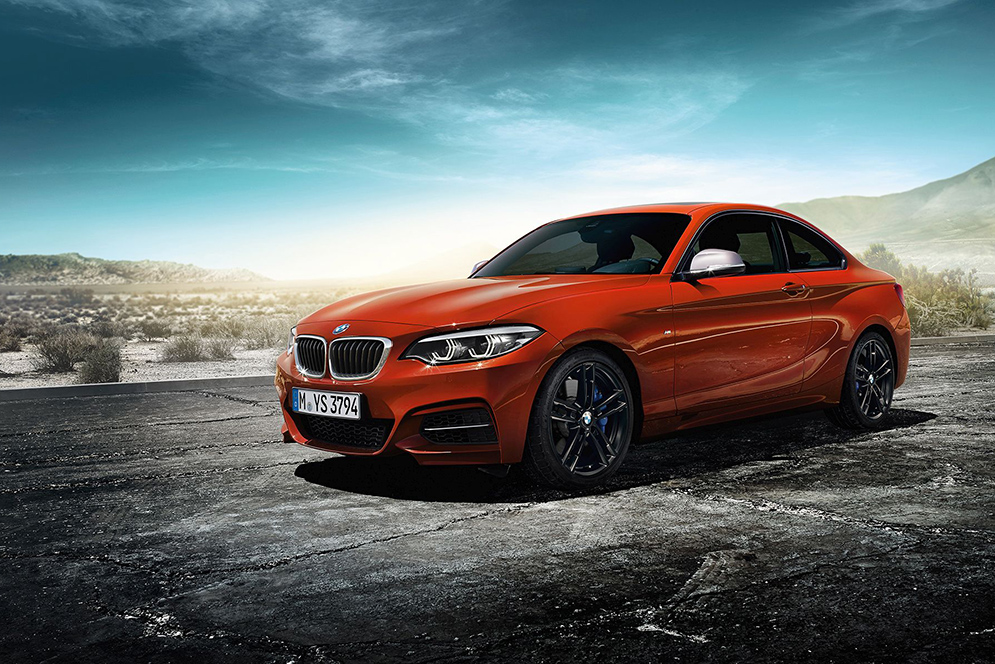
At a glance
- The 2 Series Gran Tourer pairs a compact five-door premium estate body with the driver-focused character of BMW’s 2 Series.
- Export choice centers on 218i Leading, Leading Model, Sports Design Package and 220i Luxury Line trims represented by this model family.
- Used cars can offer lower acquisition cost, but mileage, condition and service history must be verified vehicle by vehicle.
- Exact export pricing and availability change with the unit, market terms and freight, so use the live listing and a written landed quote.
- MOQ, payment milestones and delivery scope should be agreed seller by seller rather than assumed from the model name.
- LHD/RHD, emissions, import age rules and certification must be checked before committing.
Why the BMW 2 Series Gran Tourer matters for export markets
The BMW 2 Series Gran Tourer is the long-roof, five-door member of BMW’s compact 2 Series family. It combines the lower, more road-focused proportions associated with the hatchback with an estate tailgate and a larger passenger-and-luggage area. For export buyers, that positioning is useful: it feels more agile than a compact SUV while offering the loading flexibility that sedans and three-door hatchbacks cannot match. This makes it relevant to family-car dealers, compact-fleet operators and importers seeking a premium badge without moving into a larger vehicle class in their market segments.
Demand for the BMW 2 Series Gran Tourer for export is strongest where buyers value three useful attributes together: efficient packaging, a premium driving proposition and easier urban maneuverability than a full-size estate. The raised estate roof improves access to the rear cabin and luggage area, while the 2 Series format remains suitable for roads and parking conditions that can constrain larger cars. It is therefore more than a niche long-roof variant for many overseas markets. Its appeal also extends to company-car users who want a distinctive, practical car with a recognizable premium marque.
For overseas buyers, the model’s attraction is often easier to explain than its badge alone. BMW’s established dealer and aftersales network can support residual-value and servicing confidence, while the 2 Series name carries a clear performance-oriented identity. Exporters should still assess parts access, technical training and insurance in the destination market, because brand familiarity varies. A sound model-level proposition still needs country-level commercial validation. Buyers should compare the estate against locally sourced premium hatchbacks, not assume that importing from China automatically creates a total-cost advantage once duties, logistics, tax and compliance work are included.
- Five-door premium estate with a rear tailgate
- More cargo utility than a compact hatchback
- Import case depends on local running costs
Model range, trims and powertrain variants: how the lineup is structured and how to choose
The export-facing lineup is organized around the 218i and 220i petrol grades, with the 218i offered in Leading, Leading Model and Sports Design Package forms, while the 220i appears in Luxury Line specification. Trim names describe equipment and presentation, not merely a single performance level. Because equipment changed across production periods and source markets, buyers should compare the itemized equipment list, not assume two units carrying the same trim label are identical. The VIN and build record should resolve any remaining differences in standard equipment before a purchase order is issued.
The 218i is the volume-oriented choice in this model family, generally aimed at buyers prioritizing economy, familiar equipment and straightforward fleet deployment. The Sports Design Package changes exterior and interior appearance but should not be treated as a separate mechanical specification without confirmation. The 220i Luxury Line sits higher in the range and is normally considered when buyers want a more upmarket presentation and stronger performance character; exact output and calibration must be verified by listing. A trim badge is therefore a starting point, not a substitute for a build sheet.
BMW 2 Series Gran Tourer specs worth verifying center on the petrol engine, automatic transmission, front-wheel-drive layout common to mainstream versions, seating capacity and cargo dimensions. The 218i and 220i use compact turbocharged four-cylinder applications, but production-market tuning can alter rated output and emissions equipment. For fleet procurement, compare torque characteristics, gearbox behavior, fuel policy and service intervals rather than relying on the model name alone. A VIN-level check is the safest basis for final specification sign-off. This also protects against assuming that cosmetic packages alter the underlying powertrain specification.
- 218i Leading, Leading Model and 220i Luxury Line trims
- Verify equipment behind Sports Design Package naming
- Confirm engine output and gearbox by VIN
New vs used BMW 2 Series Gran Tourer: how export inventory is structured and how buyers choose
ChinaCarDirect inventory can include both new and used BMW 2 Series Gran Tourer vehicles, but condition should be assessed unit by unit. A new vehicle may offer the latest factory configuration, clearer ownership history and the potential benefit of manufacturer warranty coverage, subject to the seller’s documentation and destination-market rules. Used vehicles may include lower-mileage examples or well-equipped cars that have already absorbed initial depreciation. Neither condition label replaces inspection. For a used BMW 2 Series Gran Tourer, compare the odometer, service records, body condition, interior wear, tyre condition and any accident indicators.
The practical choice between new and used is a balance between acquisition outlay, operating exposure and vehicle age. New cars reduce uncertainty about wear and may align more closely with current fleet emission standards, but their purchase commitment is higher. A used car can suit a dealer seeking immediate availability or a fleet with a controlled replacement budget, provided the buyer accepts older technology, maintenance risk and less factory warranty. The correct comparison is between equivalent vehicles, not between different trim levels. Calculate the expected cost per planned service interval.
For BMW 2 Series Gran Tourer wholesale procurement, buyers should structure the decision around a hierarchy: first confirm that the model is suitable for the destination; then compare condition, mileage, equipment and documentation; finally evaluate the landed cost. A newer car is not automatically the better fleet asset if its equipment is less useful or its acquisition terms are weaker. Conversely, an older used example can be commercially attractive when its inspection, history and maintenance outlook are strong. Always ask for the vehicle-specific report rather than relying on photographs or a catalogue description or seller statements alone.
- New: clearer specification and ownership history
- Used: inspect mileage, wear and service records
- Compare equivalent vehicles on landed cost
How export pricing works: the factors behind a live listing price, and how to read one
A BMW 2 Series Gran Tourer export price guide should explain variables, not publish a fixed number that becomes obsolete. The visible listing price normally reflects the vehicle’s age, trim, engine version, mileage, condition, equipment and seller terms. It may also move with the seller’s commercial policy. Export buyers should treat the displayed amount as a unit-specific starting point, then request a written quotation that states what is included and what remains payable by the importer. Currency, payment stage and validity period are essential parts of that comparison in practice.
Year and trim explain only part of the spread between vehicles. A lower-mileage example, a desirable options combination, a documented service history or stronger cosmetic condition can support a different quote from a similar badge. Conversely, age, visible wear, missing documents or unresolved faults can weaken demand. Exchange rates affect the seller’s calculation, while freight, marine insurance, destination charges, customs, taxes and registration are usually added or handled separately. Ask whether each cost is quoted at origin, port or destination. This prevents a vehicle price from being mistaken for a delivered, road-legal cost.
To read a live listing consistently, record the VIN, production year, trim, engine designation, mileage, condition wording, transmission, equipment, seller location, Incoterm, payment terms and stated validity. Confirm whether the quoted amount buys the vehicle only, includes export handling, or includes transport to a named port. Request a pro forma invoice with bank details matching the contracting seller. The live ChinaCarDirect inventory shows current per-unit pricing, applicable MOQ and availability; confirm all three in the final quotation rather than inferring them from other cars in the model range.
- Compare like-for-like year, trim and condition
- Separate vehicle price from landed logistics
- Confirm currency, Incoterm and quote validity
MOQ, ordering and payment: single units vs consolidating a container
Minimum order quantity is a commercial term set through the seller and the chosen listing, not an inherent property of the 2 Series Gran Tourer. Some vehicle offers can be purchased individually, while a buyer planning a full container may negotiate a larger allocation across several units. Dealers should read the MOQ displayed for each offer and confirm it in the pro forma invoice. Do not assume that one vehicle’s terms apply to the entire model, a seller’s other stock, an international order or a future shipment without consent.
Container consolidation can improve freight efficiency, but it also concentrates several risks in one shipment. Different model years, trims and mileage bands may complicate resale planning, while a single mechanical or documentation issue can affect loading, insurance or clearance. A buyer should define its target mix, required condition and maximum variance before asking for a consolidated quotation. Independent inspections of every unit are still necessary, and inspection, payment and release milestones should be tied to the vehicle, not merely the container. This protects both importer and end customer after arrival.
A sound ordering sequence starts with a written specification, followed by a vehicle-specific pro forma invoice, a refundable or otherwise agreed deposit, final payment, inspection and release. The contract should identify the exact vehicle or approved selection rules, title-transfer documents, export handling, shipping scope, insurance, Incoterm and dispute-resolution process. Payment instructions should be verified independently against the seller’s legal entity and contract. Avoid sending funds based only on a chat message, a copied bank account or a verbal assurance that a unit is ready before the sales team confirms readiness.
- MOQ is listing-specific, not model-wide
- Define the container mix before consolidation
- Tie payment release to inspection milestones
Shipping, homologation and market compliance caveats: LHD/RHD and import rules by country
BMW 2 Series Gran Tourer shipping begins with confirming the vehicle’s steering configuration, dimensions and loading method. Units built for left-hand-drive markets are more readily represented in Chinese export channels, but availability of a right-hand-drive example is limited and must never be assumed. A conversion can affect cost, compliance, warranty and parts compatibility. If the destination requires right-hand drive, specify that requirement at the start and accept only a vehicle whose documents and configuration support the intended market. This is particularly important for fleet deliveries where every vehicle must be roadworthy.
Import compliance is country-specific and separate from the seller’s export process. Regulators may apply vehicle age limits, emissions or type-approval rules, safety requirements, customs valuation, duty, VAT or other taxes, insurance and local inspection. Some destinations also require proof that a vehicle was appropriately manufactured, registered and exported. Documents should match the VIN and the exact vehicle. A buyer should obtain a written view from a customs broker or local compliance specialist before paying, rather than treating the model’s approval in China as approval for every market immediately after export.
Transport choice affects both cost and risk. A specialist car carrier is common for completed vehicles, while roll-on/roll-off, container or rail options may suit different routes and consolidation plans. The quote should state origin handling, terminal charges, insurance, destination charges and delivery point. Before loading, verify that the vehicle is clean enough for inspection, that the fuel system and safety equipment meet carrier requirements, and that the shipping marks and paperwork agree with the VIN. Build buffer into the schedule for inspection findings, customs questions and port congestion before onward delivery commences.
- Confirm LHD or RHD before ordering
- Obtain country-specific import advice
- Match VIN, documents and shipping marks
Who should buy the 2 Series Gran Tourer — and who should pick a different vehicle
The BMW 2 Series Gran Tourer fits buyers who need a premium compact estate rather than a sporty three-door hatchback. Family dealers can gain a practical five-door body and rear hatch, while company-car drivers may appreciate a distinctive premium alternative to conventional sedans. For fleets, the model works where a single passenger car must balance comfort, luggage capacity, maneuverability and a professional image. It is less suitable when maximum cargo volume, seven-seat flexibility or SUV ground clearance is the primary requirement. Those priorities point toward an estate, MPV or SUV.
Dealers should also consider whether the model’s lower roof and road-focused shape suit the customer better than a crossover. The 2 Series Gran Tourer can feel more direct on the road and may be easier to park than larger premium estates, yet it will not offer the elevated seating position or robust visual presence of an SUV. A buyer who values a familiar premium badge, compact exterior dimensions and a usable rear compartment may find the model a strong fit. One who needs all-terrain ability should not stretch the estate role.
Electric or hybrid priorities may also point elsewhere. This model family is petrol-powered in the export trims represented, so buyers seeking an electrified powertrain should evaluate alternatives with current local charging or fleet policy alignment. Similarly, high-mileage commercial duties may favor a vehicle with lower acquisition cost and simpler servicing. Before buying a BMW 2 Series Gran Tourer from China, importers should compare residual demand in their market, workshop capability and realistic ownership cost. The best model is the one whose strengths survive local operating conditions rather than a generic import bargain.
- Best for compact premium estate buyers
- Useful for family and company fleets
- Consider alternatives for electrified requirements
Main rivals and how the 2 Series Gran Tourer compares
The Audi A3 Sportback is the closest premium-size alternative for buyers focused on a five-door hatchback rather than an estate. Audi’s model line can offer a comparable combination of compact dimensions, premium presentation and petrol powertrains, but the body shape gives up the Gran Tourer’s extended roof and more versatile load opening. Where the priority is a sporty five-door with strong brand appeal, the A3 deserves a side-by-side test. Where luggage capacity is decisive for practical travel needs, the BMW retains a clear structural advantage over alternatives in this class.
The Mercedes-Benz A-Class is another credible rival when technology, brand presence and a premium compact footprint matter. Its hatchback form, engine choices and equipment differ by generation and market, so it should not be treated as a direct wagon substitute. The Mercedes may appeal where its cabin and digital interface are priorities; the BMW may appeal to drivers who place handling character and the estate body at the centre of the brief. Compare exact derivative, options and local service support before placing an import order, not after shipment has begun.
The Volkswagen Golf Variant is the practical estate alternative for buyers who prioritize packaging and established ownership economics over a premium marque. Its low roof, broad engine choice and strong visibility can appeal to fleet managers, while the BMW generally offers a more distinctive premium-car proposition. Exact performance, safety equipment and servicing terms vary by market, so no rival should be selected from a brochure alone. Test the BMW against locally sourced alternatives and compare fully landed, compliant vehicles before signing. The comparison should include real running costs after taxes.
- Audi A3 Sportback and Mercedes-Benz A-Class
- Volkswagen Golf Variant as the value-led estate
- Compare exact market variants, not badges
Live BMW 2 Series Gran Tourer export inventory
View all listings →Real units currently on ChinaCarDirect with per-unit asking prices and MOQ. Availability updates live from the catalogue.
How to buy a BMW 2 Series Gran Tourer from China
-
1
Set the destination brief
Define the destination country, required LHD/RHD configuration, passenger capacity, budget and fleet-use priorities before selecting a vehicle.
-
2
Shortlist the live inventory
Review the live BMW 2 Series Gran Tourer listings and compare production year, trim, engine, mileage, condition, equipment and seller location.
-
3
Request the vehicle file
Ask for the VIN, build sheet, ownership details, service records, equipment list, damage history and available inspection photographs.
-
4
Commission an inspection
Use a qualified independent inspector to check the engine, transmission, brakes, suspension, body structure, paint, interior, tyres and warning systems.
-
5
Request a landed quotation
Ask for a written quote separating the vehicle price, export handling, freight, insurance, destination charges, taxes, duties and the applicable Incoterm.
-
6
Agree order and payment terms
Document the exact vehicle or selection rules, applicable MOQ, inspection conditions, deposit and balance milestones, ownership documents, insurance and release procedure.
-
7
Arrange shipping and compliance
Confirm LHD/RHD suitability, obtain local import advice, verify export documents and insurance, and complete a pre-shipment inspection before loading.
2 Series Gran Tourer vs rivals
| Audi A3 Sportback | The A3 Sportback is a close premium compact alternative with a five-door hatchback layout, but it does not provide the Gran Tourer’s extended estate roof and load opening. Choose the A3 for a more hatchback-focused brief; choose the BMW when luggage capacity and estate practicality are decisive. |
|---|---|
| Mercedes-Benz A-Class | The Mercedes-Benz A-Class competes on premium branding, technology and compact dimensions, generally as a hatchback rather than a direct estate. It may suit buyers prioritizing cabin technology and brand presence, while the 2 Series Gran Tourer offers a more driver-focused estate proposition. |
| Volkswagen Golf Variant | The Volkswagen Golf Variant is a practical, value-led estate rival with a similar low-roof concept and potentially lower ownership costs, depending on local specification. It can suit fleet buyers prioritizing utility and cost, while the BMW provides a stronger premium identity and driving-oriented appeal. |
Frequently asked questions
How is the export price of a BMW 2 Series Gran Tourer determined?
Export pricing is unit-specific. The live amount is influenced by production year, trim, engine version, mileage and condition, while exchange rates, freight, insurance, destination charges and the Incoterm can change the landed total. Check the live ChinaCarDirect listing and request a written pro forma invoice showing the currency, included charges and quote validity.
Which engine and transmission does the BMW 2 Series Gran Tourer use?
The export trims represented are petrol-powered 218i and 220i variants, generally using compact turbocharged four-cylinder applications. Automatic transmissions and front-wheel drive are typical for the mainstream model, but the exact gearbox, output, calibration and emissions equipment can differ by production market. Confirm these details against the VIN and live listing before ordering.
Should I buy a new or used BMW 2 Series Gran Tourer?
A new vehicle generally offers less uncertainty about wear, clearer ownership history and possible factory warranty support, subject to the documentation and destination-market rules. A used example may reduce the acquisition outlay but requires careful checks of mileage, condition, service history and accident indicators. Compare equivalent vehicles on total cost rather than comparing different trim levels.
What is the MOQ for a BMW 2 Series Gran Tourer order?
MOQ is set by the seller and listing rather than by the model name. Some offers are structured for a single vehicle, while a container consolidation involves an agreed group of units; check the live listing for its stated MOQ. Put the quantity, selection method and any consolidation condition in the pro forma invoice.
How long does shipping take, and what affects the cost?
Transit time and cost depend on the transport mode, origin and destination ports, vessel or rail schedule, cargo volume, insurance, documentation and current port conditions. Customs queries or inspection findings can also affect the schedule. Request a current route-specific estimate and a quote that separates vehicle, origin handling, freight, destination and tax charges.
Can spare parts be ordered for an exported BMW 2 Series Gran Tourer?
Spare parts can usually be sourced through BMW’s dealer network, an importer or specialist suppliers, but availability is market-specific. Provide the VIN, production date and OE part number, and confirm compatibility before purchase. Parts may differ between steering configurations, production periods and trim-specific body or lighting components, so the badge alone does not guarantee interchangeability.
Is a right-hand-drive BMW 2 Series Gran Tourer available for export?
Chinese export supply is more commonly left-hand drive, and right-hand-drive availability should not be assumed. Review the live listings or ask the seller to confirm the steering configuration and supporting documents for the exact VIN. A conversion may add cost and create compliance or warranty concerns, so specify the destination requirement before ordering.
How do I order a BMW 2 Series Gran Tourer from China?
Select a unit from the live inventory, then request its VIN, specification, condition report and a written pro forma invoice. Agree the MOQ, payment milestones, inspection release, export documents, Incoterm and shipping scope in the contract before sending funds. Complete a pre-shipment inspection and confirm destination-market compliance before loading.
Ready to source the BMW 2 Series Gran Tourer?
Send ChinaCarDirect your destination, required configuration and vehicle count for a vehicle-specific export quotation and landed-cost review.
Request a quote