
BMW 3 Series (Import) Export Buying Guide for Dealers
Buy BMW 3 Series (import) from China with practical guidance on trims, export pricing, MOQ, shipping, compliance and inspection for overseas dealers.
At a glance
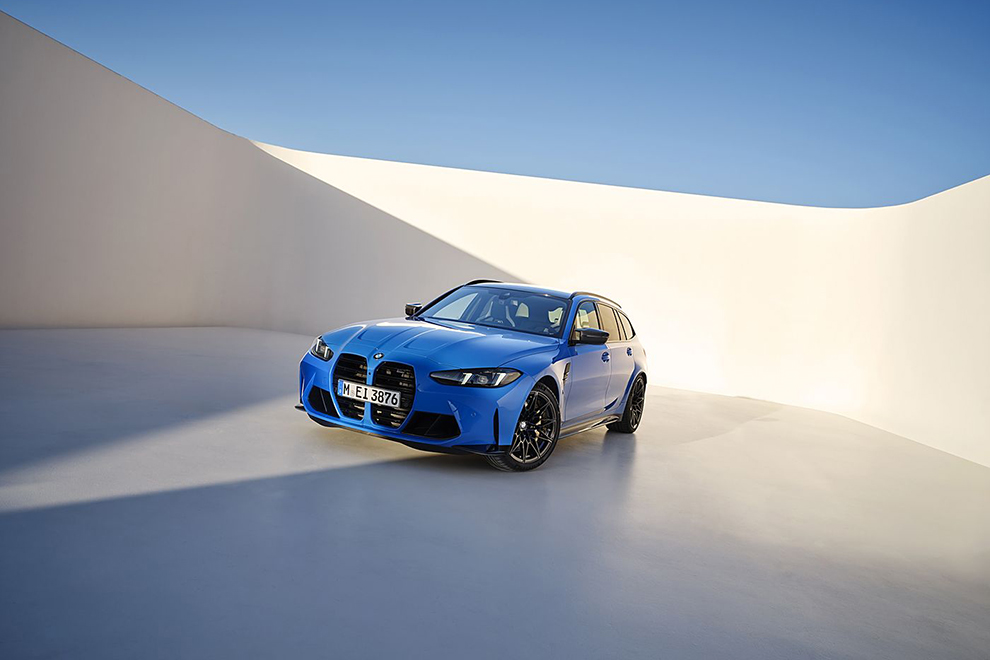
- The BMW 3 Series (import) category spans sedan, coupe, convertible and Touring/Wagon body styles.
- Trim badges include 320i, 325i, 328i, 330i, 335i and ActiveHybrid, with specifications changing across generations.
- The range is petrol-led, while ActiveHybrid versions add electric assistance and require battery-focused inspection.
- A live listing is the authoritative source for price, availability, MOQ, year, mileage and unit-specific condition.
- Wholesale decisions should compare landed cost, destination compliance, parts support and RHD suitability—not badge alone.
Why the BMW 3 Series (import) matters for export markets
The BMW 3 Series (import) matters because it brings BMW's compact-executive formula to buyers who value premium branding, responsive handling and a practical footprint. Sedans remain the core, while coupes, convertibles and Touring/Wagon versions broaden its appeal to lifestyle, fleet and dealer customers. That mix helps a reseller serve several market segments without leaving the established 3 Series nameplate. Its value proposition is not simply prestige: it combines executive-car presence with dimensions that remain manageable for urban use and international logistics, especially where executive sedans are difficult to park or service.
Demand is supported by a broad international footprint and a model people already recognize. The 3 Series has a long-running reputation for balanced handling, rear-drive character and a cabin that can work for private, executive and chauffeur use. For overseas dealers, a familiar badge helps resale planning, while the availability of multiple body styles supports different channels. However, recognition does not eliminate market-specific risk: buyer habits, tax rules and parts networks vary, so a vehicle must still be assessed against local alternatives and importer execution capacity before committing inventory.
The category is especially relevant to buyers sourcing from China because one model family can include very different propositions. A 320i sedan, a 330Ci convertible, a 325i coupe, an M Sport-badged car and an ActiveHybrid may appeal to customer groups, yet they require demand forecasts, service assumptions and residual-value judgments. The “import” label should be treated as a sourcing description, not a specification. Export buyers who define the body style, engine, condition, documents and destination before comparing quotes will use the range better than those who search only by badge.
- Compact executive, globally recognised.
- Multiple body styles.
- Specification and compliance matter.
Model range, trims and powertrain variants: how the lineup is structured and how to choose
Within the imported 3 Series range, model badges describe hierarchy and equipment more reliably than a mechanical specification. Names such as 320i, 325i, 328i, 330i and 335i occur across sedan, coupe, convertible and Touring/Wagon bodies, sometimes with package or market designations attached. The range also includes the ActiveHybrid 3. Buyers should separate three questions: which body style will sell locally, which engine and output suit the use, and which equipment level is already fitted. A Sport, Luxury or Fashion label can change appearance and equipment without guaranteeing a different powertrain.
Petrol engines dominate this family, with four-cylinder units used by many 320i, 325i and 328i applications and six-cylinder units appearing in certain 330 and 335 generations. Turbocharging, naturally aspirated output, transmission choice and emissions equipment vary by production year and destination. Most examples are rear-wheel drive, although all-wheel-drive configurations may exist in some markets. The ActiveHybrid adds an electric motor and energy-storage system to the petrol powertrain; it should be judged on system condition, not treated as a battery-electric vehicle or assumed to have a useful electric-only range in normal use.
For a daily-driven sedan, a 320i or 328i is the starting point for buyers prioritizing lower complexity and broad service familiarity. A 325i or 330i can suit those wanting a different balance of response, while the 335i is the more performance-oriented badge in relevant generations. Drivers seeking open-air or distinctive bodywork should evaluate coupe and convertible examples on condition, while Touring/Wagon cars prioritize load capacity. For every trim, verify the engine code, gearbox, drivetrain, options and VIN before making a final choice rather than relying on the visible badge alone.
- 320i/325i/328i mainstream badges.
- 330/335 vary by generation.
- Verify engine, gearbox and VIN.
New vs used BMW 3 Series (import): how export inventory is structured and how buyers choose
BMW 3 Series (import) inventory should be organized by provenance rather than accepted at face value from a marketplace category label. Export sources can include parallel-imported cars, used vehicles, former demonstrations and dealer consignments, with each listing potentially representing one physical unit. A declared-new vehicle may be recent or may be older stock; its condition and first-registration history still need confirmation. The practical structure is therefore unit-level: every example should have its own year, mileage, equipment, photos, documents and commercial terms rather than a generic model description or implied condition.
Used units can make sense where the buyer values a lower acquisition outlay, a particular earlier generation or a body style that is easier to source than a current equivalent. The trade-off is greater uncertainty around wear, deferred maintenance, accident history and the condition of hybrid components, where applicable. A new or declared-new unit reduces some condition uncertainty but may not include an overseas BMW warranty, particularly in a parallel-import channel. Buyers should compare expected holding costs and repair exposure, not treat “new” as automatically cheaper to own over time.
The most useful pre-purchase file is a consistent identity trail: VIN, production and registration details, odometer reading, customs status, service records, option list and high-resolution inspection images. Ask whether the odometer is metric or imperial, whether the mileage is verified, and whether the engine and gearbox match the model designation. For an ActiveHybrid, request battery state-of-health and hybrid-system diagnostics rather than relying on the badge. For used cars, independent inspection should cover suspension, cooling, brakes, tires and accident repair evidence because hidden repairs can erase an apparently attractive purchase at resale.
- Every listing is a separate unit.
- Check age, mileage and provenance.
- Condition inspection remains essential.
How export pricing works: the factors behind a live listing price, and how to read one
An export listing price is the starting figure for one described vehicle, not a universal 3 Series price. The main drivers are model year, trim, body style, engine and output, factory options, mileage, condition, service history, provenance and whether the vehicle carries an export warranty or local obligations. Currency movements can alter how the asking price appears to an overseas buyer. Freight, marine insurance, port handling, destination charges, taxes and the selected Incoterm can each change the amount the importer must actually budget for the same physical car over time.
Read a live listing as a structured comparison, not as a teaser. First confirm the vehicle identity, production year, body, trim, engine, transmission, drivetrain, mileage and condition against the photographs and notes. Next establish what the displayed amount covers: vehicle only, export documentation, inland transport, port charges or a broader delivery scope. A listing may not include duty, VAT, customs brokerage, insurance or last-mile delivery. If those items are uncertain, request a written quotation with each charge separated so the importer can compare two vehicles on the same delivered-cost basis.
Buyers should use the SKU and listing reference when requesting a quote, then ask the seller to reconfirm the unit remains available. A written comparison should state the currency, payment milestones, validity period, Incoterm, named place, documentation scope and charges not included in the vehicle price. Exchange-rate movements mean a saved screenshot can quickly become stale, so obtain a current offer before budgeting. ChinaCarDirect shows the per-unit price and availability in its live listings; those figures, rather than an article or historical average, should drive the importer's final purchasing decision.
- Year, trim and condition set the base.
- Freight and taxes change landed cost.
- Use live price and written quote.
MOQ, ordering and payment: single units vs consolidating a container
MOQ is a commercial condition attached to an offer, not a permanent rule for the 3 Series. Some live listings may be released individually, while other sellers, importers or consolidated shipments may set a minimum quantity. Buyers should read the MOQ shown for each unit and include it in the RFQ, rather than assuming that one vehicle or a full container is always available. If the listed MOQ does not match the plan, request a single-unit release or mixed allocation proposal in writing before paying a deposit for the intended allocation.
Container consolidation can improve freight efficiency when several compatible vehicles share a destination and loading plan. Grouping units by body style and specification helps with parts, customer allocation and homologation, although mixed consignments can be practical. Less-than-container-load shipment may reduce the commitment for a small buyer, while a full-container approach can offer better control and potentially lower per-unit freight. The correct comparison is the delivered cost per vehicle, including consolidation, handling, insurance and delay risk, not freight alone, especially if one damaged unit can delay the whole group.
Payment and release should follow a documented sequence. Confirm the legal seller, beneficiary, currency, deposit, balance trigger, refund terms and invoice contents; avoid sending funds against an informal description. Before final payment, review the VIN, export documents, commercial invoice, packing or vehicle handover record, condition images and inspection report. Agree when title, original registration documents and export paperwork will be released, and whether the balance is due before loading, at the port or against shipping documents. A staged process protects both sides and leaves an auditable trail for disputes later.
- MOQ is offer-specific.
- Confirm single-unit release in writing.
- Compare consolidation on delivered cost.
Shipping, homologation and market compliance caveats: LHD/RHD and import rules by country
Finished vehicles are commonly moved by roll-on/roll-off carrier, container or consolidated vehicle shipment. The practical choice depends on quantity, origin port, sailing frequency, vehicle dimensions, security and destination handling. Ro-Ro can simplify loading for standard road vehicles, while containers provide greater protection and separation; consolidated shipments can reduce cost for smaller consignments. Since dimensions and weight vary by generation and body style, confirm the unit and loading plan rather than relying on generic 3 Series assumptions. Secure lashing, floor height and discharge equipment deserve confirmation before the vehicle is released.
Steering configuration is a critical sourcing issue. Vehicles sourced from China are commonly left-hand drive, although an importer should never infer the configuration from the model name or seller location. Ask for a clear cabin photograph showing the steering wheel and instrument layout, and verify the VIN, original equipment list and market designation. Right-hand-drive availability can be limited and should be treated as market-specific. Converting a left-hand-drive car after shipment affects safety, homologation, software, insurance and resale value, so it is rarely a sound substitute for sourcing the correct configuration.
Export availability does not equal permission to sell or operate in the destination country. The importer must check local age restrictions, emissions and type-approval requirements, safety and lighting rules, VIN administration, import duty, VAT or sales tax, insurance, inspection and registration. Used vehicles may face stricter age or emissions treatment than newer ones, while parallel imports may lack a local manufacturer warranty. Obtain a written opinion from a broker or regulator before committing funds, and confirm that the engine, gearbox, steering side and installed equipment are acceptable for the intended registration.
- Confirm the transport method.
- Verify LHD or RHD per unit.
- Check destination approval and taxes.
Who should buy the 3 Series (import) — and who should pick a different vehicle
This model fits overseas buyers who want a recognisable premium compact with strong road manners and a choice of practical or lifestyle body styles. It is particularly suitable for dealers serving executive customers, business users, smaller hotel or corporate fleets, and motorists who prefer a sportier saloon than a large luxury sedan. The 3 Series also suits buyers who understand older BMW maintenance and want a well-documented example with appropriate inspection. Its familiarity can support resale when the market has a healthy BMW and premium-sedan customer base and transparent sourcing.
It is a weaker choice for buyers who need a factory battery-electric 3 Series, maximum rear-seat room, a high cargo floor, rugged suspension or the lowest possible operating cost. Large families may prefer a larger estate or crossover, while fleet managers running vehicles intensively often favor simpler hybrids, lower-cost sedans or SUVs. Very low acquisition prices can also attract buyers who are unprepared for premium tires, suspension work, electronics or dealer-level servicing. A right-hand-drive requirement, poor local parts access or restrictive import rules can outweigh the attractive badge entirely alone.
The decision should be framed as a fit matrix rather than a brand preference. Compare the body style, engine complexity, passenger and luggage needs, local fuel and charging context, service network, insurance category and expected holding period against each shortlisted unit. An ActiveHybrid may be attractive where fuel use and quiet running matter, but an older example needs hybrid diagnostics and battery-life expectations. A petrol coupe or convertible may suit a lifestyle buyer, yet it can be less practical and more exposed to condition issues than a sedan or Touring.
- Best for premium compact use.
- Weak for large cargo or BEV needs.
- RHD and parts support can decide.
Main rivals and how the 3 Series (import) compares
The Mercedes-Benz C-Class is the closest rival: a compact premium model with comparable executive-car positioning, sedan and wagon availability, and a similar need to compare exact generation, engine and equipment. Depending on the market, a buyer may prefer the C-Class for its own cabin, ride or powertrain character, while the BMW may offer a stronger sport-oriented image. Parts support, steering side and compliance still decide whether that preference has real value in the destination market. Do not assume that a similarly priced C-Class has equivalent condition, service history or documentation.
The Audi A4 competes through restrained styling, efficient packaging and, in relevant markets, all-wheel-drive availability. It can be an attractive alternative for buyers who place technology, cabin design or winter traction ahead of BMW's driver-focused badge appeal. The comparison becomes sharper when a BMW's manual gearbox, rear-drive layout, coupe body or specific engine package is unusual for the target country. As always, check rust, service history, software and parts support on an older imported example rather than generalizing from the model name against a specific vehicle's evidence before payment commitment.
The Lexus IS is an alternative in markets where right-hand-drive supply and Toyota-aligned service support are priorities, although body styles and powertrains do not map one-for-one onto the 3 Series. It can serve buyers who value a different premium badge and a calmer ownership proposition more than BMW's trim and body-style range. The right comparison is not badge appeal but a unit-level review of condition, parts, fuel support, registration and total cost. A shortlist containing the 3 Series, C-Class, A4 and IS should be scored against the same destination requirements.
- C-Class: closest alternative.
- A4: market-dependent AWD option.
- Lexus IS: RHD-oriented alternative.
Live BMW 3 Series (import) export inventory
View all listings →Real units currently on ChinaCarDirect with per-unit asking prices and MOQ. Availability updates live from the catalogue.
How to buy a BMW 3 Series (import) from China
-
1
Define the target specification
Choose the body style, engine family, transmission, drivetrain, condition and destination rules before comparing units. For an ActiveHybrid, add battery documentation and hybrid diagnostics to the brief.
-
2
Search and shortlist live units
Use the BMW 3 Series (import) live inventory to compare year, trim, mileage, photographs, options and seller information. Record each listing reference rather than relying on badge or search order.
-
3
Request a written RFQ
Send the chosen references, destination, required quantity and preferred Incoterm to ChinaCarDirect. Ask for the current per-unit price, MOQ, payment schedule, document list and any buyer-specific allocation.
-
4
Verify identity and provenance
Match the VIN to the nameplate and listing, then confirm production year, registration, customs status, engine, gearbox, steering side and odometer. Review service history and whether any warranty travels with the vehicle.
-
5
Inspect before final payment
Use a pre-shipment inspection or independent vehicle check covering condition, accident repair, tires, fluids and mechanical systems. For a hybrid, request high-voltage battery state-of-health and system diagnostics, then make the balance payment conditional on agreed findings.
-
6
Ship and complete clearance
Book the transport mode, secure loading, marine insurance and export documentation with the carrier or freight partner. Confirm destination inspection, duty, VAT, registration, insurance and local handover before vehicle release.
3 Series (import) vs rivals
| Mercedes-Benz C-Class | Like the imported 3 Series, the C-Class is a premium compact with sedan and estate versions, but equipment, engine choices and local parts support vary by generation. It is the closest alternative for buyers who want comparable status and compact dimensions, though the exact vehicle condition and destination compliance may favor either model. |
|---|---|
| Audi A4 | The A4 offers another compact premium route, with some markets adding all-wheel-drive versions and different cabin and trim appeal. It can suit buyers prioritizing understated design or availability, while the 3 Series may better serve those focused on BMW-specific handling, rear-drive character and body-style choice. |
| Lexus IS | The IS is a credible premium compact alternative where right-hand-drive availability and Toyota-linked service support matter. It does not mirror every 3 Series body or powertrain, so buyers should compare the specific unit, fuel support, parts, registration and expected ownership rather than assuming equivalence. |
Frequently asked questions
How is the export price of a BMW 3 Series (import) determined?
The live asking price reflects the described unit, while the landed cost also depends on currency, freight, insurance, duty, VAT, port handling, delivery and the agreed Incoterm. Model year, trim, body style, engine, options, mileage, condition and provenance can materially change the vehicle figure. ChinaCarDirect's live inventory shows the current per-unit price; request a written quote for the exact configuration and destination.
Which engine and powertrain options should I expect?
The range is petrol-led and includes inline-four applications, certain inline-six generations and ActiveHybrid 3 petrol-electric versions. Exact displacement, output, gearbox, drivetrain and emissions specification change by trim and market, so check the live listing and VIN rather than infer them from the badge. An ActiveHybrid should be evaluated with battery state-of-health and hybrid-system diagnostics.
Are new or used BMW 3 Series (import) vehicles better for export?
New or declared-new examples can reduce condition uncertainty, while used units can suit buyers seeking an earlier generation, specific body style or lower acquisition outlay. Parallel-import status may limit local warranty coverage even when a car is described as new. Compare VIN and registration history, mileage, service records, inspection results, hybrid condition where relevant, and the total ownership cost.
How does MOQ work when ordering?
MOQ is set by the individual seller or shipment and is shown against the live offer; it is not a permanent model-wide rule. Confirm whether one unit can be released and obtain that permission in writing before deposit. For a consolidated container, request the unit allocation, specification mix and per-vehicle landed cost.
How long does shipping take and what affects cost?
Transit time depends on origin port, carrier schedule, sailing or roll-on availability, consolidation, destination port and customs clearance. Cost is influenced by transport mode, vehicle dimensions, insurance, handling, documentation and the distance to final delivery. Provide the destination and Incoterm early so the quotation can separate vehicle, freight and destination charges.
Can spare parts be sourced for an imported BMW 3 Series?
Parts support depends on the engine, body style, generation and the destination's BMW or aftermarket network. Common consumables may be easier to obtain, while less frequent body or engine variants may require sourcing by VIN or from China. Confirm part numbers and availability before purchase, and include service parts in the inspection because deferred maintenance can affect resale.
Is right-hand-drive BMW 3 Series (import) availability an issue?
Right-hand-drive availability can be limited because many China-origin vehicles are left-hand drive, but it varies by source market and seller. Confirm the steering side from clear photographs, VIN and original equipment list rather than relying on the listing title. If local registration strongly requires RHD, source a native RHD example instead of planning a conversion after export.
How do I order a BMW 3 Series (import) from China?
Start with the live listings, shortlist by body style, engine, condition and destination, then send the listing reference and required quantity in an RFQ. Before paying, confirm the per-unit specification, MOQ, live price, documents, inspection standard, payment milestones, Incoterm and shipping plan in writing. Use a staged payment tied to verified documents and inspection, then arrange compliant transport and destination clearance.
Ready to source the BMW 3 Series (import)?
Send your preferred body style, specification, destination and required quantity to the ChinaCarDirect RFQ team for a current, unit-level export quote.
Request a quote