
BMW 6 Series Export Buying Guide for Overseas Buyers
Plan a BMW 6 Series export purchase with clear guidance on trims, engine choices, live pricing, MOQ, shipping, compliance and the best rival options.
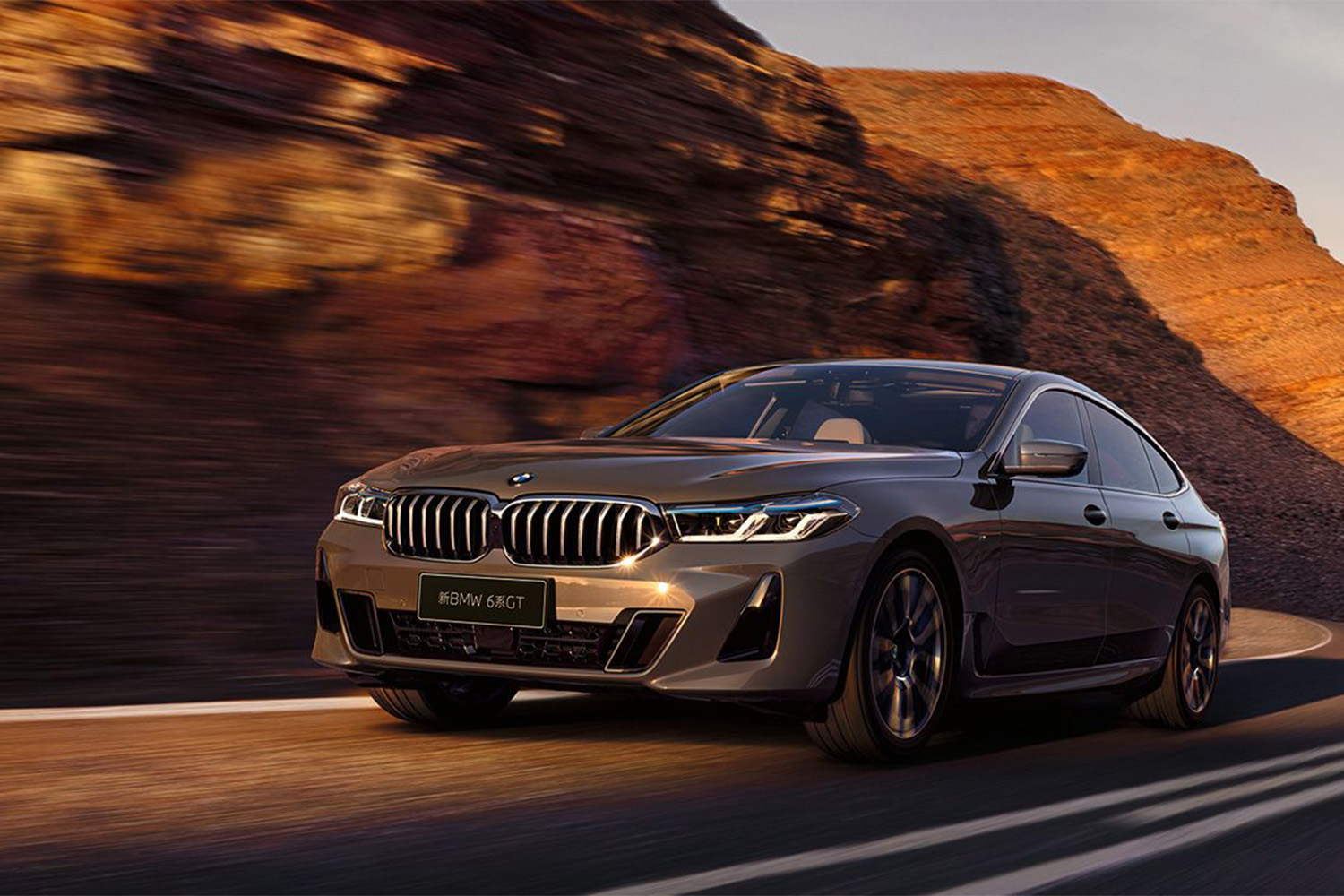
At a glance
- The 6 Series blends coupe-like styling with four-door Gran Turismo usability for executive, chauffeur and premium retail programmes.
- 630i and 640i trims use turbocharged petrol inline-four engines, while 650i trims use a petrol V8; verify the exact unit.
- Body styles include four-door Gran Turismo or Gran Coupe, two-door Coupe and Convertible applications, subject to market availability.
- Export prices vary by year, specification, condition, logistics and Incoterm; use live per-unit listings for current binding amounts.
- RHD availability and homologation must be confirmed for the destination before ordering or paying.
Why the BMW 6 Series matters for export markets
The BMW 6 Series sits in the executive grand-tourer segment, combining coupe-like presence with the usability of a larger four-door car. Its appeal for export buyers is not simply prestige: the line covers four-door Gran Turismo and Gran Coupe cars, two-door Coupes and Convertibles, giving distributors several ways to serve different client groups. For a dealer, that means one model family can support executive fleet, chauffeur and high-end retail programmes, although body style and local rules may limit which variants can actually be registered in a given country without treating every market as interchangeable.
Global demand for the 6 Series comes from buyers who want sporting performance and visual distinction without moving to a full-size luxury saloon. The four-door derivatives are especially relevant for markets where executive cars are expected to carry passengers regularly, while the Coupe and Convertible broaden the audience for private buyers and premium hospitality fleets. Exporters should assess demand by body style and local tax class rather than by model badge alone: an attractive 630i, 640i or 650i listing still needs to fit the destination’s registration, insurance and parking norms.
The model also offers a useful middle ground between a sports saloon and a large limousine. Its length and driver focus can make it more engaging than a conventional luxury sedan, while four-seat layouts can be more practical than a two-door grand tourer. That balance explains why BMW 6 Series export searches attract both individual importers and professional resellers. The right question is not whether the name is prestigious, but whether the exact body, engine, steering configuration and documentation can support a profitable, compliant sale locally in the intended market.
- Executive GT positioning.
- Body-style-led demand.
- Registration filters variants.
Model range, trims and powertrain variants: how the lineup is structured and how to choose
The 6 Series structure has changed across generations, so buyers should separate body style from trim level. Four-door cars are commonly called Gran Turismo or Gran Coupe, while two-door cars use the Coupe designation and open versions are Convertible. Within those shapes, 630i, 640i and 650i identify different engine families. M Sport, Luxury Design, Ultimate and Grand Tourer editions mainly signal equipment, styling and specification bundles. They can be highly relevant to resale, but should not be interpreted as a simple ladder from luxury to performance or standard equipment across markets.
For the petrol-powered line represented here, 630i and 640i versions use turbocharged inline-four engines, while 650i versions use a petrol V8. The four-cylinder cars generally suit buyers prioritising efficiency, lower running costs and broad suitability for executive use; the V8 creates a distinct performance and prestige proposition, often with higher fuel and insurance costs. Exact displacement, output, emissions equipment and gearbox calibration can vary by market and model year, so compare the build sheet rather than inferring technical specification from the trim badge and any homologation documents before agreeing a final price.
Choose the body first if luggage volume, rear-seat access and family usability matter; then compare engine output, drivetrain, options and running costs. Rear-wheel drive is common, while xDrive appears on selected applications and can help buyers in regions with variable road conditions. Convertibles need extra consideration for security, storage and weather use, and Coupes can be harder to live with daily. For fleet buyers, request several configurations so procurement can match clients to a controlled hierarchy instead of ordering one supposedly universal 6 Series configuration and accepting an unnecessary specification package.
- 630i/640i: turbocharged four-cylinder.
- 650i: petrol V8.
- Body first, packages second.
New vs used BMW 6 Series: how export inventory is structured and how buyers choose
Export sourcing for the 6 Series should be understood as a structure of vehicle condition rather than a simple new-or-used label. Factory-new cars generally offer the cleanest ownership path, complete model-year specifications and the strongest basis for warranty or consumer-law claims where applicable. Parallel-import and dealer-demo cars may look new but can carry storage, display or demonstration mileage, so inspect how the unit was registered and used. The status shown on each live listing is the starting point, not the end of the due-diligence process, which begins before payment or shipment.
A new 6 Series is attractive when the buyer wants predictable delivery condition, the intended model-year interior technology and straightforward presentation to end customers. Check the production date, model year, odometer, tyres, paint, underbody and option list, because age in stock and specification choices can affect depreciation. For a commercial importer, an unused vehicle may also simplify resale, yet it offers less evidence of reliability than a documented used example with complete service records. Inspect the specific unit rather than buying from the description or a generic online photograph alone by itself.
A used BMW 6 Series can make more sense for a budget-conscious dealer, but value depends on condition, history and import eligibility rather than mileage alone. Ask for maintenance invoices, title and registration documents, accident or paintwork evidence, VIN-compatible service records and a mechanical inspection covering engine, transmission, suspension, brakes, electronics and climate systems. Older imports may face age restrictions, emissions limits or expensive parts support in the destination. For used BMW 6 Series purchases, treat provenance as a valuation factor as important as the car’s visual condition rather than treating visual condition in isolation.
- New: predictable condition.
- Used: documented provenance.
- Inspect every unit.
How export pricing works: the factors behind a live listing price, and how to read one
A BMW 6 Series export price is usually a unit-level asking price, not a complete landed cost and not a universal model price. Its main drivers include model year, body style, trim, engine, drivetrain, mileage, condition, equipment, ownership history and whether the vehicle is new or used. Seller location, exchange-rate movement, customs treatment and the agreed Incoterm can also affect what the buyer ultimately pays. Two cars carrying similar trim names may therefore justify materially different quotes when their underlying configurations differ. Compare the underlying configuration before treating either quote as a better deal.
To read a live BMW 6 Series listing correctly, start with the exact vehicle identity and option description, then check whether the displayed amount includes export documentation, domestic transport, insurance or freight. Establish whether the price is FOB, CIF or another basis; a higher headline can represent a more complete delivery scope, while a lower one may leave significant logistics to the buyer. Confirm that the seller’s company, contacts, unit identifier and payment details match the pro forma invoice. Current, binding price and availability must always be read from the unit shown in ChinaCarDirect’s live listings.
For a true comparison, build a landed-cost worksheet from the live quote. Add international freight, marine or air cargo insurance, port handling, customs clearance, import duty, VAT or sales tax, inland delivery, registration, inspection and local compliance work. Ask for a written quotation tied to the selected VIN or listing reference, and specify the port, destination city and Incoterm. Avoid comparing an FOB quote with a delivered, duty-paid quote; once logistics and taxes are separated, the true cost of each configuration becomes much easier to judge, especially for fleet buyers.
- Configuration drives quotes.
- Compare landed totals.
- Use one Incoterm.
MOQ, ordering and payment: single units vs consolidating a container
Minimum order quantity is a transaction term that must be confirmed for the selected vehicle and seller; it should not be assumed from a model-wide catalogue page. Some export offers are structured for one-unit buyers, while others are designed around multi-vehicle orders or container consolidation. For a BMW 6 Series wholesale order, ask the seller to state the MOQ, unit reservation process, payment schedule and cancellation terms in writing. ChinaCarDirect’s live inventory remains the source for current per-unit price, MOQ and availability, while an RFQ can secure a precise written response before funds are committed.
Consolidating several 6 Series cars into one container can improve freight efficiency and give a dealer better mix control, but it raises selection risk. All units should have compatible documentation, steering sides, keys, accessories and delivery timing; mixing vehicles for different countries can complicate customs and warranty handling. Confirm vehicle dimensions and gross weights, securing requirements and loading plans with the freight forwarder. A container filled mainly with one trim may also be harder to sell quickly than a smaller shipment with broader body-style demand. Confirm that the final mix and loading plan are agreed before dispatch.
A practical ordering sequence starts with a written specification and pro forma invoice, followed by verification of seller identity and the vehicle reference. Agree deposit and balance milestones, the inspection standard, documentary conditions and the Incoterm before payment; avoid instructions that require an untraceable transfer or omit the buyer and vehicle details. Retain every invoice, receipt, export declaration, packing list and transport document. Only release the balance after the agreed inspection and shipping evidence have been completed, and use the RFQ channel whenever responsibility for an intermediary needs clarification in writing.
- Confirm seller MOQ.
- Control container mix.
- Tie payment to checks.
Shipping, homologation and market compliance caveats: LHD/RHD and import rules by country
Shipping begins with deciding the Incoterm and transport mode, then securing the vehicle, inspection, export customs clearance, loading and destination transport. Roll-on/roll-off, enclosed container or specialist vehicle carriers can suit different budgets and schedules, while specialist air cargo can be considered for urgent purchases where the cost is justified. Transit time and cost are affected by origin and destination ports, sailing or flight schedules, vehicle dimensions, cargo handling, insurance, customs clearance and documentation readiness. The forwarder should provide a current route, cutoff date and charge schedule for the selected unit rather than a generic estimate.
Steering configuration is one of the first technical checks for an overseas buyer. China-market examples are commonly associated with left-hand drive, but RHD availability varies by source, specification and market, and a model name cannot prove the side. Require photographs of the steering wheel and instrument cluster, plus the build plate or model designation, before ordering. If the destination expects RHD, conversion may be possible but can add cost, affect warranty and require local inspection; it should never be assumed to be automatic or accepted without confirmation from the relevant local authority.
Market compliance is equally specific to the destination. Import and homologation rules may cover emissions, roadworthiness, safety equipment, VIN or registration documents, customs valuation, duty, VAT, age limits and insurance categories. A local emissions zone, company-car policy or parking constraint can narrow usable demand even when the car is legally importable. Use a customs broker or vehicle compliance specialist before contracting freight, verify that software, lighting, tax equipment and modifications are permitted, and keep original approval evidence with the vehicle’s permanent import file for any future resale, inspection or insurance applications in the destination country.
- Verify steering side.
- Check homologation early.
- Price local compliance.
Who should buy the 6 Series — and who should pick a different vehicle
The 6 Series is a strong fit for importers serving executives, premium chauffeur operators, hospitality clients and drivers who value a prestige badge with engaging road manners. It is particularly suitable where the buyer wants a four-door grand tourer for business and occasional family use, but does not need the size or formality of a full-size limousine. The four-door derivatives can also help fleets standardise part of their premium image, provided local registration, insurance and tax treatment support the purchase case by case and align with the chosen derivative profile.
It is a weaker choice for buyers whose priority is maximum rear-seat room, minimum operating cost, abundant cargo space or simple fleet servicing. Large-distance drivers may prefer a more efficient saloon or a modern electrified executive model with stronger residual-value support. High-performance buyers may find a Porsche Panamera or Mercedes-Benz CLS more compelling, while organisations needing standardisation may value the model badge less than model-year consistency, warranty coverage and parts availability. Those requirements should be scored before choosing a prestige body style in a specific destination market or use case.
A disciplined decision starts with the commercial brief: passengers, luggage, route conditions, budget framework, local taxes, expected annual kilometres and preferred service network. Next, identify acceptable body styles and engines, then shortlist matching units in the live inventory. Compare landed totals under the same Incoterm, not headline listing prices. The best BMW 6 Series for export is therefore not automatically the newest, most powerful or most elaborately equipped car; it is the unit that matches a proven local demand pattern and can be supported profitably after tax, freight, compliance and aftersales costs.
- Best for executive fleets.
- Weak for extreme-space briefs.
- Compare operating economics.
Main rivals and how the 6 Series compares
The Porsche Panamera is arguably the 6 Series’ most direct alternative because it combines a low four-door profile, strong performance and a hatchback-style rear opening. It appeals to buyers who value a more overtly sporting character or want easier cargo access than a conventional trunk. The BMW may be easier to justify as a four-door executive saloon and can offer a different rear-seat and comfort balance. Dealer support, parts, configuration and local tax treatment should be compared because neither model’s appeal guarantees the better resale result in the destination market.
The Mercedes-Benz CLS is the closest conceptual rival: a four-door coupé with a similar emphasis on style, long-distance comfort and executive presence. It can be a persuasive alternative for buyers who prefer a different badge or Mercedes-Benz service experience, and its market history means parts or used-car familiarity may be easier to find in some countries. The 6 Series should not automatically be assumed cheaper or better. Compare the exact powertrain, chassis, equipment, warranty route and landed cost, particularly where the CLS available for import is an older generation or less common locally.
The Audi A7 is another practical rival, offering a sloping liftback body that blends executive-car usability with sporty styling. It may be easier to place with buyers who value a more mainstream premium badge or a different engine mix, but model-year consistency and aftersales support should still be checked for China-origin examples. Across the Panamera, CLS and A7, the BMW’s strongest case is the combination of distinctive design, four-door GT usability and a broad selection of petrol-powered trims. The strongest rival, however, is whichever model creates better margins and service confidence in the target market.
- Panamera: sportier hatchback.
- CLS: similar coupé concept.
- A7: premium liftback rival.
Live BMW 6 Series export inventory
View all listings →Real units currently on ChinaCarDirect with per-unit asking prices and MOQ. Availability updates live from the catalogue.
How to buy a BMW 6 Series from China
-
1
Define the vehicle brief
Specify the destination, required body style, seating and luggage needs, LHD or RHD preference, route conditions and local tax treatment before choosing a trim.
-
2
Review BMW 6 Series exports from China
Use the live BMW 6 Series inventory to shortlist units by model year, body style, engine, condition and equipment. Check the current per-unit price and availability on each listing.
-
3
Verify the exact configuration
Request the build sheet, engine code, transmission, drivetrain, steering side, options, odometer and production date. Reject any unit whose description, photographs and documents do not agree.
-
4
Request a unit-specific landed quote
Send the vehicle reference, destination port, final city and preferred Incoterm in the RFQ. Ask the seller to separate vehicle cost, documentation, freight, insurance, duties and taxes.
-
5
Agree MOQ and payment terms
Confirm the applicable MOQ, reservation policy, deposit, balance milestone, cancellation terms and inspection standard in a written pro forma invoice.
-
6
Inspect before release and shipment
Use an agreed independent inspection covering condition, mileage, options and mechanical checks. Release the balance only after the inspection and export documents meet the agreed criteria.
-
7
Book freight and complete import clearance
Engage a vehicle-experienced forwarder and local customs broker, then confirm shipment, insurance, customs, duty, taxes, registration and destination compliance.
6 Series vs rivals
| Porsche Panamera | The Panamera is a more overtly sporting four-door hatchback with easier cargo access, while the 6 Series presents a stronger executive-saloon case and a different comfort balance. |
|---|---|
| Mercedes-Benz CLS | The CLS is the closest conceptual competitor, combining four-door coupé styling with executive comfort. Choose according to local service familiarity, exact powertrain, equipment and landed cost rather than badge preference alone. |
| Audi A7 | The A7 offers a sloping liftback body and a more mainstream premium-badge proposition. It may suit buyers prioritising practicality or a different engine mix, while the BMW retains a more distinctive GT character. |
Frequently asked questions
How is the BMW 6 Series export price determined?
Each unit’s quote is driven by model year, body style, trim, engine, drivetrain, condition, mileage, ownership history and the agreed Incoterm. Freight, insurance, customs, duty, taxes and local charges belong in the landed-cost comparison. Review the current unit-specific amount in ChinaCarDirect’s live listings; there is no reliable fixed model-wide price guide for every market.
Which engine and powertrain options are available in the 6 Series line?
The referenced 630i and 640i trims use turbocharged petrol inline-four engines, while 650i trims use a petrol V8. They are combustion vehicles, so battery capacity and electric driving range do not apply. Confirm the exact displacement, output, transmission, emissions equipment and market specification on the live listing.
Should I buy a new or used BMW 6 Series?
New cars generally provide predictable condition and model-year specification, while used cars can offer better value if history and condition are fully documented. A parallel-import or demonstration vehicle may sit between those labels, so inspect mileage and registration history. Match the unit to local demand and age-import rules rather than relying on the label alone.
How does MOQ work for a BMW 6 Series purchase?
MOQ is set per seller and transaction, not by the model name. Live listings show current offer terms, and an RFQ should confirm whether the seller will accept a single vehicle or requires a group order. Consolidation can improve freight efficiency, but the mix, documentation and destination of every unit must be agreed before booking.
What factors determine shipping time and cost?
Shipping time and cost depend on origin and destination, transport mode, route availability, vehicle dimensions, port or airport handling, insurance, customs clearance and document readiness. The forwarder should quote the selected unit against a named Incoterm and provide a current schedule. Specialist air cargo can shorten transit for suitable purchases, while grouped vehicles often move more economically by sea.
Are spare parts available for an imported BMW 6 Series?
Confirm regional parts compatibility, steering side, model year and engine before ordering. Chinese-market, LHD and RHD cars can use different components or suppliers, so do not assume every workshop can source parts from the same catalogue. Ask the seller or RFQ team to identify documented parts for the exact vehicle and plan local service support.
Is right-hand-drive availability guaranteed?
RHD availability varies by source and market, so it cannot be inferred from the 6 Series name. Ask for steering-wheel and instrument-cluster photographs plus the build plate or model designation before paying. If RHD is required, confirm the configuration in writing and check whether local inspection or modification rules apply.
How do I order a BMW 6 Series from China?
Start with the live BMW 6 Series inventory, select an acceptable unit and send the vehicle reference, destination and Incoterm through the RFQ channel. Before payment, obtain a written specification, pro forma invoice, MOQ, deposit and balance terms, inspection standard, export-document list and freight plan. Release funds only against the agreed milestones, and retain the inspection, shipping and customs records for registration and resale.
Ready to source the BMW 6 Series?
Request a unit-specific BMW 6 Series export quote from ChinaCarDirect for a written specification, Incoterm, MOQ and compliance checklist.
Request a quote