
BMW 7 Series Export Buying Guide for Overseas Buyers
Compare BMW 7 Series trims, pricing drivers, MOQ, shipping and compliance, then learn how to buy and import a vehicle from China with confidence.
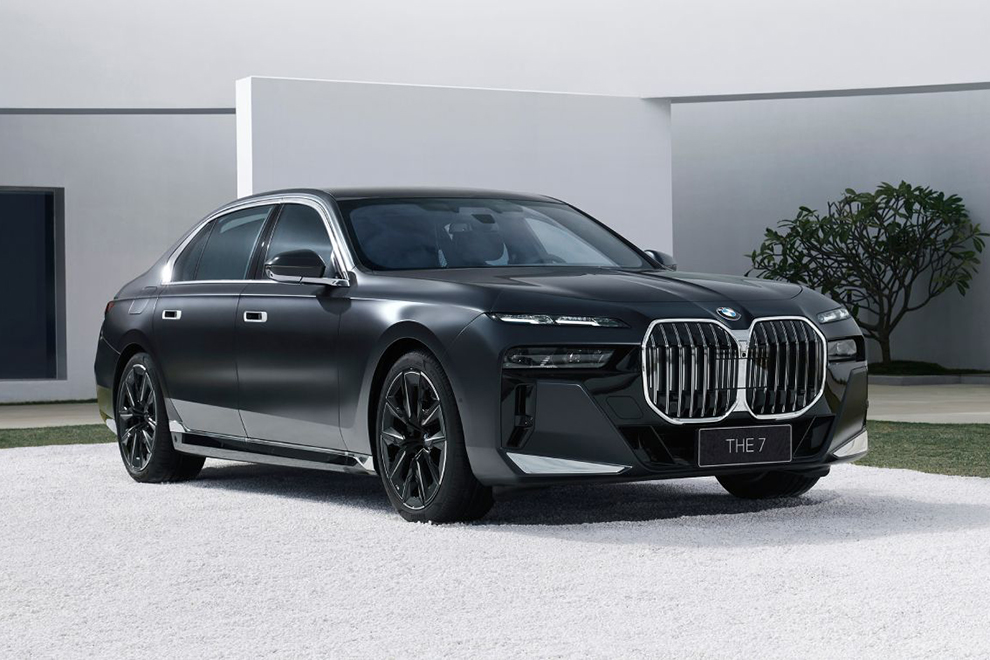
At a glance
- BMW 7 Series export supply spans executive sedans with long-wheelbase “Li” designations and selected xDrive variants.
- Package labels such as Luxury, M Sport and Leading materially change equipment and buyer fit.
- BMW 7 Series specs must be verified by model year, trim and VIN because codes and market equipment vary.
- New vehicles generally reduce initial wear, while used cars can suit buyers prepared for inspection and reconditioning.
- Export quotes should be compared on one landed-cost basis, including freight, insurance, duties and Incoterm scope.
- LHD/RHD configuration and destination-country homologation can decide whether a vehicle is practically importable.
Why the BMW 7 Series matters for export markets
The BMW 7 Series occupies BMW’s flagship luxury-sedan position, combining long-distance comfort, executive presence and model choice for overseas buyers. Its appeal is strongest where chauffeurs, corporate transport, hotel guests and high-end rental programs need a formal passenger car with a recognizable badge. For dealers, the 7 Series offers stronger aspirational positioning than a mid-size executive model, yet it is easier to place than a super-luxury saloon with a narrower buyer pool. Export supply can broaden access, subject to specification and destination-market rules. Trim strategy and import compliance matter as much as badge recognition.
Demand for this model is driven less by off-road capability than by a specific mix of comfort, prestige and usable performance. The 7 Series can serve an owner-driver executive who wants a long-wheelbase cabin, while the xDrive versions suit buyers who want greater road confidence without changing the car’s executive character. For fleet and dealer customers, the combination of a familiar luxury badge and several equipment tiers makes it possible to build a coherent showroom ladder. The right comparison is therefore against other full-size executive saloons, not against compact business sedans.
The export opportunity also comes with disciplined vehicle selection. A premium sedan carries more electronic, comfort and trim complexity than a basic fleet car, so parts support, diagnostic access and repair cost matter after delivery. Importing a left-hand-drive Chinese specification into a right-hand-drive market may also require conversion or a suitable alternative source. Buyers should assess the vehicle as an operating asset for its destination, not simply as a prestigious purchase. A model that is difficult to homologate, service or resell can offer poor economics despite its visual appeal on the road.
- Flagship executive-sedan positioning
- Chauffeur, hospitality and corporate relevance
- Destination compliance determines true exportability
Model range, trims and powertrain variants: how the lineup is structured and how to choose
The model hierarchy uses familiar designations, but buyers should not treat them as a complete specification. The export range includes 730Li, 735Li and 740Li long-wheelbase cars, plus a 740Li xDrive variant. The “Li” label is the key first filter because it changes cabin and luggage space relative to shorter-wheelbase cars sold in some other markets. However, model-year updates, market-specific equipment and package names mean that two vehicles with similar codes may not be direct equivalents. Always reconcile the seller’s designation with the VIN, build date and original equipment list before payment.
Equipment is divided through named packages that include Luxury, M Sport, Leading, Elegance and Exclusive treatments in the range. These labels affect more than appearance: seat functions, comfort equipment, infotainment, exterior detailing and driver assistance can vary by generation and market. M Sport inventory may appeal to buyers who prefer a more assertive visual and chassis character, while Luxury or Leading packages may focus on executive comfort. Exclusive and Elegance versions can suit chauffeur or hospitality buyers. Compare the actual option list rather than choosing from the package badge alone.
Powertrain choice should be made from the vehicle’s VIN and market documentation, not inferred from a model number alone. The 7 Series has long centered on combustion power, while newer generations and different markets can introduce mild-hybrid or plug-in-hybrid systems; an electric-only range figure is therefore not a universal 7 Series specification. Some listings name the xDrive all-wheel-drive system, whereas other variants may be rear-wheel drive. Confirm displacement, output, transmission, hybrid battery, electric range if applicable, and charging method. For an importer, that verified data drives both registration and the buyer’s operating-cost case.
- Li models prioritize rear-cabin space
- Package labels require option-level verification
- Confirm powertrain and drivetrain by VIN
New vs used BMW 7 Series: how export inventory is structured and how buyers choose
Export inventory should be read as a mix of vehicle conditions rather than one homogeneous category. New cars may be current-production stock, while near-new examples can have been demonstration, display or low-registration use. Used vehicles can be dealer-owned cars from earlier model years, and their condition can range from lightly used to high-mileage. The “new” or “used” label alone does not reveal whether a vehicle has been modified, repaired or stored. Ask for registration history, mileage evidence, production date and a physical inspection before allocating budget to an attractive listing.
For a new vehicle, the main question is whether factory delivery, PDI and transit exposure have been completed correctly. Check paint consistency, panel alignment, tire condition, warning messages, odometer reading and the completeness of the supplied tools and documents. A low-mileage used car can offer better value, but older examples may require immediate servicing, replacement parts or software and safety-equipment compatibility checks. Luxury sedans can also hide prior cosmetic work. Inspect underbody surfaces, suspension mounts, cabin wear and service records rather than assuming that a polished cabin proves careful ownership.
Dealers should set acceptance rules before comparing vehicles. A fleet buyer may prioritize uptime, standardized equipment and predictable parts, while a dealer may accept a higher-mileage car with documented history and attractive presentation. The strongest case for used stock is where the buyer values immediate availability and the vehicle can be reconditioned economically; new stock offers tighter warranty certainty and lower initial wear. Neither category is automatically cheaper after freight, tax, commissioning and repairs. Build a total-cost comparison for the actual shortlisted VIN rather than a generic year-based assumption alone.
- New vehicles reduce initial wear
- Used cars require history and condition checks
- Compare total ownership cost, not purchase cost
How export pricing works: the factors behind a live listing price, and how to read one
An export price results from several interacting variables, not a fixed rate attached to the “7 Series” name. The model year, production date, trim, powertrain, drivetrain, options, mileage and condition all affect value. The chosen Incoterm determines which transport, insurance and handling responsibilities belong to the seller or buyer. Currency movements also matter when the supplier quotes in another currency. A listing that appears economical may become costly after inland transport, port charges, insurance, freight, customs and local taxes. Price comparison must therefore use the same landed-cost basis for every offer.
When reading a live listing, verify the model year, exact trim and SKU, then check whether the displayed amount is a vehicle-only export price or includes a stated service. Open the photographs and request missing angles, identification data and a specification sheet rather than rely on marketing text. Confirm mileage, condition wording, battery or hybrid information where applicable, drivetrain and steering side. Establish whether the seller can meet the requested delivery term. ChinaCarDirect’s live inventory should be treated as the source for the current per-unit price, availability and seller-specific terms.
The most useful comparison is a written quote covering the same vehicle specification and destination. Request the charge basis, payment schedule, validity period, inspection rights and any buyer commission or documentation charge. If sellers quote different trims or Incoterms, normalize them before choosing; a higher vehicle price can be economical if it includes sea freight or preparation that another quote omits. Conversely, a low listed price may reflect basic condition or restricted seller terms. Record every assumption so later currency, insurance or freight changes can be explained rather than absorbed as an unexplained margin difference.
- Normalize every quote to one landed basis
- Check Incoterm scope and exclusions
- Use live listings for current unit terms
MOQ, ordering and payment: single units vs consolidating a container
Minimum order quantity is a commercial term attached to the seller’s offer, so it must be checked on the vehicle page and confirmed in the quotation. Some inventory is offered to individuals, while dealers may negotiate multi-unit allocations with different conditions. A single-unit purchase simplifies selection and reduces exposure to unsold stock, but gives less negotiating leverage and may leave transport consolidation to the seller or forwarder. Before committing, state the quantity, destination, timing and acceptance rules in writing. The binding requirement is the one shown for that listing and accepted in the order.
Consolidating several vehicles into one container can improve shipment organization and offer freight economics than separate movements, but it adds coordination risk. Cars differ in trim, condition, release timing and port requirements, so do not group them merely because purchase dates are close. Confirm dimensions, weight, securing requirements, battery or hybrid transport rules and carrier capacity. Agree on inspection and damage responsibility before loading, and photograph each vehicle and its documents. If units go to different buyers, use handover records to avoid disputes over which car left the port in condition.
Payment sequencing should mirror risk. A practical sequence is specification confirmation, inspection or documentary approval, a clearly defined deposit, balance payment against agreed evidence, and release only after export documents and shipping arrangements are complete. Ask what the deposit secures, whether it is refundable, which entity is the contracting party and how amendments are handled. Use a traceable payment method and reconcile the seller’s legal name with the entity on the invoice and vehicle documents. For larger orders, consider milestone payments tied to units passing inspection rather than one unsupported balance event.
- Confirm MOQ on the selected listing
- Consolidate only compatible vehicle requirements
- Link payment milestones to inspection milestones
Shipping, homologation and market compliance caveats: LHD/RHD and import rules by country
Shipping method should be selected around vehicle condition, urgency, route capacity and total cost. Roll-on/roll-off vessels are commonly used for finished vehicles, while containerized or other specialist services may suit particular consignment sizes and routes. The vehicle must be properly immobilized, protected and secured according to carrier requirements, with any battery handling handled under the applicable transport rules. Freight varies with origin and destination ports, sailing availability, handling, insurance, seasonality and consignment size. Obtain a booking that names the port, cutoff, carrier and cost inclusions rather than accepting a generic “shipping included” statement.
Steering configuration is an early check because many China-sourced vehicles are left-hand drive, while some destination markets require right-hand drive. Do not assume that a designation guarantees the required hand of drive or that conversion is road-legal. Ask for steering position in the VIN-level specification and photographs of dashboard and controls. If conversion is necessary, establish whether it will occur before shipment, who carries the cost, how warranty and security systems are affected, and whether the destination authority accepts the modification. A locally approved right-hand-drive source may be safer than a late-stage conversion.
Import compliance is market-specific and cannot be inferred from the car being sold as new. Depending on the country, importers may need to satisfy vehicle type approval, emissions, safety, noise, cybersecurity, tax, inspection and registration rules. Confirm whether the Chinese-market specification is admissible or whether homologation, modification or conformity assessment is required. Budget for customs classification, import duty, value-added tax or charges, port and clearance fees, and registration. Use a licensed customs broker or importer to review the VIN, invoice and shipping documents before departure, because port arrival is not when compliance risk can be ignored.
- Confirm steering side before final selection
- Verify destination-specific type approval
- Budget freight, duty and clearance separately
Who should buy the 7 Series — and who should pick a different vehicle
The 7 Series is a strong fit for an importer serving executives, chauffeurs, premium hotels, diplomatic or corporate transport, and specialist rental customers. Long-wheelbase versions can make the rear cabin more useful, while the flagship badge supports premium positioning and xDrive can broaden appeal where road conditions or towing confidence matter. It also suits dealers building a high-end showroom rather than a volume fleet. The decisive question is whether the buyer values comfort and status enough to absorb purchase, insurance, servicing and fuel costs. For those users, the 7 Series offers a clear functional role.
It is a weaker choice for buyers whose main requirement is the lowest operating cost per passenger. Long-wheelbase luxury sedans consume more fuel, carry expensive tires and brakes, and may demand specialist access for electronics, suspension and body repairs. Their size can complicate parking and narrow-street access. A high-mileage used 7 Series suits a buyer comfortable with refurbishment, but hidden wear can erase the apparent saving. For ride-hailing or company-car fleets, a smaller executive sedan or premium hybrid may deliver a better total cost. Luxury status does not offset utilization or maintenance planning.
Before committing, convert the showroom proposition into a market-specific operating plan. Estimate annual distance, driver or chauffeur patterns, fuel or charging requirements, insurance classification, service intervals, local parts lead times and expected downtime. If the vehicle will be sold onward, verify that its steering side, software, emissions equipment and homologation documents will support a second registration. Ask for a pre-delivery budget covering inspection, minor corrections, registration, transport and contingency. The best 7 Series purchase is one whose benefit and resale proposition remain credible after those costs—not one with an options list.
- Best for premium passenger and chauffeur use
- Weak for lowest-cost high-volume fleets
- Assess total cost and local support
Main rivals and how the 7 Series compares
The closest benchmarks for a full-size BMW 7 Series are the Mercedes-Benz S-Class, Audi A8 and Lexus LS. Each competes for executive buyers, chauffeur services and premium-fleet customers, but emphasizes the proposition differently. The S-Class is the most direct like-for-like rival in size, prestige and model breadth; the A8 suits buyers prioritizing a restrained design and available all-wheel-drive systems; the Lexus LS competes on comfort and a hybrid-led identity where offered. Local taxation, service access and homologation can outweigh small equipment differences. A paper specification is only the first stage of comparison.
Against the Mercedes-Benz S-Class, the BMW offers a more driver-focused character and, in relevant variants, xDrive availability; Mercedes may provide broader powertrain choice and a more established service proposition in some export markets. Against the Audi A8, the 7 Series generally places greater emphasis on executive comfort and road presence, while the A8’s understated design can suit conservative corporate buyers. Neither rival is cheaper to operate by default. Compare insurance, fuel consumption, tire sizes, parts access and residual demand in the destination country. For fleet tenders, local service capability may matter more than a small equipment advantage.
The Lexus LS provides a contrast for buyers who put reliability, low-key ownership and hybrid efficiency ahead of sportier road manners. Its availability and parts network can be thinner in some export destinations, so the variant must be checked before treating it as equivalent. The 7 Series may have executive recognition and offers a broader package hierarchy in the export range. The final decision should be a destination-specific test: verify local approval, obtain running costs, test rear-seat comfort and compare residual demand. Choose the 7 Series when its presence, options and driving character justify the ownership burden.
- Mercedes-Benz S-Class: closest direct benchmark
- Audi A8: restrained executive alternative
- Lexus LS: comfort and hybrid-led contrast
Live BMW 7 Series export inventory
View all listings →Real units currently on ChinaCarDirect with per-unit asking prices and MOQ. Availability updates live from the catalogue.
BMW BMW 7 Series 2017 750Li xDrive Personalized Custom Edition 5-Seater
How to buy a BMW 7 Series from China
-
1
Define the destination and operating requirement
Specify the import country, required steering side, annual distance and whether the vehicle is for private, chauffeur, hospitality or fleet use.
-
2
Shortlist the live inventory
Review the BMW 7 Series listings by model year, Li or xDrive configuration and package, then note the SKU and request the current per-unit price, MOQ and availability.
-
3
Request the build and condition file
Ask for the VIN, build date, engine, transmission, drivetrain, energy type, dimensions, factory options, registration history, mileage evidence and detailed photographs.
-
4
Check compliance before paying
Confirm local type-approval, emissions, safety, cybersecurity, tax, registration and steering-side requirements with an experienced importer or customs broker.
-
5
Approve the vehicle and landed quote
Arrange an inspection covering paint, tires, warning lights, underbody condition and mileage, and obtain a written quote showing vehicle charges, Incoterm, freight, insurance, duties and exclusions.
-
6
Secure the order and payment terms
Verify the contracting entity, deposit purpose, refund conditions, balance-payment evidence, document requirements and amendments before transferring funds.
-
7
Book shipping and complete the import
Confirm the carrier, route, cutoff and vehicle-securement plan, retain condition photographs and shipping records, then complete customs clearance, local registration and a final pre-delivery inspection.
7 Series vs rivals
| Mercedes-Benz S-Class | The S-Class is the closest direct benchmark for size, prestige and executive use. The BMW can offer a more driver-focused character and xDrive availability, while Mercedes may provide broader powertrain choice and stronger local service coverage in some markets. |
|---|---|
| Audi A8 | The A8 provides a more restrained executive alternative and competes directly for corporate and chauffeur buyers. The 7 Series generally emphasizes road presence and comfort, while local service, operating costs and parts access may matter more than equipment differences. |
| Lexus LS | The LS is a comfort-oriented, hybrid-led alternative for buyers prioritizing low-key ownership. The BMW has broader international recognition and a clearer package hierarchy, but the LS may be harder to source and support in some export destinations. |
Frequently asked questions
How is BMW 7 Series export pricing determined?
BMW 7 Series export pricing is vehicle-specific. Year, trim, powertrain, drivetrain, options, mileage, condition, currency movements, freight and the selected Incoterm all affect the quote. Compare the written scope and landed cost, then use ChinaCarDirect’s live 7 Series listings for the current per-unit price and availability.
Which powertrain and range should I choose?
The 7 Series is a combustion-powered model family, although mild-hybrid and plug-in-hybrid configurations may be offered depending on generation and market. One electric range cannot represent the whole nameplate, and combustion-only cars have no battery range. Verify engine displacement, outputs, drivetrain and, for a plug-in hybrid, battery capacity, electric range and charging method on the live listing and build sheet.
Are new or used BMW 7 Series vehicles better for export?
New vehicles generally reduce initial wear and uncertainty about neglected maintenance or a long-unused hybrid battery. Used cars may offer a lower entry point, but mileage, prior use, repairs and market-specific equipment require careful review. For either condition, compare inspection, freight, tax, registration and expected maintenance in the destination market.
What is the MOQ for a BMW 7 Series order?
MOQ is set by the seller for each live offer, not by the model name. Some listings may be available as a single unit, while wholesale or multi-unit orders can carry different conditions. Read the listing’s current MOQ and request written confirmation before placing a deposit or consolidating vehicles into a shipment.
How long does shipping take and what does it cost?
Shipping time and cost depend on origin and destination ports, carrier availability, route, vehicle count, handling, insurance, season and Incoterm. Roll-on/roll-off and other specialist vehicle services have different schedules and capacities. Ask the forwarder for a route-specific booking and a written breakdown of charges and cutoffs.
Can spare parts be obtained for an exported BMW 7 Series?
Parts support depends on destination-country BMW coverage and whether the car’s specification matches the local parts catalogue. China-market trims can require different components or software from vehicles sold elsewhere. Identify commonly serviceable parts before shipment, use approved or clearly documented compatible parts, and confirm lead times and warranty treatment.
Is right-hand-drive BMW 7 Series availability guaranteed?
Right-hand-drive availability is market-specific and cannot be inferred from the 7 Series badge. Many China-sourced examples are left-hand drive, so confirm the steering side and local approval before ordering. If conversion is required, document its scope, cost, safety-system implications and whether the destination authority will accept the modified vehicle.
How do I buy a BMW 7 Series from China?
To buy a BMW 7 Series from China, start with the live inventory, shortlist the model year and trim, and send an enquiry for the specific SKU. Confirm specification, current price, MOQ, inspection, payment milestones, documents and delivery term in writing. After approval, complete payment, pre-shipment inspection, booking, export documentation, transit, customs clearance and local registration.
Ready to source the BMW 7 Series?
Send your destination, preferred model year, trim and required quantity to request a current BMW 7 Series export quote and landed-cost review.
Request a quote