
BMW i3 Export Buying Guide for Dealers and Fleet Buyers
Buy a BMW i3 from China with clear guidance on trims, range, export pricing, MOQ, shipping, compliance and how to request a current quotation.
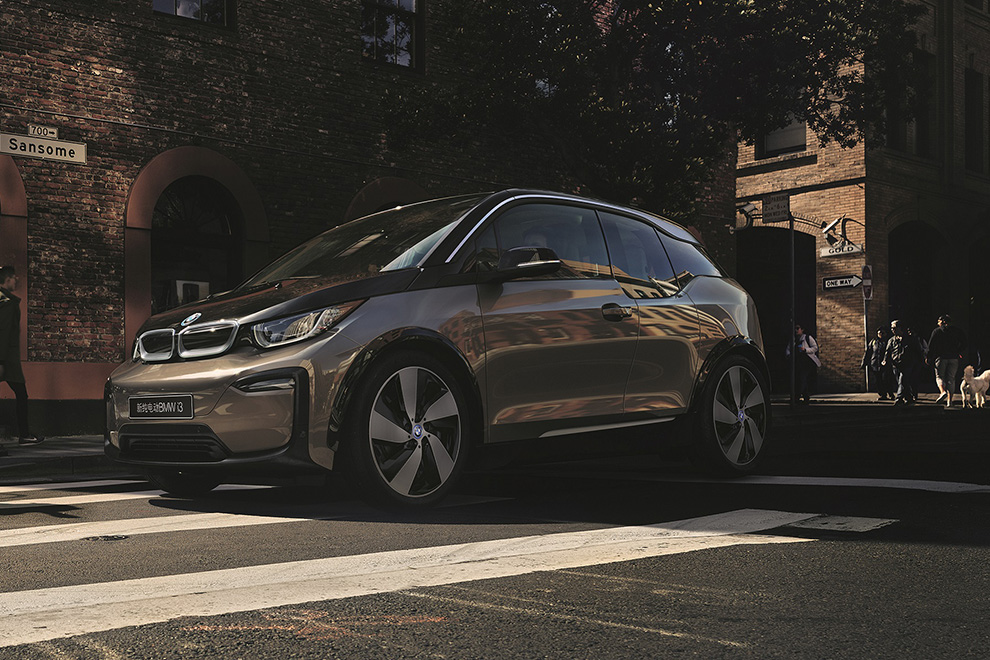
At a glance
- The BMW i3 is a compact premium five-door battery-electric vehicle with rear-wheel drive and driver-focused handling.
- Export names can mix the original imported i3 with longer-wheelbase eDrive 35 L and eDrive 40 L cars.
- Range, charging access and local service should drive trim selection more than package names or maximum-range claims.
- New units simplify warranty planning, while used imports require detailed battery, mileage, history and condition evidence.
- Current per-unit price, MOQ and availability must be confirmed for the chosen vehicle and destination.
Why the BMW I3 matters for export markets
The BMW i3 occupies a useful niche for overseas buyers: a compact premium electric hatchback with distinctive styling, five-door usability and rear-wheel-drive handling. Its appeal is not simply that it is an EV; it combines an efficient urban footprint with the ride balance and driver focus expected from BMW. For dealers, this means a visible premium product for city customers wanting something less conventional than a family crossover and less bulky than most electric saloons. The rear-drive layout also gives distributors a clear story for drivers who value steering response and predictable momentum over outright acceleration.
Global demand is strongest where dense cities combine meaningful EV incentives, dependable charging access and policies that reward low-emission fleets. The i3 can fit such markets as a company car, hotel or airport shuttle, short-distance fleet unit, or city-car demonstrator. Its compact dimensions make urban parking and charging easier than larger EVs, while the premium badge gives fleet buyers a more distinctive alternative to anonymous battery hatchbacks. Demand does not follow automatically: charging reliability, residual-value confidence and local servicing can decide a sale more strongly than brochure appeal in practice.
For an export buyer, the i3’s strengths come with commercial dependencies. Confirm that the destination recognizes the exact configuration rather than merely the BMW name. Verify that spare-parts support and high-voltage service are realistic for the model year. Model the economics against smaller mainstream EVs: a premium purchase may earn a higher retail margin, but it can also carry higher acquisition, insurance and battery-repair exposure. The i3 belongs in a portfolio when the target customer values design, driving character and compact electric utility enough to support those costs over time.
- Compact premium BEV
- Rear-wheel drive
- Urban-first use
Model range, trims and powertrain variants: how the lineup is structured and how to choose
The names in export catalogues need careful interpretation because they can represent two structural eras. Early “Import” entries such as the 2016 Upgraded Luxury/Fashion versions or the 2019 Quick Charge Version refer to the original global i3 family. Later eDrive 35 L and eDrive 40 L entries denote the long-wheelbase China-market derivative. Those bodies are not dimensionally interchangeable: the later car offers more length and rear-seat space, while the original is a shorter design. Buyers should confirm generation, wheelbase, dimensions and luggage capacity from the VIN and model-year documents before quoting a customer.
Within the long-wheelbase family, eDrive 35 L is the standard-range version and eDrive 40 L is the higher-range derivative. The latter appears with equipment-led labels such as Shadow Night, Shadowline, Night Sport and Shadow Night Sport; these names communicate appearance and equipment, not a different energy source or drivetrain. Earlier “Quick Charge Version” cars are original-format imports with a charging-focused designation. For any car, ask for rated and usable battery capacity, the homologation range cycle, peak DC charging rate and charge-to-80% test conditions; CLTC and WLTP figures are not directly comparable.
A sound selection method starts with duty cycle, then narrows the specification. Match the eDrive version to typical daily distance, access to workplace or depot charging and the need for a realistic buffer; do not select on maximum range alone. Compare seating, boot volume, wheel size and tyre cost, especially when contrasting the original body with the long-wheelbase car. For fleets, also verify payload, towing needs, route temperature, warranty coverage and charging-cable compatibility. Package names are buying shorthand; the build sheet, battery report and live listing are the controlling documents.
- Two body generations
- eDrive 35 L or 40 L
- Equipment-led packages
New vs used BMW I3: how export inventory is structured and how buyers choose
Export inventory for the i3 spans newer China-market eDrive cars and older “Import” entries, but model year is not a condition field. An imported vehicle may be used, and a recent-looking listing still needs a condition declaration. Sellers may describe former demonstration, parallel-import or refurbished stock differently. Ask for a condition declaration, matching photographs and the actual vehicle’s VIN for each unit. Never infer newness, prior use or battery health from a catalogue label, and never treat an early model year as automatically used—or a recent model year as automatically new.
A genuinely new i3 offers the cleanest starting point for warranty administration, fleet cost forecasting and customer presentation. There is no accumulated mileage or prior-impact history to assess, and battery capacity should be easier to reconcile with manufacturer data for the model year. Even then, inspect a new export unit: check panel alignment, paint, tyre date codes, production date, option list, charger inclusion and warning messages. Confirm whether the battery and high-voltage components carry the intended warranty in the destination country and whether software, manuals and service access suit local customers.
A used i3 can deliver better value for a buyer comfortable with uncertainty, especially for a desirable body or trim. Evaluate the discount against battery state of health, actual DC charging performance, mileage, service history, accident repair, flood exposure, tyre age and remaining warranty—not age alone. Request a battery health report where available and verify whether high-voltage warranty terms were affected by non-compliant servicing. A documented used import can be sensible for a specialist dealer, while an underexplained used unit carries too much downside for a first-time local EV fleet buyer.
- New warranty planning
- Used battery checks
- Verify condition labels
How export pricing works: the factors behind a live listing price, and how to read one
A live BMW i3 listing is a starting quotation, not necessarily a landed cost. The asking price is typically shaped by model year, generation, eDrive version, equipment package, battery condition, mileage, production status and export-ready preparation. Currency movements can alter its display or settlement. A late long-wheelbase eDrive 35 L and an older imported car are not directly comparable on price alone: one may be newer and better equipped, while the other may have lower acquisition cost but more age-related risk. Compare like with like and inspect the unit-specific description.
The Incoterm attached to a quote determines who pays for freight, insurance and export handling, and how far the seller’s responsibility extends. A buyer comparing FOB-style and CIF-style offers must also account for origin charges, destination port fees, customs clearance, taxes, registration, inland delivery and local inspection. Because EVs travel as regulated cargo, compliant battery documents may affect booking conditions and cost. Ask for the chargeable scope in writing, identify every terminal charge, and confirm whether the figure includes preparation, documentation, transport and insurance. Do not budget from the listing price until that scope is clear.
The best way to read a live listing is to build a comparable total-cost sheet. Record the unit price and currency, trim, model year, battery option, condition, stated MOQ, Incoterm, freight assumptions, validity period and exclusions. Then add duty and tax treatment confirmed by a customs broker, port and inland charges, charging adaptation, inspection and dealer preparation. Obtain comparable quotes for the same specification because two packages with the same motor can carry different content and running costs. ChinaCarDirect’s live BMW i3 listings control current per-unit price, MOQ and availability; request an RFQ for destination terms.
MOQ, ordering and payment: single units vs consolidating a container
For wholesale ordering, MOQ is a seller’s commercial rule, not a universal feature of the model. Each live listing should state its own order quantity, so never infer that one unit can be bought merely because a marketplace displays the vehicle. For a trial order, ask whether the listing allows a single-vehicle purchase and whether mixed production years or trims are allowed. A single unit can reveal customer reaction, charging compatibility and servicing friction with less capital exposure. The trade-off is that per-unit freight, documentation and inspection costs may be less efficient than a consolidated movement.
Container consolidation improves freight economics but changes the risk profile. A buyer can combine several i3 units with compatible destination and handover requirements, but should avoid a mixed shipment unless every vehicle’s condition, battery version, equipment and delivery timing has a clear market plan. Shipping mixed steering configurations to one country, or combining new and used vehicles with different inspection needs, can create unloading, customs or remarketing problems. Obtain a SKU-level packing list, photograph serial numbers before loading, and define responsibility for damage, missing chargers and battery transport issues. Consolidation also requires more working capital.
A disciplined order starts with a written specification and destination, followed by a pro forma invoice stating the vehicle, price, currency, MOQ, Incoterm, model year, payment schedule, documents and dispatch deadline. Payment may use a deposit with the balance linked to inspection or dispatch, but terms must be agreed. Confirm the exporter’s identity, authorized bank account, deducted fees and tax-withholding allocation. Before remittance, review the business registration, export qualification and product description, then use trade assurance or inspection where practical. Keep the final invoice aligned with the physical unit and handover record.
Shipping, homologation and market compliance caveats: LHD/RHD and import rules by country
Importing an electric car is not simply transporting it from one port to another. The importer of record must establish eligibility for the destination’s type approval, registration, emissions and safety rules, including battery safety, electromagnetic compatibility, software control, vehicle identification and charging equipment. Rules differ by country and can change, so a customs broker and local homologation specialist should review the VIN, model year and conversion status before non-refundable payment. “Import” describes provenance, not automatic approval elsewhere. Dealer, fleet, private-use and commercial classifications can attract different documentation or tax treatment.
Steering configuration is a first-order criterion, not a minor option. Chinese-market cars are commonly left-hand drive, while right-hand-drive demand varies across markets; an imported used example may differ. Ask for steering-wheel, VIN-plate and homologation images, then state the requirement in the order. Also verify AC plug, onboard-charger compatibility, charging protocol and local adapter needs. RHD availability may be limited for some generations or packages, and later conversion is expensive, invasive and can affect approvals. For a required local RHD model, confirm source, condition and inspection route before treating it as equivalent stock.
EV battery transport adds specific documentary and handling requirements. The supplier should provide required battery-transport evidence, dangerous-goods declarations, state-of-charge information and packing records; the carrier confirms route acceptance. On arrival, clearance may require invoices, packing list, bill of lading or air waybill, export declaration, certificate of origin where applicable, and VIN/chassis and ownership documents. Budget separately for pre-delivery inspection, charging-system checks, software or connector adaptation, local registration and technician training. Compliance costs include delays and storage, so obtain a landed-process checklist rather than relying only on the freight quote alone.
- Local homologation
- Confirm steering side
- Battery-freight compliance
Who should buy the I3 — and who should pick a different vehicle
The i3 is best suited to buyers with predictable short-to-medium routes and reliable charging at home, the depot or a known destination. It works well for urban company-car programs, boutique hotel and premium mobility fleets, regional sales-demo pools and city retail customers who want a premium EV without a large footprint. Its five-door body and rear-drive layout make it more useful and engaging than a two-seat city EV, while the compact footprint eases parking and charging. For these users, distinctive styling can support retail appeal and help a dealer explain why the car deserves consideration beyond efficiency.
It is a weaker choice for buyers whose operating plan depends on long, unserved road trips, rapid seasonal turnover, heavy payloads or towing. The original i3’s age and shorter remaining component life can complicate battery repair, trim availability and residual values, despite its mechanical simplicity. A high-mileage buyer should compare charging time, consumption and battery replacement exposure with newer rivals. Buyers in very hot or very cold climates should request temperature-management evidence. Those needing a large boot, seven seats or rugged suspension should not force the i3 into an unsuitable use case for local operations.
The decision should balance product fit against the local EV ecosystem. Compare the i3’s total cost of ownership over the holding period: acquisition, freight, charging infrastructure, insurance, servicing, tyres, software and resale. Ask whether the dealer can source training, diagnostic tools and genuine parts; a premium badge does not guarantee convenient service everywhere. For an urban pilot, a documented single unit can be more informative than a speculative order. For multi-country distribution, standardize only after destination teams confirm that the chosen generation, trim, steering side and charging configuration can be sold and supported locally.
- Urban fleets
- Weak on long routes
- Service affects resale
Main rivals and how the I3 compares
The i3’s closest alternatives depend on whether the buyer prioritizes premium identity, efficiency or newer electric architecture. The Volkswagen ID.3 is the most direct hatchback comparison in mainstream EV circles, while the MINI Cooper SE is a closer premium-size alternative in some markets. The Hyundai Ioniq 5 sits higher in the compact-EV hierarchy because its crossover packaging and newer platform prioritize space and charging convenience. The Nissan Leaf remains relevant when simple transport and acquisition cost matter more than performance or badge appeal. These are alternatives, not automatic substitutes: local conditions can reverse the ranking.
Against the ID.3, the i3 offers a characterful compact design and driver-focused rear-drive setup, but compare platform age, real-world charging, software, parts and local support rather than assume either wins. Against the MINI Cooper SE, the BMW has a different brand ecosystem and potentially more practical five-door layout, but compare equipment and market pricing. Against the Ioniq 5, the i3 is lower and more car-like, while the Hyundai offers crossover space and newer charging architecture. The Leaf is a simpler, often more economical route, but less oriented to a premium buyer.
A useful comparison sheet should apply the same destination, battery-health definition, range cycle, charging assumptions and ownership horizon to every candidate. Add charging equipment, insurance, tyres, service and local parts support, because these can outweigh advertised range or trim price. For a dealer, compare body-style demand, boot utility, software options and ease of explanation. Test-drive if possible, inspect the battery report and charging curve, and check service coverage for every imported i3. The best rival is not the strongest specification; it is the vehicle easier to support, finance and resell in the buyer’s actual market.
- ID.3 hatch rival
- MINI premium rival
- Ioniq 5 crossover
Live BMW I3 export inventory
View all listings →Real units currently on ChinaCarDirect with per-unit asking prices and MOQ. Availability updates live from the catalogue.
How to buy a BMW I3 from China
-
1
Define the operating brief
Specify the destination country, steering side, charging setup, daily mileage, payload, body format and intended holding period before selecting a trim.
-
2
Screen the live inventory
Review current BMW i3 listings and compare each unit’s generation, eDrive version, equipment, condition, stated MOQ and seller location.
-
3
Request the unit dossier
Ask for the VIN, build sheet, battery report, charging information, mileage, service and accident history, warranty terms and matching photographs.
-
4
Build a landed-cost comparison
Compare written quotations on the same Incoterm and include freight, insurance, port charges, customs, taxes, registration, charging adaptation and inspection.
-
5
Validate the compliance route
Have a customs broker or local specialist confirm type approval, VIN requirements, charging compatibility, import category and battery-transport documentation before payment.
-
6
Agree MOQ and payment terms
Confirm the listing-specific MOQ, mixed-unit rules, deposit and balance schedule, authorized payment account, cancellation terms and required export documents.
-
7
Inspect, ship and receive
Use pre-shipment inspection, photograph matching VINs and serial numbers, verify transport paperwork, and complete an arrival charging and condition check before handover.
I3 vs rivals
| Volkswagen ID.3 | The closest five-door EV hatch alternative, with a more mainstream platform and software ecosystem. The i3 may feel more distinctive and driver-focused, so real-world charging, parts and local service should determine the better fit. |
|---|---|
| MINI Cooper SE | A close premium compact EV alternative with a different badge and dealer network. Both use compact five-door bodies, so equipment, range, charging and aftersales support are the decisive factors. |
| Hyundai Ioniq 5 | A compact electric crossover offering more cabin and cargo space and newer charging architecture. Choose it for greater space and family utility; the i3 suits buyers wanting a lower, more car-like premium hatch. |
Frequently asked questions
How is BMW i3 export pricing determined?
A live price reflects factors such as model year, generation, eDrive version, equipment, battery condition, mileage, preparation, currency movements and the agreed Incoterm. Destination duties, taxes, port charges and local preparation may sit outside that figure. Check the live BMW i3 inventory for the current unit price and request a destination-specific RFQ for binding landed terms.
What powertrain and range should I expect from a BMW i3?
The i3 is a battery-electric car with a single rear-mounted motor and rear-wheel drive. The later eDrive 35 L is the standard-range derivative, while eDrive 40 L is the higher-range version. Exact usable battery capacity, homologated range and charging performance vary by generation and model year, so use the live build sheet rather than relying on the trim name.
Is a new or used BMW i3 better for export?
A new unit reduces uncertainty around mileage, prior damage and warranty administration, while a documented used import can offer better value. For either condition, check the VIN, battery health, charging performance, service history, tyres and local warranty. Condition evidence is more important than model year alone.
How does MOQ work on BMW i3 orders?
MOQ is set by each seller and listing rather than by the model itself. A single-unit order should be requested only if the relevant listing permits it, while wholesale shipments may require a larger quantity. Review the MOQ shown on each live listing and confirm it in the pro forma invoice and RFQ.
What determines shipping time and cost for a BMW i3 from China?
The route, transport mode, vehicle dimensions, battery-compliance packing, origin and destination handling, customs inspection, seasonality and Incoterm all affect the result. Sea freight is generally planned around sailing schedules, while air freight offers greater speed at a higher cost. Obtain a written freight quotation that identifies included and excluded charges.
Are spare parts available for the BMW i3?
Availability depends on generation, trim and destination more than on the BMW badge alone. Use the VIN and production date when ordering body panels, charging equipment, high-voltage components or battery-related parts, and ask the seller to support genuine-part identification. Confirm lead times, specialist repair access and warranty coverage before committing to an older imported car.
Can I buy a right-hand-drive BMW i3 for export?
RHD examples may be offered depending on the source market, generation and package, but availability should never be assumed. Request steering-wheel, VIN-plate and homologation images, then include the requirement in the purchase order. Confirm local approval, charging compatibility and inspection treatment before treating an RHD unit as equivalent stock.
How do I order a BMW i3 from China?
Start with the live listings, select a unit that matches the required generation, trim, condition and destination, then send an RFQ with quantity, steering side, port and Incoterm details. After reviewing the pro forma invoice, inspection terms, payment schedule and export documents, fund only the agreed transaction. Use pre-shipment and arrival checks before completing local registration and handover.
Ready to source the BMW I3?
Send ChinaCarDirect your destination, required configuration and quantity for a current BMW i3 quotation and export-document checklist.
Request a quote