
BMW iX3 Export Buying Guide for Overseas Buyers
Compare BMW iX3 trims, powertrain options, export pricing logic and compliance steps, then check live listings for current vehicle and RFQ terms.
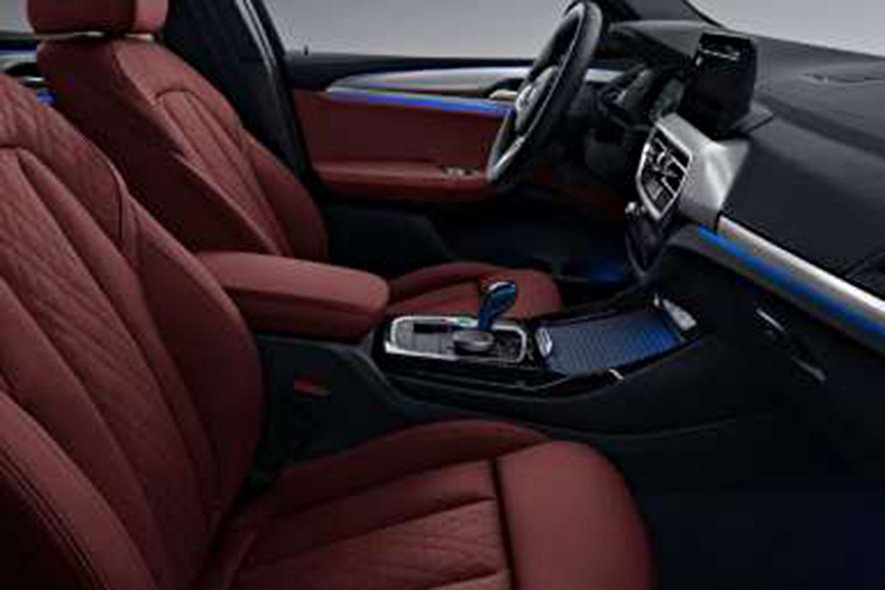
At a glance
- The BMW iX3 is a battery-electric, road-focused premium SUV for buyers who need SUV utility without a combustion powertrain.
- Trim labels in export listings are not globally standardized, so buyers should compare equipment and battery or drive specifications vehicle by vehicle.
- New cars suit buyers prioritizing current specification and warranty; used cars can suit shorter ownership plans when battery condition and history are verified.
- Export prices move with vehicle configuration, condition, freight, exchange rates, taxes and Incoterms, so only a live written quote is actionable.
- LHD/RHD, charging compatibility, type approval and after-sales support must be checked before an overseas import is committed.
Why the BMW Ix3 matters for export markets
The BMW iX3—often indexed as “Ix3”—is a battery-electric midsize SUV that brings BMW’s premium positioning to a practical five-door body. For overseas buyers, its attraction is not novelty alone: it combines a familiar luxury marque, zero tailpipe emissions and an SUV format suited to both executive and fleet use. Markets with expanding charging networks and supportive electric-vehicle policy are the most logical audience, particularly where fuel taxes, urban air-quality rules or corporate sustainability targets make an EV operationally attractive. The case also depends on realistic route planning, not headline range alone.
Demand should be assessed segment by segment. A company car programme may prioritize quiet operation, predictable energy use and lower maintenance requirements, while a private buyer may place more weight on ride quality, brand familiarity and the SUV’s everyday versatility. The iX3 is less compelling where charging is unreliable, routes routinely exceed the usable range of the selected version, or customers need towing and off-road capability beyond that expected from a road-focused premium SUV. Local incentives cannot replace a proper full-cost assessment of purchase, operation, taxation and residual value over time.
For export planning, the source market matters. A Chinese-market iX3 may not share every equipment line, software feature or market-code detail with an equivalent sold in another region. Buyers should therefore treat the VIN, factory specification sheet and listing photographs as a package, not assume that the model name alone proves equivalence. The [BMW brand hub](https://chinacardirect.com/car-brands/bmw) is a sensible starting point for narrowing the brand, but the final selection should be made from the live unit listing because trim naming and availability can change for the intended purchase window or export market.
- Target dependable-charging markets.
- Assess total operating cost.
- Verify market-code equipment.
Model range, trims and powertrain variants: how the lineup is structured and how to choose
BMW’s export listings use trim labels such as Leading Model, Leading Type, Innovation Leader, Leading Edition, Max, Premium, Facelift Leading and Elite. These names help identify the seller’s description, but they are not a universal global hierarchy and should not be translated automatically into equivalent grades in another country. For fleet buying, compare the actual equipment list, not just the badge: driver-assistance content, infotainment, upholstery, wheels, panoramic roof, audio and charging-related equipment can materially change suitability and value for fleet managers comparing vehicles on total operating cost, residual value and support.
The iX3 is a pure battery-electric vehicle, so there is no combustion engine, fuel tank or conventional transmission to compare with a petrol or diesel SUV. Depending on the particular version, an electric motor and its associated drive layout can differ, and China-market equipment should not be assumed to match overseas variants. Battery capacity, usable range, motor output, drive configuration and charging limits must be taken from the exact listing or manufacturer specification sheet; headline figures from different markets and test cycles should not be mixed when comparing vehicles or setting procurement budgets.
A practical choice starts with the operating profile. A buyer with predictable urban routes and dependable home or depot charging may prioritize usable range, cabin equipment and warranty support. A high-mileage operator should model energy consumption, battery warranty terms and charging downtime alongside the purchase decision. For a used car, request battery state-of-health evidence, charging-history information and a diagnostic report, then compare the remaining battery warranty with the likely ownership period. These checks are more informative than the trim badge alone, especially when comparing differently aged export units from different sources.
- Confirm battery, motor and drive layout.
- Compare trim labels per vehicle.
- Request used-battery health evidence.
New vs used BMW Ix3: how export inventory is structured and how buyers choose
Export inventory can include both new and used iX3 vehicles, but the meaningful distinction is the condition and documentation attached to each unit. A new listing should be matched to a factory build, factory warranty and declared condition; a used listing may come from a domestic retail, leasing or corporate channel. Neither the word “new” nor the model year proves everything by itself. Buyers should read the condition label, VIN, odometer disclosure, service history and seller photographs together, then confirm those details in writing before ordering from the seller or agent.
New inventory is usually the cleaner route for buyers who need current equipment, standardized warranty handling or predictable cosmetic condition. Used iX3 vehicles can be more rational for a buyer with a lower purchase budget or a planned short holding period, provided the price reflects depreciation and the battery risk is understood. A used vehicle’s lower sticker price does not automatically mean lower operating cost: ageing tires, suspension components, electronics and high-energy battery systems can shift future maintenance and residual-value risk if those risks are not checked or budgeted properly in advance.
Choose by residual ownership plan rather than age alone. A business expecting to keep the vehicle for several years should favor a newer supported unit when uptime matters, and consider how local warranty work will be administered. A buyer replacing vehicles more frequently may accept an older example if its battery condition, mileage and service evidence justify the saving. Before shipment, commission an independent inspection that includes underbody, tires, brake wear, charging function and battery diagnostics, and align any findings with the purchase terms or require remediation before release from the seller.
- Verify condition, VIN and history.
- Inspect every used battery.
- Match holding period to residual risk.
How export pricing works: the factors behind a live listing price, and how to read one
An export listing price is a configuration, not a fixed market quote. The model year, trim, drivetrain, battery-related specification, mileage, condition, ownership history and visible equipment can all affect the seller’s asking price. New and used units must also be compared on different bases: depreciation and expected battery servicing matter more for used vehicles, while current specification and warranty status matter more for new cars. Only compare offers after putting the same condition, documents and delivery basis against each other and separating vehicle value from transport and import costs before payment.
Logistics can move the final payable amount as much as the vehicle itself. The quoted Incoterm determines which party arranges transport, insurance, export clearance and handover, while exchange rates, port charges, freight, marine insurance and destination taxes affect the landed cost. A seller’s vehicle price may exclude documentation, terminal handling, loading, shipping and import charges. Ask whether the displayed figure is an ex-works, FOB or delivered basis, and request a separate estimate of every charge that remains the buyer’s responsibility rather than relying on an incomplete headline number for comparison and timing.
To read a live listing correctly, open the individual vehicle record and check its SKU, model year, condition, trim, motor and battery specification, odometer, images, stated MOQ, Incoterm and seller notes. Then use the [live BMW iX3 listings](https://chinacardirect.com/products?q=Ix3&brands%5B%5D=11) to compare units on a like-for-like basis and request a written quote for the vehicle you actually want. Exact prices, MOQs and availability are unit-specific and change with the inventory, so the live record—not an old article or a remembered range—is the binding source for the current vehicle, commercial terms and timing before contracting.
- Compare like-for-like configurations.
- Separate vehicle and landed costs.
- Use live unit terms as binding.
MOQ, ordering and payment: single units vs consolidating a container
Minimum order quantity is a commercial term, not an inherent property of the iX3. Each seller or listing may set its own MOQ, and some procurement models accept an individual vehicle while others require batches or mixed-model orders. Do not infer a universal MOQ from a general product page or an earlier transaction. Read the MOQ on the selected listing, clarify whether it applies to each model or to the whole mixed shipment, and obtain written confirmation before transferring a deposit, reserving production capacity or committing to freight terms in writing.
Ordering and payment should follow a documented sequence: specification approval, inspection or documentary review, pro forma invoice, payment terms, export preparation and release against agreed evidence. Buyers should identify the contracting seller, verify the vehicle identity and ask who holds title, who signs the export documents and which party is responsible for customs records. Payment stages should correspond to verifiable milestones. For unfamiliar counterparties, independent verification and a regulated corporate payment route are safer than instructions sent only through an individual messaging account or an unverified bank-change request in writing before payment.
Container consolidation can improve freight efficiency when several compatible vehicles are moving to nearby destinations, but it adds coordination and inspection work. Buyers must agree on the vehicle mix, trim, condition, delivery windows, insurance values, document sets and responsibility for damage before loading. A consolidation service should have a clear process for pre-shipment inspection, secure stowage, seals, photographs, export declarations and exception reporting. Mixed loads can satisfy different trim or market needs, yet urgent buyers should confirm that a later vehicle will not be held for a full consolidation cycle if schedules differ.
- Read each listing’s MOQ.
- Link deposits to milestones.
- Define consolidation roles before payment.
Shipping, homologation and market compliance caveats: LHD/RHD and import rules by country
Steering configuration is one of the first checks. Vehicles sourced from China are commonly left-hand drive, while some destination markets require or strongly favor right-hand drive. Do not assume that a left-hand-drive car can simply be converted economically, safely or legally; conversion can affect parts, labour, certification and resale. If right-hand drive is essential, confirm that the VIN and factory build match that requirement. Where no suitable production exists, evaluate whether local conversion and type approval are realistic before including the vehicle in a fleet plan and after-sales support structure in that market.
Importing is not the same as registering. The vehicle may need local type approval or individual approval, safety and equipment checks, radio or software compliance, customs valuation, and evidence that the charging arrangement and any on-board systems are permitted. A China-built car may use a GB/T charging interface rather than the destination market’s Type 2 or CCS arrangement, so verify connector and adapter requirements. Import duty, VAT or sales tax, emissions-related charges and incentives can differ by age, powertrain specification or local rules; for a BEV, eligibility often depends on battery capacity, range and local residence, not merely ownership. Obtain a written broker opinion for the exact VIN before contracting the shipment and final delivery before shipment.
Transport planning must account for the high-energy battery and the vehicle’s securement needs. A specialist carrier or freight forwarder should confirm the permitted shipping method, battery test documentation such as UN 38.3 information, declared battery state of charge, packing requirements, route, insurance and port handling. Do not assume a standard container or roll-on/roll-off booking automatically includes EV compliance. On arrival, inspect for transit damage, charging faults and missing accessories before customs release, then retain the condition evidence and clear photographs for any claim or warranty request against the pre-shipment inspection record.
- Verify VIN, steering side and build.
- Seek local approval advice.
- Confirm battery transport documents.
Who should buy the Ix3 — and who should pick a different vehicle
The iX3 fits buyers who want a premium electric SUV and can charge it reliably. It is especially relevant to company car managers running predictable routes, retail or hospitality fleets seeking a recognizable premium badge, and private buyers who prefer BMW’s established dealer network and road-car character. The vehicle can serve as a comfortable daily car while avoiding tailpipe emissions at the point of use. That fit is strongest where charging infrastructure is mature and the imported specification has realistic local warranty and service support for a long-term ownership plan in that market.
It is a weaker choice for buyers without dependable charging, those whose routes regularly extend beyond the selected version’s usable range, or operators needing exceptional towing, payload or rugged-terrain ability. A value-focused buyer may also struggle because premium EVs can carry high purchase and repair exposure. A used buyer should avoid making a decision from mileage alone: battery condition, software support, accident history and parts availability can be more consequential. If those checks fail, a simpler used EV or an efficient combustion hybrid may offer a more predictable business case over time.
Make the final choice from total cost and support, not the badge alone. Build a local model over the expected holding period, including energy, charging, insurance, maintenance, taxes, residual value and downtime. Confirm that the importer can supply the correct charging cable or adapter, software support, diagnostic access, warranty parts and a realistic repair network. For a fleet, test the vehicle’s charging and route plan with the proposed duty cycle, and secure written answers to unresolved technical questions before placing the order or paying non-refundable charges to the seller.
Main rivals and how the Ix3 compares
The Mercedes-Benz EQB is the closest conceptual rival: a premium electric SUV designed around family space, flexible seating and a more comfort-led ownership proposition. The iX3 may appeal more strongly to drivers who prioritize BMW’s chassis character, cockpit design and driving engagement, while the EQB’s packaging can be attractive where maximum passenger versatility is the priority. Compare the exact local versions, including usable range, charging, luggage capacity, rear-seat access and software support, because headline specifications and incentives differ across markets and should not be compared from brochure figures alone by importers.
The Audi Q4 e-tron is a strong alternative for buyers seeking a more compact, efficiency-focused premium EV. Audi may present a different equipment balance and more extensive electrified-SUV experience, while the iX3 carries the particular BMW interface and dynamic positioning. The right comparison depends on the buyer’s route: examine real consumption and charging requirements, rear-space needs, luggage use and the availability of warranty service. A lower nominal entry price or stronger local incentive should be assessed against specification, financing and residual-value assumptions over the intended ownership period in the destination market.
Tesla Model Y competes on efficiency, software simplicity, network familiarity and broad consumer recognition, often making it a benchmark for EV buyers. The BMW iX3 counters with a more traditional premium-car emphasis, established BMW service relationships and a driver-focused brand image that some fleet customers prefer. Neither is automatically cheaper to own: insurance, tyre and collision-repair costs, parts, dealer coverage and resale can vary by market. Arrange back-to-back test drives and compare the vehicles’ packaging, charging workflow and service experience under the buyer’s real duty cycle, rather than specifications alone in practice.
Live BMW Ix3 export inventory
View all listings →Real units currently on ChinaCarDirect with per-unit asking prices and MOQ. Availability updates live from the catalogue.
How to buy a BMW Ix3 from China
-
1
Set the destination and operating case
Define the destination country, steering requirement, charging access, daily routes, tax position and expected holding period. These parameters determine which versions and documentation are realistically suitable.
-
2
Shortlist matching live units
Review the [live BMW iX3 listings](https://chinacardirect.com/products?q=Ix3&brands%5B%5D=11) and compare matching year, trim, condition, motor, battery and drive configurations. Treat the individual unit record as the current source for price, MOQ and availability.
-
3
Request the condition and document pack
Ask for the VIN, factory specification, odometer disclosure, service history, warranty terms, title information, photographs and battery state-of-health evidence where applicable. Reconcile every document with the named vehicle.
-
4
Ask for an itemized landed quote
Request a written quote showing the vehicle price, Incoterm, freight, insurance, handling, export documentation, destination charges and tax assumptions. Separate the vehicle value from costs that remain the buyer’s responsibility.
-
5
Complete compliance pre-clearance
Give the exact VIN and destination to a customs broker or compliance specialist. Confirm type approval, charging compatibility, software or data requirements, tax treatment, insurance and local after-sales arrangements before shipment.
-
6
Approve payment and shipping
Review the pro forma invoice and payment milestones, verify the contracting seller, approve a pre-shipment inspection and authorize freight only after the vehicle and documents match. Retain inspection photographs, shipping documents and tracking information for any claim.
Ix3 vs rivals
| Mercedes-Benz EQB | The EQB is a direct premium-electric-SUV alternative with a stronger emphasis on flexible family packaging. The iX3 may better suit buyers who prioritize BMW’s driving character, cockpit design and brand identity. |
|---|---|
| Audi Q4 e-tron | The Q4 e-tron offers a more compact and efficiency-focused premium-EV proposition. The iX3 should be preferred where BMW’s interface, road-car feel and established service relationships matter more to the buyer. |
| Tesla Model Y | Model Y is a benchmark for efficiency, software and charging convenience. The iX3 provides a more traditional premium-buyer experience, while ownership costs and service accessibility should be compared in the destination market. |
Frequently asked questions
How is BMW iX3 export pricing determined?
A live price reflects the unit’s year, trim, battery or motor version, mileage, condition, options and commercial terms. Freight, insurance, exchange rates, port charges, destination taxes and the Incoterm can change the landed total. Review the [live BMW iX3 listings](https://chinacardirect.com/products?q=Ix3&brands%5B%5D=11) and request a written, vehicle-specific quote for current binding figures.
What powertrain and range should I expect from an exported iX3?
The iX3 is a battery-electric SUV with no combustion engine. Battery capacity, usable range, motor output, drive configuration and charging limits vary by version and market, so use the exact listing and manufacturer specification sheet rather than mixing test-cycle figures. Confirm CLTC, WLTP or other displayed figures on the same basis before comparing.
Are used BMW iX3 vehicles a better value than new ones?
A used iX3 can make sense for a shorter ownership plan or a buyer seeking lower depreciation. A new vehicle generally offers more current equipment and cleaner condition, while a used vehicle requires battery-health, service-history, accident and inspection checks before purchase.
What is the MOQ for buying a BMW iX3 from China?
MOQ is set by the seller or individual listing and may differ between single-unit procurement, batch orders and consolidated shipments. There is no universal catalogue MOQ that should be assumed. Read the selected listing and obtain written confirmation of whether its MOQ applies to one model or the complete mixed order.
How long does iX3 shipping take and what does it cost?
Transit time and cost depend on origin and destination ports, carrier schedules, shipping method, route, season, insurance, terminal handling, battery-compliance requirements and the agreed Incoterm. A freight forwarder should quote the selected vehicle after confirming its specification and packing needs; no generic transit time or freight figure can be treated as binding.
Can spare parts be ordered for an imported BMW iX3?
Parts availability depends on the model year, market specification and local BMW support structure. Before purchase, request a parts list covering routine service items, tires, charging accessories, electronics and body components, and confirm diagnostic or software support with the importer or specialist supplier.
Is a right-hand-drive BMW iX3 available for export?
Chinese-sourced vehicles are commonly left-hand drive, and right-hand-drive availability depends on the factory build rather than the model name alone. Check the VIN, steering configuration and market code on the individual listing, and obtain local approval advice before considering a conversion.
How do I order a BMW iX3 through ChinaCarDirect?
Submit the destination, required configuration, condition preference, quantity and delivery terms through the [RFQ page](https://chinacardirect.com/contact). Review the vehicle-specific quotation, MOQ, Incoterm, document pack and payment milestones before approving the order and freight booking.
Ready to source the BMW Ix3?
Send ChinaCarDirect your destination, trim, condition and quantity requirements for a current BMW iX3 quotation and export plan.
Request a quote