
BMW X1 Export Buying Guide for Dealers and Fleet Buyers
Export a BMW X1 from China with practical guidance on trims, engine choices, live pricing, MOQ, shipping, compliance and key rivals for dealers.
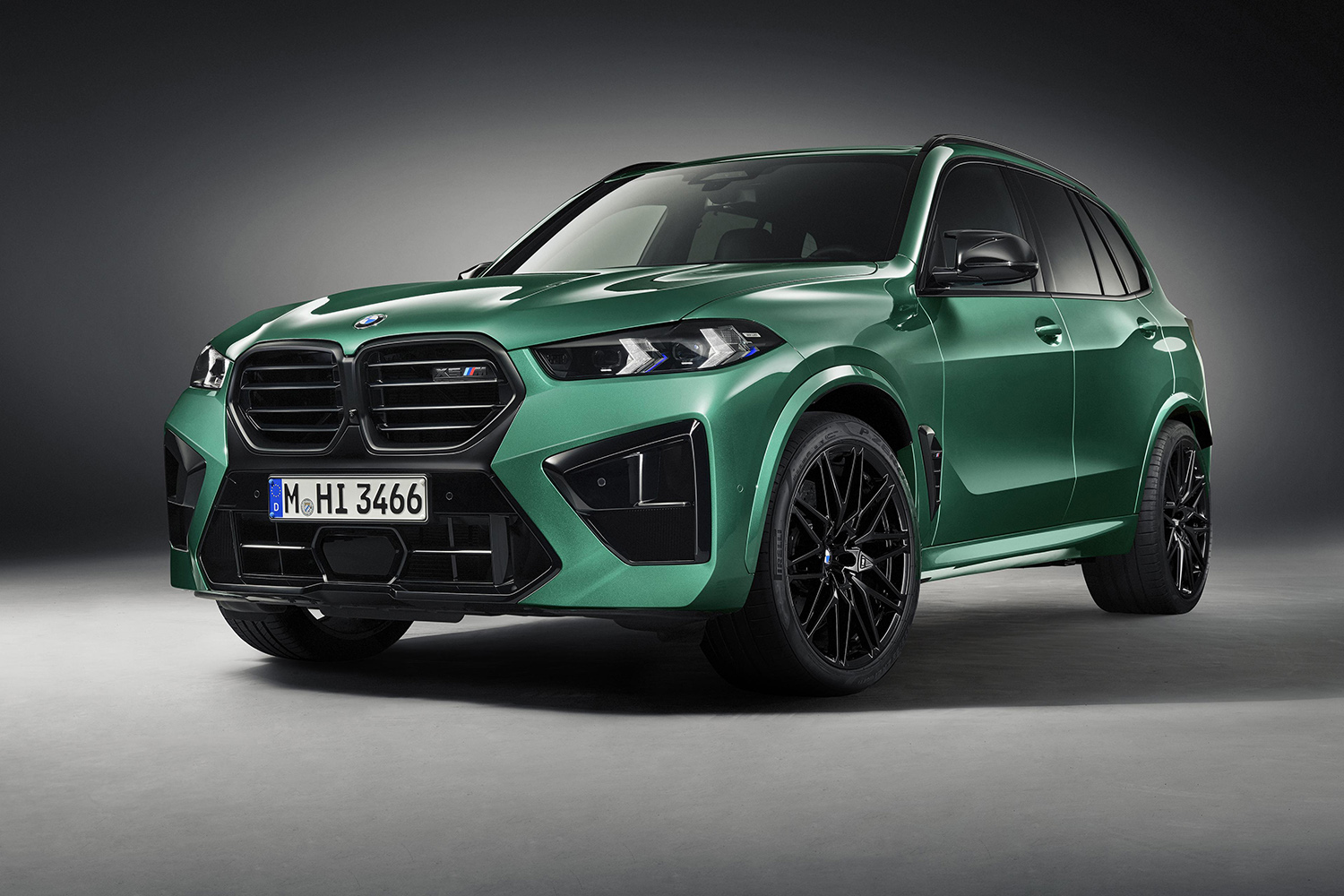
At a glance
- The X1 gives overseas buyers a premium, five-door compact SUV with a manageable footprint.
- sDrive and xDrive listings cover front-wheel-drive and all-wheel-drive use cases.
- Li trims add long-wheelbase space, while trim labels reflect comfort, styling and equipment.
- New and used vehicles suit different fleet and dealer economics.
- Per-unit export pricing must be read alongside condition, logistics, Incoterms and destination rules.
- Steering side, homologation, service access and parts support are essential pre-order checks.
Why the BMW X1 matters for export markets
The BMW X1 is BMW's compact luxury SUV and a logical export product for dealers serving urban and mixed-use markets. Its proposition combines a recognizable premium badge, five-door practicality and a footprint easier to park and operate than a large SUV. The Li versions visible in export trims add rear-seat and luggage space, making the model more useful for business fleets and family-oriented retail customers than its compact classification suggests. Importers also gain a recognizable BMW model line without moving into the cost and logistics of a full-size premium SUV.
Export demand for the X1 is best explained by its balance of size, features and brand recognition. It gives company-car and executive-fleet buyers a premium image in a segment that is easier to fuel and insure than larger premium SUVs. For independent importers, the X1 can fill a retail gap between mass-market crossovers and higher-cost European luxury models, particularly where buyers want a normal five-door layout rather than a coupé-style or seven-seat alternative. That positioning supports several buyer profiles and is relevant to distributors building a balanced multi-segment premium portfolio.
Chinese-built X1 units give export buyers access to long-wheelbase derivatives and a broad selection of comfort, design and driver-assistance packages. Because equipment is market-specific, two vehicles carrying the same model name may differ in infotainment, trim upholstery, assistance systems and cosmetics. Do not buy on badge and silhouette alone: compare the VIN-level specification, confirm the vehicle was built for the intended destination, and ensure local service capability can support the model. That is especially important for fleet operators planning long-term ownership and dealers preparing vehicles for resale in their market.
- Compact premium SUV positioning.
- Li rear-seat advantage.
- Market-specific equipment.
Model range, trims and powertrain variants: how the lineup is structured and how to choose
The export lineup is easiest to decode by separating BMW's drive designation from the trim hierarchy. sDrive denotes a front-wheel-drive X1, while xDrive denotes the all-wheel-drive alternative. The Li suffix identifies a long-wheelbase derivative. Trim names such as Premium, Fashion, Leading, Exclusive, X Design and M Sport Package describe equipment and styling positions rather than one global hierarchy, so they should not be ranked without reviewing the itemized list for the exact vehicle. Package content can change between model years and markets, making the VIN-linked specification the correct basis for comparison.
The powertrain family represented by common listing names includes the 18Li with a 1.5-litre turbocharged petrol four-cylinder and the 20Li and 25Li with 2.0-litre turbocharged petrol four-cylinder units, with output tuning varying by market. These are combustion-engine versions rather than battery-only vehicles, so range is normally discussed through fuel economy and refuelling convenience, not a battery range figure. Buyers should verify engine designation, transmission, drive system and any 48-volt assistance in the live listing rather than infer them from the trim badge. The same name may represent different equipment over time.
For selection, begin with the destination's driving pattern and duty. The smaller 18Li engine may suit urban cost control, while a 20Li or 25Li can suit buyers prioritizing performance or high-speed stability; exact outputs are not interchangeable across model years. The xDrive option is more logical where rain, snow, unpaved access or towing requirements justify the extra complexity. Then evaluate seating, boot volume, warranty, software and servicing before deciding whether the higher trim or drivetrain cost is justified. Do not let appearance packages outrank mechanical suitability for actual duty cycles.
- sDrive: front-wheel drive.
- xDrive: all-wheel drive.
- Li: long-wheelbase versions.
New vs used BMW X1: how export inventory is structured and how buyers choose
Export inventory can include new vehicles, used vehicles and, occasionally, demonstration or parallel-import units. A new X1 should normally be presented with a defined model year, trim and equipment, but age alone does not guarantee identical specification across destinations. For a used BMW X1, the decisive variables are mileage, service history, accident repair, paint condition, interior wear, tyre and brake condition, and whether the odometer and prior records can be reconciled. The correct comparison is therefore like-for-like: vehicle condition and equipment against total expected cost over the planned ownership period.
New units are usually the simpler choice for a dealer seeking consistent presentation, current equipment and a clearer warranty pathway. The trade-off is depreciation and a acquisition commitment, especially if the importing market sees many nearly new competing cars. A selected used X1 can make more commercial sense for a fleet buyer with a replacement cycle, strong service record and predictable mileage. The risk is that a lower purchase price can be offset by deferred maintenance, warranty uncertainty or presentation costs. Treat inspection as part of acquisition, not optional reassurance.
Buyers should compare the vehicle's remaining useful life against its purchase cost rather than use age as a shorthand. For a used unit, obtain a VIN-specific condition report, independent inspection, service invoices, underbody and wheel photographs, and known faults. For a new unit, confirm whether it is unregistered, has delivery kilometres, is a demonstrator, or was prepared for another market. Ask the seller to disclose all four, because each changes value, warranty handling and export documents. That disclosure should be written into the order summary and reconciled against the invoice.
- New: easier warranty planning.
- Used: verify condition.
- Compare total ownership cost.
How export pricing works: the factors behind a live listing price, and how to read one
An export price is not a universal X1 value. The live figure should reflect the specific vehicle's model year, trim, engine and drivetrain, optional packages, mileage and condition if used, plus the seller's commercial terms. Currency movements can alter an otherwise unchanged quote. A buyer comparing vehicles must first ensure all displayed figures are on the same basis—asking price for the vehicle alone, or an export transaction package that includes some or all logistics. Otherwise, a higher number may contain more services rather than represent a genuinely better vehicle.
Freight is another major variable because the destination, port or city, transport mode, shipment timing, insurance and Incoterm determine which costs belong to seller or buyer. Documentation, terminal handling, fuel, congestion and special handling can all move a quote without changing the vehicle. For a used vehicle, loading and securing requirements may differ from a new unit. Request a written breakdown that separates vehicle price, inland transport, export charges, freight, insurance, destination charges and taxes. It should also identify which costs are estimates and which require third-party confirmation before shipment.
To read a live X1 listing, check the vehicle title and SKU, then confirm year, trim, engine, drive configuration, condition, mileage where relevant and seller identity. Next check whether the amount includes documentation, inland haulage, export clearance, freight and insurance, and whether tax and duty are excluded. Treat the figure as an indication tied to quote conditions, not a permanent market benchmark. Current binding price and availability should always come from the unit's live ChinaCarDirect listing and be confirmed in writing before any deposit is paid. This prevents a catalogue comparison from becoming a shipping-cost trap.
- Specification sets baseline.
- Incoterms allocate freight.
- Check live unit pricing.
MOQ, ordering and payment: single units vs consolidating a container
Ordering starts at the unit level for many B2B buyers, but the seller's written terms decide whether one vehicle can be purchased directly. For a test car, replacement vehicle or trial order, a unit purchase can limit exposure and simplify inspection. For a dealer programme, the same process is repeated across a group, ideally with specifications, colours and delivery dates controlled through one sheet. Consolidation is useful only if the savings or operational control justify the added coordination. Do not assume either ordering model without seeing the seller's terms in writing.
For a container-level programme, ask whether the supplier can consolidate units, arrange loading, or merely provide vehicles for a buyer-appointed carrier. Specify the mix of trims, colours, model years and options; otherwise, a nominal full container may contain a less saleable assortment than expected. The contract should state who owns goods in transit, who carries insurance, how units are inspected before loading, and what happens if damage or document errors delay release. A clear allocation of responsibilities prevents last-minute freight surprises and reduces disputes when several vehicles are involved directly.
Payment and title controls should be agreed before the order is confirmed. Ask for seller identity, invoice and pro forma terms, deposit structure, balance trigger, payment method, refund conditions and funds recipient. For cross-border deals, a verified business account and matching beneficiary reduce fraud risk; avoid sending payment solely to an unrelated individual. Release the balance only after inspection and document checks, and ensure the final invoice, export declaration, shipping documents and handover records reconcile. The live listing should lead to a formal written RFQ process, not an improvised transaction.
- Confirm single-unit terms.
- Specify container vehicle mix.
- Use staged payment controls.
Shipping, homologation and market compliance caveats: LHD/RHD and import rules by country
Shipping planning begins with the destination and vehicle configuration. Enclosed carriers, roll-on/roll-off vessels and container or flat-rack solutions have different cost, handling and security characteristics, while loading plans must match the X1's dimensions and weight. Petrol X1s avoid the battery-only EV's high-voltage transport restrictions, although electrified variants still require exporter handling instructions. Specify pickup and delivery locations, insurance limits, security requirements, inspection points and the party responsible for customs documents. Do not choose the mode only on the freight quote, since handling and damage exposure can alter the real cost.
Steering configuration is a critical destination issue. Chinese-market production is predominantly left-hand drive, so a buyer targeting a right-hand-drive country should secure an RHD vehicle or an approved conversion rather than assume one can be created locally without cost. Steering side affects registration and requirements, and converting a used vehicle can affect valuation, warranty and parts supply. Ask for a steering-wheel photograph and VIN confirmation, then have the destination authority or a qualified specialist confirm whether the proposed configuration is acceptable. Local conversion rules cannot be assumed to match another country.
Import rules are destination-specific and can change independently of the vehicle. Buyers should check customs classification and value, duty and taxes, emissions or type-approval requirements, used-vehicle age restrictions, safety and lighting rules, VIN verification, and local-language document needs. A left-hand-drive vehicle is not automatically unsuitable everywhere, and a right-hand-drive unit is not automatically compliant everywhere; destination approval is decisive. The importer should also confirm local BMW service access, parts stocking and whether the manufacturer warranty will be recognized before releasing the vehicle. Treat homologation as a condition of sale, not post-arrival paperwork.
- Verify steering side early.
- Check destination homologation.
- Confirm service and parts.
Who should buy the X1 — and who should pick a different vehicle
The X1 is a strong fit for an overseas buyer who wants a premium compact SUV, a recognizable badge and a vehicle that is easier to live with than a larger model. It suits company-car programs, fleets, executive transport and dealer customers who prioritize cabin finish, road presence and everyday usability. The long-wheelbase Li derivative is particularly relevant where rear-seat comfort matters, while xDrive is sensible where all-wheel traction is a need rather than a visual upgrade. It can suit a mixed fleet where one platform covers several driver groups.
It is less suitable when lowest operating cost, maximum cargo capacity, serious off-road use or frequent heavy towing is the primary requirement. A mass-market compact crossover may offer simpler ownership and lower running costs, while a larger three-row SUV is more appropriate for large families or airport transfers. Buyers in markets with aggressive electrification policy should not choose an X1 petrol vehicle merely for familiarity; they should compare total policy and charging requirements with available electric alternatives. A premium badge does not eliminate fuel, insurance or maintenance sensitivity for commercial operators.
Before buying, map the vehicle to a specific duty cycle and ownership budget. A dealer should test units against the trim and options its target customers actually search for, then compare landed cost with expected registration, insurance, fuel, servicing and residual-value assumptions. Fleet buyers should factor utilization, driver comfort, image standards and service downtime. If those calculations favor another body style or powertrain, the X1's prestige may not compensate. Discipline at this stage prevents an attractive purchase order from becoming an unsaleable stock problem. Buy the use case, not the badge alone.
- Strong for premium urban fleets.
- Weaker for cargo or EV policy.
- Compare ownership and resale.
Main rivals and how the X1 compares
The Mercedes-Benz GLA is one of the closest alternatives for buyers cross-shopping compact premium SUVs. Like the X1, it combines a raised five-door body with an upscale cabin and a choice of drive configurations depending on market. GLA buyers may prioritize a different cabin character and Mercedes franchise economics, while X1 buyers may prefer BMW's familiar driver-oriented presentation and broad selection of Li-oriented trims in Chinese export inventory. The decision should be based on an actual back-to-back test drive and local dealer support. Neither brand guarantees a cheaper total ownership outcome.
The Audi Q3 competes directly on packaging, technology and a restrained design language. It is a practical alternative for dealers and fleets with strong Audi service coverage or for buyers wanting a different badge without moving outside the compact premium SUV class. BMW X1 appeal lies in its driver focus and the variety of comfort, design and sport package labels visible in the export catalogue. Compare actual seating, boot usability, assistance systems and warranty terms rather than deciding from trim names that may not map one-for-one. Availability should be checked unit by unit.
The Volvo XC40 is a genuinely credible rival for safety-conscious buyers and fleets seeking a smaller, restrained premium alternative with electrified powertrain options across many markets. Its upright family-car presentation can make it easier to use, while BMW offers a broader selection of conventional petrol drivetrain configurations in the export listings. XC40 may appeal where charging infrastructure and electric-product support are priorities; the X1 may suit buyers who prefer petrol refuelling, a BMW-specific driving character and a trim package. The choice should follow fleet policy, service coverage and landed economics.
- Mercedes-Benz GLA: premium rival.
- Audi Q3: design-led alternative.
- Volvo XC40: safety-focused rival.
Live BMW X1 export inventory
View all listings →Real units currently on ChinaCarDirect with per-unit asking prices and MOQ. Availability updates live from the catalogue.

How to buy a BMW X1 from China
-
1
Define the destination and duty profile
Record the destination country, steering-side requirement, road conditions, expected annual mileage, passenger needs and required drivetrain. This prevents an attractive trim from being selected ahead of essential homologation or operating requirements.
-
2
Search and shortlist live inventory
Review current BMW X1 listings by condition, model year, trim, engine, drivetrain, mileage and equipment. Request the VIN-level specification for shortlisted vehicles because similarly named trims can differ by market.
-
3
Request a written export quotation
Specify the destination, Incoterm, insurance requirement and whether the quote must include inland transport, export clearance, freight and destination charges. Confirm the selected unit, quote validity, payment milestones and any exclusions in writing.
-
4
Verify condition and ownership documents
For a used vehicle, commission an independent inspection and reconcile the VIN, mileage, service history, accident disclosure and known faults. For every unit, check that the seller, invoice party, title and shipping documents match.
-
5
Confirm ordering and payment terms
Agree the minimum quantity, vehicle mix, deposit, balance trigger, inspection release point, refund conditions and beneficiary details. Keep the pro forma invoice, payment receipts and seller correspondence together for the transaction record.
-
6
Arrange inspection, shipping and compliance
Book the agreed pre-shipment inspection, secure suitable transport, confirm export documents and complete destination homologation checks before vehicle release. Keep final invoices, shipping records, customs paperwork and the handover file for warranty and registration purposes.
X1 vs rivals
| Mercedes-Benz GLA | The GLA is the closest premium-badged alternative, offering a different cabin character and Mercedes-Benz ownership network. It is worth considering when local GLA service coverage or its particular design and package mix better matches the target market. |
|---|---|
| Audi Q3 | The Q3 competes through restrained styling, technology and a practical premium-SUV format. Choose it when Audi fleet relationships or local parts support are stronger, while the X1 may appeal more to buyers seeking driver-focused packaging and a wider Chinese export trim selection. |
| Volvo XC40 | The XC40 is a credible choice for buyers prioritizing a smaller footprint, safety-focused positioning and electrified options across many markets. The X1 is preferable for buyers wanting established petrol refuelling, BMW-specific character and the available long-wheelbase derivatives. |
Frequently asked questions
How is the BMW X1 export price determined?
A live price is based on the specific unit's year, trim, powertrain, options, mileage and condition, seller terms, currency movement, freight, insurance and Incoterm. It may exclude destination taxes, duty and port charges, so ask for a landed-cost breakdown. Check the current figure on the live BMW X1 listings and require a written, time-bound quotation before paying a deposit.
What engine does the X1 have, and does it have a battery range?
The sDrive18Li listings generally use a 1.5-litre turbo petrol four-cylinder, while sDrive20Li and sDrive25Li generally use 2.0-litre turbo petrol four-cylinder units with market-specific tuning. These combustion-engine versions do not have a battery-electric range rating. Verify the exact engine, transmission and any mild-hybrid or electrified assistance in the VIN-level listing.
Is a new or used BMW X1 better for export?
A new X1 generally offers more consistent equipment and a clearer warranty route, but it also carries greater depreciation exposure. A used X1 can reduce acquisition cost when mileage, service history and condition are strong, although maintenance and presentation risk may offset the saving. Compare the total expected ownership cost and remaining useful life rather than age alone.
What is the MOQ for an X1 order?
MOQ is set in the seller's quotation rather than assumed from a model page. A single-unit purchase may be possible if the selected listing permits it, while a container programme should specify quantity, vehicle mix, consolidation, loading and payment milestones. Ask ChinaCarDirect to confirm the minimum for the selected SKU in writing.
How long does X1 shipping take, and what does it cost?
Shipping time and cost depend on the origin, destination, route, carrier, vessel or vehicle availability, transport method, customs clearance, port handling, fuel, insurance and Incoterm. Vehicle dimensions, securement and documentation also affect the quote. Request both port-to-port and door-to-door options and identify every excluded charge.
How are BMW spare parts supplied after export?
Ask for a VIN-compatible parts list and the exact model-year and trim details, then confirm local BMW dealer support or alternative parts channels in the destination. Electronic modules and body-specific trim parts may be harder to source than common wear items. For a used vehicle, check parts availability locally before accepting unusual equipment.
Is a right-hand-drive BMW X1 available from China?
Most Chinese-market X1 production is left-hand drive, so right-hand-drive availability depends on the actual source and whether a locally approved conversion is feasible. Do not assume that the sDrive or xDrive designation indicates steering side. Request steering-wheel photographs, VIN confirmation and destination homologation advice before ordering.
How do I order a BMW X1 from China?
Start with the live BMW X1 listings, shortlist by condition, trim, engine and drive system, then submit the destination, quantity and required Incoterm through an RFQ. Review the pro forma invoice, payment terms, inspection requirements, documents, shipping plan and after-sales support before paying. The seller should confirm the chosen SKU, current price and delivery plan in writing.
Ready to source the BMW X1?
Send ChinaCarDirect your destination, preferred X1 trim, quantity and Incoterm to request a current unit-level export quotation.
Request a quote