
BMW X3 Export Guide: How Overseas Buyers Can Source from China
Buy a BMW X3 from China with confidence: compare trims, powertrains, used options, live export pricing, MOQ, shipping, and market compliance for overseas buyers.
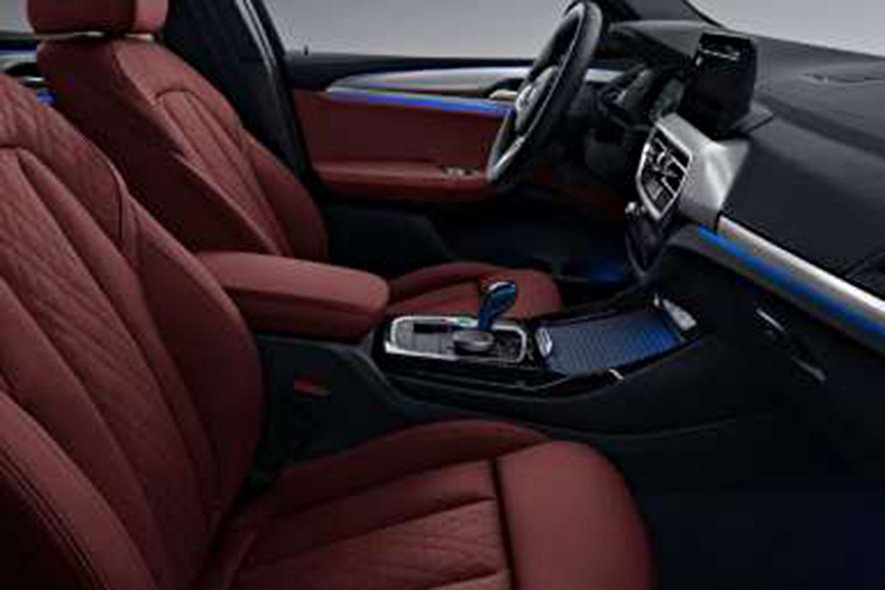
At a glance
- The BMW X3 combines premium SUV packaging, five-door practicality and a driver-focused image for overseas dealers and fleet buyers.
- Chinese export choices include petrol X3 grades and the battery-electric BMW iX3, each suited to different markets.
- New and used examples require different checks, ranging from build consistency and warranty to service history, battery health and condition.
- Export pricing varies by specification, condition, currency, freight and Incoterm; only a live unit-specific quote is actionable.
- MOQ, availability and compliant delivery must be confirmed before payment, especially for right-hand-drive or electric destinations.
Why the BMW X3 matters for export markets
The BMW X3 sits in the compact luxury SUV segment, combining a five-door body, useful rear-seat space and a cargo area with the road manners expected from a BMW. For overseas dealers and fleet buyers, it is an easier proposition to position than a niche performance SUV: the model is widely recognised, has a long-running nameplate and serves both executive and family use. Its appeal lies in balancing premium running costs and road presence against dimensions that remain manageable for European, Middle Eastern and Asian urban markets where parking space and operating costs matter.
That balance makes the X3 relevant to several export channels. A dealer can offer it as a premium alternative to family SUVs from Audi, Mercedes-Benz and Volvo, while a fleet buyer can compare it with executive crossovers that combine five seats, road comfort and a professional image. The model is not the cheapest way to carry people or cargo, but it gives buyers a recognisable premium alternative with a driver-focused image. Its strongest commercial use is where customers value status, comfort and all-weather usability rather than minimum operating cost for daily operations.
For China-sourced inventory, overseas demand is split between the combustion-powered X3, offered in several xDrive and sDrive grades, and the battery-electric BMW iX3. That distinction matters because a petrol SUV, an electric SUV and a right-hand-drive conversion are not interchangeable products. ChinaCarDirect listings can include different model years, packages and powertrains, so selection should begin with the destination market’s fuel infrastructure, tax regime and driver preferences. A suitable X3 is therefore defined less by the badge alone and more by configuration, documentation and local usability after delivery and ownership support in the destination market.
- Premium five-door SUV positioning.
- Dealer and executive-fleet appeal.
- Petrol and electric need separate evaluation.
Model range, trims and powertrain variants: how the lineup is structured and how to choose
BMW structures the X3 around a broad hierarchy of standard, Luxury, M Sport and Leading/Shadow-edition packages, with performance variants such as X3 M Competition and M40i. Names such as xDrive25i, xDrive28i and xDrive30i identify distinct X3 grades, while Facelift labels indicate a design revision rather than a separate model. Because Chinese-market equipment can differ from Europe or other regions, package names should not be treated as a universal equipment list. The live listing, build information and photographs are the controlling references. Compare option sheets before treating a higher trim as better value.
For petrol versions, the practical choice is between efficiency-oriented rear-wheel-drive sDrive20i models, mainstream xDrive variants, the longer-wheelbase xDrive30L and the more focused M products. The common 2.0-litre turbocharged petrol architecture and eight-speed automatic transmission suit the model’s premium-SUV role, but output, torque figures and equipment differ by grade. An importer should prioritise acceleration appropriate to local fuel prices, towing needs if relevant, load capacity and standard equipment over the sportiest badge. A buyer focused on fleet economics may prefer a mainstream xDrive, while a performance customer should verify the homologated output and warranty terms.
The BMW iX3 is the battery-electric member of this export family and should not be confused with a petrol X3 carrying similar badging. Its electric motor, usable battery capacity, charging architecture and approved range depend on battery version and market, so no single range figure should be assumed for every unit. Compare AC and DC charging compatibility, charging connector, thermal-management equipment and real-world utility. For an importer, electrical architecture and destination-market charging support can matter more than the shortest advertised range before a vehicle is committed to a purchase order.
- Match trim to equipment and performance.
- Verify engine, battery and charging specification.
- Facelift denotes a design revision.
New vs used BMW X3: how export inventory is structured and how buyers choose
China’s export channel for the X3 can contain both nearly new vehicles and used examples sourced from the domestic market, sometimes with different package and ownership histories. Newer or near-new units generally offer more predictable condition, remaining factory warranty cover and tighter specification control; used units can broaden the accessible vehicle mix and may suit buyers focused on a particular generation. Neither condition label alone resolves the commercial question. The useful comparison is between the exact vehicle’s age, mileage, service evidence, equipment and likely reconditioning needs before final payment is made in writing.
New inventory is attractive to dealers that need consistent presentation, low buyer-facing uncertainty and predictable delivery to a showroom. It may also carry a newer model year and a newer China-specific package, but buyers should still check production timing, warranty transfer, software and equipment differences, and whether the vehicle has completed a pre-delivery inspection. Used X3s can deliver a better fit when a buyer wants a particular xDrive grade, older design or lower upfront acquisition threshold, but age brings more uncertainty over wear, corrosion, deferred maintenance and the remaining life of expensive components.
The best condition strategy is to compare like with like: the same generation, powertrain, drivetrain and package where possible. For a used vehicle, request VIN verification, service records, inspection findings, tyre and brake condition, battery health where applicable, and evidence of accident repair. For a new vehicle, confirm that the unit matches the agreed build and that no dealer preparation has concealed an issue. If an iX3 is considered, battery health and charging tests should be treated as core inspection items, not optional questions before freight is committed to the buyer.
- Used units require condition and history checks.
- New units require build-sheet confirmation.
- Compare equivalent generations and powertrains.
How export pricing works: the factors behind a live listing price, and how to read one
An export price is not a fixed retail figure attached to the X3 name. It moves with model year, exact trim, engine or battery version, mileage and condition for used units, factory options, production timing, exchange rates, supplier margin and the terms attached to the vehicle. Electric and combustion variants cannot be compared as equivalent products. The location of the vehicle and whether it is already in an export hub can also affect handling. A useful BMW X3 export price guide therefore explains the variables first and treats any displayed amount as a live unit-specific quote.
When reviewing a listing, first identify whether the quoted amount is the vehicle price alone or includes any inland transport, export handling, documentation or freight. Ask what is excluded, especially destination charges, customs duty, VAT or sales tax, insurance, port fees, inspection and local registration. Confirm the currency, payment stages and whether the seller or buyer bears risk after loading. The same trim can therefore produce different landed costs, and the cheapest visible vehicle price may not be the cheapest compliant vehicle after transport, tax and preparation are agreed and disclosed.
Use a structured quote rather than comparing headline amounts. Put the VIN or SKU, model year, trim, powertrain, condition, mileage, equipment, Incoterm, destination and required delivery date in one written request. Ask whether the seller can hold the unit while freight options are calculated, and obtain the final landed-cost estimate separately. Current vehicle prices, MOQ and availability are shown on each live listing in the [BMW X3 inventory](https://chinacardirect.com/products?q=X3&brands%5B%5D=11); treat those details as binding only after confirmation in writing because vehicle condition, exchange rates and shipping arrangements can change before final settlement.
- Year, trim, condition and powertrain drive price.
- Separate vehicle price from landed cost.
- Confirm currency, Incoterm and exclusions.
MOQ, ordering and payment: single units vs consolidating a container
MOQ is a supplier and listing term, not a universal characteristic of the BMW X3. Some export offers are sold as one-unit purchases, while fleet programmes may impose a batch minimum or require several configurations to reach an efficient shipment size. The live listing should state the applicable minimum; if it does not, obtain that point in writing before reserving funds. One-unit buying suits a dealer testing demand or a fleet filling a small number of roles. Consolidation suits larger orders where several units can share transport and handling costs where agreed.
Container consolidation should not be confused with a manufacturer-style minimum. A buyer can compare a single X3 against several mixed units destined for the same port, but the shipment must satisfy vehicle dimensions, weight distribution, securing requirements, battery rules and destination documentation. Mixed grades can create commercial advantages: one importer may prefer an xDrive30i while another needs a base iX3. The trade-off is coordination. Each party must accept the shipment terms, documents, delivery sequence and allocation of customs or port charges before the vehicles are committed to a booked carrier.
The ordering sequence normally starts with a precise vehicle request, followed by a written quotation and identification of the unit by VIN or SKU. The buyer then confirms the condition, equipment, price basis, MOQ, payment schedule, delivery estimate and cancellation terms. A deposit may reserve an individual vehicle; the balance is commonly linked to dispatch or another contractual milestone. Payment method, currency and transfer fees should be explicit. Avoid relying on informal promises about colour, production date or arrival: those details belong in the order confirmation and, where possible, a signed inspection record.
- MOQ is supplier- and listing-specific.
- One-unit buying supports demand testing.
- Consolidation simplifies multi-buyer handling.
Shipping, homologation and market compliance caveats: LHD/RHD and import rules by country
The first compliance question is steering configuration. Mainland-market Chinese X3 and iX3 examples are commonly left-hand drive, while some destination markets require or strongly prefer right-hand drive. A left-hand-drive vehicle cannot simply be described as right-hand drive; conversion may involve extensive work and can affect parts, safety approvals, warranty and resale value. The importer should establish whether the destination accepts the original configuration or requires a specific approved conversion, and have that answered by a qualified compliance provider before paying the balance for the exact model year and market involved.
Import rules are country-specific rather than universal. Type approval, emissions and noise compliance, safety requirements, roadworthiness inspection, VIN and customs records, age restrictions, import quotas, duties and taxes may all affect admission. An electric iX3 also requires attention to charging connectors, electrical safety and battery transport documentation. No seller’s statement that a vehicle is “export ready” replaces destination authority approval. Give the VIN and intended use to a customs broker or local compliance specialist early, and make sale or payment conditional on the agreed checks where possible before shipment begins.
Freight method follows the vehicle, battery and commercial terms. Ro-Ro shipping is commonly used for finished vehicles, while container consolidation can suit smaller mixed shipments if dimensions, securing and battery procedures are accepted. An iX3 should be assigned to a carrier experienced with electric vehicles rather than treated like a petrol car. Buyers need a clear handover sequence covering pre-export inspection, loading, export customs, ocean or road transit, import clearance, terminal charges and final delivery. The safest contract states who carries risk at each point and what evidence is supplied at handover.
- Confirm steering configuration before ordering.
- Validate local approval and import charges.
- Use an EV-experienced carrier for iX3.
Who should buy the X3 — and who should pick a different vehicle
The X3 is a strong candidate for an overseas dealer serving customers who want a premium badge, a practical five-door SUV and a more engaging driving position than a large, comfort-focused crossover. It also fits company-car programmes and executive fleets where a professional appearance, usable rear space and predictable maintenance support matter. An importer should verify that local repair capability and spare-parts access are adequate for the chosen generation. The vehicle’s suitability improves when the selected trim matches the mission: efficient drivetrain for broad use, long wheelbase for family space, or M specification for performance-focused buyers.
It is less suitable when the buying objective is simply the lowest acquisition cost, maximum passenger capacity in a small footprint, or operation without access to charging infrastructure. Buyers focused on off-road ability may find a road-oriented premium SUV disappointing, while urban operators with tight parking and high running-cost sensitivity may prefer a smaller model. Rear-seat comfort and boot usability should also be checked in person for executive transport. In other words, a company policy that values badge image can justify the X3, but a fleet requiring lowest cost per kilometre should compare it with more utilitarian alternatives.
A used X3 may make more sense for a dealer seeking a recognised model at a lower entry point, provided the inspection and remaining-life risk are priced into the decision. A new or near-new iX3 may suit buyers building an electrified fleet, but only if charging, range planning, local incentives and after-sales support align with the market. Neither condition should be chosen by label alone. Compare the business case for the actual unit: acquisition and preparation, expected holding period, likely service parts and the resale profile of the specific generation and package.
- Best for premium, driver-focused buyers.
- Weak fit for lowest-cost fleet mandates.
- Used and electric risks differ.
Main rivals and how the X3 compares
The Mercedes-Benz GLC is the closest conceptual rival: a five-seat premium SUV with comparable packaging, strong resale recognition and alternative petrol or electrified powertrains depending on market. The X3 counters with a driver-focused chassis character and a broad choice of xDrive, sDrive, Luxury, M Sport and high-performance variants in Chinese export inventory. The GLC may appeal where local dealership strength and Mercedes positioning dominate, while X3 buyers often prioritise the combination of rear-wheel-drive availability, performance options and the particular M package hierarchy rather than badge image alone or resale history.
The Audi Q5 competes through a similarly restrained design, efficient powertrain range and a strong premium-SUV proposition. It is a sensible alternative for buyers who prefer Audi’s cabin and technology environment or can obtain more attractive local support. The X3’s advantage is its distinctly athletic positioning and broader selection of M-badged performance derivatives, particularly where a dealer wants to offer a sportier halo vehicle. Q5 buyers may prioritise understated branding, while X3 buyers often accept a more overtly driver-focused image; local parts access should still influence the final choice substantially.
The Volvo XC60 is the most relevant Scandinavian alternative, combining a compact premium SUV format with a restrained, family-friendly cabin and efficient four-cylinder powertrains. It can appeal to buyers seeking a similar blend of practicality and premium presence without choosing an overtly performance-branded model. The X3 offers a more dynamic proposition, broader xDrive choice and more extensive M Sport or M Competition hierarchy in the available export range. The trade-off is that XC60 can deliver a calmer, more family-oriented ownership impression, whereas X3 ownership suits drivers who place handling and performance credentials near the top of the brief.
- GLC: closest premium-brand rival.
- Q5: restrained technology alternative.
- XC60: calmer family-oriented option.
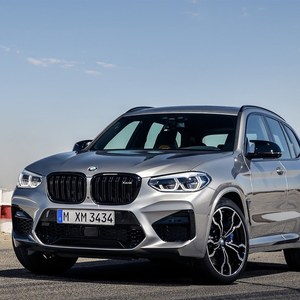
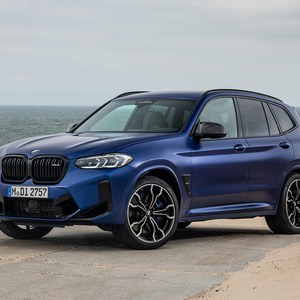
Live BMW X3 export inventory
View all listings →Real units currently on ChinaCarDirect with per-unit asking prices and MOQ. Availability updates live from the catalogue.
How to buy a BMW X3 from China
-
1
Define destination requirements
Record the required steering side, petrol or electric preference, intended use, local charging access, budget factors and expected holding period before selecting a vehicle.
-
2
Build a configuration shortlist
Review the [live BMW X3 listings](https://chinacardirect.com/products?q=X3&brands%5B%5D=11) and compare equivalent generations, trims, drivetrains and powertrains rather than grouping every vehicle under the X3 name.
-
3
Request unit-specific quotations
Send the SKU or VIN, destination, quantity, condition and Incoterm request in writing. Ask for the current vehicle amount, MOQ, payment milestones, estimated delivery and all excluded charges.
-
4
Verify identity and condition
Confirm the build sheet, VIN, service history, accident evidence, mileage, tyre and brake condition, and battery health where applicable. Record every agreed repair or preparation item before payment.
-
5
Clear compliance before payment
Provide the VIN and intended use to a destination-country customs broker or compliance specialist. Confirm steering configuration, type approval, roadworthiness, import charges and charging or battery requirements.
-
6
Agree order and payment terms
Put the vehicle price, currency, freight allocation, Incoterm, inspection standard, delivery estimate, warranty treatment and cancellation terms into the written order. Link each payment milestone to a documented contractual event.
-
7
Inspect, dispatch and track
Complete or witness the pre-shipment inspection, photograph the vehicle and record its condition and fuel or charge state. Release the balance against the agreed handover evidence and track export customs, transit and destination clearance.
X3 vs rivals
| Mercedes-Benz GLC | The GLC is a direct five-seat premium-SUV competitor with comparable packaging and strong local-brand recognition. The X3 stands out for its driver-focused character and broader sDrive, xDrive and M-badged selection in the Chinese export range. |
|---|---|
| Audi Q5 | The Q5 competes with restrained styling, an efficient powertrain range and an established premium technology identity. Choose the X3 when dealer appeal, performance variants and a more overtly sporting driving image are priorities. |
| Volvo XC60 | The XC60 offers a similar compact premium-SUV format with a calmer, family-oriented character. The X3 is the stronger fit for buyers who prioritise xDrive breadth, sportier packaging and access to M Sport and high-performance versions. |
Frequently asked questions
How is BMW X3 export pricing determined?
A BMW X3 export price is built around the live unit’s year, trim, powertrain, condition, mileage, options and location. Freight, insurance, customs duties, taxes, port fees and the Incoterm can change the landed cost. Check the [live BMW X3 listings](https://chinacardirect.com/products?q=X3&brands%5B%5D=11) for the current per-unit amount, then request a written quote that states inclusions and exclusions.
Which engine, powertrain and range should I choose?
Common petrol X3 variants use a 2.0-litre turbocharged gasoline engine with an eight-speed automatic, while xDrive and sDrive denote the driven wheels. The BMW iX3 is battery-electric; its battery capacity, motor output, connector and approved range vary by version. Confirm the exact powertrain and range figures in the live listing rather than applying one figure to every vehicle.
Are used BMW X3s better value than new examples?
Used X3s can offer a lower entry point and access to specific older grades, but they carry more uncertainty over mileage, service history, wear, accident repair and component life. New or near-new examples generally provide more consistent condition and build information. Choose based on the inspected vehicle, residual risk and total ownership cost, not the condition label alone.
What is the MOQ for a BMW X3 order?
The minimum is set by the supplier for each listing and may vary between one-unit and batch arrangements. The live listing is the correct place to see the stated MOQ; if it is absent, ask the seller and include the answer in the quotation and purchase terms. Consolidation can be discussed separately, but it should not be assumed to override the seller’s stated minimum.
How long does shipping take and what affects the cost?
Shipping time depends on origin and destination ports, sailing or road schedules, customs clearance, terminal handling, documentation and vehicle availability. Cost is influenced by route, transport method, insurance, fuel or battery-related procedures, destination charges and the Incoterm. Ask for a door-to-door estimate with every charge listed rather than relying on a generic freight rate.
Can spare parts be ordered for the BMW X3?
Yes, but parts should be identified by VIN, exact generation and original part number where possible. Chinese-market vehicles may use parts, electronics or service procedures that differ from the destination market, so ask a local BMW dealer or specialist to confirm compatibility before importing. For an iX3, high-voltage components and battery-related parts require the same careful part-number and safety check.
Can I buy a right-hand-drive BMW X3 from China?
Many China-origin examples are left-hand drive, while right-hand-drive availability depends on the individual listing and destination requirements. A right-hand-drive request may lead to a suitable imported unit or an approved conversion, but not every vehicle can be converted economically. Confirm the steering configuration, approval route, warranty effect and total conversion cost before paying.
How do I order and pay for a BMW X3 from China?
Start with the [live BMW X3 listings](https://chinacardirect.com/products?q=X3&brands%5B%5D=11), shortlist the relevant year, trim and powertrain, then submit an RFQ with destination, quantity, condition and Incoterm requirements. The seller should identify the unit by VIN or SKU and provide a written quotation covering price, MOQ, payment milestones, delivery estimate and cancellation terms. Verify the vehicle and compliance before the balance is paid, and use the agreed inspection record at dispatch.
Ready to source the BMW X3?
Request a current unit-specific [BMW X3 export quote](https://chinacardirect.com/contact) for your destination, trim and quantity.
Request a quote