
BMW X3 (Import) Export Buying Guide for Dealers
Buy a BMW X3 (import) from China with guidance on trims, export pricing, ordering, shipping, compliance and the strongest rival alternatives for dealers.
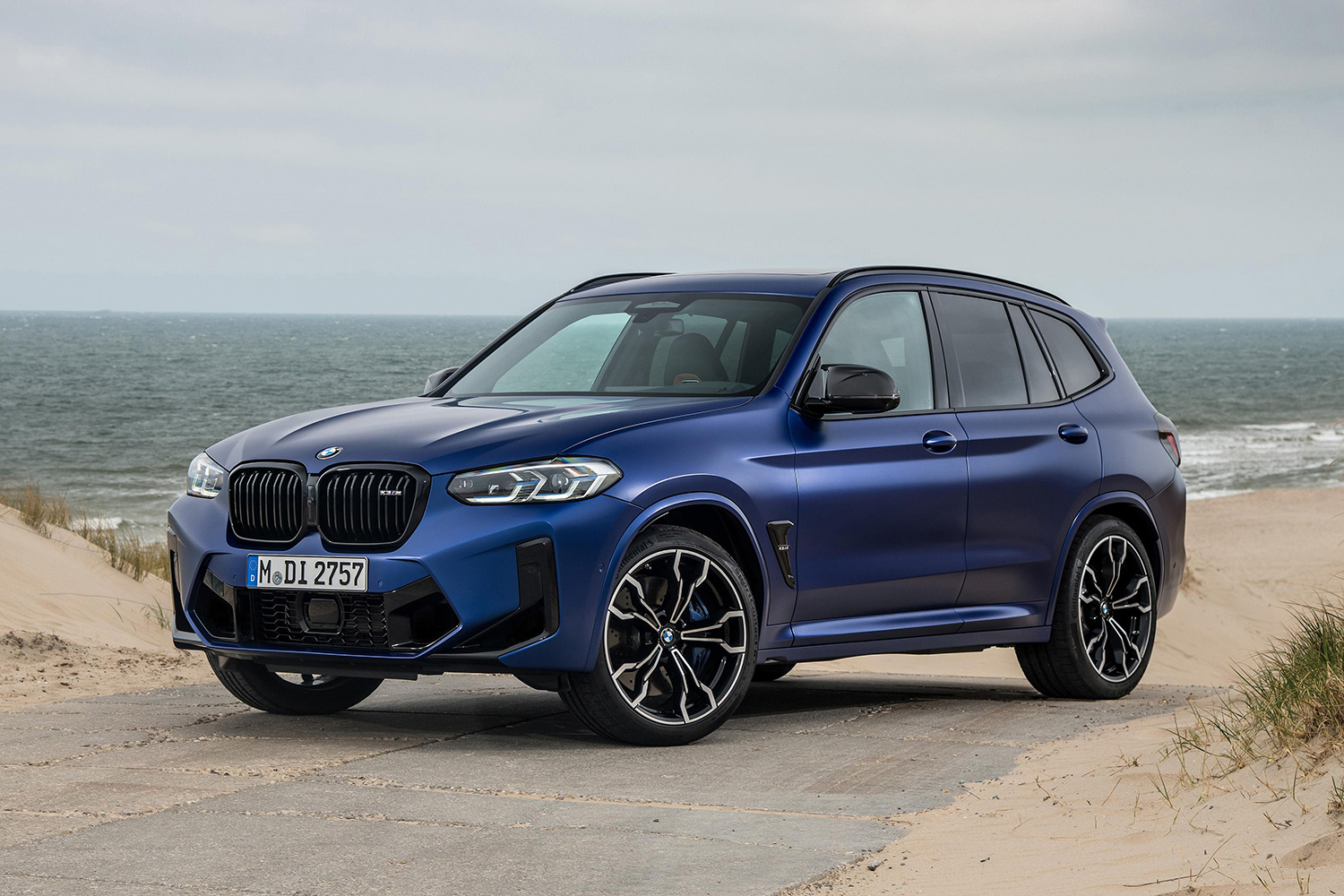
At a glance
- The sDrive20i offers a two-wheel-drive route, while xDrive versions add all-wheel drive for more demanding road conditions.
- The 20i and 28i labels provide distinct engine choices, but displacement, output and transmission must be confirmed per VIN.
- New-labelled and used imported X3s require different evidence: production status for new stock and condition history for used units.
- Export price comparisons are meaningful only when vehicle condition, equipment, documents and Incoterms are aligned.
- A single-unit pilot can test demand, while consolidation may improve logistics economics but raises inventory and compliance complexity.
- Steering configuration, import age rules, emissions, taxes and registration must be checked for the destination country.
Why the BMW X3 (import) matters for export markets
The BMW X3 (import) occupies a useful middle ground in the compact luxury SUV segment: it combines a premium German badge with a five-door, five-seat body that remains practical for family use and commercial fleets. For overseas dealers, that positioning matters because it can serve buyers who want more presence and utility than a saloon without moving into a larger, costlier SUV class. The imported X3 also gives distributors access to older market-specific configurations that may differ from vehicles sold in their home country. That flexibility can help a buyer build a differentiated stock program.
Global demand for the X3 is supported by several familiar selling points rather than a single headline specification. Its relatively manageable dimensions make it easier to park, transport and service than larger premium SUVs, while the elevated seating position and flexible rear compartment suit mixed urban and regional use. For importers, the model can appeal to customers comparing established premium nameplates yet seeking a practical vehicle for daily commuting, airport transfers, company fleets or family use. Demand still varies by market, fuel policy and local tax treatment. Dealer selling points should therefore remain evidence-led.
An import programme is attractive when a buyer wants model variety, but the X3 should be treated as a compliance and sourcing decision as much as a product purchase. Vehicles can arrive with steering configuration, option equipment, software assumptions or homologation details intended for another market. A distributor that already understands VIN checks, customs valuation, local registration and after-sales support can turn those differences into a competitive choice. One that needs a turnkey vehicle ready for registration should complete destination-market checks before committing funds, booking freight or consolidating units into a container.
- Compact premium SUV positioning.
- Five-door fleet practicality.
- Local compliance expertise.
Model range, trims and powertrain variants: how the lineup is structured and how to choose
The BMW X3 (import) range is organized around the 20i and 28i powertrain labels, with sDrive and xDrive describing the drivetrain. An sDrive20i is the two-wheel-drive route and can suit buyers focused on urban running, lower mechanical complexity and a particular cost or efficiency balance. The xDrive20i adds BMW’s all-wheel-drive system for markets where wet roads, snow or variable road surfaces matter. For xDrive28i buyers, the larger 28i engine label points to a different performance and operating profile, but the final equipment and output must be verified on the specific vehicle.
Trim and package names help separate otherwise similar X3s. Available listing labels include xDrive20i with X Design Package, Leading, Luxury and M Sport treatments, plus sDrive20i and xDrive28i versions with market-specific designations such as Leadership or Leading Edition. These names can indicate equipment, styling and market origin, but they are not substitutes for a VIN-specific equipment sheet. Overseas buyers should request the original build record, confirm standard and optional features, and check whether seats, infotainment, climate control and driver-assistance functions will be supported in the destination market and local service arrangements before contracting.
Because this X3 (import) category is conventionally a gasoline internal-combustion vehicle rather than an EV, there is no battery capacity, electric range or charging specification to compare. The practical choice is instead driven by engine output, transmission, fuel consumption, drivetrain, emissions equipment and local ownership rules. A buyer who wants the simplest version may start with sDrive20i; an all-wheel-drive requirement narrows the field to xDrive models; and a need for stronger performance points toward the 28i label. Confirm displacement, output, gearbox type, service history and emissions specification in the live listing before final selection.
- sDrive20i: two-wheel drive.
- xDrive20i: all-wheel drive.
- xDrive28i: verify each VIN.
New vs used BMW X3 (import): how export inventory is structured and how buyers choose
New and used BMW X3 (import) vehicles should be evaluated as separate procurement routes, even when the model and trim names look identical. Each live export listing should be read as an individually defined vehicle rather than an interchangeable model-year batch. A unit described as new may be parallel-imported or otherwise supported by seller documentation, so buyers should ask for production date, delivery mileage, VIN history and a condition report. A used vehicle has a different acquisition profile, but age, mileage and repair history become central to value and residual risk.
Used BMW X3 (import) sourcing is most attractive to buyers who understand the risks of an older premium SUV and can inspect it properly. Key checks include VIN and title consistency, accident or structural repair, service records, engine and transmission behavior, suspension wear, brake condition, rust, interior condition and the operation of electronic equipment. A lower purchase outlay may be offset by near-term maintenance, uncertain warranty coverage and harder-to-predict residuals. Buyers without local workshop capability should place more weight on a fresh independent inspection and available local spare-parts support and warranty terms before contracting.
A new-labelled unit can reduce uncertainty about wear and initial condition, yet it does not eliminate age-related or market-specific risk. Older new stock may have sat in storage or travel, while warranty service may be tied to the original market or seller rather than automatically transferable. For dealers, a mixed approach can work: one carefully verified vehicle can support local test marketing, while a larger programme requires clearer data and more disciplined inspection. Compare expected holding time, repair exposure, warranty portability and resale prospects before choosing either route with local evidence.
- Verify new-status documents.
- Independently inspect used units.
- Compare warranty and repair risk.
How export pricing works: the factors behind a live listing price, and how to read one
The BMW X3 (import) export price guide should be read as a framework, not a fixed market value. A live seller price can move with model year, generation or facelift status, 20i versus 28i output, sDrive or xDrive configuration, equipment package, mileage, condition, service history and inventory turnover. Seller margin and inventory age also matter. Currency movements affect the cross-border total. These variables should be reviewed together. Compare vehicles of the same configuration and condition; a cheaper-looking unit with weaker documentation or repairs may not be cheaper after those issues are priced in.
It is equally important to separate the vehicle price from the landed cost. Depending on the agreed Incoterm and export arrangement, the live amount may exclude ocean freight, insurance, port handling, customs brokerage, destination duties, taxes, registration, inspection and local delivery. Ask each supplier to state what is included, where responsibility transfers and which documents are supplied. The same model can therefore show different economics under FOB, CIF or another structure. A landed-cost worksheet gives an importer a more meaningful comparison than the headline listing figure alone before payment is agreed by both parties.
To read a live listing, confirm the VIN, model year, trim, drivetrain, odometer reading, condition grade and included documents before treating its displayed price as comparable. Review photographs for panel repair, wheels, glass, interior wear and signs of flood or accident work; request a report where the listing is not sufficiently detailed. Negotiate from verified condition differences and total cost, not from a generic market range. ChinaCarDirect shows the current per-unit price and availability in its live X3 inventory, so buyers should use that page as the binding source at quotation and payment stages.
- Compare like-for-like vehicles.
- Separate price from landed cost.
- Check current per-unit pricing.
MOQ, ordering and payment: single units vs consolidating a container
Minimum order quantity should be treated as a property of each offer, not assumed from the model category. A supplier may accept a single vehicle for sample, fleet or testing purposes, while another offer may be restricted to a batch or a container-compatible quantity. The applicable requirement must be confirmed on the live listing and in the pro forma invoice. Buying one unit reduces inventory exposure and allows a dealer to test local demand, but fixed charges for documentation, inspection and transport are spread across fewer vehicles. A larger order can improve unit economics but increases working-capital and sell-through risk.
Container consolidation changes the commercial calculation. Grouping several X3s can spread freight and handling costs, but it requires compatible purchase terms, common shipping dates and careful allocation of model years, trims and specifications to destination demand. Mixing vehicles is operationally possible, yet each unit still needs its own VIN, condition file and compliance assessment. Dealers should compare two scenarios: a small pilot shipment that produces evidence about buyers and regulations, or a consolidated shipment that lowers logistics exposure per vehicle. Neither route should be selected before freight quotations and local selling plans are reviewed.
A secure order sequence starts with a written specification, followed by seller verification of the unit, a pro forma invoice and a payment schedule tied to documentary milestones. Buyers should confirm who owns the vehicle, whether title or release documents are available and what evidence supports the stated condition. Balance payment should normally be linked to satisfactory inspection and transfer or release of the original shipping documents, as agreed in the contract. Wire details and payment instructions should be independently confirmed through a second channel. Any guarantee, inspection commitment or aftersales term must appear in writing rather than in informal chat messages.
- Confirm MOQ on every offer.
- Choose pilot or consolidation.
- Link payment to inspection.
Shipping, homologation and market compliance caveats: LHD/RHD and import rules by country
Shipping begins with export preparation, secure vehicle loading and a vessel booking, but the Incoterm determines where risk and cost pass to the buyer. Vehicle-carrier or container services may be available depending on origin, destination and unit size. Marine insurance, inspection, port charges, customs brokerage and inland haulage must be shown separately from the vehicle price. Dimensions and weight should be confirmed against carrier requirements and local road limits. Because this is a gasoline SUV rather than an EV, battery-related dangerous-goods restrictions are not the central issue, although vehicle fluids, fuel system state and general export packing still matter.
Steering configuration is one of the earliest checks. A left-hand-drive vehicle may suit many markets, while a right-hand-drive version may be required in others; RHD availability should be confirmed rather than assumed from the trim name. Any conversion is a significant alteration with implications for safety, wiring, parts, insurance and registration. It should be performed only where lawful by a competent facility, documented thoroughly and approved before shipment. Buying an originally configured RHD example can reduce conversion risk, but local homologation and import rules still apply in the destination market before shipment or registration.
Country rules can block an otherwise attractive transaction. Import age limits, emissions standards, roadworthiness tests, VIN verification, customs valuation, security checks, duties, taxes and insurance all need confirmation for the destination. Used vehicles may face stricter age and emissions restrictions than newer units, and rules can differ for private, dealer and fleet channels. Before committing, ask the destination broker or authority for the applicable pathway and identify who handles registration after arrival. Also verify BMW service access, diagnostic capability and parts lead times, because a vehicle that is difficult to support can weaken its commercial value.
- Confirm steering configuration.
- Check destination import rules.
- Plan service and parts access.
Who should buy the X3 (import) — and who should pick a different vehicle
The BMW X3 (import) is a strong candidate for an overseas dealer seeking a compact premium SUV with a recognised badge, usable five-door practicality and both two-wheel-drive and all-wheel-drive options. It can fit importers that already handle premium used or new stock, can inspect vehicles rigorously and understand the economics of destination-market registration. Fleets may also value the model when a mixed drive layout, established spare-parts ecosystem and a more conventional powertrain are priorities. The strongest case is a buyer with local demand data and a clear plan for warranty, servicing and residual-value management.
It is less suitable for buyers whose brief is primarily battery-electric efficiency, minimal routine servicing or the lowest possible operating-cost profile. A compact EV may offer simpler energy replenishment and different ownership economics, while a larger premium SUV may better serve buyers needing more cargo or passenger room. Heavy towing, serious off-road work and commercial-duty use should also push the buyer toward a vehicle certified for those tasks rather than toward a road-oriented luxury SUV. Where the X3 sits between those categories, the deciding evidence should be local running costs, charging or fuel access, load requirements and test-drive results.
A disciplined buyer should run a fit check before placing an RFQ. List the destination, required steering side, regulatory route, preferred 20i or 28i output, sDrive or xDrive requirement, target equipment and acceptable condition. Then ask for comparable live units, complete documents, an independent inspection, a landed-cost quotation and a spare-parts plan. If the X3 cannot be registered economically or supported conveniently, select an alternative early. If it meets those conditions, the model’s familiar badge, practical body and broad drivetrain choices can make it a credible option for compact luxury SUV programmes.
- Strong compact premium fit.
- Weak EV-first fit.
- Validate demand before scaling.
Main rivals and how the X3 (import) compares
The Mercedes-Benz GLC is a close conceptual rival because it competes in the compact luxury SUV segment for private buyers and company fleets. Its buyer appeal is often framed around a distinct road-focused personality, so the fairest comparison is between matched vehicles, equipment and local ownership costs. An X3 buyer should not treat the GLC as automatically better or cheaper; availability, homologation, servicing and the exact imported specification can matter more than the badge. Test both after confirming that parts and warranty arrangements are workable locally at the point of purchase.
The Audi Q5 competes for buyers who want a practical premium SUV with a more technology-forward cabin impression and a broad international model history. That positioning can appeal where infotainment, driver assistance and equipment presentation drive demand, while the X3 may suit buyers focused on its model character and drivetrain choice. Because imported examples vary by production year and market, compare the exact VIN rather than generic trims. Check which electronic functions work locally, what the homologated equipment includes and whether each vehicle’s service history credibly supports the proposed price and compliance case.
The Volvo XC60 is another relevant competitor, particularly for family and fleet buyers who place weight on a distinct safety-oriented, practical ownership proposition. It competes for the same premium-compact space without being a badge-for-badge BMW alternative, and its appeal depends heavily on local brand awareness, financing and service coverage. The X3, GLC, Q5 and XC60 should therefore be compared on landed cost, specification, condition, regulatory approval and expected support—not simply on showroom positioning. For a China-sourced X3, a verified unit and an achievable compliance path can be more valuable than a nominally better rival that is difficult to register or maintain locally.
- Compare matched VINs.
- Include landed cost and support.
- Registration can decide the winner.
Live BMW X3 (import) export inventory
View all listings →Real units currently on ChinaCarDirect with per-unit asking prices and MOQ. Availability updates live from the catalogue.


How to buy a BMW X3 (import) from China
-
1
Define the destination-market brief
Record the destination country, required steering side, passenger and cargo needs, drivetrain preference and expected registration route before choosing a vehicle.
-
2
Filter and compare live units
Review the live X3 inventory and compare matching model years, trims, drivetrains and equipment. Use the current per-unit price and availability shown on each listing for the initial comparison.
-
3
Verify identity and condition
Request the VIN, build sheet, ownership or title documents, odometer reading, service history and detailed photographs. Commission an independent inspection when the listing does not provide enough evidence.
-
4
Request an itemized landed quote
Ask the supplier to state the Incoterm, vehicle price, freight, insurance, handling, customs, duties, taxes, documentation and delivery charges separately.
-
5
Confirm MOQ and contract terms
Confirm whether a single vehicle is accepted, how mixed units are handled and the applicable quantity in the pro forma invoice. Record condition, warranty, inspection and delivery obligations in the contract.
-
6
Release payment against milestones
Agree deposit and balance stages linked to ownership verification, inspection and original shipping-document release. Independently confirm wire details before sending funds.
-
7
Inspect, ship and complete registration
Complete the pre-shipment inspection, export preparation, carrier booking and customs file. Track destination registration, insurance, workshop access and spare-parts planning through to delivery.
X3 (import) vs rivals
| Mercedes-Benz GLC | The GLC is a direct compact luxury SUV competitor, often attractive to buyers focused on a road-oriented premium driving character. Match the imported year, drivetrain and equipment before choosing it over the X3, because local registration, parts support and landed cost may outweigh brand preference. |
|---|---|
| Audi Q5 | The Q5 is a close alternative for buyers drawn to a technology-forward cabin and equipment-rich presentation. The X3 may offer a different model character and drivetrain choice, so compare exact VINs, functioning electronics and lifecycle support rather than generic trim names. |
| Volvo XC60 | The XC60 competes for family and fleet buyers seeking a practical, safety-oriented premium SUV proposition. The X3 may have stronger recognition in some markets, but registration cost, service coverage and landed ownership economics should determine which imported option is more suitable. |
Frequently asked questions
How is BMW X3 (import) export pricing determined?
A live price reflects year, trim, drivetrain, mileage, condition, equipment, seller terms and currency conditions, then may exclude freight, insurance, duties and taxes depending on the Incoterm. Ask for an itemized landed quote and check the current per-unit amount and availability in the live ChinaCarDirect listings before treating any figure as binding.
What engine and powertrain options are available?
The X3 (import) range includes sDrive20i, xDrive20i and xDrive28i gasoline versions. sDrive denotes two-wheel drive and xDrive denotes BMW all-wheel drive; displacement, output, transmission and exact emissions equipment can differ, so confirm those items against the VIN and live listing.
Are new or used imported X3s better for export?
New-labelled stock can reduce wear uncertainty, but age, storage, warranty portability and market-specific equipment still require checks. A used X3 may lower the acquisition outlay but transfers more condition, repair and residual-value risk, so use VIN and title review, service records and independent inspection to decide.
What is the MOQ for BMW X3 wholesale orders?
MOQ is set per seller or listing and can differ by unit, batch and shipping plan; it should not be assumed from the model category. Ask whether one vehicle is accepted and how mixed units are handled. A pilot order may test demand, while consolidation can spread logistics costs but ties up more capital and creates allocation risk.
How long does shipping take and what affects the cost?
Shipping time and cost depend on origin and destination ports, vessel schedules, carrier capacity, unit dimensions, fuel surcharges, insurance, port handling, customs and inland delivery. The agreed Incoterm determines which charges and risks belong to each party. Obtain a detailed quotation with all assumptions and documents listed before booking.
Can I get spare parts and service support for an imported X3?
Parts and diagnostic support depend on the destination and the exact imported specification. Before purchase, confirm local BMW workshop access, parts lead times, software compatibility, warranty coverage and suitable substitutes. Keep the vehicle’s build and service record with the purchasing file.
Is an RHD BMW X3 available for export?
RHD availability varies by source vehicle and live listing, and sDrive or xDrive does not indicate the steering side. State the destination requirement in the RFQ and confirm the original configuration, documents and any proposed conversion. A lawful, professionally documented conversion may be possible, but approval, insurance and resale effects must be checked locally.
How do I order a BMW X3 (import) from China?
Start with the live X3 inventory, compare matching units and request an RFQ that states the destination, steering side, trim, condition and quantity. Ask for VIN documents, a condition report, independent inspection, a pro forma invoice, MOQ, payment milestones, Incoterm and freight plan, then confirm ownership and payment instructions independently.
Ready to source the BMW X3 (import)?
Send your destination, required configuration and target quantity to the ChinaCarDirect RFQ team for a current vehicle-level quote.
Request a quote