
BMW X4 Export Buying Guide for Dealers and Fleet Buyers
Plan a BMW X4 export purchase with practical guidance on trims, pricing, MOQ, shipping, compliance, rivals and unit-level availability for overseas buyers.
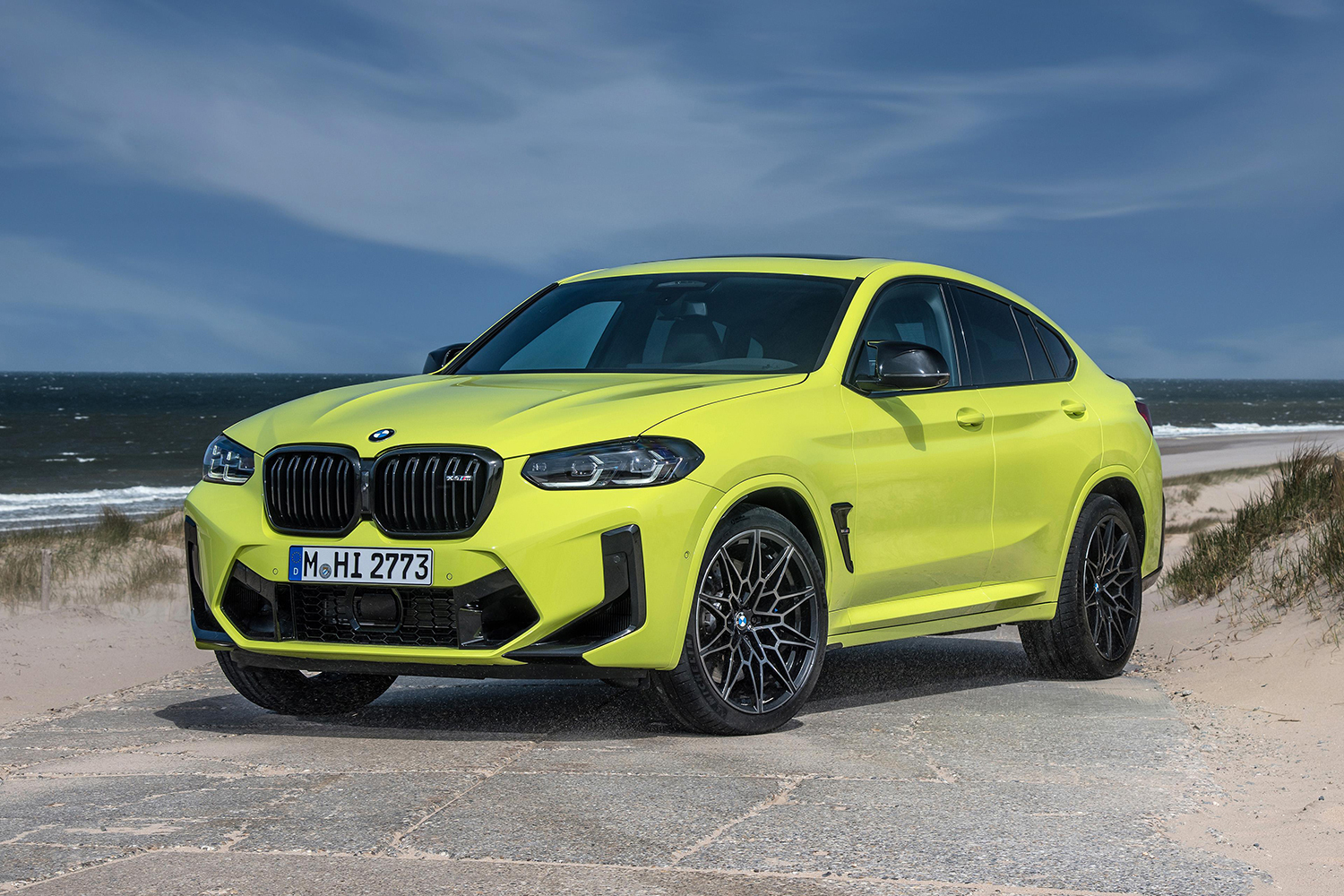
At a glance
- The X4 combines coupé-style SUV design with the road presence and xDrive options expected by premium crossover buyers.
- Regular xDrive trims cover mainstream use, while the M40i and X4 M Competition serve performance-oriented demand.
- New and used units require different checks: factory documents and warranty status versus service history, condition and repair risk.
- Live vehicle amounts must be separated from freight, duty, tax, insurance, terminal charges and inland delivery.
- Single-unit sourcing suits test programs, while consolidation works best after specifications and compliance are aligned.
Why the BMW X4 matters for export markets
The BMW X4 sits between a conventional compact SUV and a lower, coupé-style crossover, and that positioning gives it a distinct role in export channels. Overseas dealers can offer a vehicle that combines BMW road-car appeal with SUV seating, usable luggage space and xDrive availability. For fleet and company-car buyers, it also provides a more expressive image than a conventional family SUV without moving into a full-size luxury model. Its international recognition is useful when a distributor needs a badge that is readily understood across several markets without extensive specialist-market explanation.
The model's sloping roof, pronounced rear styling and available M Sport treatments make it particularly effective in markets where visual differentiation drives purchase consideration. It can attract younger professional buyers, performance-oriented company fleets and customers who want the practicality of an SUV but prefer a lower, more dynamic silhouette. A buyer should not confuse coupé presentation with sports-car utility: rear headroom and cargo volume can be less generous than in a square-roofed SUV, and tire, fuel and insurance costs should be considered alongside styling for fleet-cost planning before the import decision.
Global demand should be assessed market by market rather than assumed from the model badge alone. Fuel policy, import duty, availability of local BMW service, road standards and the presence of direct competitors can change the X4's viability. In destinations where RHD is required, a steering-side mismatch can exclude a suitable vehicle; in markets with strict type approval, specification and software compliance may matter more than equipment. Export buyers should therefore treat the X4 as a global template, not a universally approved product, and build demand assumptions around their destination's regulations and customer preferences.
- Coupe SUV format balances utility and lower-profile styling.
- xDrive variants suit traction-conscious buyers.
- Destination rules determine commercial viability.
Model range, trims and powertrain variants: how the lineup is structured and how to choose
BMW has structured the X4 around standard xDrive derivatives, appearance and equipment packages, and higher-performance M models. The export-facing selection includes xDrive20i X Design versions, xDrive25i and xDrive30i M Sport cars, an M Off-Road Package, the M40i and the X4 M Competition. Names can appear with or without package wording, so a buyer should compare the complete designation rather than rely on a short trim label. First- and second-generation cars also use similar names, which makes model year and VIN details essential before comparing equipment or performance accurately on paper.
Within the range, xDrive20i, xDrive25i, xDrive28i and xDrive30i versions serve as the mainstream choices, while X Design, M Sport, Shadow and Off-Road packages alter appearance and equipment. A package name should not be interpreted as a separate engine unless the listing confirms it; some packages change bumpers, wheels, trim or cabin equipment. The xDrive25i M Off-Road Package can appeal to buyers wanting a rugged visual theme, although the X4 remains a road-oriented coupé SUV rather than a dedicated off-road utility model; lower clearance and road-focused engineering remain the priorities for actual use.
The powertrain decision is more important than the styling package. Most xDrive variants use a turbocharged four-cylinder petrol engine, while the M40i and X4 M Competition use turbocharged six-cylinder engines; diesel availability depends on the model year and market. Automatic transmissions are standard on the versions represented, but the exact gearbox, output figures, emissions standard and axle calibration can change across generations. A fleet buyer should choose the powertrain for towing, load, fuel policy and operating cost, then verify every technical claim against the VIN-specific live listing before contracting for it.
- Match complete trim naming to model year.
- M40i and X4 M Competition use six-cylinder engines.
- Verify engine and emissions data by VIN.
New vs used BMW X4: how export inventory is structured and how buyers choose
China export inventory can include both factory-new vehicles and previously registered X4s from model years and sourcing channels. New examples are typically presented as current production or current-model-year stock, while used examples may come from dealer trade-ins, corporate fleets or private registrations. The label alone is not a complete vehicle description. Buyers should ask whether a car is unregistered, demonstrator, ex-fleet or previously road-registered, because that affects title transfer, local homologation, warranty and how buyers perceive its depreciation. The sourcing route should be documented before a unit is treated as export-ready.
For a new X4, the priority is factory status rather than mileage alone. Confirm production date, VIN, factory build sheet, original equipment list, PDI status and whether the warranty has already started. A vehicle displayed in showrooms or used as a demonstrator may be road-registered even if sold as new elsewhere. Overseas buyers should photograph option codes, serial-number plaques and any existing damage, and verify that the declared specification can be homologated without relying on assumptions about the home market or a generic assumption based only on the visible trim badge.
A used X4 can offer a lower entry outlay and depreciated vehicles, but that apparent advantage must be tested against condition. Ask for independent inspection, service history, accident and structural repair evidence, VIN checks, OBD fault scan, road-test results, and examination of the engine, transmission, suspension, brakes, cooling system and electronics. Check whether remaining BMW warranty is valid in the destination and whether parts or software support is practical. The best used purchase is not the highest mileage car; it is the best-documented example with the fewest identified deferred repairs.
- Confirm new, demonstrator, ex-fleet or used status.
- Match the factory build sheet to the VIN.
- Inspect used cars before paying the balance.
How export pricing works: the factors behind a live listing price, and how to read one
A BMW X4 export price is not a fixed wholesale number. It is built from the vehicle's market value plus the seller's margin and the incremental cost of serving an overseas buyer. Model year, exact derivative, engine, package content, mileage, condition, ownership history and whether the car is road-registered can all move the figure. Currency movements also matter because the vehicle may be priced in another currency before freight, insurance, taxes and local charges are added. The same trim name may carry different equipment or regulatory content across model years.
To read a live listing correctly, separate the vehicle ask from the landed cost. The vehicle page should identify the year, full trim, condition, mileage, VIN availability, photos and seller location. Then determine whether the displayed amount includes export documentation, pre-shipment inspection, inland transport to the departure port, marine insurance, or only the vehicle itself. Ask for a written pro forma invoice that itemizes every charge and states the currency, Incoterm, validity period and payment account. This prevents a low headline figure from becoming an unexpectedly expensive shipment after quotation.
Import duty, VAT or sales tax, customs brokerage, port and terminal fees, delivery inland, registration and compliance work are destination-specific and often sit outside the vehicle listing. Exchange-rate timing and the chosen delivery term can change the payable amount, especially when a vehicle is reserved before shipping is booked. A disciplined comparison therefore uses like-for-like units: same year, trim, condition, equipment and steering side, with the same freight assumptions. Use the live ChinaCarDirect listings for the current per-unit amount, then request an all-in destination quote before fixing the budget or placing funds.
- Compare like-for-like year, trim, condition and equipment.
- Separate vehicle value from freight, duty and charges.
- Use live listings and a written landed quote.
MOQ, ordering and payment: single units vs consolidating a container
ChinaCarDirect is structured around unit-level purchasing, so an overseas buyer can generally source one vehicle rather than buy out a full container. A single-unit order suits a dealer testing demand, a fleet acquiring selected drivers' cars, or an importer building a launch batch. The quantity and any MOQ accepted for a vehicle must still be checked on that live listing and in the sales contract; catalogue patterns are not a binding commercial offer. A written order should state the exact VIN or agreed vehicle specification, price, validity and cancellation terms.
Payment mechanics should be milestone-based and transparent. The usual sequence is commercial confirmation, a documented deposit, inspection or production confirmation, balance payment before release, and payment for freight or buyer-arranged services; however, the exact sequence must be agreed rather than assumed. Verify the seller's identity, beneficiary name and receiving account against the pro forma invoice and contract, and use a traceable payment channel. Avoid transferring funds based only on a chat message or a bank detail changed by email. Any refund, cancellation or title-transfer condition should be written before the deposit.
Consolidating several units can improve logistics planning, but it should not mix specifications casually. Different steering sides, engines, emissions standards and equipment levels may need separate homologation, spare-parts plans and retail positioning. The buyer should budget for port storage, demurrage, inspection discrepancies and unsold inventory once vehicles reach the destination. Ask the supplier or freight forwarder whether units can be consolidated under one booking, who controls the risk during transit, and how claims are handled. For a first-time importer, one clearly specified vehicle is often easier to manage than a mixed container.
- Unit-level sourcing suits test orders and fleet purchases.
- Use milestone payments with written refund conditions.
- Resolve specification differences before consolidation.
Shipping, homologation and market compliance caveats: LHD/RHD and import rules by country
Steering configuration is a critical model-specific check. The X4 is offered in left- and right-hand-drive forms depending on model year and original market, and a Chinese-based seller should not be assumed to supply the configuration required in the destination. Request a cabin photo, the VIN and the steering position in the order confirmation. Converting steering is not a substitute for correct sourcing: it adds cost, can affect parts and warranty, and may not satisfy local type-approval rules. If RHD is compulsory, shortlist only units documented as RHD from the outset.
Import eligibility is separate from whether the vehicle can arrive. Destination rules may cover used-car age limits, emissions, safety, VIN and document standards, cybersecurity or software requirements, customs valuation, duty, VAT or sales tax, quotas, local inspection and registration. A vehicle assembled or configured for one market may lack approval for another even if its mechanical condition is sound. Buyers should obtain a written compliance assessment from a local agent before committing funds and should not assume that a Chinese export document proves road legality in the destination country by itself.
Finished X4s are commonly moved by vehicle carriers or roll-on/roll-off services, with container or flat-rack options depending on carrier capacity and handling requirements. Freight cost and transit time depend on departure and arrival ports, sailing frequency, transshipment, space, congestion, insurance, customs clearance, documentation and final inland delivery. The buyer should confirm who is the exporter of record, which party owns the cargo at each stage, and whether insurance covers the agreed risk. A pre-shipment inspection, sealing of the vehicle, complete document set and dated condition photographs reduce disputes but cannot replace destination inspection.
- Confirm LHD or RHD from VIN-specific evidence.
- Obtain written local import and approval guidance.
- Define freight, insurance and delivery responsibilities.
Who should buy the X4 — and who should pick a different vehicle
The X4 fits dealers serving customers who want a premium, driver-focused SUV with a lower roofline than a family model. It is especially relevant for business fleets that value brand image, road presence and the availability of xDrive, provided operating costs fit the employer's policy. The X4 M Competition and M40i broaden the appeal to performance-oriented buyers, while regular xDrive versions cover the practical side of the range. Buyers should select the version around real use—urban commuting, highway tours, winter roads or light off-road duty—rather than choosing the most aggressive-looking package.
It is a weaker fit for budget-led importers, buyers seeking seven seats, commercial users, or fleets needing an electric powertrain to meet local policy. The coupé roofline can reduce rear headroom and loading practicality compared with a conventional compact SUV, while performance tires and higher-output versions can increase operating costs. A parallel-import buyer must avoid choosing an X4 for badge value if service capacity, parts logistics or compliance cost would undermine resale. In those cases, a mainstream gasoline SUV, a plug-in hybrid where supported, or an electric model may serve the market better.
A shortlist becomes clearer when each candidate is scored against the same operating brief. For a dealer, residual value, trim consistency, local homologation and spare-parts access may carry more weight than maximum acceleration. For a fleet, cargo needs, winter traction, fuel consumption, warranty coverage and repair complexity often dominate. For an individual importer, steering side, age restrictions, registration cost and the availability of a BMW specialist matter most. The X4 is a strong choice when its design and road-car character lead the brief, not when efficiency, space or cost is the priority.
- Suits premium SUV, image and selected fleet demand.
- Weak fit for cargo, seven-seat or electric briefs.
- Compare operating needs before choosing performance.
Main rivals and how the X4 compares
The Audi Q5 Sportback is a close alternative because it combines a premium SUV with a sloping rear profile, and it may be easier to justify where Audi has stronger local distribution or fleet acceptance. The X4's main distinctions are its pronounced coupé proportions and BMW-oriented powertrain and cabin choices. Neither model automatically offers more rear space or cargo flexibility, so compare luggage volume, headroom, ride, boot floor and standard equipment at trim level rather than treating the badges as equivalent. Dealer support can be as decisive locally as design.
The Mercedes-Benz GLC Coupe occupies a similar premium coupé-SUV position and gives buyers a familiar alternative with different cabin ergonomics and model hierarchy. It can be attractive where Mercedes-Benz aftersales coverage or local fleet acceptance is stronger. The Genesis GV70 Coupe is another credible design-led rival, especially for buyers seeking a distinctive cabin and a different marque image. These alternatives make the X4's value case stronger only when the buyer can identify a genuine advantage, such as preferred xDrive specification, known service history or a more suitable vehicle-level package with verified documentation.
Against these rivals, the BMW X4 is strongest as a style-led, driver-oriented premium crossover with a clear xDrive and M hierarchy. A rational buyer should compare total cost, homologation, service reach and resale evidence in the destination rather than assuming the X4 wins every category. The most defensible purchase is the unit whose engine, steering side, condition, equipment and paperwork align with the local market and whose ownership economics remain competitive after shipping and compliance. That disciplined comparison is more useful than chasing the newest or most powerful badge alone.
- Q5 Sportback is the closest Audi alternative.
- GLC Coupe offers a different premium ecosystem.
- GV70 Coupe adds a design-led rival.
Live BMW X4 export inventory
View all listings →Real units currently on ChinaCarDirect with per-unit asking prices and MOQ. Availability updates live from the catalogue.
How to buy a BMW X4 from China
-
1
Set the destination brief
Record the required steering side, local approval route, preferred engine, cargo needs, operating budget and expected sales channel. Separate mandatory destination rules from preferences that can be met by another trim.
-
2
Shortlist live X4 inventory
Review the current ChinaCarDirect X4 listings using the complete trim designation and model year. Use each live listing for the current unit details and amount, then compare only like-for-like vehicles.
-
3
Verify the individual vehicle
Request the VIN, factory build sheet, option codes, service or registration history, photographs and steering-side evidence. For used vehicles, commission an independent inspection and check for accident, structural and outstanding repair issues.
-
4
Request a destination quote
Ask for an itemized pro forma invoice covering vehicle value, export documents, inspection, inland transport, freight, insurance, duty and tax treatment. Confirm the currency, Incoterm, delivery point and quotation validity.
-
5
Contract and pay by milestones
State the agreed VIN or build specification, inspection standard, title documents, shipping term and refund conditions in the contract. Verify the beneficiary details and use traceable payments tied to written milestones.
-
6
Inspect before release
Complete or commission a pre-shipment inspection, checking body condition, VIN plates, options, warning systems, fluids and visible warning indicators. Release the vehicle only after missing repairs or documentation issues have been resolved.
-
7
Arrange shipping and clearance
Book a compliant vehicle carrier or freight forwarder with clear cargo-insurance and document responsibilities. Track customs clearance, destination inspection, registration and final inland delivery through to acceptance.
X4 vs rivals
| Audi Q5 Sportback | The Q5 Sportback is the closest shape-and-price-tier rival, with a sloping roof and premium-SUV positioning. It may appeal where Audi's local support is stronger, so compare rear headroom, cargo flexibility and fleet economics directly with the X4. |
|---|---|
| Mercedes-Benz GLC Coupe | The GLC Coupe competes on premium coupé-SUV styling with a different cabin and brand hierarchy. It may be the better fit for buyers with stronger local Mercedes-Benz aftersales coverage. |
| Genesis GV70 Coupe | The GV70 Coupe is a design-led premium alternative for buyers seeking distinctive styling and a different marque. Compare powertrain availability, service reach and destination-specific compliance rather than assuming BMW familiarity. |
Frequently asked questions
How is the BMW X4 export price determined?
The live amount reflects the vehicle's year, trim, engine, package, mileage, condition, registration status and the seller's terms. Freight, marine insurance, duty, tax, terminal charges and inland delivery may be separate. Check the current unit on ChinaCarDirect's live X4 listings and request an itemized destination quote before paying.
What engine and powertrain options should I expect?
Regular xDrive20i, xDrive25i, xDrive28i and xDrive30i derivatives are generally turbocharged four-cylinder petrol models. M40i and X4 M Competition versions use turbocharged six-cylinder engines, while older xDrive35i cars form a separate six-cylinder branch. Exact displacement, output, transmission, fuel and emissions data must be confirmed in the VIN-specific live listing.
Is a new or used BMW X4 better for export?
A new car offers clearer factory status, warranty and specification, but road-registered demonstrator status must still be checked. A used car may reduce acquisition outlay and broaden model-year choice, but buyers should obtain an independent inspection, service history, VIN checks and evidence of accident or structural repair. Choose the better-documented vehicle, not simply the lower advertised ask.
What is the MOQ for buying a BMW X4 from China?
ChinaCarDirect generally supports unit-level orders, so a buyer can often purchase one vehicle without taking a full container. The MOQ and permitted order quantity for a specific unit must be confirmed on its live listing and in the pro forma invoice or contract. Any consolidation plan should be agreed separately in writing.
How long does shipping take, and what drives freight cost?
Transit time and cost depend on origin and destination ports, carrier schedule, transshipment, space, port congestion, customs clearance, insurance, paperwork and final inland delivery. Exporters may use vehicle carriers, roll-on/roll-off services or suitable container equipment. Ask the forwarder for a written routing and delivery schedule tied to the confirmed release date.
Can spare parts be sourced for an imported BMW X4?
Parts can generally be ordered against the VIN, but availability depends on the exact engine, generation and destination. The buyer should compare the vehicle's service history with expected local BMW support and ask the supplier to confirm common wear items before shipment. Do not assume an imported X4 has the same warranty or parts responsiveness as a locally supplied car.
Is a right-hand-drive BMW X4 available for export?
RHD X4s exist, but availability depends on model year and sourcing route, and many China-based channels focus more heavily on LHD inventory. A buyer requiring RHD should filter the live listings and verify the steering side, VIN, build sheet and homologation before contracting. Do not rely on a country-of-origin assumption or accept an unreported conversion.
How do I order a BMW X4 for export?
Start with the live inventory, confirm the destination, RHD or LHD requirement, model year, trim and budget, then request a unit-specific quotation. Before paying, align the VIN or build specification in a written contract with milestone payments, inspection, export documents, shipping terms and refund conditions. After release, use a compliant freight forwarder for booking, insurance, customs and delivery.
Ready to source the BMW X4?
Send ChinaCarDirect your destination, required steering side, trim, budget and quantity for a current unit-level quote and export plan.
Request a quote