
BMW X5 (Import) Export Buying Guide for Overseas Buyers
Buy a BMW X5 (import) from China with confidence: compare trims, engines, pricing logic, MOQ, shipping, homologation and key rivals before ordering.
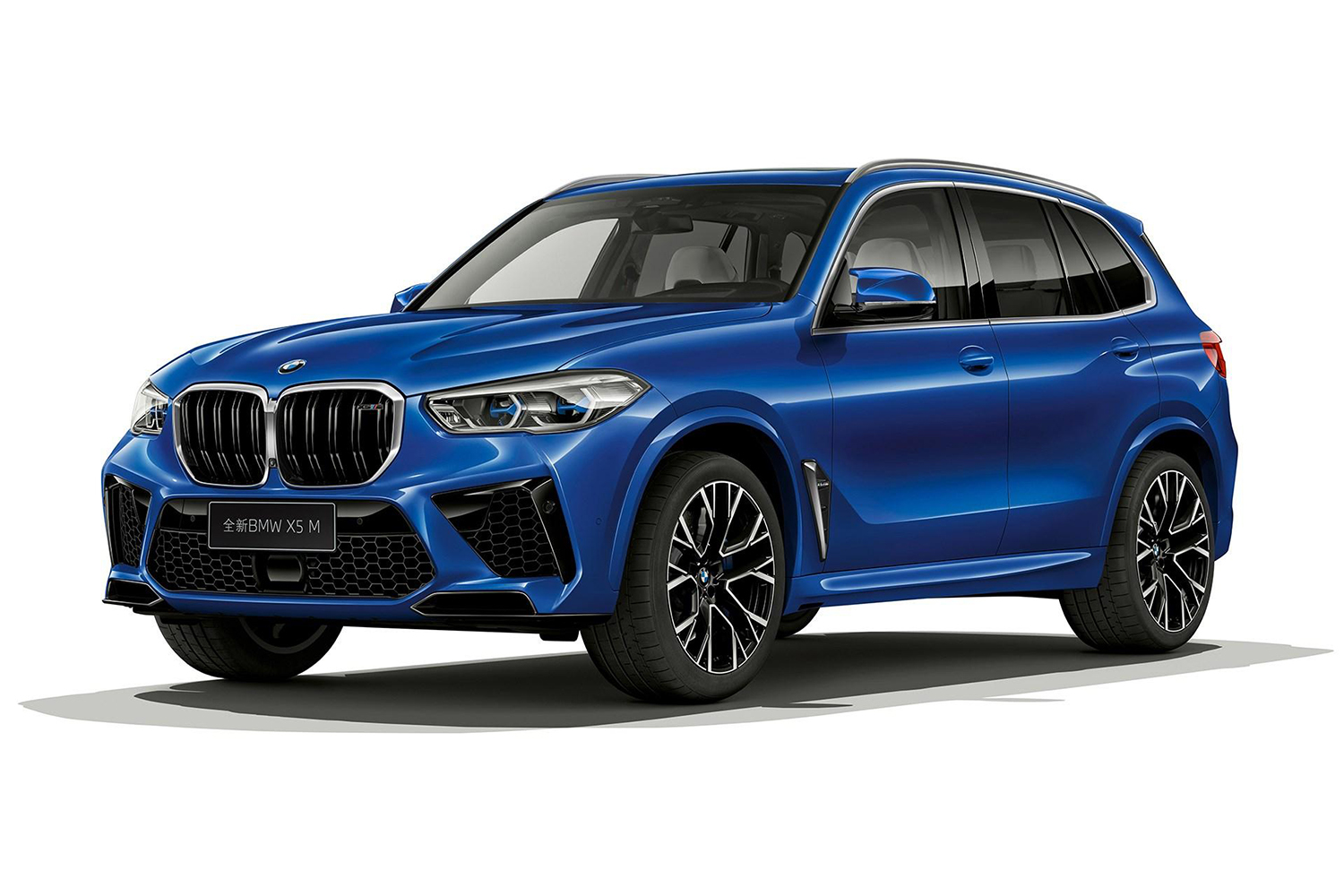
At a glance
- The BMW X5 (import) is a combustion-powered midsize luxury SUV positioned for premium dealer, fleet and executive-transport use.
- The 28i, 30i, 35i, 40i and 30d designations point to materially different engine, fuel and destination-market choices.
- Leading, Elegance, Luxury, Exclusive, X Design and M Sport labels describe equipment and styling rather than a separate drivetrain.
- New-classified and used vehicles present different mileage, warranty, history, depreciation and inspection risks.
- The buying decision should be based on landed cost, compliance, parts support and likely resale rather than listing price alone.
Why the BMW X5 (import) matters for export markets
The BMW X5 (import) occupies the premium midsize SUV segment, combining BMW road-car character with a higher seating position, xDrive traction and a five-door body. For overseas dealers, it is relevant where buyers want a recognizable luxury name without moving into the full-size SUV class. The imported X5 can suit company-driver fleets, executive transport, dealer demonstration fleets and regional resale businesses familiar with BMW servicing. Its value proposition is not simply low acquisition cost; it combines model familiarity, xDrive positioning and equipment packages that can be compared unit by unit.
For export planning, the X5's strongest markets are those with established demand for premium SUVs, credible workshop coverage and suitable road, tax and import frameworks. It is less compelling where buyers prioritize minimum operating cost, emissions compliance or cargo utility over badge appeal and driving character. Because local taxes, insurance classes, parking rules and registration categories can favor or penalize a premium SUV, an importer should model the vehicle as a complete operating asset rather than judge it only from the showroom listing or source-market availability before committing to an order.
Demand is shaped by model age. An older X5 may serve buyers who recognize the shape but prioritize acquisition cost, while a later facelift with newer driver assistance and cabin technology may suit a different segment. The right export proposition is therefore a disciplined matching exercise: identify the destination buyer, then compare engine, trim, steering configuration, serviceability and landed cost. A model that is easy to support and insure locally will usually be more commercially useful than a richer unit that creates compliance or spare-parts problems for the importing market.
- Match engines to local rules.
- Compare trim, condition and cost.
Model range, trims and powertrain variants: how the lineup is structured and how to choose
When comparing BMW X5 (import) specs, the designation spans multiple BMW generations and several engine applications. In the F15-era lineup, the 28i and 35i labels cover different displacement and equipment propositions; in the G05-era range, the 30i and 40i become more prominent. The 35i and 40i are generally associated with the three-litre turbocharged petrol route, while 28i and 30i point to the two-litre petrol family. Exact output, emissions equipment and market specification must be confirmed on the live unit. Do not infer charging range or battery capacity: these combustion-powered variants do not use a traction battery.
Drivetrain and transmission simplify the shortlist. Across the petrol and diesel versions represented, BMW xDrive sends power to all four wheels and the X5 commonly pairs with an eight-speed automatic transmission. The xDrive30d name identifies the diesel application, while “i” denotes a petrol model rather than an electric vehicle. This distinction matters when comparing fuel availability, diesel rules, roadside assistance and workshop familiarity. Buyers should not treat an M Sport or Luxury listing as a different powertrain; those labels principally describe styling and equipment for that model year and market.
Package names require careful decoding. Leading, Elegance, Luxury, Exclusive, X Design and M Sport can change bumpers, wheels, cabin materials, infotainment and driver-assistance content, but the same name may not carry identical equipment across model years or source markets. Facelift labels are useful because body, lighting, software and option bundles can change. The safest selection method is to compare the VIN-specific option list, physical inspection images, production date and delivery specification. For fleet use, prioritize durable seats, usable cargo space and serviceable electronics over cosmetic differences that disappear after resale.
- 28i/30i: two-litre petrol.
- 35i/40i: three-litre petrol.
- 30d: turbo diesel.
- Verify equipment by VIN.
New vs used BMW X5 (import): how export inventory is structured and how buyers choose
Export inventory should be read as a set of individual vehicle records rather than a generic model page. Each record needs to be checked for model year, trim, engine designation, condition, mileage, registration status, seller location and vehicle identifier. “New” can describe the seller’s inventory classification without automatically proving first registration, factory delivery status or an uneventful history. For an importer, that distinction is critical: obtain the production date, registration documents, invoices, service record and any known damage history before treating any unit as new or factory-new for export purposes.
For a used BMW X5 (import), a lower acquisition outlay can provide an accessible entry into the model and may preserve familiar service parts, but it transfers condition risk, wear uncertainty and potentially incomplete maintenance records. A new or unregistered X5 offers a known mileage position, model-year equipment and a clearer warranty pathway, which can simplify a dealer’s retail story or corporate-fleet handover. It may, however, command a higher acquisition outlay and begin depreciating. Fleet buyers should calculate depreciation and downtime as well as the purchase invoice against expected resale proceeds and financing costs.
Neither condition label eliminates the need for inspection. For a used vehicle, check panel and paint condition, tire age, brake condition, cabin wear, warning lights, fluid leaks, road-test behavior and evidence of servicing. For a new-classified unit, verify that the odometer reading is appropriate, no delivery or demonstration miles have accumulated, protective film or preparation has not concealed damage, and warranty commencement is clear. If units are being compared, standardize the checklist and reject differences that are not adequately documented and clearly recorded for every vehicle in the same inspection report.
- Verify registration and odometer.
- Inspect condition and service records.
- Include depreciation and downtime.
How export pricing works: the factors behind a live listing price, and how to read one
BMW X5 (import) export pricing is a variable calculation, not a fixed model-level rate. The starting point is the vehicle’s asking price, but the amount that matters to an importer is its landed cost. Model year, 28i/30i versus 35i/40i or 30d engine, trim and equipment package, mileage, condition, ownership history and market demand can move the comparison. Exchange rates, freight, insurance, port handling, inland transport, taxes, duties and the selected Incoterm determine what the buyer ultimately pays. A final figure should follow the quote, inspection and document requirements, with all inclusions stated in writing.
When reading a live listing, first establish what the displayed number covers. A seller may quote on an ex-China basis, while a buyer-facing quote may include some export services; neither automatically includes destination customs, registration, taxes, delivery beyond the named port or local compliance work. Check the currency, quote validity, vehicle condition, mileage, VIN or SKU, included documents, inspection scope, warranty and delivery scope. If several records look similar, compare the SKU and photographs rather than treating repeated rows as separate physical vehicles that may refer to the same underlying vehicle.
A disciplined landed-cost worksheet prevents a low listing price from becoming an expensive purchase. Convert the vehicle and freight costs into the buyer’s currency on the same date, add bank and payment charges, then add every confirmed destination cost. Separate regulated charges such as duty and tax from negotiable logistics such as handling and inland delivery. Ask for a written, unit-specific quotation tied to the selected VIN or SKU and the intended Incoterm. Check each live inventory entry for its exact current price, MOQ and availability; treat the final unit-specific quotation as binding for that vehicle.
- Confirm currency and Incoterm.
- Add freight, insurance and duties.
- Use live price and final quote.
MOQ, ordering and payment: single units vs consolidating a container
MOQ depends on the seller, vehicle, market and shipment plan, so it should be confirmed for each live listing rather than assumed from the model name. A buyer sourcing one X5 for a client, demonstrator or small resale order may be able to request a single unit where the supplier supports it, but availability and commercial terms must be accepted in writing. Consolidation into a container can improve freight efficiency per vehicle, yet it requires enough compatible units and exposes the importer to slower stock turnover if local demand is uncertain.
The ordering sequence should move from shortlist to evidence, then from agreement to release. Select the live record, request a unit-specific quotation, ask for production date, condition report, documents and a pro forma invoice, then confirm the MOQ, Incoterm, payment milestones and inspection rights. At the agreed stage, pay through the seller’s verified banking instructions while independently checking beneficiary details. The balance should follow inspection and document checks. Title, lien and export-registration issues must be resolved before the vehicle is released to the carrier or shipped from the supplier warehouse.
For BMW X5 (import) wholesale planning, consolidation changes risk rather than eliminating it. Grouping vehicles by market, engine, model year and equipment can simplify parts and marketing, but mixing specifications may increase compliance work and make retail slower. Model the cost of a full container, the risk of one damaged vehicle, port delays, and unsold stock against the savings. For smaller quantities, group purchasing, shared inspection and a consolidated shipment may offer economies without requiring a buyer to commit to a container. Record who owns each unit and how title will transfer before shipment.
- Confirm MOQ per unit.
- Link payment to inspection.
- Consolidate compatible owned vehicles.
Shipping, homologation and market compliance caveats: LHD/RHD and import rules by country
Chinese-market X5 imports are commonly encountered as left-hand-drive vehicles because that is the dominant steering configuration in China. That does not mean a left-hand-drive car can be sold unchanged in every destination. Some markets permit imported used vehicles under local rules; others impose emissions, safety, age, inspection or conformity restrictions. Right-hand-drive demand must be handled before purchase: verify whether a genuine right-hand-drive X5 is available, whether a documented conversion is lawful, and whether converted vehicles receive the same registration treatment as original right-hand-drive examples in the destination country directly.
Homologation is market-specific and should be treated as a project, not a checkbox. Buyers should assess headlamp and reflector compliance, emissions equipment, seat belts, tyres, warning devices, infotainment, radio approval, driver-assistance functions and any local cybersecurity or software requirements that apply. BMW diagnostics, software options and language settings can also affect serviceability. The importer should obtain a compliance opinion and, where needed, an inspection or approval pathway before paying the balance. Otherwise a lower-priced unit can become unsellable or uneconomic to register. That review should be completed in the destination market.
Shipping method and documentation affect both cost and arrival condition. Enclosed or roll-on/roll-off transport is commonly considered for SUVs, while container or specialist project carriage may suit selected high-value vehicles; the choice depends on dimensions, routing, insurer terms and handling availability. Require the commercial invoice, packing list, bill of lading or transport document, export declaration, certificate of origin where applicable, vehicle title and registration documents. Inspect and photograph the X5 before loading and after discharge, documenting any damage promptly through the agreed claims process and in writing under the agreed claims terms.
- Verify steering configuration.
- Obtain local compliance advice.
- Match insurance to route.
Who should buy the X5 (import) — and who should pick a different vehicle
The X5 (import) is a strong fit for dealers and fleet buyers that value BMW identity, xDrive all-wheel drive, a premium cabin and a model with broad international recognition. It is particularly relevant to executive-driver programs, airport and corporate transport where comfort and image matter, and to specialist importers seeking several petrol or diesel X5 configurations for resale. It can also make sense for a business buyer comparing total operating cost against locally supplied premium SUVs rather than buying the lowest-cost large vehicle available over the ownership cycle for the fleet.
It is a weaker choice for high-mileage commercial operations focused solely on fuel economy, low maintenance burden or maximum payload. Buyers with zero-emissions mandates should choose an electrified vehicle that satisfies local rules, and customers needing a true cargo van should consider a commercial derivative rather than a luxury SUV. An importer should avoid the X5 when no suitable workshop can service its electronics, when local parts are difficult to source, or when a right-hand-drive requirement cannot be met before the vehicle is shipped without unacceptable compliance or conversion risk.
The purchase decision should compare total ownership economics rather than sticker appeal alone. Include acquisition, finance, insurance, registration, fuel, tyres, scheduled servicing, downtime and expected resale. Luxury-SUV demand can be resilient in some markets, but depreciation and repair costs can be material for a business buyer. A test drive, an independent inspection and a realistic local sales forecast are especially important when buying an import with incomplete service history. If the X5 does not fit the operating brief, a locally supported rival may be the more rational commercial choice for the fleet.
- Strong for premium executive use.
- Weak for lowest-cost fleets.
- Check service support and resale.
Main rivals and how the X5 (import) compares
The Mercedes-Benz GLE is the closest alternative for buyers who want a premium midsize SUV with a more formal luxury emphasis. Both vehicles can suit chauffeur, executive and retail use, but the X5 typically appeals to drivers who prioritize BMW steering character and the familiarity of xDrive. Engine availability, diesel regulations, local service coverage and homologation can shift the decision more than base equipment. A GLE already established in the destination market may also be easier for a buyer to compare and support. That makes side-by-side landed-cost testing essential for cross-border programmes.
The Audi Q7 competes through a technology-led SUV format and an importer presence. It may be attractive where infotainment, family usability or a different badge are priorities, while the X5 may be preferred for its driver-focused character and established model familiarity. Actual competitiveness depends on the engine, specification and destination-market support rather than the model badge alone. Check whether the Q7’s local parts and service arrangements reduce downtime enough to offset any acquisition difference. This is particularly important for company fleets, where downtime and residual values matter as much as the quotation.
The Volvo XC90 is a credible rival for buyers prioritizing a more restrained premium image, family practicality and efficient SUV packaging. It can be attractive where local Volvo support and the destination’s tax or emissions framework are favorable. The X5 generally has the more performance-oriented positioning, but a specific X5 trim may still be less suitable than an XC90 if operating cost, seating needs or service convenience dominate. No model wins without checking local homologation, landed cost and replacement-part availability. A live, like-for-like comparison remains the most defensible way to decide.
- GLE: formal luxury and chauffeur use.
- Q7: space and technology.
- XC90: practicality and operating cost.
Live BMW X5 (import) export inventory
View all listings →Real units currently on ChinaCarDirect with per-unit asking prices and MOQ. Availability updates live from the catalogue.
How to buy a BMW X5 (import) from China
-
1
Set the destination brief
Specify the destination country, LHD/RHD requirement, fuel rules, tax class, annual mileage, occupancy and cargo needs before selecting an X5.
-
2
Compare the live inventory
Use the live BMW X5 (import) listings to match engine, trim, model year and condition. Compare the SKU and photographs so repeated rows are not treated as separate vehicles.
-
3
Verify vehicle identity and history
Request the VIN, production date, registration and title documents, odometer reading, service history and damage record. Confirm that the unit can legally enter the intended market.
-
4
Request a unit-specific quotation
Ask for the current unit price, MOQ, Incoterm, document set, inspection scope, freight, insurance, duties, taxes and local charges. Use the final quotation as the commercial baseline.
-
5
Inspect before balance payment
Use an agreed independent inspection and stage payment against documents, inspection and shipping milestones. Independently verify the beneficiary details before sending funds.
-
6
Complete compliance and shipment
Have a destination broker confirm homologation, registration, customs and insurance requirements. Complete export documents, inspect before loading and record any transit damage under the agreed claims process.
-
7
Track arrival and registration
Reconcile the vehicle, chassis or VIN and supporting documents at discharge, then complete customs, local registration and handover records before releasing the vehicle to the buyer.
X5 (import) vs rivals
| Mercedes-Benz GLE | A close premium-SUV alternative with a more formal luxury emphasis. Choose the GLE when local service, engine options or chauffeur suitability outweigh BMW-specific appeal; compare landed cost and local homologation. |
|---|---|
| Audi Q7 | Competes through spacious, technology-led presentation and an importer presence. The X5 may be more compelling for driver-focused character, while the Q7 may suit buyers prioritizing family usability and destination support. |
| Volvo XC90 | A practical premium rival with a restrained image and family-car appeal. The XC90 can be the better operating fit where efficiency, seating or local Volvo support matter; the X5 leans more toward performance-oriented positioning. |
Frequently asked questions
How is BMW X5 (import) export pricing determined?
Each unit’s starting price reflects model year, engine, trim, condition, mileage, equipment and market demand. The landed price then varies with exchange rates, freight, insurance, port handling, duties, taxes and the chosen Incoterm. Check the live inventory for the exact current price, MOQ and availability, then request a written unit-specific quotation tied to the selected SKU or VIN.
What engine and drivetrain options should I expect?
The range represented includes xDrive28i, xDrive30i, xDrive35i, xDrive40i and xDrive30d applications. Generally, the 28i and 30i use a two-litre turbo petrol engine, the 35i and 40i a three-litre turbo petrol engine, and the 30d a turbo diesel, paired with xDrive and an eight-speed automatic. Confirm the exact output, emissions equipment and market specification on the live listing.
Is a new-classified BMW X5 always factory-new?
No; “new” may describe the seller’s inventory classification rather than proving first registration or factory-new status. A new-classified unit offers a clearer mileage and warranty position, while a used BMW X5 (import) can offer a lower acquisition outlay but carries more condition, service-history and depreciation uncertainty. Verify the production date, odometer, registration and damage record.
Can I order one BMW X5 (import), and what is the MOQ?
MOQ is confirmed for the selected live listing, seller and shipment plan rather than for the model as a whole. A single-unit request may be possible where the supplier supports it, but the buyer should obtain the requirement in writing. Container consolidation can improve freight efficiency, though it needs compatible vehicles and clear ownership.
How long does shipping take and what changes the cost?
Transit time and cost depend on the vehicle-carrier or container schedule, ports, route, cargo handling, customs clearance, inspections, document readiness and insurance terms. A quotation should identify the origin, destination, transport mode and Incoterm so that each logistics charge can be separated. Neither the transit time nor the delivered cost should be assumed from the vehicle listing alone.
Can I obtain spare parts for the X5?
Parts support depends on the X5 generation, engine, build date and destination; the VIN is the key reference for accurate ordering. Buyers should confirm catalogue compatibility and whether genuine, remanufactured or aftermarket components are acceptable for the planned repair. Cross-border parts orders can add customs, freight and diagnostic-software requirements, so local workshop support should be included in the ownership decision.
Are right-hand-drive BMW X5 (import) models available?
Most China-origin X5 examples are left-hand drive, so a genuine right-hand-drive unit normally needs to be located specifically or sourced through a specialist channel. Availability must be checked in the live inventory or with the supplier rather than inferred from the model name. Before ordering, confirm the steering configuration, VIN, local registration treatment and whether any conversion is lawful and recognized.
How do I buy a BMW X5 (import) from China?
To buy a BMW X5 (import) from China, begin with the live listings, compare like-for-like units and send an RFQ for the chosen trim, model year, condition and destination. Agree the unit price, MOQ, Incoterm, document set, inspection scope and staged payment terms before paying. After compliance checks and inspection, release the vehicle to the agreed carrier and retain the final handover, customs and registration records.
Ready to source the BMW X5 (import)?
Submit an RFQ with your destination, preferred X5 configuration, condition and shipping plan for a unit-specific quote.
Request a quote