
BMW X5 M Export Buying Guide for Overseas Dealers
Buy a BMW X5 M from China with confidence: compare trims, engine specs, pricing factors, MOQ, shipping, compliance and key rivals for overseas dealers.

At a glance
- The X5 M is BMW’s petrol-powered high-performance X5, combining a 4.4-litre twin-turbo V8 with M xDrive all-wheel drive.
- Older F85 and newer G05 generations offer different technology, equipment and ownership profiles.
- Thunder Edition is an appearance-and-equipment treatment; buyers should still verify the underlying build and market specification.
- New units simplify ownership history, while used units require deeper inspection, provenance and import-eligibility checks.
- Dealers should compare landed export quotes rather than headline prices because freight, taxes, exchange rates, Incoterms and condition affect the total.
- LHD/RHD configuration, local homologation and BMW parts support should be confirmed before an order is committed.
Why the BMW X5 M matters for export markets
The BMW X5 M sits at the intersection of BMW’s luxury-SUV engineering and the M division’s high-performance remit. It is not simply a sportier X5: the model is designed around a powerful combustion engine, M-branded dynamics, distinctive equipment and a clear road presence. For overseas dealers, that combination creates a niche alongside premium performance SUVs from Mercedes-AMG, Audi Sport and Porsche, especially where customers want an SUV body with sports-car pace. It also combines driver engagement, all-weather traction and premium daily usability, giving resellers a clear reason beyond appearance.
For overseas buyers looking to buy a BMW X5 M from China, demand is specialist rather than volume-driven. Buyers may include performance-focused private customers, company VIP pools and dealers seeking a halo product, but each unit carries a high purchase outlay, insurance requirement and exposure to specialist servicing. Importing the X5 M makes sense when the buyer can source, market and support it confidently, rather than treating it as an interchangeable fleet SUV. Test-drive capability, diagnostic software, training and parts planning should be assessed before adding the model to a sales programme.
The model also helps a dealer segment its offer. A customer shopping for economical family transport will rarely be persuaded by acceleration figures alone, while one comparing driver-focused premium SUVs will notice the X5 M’s engine response, all-wheel-drive system, steering, brakes and ride character. A careful importer should present the X5 M as a complete engineering package, not an appearance option. For a wider view of available BMW inventory, the BMW hub is useful, but the decision should ultimately be tied to a specific vehicle’s condition, specification and destination-market paperwork before contracting for stock.
- Older F85 versus newer G05 generations.
- Specialist sales and servicing support.
- Stronger fit than ordinary X5 SUVs.
Model range, trims and powertrain variants: how the lineup is structured and how to choose
The X5 M range is easiest to understand by generation rather than by a long conventional options list. The earlier F85 generation and newer G05 generation use different body architectures, electronic features and market packages. Within the export catalogue, the core name is X5 M, while Model X5 M Thunder Edition denotes a more distinctive appearance-and-equipment treatment rather than a separate vehicle family. It should still be checked against the VIN, build sheet and seller photographs because appearance packages can move between model periods and can be listed inconsistently across marketplaces.
Across the principal X5 M applications, BMW has used a 4.4-litre twin-turbocharged V8 petrol engine, an eight-speed automatic transmission and M xDrive permanent all-wheel drive with an M differential. These are the stable mechanical identifiers a buyer should recognise. Output, torque, emissions calibration and equipment can differ by generation, market and trim, so published headline figures should never be transferred to a specific imported car without checking its build record. Ask for the engine code, gearbox type, drive system and factory option list in writing.
Choice should follow use case and market compatibility, not merely the newest-looking car. An older F85 may suit a buyer seeking established M character at a lower acquisition commitment, while a newer G05 may offer more modern cabin technology and revised chassis systems; exact benefits depend on the vehicle. Thunder Edition appeal is strongest for customers who value visual exclusivity and additional equipment. Dealers should also compare serviceability, wheel and tyre sizes, ground clearance and software support, because these affect operating costs and whether the imported configuration is sensible in the destination country.
- 4.4-litre twin-turbo V8 identifiers.
- Eight-speed automatic and M xDrive.
- Confirm Thunder Edition build details.
New vs used BMW X5 M: how export inventory is structured and how to choose
Export inventory can be structured in two broad ways: factory-new vehicles sourced through dealer or trade channels, and used vehicles acquired from prior owners or specialist importers. A new X5 M should normally be evaluated around build specification, warranty route, delivery timing and the consistency of its pre-delivery inspection. A used example instead requires a mileage reading, service history, condition grade and proof of ownership. ChinaCarDirect’s live search should therefore be read unit by unit; neither source type should be assumed from the model name alone. Confirm how the seller classifies the vehicle and which evidence supports that classification.
New inventory usually offers the cleaner ownership proposition, but the buyer may wait longer and should clarify where the warranty starts and which party handles delivery claims. Used vehicles can shorten acquisition time and reduce initial depreciation, yet condition uncertainty can offset that apparent advantage. High-performance cars also wear through brakes, tyres and service items in ways that must be verified rather than inferred. For a used X5 M, request VIN-specific documents, an independent inspection and evidence of maintenance before comparing it with a new unit at the same specification level.
A mixed export strategy can work when the dealer separates customer propositions: a factory-new car for buyers wanting simplicity and warranty clarity, and a carefully documented used car for value-conscious customers. That strategy only works if each listing states the true source, year, trim, mileage and condition without vague “new” or “low mileage” wording. Imported used vehicles may also face age, emissions or registration restrictions that do not apply to a new car. Check those rules before negotiating, not after the vehicle has been paid for or committed to freight.
- New vehicles: cleaner ownership history.
- Used vehicles: demand VIN-level evidence.
- Classify every unit before comparison.
How export pricing works: the factors behind a live listing price, and how to read one
An export price is a composite commercial figure, not a fixed intrinsic value for the X5 M badge. The vehicle’s model year, generation, trim, engine specification, factory options, mileage and condition usually form the base. Then come exchange-rate movements, freight or roll-on/roll-off charges, marine insurance, port handling, documentation, inspection, storage and the chosen Incoterm. Import duty, VAT or other taxes may sit outside the displayed vehicle price. A low headline can therefore be more expensive after the destination charges are added. The same vehicle can cost more in one destination or Incoterm than in another.
When reading a live listing, first establish whether the amount is the seller’s vehicle price, an export quotation or an estimated landed cost. Check the currency, tax treatment, validity period, included documents, delivery term and whether the figure assumes one vehicle or a consolidated shipment. Compare only equivalent vehicles: the same generation, trim, drivetrain, condition, mileage and option set. Ask for a written total showing vehicle cost, inland transport, origin charges, freight, insurance, customs, duty, VAT and destination fees. This prevents a cheaper vehicle price from being mistaken for a cheaper delivered and registered cost.
Treat the first displayed number as an asking point rather than a binding landed quote. Ask the supplier to state what can change—exchange rate, freight allocation, optional equipment, condition adjustment or Incoterm—and which party bears risk at each stage. Live BMW X5 M listings provide the current per-unit asking price, stated MOQ and availability, but these can change before payment. Use an RFQ to confirm the buyer’s destination and required terms. A sound comparison preserves the quote and supporting documents so the final budget can be reconciled rather than reconstructed from memory.
- Vehicle condition sets the base value.
- Landed cost exceeds the headline price.
- Current figures live in each listing.
MOQ, ordering and payment: single units vs consolidating a container
Minimum order quantity is a transaction term, not a permanent property of the model. A BMW X5 M wholesale request should ask for a unit-level quotation and confirm the MOQ attached to that specific listing, trim and destination. Do not assume that every platform, seller or shipment method uses the same rule. If a seller requires several units, ask whether identical vehicles can be mixed across close specifications, how deposits are allocated and whether each unit receives a separate invoice and production or inspection record. This protects the buyer from discovering a batch commitment only at payment stage.
Consolidating several X5 M units can improve freight planning and simplify one customs entry, but it also concentrates capital and risk. The vehicle mix affects available loading methods, while demurrage, storage, port congestion and damage claims can erase the expected saving. A dealer may therefore compare a single-unit specialist-carrier shipment with a multi-vehicle container or roll-on/roll-off solution on an all-in basis. Dimension, weight, cargo-securing and loading-equipment checks must be approved by the carrier; no loading method should be assumed until the exact vehicle specification and destination handling requirements are confirmed.
A defensible ordering process uses a written pro forma invoice or contract before funds move. It should identify the vehicle or agreed batch, total price and currency, deposit and balance stages, Incoterm, inspection standard, documents, delivery estimate and refund or force-majeure remedies. Verify the seller’s legal identity and bank beneficiary against the invoice and contract, and retain inspection evidence before releasing the balance. Payment terms should follow the risk: a large unsecured advance to an unverified account is avoidable even when the advertised vehicle looks attractive. Clear remedies matter when the promised specification or delivery changes.
- MOQ belongs to the specific order.
- Consolidate only after freight comparison.
- Release payment against verified documents.
Shipping, homologation and market compliance caveats: LHD/RHD and import rules by country
BMW X5 M shipments require specialist logistics because vehicle dimensions, weight, securement and dealer preparation affect the safe movement method. Single cars may travel on enclosed vehicle carriers or roll-on/roll-off vessels; grouped orders may justify a vehicle carrier or container solution if dimensions and loading equipment permit. The exporter and freight forwarder should confirm lashing, vehicle securement, electrical disconnection procedure, key and document custody. Standard cargo procedures still apply, but a general-purpose freight booking should not be treated as proof that a vehicle carrier can accept the car, including confirmation of any loading ramps or specialist equipment.
Steering configuration is the first destination check. Do not assume the source vehicle is left- or right-hand drive; request the steering position, VIN and homologation details in the unit record. Some destinations have limited RHD supply or impose different registration pathways, while LHD availability can also depend on local rules and expected demand. Beyond steering, local authorities may assess VIN consistency, emissions, safety, lighting, software, noise and vehicle type. A Chinese-market or export-market certificate is not automatically approval for registration in the buyer’s country or evidence that the vehicle may be converted.
Import eligibility can also depend on vehicle age, customs category, emissions standard, engine displacement and whether the use is private, commercial, temporary or re-exported. The importer of record remains responsible for duties, taxes, broker advice, registration and any modification, while the exporter supplies consistent customs and title documents. Buyers should obtain a destination-specific broker opinion before ordering and budget for compliance work separately from freight. If the intended use differs from the source vehicle, test-drive conversion or parts support can become expensive, making early verification commercially essential for the importing business.
- Confirm steering before committing.
- Broker review precedes final import.
- Registration approval differs from export clearance.
Who should buy the X5 M — and who should pick a different vehicle
The X5 M fits a buyer who wants a high-performance luxury SUV as a daily road car rather than merely a track toy. The 4.4-litre V8, M xDrive system and performance chassis provide the core appeal, while the X5 body still offers passenger space, a usable cargo area and familiar BMW luxury. It can suit performance-focused private customers, VIP company use and dealers seeking a visible halo model. The strongest business case is in a market where affluent buyers recognise the M badge and where servicing, insurance and parts can support the proposition.
It is a weaker fit for buyers whose priorities are low running cost, high fuel efficiency, emissions simplicity, extensive third-row use or heavy commercial utility. The performance engine, large wheels, specialist tyres and premium hardware can raise ownership and maintenance costs; resale also depends on condition and local demand rather than the badge alone. A fleet requiring many vehicles with simple servicing should usually evaluate lower-output BMW SUVs or mainstream luxury alternatives. An EV or plug-in hybrid buyer may gain efficiency but lose the X5 M’s specific engine character and M-driver proposition.
Before switching away, consider whether the objection is practical or emotional. If it is ride quality, rear-seat usability, cargo volume or operating cost, a regular X5 may be more rational while retaining the brand. If it is outright performance and road presence, test the X5 M against the closest performance SUVs rather than an ordinary family model. The right purchase is the one that satisfies the driver, fits local infrastructure and can be supported profitably; badge prestige alone is not a substitute for that assessment. A test drive and a realistic ownership-cost review should precede any final commitment.
- Best for performance-focused private buyers.
- Weaker for high-utilization fleets.
- Regular X5 may suit practicality priorities.
Main rivals and how the X5 M compares
The Mercedes-AMG GLE 63 is a direct alternative for buyers focused on a performance-oriented luxury SUV with a broad AMG dealer proposition. Its character, interior design and regional engine choices can differ from the BMW, so the fairest comparison is between the exact imported specifications rather than headline badges. The X5 M may appeal more strongly to drivers prioritising BMW M steering, seating and drivetrain response, while the GLE 63 provides a credible alternative where Mercedes-AMG support is stronger. Compare insurance, tyres, service intervals and local parts availability before selecting.
The Audi RS Q8 competes through its sharply styled body, quattro all-wheel drive and high-performance V8 character. Its coupe-like roofline prioritises appearance and performance over some of the X5 M’s traditional SUV usability, particularly for rear passengers and luggage, although exact results depend on configuration. The X5 M typically offers a more conventional luxury-SUV presentation and a familiar, upright SUV cargo layout, while the RS Q8 may deliver a more theatrical design. Neither is automatically cheaper to run, so local service and resale evidence should be weighed alongside styling and expected residual demand.
The Porsche Cayenne Turbo is the closest rival for buyers who want performance and all-weather capability but prioritise a different blend of chassis character, technology and brand identity. Porsche’s model family can offer strong daily usability with a performance focus, while the X5 M leans more visibly into BMW’s M design, engine and driving ecosystem. Buyers should compare acceleration, braking, ride, visibility, cargo practicality and service access in back-to-back drives. The deciding factor is often not a universal specification winner, but which vehicle is better supported and easier for the buyer’s customers to own locally.
- Mercedes-AMG GLE 63: direct luxury alternative.
- Audi RS Q8: style-led performance alternative.
- Porsche Cayenne Turbo: handling-led alternative.
Live BMW X5 M export inventory
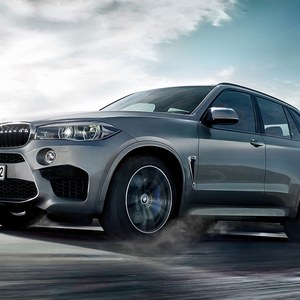
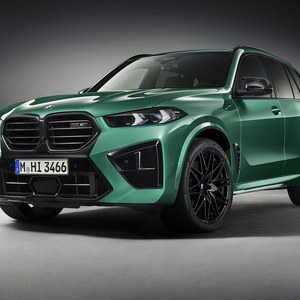
View all listings →Real units currently on ChinaCarDirect with per-unit asking prices and MOQ. Availability updates live from the catalogue.
How to buy a BMW X5 M from China
-
1
Define the destination and use
State the destination country, LHD/RHD requirement, private or fleet use, and required road or cargo space. This prevents a technically attractive but non-compliant or impractical unit from entering the shortlist.
-
2
Shortlist like-for-like vehicles
Use the live BMW X5 M inventory to compare generation, trim, mileage, condition, options and steering position. Ignore headline-only differences until VIN-level documents are available.
-
3
Verify identity and specification
Request the VIN, build sheet, engine and transmission details, factory option list, title, import history and service records. For a used vehicle, commission an independent inspection covering bodywork, tyres, brakes, fluids, warning systems and diagnostic condition.
-
4
Request a landed quotation
Ask for unit price, currency, MOQ, deposit, inland transport, origin charges, freight, insurance, customs, duty, VAT, destination fees and Incoterm in one written schedule. Confirm how exchange-rate or freight changes affect the quote’s validity.
-
5
Inspect before final payment
Use a mutually agreed inspection standard and retain the findings with the contract. Release the balance only after identity, condition, documents and agreed remedies have been checked, with the bank beneficiary verified independently.
-
6
Book compliant transport
Give the forwarder the exact dimensions and weight, destination and handling requirements. Select the carrier and securement method only after confirmation; ensure insurance, export documents, key custody and delivery tracking are included.
-
7
Clear before registration
Have the destination broker confirm customs category, duty and VAT treatment, conformityity, emissions and registration requirements before dispatch. Agree delivery, inspection, registration and spare-parts responsibilities in writing.
X5 M vs rivals
| Mercedes-AMG GLE 63 | A direct performance-luxury SUV alternative with a distinct AMG character and regional engine choices. The X5 M is likely to suit buyers prioritising BMW M driving characteristics, while the GLE 63 may be easier to support where Mercedes-AMG infrastructure is stronger. |
|---|---|
| Audi RS Q8 | A style-led high-performance SUV with quattro all-wheel drive and a coupe-like profile. The X5 M offers a more conventional SUV shape and rear-space proposition, whereas the RS Q8 prioritises visual drama and a more unconventional body format. |
| Porsche Cayenne Turbo | A close alternative for buyers focused on performance, technology and a distinct chassis personality. The X5 M provides a more overtly M-branded engine and driving ecosystem, while local service access, equipment and expected demand should guide the final choice. |
Frequently asked questions
How is BMW X5 M export pricing determined, and where can I see the live price?
The price is based on the vehicle’s year, generation, trim, specification, mileage and condition, then adjusted for exchange rates, freight, insurance, port charges, taxes, documentation and the selected Incoterm. Current per-unit asking prices and availability appear in the live BMW X5 M listings. Confirm the final landed total and quote validity through an RFQ before paying.
What engine, transmission and drivetrain should I expect?
The principal X5 M applications use a 4.4-litre twin-turbocharged V8 petrol engine, an eight-speed automatic transmission and M xDrive permanent all-wheel drive. Output, emissions calibration and equipment can vary by generation and market. Verify the engine code, transmission, drive system and factory options against the VIN and build sheet.
Should I buy a new or used BMW X5 M?
A new vehicle offers a cleaner ownership history and clearer warranty pathway, although delivery may take longer. A used vehicle can offer a lower initial acquisition commitment but requires stronger evidence of condition, mileage, service history and ownership. Compare equivalent specifications and include inspection, repair and import-eligibility risk in the decision.
How does MOQ work for a BMW X5 M order?
MOQ is set against the particular listing, seller and shipment terms, so there is no single permanent rule for the model. Check the MOQ shown on the live listing and confirm it in an RFQ. Ask whether a unit-level purchase is available or explain the consolidation and payment conditions if several vehicles are required.
What determines shipping time and cost?
Origin handling, carrier type, route, vessel or vehicle-carrier schedules, port congestion, customs clearance, documentation, insurance and destination charges all affect the total. Request a written estimate with the route, Incoterm, vehicle method, expected departure and delivery windows. Do not treat a general freight quote as a guaranteed vehicle delivery schedule.
Are spare parts readily available for an imported X5 M?
Parts support depends on the destination’s BMW network, VIN, model generation, software and left- or right-hand-drive components. Before buying, obtain indicative lead times and costs for common service items, electronic modules and collision parts. A workable local parts plan is especially important for a specialist performance model.
Is right-hand-drive BMW X5 M availability a problem?
RHD availability can be limited and varies by source and destination, so buyers should not assume a steering configuration from the model name. Review the live listings and ask the seller for the steering position, VIN and relevant market description. If no suitable RHD unit is available, consider whether conversion is legal and economically realistic in the destination country.
How do I order a BMW X5 M from China?
Start with the live listings, shortlist comparable vehicles and submit an RFQ with the destination, configuration, condition and Incoterm requirements. Review the pro forma invoice, inspect the vehicle, verify the beneficiary and complete the agreed payment stages before shipping. Use a destination broker to confirm customs, taxes, conformityity and registration requirements before dispatch.
Ready to source the BMW X5 M?
Request a unit-level BMW X5 M export quote with current specification, Incoterm and destination-market compliance details.
Request a quote