
BMW X6 Export Buying Guide for Overseas Dealers
Buy a BMW X6 from China with practical guidance on trims, export pricing, ordering, shipping, compliance, rivals and used-vehicle inspection checks.
At a glance
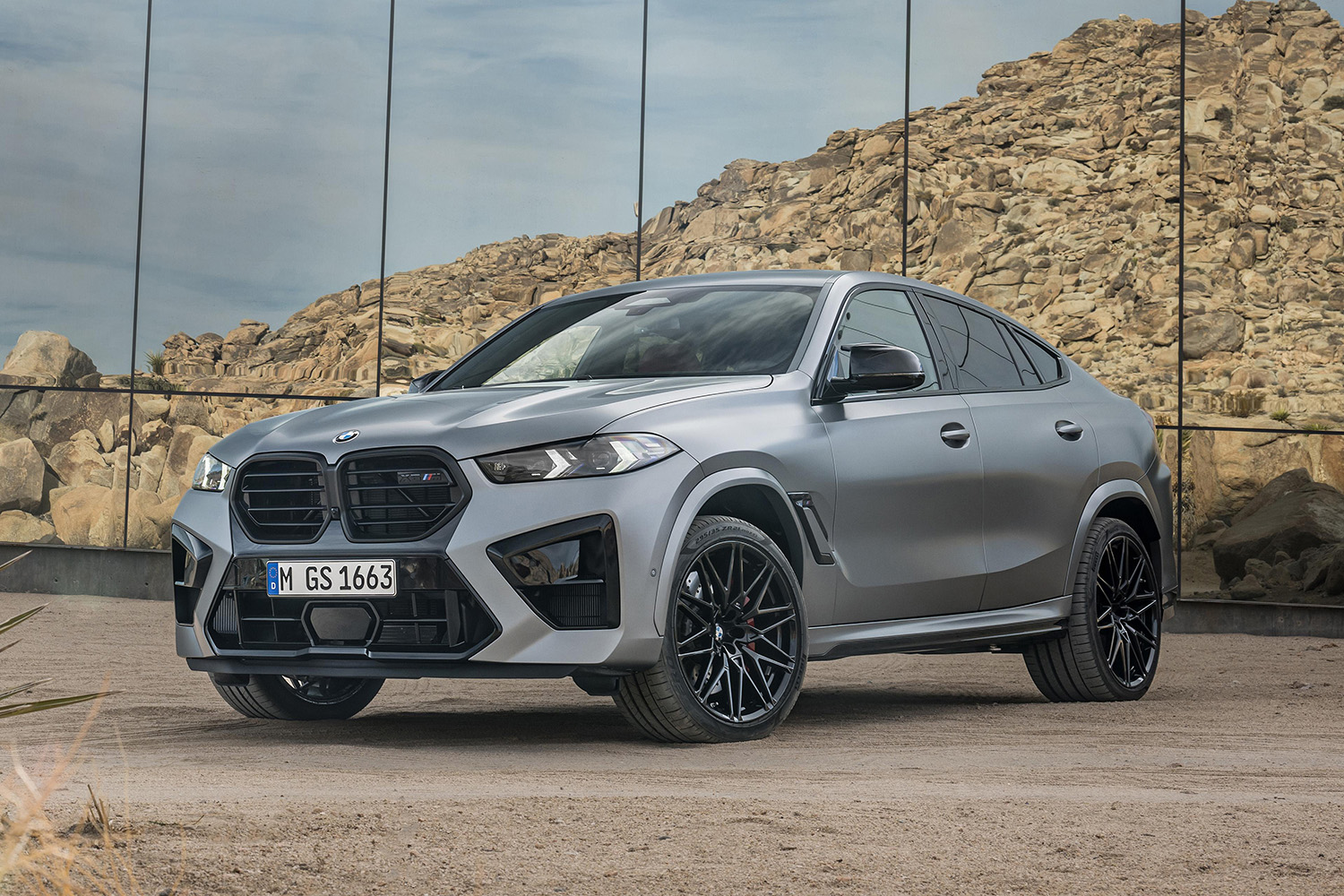
- The BMW X6 combines five-seat SUV access with a sloping coupé roofline and BMW road-focused character.
- The export line-up spans xDrive28i, xDrive30i, xDrive35i, xDrive40i and X6 M labels across different model years.
- The listed X6 examples use gasoline and automatic transmissions; named xDrive versions are four-wheel drive.
- New cars reduce condition uncertainty, while used cars can offer better trim access and lower entry exposure.
- Compare VIN-specific landed cost, destination approval and MOQ on the live listings before paying a deposit.
Why the BMW X6 matters for export markets
The BMW X6 sits in a distinctive middle ground between a performance SUV and a luxury coupe. It is a five-door, five-seat SUV with a sloping roofline, a large cargo opening and BMW-style xDrive variants, but it prioritises road-going comfort and styling over the boxier utility of a conventional SUV. That positioning gives overseas dealers a premium product for customers who need everyday passenger space yet do not want the visual bulk of an upright family SUV. Its niche is commercially meaningful in markets where premium badges, four-wheel drive and coupé styling already have established demand, although it remains a model to source selectively rather than as a high-volume fleet proposition.
Demand for a BMW X6 export unit is strongest where buyers already understand the brand and want a recognisable performance SUV with a more dynamic profile. Dealer and importer buyers can use it to fill a lifestyle-SUV gap between the X5 and BMW's lower, road-focused models. However, its four doors, rear hatch and five-seat layout make it less suitable for buyers seeking the upright packaging or cargo volume of a full-size SUV. Commercial appeal therefore depends on local premium demand, not merely the size of the Chinese vehicle catalogue. A focused marketing and homologation plan matters more than simply importing whatever is available.
For cross-border purchasing, the X6 also creates a specific due-diligence task: confirming that the vehicle's market specification, steering position and equipment will be accepted locally. Chinese-market vehicles and parallel-import descriptions can represent different histories, so a buyer should not assume that two vehicles carrying similar trim names are interchangeable. The live BMW X6 inventory is the appropriate place to identify the exact unit, while a written pre-shipment inspection should verify condition, documents and the physical configuration before the vehicle is committed to freight. This is particularly important for dealers serving RHD and tightly regulated markets.
- Five-door coupé SUV packaging combines passenger access, rear-hatch utility and a sloping roofline.
- Model-year and source-market differences matter as much as the xDrive, M Sport or M designation.
- Best suited to specialist premium-SUV importers rather than price-led volume fleets.
- Confirm steering, homologation and documents before committing a unit to freight.
Model range, trims and powertrain variants: how the lineup is structured and how to choose
The X6 line-up should be read by model year rather than as one fixed set of trims. Across the export examples available, named variants include xDrive28i, xDrive30i, xDrive35i and xDrive40i, while X6 M denotes the high-performance branch. M Sport, Luxury, Premium, Leading and other packages mainly describe equipment, trim and market content, and facelift labels mark changes during the model's production life. A dealer must therefore pair the trim name with the model year, not compare an older label directly with a newer car without checking what changed in equipment and market approval.
The export-relevant powertrain picture is predominantly gasoline, automatic and four-wheel drive. Several listed cars are explicitly described as 3.0-litre or 3.0T gasoline engines with an automatic transmission, while named xDrive versions indicate BMW's all-wheel-drive format. The entries do not support one displacement, output or fuel-consumption figure for the whole line, so buyers should verify the engine code, gearbox, drivetrain and emissions information for the selected vehicle. This X6 buying guide is therefore an ICE-focused selection tool, not an EV range or battery comparison, and should not be read as one.
A practical choice begins with the customer rather than the badge. Choose an xDrive model when the priority is secure all-weather traction, balanced road handling and a lower entry point into the range; consider the X6 M only when performance, braking capability and sportier dynamics justify the additional purchase and operating demands. Package choice should then reflect equipment preferences, but packages cannot cure a mismatch in steering, emissions or safety homologation. Request the VIN, build sheet and option list before promising a customer a specific wheel, upholstery, driver-assistance or audio configuration.
- Treat xDrive28i, xDrive30i, xDrive35i, xDrive40i and X6 M as model-year-dependent choices.
- Confirm engine code, automatic gearbox, drivetrain, emissions and VIN before reservation.
- M Sport and other packages describe equipment, not a substitute for local type approval.
- Compare road handling, fuel needs and equipment against the actual buyer, not badge image.
New vs used BMW X6: how export inventory is structured and how buyers choose
New BMW X6 export inventory is best treated as a mix of current-model and carryover vehicles rather than one homogeneous block. A newer unit may reduce uncertainty around wear, offer a more coherent specification and simplify merchandising for dealers that need a straightforward customer story. It can also carry technology and safety equipment unavailable on older cars. The trade-off is that comparing new units requires attention to model year, production timing and destination-market approval, while the higher acquisition commitment may accelerate depreciation once the vehicle enters the local market.
Used BMW X6 supply has a different structure. The available market includes earlier xDrive35i cars, later M Sport-labelled examples and parallel-import descriptions, which means buyers may encounter vehicles assembled for several source markets rather than one uniform Chinese specification. Used purchasing can improve value-per-equipment and make specific body styles or variants easier to obtain, but condition, service history, prior import status and remaining regulatory life become more important. A lower sticker price should never be treated as a lower landed cost if rectification, compliance work or major maintenance is likely.
For either route, condition verification must be vehicle-specific. Ask for the VIN, odometer reading, high-resolution exterior and interior images, cold-start video, underside photographs, service records and an independent inspection report. Confirm that the seller is the registered owner, that the vehicle can be transferred cleanly, and whether modifications, accident repairs, flood exposure or outstanding recalls are disclosed. For used units, request a mechanic's report before paying a balance; for new units, verify that the car has not been damaged in transport and that factory accessories are included rather than assumed.
- New units suit buyers prioritising current equipment, condition and warranty coherence.
- Used units can improve trim access, but service history and prior import status require stronger checks.
- Parallel-import and market-specific labels must be reconciled with the VIN and physical car.
- Use independent inspection evidence before releasing a used-vehicle balance.
How export pricing works: the factors behind a live listing price, and how to read one
A BMW X6 export price guide should separate the seller's vehicle price from the buyer's landed cost. The vehicle-side value moves with model year, trim, engine version, equipment package, mileage, condition, source-market specification and whether the unit is new or used. On top of that base come exchange-rate movements, inland transport, export handling, freight, marine insurance, inspection, port charges and import duties. Incoterms determine where responsibility transfers, but they do not remove taxes or compliance costs imposed by the destination country. The same listing can therefore produce different outcomes for two importers.
To read a live listing correctly, open the exact BMW X6 unit rather than relying on a category page or a remembered search result. Check the title against the pictures, then reconcile the stated trim, model year, engine, transmission, drivetrain, steering position, mileage and condition. Look for what is included: documents, keys, tools, mats, charging or accessory equipment where relevant, export paperwork and inspection. Treat the displayed amount as an asking point, not the final delivered cost, and ask for a written quotation with the Incoterm and validity period. Exact price, MOQ and availability are shown per unit in the live ChinaCarDirect inventory.
The most useful comparison is a like-for-like landed-cost worksheet. Put two or more shortlisted units on one sheet, then add the same freight assumptions, insurance, inland haulage, port fees, taxes, registration and compliance rectification to each vehicle. For example, a used xDrive35i may appear economical beside a newer xDrive40i M Sport, but the gap can narrow after condition work and market-specific modifications. Conversely, complete documents and a stronger warranty may justify a higher vehicle cost by reducing operational risk. A written quote tied to the VIN prevents the comparison from shifting when the live inventory changes.
- Separate the live vehicle asking price from freight, insurance, duty, taxes and inland delivery.
- Compare like-for-like vehicles using the same Incoterm and cost assumptions.
- Check the title, pictures, VIN, condition, included documents and equipment against the stated trim.
- Request a written, VIN-linked quotation with a validity period before transferring funds.
MOQ, ordering and payment: single units vs consolidating a container
Minimum order quantity is a seller transaction rule, not a universal characteristic of the BMW X6. A live supplier may accept one vehicle for a single-unit export order, while another may require several units of the same specification or mix. On ChinaCarDirect, read the MOQ shown on the individual product and confirm it in the quotation before placing a deposit. BMW X6 wholesale buyers should state the destination, required documentation and desired vehicle configuration in the initial request, since those terms can determine whether the supplier can offer single-unit fulfilment or a consolidated order.
Consolidating vehicles into one container can improve logistics for a dealer with several orders, but it should not be treated as automatically cheaper or simpler. Group vehicles only after checking destination-market compatibility, document timing, financing, insurance and handover arrangements. Mixing model years, trims or source specifications is possible, yet it complicates retail preparation and may create uneven compliance work. The commercial comparison should include savings in freight and handling against extra inspection, storage, demurrage and inventory risk. One vehicle per buyer is often simpler; a mixed container can be efficient when planned as a deliberate distribution programme.
A sound transaction moves from specification to a binding pro forma invoice. That document should identify the unit or agreed mixed consignment, vehicle prices, deposit and balance terms, payment method, inspection standard, Incoterm, export documents, estimated sailing window and refund or cancellation conditions. Verify the seller's legal identity, beneficial ownership of the vehicle and beneficiary details before transferring funds; never rely on informal screenshots for a material change. Inspect after production or arrival as agreed, retain every handover record, and release the balance only when the vehicle, documents and agreed standard match the contract.
- MOQ is set per supplier or listing and can differ between single-unit and consolidated orders.
- A written pro forma invoice should define price, payment, inspection, documents and Incoterm.
- Confirm the seller, vehicle ownership, beneficiary account and refund terms before paying.
- Mixed-container savings must be weighed against handling, storage and compliance complexity.
Shipping, homologation and market compliance caveats: LHD/RHD and import rules by country
Steering configuration is the first export caveat. Vehicles sourced through the Chinese market are commonly left-hand drive, whereas some destination markets require or strongly favour right-hand drive. An xDrive designation does not tell the buyer the steering position, and a parallel-import description does not prove local conformity. Ask for a clear dashboard and VIN photo, confirm the original market and whether any conversion has occurred, and obtain written local advice before ordering. A conversion adds cost, can affect parts, warranty and insurance, and may still leave safety or emissions approvals unresolved.
Homologation is jurisdiction-specific and cannot be proven by the trim badge alone. Import rules may require VIN verification, emissions compliance, type approval for lighting and safety systems, customs valuation, local taxes, registration and proof that the powertrain or electronic systems are permitted. Parallel imports can be treated differently from cars officially imported by the local BMW network, and used vehicles may face additional age or condition restrictions. Buyers should give the VIN and vehicle description to a customs broker or vehicle-compliance specialist before shipment, because a car physically arriving at the port is not automatically cleared for road registration.
Shipping method and cost depend on the vehicle's dimensions, weight, route, port, sailing schedule and cargo plan. A BMW X6 may travel by roll-on/roll-off vessel or in a container, with enclosed transport generally requiring suitable dimensions and securement. The buyer must budget inland collection, origin charges, freight, marine insurance, destination handling, demurrage, customs clearance and onward delivery; these can vary more than the base vehicle price. Original documents such as the export declaration, bill of lading, VIN paperwork and customs records must match the unit. Ask who is the importer of record, when risk passes, and what happens if the vehicle is damaged or the shipment misses the booking.
- China-market vehicles are commonly LHD; RHD availability must be confirmed by VIN.
- Parallel import, local distributor import and used-vehicle rules can follow different paths.
- Pre-clear emissions, lighting, safety systems, VIN, customs value and registration requirements.
- Build landed cost around freight, insurance, port charges, demurrage, duties and inland delivery.
Who should buy the X6 — and who should pick a different vehicle
The BMW X6 fits an overseas buyer who wants a premium, five-seat coupé SUV with BMW road-car character and xDrive traction. It is especially relevant to specialist dealers, performance-SUV importers and company-car programmes serving customers who value a sloping design, strong road presence and a BMW service proposition. A fleet requiring the lowest purchase cost, minimal maintenance variation, high towing capacity or three-row passenger accommodation will find the X6 harder to justify. The model should be sold on style, driving dynamics and brand appeal rather than on cheap utility or high availability.
Choose new when the target customer values current equipment, predictable condition and a straightforward warranty story, provided the source specification can be homologated and the carrying cost suits the market. Choose used when a particular trim, lower entry exposure or a favourable unit-level condition is more important than having the latest technology. A dealer should compare depreciation, expected downtime for repairs, parts availability, insurance class and residual value rather than claiming that used is always cheaper. For a first importer without technical support, a newer vehicle with complete documents and an inspection-backed condition report may reduce operational risk.
Several buyers should deliberately pick another vehicle. Those needing seven seats or a more upright, flexible rear area may prefer the BMW X5; those prioritising electric range and lower running costs should evaluate a battery-electric luxury SUV instead; and those wanting a simpler operating model may choose a more mainstream premium SUV with broad service coverage. A price-sensitive commercial fleet should also consider total cost of ownership rather than the X6's image. The right question is whether the X6 solves a customer need that alternatives cannot, not whether it is the most desirable badge in the segment.
- Best for specialist dealers and company-car buyers seeking five seats and coupé-SUV styling.
- New is generally easier to standardise; used can be better for targeted trim and value access.
- Choose the X5 or another SUV when seven-seat utility, cargo volume or lower operating cost dominates.
- Evaluate battery-electric alternatives when charging access and running costs outweigh petrol use.
Main rivals and how the X6 compares
The Range Rover Velar is one of the closest alternatives because it also combines a sloping SUV roof with five-door access and premium positioning. Velar buyers may favour its distinctive Range Rover presentation and luxury-oriented cabin character, while X6 buyers often prioritise BMW's driver-focused road manners and xDrive model range. Both can carry a high purchase and ownership cost, and neither makes sense without careful local homologation. Compare the exact engine, options, dimensions, tax treatment and service support; a broad badge comparison is less useful than a specification-level comparison.
The Mercedes-Benz GLE Coupe is another credible substitute for buyers who want a coupé-style SUV but prefer a different luxury marquee and model hierarchy. It is a close format comparison, although dimensions, powertrains and equipment do not map neatly one-for-one onto the X6. The GLE Coupe may appeal where Mercedes dealer coverage is stronger; the X6 may be more suitable where BMW familiarity and a sportier driving character lead the brief. Because both are substantial, heavily regulated vehicles, compare insurance bands, fuel use, parts logistics and homologation rather than relying on badge prestige.
The Audi Q8 occupies a similar design position and is a practical comparison for buyers who want a sloping SUV profile, quattro all-wheel-drive familiarity and a broad premium-SUV equipment set. An X6 may offer a more performance-oriented selection for certain buyers, whereas Q8 ownership can appeal to those already committed to Audi. The decision should be driven by exact powertrain, chassis specification, warranty support, local parts supply and true operating cost. Test the real vehicle when possible, and use the live BMW listing only for the X6 side of a VIN-level comparison, never as evidence that a rival will be cheaper or easier to approve.
- Range Rover Velar: alternative for luxury-led coupé-SUV buyers.
- Mercedes-Benz GLE Coupe: alternative for buyers prioritising Mercedes service coverage.
- Audi Q8: close design and all-wheel-drive-oriented alternative within the premium SUV class.
Live BMW X6 export inventory
View all listings →Real units currently on ChinaCarDirect with per-unit asking prices and MOQ. Availability updates live from the catalogue.
Used BMW X6 BMW BMW X6 2013 3.0T Automatic 5-Seater Gasoline (Parallel Import)
How to buy a BMW X6 from China
-
1
Define the destination brief
Record the destination country, LHD or RHD requirement, model-year preference, xDrive or M choice, seating needs and local restrictions before searching.
-
2
Shortlist from live inventory
When buying a BMW X6 from China, start with the live listings rather than a generic catalogue summary. Compare the exact title, photographs, VIN, trim, condition and equipment.
-
3
Request unit-specific evidence
Ask for an odometer reading, cold-start video, interior and underside photographs, service records, option list and an independent inspection report.
-
4
Run a compliance pre-check
Give the VIN and vehicle description to a customs broker or local compliance specialist. Confirm steering, emissions, safety-system, customs and registration requirements before shipment.
-
5
Request a landed quotation
Ask for a written, VIN-linked quote showing the vehicle price, MOQ, payment schedule, freight, insurance, taxes, port charges, delivery and Incoterm.
-
6
Approve the pro forma invoice
Ensure the invoice identifies the vehicle or consignment, inspection standard, documents, sailing window and refund conditions. Verify the seller, vehicle ownership and payment beneficiary before paying.
-
7
Inspect, document and ship
Complete the agreed inspection, retain handover evidence and release the balance only after checks pass. Use an experienced freight forwarder and customs broker for booking, insurance, export and delivery.
X6 vs rivals
| Range Rover Velar | Both are five-door coupé-SUVs in the premium segment. Velar may better suit buyers prioritising Range Rover luxury character, while the X6 is often more relevant to buyers focused on BMW road manners and xDrive choice; compare exact engines, dimensions, tax and service support. |
|---|---|
| Mercedes-Benz GLE Coupe | The GLE Coupe is a close format rival with a different marquee, model hierarchy and dealer network. It may suit Mercedes-oriented buyers, while the X6 may fit a brief centred on sportier character and BMW familiarity; compare VIN-level equipment and landed costs. |
| Audi Q8 | The Q8 is another close sloping-SUV alternative, with quattro all-wheel drive and a broad premium equipment range. The X6 may appeal more to performance-oriented BMW buyers, while Q8 may be easier for some fleets to support; compare service coverage, parts, powertrain and compliance. |
Frequently asked questions
How is BMW X6 export pricing determined?
Export value starts with year, trim, engine, package, mileage, condition and source specification; freight, insurance, exchange rates, duties, taxes and the Incoterm affect landed cost. The displayed amount on a live unit is an asking point, not necessarily the amount payable after all charges. Current per-unit price, MOQ and availability should be confirmed on the live BMW X6 listings and in a written quote tied to the VIN.
What engine and powertrain options are available for export?
The export examples in this catalogue are gasoline-powered, use an automatic transmission, and several are described as 3.0-litre or 3.0T. Named xDrive versions indicate four-wheel drive, but exact engine output and equipment vary by model year. There is no battery or electric range to quote; verify the VIN-specific configuration in the live listing.
Should an overseas buyer choose a new or used BMW X6?
New units generally offer more coherent specification and less wear uncertainty, but may depreciate faster and still need destination-market approval. Used units can provide better access to a specific trim or lower entry exposure, while making service history, condition and prior import status more important. Compare landed cost, expected repairs and residual value rather than assuming one route is always cheaper.
What is the MOQ for a BMW X6 order?
MOQ is a supplier transaction rule and can differ by listing, model mix and destination. A single-unit order may be possible, while some sellers may require a minimum batch or consolidated cargo. Read the product-level MOQ, then have it repeated in the pro forma invoice before paying; the live listing provides the current requirement.
How long does shipping take and what does it cost?
Transit time and freight cost depend on origin and destination ports, vessel schedule, cargo method, dimensions, insurance, customs handling and inland delivery. A delayed booking or demurrage can change the landed cost even when the vehicle price has not moved. Ask for the route, charge inclusions, Incoterm, risk-transfer point and estimate validity with the quote.
Can spare parts be ordered with the vehicle?
Order parts by VIN and exact model year whenever possible, and confirm cross-border availability, lead time and customs treatment before paying. A local BMW dealer may be more practical for warranty work, while non-OEM alternatives should be checked for safety and software compatibility. Parts can be consolidated with vehicle freight only if the forwarder and customs broker confirm it is permitted.
Is a right-hand-drive BMW X6 available for export?
Most X6 vehicles sourced from the Chinese market are left-hand drive, and RHD availability is not guaranteed by an xDrive trim name. Some source-market or parallel-import units may differ, so confirm the steering position, VIN and conversion history from actual photographs. The vehicle must also meet local type-approval, emissions, safety and registration rules; check these before ordering.
How do I order a BMW X6 from China?
Start with the live BMW X6 listings, shortlist units by destination-compatible trim and condition, and send one RFQ with your quantity, destination and documentary requirements. Obtain the VIN, option list, inspection evidence, current landed quotation, MOQ, payment schedule and Incoterm before paying a deposit. Release the balance only after the agreed inspection and document checks, then use an experienced freight and customs partner for delivery and registration.
Ready to source the BMW X6?
Request a current BMW X6 export quote, MOQ confirmation and shipment options from ChinaCarDirect.
Request a quote