
BMW Z4 Export Buying Guide for Overseas Dealers
Plan a BMW Z4 export purchase with practical guidance on trims, new versus used condition, live pricing, MOQ, shipping, homologation and rivals.
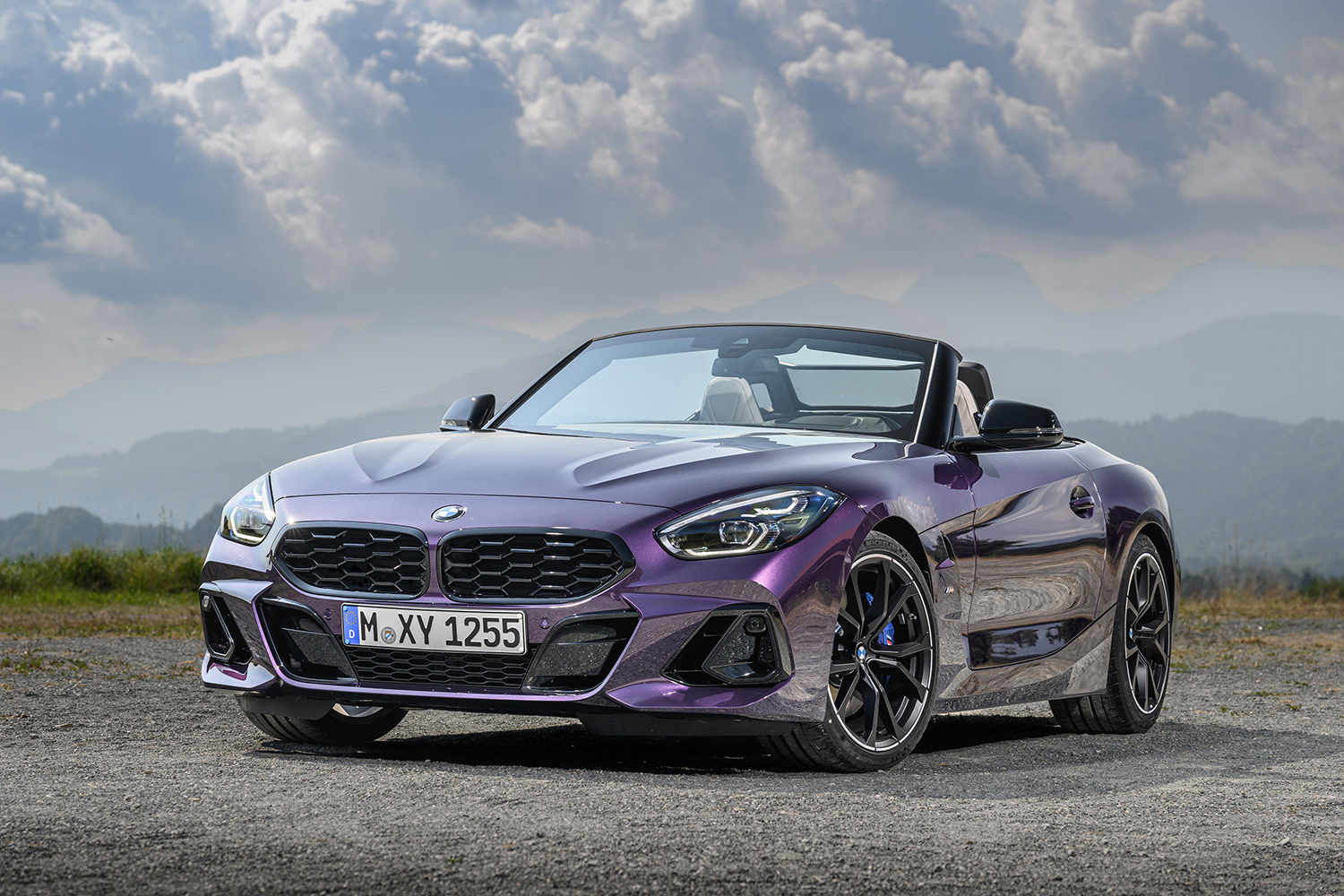
At a glance
- The BMW Z4 for export is a premium two-seat roadster suited to specialist dealers rather than high-volume fleet use.
- G29 sDrive versions balance everyday usability with sporting performance, while the M40i serves performance-led buyers.
- A used BMW Z4 requires close inspection of the roof, mileage, service records, accident history and model-specific parts.
- Export pricing is unit-specific and should be compared using the same condition, specification, Incoterm and destination.
- Steering side, customs treatment and destination-country homologation must be confirmed before committing to transport.
Why the BMW Z4 matters for export markets
The BMW Z4 occupies a focused position in BMW’s roadster range: a two-seat, rear-wheel-drive convertible built around a folding fabric roof. It combines sporting proportions and driver-oriented controls with everyday usability, but it is not a compact family car or a high-volume fleet model. That distinction matters for exporters because demand is strongest among premium dealers and lifestyle buyers who value brand image, open-air driving and a recognizable badge rather than low purchase cost or maximum cargo capacity. It therefore needs a carefully chosen market position rather than a broad-volume sales assumption.
For overseas buyers, the Z4 can fill a gap between a conventional premium coupe and a more expensive exotic roadster. It works as a showroom halo model, a destination for test-drive events, or a limited experiential rental where vehicle protection and downtime can be controlled. It can also suit a private buyer seeking a practical weekend car with enough refinement for road trips. These use cases support targeted distribution, although parking size, fuel use and limited luggage capacity make it less convincing as an all-purpose fleet. Its export case is therefore credible but specialist, with sales dependent on curation and after-sales support.
Export relevance also changes across generations. The market can include older E85- and E89-era Z4s as well as the newer G29 roadster, and the two are not direct substitutes in maintenance, pricing logic or buyer expectations. Newer cars bring a more modern cabin, powertrain and safety architecture, while older examples may appeal to buyers seeking established styling or a lower acquisition burden. Any dealer mixing model years should verify the exact generation, factory options and repair implications before presenting a vehicle as equivalent rather than simply grouping them by model name for resale planning.
- Two-seat, rear-wheel-drive roadster positioning.
- Distinctive halo model for premium dealers.
- Generation and condition drive buyer fit.
Model range, trims and powertrain variants: how the lineup is structured and how to choose
On the G29-generation Z4, the hierarchy is built around sDrive20i, sDrive30i and M40i versions, with equipment packages layered over the core cars. The export catalogue can also show earlier designations such as sDrive23i, sDrive25i, sDrive30i, 2.5si, 3.0si and special editions. When comparing BMW Z4 specs, trim names are useful shorthand, but they are not a complete specification: engine, transmission, chassis, roof, paint and bundled packages can distinguish two vehicles carrying similar labels. Buyers should therefore compare the full listing and VIN, not order from a badge alone or assume every M Sport car has identical performance.
The sDrive20i is the entry point for buyers prioritizing efficiency, comfort and manageable running costs rather than maximum performance. The sDrive30i adds a stronger version of the four-cylinder character and is often the more engaging all-round choice for enthusiasts. The M40i is the performance-oriented flagship, pairing BMW’s turbocharged inline-six with more performance hardware and a firmer, less compromising brief. For export use, the right choice depends on local fuel prices, tax bands, road conditions and the premium buyers are willing to pay. A bad specification match can make a sound car commercially difficult to place.
Mechanically, the modern Z4 is a rear-wheel-drive roadster with an eight-speed automatic transmission and a power-folding fabric roof. These elements make it straightforward to compare with other two-seat convertibles, while the absence of a conventional upright body means luggage space and entry comfort remain secondary. M Sport, Shadowline, Shadow Edition and similar names mainly describe equipment or appearance bundles; they may include steering, suspension or brake changes, but the package label alone does not prove a particular specification. Confirm the original build sheet or ask the seller for the relevant equipment list.
- sDrive models prioritize accessible performance.
- M40i serves the performance-led buyer.
- Package names require item-level verification.
New vs used BMW Z4: how export inventory is structured and how buyers choose
A live BMW Z4 export inventory is best understood as a mixed marketplace rather than a single factory programme. It can contain new vehicles sourced through trade channels, nearly new dealer stock and used cars offered for resale. The condition label is only the starting point. New cars reduce uncertainty about wear and refurbishment, whereas used roadsters demand closer scrutiny because age, mileage, service history and previous ownership can materially affect value and repair risk. The correct comparison is therefore like-for-like specification, age, condition, service history and ownership risk in the destination market.
For a used BMW Z4, inspection should focus on the areas that distinguish an ageing roadster from a well-kept one. Check the roof fabric, folding mechanism, boot floor and seals for water ingress or corrosion; inspect tyre age and wear as well as brake condition; and look for evidence of accident repair. Engine service history, cooling-system condition and the condition of any hardtop are also important. If the car is an earlier E85 or E89, buyers should research model-specific parts and electronic issues rather than assuming it shares the G29’s maintenance needs.
A new or nearly new Z4 can be easier to merchandise because its condition is easier to describe and its remaining factory coverage may be clearer, but buyers should verify what that coverage includes and whether it transfers outside China. Delivery age, option content, paint condition and the date of first registration still affect comparability and resale. For an overseas buyer, the best choice is not automatically the newest car: it is the vehicle that matches the intended customer, provides documented service support and can be landed within the dealer’s budget and warranty plan.
- New cars simplify condition comparison.
- Used Z4s demand roof and leak checks.
- Warranty transfer needs written confirmation.
How export pricing works: the factors behind a live listing price, and how to read one
A BMW Z4 export price guide should be read as a methodology, not a fixed valuation. The underlying vehicle price moves with model year, generation, trim, engine, equipment package, mileage, condition, paint and whether the seller is presenting a new or used car. Export-related variables then sit on top of that value: the seller’s cost of acquiring the car, currency movements, local charges, insurance, freight and the Incoterm that defines responsibility for the journey. Two apparently similar Z4s can therefore carry different commercial totals once destination-specific charges are added correctly and disclosed.
When reading a live listing, separate the displayed vehicle amount from the final delivered or landed commitment. Confirm the currency, whether the amount is negotiable, which taxes or registration fees are included, and whether transport, insurance, documentation and destination charges are excluded. Also check the stated condition, odometer, registration date and whether the car is export-ready in its current form. A photograph of a clean body cannot establish roof condition, accident history or mechanical integrity, so the listing should be treated as a lead until records and a professional inspection support it.
For a valid comparison, build like-for-like quotations: same year, trim, package level, condition, mileage band, fuel type and steering side, with the same Incoterm and destination. Ask each seller to state what is excluded, the validity period, payment milestones and any condition on release after inspection. Exchange rates and shipping capacity can move before a deal closes, so a quotation should not be treated as open-ended. Buyers can use the live BMW Z4 inventory to establish the current per-unit asking price and availability, then request a written destination-specific quote for the unit they actually intend to purchase.
- Compare like-for-like vehicle specifications.
- Separate vehicle price from landed cost.
- Request written, destination-specific quotations.
MOQ, ordering and payment: single units vs consolidating a container
Minimum order quantity is a seller and listing term, not something an overseas buyer should infer from the model’s popularity. Some Z4 offers may be available to individual purchasers, while a seller may require a lot for certain new vehicles or accept a used-car order only on its own terms. The current MOQ must be checked on the live listing and repeated in the quotation or pro forma invoice. If a dealer needs several units, it is better to discuss a mixed model-year plan than assume every car qualifies for the same purchasing route.
Consolidating several Z4s can reduce per-vehicle freight and give a retailer a more balanced showroom, but it also concentrates risk. Different generations, steering configurations and equipment levels may complicate one import file, while tying up cash in slower-moving specialist cars can weaken the economics of a shipment. For BMW Z4 wholesale planning, a container plan should be assessed against expected local demand, holding costs and parts support, not freight savings alone. For a first purchase, a single inspected unit may provide better market learning before committing to a larger wholesale movement under one commercial contract.
The ordering sequence should be controlled rather than improvised. Select the exact listing, request a written quote and pro forma invoice, agree the deposit and balance milestones, and verify the seller’s legal entity and payment instructions. The inspection and document plan should be written into the contract, including what happens if the car differs from its description. After final payment, the buyer should confirm export release, transport handover, customs paperwork and tracking. ChinaCarDirect’s contact channel can be used to request these details and a destination-specific RFQ for one vehicle or a proposed group.
- Confirm each listing’s current MOQ.
- Consolidation lowers freight, not all risk.
- Contract inspection, payment, and release terms.
Shipping, homologation and market compliance caveats: LHD/RHD and import rules by country
Steering configuration is the first practical export check. China-origin examples are commonly left-hand drive, but the exact configuration must be verified because some special editions, imported used cars or market-specific conversions differ. A right-hand-drive requirement can affect model availability, steering components, controls, visibility and parts planning, and a later conversion may not restore factory integration or warranty terms. For a dealer, matching local driving habits is commercially important, but conversion cost should never be estimated from the model badge alone. Ask for a clear photograph of the steering position and VIN details.
Import compliance is determined by the destination, not by the fact that a car was sold in China. Authorities may require VIN verification, customs valuation, proof of ownership, emissions approval, roadworthiness, safety or noise compliance, and payment of duty, taxes and registration charges. Used vehicles can face additional age restrictions, inspection rules or parts restrictions, while modified lighting or steering arrangements can create further obstacles. These requirements vary and change, so the importer or local specialist should confirm the route in writing before the vehicle is shipped; a listing alone cannot establish homologation.
Transport method should match the vehicle, route and protection requirement. Depending on the shipment, a Z4 may travel as a used vehicle on a Ro-Ro carrier, in an enclosed specialist service or, less commonly, on a flat rack with suitable tie-downs and weather protection. Low overall height, securement points, battery isolation for the vehicle electronics and insurance terms all need checking with the forwarder. The handover process should record bodywork, roof mechanism, wheels, tyres and interior condition, and photographs should be timestamped. Neither a clean bill of lading nor a release document proves mechanical condition.
- Verify steering side before purchase.
- Confirm destination-country homologation requirements.
- Document condition at carrier handover.
Who should buy the Z4 — and who should pick a different vehicle
The Z4 is a strong fit for a premium dealer with a demonstrator or lifestyle-led sales programme, especially where the brand already has service capacity. It also suits an enthusiast buyer who values rear-wheel-drive balance, an open roof and a compact two-seat footprint more than practicality. A specialist rental company may use it for premium leisure or customer-experience vehicles, provided utilization, insurance and off-season holding costs are managed. In these cases, careful trim selection and realistic preparation matter more than chasing the widest possible model range within the local market and its service network.
A different vehicle makes more sense when the buyer prioritizes daily running economy, family usability, all-weather security, substantial luggage space or high-volume fleet deployment. The Z4’s two-seat layout and limited cargo area cannot disguise those needs, and a modified or poorly supported example may add ownership friction. A premium coupe or four-seat convertible may serve a broader customer base, while a lower-maintenance used sports car may suit a driver who accepts less refinement. The decision should be based on utilization and total ownership needs, not simply on the prestige of owning a roadster.
Before committing, an overseas buyer should test the decision against five operating questions: Is the local road network suitable for a low, powerful car? Can the workshop support the selected generation? Are tyres, brakes, roof work and electronic service likely to be available? Is there enough demand for a two-seat convertible at the planned price? Can a right-hand-drive or homologation requirement be met without compromising the vehicle? A short written scorecard comparing these points, plus a professional pre-purchase inspection, is more reliable than choosing on appearance or a favourable badge. The best Z4 is not merely the most attractive one, but the one the local business can support profitably.
Main rivals and how the Z4 compares
The Audi TT Roadster is the closest conceptual rival because it is also a compact two-seat convertible with turbocharged engines and a focus on style. Its quattro all-wheel-drive availability can appeal where buyers want added traction, although not every market or trim has that option. The Z4 generally emphasizes rear-wheel-drive dynamics, a broader performance hierarchy and a more driver-focused modern cabin. Dealers should compare actual local configurations, service costs and boot space rather than treating the two as interchangeable badge alternatives. The right choice often comes down to local parts support and buyer familiarity.
The Porsche 718 Boxster is the more direct performance and prestige alternative in the roadster niche. It offers a comparable two-seat, mid-engined-style concept but generally commands a higher acquisition outlay and running cost, with price differences magnified by local taxes and service arrangements. The Z4 usually presents a more accessible way into premium open-top ownership, while the Boxster may better satisfy buyers focused on sports-car pedigree. Neither should be ordered without checking the precise engine, transmission, steering side and destination-market specification. Service coverage and the buyer’s resale expectations should also be compared.
The Mercedes-Benz SL-Class offers a different interpretation: a front-engined, two-seat luxury roadster with a folding hard top and a greater emphasis on grand touring than the Z4. It is generally larger and more expensive, can be heavier to operate, and may feel less focused for a driver seeking a compact sports roadster. A buyer who values a retractable hard roof, broader luxury equipment or relaxed high-speed touring may prefer the SL; one who prioritizes compact dimensions, rear-drive balance and a lower ownership threshold may find the Z4 more suitable overall in practice.
Live BMW Z4 export inventory
View all listings →Real units currently on ChinaCarDirect with per-unit asking prices and MOQ. Availability updates live from the catalogue.
How to buy a BMW Z4 from China
-
1
Define the target specification
Set the destination, required steering side, new-versus-used preference, acceptable generation and target trim. Also establish the expected retail positioning before selecting a vehicle.
-
2
Review matching live inventory
Buyers who want to buy a BMW Z4 from China should compare matching year, trim, condition and mileage entries in the live inventory. Treat each listing as a specific vehicle rather than a generic model.
-
3
Request a written quotation
Ask the seller for the vehicle price, included charges, freight basis and Incoterm, with the destination clearly stated. Request the current per-unit price, availability and quotation validity in writing.
-
4
Verify build and compliance
Confirm the VIN, engine, transmission, steering configuration, factory options, ownership documents and destination-market compliance requirements. Obtain local customs or homologation advice before paying the balance.
-
5
Inspect and approve the vehicle
Use a professional pre-purchase inspection, with extra attention to the roof, accident history, engine, tyres and brakes. Record any discrepancies in the purchase contract and release condition.
-
6
Confirm payment and release terms
Review the pro forma invoice, payment milestones, refund or dispute process and inspection conditions before sending funds. Verify the seller entity and payment account independently.
-
7
Arrange transport and import
Choose an appropriate carrier and insurance basis, then confirm export release, handover documentation and customs responsibilities. Photograph the vehicle at handover and retain condition records through delivery.
Z4 vs rivals
| Audi TT Roadster | The TT is a closer size-and-concept alternative with a strong styling focus, while the Z4 generally offers a broader performance hierarchy and a more driver-focused modern setup. Quattro availability on the TT may suit buyers seeking additional traction. |
|---|---|
| Porsche 718 Boxster | The 718 Boxster is the more performance- and prestige-focused direct rival, generally with higher acquisition and running costs. The Z4 is usually the more accessible premium roadster for buyers who want BMW character without the highest sports-car outlay. |
| Mercedes-Benz SL-Class | The SL-Class is a larger, more luxurious roadster with a folding hard top and stronger grand-touring emphasis. It may suit buyers prioritizing comfort and open-top refinement, while the Z4 favors compact dimensions, rear-wheel-drive balance and a more focused sports character. |
Frequently asked questions
How is the BMW Z4 export price determined?
The live vehicle price reflects factors such as year, generation, trim, package, mileage, condition and whether the car is new or used. Freight, insurance, exchange rates, local charges and the chosen Incoterm affect the final commercial total. Check the live listings for the current per-unit asking price, then request a written destination-specific quote.
Is the BMW Z4 electric, and what powertrain options are available?
The Z4 is a petrol-powered roadster, so EV range, battery capacity and charging figures do not apply. The G29 range includes turbocharged four-cylinder sDrive versions and the turbocharged six-cylinder M40i, while older used Z4s can carry different engine designations. Confirm the exact engine and transmission in the live listing.
Should an overseas buyer choose a new or used BMW Z4?
A new car generally offers easier condition description and less visible wear, while a used Z4 can suit buyers seeking an established generation or lower acquisition burden. Used examples require greater scrutiny of mileage, service records, accident history, roof condition and model-specific parts. Compare equivalent specifications and total ownership requirements rather than relying on age alone.
What is the MOQ when buying a BMW Z4 from China?
MOQ is determined by the individual seller and listing, so there is no safe blanket assumption for every BMW Z4 offer. Some sellers may accept an individual vehicle, while others may require a lot or impose specific conditions on new and used cars. Confirm the current MOQ on the live listing and in the written quotation or pro forma invoice.
What determines shipping time and cost for a BMW Z4?
Transit time and freight depend on origin and destination ports, carrier schedule, booking availability, transport method, vehicle dimensions, insurance and the selected Incoterm. Customs clearance, inspections and inland delivery can add time after arrival. A forwarder should provide a route-specific quotation rather than a generic international estimate.
How should an overseas buyer plan BMW Z4 spare parts?
Identify the vehicle’s exact generation and VIN before ordering parts, because E85, E89 and G4-related components should not be treated as interchangeable. Check the destination BMW network for roof, electrical, body and engine support, and source China-only parts through a reputable exporter. For a used car, obtain a parts inventory and inspection report before purchase.
Is a right-hand-drive BMW Z4 available for export?
China-origin Z4s are commonly left-hand drive, so right-hand-drive availability must be checked for each listing rather than assumed. Some market-specific cars may differ, and a later conversion can affect controls, parts, warranty and homologation. State the steering-side requirement in every quotation and verify it from photographs and the VIN.
How do I order a BMW Z4 through ChinaCarDirect?
Choose a relevant live listing, confirm the unit-level specification and request a destination-specific quotation and RFQ. Before payment, verify the VIN, documents, inspection terms, pro forma invoice, payment milestones and shipping plan. The vehicle should be released only after the agreed inspection and documentary checks are completed.
Ready to source the BMW Z4?
Request a current BMW Z4 quotation with your destination, preferred trim, condition and Incoterm through ChinaCarDirect.
Request a quote