
Buick Enclave Export Buying Guide for Overseas Buyers
Buy a Buick Enclave from China with confidence. Compare trims, engines, seating, export pricing, MOQ, shipping and market compliance before ordering.
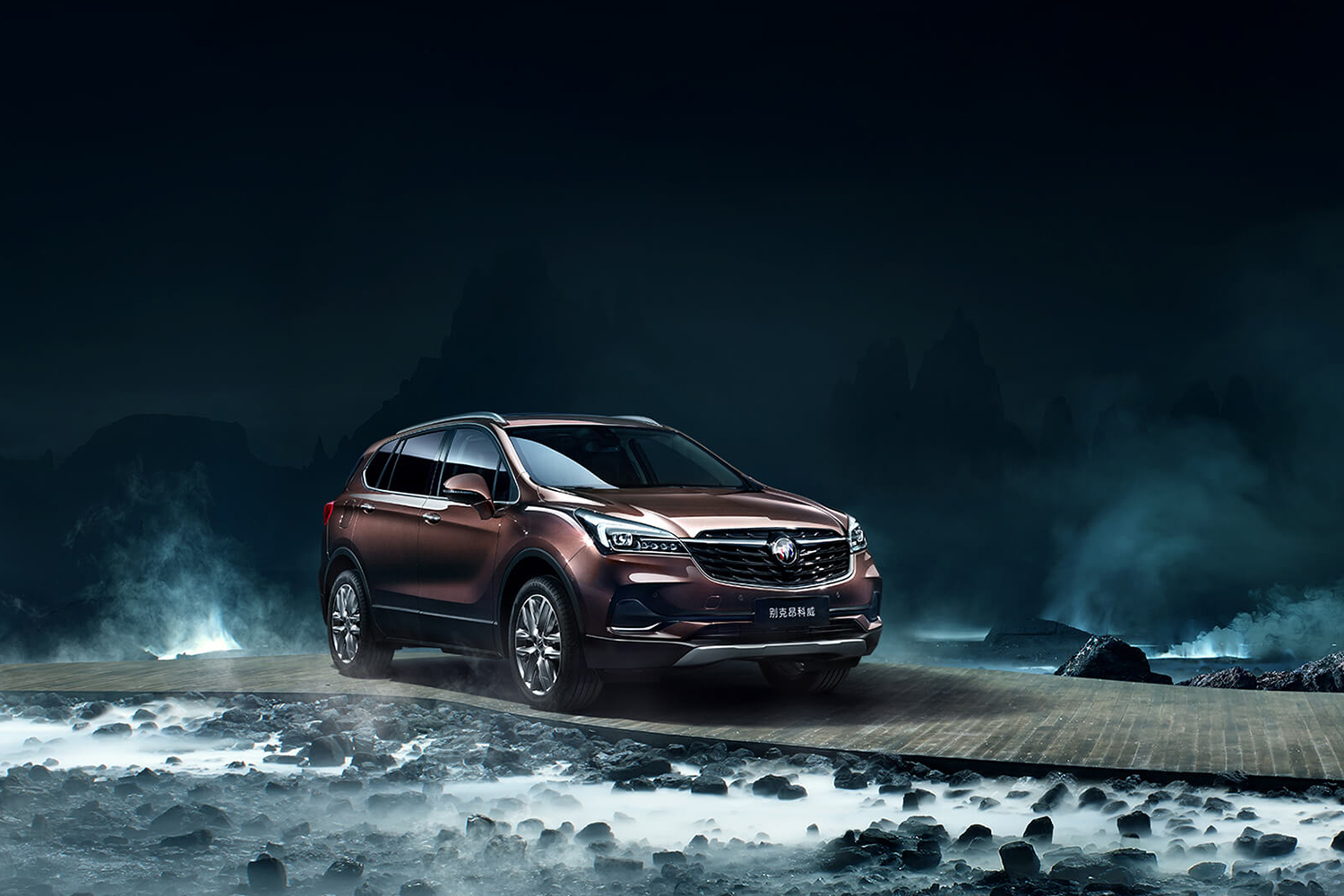
At a glance
- The Enclave is a road-focused, three-row midsize SUV with five-, six- and seven-seat options.
- The export range spans Enclave S, Plus and Avenir grades with 28T, 552T, 652T and 3.6L powertrain designations.
- Buick Enclave for export buyers should match seating, drive system, engine and local fuel rules before considering equipment.
- New vehicles suit uniform fleets; used Buick Enclave choices demand documented mileage, history and condition.
- A live listing price is only the vehicle's commercial starting point; confirm a destination-specific landed quote and current MOQ.
Why the Buick Enclave matters for export markets
The Buick Enclave occupies a useful middle ground in the global three-row SUV segment: it offers Buick's established comfort-oriented positioning, a sizeable passenger cabin and available five-, six- or seven-seat layouts without moving into the price and operating footprint of a full-size off-road SUV. For overseas dealers and fleet buyers, that combination makes it relevant where families, executive transport operators and hotel groups need a road-focused people carrier that still feels more premium than a basic utility model. Its greatest export appeal is therefore practical versatility rather than niche off-road capability.
Global demand is not driven by one specification, but by the Enclave's ability to combine family-room practicality with familiar Buick design and premium cabin positioning. The export-facing catalogue spans Enclave S, Plus and Avenir grades, facelift designations, and multiple drive and seating configurations. That breadth lets importers adapt a vehicle to local road conditions and customer preferences, although each market should verify whether the exact Chinese-market trim is appropriate for local homologation, servicing and resale positioning. It is better viewed as a configurable family SUV than as a single global specification.
For overseas buyers considering a Buick Enclave for export, the model's relevance often appears in practical fleet scenarios: moving hotel guests, airport VIPs, business families or mixed passenger-and-luggage groups across paved networks. Three-row packaging can improve utilization compared with a sedan, while the road-oriented platform is generally easier to own and fuel than a large off-road-derived SUV. The decision should still be commercial rather than emotional: compare payload, luggage space, fuel rules, service access and local residual values before committing to a particular Enclave variant. A live listing then becomes the starting point for confirming the exact vehicle, not the final landed-cost decision.
- Three-row practicality for family, executive and hotel use
- Buick comfort positioning in the midsize SUV class
- Multiple seat, drive and trim configurations
Model range, trims and powertrain variants: how the lineup is structured and how to choose
Buick structures the range through model names, grade names and powertrain designations rather than one simple trim ladder. Enclave S, Enclave Plus and Avenir identify broad positioning, while Premium, Luxury, Elite, Flagship and related labels describe individual equipment packages. Engine identifiers include 28T, 552T and 652T, with a 3.6L version appearing in certain listings. Because the same visible grade may be paired with different seating, drive systems and facelift treatments, buyers should read the complete vehicle name and build description rather than selecting from the badge alone before carefully comparing options.
Seating is a particularly practical starting point. The export range includes five-seat versions for buyers who prioritize second-row space and luggage capacity, six-seat configurations for balanced family use, and seven-seat models for larger groups or commercial passenger duties. Two-wheel-drive/front-wheel-drive and all-wheel-drive/four-wheel-drive configurations also appear. A five-seat AWD vehicle and a seven-seat front-drive vehicle can carry the same grade name, so seat count and drive layout must be filtered as separate decisions. This distinction is essential when calculating passenger capacity, road access requirements and the likely cost of each configuration.
For powertrain choice, the 28T designation is associated with the turbocharged 2.0-liter gasoline family, as are the 552T and 652T versions, while 3.6L identifies the larger V6 option. These engines should not be assumed interchangeable in output, equipment or local tax treatment. Confirm the engine, automatic transmission, drive system and any hybrid-assistance equipment on the actual unit. Since the Enclave is gasoline-powered rather than battery-electric, range comparisons should use expected on-road efficiency and fuel availability, not an EV range figure. A verified build sheet is more useful than a grade badge when preparing a tender.
- Choose seating capacity before equipment level
- Separate 2WD/FWD from AWD/4WD requirements
- Verify engine and transmission per unit
New vs used Buick Enclave: how export inventory is structured and how buyers choose
Export inventory for the Enclave is layered by model year and condition rather than consisting of one identical batch. Newer Chinese-market examples, including facelifted S, Plus and Avenir derivatives, offer buyers more direct access to current design and equipment. Used export stock includes earlier Enclave generations and variants such as 28T Premium, Flagship and Avenir. This mixed structure is useful: a dealer can source a nearly current vehicle for a premium fleet while using an earlier used example to serve a more price-sensitive segment without treating the two as interchangeable products.
New inventory is usually the cleaner decision for buyers who value current styling, newer electronics, uniform specification and the lowest uncertainty about prior use. A used Buick Enclave can reduce acquisition exposure and may be attractive when its condition, mileage and service history are well documented. However, age can bring deferred maintenance, wear, replaced parts, prior repainting or model-year technology gaps. The lower sticker price of a used unit may also disappear once shipping, taxes and corrective work are included, so buyers should compare total delivered cost rather than purchase price alone.
For a used vehicle, condition assessment should be treated as a separate workstream from trim research. Ask for the VIN, production or model year, exact trim, engine and drive configuration, mileage, ownership history, service records and evidence of accident or flood repair. Inspect the exterior, interior, tires, underbody, cold start and diagnostic scan, and verify that claimed equipment is present. For any vehicle, confirm that the identifying details on the physical unit match the listing and the documents intended for export. This protects the buyer from paying for a configuration that cannot be delivered.
- New units suit uniform fleets and current equipment
- Used units need mileage, history and condition scrutiny
- Match the physical VIN to export documents
How export pricing works: the factors behind a live listing price, and how to read one
In a Buick Enclave export price guide, the live asking price is the starting commercial value of a particular vehicle, not necessarily the landed amount at the destination. Its main drivers are model year, trim, engine designation, seating, drive system, factory options and whether the unit is new or used. Vehicles with scarce configurations can move differently from standard equivalents, while condition and completeness alter used-unit value. The displayed figure may also depend on the seller's commercial terms, so the Incoterm and included services must be established before comparing it with another quotation on a like-for-like basis.
Used-unit pricing responds to evidence that can be inspected, not merely to a mileage number. Service history, accident repair, paint condition, tire and brake wear, interior condition, warranty position and completeness of keys, tools and documents can all affect value. A well-documented unit may command a stronger position, while an attractive asking price can conceal expensive rectification. Buyers should ask the seller to identify every known defect and agree the remedy, inspection standard and documentation package before paying the balance. This protects the transaction from disputes over condition after dispatch or arrival.
The buyer's real comparison is the landed cost. After the vehicle price, add or clarify freight, marine insurance, port handling, inland transport, import duty, consumption or registration taxes, VAT or sales tax, customs brokerage, inspection, storage and local registration charges. Exchange rates and Incoterm allocation determine who bears each stage and when. Use the [live Enclave listings](https://chinacardirect.com/products?q=Enclave&brands%5B%5D=932) to identify the current per-unit asking price, then request a written destination-specific quote; do not treat a catalogue figure or a historical range as the final payable total. Each market has its own calculation and documentation.
- Compare identical year, trim, engine, seats and drivetrain
- Separate vehicle price from freight and import charges
- Use current per-unit quotes in live listings
MOQ, ordering and payment: single units vs consolidating a container
For a Buick Enclave wholesale order, minimum order quantity is a commercial term that should be confirmed on the vehicle and quotation, not assumed from a general marketplace or from the fact that some sellers serve individual buyers. A dealer may be able to reserve one Enclave for a pilot sale, customer courtesy unit or small fleet, while another seller or consolidated shipment may impose different terms. State the quantity required and ask whether the stated MOQ applies to that SKU, the model family or a negotiated container order. The binding answer should appear in the order confirmation.
Single-unit buying offers control over a specific vehicle's specification and condition, but it can expose the importer to container inefficiency and higher per-vehicle freight allocation. Consolidating several Enclaves may improve logistics only if the units are compatible in year, emissions standard, condition, color and trim positioning. Mixed fleet shipments also require unit-level records, because one vehicle's defect cannot simply be averaged against another. Compare the factory and shipping cost of a consolidated order with the administrative and inspection burden of handling separate purchases before choosing the route, including contingency requirements.
When a buyer is ready to buy a Buick Enclave from China, the normal ordering sequence is inquiry, specification confirmation, written quotation, buyer and seller information, agreement, deposit, production or stock confirmation, inspection, balance payment, document release and freight booking. The exact sequence and acceptable payment arrangements depend on the seller and destination, so ask for them in writing rather than assuming a universal process. Confirm the invoice currency, ownership terms, refund or remedy conditions, inspection standard and document names before sending funds. ChinaCarDirect's [RFQ channel](https://chinacardirect.com/contact) is the appropriate place to request these unit-specific terms and to compare live listing options directly.
Shipping, homologation and market compliance caveats: LHD/RHD and import rules by country
Steering configuration is the first destination-specific check. Vehicles produced for the Chinese market are predominantly left-hand-drive, so a buyer in a right-hand-drive country cannot assume local availability or treat the steering side as a simple conversion. A right-hand-drive Enclave would need to be sourced in the correct build specification, and local approval of its configuration may still be necessary. State the destination and required steering side before requesting a vehicle, then verify the physical cabin, VIN and supporting documents against that requirement before committing to freight or import arrangements in that market.
Homologation is separate from shipping and should be investigated before payment. Depending on the country, imported vehicles may need local type approval, emissions compliance, safety-equipment checks, a Certificate of Conformity, customs valuation and registration. Used vehicles can face additional age, emissions or inspection restrictions, while locally tuned infotainment compatibility or fleet operating standards may also be relevant. The importer of record should confirm the exact applicable rule set and whether the Chinese specification is eligible; a seller shipping the vehicle does not by itself establish regulatory acceptance in the destination market.
Shipping mode should follow vehicle size, port infrastructure, route reliability and commercial urgency. Enclaves may move by roll-on/roll-off vessel, container or a combination of sea, rail and road, but the carrier must confirm that the selected unit and its dimensions fit the available equipment. Costs and lead times vary with origin and destination ports, container availability, transshipment, congestion, insurance and inland haulage. The export file should reconcile the VIN, commercial invoice, packing list, title or ownership evidence, export declaration and transport document before release with the physical vehicle and purchase contract.
- Confirm left- or right-hand drive before ordering
- Validate local type approval and registration rules
- Reconcile VIN and export documents before release
Who should buy the Enclave — and who should pick a different vehicle
The Enclave fits buyers who need passenger capacity and a premium, comfort-led SUV more than extreme off-road ability. Families with five, six or seven occupants, executive-transfer operators, airport services, hotels and rental fleets can benefit from its road manners and Buick identity. It is also relevant where a single platform must cover both private use and occasional group travel. The strongest case appears when local fuel, road and service conditions suit a gasoline SUV and the operator values a calm cabin, recognizable branding and flexible seating over commercial payload requirements.
It is a weaker fit for buyers with a very low vehicle budget, substantial cargo or towing needs, rough-road requirements, or a market that prioritizes zero-emission operation. A premium family SUV can become expensive once fuel, insurance, maintenance and import charges are added, while its road-focused design may not suit severe off-road duty. Buyers needing an EV should not interpret the Enclave range figures as an electric range; this export line is gasoline-powered. Those needing a commercial van should consider a purpose-built cargo platform rather than a passenger SUV with occasional third-row use.
A sound purchase decision compares the Enclave's delivered operating cost and local support with at least three credible alternatives. Check whether dealers near the delivery point can service the exact engine and retain the trim's common parts, whether software and infotainment are suitable for the fleet, and whether regional resale expectations favour a particular powertrain. For an RHD market, parts and service continuity may matter more than a small catalogue difference. The right choice is the variant that meets the operating requirement at a sustainable total cost, not necessarily the highest grade or newest model year.
Main rivals and how the Enclave compares
The Hyundai Palisade is a close family-SUV competitor because it targets similar three-row buyers with a mainstream dealer proposition. It can appeal to importers seeking a simpler model-and-market proposition, while the Enclave offers a distinct Buick cabin identity, multiple Chinese-market grades and the unusual option of five- or six-seat layouts in addition to seven seats. Compare local service coverage, fuel consumption, safety equipment and the actual delivered package. A familiar rival may be easier to support, but trim badges alone do not establish the better commercial vehicle in either direction.
The Ford Explorer occupies a related but often more utility-focused position. It can be attractive where towing, cargo flexibility or a more powerful V6 choice matters, but those priorities can bring higher fuel and purchase costs. The Enclave's road-oriented Buick presentation and range of comfort-oriented grades may suit private buyers, hotels and executive fleets that do not need maximum towing capability. Availability, engine rules and aftersales support vary by country, so the fair comparison is the exact local specification and landed cost rather than the badges or screen sizes alone.
The Mazda CX-9 is another useful benchmark for buyers who value driving character and a more restrained family-SUV format. It can be compelling where road engagement and brand appeal matter, but it generally offers a less extensive choice of seating configurations and Chinese-market luxury hierarchy than the Enclave range shown here. The Enclave's advantage is therefore flexibility across five-, six- and seven-seat roles, Avenir and flagship-style equipment, plus multiple drive choices. That flexibility must still be weighed carefully against parts availability, expected resale and the operating cost of the chosen engine.
- Palisade: practical family-SUV alternative
- Explorer: stronger utility and towing emphasis
- CX-9: Road-focused, less seating flexibility
Live Buick Enclave export inventory
View all listings →Real units currently on ChinaCarDirect with per-unit asking prices and MOQ. Availability updates live from the catalogue.
How to buy a Buick Enclave from China
-
1
Define the operating requirement
Record the destination, steering side, passenger count, preferred drivetrain, fuel availability and expected annual mileage. Include local registration and tax constraints before selecting a trim.
-
2
Shortlist live Enclave vehicles
Review the live inventory and compare only vehicles with compatible year, trim, engine, seating and drivetrain. Use each listing as the starting point for unit-level verification.
-
3
Verify the exact build
Confirm the VIN, engine, transmission, drive system, seating, factory options and equipment shown. Request photographs or inspection evidence for anything that materially affects the purchase.
-
4
Request a landed quotation
Specify the destination, Incoterm and required shipping method in the RFQ. Ask for vehicle price, freight, insurance, documentation, duties, taxes and inland transport to be itemized separately.
-
5
Agree the order and payment terms
Review ownership terms, inspection standard, refund remedies, currency and the payment sequence in writing. Confirm the applicable MOQ for the selected SKU or negotiated fleet order.
-
6
Inspect before release
Complete the agreed physical or third-party inspection and reconcile the VIN, condition, mileage and equipment with the contract. Resolve discrepancies before the balance payment and freight release.
-
7
Ship, clear and register
Confirm the transport document and export paperwork, then track freight through arrival. Work with the local importer of record on customs, homologation, inspection, taxes and registration.
Enclave vs rivals
| Hyundai Palisade | The Palisade is a direct three-row family-SUV alternative with broad international dealer familiarity. Choose it where simpler trim logic and mainstream support matter; the Enclave stands out for Buick comfort, more granular Chinese-market grades and five-, six- or seven-seat configurations. |
|---|---|
| Ford Explorer | The Explorer is the stronger match for buyers prioritizing cargo and towing utility or a more powerful V6 proposition. The Enclave is generally the more comfort-led, road-focused option for private, hospitality and executive passenger use. |
| Mazda CX-9 | The CX-9 emphasizes driver engagement and a more restrained SUV format. The Enclave offers broader seating and luxury hierarchy in the export range shown, but local parts support, operating cost and resale prospects should still be checked. |
Frequently asked questions
How is the export price of a Buick Enclave determined?
The live price reflects the specific vehicle's year, trim, engine, seating, drivetrain, options, condition and seller's Incoterm. Landed cost can add freight, insurance, duties, taxes, handling and inland transport, so request a destination-specific written quotation. Current per-unit prices are shown in the live listings.
Which Buick Enclave engines and powertrains are available for export?
The range includes 28T, 552T and 652T turbocharged 2.0-liter gasoline applications, plus a 3.6L V6 in some listings, with front/two-wheel or all/four-wheel drive depending on the vehicle. These are gasoline vehicles, not EVs, so there is no battery-electric range to compare. Confirm the engine, transmission and drive system on the live listing.
Is a new or used Buick Enclave better for export?
A new vehicle is generally preferable for a uniform fleet, current equipment and minimal uncertainty about prior use. A used Buick Enclave can offer a lower acquisition exposure, but buyers should verify mileage, ownership, service history, accident repair and condition before accepting it as the cheaper delivered option.
How does the MOQ work for an Enclave order?
MOQ is set by the seller, SKU and negotiated order rather than by a universal Enclave rule. A single-unit pilot order may be possible, while a fleet or container order may use different terms, so state the required quantity and obtain the binding MOQ in the quotation and order confirmation.
What determines shipping time and cost for a Buick Enclave?
Origin and destination ports, vessel or container availability, transshipment, congestion, insurance, cargo handling and inland transport all affect the result. Vehicle dimensions, route reliability and commercial urgency should be confirmed with the carrier before freight is booked.
Can spare parts for the Enclave be ordered from China?
Parts can generally be identified and sourced through the relevant Buick or GM parts channel, but Chinese-market trims may not map perfectly to an overseas catalogue. Provide the VIN, engine, model year and trim details, and verify part numbers, diagrams and maintenance schedules before importing components.
Is a right-hand-drive Buick Enclave available for export?
Most Chinese-produced Enclave vehicles are left-hand-drive, and right-hand-drive availability should not be assumed. State the required steering side before selecting a vehicle and confirm both the physical configuration and local regulatory acceptance for the destination market.
How do I order a Buick Enclave from China?
Choose from the live inventory, confirm the unit specification and request a written landed quotation for the destination. After agreeing the MOQ, payment terms, inspection standard and documents, complete the transaction and coordinate release, freight, customs and registration through the appropriate importer.
Ready to source the Buick Enclave?
Send your destination, seating, drivetrain and budget requirements in an Enclave RFQ for a current, unit-specific export quote.
Request a quote