
Buick Encore Export Guide for Overseas Buyers
Buy a Buick Encore from China with practical guidance on trims, engines, export pricing, MOQ, shipping, compliance and new-versus-used vehicle choices.
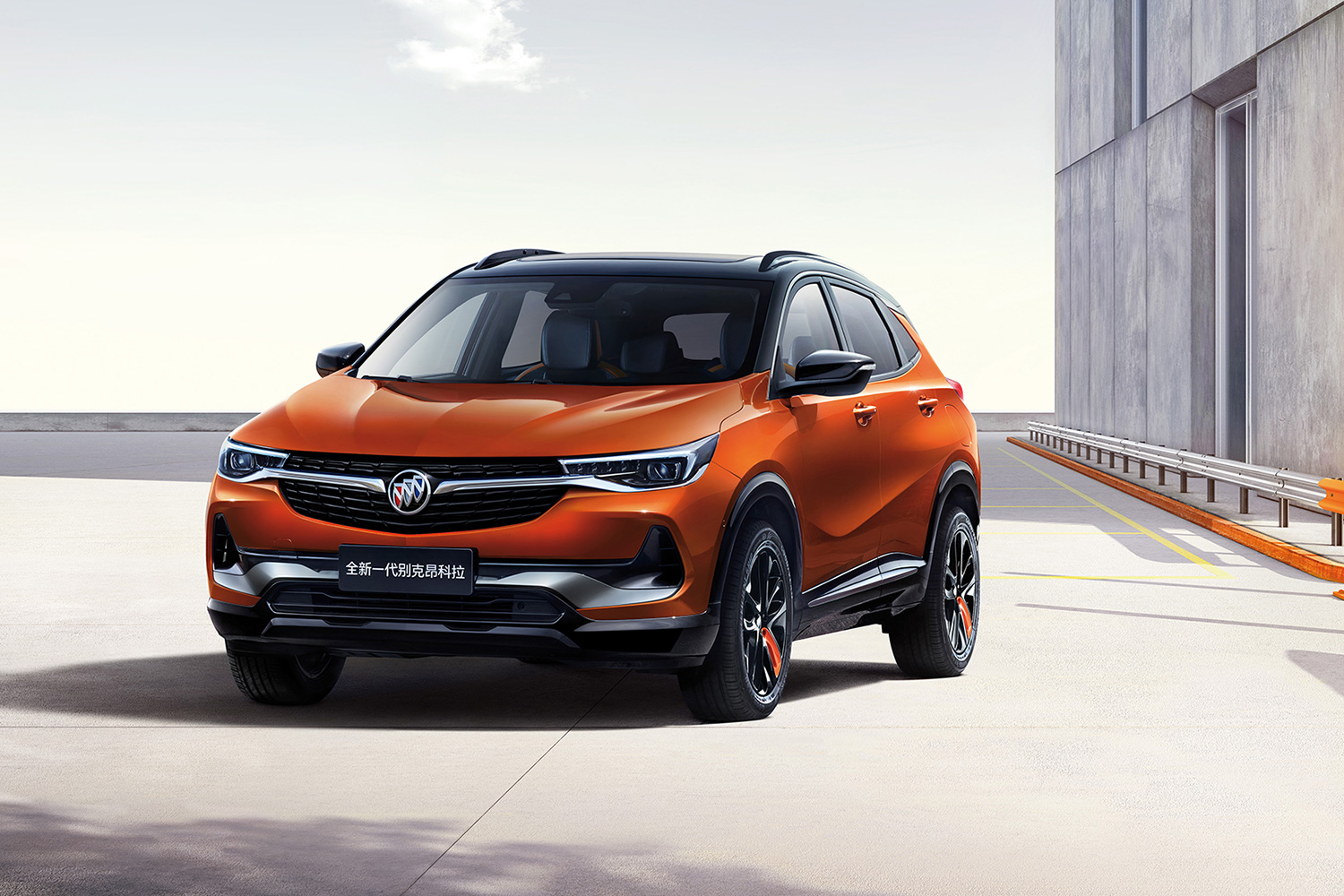
At a glance
- The China-origin range spans 1.4T, 15T, 18T and 20T engine designations with several transmission choices.
- Regular trims are predominantly two-wheel drive, while GS Sport-oriented versions add a four-wheel-drive option.
- New and used buying paths suit different fleet, dealer and inventory-margin priorities.
- Live export pricing changes with specification, condition, currency, freight and Incoterm.
- Steering configuration, destination homologation and used-vehicle import rules must be checked before ordering.
Why the Buick Encore matters for export markets
The Buick Encore occupies the compact crossover space that many import markets use between a city car and a larger family SUV. Its appeal to dealers and fleet buyers is practical rather than exotic: raised seating, a manageable footprint for urban use, and a Buick badge that carries more recognition than an unknown Chinese marque. For importers, it can broaden a showroom with a familiar nameplate without the cost and operating burden of a full-size SUV, while remaining practical for fleets that prioritise acquisition cost, parking in daily use and straightforward maintenance.
The export case is strongest where compact SUVs are popular with first-time buyers, ride-hailing or company fleets, and customers who want more space and visibility than a sedan without the parking burden of a large crossover. The Chinese-market Encore range shown on the [Buick brand hub](https://chinacardirect.com/car-brands/buick) includes several engine and transmission combinations, so it can serve different acquisition-cost and operating-cost positions rather than one narrow specification. That flexibility matters to distributors: an urban-oriented trim and a higher-output 2WD or GS-oriented model may address different customers, but only after fuel use, equipment and local running costs are checked.
One important qualification is that Encore has been used in different Buick markets and should not be treated as a single global specification. The trim names relevant to Chinese export stock—Urban, Elite, Leading, Luxury and GS—describe a China-oriented range, not necessarily the North American Encore sold in earlier model years. Buyers should compare the exact generation, body, engine label and equipment on each live listing. That check prevents an importer from budgeting for the wrong axle ratio, control system, spare-wheel arrangement or homologation route, and it avoids assuming that spare parts or service procedures transfer between unrelated generations.
- Compact footprint for urban distribution
- Recognisable badge for importer portfolios
- Verify generation before comparing trims
Model range, trims and powertrain variants: how the lineup is structured and how to choose
The export-relevant lineup is organised around three practical axes: engine output, transmission and drivetrain. Chinese-market listings identify 1.4T, 15T, 18T and 20T engine variants, with manual and automatic transmissions on some specifications and CVT applications on others. Most regular trims are front-wheel drive, while the GS Sport-oriented versions add a 4x4 option. Names such as Urban, Elite, Leading, Luxury, Progressive and Sport Edition indicate hierarchy and equipment, but they should be translated into a verified equipment list. Do not infer content from the badge alone before comparing or approving a shipment.
For fleet use, the 1.4T versions may be attractive where fuel economy and lower purchase cost matter, but buyers should compare the live vehicle's output, rated consumption, maintenance schedule and insurance class rather than rely on the engine label. The 18T and 20T choices suit buyers seeking more performance or refinement, usually with higher operating expectations. Manual transmission can appeal where the buyer is comfortable with driver involvement and local repair capability; an automatic or CVT reduces driver workload and may be easier to resell in markets dominated by newer vehicles.
The GS 4x4 versions are the logical choice when the buyer wants the Encore's compact dimensions with additional traction-oriented hardware, but 4x4 does not by itself settle ground clearance, tyre size, tow limits or winter suitability. Those items must be checked on the actual listing because the specification tables are not uniform across trims. For fleet procurement, also compare seating, luggage capacity, infotainment language, driver-assistance functions and whether local dealers can service the selected engine and gearbox. A nominally higher trim can cost more to insure or maintain if key components are less familiar locally.
- Match engine choice to operating costs
- Verify transmission and drivetrain configuration
- Compare safety and infotainment equipment
New vs used Buick Encore: how export inventory is structured and how buyers choose
Chinese export inventory can include new vehicles and used examples, so buyers should first establish which condition fits their business rather than treating the model as a single product. New units suit dealers seeking consistent specification, delivery presentation and a current version of a selected trim; used units can suit price-sensitive importers who accept age, mileage and condition risk. The same trim name does not guarantee identical condition across vehicles. A fleet buyer may prioritise availability and acquisition cost, whereas a retailer may place more weight on presentation, warranty transfer and the ability to stock several trims.
For a used Encore, the purchase file should establish identity and history before price is negotiated. Ask for the VIN or chassis number, registration document, title or release status, odometer reading, service records, keys, tools and evidence of ownership, then compare them with the seller's photographs. An independent pre-shipment inspection should cover bodywork, tyres, glass, lighting, suspension, fluid leaks, cabin wear, dashboard warnings and a road test where feasible. Treat a clean exterior or low mileage claim as a prompt for verification, especially if the vehicle will be sold on warranty in the destination market.
For a new vehicle, confirm whether it is truly unused, a dealer demonstrator or another non-retail status, because that affects warranty commencement, tyre and paint condition, mileage and expected resale presentation. Ask the seller to reconcile the VIN, factory specification, production date, option list and delivery documents with the physical vehicle. New does not automatically mean homologated, so overseas buyers must still check emissions, safety and type approval, as well as local software and infotainment compatibility. Used vehicles can be more readily available in a chosen specification, but neither condition removes the need for destination-market compliance.
- Reconcile VIN with trim and documents
- Inspect used units before commitment
- Verify warranty status and start date
How export pricing works: the factors behind a live listing price, and how to read one
A live Buick Encore export price is a unit-level commercial figure, not a fixed market price for the model. It moves with model year, trim, engine and transmission, drivetrain, mileage, condition, service history and the level of documentation available. Seller location and stock demand also matter, while exchange-rate changes can alter the apparent cost for buyers outside China. Freight, marine insurance, terminal handling, inspection, export paperwork and the chosen Incoterm can either be included or remain outside the displayed figure. Buyers should therefore compare offers on the same landed-cost basis before approval.
Read each listing as a specification sheet rather than a headline bargain. Check the year, exact trim wording, engine, gearbox, drive layout, condition, mileage, VIN availability, seller location, images, unit identifier, availability status and stated MOQ. Open the [current live Encore inventory](https://chinacardirect.com/products?q=Encore&brands%5B%5D=932) and verify the price attached to that specific unit; a saved quotation, search result or earlier message can become stale once condition, currency or commercial terms change. Request written confirmation that the quoted amount and included services correspond to the selected SKU before placing any deposit or authorising shipment.
The most useful comparison is a landed budget, not the smallest visible listing amount. Ask every seller to quote the same Incoterm, currency, payment stage, inspection scope, documentation set and freight assumptions. Then model the destination charges that remain the buyer's responsibility, including import duty, taxes, registration, port fees, inland transport and compliance work. These charges can alter the ranking of two vehicles even when their displayed prices are close. For fleet tenders, record exclusions explicitly and build a contingency for exchange-rate movement, inspection findings, missing equipment or repairs that become necessary after arrival.
MOQ, ordering and payment: single units vs consolidating a container
MOQ is a commercial rule attached to a particular offer, not a permanent characteristic of the Encore. A live listing may allow a single-unit purchase, while another seller, configuration or shipment plan may require a batch; the current terms must be checked on each unit. Buyers should ask whether the stated MOQ applies per model, trim, colour or production batch, and whether mixed units count toward it. If a dealer needs a test vehicle, a pilot shipment or several vehicles for resale, a written single-unit exception may be more useful than assuming flexibility from the model name.
Consolidating a container can improve freight efficiency, but it turns a vehicle purchase into an inventory-planning decision. A mixed batch of Urban, Elite or GS specifications may serve a broader customer base than one trim repeated, yet it can also leave slow-moving stock and exposes the buyer to model-year, colour and equipment mismatches. Agree the allocation, deposit, production or stock-readiness date, inspection sequence, loading list and release plan before committing. Confirm that every unit has its own VIN and matching documents, and clarify who bears losses or delays after the carrier takes custody.
For a wholesale buyer, a sound order starts with a written pro forma invoice or sales contract that identifies the vehicle, quantity, price, currency, MOQ, Incoterm, payment milestones, validity period and what happens if inspection fails. Verify the seller's legal entity and beneficiary details through a second channel, and understand the deposit, balance and refund terms before transferring funds. Where an intermediary is involved, make sure responsibility for inspection, documentation, release and freight is unambiguous. A [request for quotation](https://chinacardirect.com/contact) is the practical starting point for a multi-unit requirement because the reply should state assumptions instead of implying an all-in price.
- Confirm MOQ scope for every offer
- Record allocation and inspection terms
- Verify beneficiary details before payment
Shipping, homologation and market compliance caveats: LHD/RHD and import rules by country
Vehicle export normally involves preparation, customs export, port handling, sea or vehicle-carrier movement, discharge and inland delivery. The logistics plan affects both cost and control: loose-vehicle shipping can simplify loading, while Ro-Ro or container-consolidated movement depends on available equipment and carrier schedules. Quote the origin terminal, destination port, carrier mode, booking party, insurance, customs-broker role, delivery point and charge inclusions. Transit duration changes with sailing frequency, port congestion, weather, documentation readiness and consolidation, so a firm sailing plan should be distinguished from a guaranteed door-to-door estimate covering the importer's operations and contingencies.
Steering configuration is a critical early check. Vehicles sourced from China are commonly configured for left-hand drive, but a listing's wording should be verified rather than assumed. A right-hand-drive market may accept a factory-produced right-hand-drive vehicle more easily than a converted one, while a left-hand-drive conversion can add cost and affect steering components, safety systems, trim, warranty and type approval. Do not order on the basis of a photograph alone. Request the steering position, VIN, build plate and relevant documents, then obtain local confirmation that the configuration can be registered and operated in the destination country.
Import and homologation rules are country-specific rather than covered by the export seller's paperwork alone. The importer may need to address VIN identification, emissions, noise, safety, cybersecurity or software rules, radio-equipment approval, customs valuation, duty, taxes and local registration. Used vehicles can face stricter age, mileage, emissions or inspection rules, and some markets restrict particular origins or configurations. Begin with an importer or broker familiar with the destination before paying, and include compliance fees and any corrective work in the landed budget. Never treat a certificate for Chinese domestic sale as automatic approval for overseas use.
- Confirm steering side before deposit
- Check destination import and age rules
- Budget registration and compliance work
Who should buy the Encore — and who should pick a different vehicle
The Encore is a sensible fit for urban dealers, small-company fleets and buyers who want a recognised-brand compact SUV at a manageable acquisition cost. It is particularly useful where roads and parking conditions favour a smaller vehicle but customers still expect a raised driving position and a practical hatchback-style load area. A buyer may also value the broad Chinese-market trim range, which allows engine, transmission and drivetrain choices to be matched to local taxes, fuel prices and repair capability. These benefits are strongest when the importer can support the selected configuration and maintain realistic residual-value assumptions.
It is less suitable for buyers whose brief requires battery-electric range, a seven-seat people carrier, a large van-like cargo volume or the towing capacity of a body-on-frame utility. This Chinese-market range is gasoline-powered, so an EV buyer should not infer charging capability or a battery pack from the Encore name. A high-riding GS version may help on poor surfaces, but the standard 2WD models should not be treated as off-road vehicles. Those needing guaranteed winter equipment, advanced collision assistance or a particular emissions configuration should select only after checking the exact vehicle and destination rules.
The decision should therefore be made on total operating and ownership suitability, not badge appeal alone. Compare real fuel consumption, insurance class, service intervals, parts access, tyre availability and likely resale demand against a rival that better matches the fleet policy. For a dealer, inventory turnover and the ability to source matching units matter; for a fleet, uptime, driver comfort and maintenance simplicity may dominate. If the buyer cannot verify local homologation, parts support or a sensible exit market, the apparent advantage of a lower purchase price can reverse quickly. A smaller vehicle that fits local use is usually a better export choice than a broader ambition.
Main rivals and how the Encore compares
The Chevrolet Trax is the closest conceptual rival because it occupies the same small-SUV bracket and competes directly for price-sensitive family and urban buyers. The Buick offers a more upmarket badge and a distinctive compact-crossover image, while the Chevrolet benefits from a broadly familiar global name. Buyers should compare the exact Chinese-market engines, transmissions, rear layout, equipment and local aftersales support, because shared positioning does not mean every specification is equivalent. For private buyers, badge preference may decide; for fleet tenders, serviceability and whole-life cost should carry more weight in the purchase.
The Hyundai Creta is a stronger alternative for markets where a very broad international footprint, familiar hybrid or conventional powertrain options, and established parts support reduce import risk. It is generally positioned as a slightly more mainstream global compact SUV, while the Encore differentiates through Buick styling, equipment hierarchy and the narrower China-origin specification pool. A buyer should not assume either has the cheapest local running costs. Compare warranty handling, fuel use, electronics, service intervals and insurance for the precise grades being considered, especially if software, radio systems or spare parts must be supported from China.
The JAC Jiayue X4 is a useful domestic-brand comparison because it targets the same value-oriented small-SUV customer with Chinese manufacturing and export experience. It may offer a more familiar cost structure for regional buyers who already know JAC's service network, while the Encore provides a Buick badge and a more aspirational showroom position. Neither is automatically easier to import: local approval, parts planning and residual demand remain decisive. A sensible shortlist places the Buick beside the JAC and Hyundai, then applies the same condition, equipment, logistics and landed-cost worksheet to all three.
- Trax: closest Chevrolet alternative
- Creta: global support and familiarity
- Jiayue X4: direct Chinese alternative
Live Buick Encore export inventory
View all listings →Real units currently on ChinaCarDirect with per-unit asking prices and MOQ. Availability updates live from the catalogue.
How to buy a Buick Encore from China
-
1
Define the target configuration
Set the destination market, steering requirement, engine, transmission, drivetrain, equipment priorities and total landed-cost ceiling before selecting a vehicle.
-
2
Open the live unit inventory
Review the [live Buick Encore listings](https://chinacardirect.com/products?q=Encore&brands%5B%5D=932) and verify the current price, MOQ and availability attached to each specific unit.
-
3
Request the identity and condition file
Ask for the VIN or chassis number, year, exact trim, transmission, drivetrain, photographs, mileage, service history, ownership documents and warranty status.
-
4
Build a like-for-like export quotation
Request the same currency, Incoterm, payment stage, inspection scope, documentation package and freight assumptions from each seller, with all exclusions stated.
-
5
Confirm MOQ and payment terms
Clarify whether MOQ applies per vehicle, trim or batch, whether mixed units qualify, and the deposit, balance, refund and cancellation conditions.
-
6
Approve inspection and vehicle documents
Use an independent pre-shipment inspection to reconcile the VIN, body condition, mileage, warning lights, fluids, equipment and export paperwork with the contract.
-
7
Book shipping and destination compliance
Confirm the carrier, ports, insurance, customs broker, delivery point and destination homologation, used-vehicle age rules and any required steering configuration before loading.
Encore vs rivals
| Chevrolet Trax | The Trax is a close small-SUV competitor for budget-conscious family and fleet buyers, while the Encore offers a more upmarket Buick identity. Compare the exact engines, transmissions, equipment, local service support and whole-life costs rather than assuming either model is mechanically interchangeable. |
|---|---|
| Hyundai Creta | The Creta may appeal where global brand familiarity, multiple powertrain routes and established parts support reduce import risk. The Encore differentiates through its Buick presentation and Chinese-market trim structure, but local warranty, electronics and service arrangements should influence the choice. |
| JAC Jiayue X4 | The Jiayue X4 is a direct Chinese value-oriented alternative for buyers prioritising cost structure and regional brand familiarity. The Encore provides a more distinctive Buick showroom proposition, yet neither is automatically easier to import or support with parts. |
Frequently asked questions
How is export pricing determined for a Buick Encore?
Each live offer reflects the selected unit's year, trim, engine and transmission, condition, mileage, documentation and commercial terms. Freight, insurance, exchange-rate movement, destination charges and the Incoterm can change the landed total. Open the [live Buick Encore listings](https://chinacardirect.com/products?q=Encore&brands%5B%5D=932) for current per-unit price, MOQ and availability, and request a written quote stating every inclusion and exclusion.
Which engine and transmission options are available?
The Chinese-market export range uses gasoline engines identified as 1.4T, 15T, 18T and 20T, depending on trim. Manual and automatic transmissions appear in some trims, while CVT versions cover others; GS Sport-oriented variants include 4x4. Exact output, fuel consumption, dimensions and equipment must be confirmed on the selected live listing.
Should an overseas buyer choose a new or used Encore?
A new vehicle is generally easier to standardise, document and present as current inventory, although warranty status and unused status still require confirmation. A used vehicle may offer a lower acquisition cost and broader trim choice, but age, mileage, title status, accident history, service records and condition must be independently checked.
How does MOQ work when exporting a Buick Encore?
MOQ is a commercial term attached to each live offer and may apply per unit, trim, configuration or production batch. A buyer can request a pilot quantity or mixed-unit arrangement, but any exception should appear in writing. Current MOQ and availability must always be checked on the selected live listing.
What determines shipping time and cost?
Shipping time and cost depend on the carrier mode, route, sailing schedule, port congestion, documentation readiness, vehicle condition, insurance and inland delivery distance. Ro-Ro and consolidated vehicle movements may offer different handling and consolidation requirements. Ask for the freight inclusions, charge exclusions and whether the estimate covers port-to-port or door-to-door delivery.
How are spare parts arranged for an exported Encore?
Ask the seller for VIN-based part numbers, recommended service items and any available parts support before choosing the vehicle. Confirm whether maintenance can be completed locally or whether engine, transmission, electronic and trim-specific components must be ordered from China. This avoids buying a configuration that is difficult for local dealers to support.
Is a right-hand-drive Buick Encore available?
Chinese export vehicles are commonly left-hand drive, so every unit's steering configuration must be confirmed before ordering. A factory right-hand-drive vehicle is generally simpler to approve than an aftermarket conversion, while a conversion can affect cost, safety systems, warranty and type approval. The destination authority or importer should verify whether the proposed configuration can be registered and operated.
How do I order a Buick Encore from China?
Start with a live listing, shortlist the exact vehicle and request a written quotation covering specification, price, MOQ, Incoterm, payment and documentation. Complete identity checks and an independent inspection before final payment, then book compliant transport and confirm the destination registration route. A [ChinaCarDirect RFQ](https://chinacardirect.com/contact) can provide a structured starting point for single-unit or multi-unit requirements.
Ready to source the Buick Encore?
Send ChinaCarDirect your target market, trim, quantity and Incoterm to request a current unit-level quotation for Buick Encore exports.
Request a quote